Explore the world with curiosity, expand the knowledge, DIVERSITY OF PEOPLE IN DIFFERENTS LANDS, , surrounding geography, culture, traditions, values, language, history, economy, ,direct contact with ordinary people to understand their condition, life, aspirations, dilemas.
World Enough Observed…….connecting with the people.
Journeys with a difference….. contact : Nizar Harji
nizarharji@shaw,ca nizarharji.travel.blog
This is about one of the journeys to over 60 countries.
CUBA is the largest and least commercialised Caribbean country, with picturesque colonial towns with distinct Afro-Cuban culture, with almost 300 unblemished beaches and enchanting countryside. The Cuban people are sincerely friendly. For nearly four centuries ruled by Spain and was the main gateway to Spain’s vast American empire. Spanish were brutal in the treatment of locals in a slave like conditions. Chritopher Columbus landed there in 1492. Cuba has a long history of attempts to occupy it by France and British.
The richness of Cuba’s culture is well reflected in its many museums in the capital city Havana. It has world class artistic center with numerous galleries, theatres. The country is a musical maverick which gave birth to rumba, mambo, chachacha and salsa.
FIDEL CASTRO, the Revolutionary Commander and its leader who with his comrades in 1959 toppled the oppressive regime of Batista which was supported by U.S. Cuba aligned itself with Soviet Union after an attempt by U.S. to invade Cuba and their failure which came to be known as “Bay of Pigs”. in 1960 U.S. declared a full trade embargo on the country and managed to have Cuba expelled from the Organisation of American States. Mexico and Canada who better understood the idiosyncrasies of U.S. foreign policy refused to bow to U.S. pressure to severe diplomatic relations. in 1961 Cuba was facing shortages of almost everything, the help of Soviet Union kept the country going. In 1962 Khrushchev decided to deploy medium range missiles in Cuba capable of striking anywhere in U.S. This led to Cuban Missile crisis, which brought the world closer to the brink of nuclear war. The crisis was defused when the Soviet Union under Khrushchev ordered the missiles to be dismantled on the assurance and understanding with President John Kennedy that U.S. will not invade Cuba.
The Cuban people in Havana gather in their thousands to hear long speeches of Fidel Castro.
Among the Cuban people. They are very generous and welcoming. Despite the hardship they always have smiles on them.
With the Cuban people on a hiking tour.
The surrounding countryside has enormous natural beauty.
People of Cuba have a spirit of adventure. Here Nizar at the waterfall.
The country side outings in Soviet made old trucks.
Above Cigar factory.
Cuba’s main industries are Sugarcane, Cigars, tropical fruits, tourism facilities. Small quantity of oil is now produced.
Cuba has developed best medical services in the country and highly trained Specialists and Medical doctors. The education services up to the University are available to all Cubans, University of Havana was founded in 1728 by Spain , kindergarten, senior home, sports – all these are undeniable achievements and have not been sacrificed despite severe embargo.
The main frustration is unemployment and the quality of life of people, as a result of embargo by U.S. the economy has no growth.
At the Cigar factory in Pinar del Rio.
With the Cuban family in Havana.
My friends Carlos and Katia sitting next to me. Katia graciously invited me to their simple dwelling to share a meal with them despite that they had very little themselves. Katia offered me two choices as there was nothing else, one either she could prepare “Rice and Beans” or another choice “Beans and Rice”. The sense of humour is tremendous. This was the best meal I had in the whole journey.
They became close friends and the self drive car below I had rented we all went around to different cities , they were as delighted as I was to be in their company .
Above Carlos working at a hotel in Varadero with his fiance’ Katia. The other lady sister of Carlos, her husband taking this photograph.
A world class performance in Havana which is a must for any tourist.
The performances are dazzling.
The talent of performers and music were undeniably high.
Below at Santa Clara which stands mid way between Havana and Camaguey. Santa Clara has a monument of Ernesto ‘Che’ Guevara, an Argentinian Medical Doctor who joined the Cuban revolution and was made “comandante” fighting alongside the leader Fidel Castro.
In the village in Santa Clara playing football with my little friends.
In one of the pub in Havana, which was frequented by the famous author Earnest Hemminghway. There in the pubs you always find intellectual Cubans ready to engage you in any discussion.
At a fine dining restaurant in Havana, for benefit of foreign tourists.
Havana has many upscale hotels and inexpensive for tourists.
A majestic, serene view of River Nile, Villa Noor Es Salaam ( in white ) and further up the Mausoleum.
RARE PHOTOS OF MATASALAMAT NOT PUBLISHED BEFORE.
MataSalamat in a relaxed mode with her dog Chaumpsy who is always by her side, at Villa Noor-El-Salaam, Aswan.
in ASWAN, Egypt. Photo by Shahalini Nizar.
Matasalamt celebrating her Birthday at Villa Noor-Es-Salaam in Aswan, Egypt. Photo by Shahalini Nizar. Ms. Janine, Matasalamat’s personal secretary (holding Chaumpsy), served Matasalamat till the end.
Matasalamat with Nizar Harji on the balcony of Villa Noor-El-Salaam, overlooking the River Nile. This was a 2-hour mulaquat when Matasalamat recounted memories of her life and travels with Sultan Mohamed Shah . She remembered vividly her travels with Sultan Mohamed Shah to the ruins in Petra, Jordan, to Karachi – soon after the creation of Pakistan, Mashad in Iran Kerman Province which was governed and the stronghold of 46th Imam Mowlana Shah Hassanali Shah, she rembered safari in Kenya game parks. She also mentioned her frequent visits to Cairo with Sultan Mohamed Shah. She asked questions about my grand father, where he originated from and what the family and community situation was in India at that time. She elaborated that It was the 49th Imam who sent the community to Zanzibar 1889 and that in 1905 during Imam’s second visit to Zanzibar, the first Ismaili constitution and Ismaili Council were established , and Jamati Mukhi and Kamadia were appointed. When I conveyed to Matasalamat that I had a photo of the 49th Imam in 1905 with Council members and Mukhi Kamadias and my grand father who held positions on both, Matasalamat immediately asked that the photo be sent to her at Villa Yakiamour in Cannes, France . Later when she was in receipt of the photo, she acknowledged not having seen it before. Soon after, this photo appeared at the Institute of Ismaili Studies in London,UK and in the History of Ismailis publication .
With a smile and expression of joy on her face , raising her hand and motioning forward , Matasalamat said “…see where you are today, in Canada . Now tell me about the Jamat in Canada. Are our young boys and girls in Universities ? And is the Jamat making progress ? ” At that point I conveyed that the Jamat in Canada is waiting for her visit,. Her response was , ” Inshallah, if Hazir Imam wants it to be ” .
During the 2 – hour mulaquat, Matasalamat would often pause, reflect, and impart wisdom. At one point, she asked a question, “Do you know ..what is the greatest gift of Allah to humankind?” I pleaded ignorance and if she would enlighten me. Her response was ” yes, the greatest gift of Allah to humankind is intelligence “.
Matasalamat expressed concern and worries about the heavy aerial bombing by the United States on Iraq and whether the tomb of the first Imam, Hazrat Ali, in Najf, Iraq, was destroyed. She elaborated that she had contacted Prince Sadrudin to investigate the status and give her a report. She added that through his diplomatic channels, Prince Sadrudin was able to ascertain that although surrounding fixtures were destroyed, that the tomb of Hazrat Ali was completely safe and intact. Matasalamat ended with the word ” Allahamdullilah” (all praise due to Allah “. The Jamat around the world may not be aware of Matasalamat’s strong faith in Islam and her devotion to the Imamat.
At one point during the mulaquat, Matasalamat summoned one of the Arab employee of the villa. She instructed him to take me to the mausoleum of Imam Sultan Mohamed Shah where holy Quran are recited continually, and where a fresh cut rose is placed on the tomb daily. She emphasized that he was to remove the barrier that keeps visitors at a distance, and to allow me to approach and touch the tomb.
Upon my return from the tomb, Matasalamat immediately asked what I had experienced ? I was still very shaken and replied that I felt a strong ” spiritual power ” ; that no Ismaili could remain upright on his two feet while touching the tomb. I related that upon touching the tomb, I became emotional and dizzy and fell to the ground, hitting the left side of my head against the tomb. The Quran reciters helped me up. We then proceeded with Fateha prayers. Matasalamat responded ” yes, many foreigners have told me the same “.
After pausing momentarily, Matasalamat asked the Arab employee to return to the mausoleum and bring the rose that was placed on the tomb that day. Matasalamat handed the rose to me and said it was her gift to me of the mulaquat.
Towards the end of the mulaquat, Matasalamat became overwhelmed with emotion. She said ” I am tired of life now, without your Imam. He is calling me “. I responded that the Jamat needs Matasalamat. In that moment, her mood brightened, and she led the way to the balcony where a feluca was waiting to take me to the other side of the River Nile. She waited and waived her hand in farewell until the feluca was out of sight. A defining moment and an unforgetable experience in my life.
Aswan, Egypt.
Felucca owners earn a good living taking tourists to visit the Mausoleum of Sultan Mohamed Shah, the 48th. Imam , in the background is the Mausoleum. A felucca is a traditional wooden sailboat.
Local tribes people offering their handcrafted items for sale to visiting tourists and earn good money. The Mausoleum of Sultan Mohamed Shah is in the background.
The world heritage site of ABU SIMBEL, a 2 hour drive from Aswan, was in danger of vanishing due to sinking ground along River Nile, Prince Sadrudin Aga Khan made it his project to save the ancient heritage, and had it restored for future generations.
Shahalini (Shelly) Nizar
This was Matasalamat’s vision, project to improve the education of the people of Aswan, specifically the women, enabling them to be gainfully employed. With more females in the workforce, family income would increase leading to better living conditions, improved health, and a trend of ensuring their younger children remained in school. Matasalaamat introduced computer learning in Aswan funded by Om Habibah Foundation , with approval of Hazir Imam. The project was discussed in great details by Matasalamt with Shahalini Nizar at Villa Yakiamou at Cannes, France, when Matasalamat elaborated her vision and entrusted the project to Shahalini Nizar Harji from Vancouver.BC an educator with solid background in intercultural adult studies, to undertake the implementation. Naila Nizar, Shahalini’s sister and a college instructor in computer technology, was brought on-board as a curriculum developer. Shahalini to manage teaching and coordination in Aswan, Egypt, while Naila Nizar with a Vancouver-based technical team, to handle project support out of British Columbia. Om Habibeh Foundation funded the extension to the existing School of Languages in Aswan to establish Computer Lab. fully equipped with Microsoft computers , and class room. Hardware and software were shipped from British Columbia to Aswan, Egypt.
Naila Nizar.
Female teachers in the School off Languages, Aswan were the first cohort to go through the computer training at the Om Habibah Computer Lab. This was a simplified yet rigorous four month course in the computer learning. This group and others that followed would be using computers for teaching in the class rooms. Shahalini worked with local men to put a basic IT maintenance team in place.
The project was very much appreciated and lauded by the local Govt. authorities in Aswan for Matasalamat’s concern for the well-being of the population of Aswan. This was widely published in media. Throughout the implementation phase, Hazir Imam was in regular communication wih Matasalamat.
After four months, Shahalini was given leave by Matasalamat to return to Vancouver and oversee the program moving forward from her home base and report to Matasalamat at Villa Yakiamour in Cannes, France.
Om Habibah computer lab is continuing to function after 25 years of its establishment and today women of Aswan are more empowered.
Shahalini arriving in Aswan for Matasalamat’s computer project. Shahalini standing behind Matasalamat. Seated on left of Matasalamat Nizar Harjiwho accompanied her to Aswan.
Crossing Riverr Nile, from town, enroute to Villa Noor-el-Salam, Aswan, Egypt. Ms. Jenin personal secretary left, center Shahalini, on left of Shahalini is her father Nizar Harji.
Ms. Jenin and Shahalini crossing River Nile from Villa Noor-el-Salam to town.
Matasalamat taking evening Boat ride with Shahlini on River Nile, Aswan, Egypt.
Elementary school boys at th and girls at the School of Languages were eager to be photographed with Shahalini, lady from Vancouver,Canada at their school.
Students at the School of Languages eager to have photo with Shahalini Nizar.
Photo showing some of the trained Women teachers at the computer lab, with their instructor Shahalini Nizar.
A majestic serene view of River Nile, Villa Noor El Salaam in white and further up the Mausoleum.
A majestic Sun set view of the Villa and the Mausoleum
Near by the Mausoleum local tribesman offer camel rides to the visiting tourists and earn a good living.
Last farewell photo of Matasalamat with Shahalini at Villa Yakiamour, Cannes, France April, 1996, discussing progress of Om Habibah computer lab in Aswan. Matasalamat expressed satisfaction that it benefitted greatly the women of Aswan and that the computer lab is continuing to function after 25 years of its establishment. Four years later Matasalamat passed away peacefully.
Before Matasalamat passed away, In the be begining of year 2000, Om Habibah Foundation funded the awareness campaign in local media, lectures, radio and discussions in Aswan, Egypt on Covid.19 Virus and to follow rigorously WHO guidelines by the population for personal safety and security.
After passing away on JULY 01,2000 Matasalamat as per her wish was laid to rest next to the tomb of Sultan Mohamed Shah in Aswan , Egypt.
After passing away of Matasalamat, OM HABIBAH FOUNDATION was merged with AGAKHAN FOUNDATION.
ALL PHOTOS COPYRIGHT and owned by Shahalini Nizar.
World Enough Observed…….connecting with the people.
Journeys with a difference….. contact : Nizar Harji
nizarharji@shaw,ca nizarharji.travel.blog
This is about one of the journeys to over 60 countries.
CUBA is the largest and least commercialised Caribbean country, with picturesque colonial towns with distinct Afro-Cuban culture, with almost 300 unblemished beaches and enchanting countryside. The Cuban people are sincerely friendly. For nearly four centuries ruled by Spain and was the main gateway to Spain’s vast American empire. Spanish were brutal in the treatment of locals in a slave like conditions. Chritopher Columbus landed there in 1492. Cuba has a long history of attempts to occupy it by France and British.
The richness of Cuba’s culture is well reflected in its many museums in the capital city Havana. It has world class artistic center with numerous galleries, theatres. The country is a musical maverick which gave birth to rumba, mambo, chachacha and salsa.
FIDEL CASTRO, the Revolutionary Commander and its leader who with his comrades in 1959 toppled the oppressive regime of Batista which was supported by U.S. Cuba aligned itself with Soviet Union after an attempt by U.S. to invade Cuba and their failure which came to be known as “Bay of Pigs”. in 1960 U.S. declared a full trade embargo on the country and managed to have Cuba expelled from the Organisation of American States. Mexico and Canada who better understood the idiosyncrasies of U.S. foreign policy refused to bow to U.S. pressure to severe diplomatic relations. in 1961 Cuba was facing shortages of almost everything, the help of Soviet Union kept the country going. In 1962 Khrushchev decided to deploy medium range missiles in Cuba capable of striking anywhere in U.S. This led to Cuban Missile crisis, which brought the world closer to the brink of nuclear war. The crisis was defused when the Soviet Union under Khrushchev ordered the missiles to be dismantled on the assurance and understanding with President John Kennedy that U.S. will not invade Cuba.
The Cuban people in Havana gather in their thousands to hear long speeches of Fidel Castro.
Among the Cuban people. They are very generous and welcoming. Despite the hardship they always have smiles on them.
With the Cuban people on a hiking tour.
The surrounding countryside has enormous natural beauty.
People of Cuba have a spirit of adventure. Here Nizar at the waterfall.
The country side outings in Soviet made old trucks.
Above Cigar factory.
Cuba’s main industries are Sugarcane, Cigars, tropical fruits, tourism facilities. Small quantity of oil is now produced.
Cuba has developed best medical services in the country and highly trained Specialists and Medical doctors. The education services up to the University are available to all Cubans, University of Havana was founded in 1728 by Spain , kindergarten, senior home, sports – all these are undeniable achievements and have not been sacrificed despite severe embargo.
The main frustration is unemployment and the quality of life of people, as a result of embargo by U.S. the economy has no growth.
At the Cigar factory in Pinar del Rio.
With the Cuban family in Havana.
My friends Carlos and Katia sitting next to me. Katia graciously invited me to their simple dwelling to share a meal with them despite that they had very little themselves. Katia offered me two choices as there was nothing else, one either she could prepare “Rice and Beans” or another choice “Beans and Rice”. The sense of humour is tremendous. This was the best meal I had in the whole journey.
They became close friends and the self drive car below I had rented we all went around to different cities , they were as delighted as I was to be in their company .
Above Carlos working at a hotel in Varadero with his fiance’ Katia. The other lady sister of Carlos, her husband taking this photograph.
A world class performance in Havana which is a must for any tourist.
The performances are dazzling.
The talent of performers and music were undeniably high.
Below at Santa Clara which stands mid way between Havana and Camaguey. Santa Clara has a monument of Ernesto ‘Che’ Guevara, an Argentinian Medical Doctor who joined the Cuban revolution and was made “comandante” fighting alongside the leader Fidel Castro.
In the village in Santa Clara playing football with my little friends.
In one of the pub in Havana, which was frequented by the famous author Earnest Hemminghway. There in the pubs you always find intellectual Cubans ready to engage you in any discussion.
At a fine dining restaurant in Havana, for benefit of foreign tourists.
Havana has many upscale hotels and inexpensive for tourists.
World Enough Observed……connecting with the people of different lands
contact: nizarharji@shaw.ca – Nizar Harji
nizarharji.travel.blog
This is about one of the journeys to over 60 countries.
Road trip from Damascus (Syria) to Beirut (Lebanon).
Border of Syria and Lebanon, Palestinians refugee settlement – family operated shop.
Above, the kindness and hospitality of the Palestinian refugees, they immediately invited me to meet the family and offer of snacks and drinks from their shop and bade farewell with prayers for my safety.
In Beirut at the promenade on the Mediterranean coast line. Lebanon was a flashpoint of constant conflicts, internal political problems between Christians, Muslims and the Shia group – Hezbollah backed by Syria and large population of Palestinian refugees settled in camps which was under constant Israeli Military attacks. Israeli Military with their allies in the fragile Government carried out a brutal killing of Palestinians in the refugee camps.
Lebanon was a very unsafe place to be, one can get caught up in cross fire from all sides. A beautiful country plunged in constant conflict. These mixed group of population kept apart from each other in their own strongholds and different areas they controlled. Tension was always high. My exploring was confined to Muslim controlled areas with their Middle Eastern life style.
A street scene in Beirut along the Mediterranean coast line.
SYRIA.
In Damascus – the grand Omayyed Mosque. A monument in Islamic architect.. Damascus is the capital of Syria with population of 2.5 million. It is a city of contrast. Veiled women in traditional dress walk alongside women dressed in trendy western clothes. Old men in “galabiehs” traditional attire pass young men in Levi Jeans and Michael Jackson T-Shirts. Damascus is the oldest continuously inhabited city in the world. Historicaly it has been fought over many times and some of the earliest conquerors include King David of Israel, the Assyrians in 732 BC, Nebuchadnezzar in 600 BC and then the Persians in 530 BC, in 333 BC it fell to Alexandr the Great. In 64 BC Syria became a Roman Province. With coming of Islam Damascus became an important centre as the seat of the “Omayyed Caliphate” from 661 to 750. When the Abbbasids took over and moved the Caliphate to Baghdad, Damascus was again plundered . Later Damascus was occupied by Seljuq Turks in 1076 and finally it fell to the Egyptians in 1154. Then in 1516 followed a 400 year rule of the OTTOMAN Turk until at the end of First World War with the defeat of Germany and Turkey. Under the mandate by League Of Nations France occupied Syria and Damascus from 1920 to 1945. At the end of Second World War in 1946 with the evacuation of the French forces, Damascus became the capital of an independant Syria.
At the university in Damascus – meeting and discussing with students, their view and thinking on the situation prevailing in the Middle-East.
Above an overview of Damascus.
A very pleasant life in Damascus, wonderful eating places with authentic middle eastern cuisine .
With an elderly shop-keeper in Damascus. People do not have concept of retirement. Their life remains active till the end.
Each day I passed on the same street, this little boy was there doing colouring. I did not know if he was expecting money from the passers by or he was just parked there by his parents when they went out to work. I tried to talk with him and I could sense and feel the deep sadness in his eyes. I was tempted to give him some money, but in that society it is risky to be missunderstood and foreigners could cross the cultural norms and be easily in trouble. My prayers went for this little boy. It was a mystery to me why this innocent looking boy was there everyday.
From Damascus motoring to Aman, Jordan and on to PETRA via the Dessert Highway. The SUNSET shining on the vast Dessert sand, the solitude and quietness was an experience to be thankful to Allah.
From Aman to PETRA – a U.N. heritage site of ancient civilisation. The excavation is in progress with more findings being unearthed. A ruined capital of Nabataeans – Arabs who dominated the Tranasjordan area in Pre-Roman times – and they carved these elaborate buildings and tombs out of the solid rocks, including 3000 seat amhitheatre. Walking around in silence you get the feeling of the past era.
Driving from Aman to Petra on a Dessert Highway, sun- set reflecting on the golden dessert sand, the sheer beauty of the nature cannot be described in any words, there are no sufficient words to glorify the Creator. If I were a painter I would not have sufficient colours to select to give effect to this glorious beauty. If I were a poet I would not have adequate words to do justice to this enormous beauty of the Creator. It touches the Soul, heart and mind and you feel closest to the Creator.
Among the visitors at PETRA, with a colossal ancient architecture discovery in the background. The sheer size and magnitude and the details of the monument is astonishing. One can only imagine the skills of the people who constructed this.
Scene of the PETRA discovery.
Below at WADI RUM on the way to AQUBA port (Jordan).
Wadi Rum has a spectacular desert scenery. There is no hotel in this area.
Scene at the AQBA port, JORDAN at the border point of Eilat in ISRAEL.
With people of AQBA, Jordan. It is a great tourist spot for the people in the Region from Arab countries.
At AQBA with my driver. The last point in Jordan at the border of Israel. To cross into Israel you have to walk pulling your luggage to its check point into Eilat. Here you go through severe interrogation by Israeli Military before they decide to let you in.
ISRAEL.
Overview of JERUSALEM.
A street scene in JERUSALEM.
Below JEWS WAILING WALL in EAST JERUSALEM. They touch their foreheads to the wall as their prayers ritual.
Above at the DOME OF THE ROCK, a holly site for the Muslims. It was from here PROPHET MOHAMED ascended Spiritually to meet the Creator. For Muslims walking inside the Dome has deep Spiritual meaning and satisfaction. Inside the Dome, ceilings have bullet marks, an attack by Israeli military on worshippers.
Below at the gate of the ancient Al AQSA MOSQUE , a holy site for MUSLIMS. Often a site of bloodshed by Israeli Military on Muslim worshippers.
At the restaurant in RAMALAH, West Bank PALESTINE.
In NAZARETH, in front of the Church of Nativity, believed to be the birthplace of Prophet Jesus Christ. Believed to be home of Mary and Joseph and the infant Jesus.
A Palestinian Wedding in RAMALAH, West Bank Palestine.
With my driver in Israel and Palestine.
Some of the stunning houses belonging to the Palestinians in the West Bank.
At the DEAD SEA in Israel, the lowest point on earth. The water in the Dead Sea is so heavy with salt that one cannot sink down under the water, you just remain floating. The Dead Sea contains 20 times as much Bromine, 15 times as much magnesium and 10 times as much iodine. Bromine a component of many sedatives relaxes the nerves. All these is said to have health beneficial effect.
At the MASADA IN ISRAEL. A deep climb up by foot. Masada has historical significance for Jews. Located high above the Dead Sea. Masad in Hebrew means stronghold. It was built as refuge and fortified against attack by the Romans : Cleopatra and Mark Anthony and kept under siege. In 66 AD the Jews rose up against the Romans that had surrounded them, a group of Jews Zealots defended the Masada to death. It was finally over run by the Romans. At the time there were inside Masada 967 men, women and children when at the point of being over run by the Romans all committed mass suicide and only ten Zealots remained defending and finally to die.
In West Bank Palestine at the street walk Café.
With head gear of Palestinians in East Jerusalem.
At the home of a Palestinian family. Very kind compassionate, generous people. In a long talk they enlightened me with the existing situation in Palestine and the brutality of Israeli Military on their daily lives. Their affection was heart warming and their hospitality to serve KAHAVA (café) and various home made sweets.
Talking with many other Palestinians, listening to their heartfelt stories of oppressed life, one can only admire their courage to continue their long struggle and their hope of having their own State. Their strong faith in this and their resistance against all odds cannot be extinguished.
WORLD ENOUGH OBSERVED….Connecting with the people of different lands. Travel with a difference.
contact : Nizar Harji. nizarharji@shaw.ca
nizarharji.travel.blog
This is about one of the journeys to over 60 countries.
THAILAND.
Above at the Bangkok FLOATING MARKET.
Thailand, different then any other Asia countries is deeply rooted in the Budhist culture. Population of 70 million people. People are very industrious and innovative in earning their daily livelihood, from street food vendors to floating markets to nightly open street markets selling from clothing to all kinds of necessities.
BANGKOK is one of the world’s most fascinating cities. The city that never sleeps, it is bustling day and night with activities. It is known as “City Of Angels”, with large percentage of young girls moving from rural areas in search of work. The population is imbalanced with more girls then b
From Bangkok to Chiang Mai, Chiang Rai and to the border of Myanmar (Burma). This point is known as “TRIANGLE” with three borders Thailand, Burma and China.
At the border of Myanmar and Thailand.
At the Northern Most point of Thailand, with saffron clad Budhist Monks.
BURMA (Yangoon/Rangoon).
Here you encounter men wearing skirt-like longyi and women with slim bodies and wrap around and in sandals mothered in traditional make-up. This corner of Asia has changed little since British Colonial times. It remains a troubled land with military in power and very little or no freedom for the population. There is a quasi-civilian government with Aung San Suu Kyi released from a long house arrest. But the power remains in the hands of the military. The civilian population are gentle, humorous, engaging, inquisitive and passionate. They are one of the most wonderful people. They live under harsh conditions economically and physically under Military rule.
The last Mughal Emperor in India Bahadur Shah Zafar in late 1850 was exiled in Burma by British when they defeated the Mughals.
Inside the Shwedagon Paya, the most stunning monument to religion in South East Asia, the sheer size and mystical aura of this glided masterpiece is awesome. Above a young couple encountered praying at the Pagoda, talking to them , they come to pray for Blessings before their intended marriage shortly; a very holistic approach to life.
With a Burmese family. Many come to Park in the evenings amid extreme hardship under military rule.
Northern Thailand, crossing the river on Bamboo raft.
Two young girls floating on the river offering for sale drinks and eatables to people crossing the river on the raft. An ingenious marketing idea , they are floating on inflated rubber on a river that is very deep.
Exploring the surrounding villages Northern Thailand accessible only on Bullock carts. Here husband wife team were ready to show me around for few Dollars.
My little friends in the village. They grow up in poverty.
Karen People are persecuted in Myanmar by the military. They had to flee to the refugee camp on the border of Thailand. They grow their own food and live stock and survive. They make souvenirs but very few foreigners come this far. The World has forgotten them. Above are tribal people. Other regular Karen people had to flee to this corner, they formed their own armed military resistance defending from the Mynamar military. Thailand is supporting them on their border and are benefiting in taking away their precious commodity ..Rose Wood, world renowned for expensive furnitures and used in palatial homes.
My little friend , Karen baby – so innocent and pure, I wonder what future lies ahead for her.
sailing from PHUKET , Thailand to PHI PHI Island.
Snorkeling in PHI PHI Island.
KO-SAMET – THAILAND.
A nowegian couple and myself hired a boat to sail from Bangkok to a remote Island of KO-SAMET. A boat was found with a very young THAI girl as Pilot.
A NEAR DISASTER AND TRAGEDY.
In the middle of the Ocean a powerful Typhoon ( came to be known as Typhoon Gay ) a violent hurricane came up without warning. Clouds gathered, dark sky and powerful winds. The ocean turned into a menacingly high waves, tossing and turning the boat from side to side, water flowing into the boat, a panic developed, they were only two life jackets in the boat and the Norwegian couple quickly snatched them. I was left hanging to the boat thrown from side to side. At this point the young Pilot sitting on high deck struggling with the steering but vey calm and confident, signaled me to come up to the upper deck and sit next to her holding tight to the boat. These were tense moments.
After many tense hours the boat gradually reached the Island but was unable to go up to the shore with heavy winds and the waves still crashing on the boat. After several hours of attempt, the very kind Thai people on the Island brought in a barge and a narrow wooden platform with a great struggle up to the boat. They helped us three getting on to the barge while the boat from far kept a watch. Courageously and with tremendous collective efforts, the good people of Ko-Samet gradually pushed the barge to the shore and we managed to land on the ground.
The young Thai girl pilot with her assistant to her right. In memory of her concern for my safety I requested to take a photo with her before leaving the boat to the barge. God Bless her.
After the ordeal on the Island calm prevailed.
With a Japanese visitor who had come to the island earlier, All of us had to stay on the Island with a very basic hut accommodation until the typhoon subsided.
BRITISH PRISONERSOF WAR during their long captivity under Japanese occupation during Second World War constructed the SIAM-BURMA Railway on the River Kwai and a Bridge, crucial for Japanese to move military forces towards occupying Burma and on to India.
On the River Kwai Bridge.
In honour of British Prisoners Of War who perished while building the SIAM – BURMA Railway under brutal Japanese occupation.
World Enough …… Travel with a difference connecting with the people of different lands.
Contact: Nizar Harji……………nizarharji@shaw.ca
nizarharji.travel.blog
This is about one of the journeys to over 60 countries.
HUNGARY – BUDAPEST:
Life style in Scandinavian countries is balanced between work and leisure and so is in BUDAPEST above. People are great believers in taking every opportunity for siesta.
Hungary sits at the crossroads of central Europe. It has gone through countless invasions and foreign occupations, against the Turks in the 17th century, the Habsburgs in 1848, Nazi Germany occupation in the Second World War and the brutal Soviet occupation until the collapse of Communism.
Not only are Hungarians brave and resilient, but they are also very hospitable to foreigners.
The glory of Austro-Hungarian Empire is depicted in the interior of Hungarian Parliament above .
Hungary had seen brutal occupation first by Nazi Germany and then by Soviet Russia. The statue of American President Ronald Reagon in Budapest is in gratitude for his part in bringing to an end the Communist domination in Eastern Europe and return to free Independent countries.
At the famous Chain bridge that divides BUDA and PEST, on either side of DANUBE River.
On the PEST side , the old glories on the shores of Danube River.
A guard at the entrance of Hungarian President’s office.
The Holocaust Museum in Budapest, keeping alive the memories of Nazi Germany extermination of Jews. People of Budapest resent this memorial which implicates them
in the horrors that were committed by the Nazi during occupation of the country.
SWEDEN.
The summer activities on the water in Stockhom, Sweden.
In Sweden Politics is the national hobby. There is fierce opposition to any Government in power. People take politics very seriously. Speeches by the opposition groups on the street attracts large number of people, as above.
In Stockholm, Sweden , the public street political speeches can be inciting and with alcohol consumption in the surrounding cafes, it can get rowdy, the police are always present in full force to maintain peace and order.
DENMARK.
Above Copenhagen, Denmark people roam around happily and always at ease. Nobody is in a hurry. Above street scene with my daughter Naila.
Ebullience and sense of humour, openness and friendliness is what has made Danes distinct. Their feeling of wellbeing extends to their cozy hospitality. They made famous their “smorrebrod” the open- face Danish Sandwich. Denmark comprising over 400 islands is surrounded by water. Historical the Vikings were magnificent seafarers and today Danes remain expert navigators with 2800 miles of coast line for sports and annual regattas and for fishing as well. Danes though have hefty taxes, they are proud of their state funded medical and educational system and their high standard of living. They have a unique Danish institution of the People’s High School where students live in and where the shared experience is deemed as important as the courses taken and adds value in their adult life. Copenhagen is a city of art ad culture with numerous theater and opera houses. Denmark is one of the world’s most civilised countries.
Globally by survey the most HAPPY PEOPLE are in DENMARK, FINLAND AND ICE LAND. Their Gross Domnestic Products are SECOND to their GROSS DOMESTIC HAPPINESS.
A very relaxed nature of people, above at the waterfront in Copenhagen.
Musicians displaying their skill on the street in Copenhagen.
People all the time in a relaxed mode on the waterfront. Above daughter Naila in Copenhagen.
Endless hours are spent by people relaxing on waterfront in Copenhagen.
The famous Mermaid in Copenhagen, with daughter Naila.
CZECH REPUBLIC.
Historically the country has been prey to invaders and occupiers from the Tartars in the 13th century and the Hapsburgs up until 1918 and the soviets since the end of world war two. They have produced many heroes fighting for freedom and their most famous Alexander Dubcek during brutal Soviet occupation.
With the statue of Alexander Dubcek, a true patriot , while under brutal Soviet occupation, worked to bring about liberalism and hope for the people, the short lived revolt was mercilessly crushed and he physically suffered at the hands of Soviet leadership in Moscow. Alexander Dubcek died tragically in an accident on Nov.7,1992, was born Nov.27,1921.
Above PRAGUE, CZECH REPUBLIC.
A scene in Prague, Czech Republic.
Prague, Czech Republic, the memories of TWO brutal occupation is alive in the minds of people, survivors and the history. First horrible occupation by GERMANY during the Second World War, and the Second occupation at the end of the war by Soviet Union equally brutal.
Prague, Czech Republic at the Charles Bridge, the most famous for visitors.
Free enterprise, what ever money can be made, on the Charles Bridge in Prague.
WORLD ENOUGH OBSERVED….CONNECTING WITH PEOPLE………..Nizar Harji nizarharji.travel.blog contact: nizarharji@shaw.ca
This is about one of the journeys to over 60 countries.
KANYAKUMARI (Southern most tip of India touching the Indian Ocean) to KASHMIR and the mountains of Ladak (Northern most tip of India).
India is incredible, there is simply no other word that captures the enigma or the paradox of the country. It is Soul stirring, it will jostle your entire being like no other country on planet earth. The sheer diversity of ethnic groups an incomprehensible cultural cocktail. It has astonishing diversity of people within a diversity. No less then 15 languages are spoken. Yet people of this land with their spontaneity can instinctively inspire in expressing joy, frustration, thrills in most adverse conditions, natural disasters and poverty accepting their destiny and the divide between rich and poor and confound all at once and be able to keep their sanity alive.
It is a country of deep rooted multi cultures in language, multi-religious beliefs, customs and in all facets of life. The make up of the country is multi dimensional. Parts of the country deep down in the villages have not touched modernity in any sense and exist in antiquity. India has at the same time produced great minds, philosophers, thinkers, writers and industrialised with more billionaires then most developed countries also with Digital IT Supremos.
In my exploring different parts of India and in understanding its dynamics, it defies all logic and imagination. People in their age old religious beliefs seeking salvation of their Soul from the perpetual misery of life, in their devotion to the multiple deities made of stone statues, in the belief it will grant them salvation, are seen pouring gallons of pure milk on the statues which eventually gets into sewage. In river ganges food is mindlessly thrown to the water. All these while millions are starving. Their local faith leaders are feeding on this myth for salvation of their Soul to prevent re-birth cycle into the misery of the world. India is a land of immense contradiction.
India went through a period of enlightenment under Muslim Mougal Empire when Art, Music, poetry, Architecture flourished, their famous Monuments and Gardens have left its mark.
TAGORE.
RABINRANATH TAGORE – India’s foremost Poet-Philosopher, thinker and writer, a Bengali, his Ashram and work was preserved at “SHANTI NIKETAN” some 40 miles out of Calcutta.
Having read some of his work, including his famous “Gitanjali” and others, I set out with a driver and a car to visit the TAGORE Ashram located in the deep rural area.
In front of our vehicle on the road was a large tanker carrying liquid refined petroleum.
Suddenly this tanker in front lost control while crossing the bridge swerved and plunged in the river crashing down under the bridge. You could smell and see the Petrol pouring into the river. Within minutes hundreds and hundreds of people from around the village had gathered with utensils in their hand to collect the petrol that had poured into the river, completely oblivious to the danger that it needed only a small spark to ignite a huge fire and more scary I noticed some were smoking cigarettes. This could have been a tragedy in the making.
Villagers Men, Women, Children all collecting Petrol from the river. A dangerous situation a fire would have engulfed the people and a tragedy would have ensued.
More and more people kept on coming to pick up the Petrol. A worrying situation when you cannot move forward nor can you turn back with neck to neck heavy vehicles for miles behind you.
As time went on more people around the village converged to pick up the petrol. Tragedy
waiting to happen.
Finally late in the evening reached at ‘Shanti Niketan’. The Ashram and the huge ground has now been converted into University. Most past Prime Ministers of India have spent time at this University. Above with students of the University.
Rabindranath Tagore’s famous Testament:
“Go not to the temple to put flowers upon the feet of God. First fill your own house with the fragrance of love.
Go not to the temple to light candles before the altar of God. First remove the darkness of sin from your heart.
Go not to the temple to bow down your head in prayer. First learn to bow in humility before your fellowman.
Go not to the temple to pray on bended knees. First bend down to lift someone who is down trodden.
Go not to the temple to ask for forgiveness of your sins. First forgive from your heart those who have sinned against you. “
SOUTH INDIA.
PONDICHERY – 4 hour drive from Madras (Chenai) on the coastal road, was under French jurisdiction until Independence, is a charming small town on the Coast. It has retained its French characteristics., even street names are in French. It is a neat and not crowded comfortable well laid out town. People of all Nationalities, particularly from Europe (Italy) are seen settled there for good life, and many travel here to visit the Ashram. My honest opinion , I did not find or sense any Spirituality there but it keeps the economy of the town going.
At the Ashram ,everyday local domestic tourists from other parts of India and foreiners visit the Aurobindo Ashram in search of salvation of the Soul.
Around Pondichery, husband and wife making a living. One cannot escape seeing the agony of labour on their face.
SOUTH INDIA -KERALA (TAMIL NADU).
Image of people in South India Tamil Nadu at a shrine.
Many faces of India. Serious , thoughtful mode, colourful.
One of the numerous street fruit vendors.
In Fort Kochi, approx. 30 minutes drive from city of Kochi, image of women waiting for the boat.
Fort Kochi…..Men waiting for Catch of the day to arrive from many fishing boats.
Fishing is the only activity in Fort Kochi.
In Fort Kochi, with local people who gather up at the sea shore for evening of relax until sun set. People are happy and contented , stress and tension is not a way of life here.
Fort Kochi people are leading a care free, worry free life. They while away their time
talking philosophy, far removed from the reality of life. Modernity has not touched them.
Fort Kochi, main diet is sea food, plenty and affordable. Some dealers in fish come from
city of Kochi to procure the product.
In Allepey , a Boat ride in the famous back-water passing through swamps and lush forests. It is a tranquil contemplative place to be. There are delightful hotels on water shore.
At Kania Kumari, the southern most tip of India. Older generation Elderly people from all over India come to this place for once in a life time pilgrimage in the belief of salvation of their Soul. The place where two Oceans are meeting – Indian ocean and Southern Pacific.
NORTH INDIA.
HILL STATIONS ….many of the hill stations in India were developed during British occupation for their retreat and by the many Princely states , the Maharajas had their
personal retreats and comfort of cool at high altitude. The hill stations of Shimla, Kulu, Manali, Dalhousie, Misoori, Naini Tal, after independence of the country all these have been settled by local people that they are now extremely over crowded and unplanned cramping of dwellings. The old time charm and romance of the place is gone for ever.
Over crowding of the once pristine hill stations of Northern India. Gone are the time when the beautiful hill stations were a retreat for British Administration and Princely Maha Rajas.
On the road at the hill station. The natural surrounding away from the crowded settlements, is fabulously beautiful.
After Independence of the country, the Princely and Maharaja states were abolished.
Above at one of their many original personal retreats of Princes, Nawabs and Maharajas now converted into hotels for income. The nostalgia of the old times remain.
Hill Stations landscape is fabulous. Above in the original costumes of the people in bygone days.
A most strange encounter, driving from the hill station Manali to Mcleod Gunj – Dharamsala – where Dalai Lama and the Tibetan refugees are settled, an Indian Army Division on the road,detained the car , myself and the driver, as the road was closed to civilian traffic. After exhaustive interrogation by the Army Captain as to the purpose of my being there in the middle of the war that might break out between India and Pakistan in their ongoing Kashmir conflict. Me and my driver were totally unaware of this situation. They were more concerned as I was a Muslim from my name on the Passport. Finally they were convinced of our innocence and the situation became relaxed. The Captain made a way for the car to proceed and made radio call ahead to let the car pass. The Captain became more interested and in talking to me divulged that the Army Division with Bofor Guns was moving in the front line for possible war with Pakistan, he mistook me for a journalist and suggested we have photo (above). His orders were, after reaching the Mcleod Gunj not to move from there until the crisis is over or in the event of war to stay put there.
At DHARAMSALA the seat of Dalai Lama in India and the Tibetan Government in Exile. Dalai Lama established infrastructure for Tibetans with Schools,
Pray House, Medical enter. Above with Monks in their traditional clothing keeping to their Budhist tradition. These Monks do no labour, they wait for food to be brought to them and some of them were seen even smoking.
With Tibetans in exile at Dharamsala, India. Seat of their leader DALAI LAMA. Many facing hardship of exile but life goes on. Under guidance from Dalai Lama, they have established prayer house, schools, medical clinics, library and they venture out to other parts of India for work and contribute to the community.
DARJEELING HILL STATION.
Darjeeling Hill station In Eastern India, settled majority by Nepali people from Nepal, is often site of conflict with Indians who are mostly business people and the marginalised Nepali. Darjeeling was used by British Administrators as a retreat, they build the famous “Toy Train” which on a narrow guage travels uphill. Darjeling is famous for the premium tea grown on the highlands.
Above a tired Nepali boy returns home in the evening after a hard days work on the Tea Plantation with his father.
Tea Plantation in the hills of Darjeeling. One of the finest tea is grown in the hills of Darjeeling.
Sherpa Tenzing Norgay of Darjeeling was the first man in the world to climb Mt. Everest on 29 May,1953 along with Sir Edmund Hillary. A controversy existed when the British claimed Sir Edmund Hillary as the first man to set foot on Mt.Everest and no recognition was granted to efforts of Sherpa Tenzing Norgay. Tenzing later proved he reached Everest first and back tracked to assist Hillary to the top summit. Subsequently Sherpa Tenzing established a mountaineering school in Darjeeling which exists till to-day. Tenzing died on 3 May 1986.
Darjeeling Street scene. The British established system of education prevails till today. Above student girls in smart school uniform.
With many of the TIBETAN REFUGEES fleeing atrocities of China, settled in Darjeeling operating small retail souvenir shop for tourists.
Passing through Himachal Pradesh along the Kangra valley, above with children at the village school, standing besides the Principal. A lady teacher said the students would love to have sweets gifted to them and so it was I immediately paid for it and one of the student was quickly sent away to buy the sweets, it was a great joy to see the happy faces of the children each receiving the sweets.
Boys boarding school at the Darjeeling hill station. With students, Principal, his wife and daughter.
At the border crossing Gangstok and Sikkim. Sikkim was annexed it as part of India. It is bordering BHUTAN which stands between China and India.
MISERY OF PEOPLE IN INDIA:
Below on the road less traveled by foreigners, on parts of India the misery of daily life of people continues not touched by all the progress, technology and modernity projected by their Government to the world. These unfortunate people are being exploited and without recourse and any hope.
Here below on the road from Banglore (Bengaluru) to Maysour, the road construction gang of extremely poor people are being used men and women, breaking stones by bare hands from early morning . The elderly person below I talked to him why at his age he is compelled to such hard manual work….his answer was straight honest “Majburi” desperation to feed the family. Asking him how much he earned… equiv. to $1 per day whether in rain or scorched heat of the sun. The infrastructure of the country is being developed on the blood and sweat of the poor sector of the population – nothing less then human exploitation.
Women carrying heavy loads on their head and till breaking stones with bare hands for a meager earning of $1 per day.
Here in the middle of the photo myself experiencing the misery of human life
Further on the road to Mysour, this 400 year old temple, all kinds of people old , not so old, young and children, come to express their inner grief and desperation of poverty. A very heart breaking to watch them in their belief of falling to the ground men and women and roll their body around the temple, to seek divine relief from their misery. The Government does not care they are not existent and yet billions are being spent in their space programmes. There are people who are born in such condition and without hope ( “Unless Divine Light touches them…H.I.”).
In the busy street of Calcutta (Kolkata), a classic photo of an elderly man oblivious to the hustle and bustle, calmly parks his footwear sandals next to him and catches up with the daily news. This can only happen in India, man at peace with himself and simplicity of his life.
At the Bombay Hanging Garden, in the evening elders getting together for siesta in their traditional style and culture, clad in spotless white clothing, relaxed and peaceful.
With ladies of TAMIL NADU in their colourful costumes at one of their festivals.
KASHMIR.
The fabled Kashmir Valley has a stunning natural beauty unparalleled with endless layers of alpine peaks. A vision of tranquility and heavenly beauty . Kashmiris are proudly independent minded majority of Muslim faith. Many Kashmiris have startlingly green eyes. This beautiful land of gorges, waterfalls and lakes and rivers has been scarred by violence since Independence and partition of India and Pakistan, resulting in three wars that left Kashmir Valley painfully divided with part controlled by Pakistan and Part under India military occupation. The seed of discord was laid by British during Colonial rule of India.
Islam arrived in India in the 13th and 14th centuries. Mughal Emperor Akbar (1556-1605) ruling India, his army took control of Kashmir in 1586. The Mughals encouraged all religions and culture tolerance, In Kashmir they developed a series of extravagant gardens around Srinagar that have survived till today. The British arrived in India in 1840 defeating the Mughals and colonised India until 1947 with Independence and the partition of the land between Muslim majority as Pakistan and Hindu majority as India. Kashmir a Muslim majority land , the British planted a Hindu ruler over it who opted to join India. The Pashtun tribe of Pakistan attacked Kashmir backed by the new Government in Pakistan, this eventually resulted in three wars between India and Pakistan and today Kashmir remains painfully a divided land and disputed territory along a tenuous U.N. demarcated border, known as the Line of Control.
On the Dal lake in Srinagar on one of the gaily painted “Shikaras” that glide around the Dal Lake, exploring the lake’s floating communities with their houseboats. The many distinct houseboats with romantic names are used as floating hotels for visitors with full service of meals. Some are operated ethically but others are risky with harassment and extortion from the guests.
Beautiful Shalimar garden in Srinagar where locals and visitors come to enjoy.
With beautiful children of Kashmir, my little friends.
Beautiful ladies of Kashmir put on their best dress and come to Shalimar garden on week ends, brave face in difficult life condition with India military occupation.
At one of the houseboats in Dal Lake, Srinagar. It can be a good experience if you end up with a decent owner but safety remains a concern.
Children and family enjoy at Shalimar garden amid harsh life condition of stress being under India military occupation.
A street scene in shopping area of Srinagar, a visible Muslim majority in traditional colourful dresses.
Street scene in shopping district, Muslim ladies out shop[ping, life moves on even under most difficult conditions of military occupation by India.
Away from Srinagar and Gulmarg and Phelgam, a horseback exploration to the high mountain point through the forest.
On the way to the mountain side on a horse back, a stop at the village and a wonderful hospitality of Kashmiri people, my guide on the right.
At one of the villages passing by , ordinary Kashmiris live a difficult life, with no economy or development in the Kashmir Valley under occupation.
FAREWELL TO Srinagar, Kashmir but the memories stays.
NEW DELHI.
At the newly restored by Aga Khan Trust, Humayun Tomb in New Delhi.
Story of Humayun , a great Mughal Emperor.
The garden surrounding Humayun tomb has been beautifully restored by the Aga Khan Trust. Families from New Delhi and visitors come to enjoy the tranquility of the garden.
Many families in their best clothing visit the Humayun garden at the week end as an outing.
Families gather in Humayun garden for relaxation in the evening.
On separate journey to India, above daughter Naila on Camel cart from Jaipur arriving at the rural Village called Sundar , welcomed by some cheerful villagers.
The village people with affection took daughter Naila as one of their own and acquainting her with Village life. Here above showing her how to do the planting on the field.
Nizar with the Village folks and children, my little friends, which were many.
Nizar with very kind people of the Village.
Daughter Naila in the surrounding of the Village welcomed into their homes.
The gracious and very hospitable Villagers developed a bonding with daughter Naila, and on departure from the Village all gathered to give her a gift of live goat and determined that she take the gift with her, it was the affection of the people of this Village community, a most precious gift for them to give. A dilemma of what to do now , a refusal would be offending to their custom. Finally after long persuasion an understanding it was agreed that the live goat belonged to Naila as their gift and the goat will stay here and they would look after it and remember Naila. The delicate matter was concluded. Sad , emotional and heartfelt farewell and farewell forever and forever (Shakespear ) to a new member of their village living in a far away different world.
Passion to explore far and wide to experience and understand the creation with all its diversity has been a learning process. The emphasis is on the people of different lands, their culture, history, geography , economics and life. This is about one of the many journeys that I undertook to over 60 countries.
The center of the city Saigon (now HO CHIN MIN) – VIETNAM.
With new generation of Vietnam. Vietnam has a total population of 95 million is a most densely populated country in South East Asia, two thirds of the population is under the age of 35. It shares borders with Cambodia, Laos and China. The country went through a most brutal war with U.S. from 1955 to 1975. The amount of fire power that was unleashed by U.S. on this small country during that period was twice the aerial bombing that was released on Germany in the Second World War. Millions of lives in this small country were lost, economy shattered with wide spread vast destruction. With relentless bombing of their main agricultural livelihood and the country side left the rural population devastated. After the ignominious defeat of U.S. forces in 1975 and about 50,000 U.S. soldiers dead and mounting pressure from the civil society of U.S. to get out of Vietnam, the war came to an end. However the trade embargo by U.S. stayed until 1994 when it was lifted and with that the war came to an official end and the reconstruction of the economy started with normalisation of relation with U.S. The diplomatic ties were restored in 1995 and today the U.S. has become Vietnam’s largest export market. Vietnamese people have no animosity towards U.S. for atrocities that was unleashed against them. With young and educated population and hardworking, it is now experiencing astounding economic growth.
Mekong River which flows through China, Myanmar, Laos, Thailand, Cambodia and Vietnam has great impact on the Vietnamese people for water and for irrigation of the crops. It also serves as a significant transport channel, they also hold their floating markets on the river. Almost 60 million people live in the Mekong River basin. Mekong Delta came under relentless severe U.S. bombing during the brutal war from 1955 to 1975.
Busy road at the city centre Saigon. Thousands of motor bikes on the road. This is the main transport system in the city, well managed. Majority of the population are young.
At the statue of Ho Chin Min in the city center boulevard.
Before the U.S, invasion of the country, France had occupied Vietnam (1893 – 1954) and governed it as a Colony until their defeat and withdrawal. It is the French culture that is most visible to-day. There are stately French built mansions, flower and tree shaded boulevards, French style road side cafes as pictured above serving French bread , art galleries, operas (as below) . The origin of some customs are still French and prevailing.
Also unique is the Vietnamese cuisine.
The up and coming generation that had not seen the war but are taught the war history in the school.
The heavy bombing with B52 bombers on the country, has been preserved for historical purposes. The fragments of downed B52 bomber and captured weaponry is preserved in the Army museum in Hanoi and Saigon.
The regular Vietnamese Army was no match to U.S. firepower and their war resistance was conducted by Guerilla warfare in the jungles and the countryside of the country. It was mostly the civil population that were engaged in Guerilla war tactics and who took most of the brunt. As above such tactical tunnels at Cu-Chi and Vinh Moc through out the countryside enabled the guerilla fighters to continue the struggle to face the enemy.
I was fortunate to meet veteran guerilla fighters and spend time listening to their war experience through an interpreter who was with me. Among them were ladies now aged who took part in the struggle. Their story was most revealing when I enquired how did the young women got involved in the guerilla force. They revealed painfully the memories that the women had suffered the most in the countryside molested sexually by the U.S. ground forces in hundreds of thousands of them. Their homes and agriculture and villages were burned down, their elders and children killed .They could take no more and then that they came forward to volunteer in guerilla war. Initially this was rejected by the Communist Military High Command as against Asiatic culture but in the end they prevailed and were given basic training in Pistols and Grenades and the survival and detection tactics in the tunnels.
It is now widely acknowledged that the war was really won by these determined fearless
women who were burning for revenge to what was done to them. With their slim bodies they could skid into the tunnels and come out in the darkness of the night to cause heavy casualty to the U.S. forces and their weapons. They explained that they would get the air to breathe when under the tunnel by pushing out a hollow bamboo pole from the tunnel up to the open without being detected. They carried their food to the tunnel. The rest one can only imagine how these brave women survived.
At the CU CHI tunnel.
With Vietnamese guard protecting the relics of the war.
Above at the entrance of the extended tunnels created by the guerillas in the jungle and countryside to move their ammunition, rations, medicines and to convey directives of their High Command. An extra ordinary resilient spirit one can only imagine.
World Enough Observed…… connecting with the people
contact: nizarharji@shaw.ca
nizarharji.travel.blog
Passion for travel far and wide to experience and understand the world and the creation
with all its diversity has been a learning process. This is about one of the many journeys to over 60 countries.
Setting out from Tashkent in Uzbekistan after journey to Bukhara and Samarkand, the political tension between Tajikistan and Uzbekistan would not allow border crossing of vehicles and local people of each side. The border crossing by foreigners had to be undertaken by foot, dragging along your suitcase to get to the otherside. Not an easy task.
Photo above in the middle of the journey over the Pamir range along the Pyanj River
and the border of Afghanistan, passing through high altitude. The unparalleled scenery
beckons for those willing to tough-out the gruelling over 20 hours of journey by jeep with
uncertain road conditions and no facilities on the way. This certainly is not for casual comfort tourism. Anyone following this road will have the added thrills to know that
“few foreign devils” have passed this way. For over 100 years the area was closed to the outside world first by the Tsarists Russia and then the Soviet Russia, until the collapse of the Communism, when the Central Asian countries gained their independence.
There are over 250,000 Ismailies in the whole of Mountain Pamir region.
Tajikistan had gone through a bloody civil war between the Central Government in Dushanbe and the Province of Gorno – Badakshan when they came under total embargo for food, medicines and daily living necessities. The Province was being starved for their insurrection. AKDN was ferrying round the clock bridge of heavy Vehicles transporting food and medicine from Kyrgyzstan in Osh along the China border into Gorno Badakshan Province. These aid was distributed free to the population in the region
irrespective of their faith. The large heavy vehicles were clearly marked “Aga Khan Transport”. Talking to many non-Ismaili people on the way, they were expressing utmost gratitude for their survival on the aid from “The Aga Khan”. The civil war has formally ceased after the mediation by Hazir Imam (The Aga Khan) with the Dushanbe Central Government and legal Autonomy of the Province of Gorno Badakshan ,with AKDN (Aga Khan Development Network) undertaking Economic development in the Province. Hazir Imam (The Aga Khan) had urged the people and to his followers to lay down the arms and peace will be established with the Central Government and the economic uplift will be undertaken by AKDN.
In the photo above on left Mr.Nakruz , the owner of the Jeep decided to join me on the journey. Mr. Nakruz is a lawyer by profession and an Army instructor. This made it easier, the middle of the dark , muddy and rain, frequent Army check points along the road, with Army badge of Mr.Nakruz, he was being saluted and an easy passage for us.
Before the start of the journey, visit to the Medical University in Dushanbe. Above in discussion with girl students. Very smart and modern outlook. Very patriotic and ready to serve the Nation.
with boys Medical Students. They have very open mind with their enquiry on the situation in North America. They love their country and ready to serve.
The Head of Tariqua Board in his office in Dushanbe. A very lively discussion and his immediate need of setting up Computers and the trainers.
The new ISMAILI CENTRE in Dushanbe, Tajikistan. The Islamic concept of natural light, water , open space and architecture is beyond description. Designed by Canadian architect Farouk Noormohamed. It, has large facility for meetings, students Baiyul Ilm and separate space for Jamat Khana.
In the Dushanbe city, with elderly seniors on a siesta chai break in a contemplative mood.
Meeting people of different lands there is lot to appreciate and understand.
A brief stop on the journey to meet with the locals. Each encounter speaks a lot about the people. Language is never a barrier nor their custom.
On the route a stop over at the village, a wedding celebration was in progress.
The good natured and very kind people did not hesitate to invite me to join them.
Here above taking part in their festivities to the great joy of these wonderful happy people.
It was exhilarating for me to be accepted by all of the people as an instant friend and as one of them. They wanted to have photos taken and one can notice the happy smiling faces.
People everywhere have the same desire to have a happy, safe and peaceful life in their own culture and contented in the simplicity of their life. It was a great feeling and experience for me to be among them.
With the Bride and Groom.
After 0ver 10 hours on the treacherous winding roads, past mid-night isolated and extreme cold and no sign of life around, we suddenly noticed a dwelling and decided
to take a chance to knock on the door, outside a sign board reading “Mountain Development”. Lo and behold…it turned out to be a guest house owned and operated by
an Ismaili person and his son photo above (his wife had expired). It was a project of AKDN supporting entrepreneurs to make a livelihood. It was a saviour at that time in the middle of night. It was a long conversation next day at breakfast on the Mulaquat of Hazir Imam to this area known as “Yoged” . The village is an Ismaili strong hold, mostly land owning subsistence farmers.
I was introduced to many Ismailies in the village. They invited me to their home to have fruits, nuts, bread and chai. The elderly man with the hat (second extreme right) was appointed by Hazir Imam during his visit, as head of the community in the village with a title of “Rai”. It was very interesting conversation they wanting to know about Canada and Ismaili Jamat. Language was not a barrier as the young man at the guest house spoke perfect English and could translate easily.
Next day before departure to continue the journey, I was invited for a lunch in a beautiful setting next to the river. The Ismailies in the village are very devoted and wonderful people.
A bridge connecting Tajikistan with Afghanistan, project of AKDN. Every once a week people from each side come half way to the bridge bringing their merchandise to “Barter” their goods and return back to their side.
The bridge is guarded all the time for security and strict control.
Above Serena Hotel in Khorog (with only 5 Rooms) eventually we reached Khorog in the dead of the night, exhausted, hungry and sick. It is definitely not a journey to be taken lightly.
A street scene in Khorog. The big building on the extreme left is “Aga Khan School”.
People very well dressed walking on the street of Khorog. Population 90% are Ismailies.
My little friends.
Young Ismaili school boys smartly dressed at the Aga Khan School in Khorog. Children at the school are very passionate to study. They are very motivated. They learn computers at early age.
Very smart and sharp young Ismaili boys and girls at the Aga Khan School, Khorog. All the children at the school are very enthusiast to study.
A happy time with my little friends.
Charming Ismaili students sporting proudly green and red colours. Very motivated in their studies.
The Head of the Aga Khan Education Services in Khorog. It was very revealing and enlightening to hear the functioning of the school for the very young boys and girls.
With a teacher in the class room. Very attentive students.
The teachers elderly and highly qualified trained under the Soviet system. Their approach to teaching is with affection towards the students as opposed to the western style of schooling. Talking to them it was heart warming that there still exists such wonderful human beings with sole desire to impart education with care and affection to the young ones.
With librarians at the school. Young children making use of library.
Library at the school is well organised but I was told it lacks western educational materials and publications suitable for young ones.
Home work is done meticulously under the watchful eye of the teacher at the school. Children do their lessons in a group.
The specially constructed dais for Hazir Imam (the Aga Khan) during his visit to Khorog has been preserved.
A prominent person in Khorog Dr. Alimohamed Rajput who oversees all aspects of the Jamat. His house above was used as Jamat Khana ,until the new ISMAILI CENTRE AND JAMATKHANA now opened within a big park setting adjoining a river.
An Ismaili wedding in Khorog.
I was fortunate to be invited to the Ismaili Wedding and reception.
Above in the photo with Bride and Groom.
Wedding reception and festivities.
Wedding reception with abundance of food variety according to the custom.
With continued efforts and Blessings of Hazir Imam , the quality of life of the Jamat has greatly improved and stabilised. It is a very happy Jamat. There are approx.30,000 Ismailies in Khorog and surrounding. It is a dynamic Jamat, more so now with the University of Central Asia Khorog Campus in operation and the newly opened Ismaili Centre and Jamatkhana in a beautiful fabulous park setting, a unique Islamic concept award winning architecture designed by Farouk Noormohamed of Canada. The Khorog Jamatkhana can accommodate maximum 1500 people, different group from different area of Khorog take turn to come to Jamatkhana.
Hazir Imam’s vision of Khorog as a “Jewel of Pamir” in time to come which he described during the laying of the foundation stone of the Ismaili Centre. An economic development plan by AKDN is under way with facilities for tourism, ski-resorts , hotels, roads infrastructure.
The beauty of Khorog surrounded by Pamir range is gorgeous. I was told by the General Manager Ms. Rita of Serena Khorog, that when Hazir Imam stayed at the hotel and walking in its garden he remarked to Rita “This is Paradise,This is Paradise”.
At the end of the journey, flying in small Tajik Air from Khorog to Dushanbe. It was flying not over the Pamir range of mountains but within in between the mountains, a harrowing experience , but highly skilled pilots to handle these small machines.
WORLD ENOUGH TO OBSERVE AND CONNECT WITH PEOPLE. Nizar Harji
nizarharji.travel.blogcontact: nizarharji@shaw.ca
A Brutal Journey to the Hindu Kush. On an uncharted deep into the Mountain path, the most demanding journey. This is about one of the many journeys that I undertook to over 60 countries.
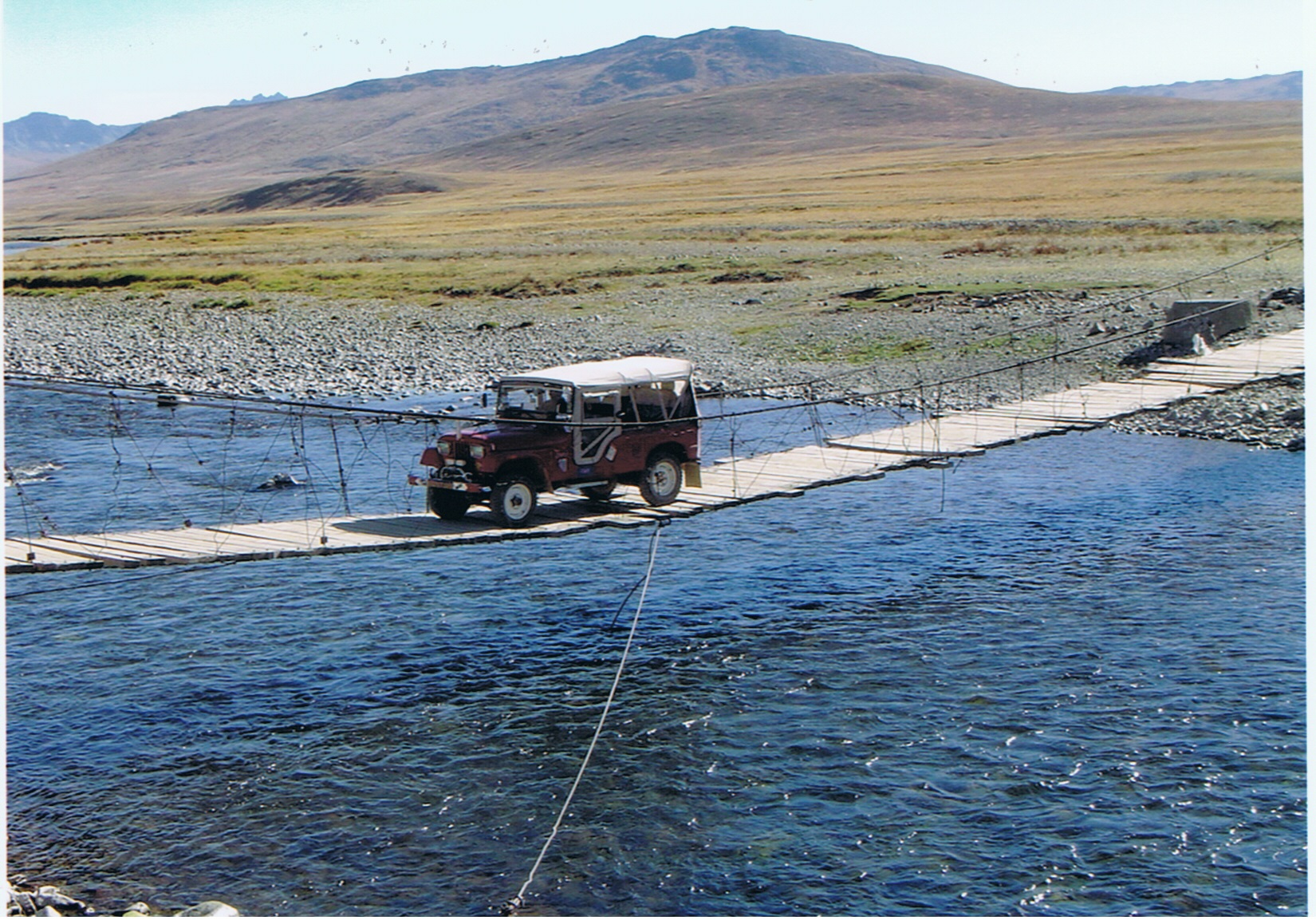
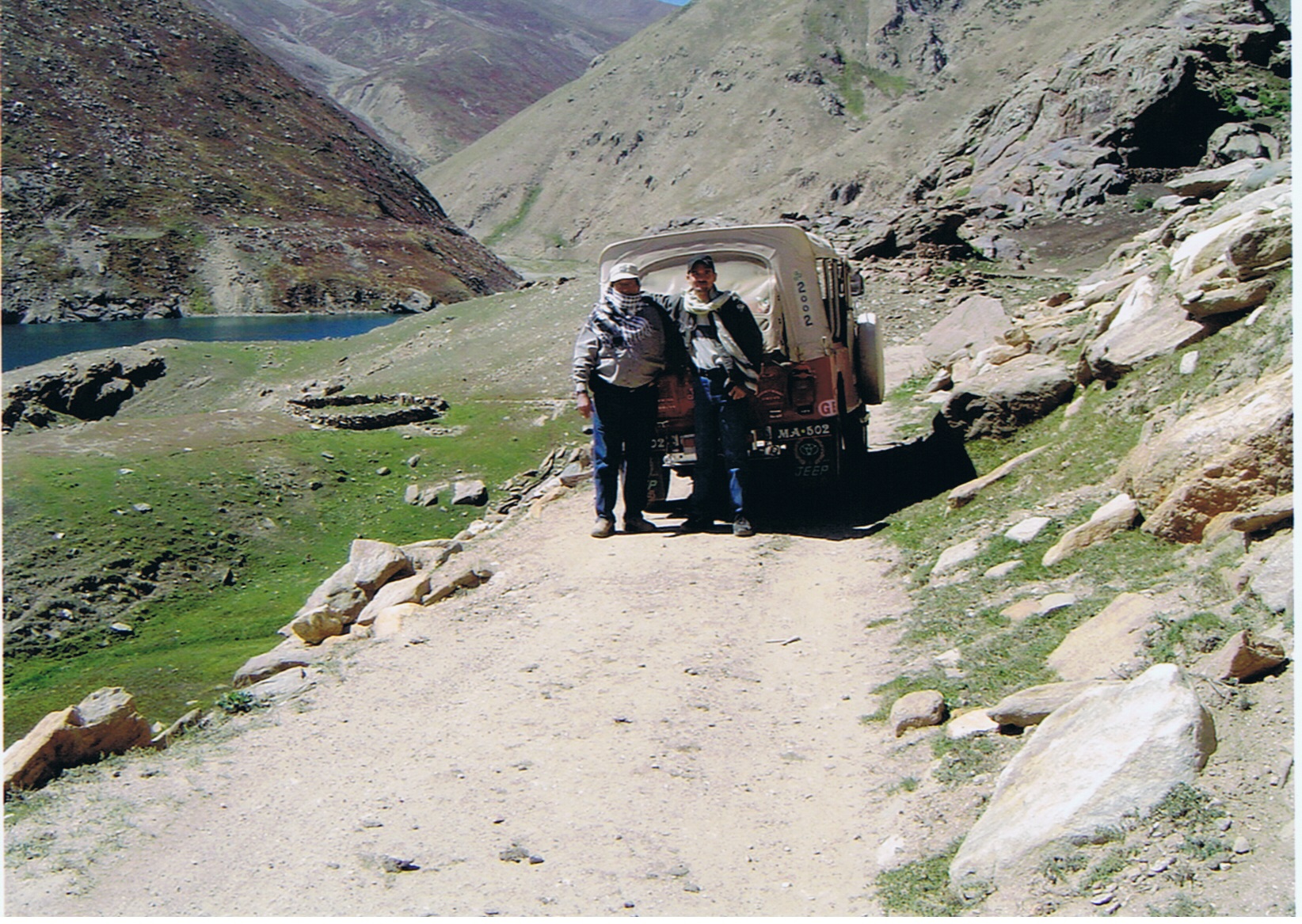
Travel along the Mountaneous , rough and dangerous Jeep tracks is full of hazard. Here above a sudden land slide with melted snow on this very narrow passage of road. It was a huge dilemma…now what ? The courageous driver Roustam was willing to risk it all by himself but on condition for safety of myself and the guide Amjad, that we not be in the Jeep with him and that we gradually cross the damaged path by foot to the other side. Roustam with his great faith in Allah brought the Jeep on the other side while we held our breath, narrowly missing sliding down perhaps to his death. Roustam was a man of cool and calm, mindful of hazards at any time.
Crossing the land slide on foot with locals stranded, Jeep in the background.
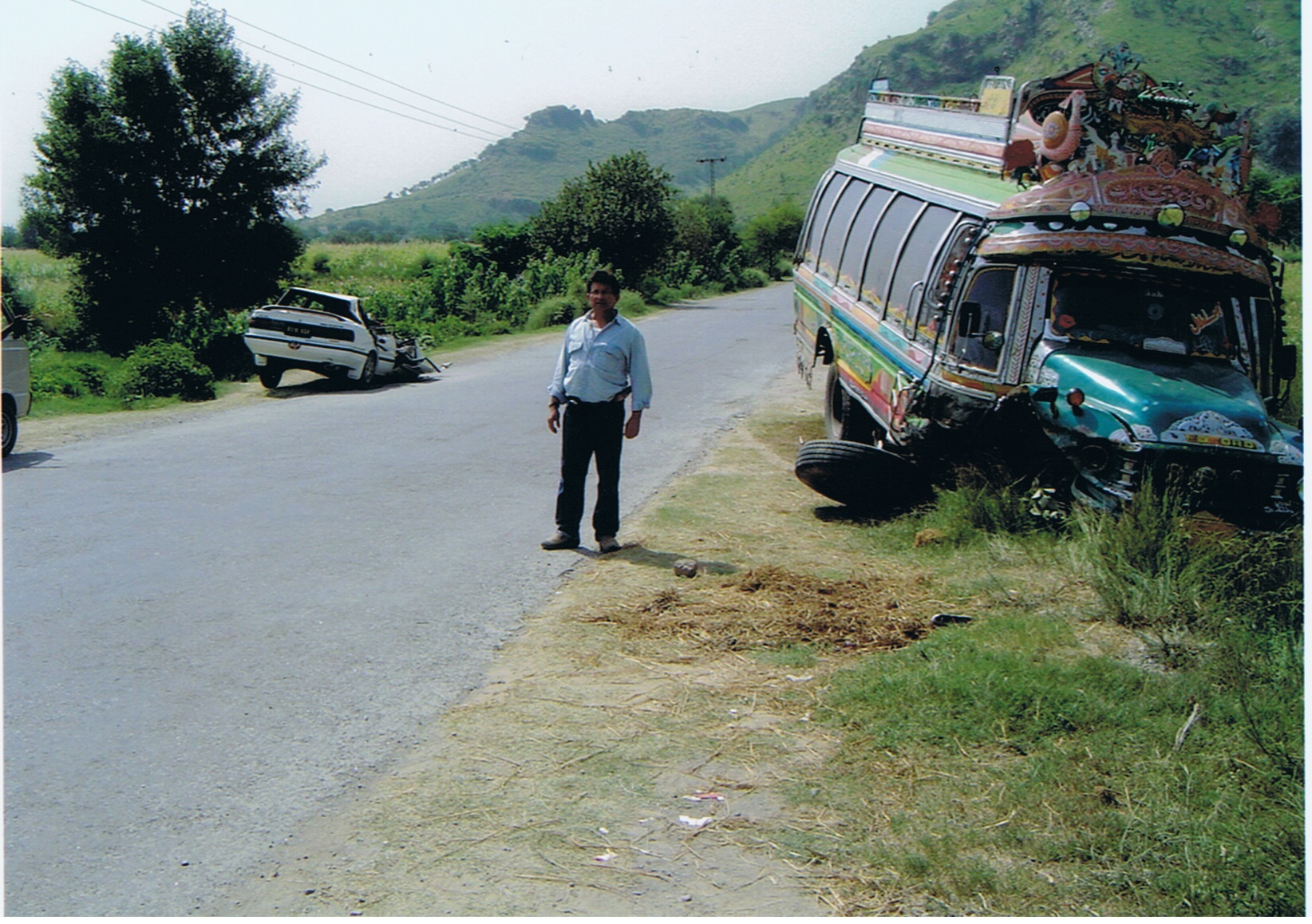
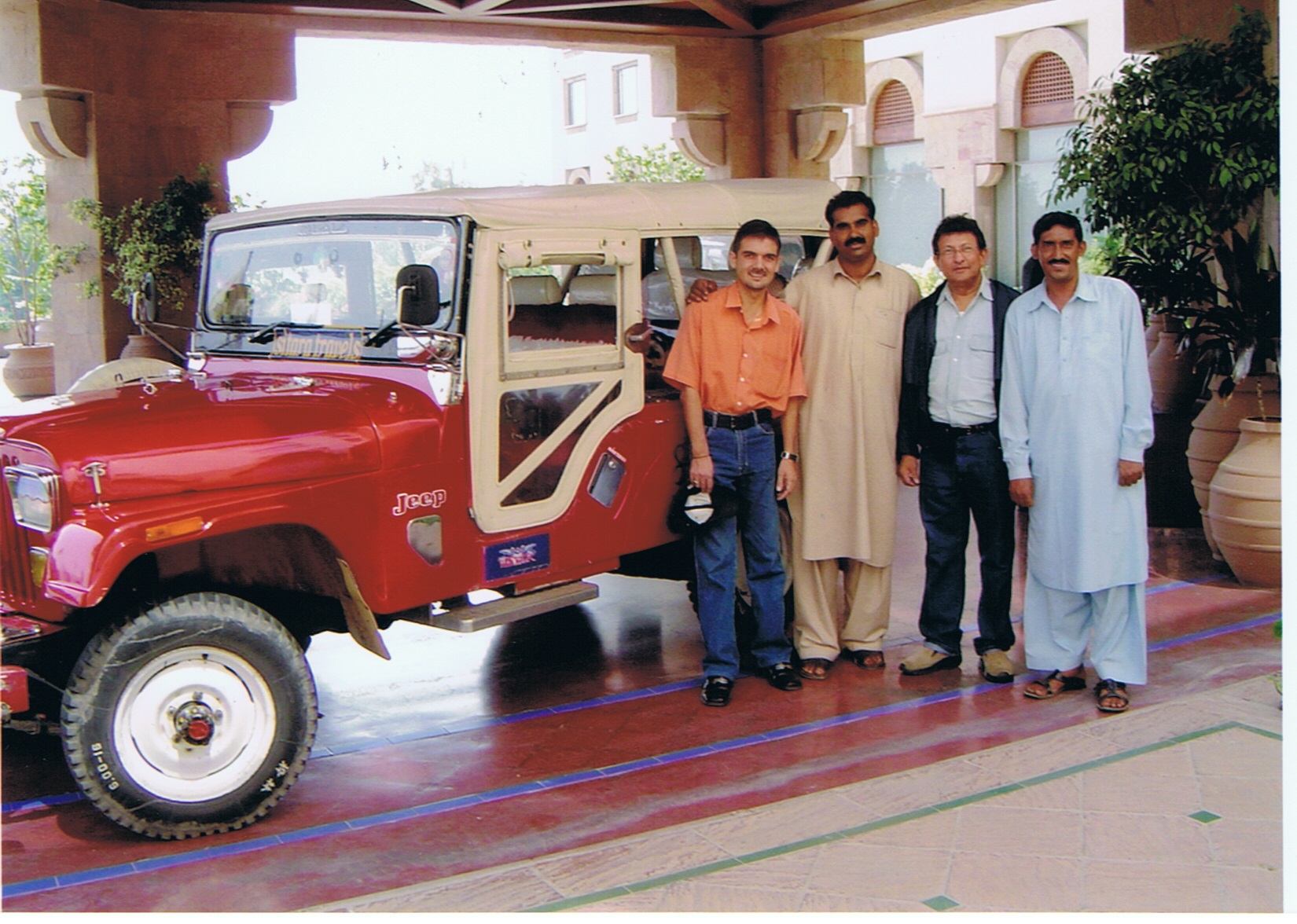
The hazards of mountain roads, here breakdown of the Jeep. Fortunately the driver Roustam (in the background with the Jeep) from Balakot is highly experienced in fixing up any problems to the Jeep on the way, otherwise it could be a real night mare.
Passing through Taxila to Abotabad and to Swat’s Kalam Valley.
The sheer Pristine beauty of Swat’s Kalam Valley landscape , with its gushing streams and rivers, thick alpine forests, lush green meadows, glacial lakes, magical peaks and roaring waterfalls, is all a closest place to heaven. In summer the variety of fruits, flowers and fauna is unmatched. The closest town was “Saidu Shariff” and further down Mingora pictured below. The entire Kalam Valley went through a long period of heavy fighting and destruction by Taliban fighters that disrupted life and peace of this beautiful valley until Pakistan Army drove out the Talibans and restored control of the area, all with a great loss of life and destruction to the area.
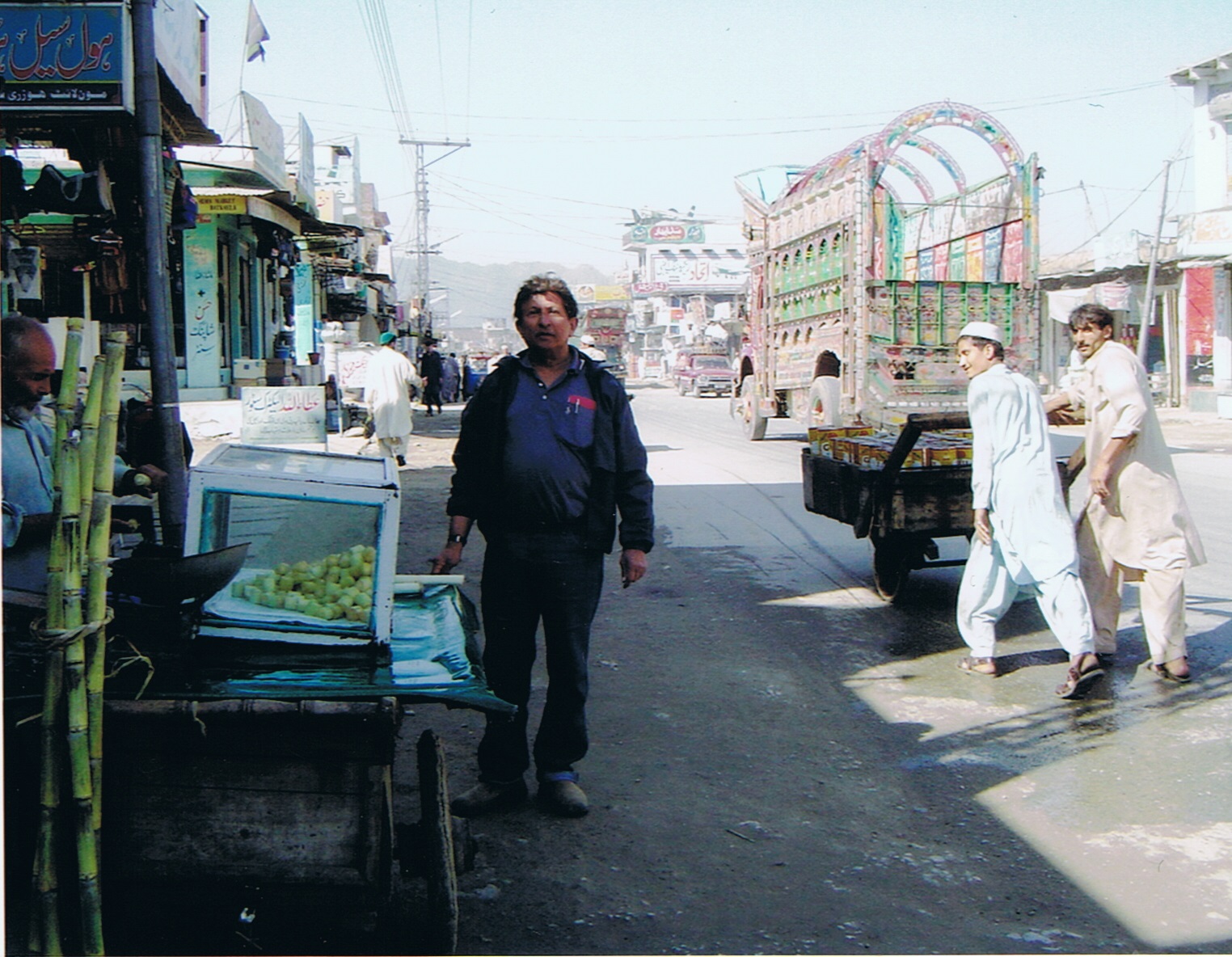
MINGORA – Part of beautiful Swat’s Kalam Valley.
Along the way an unmatched pristine beauty of Swat’s Kalam Valley. A resting point for the author on an exhaustive journey.
With beautiful little girls (my little friends) attending school in one of the village in the Valley.
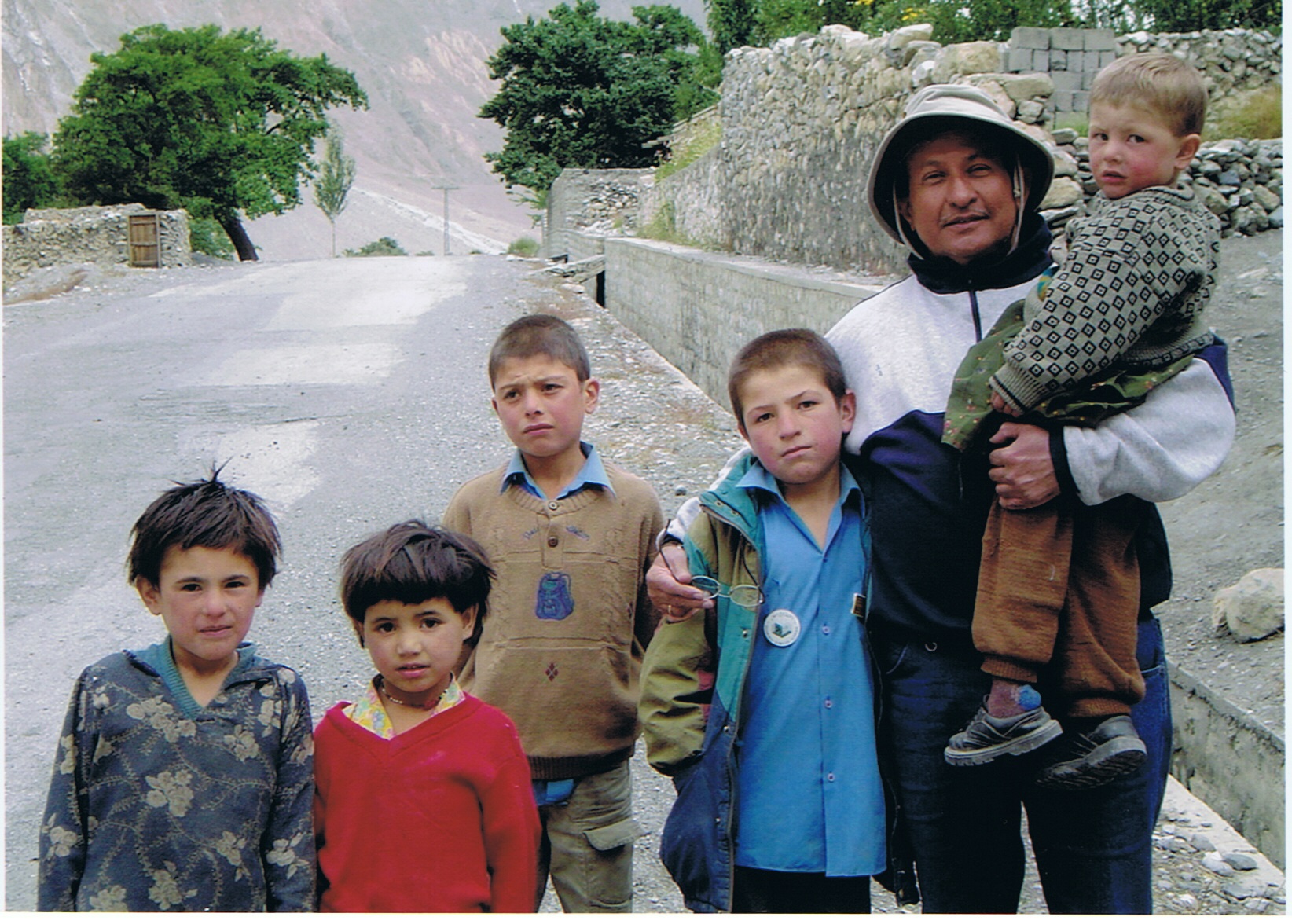
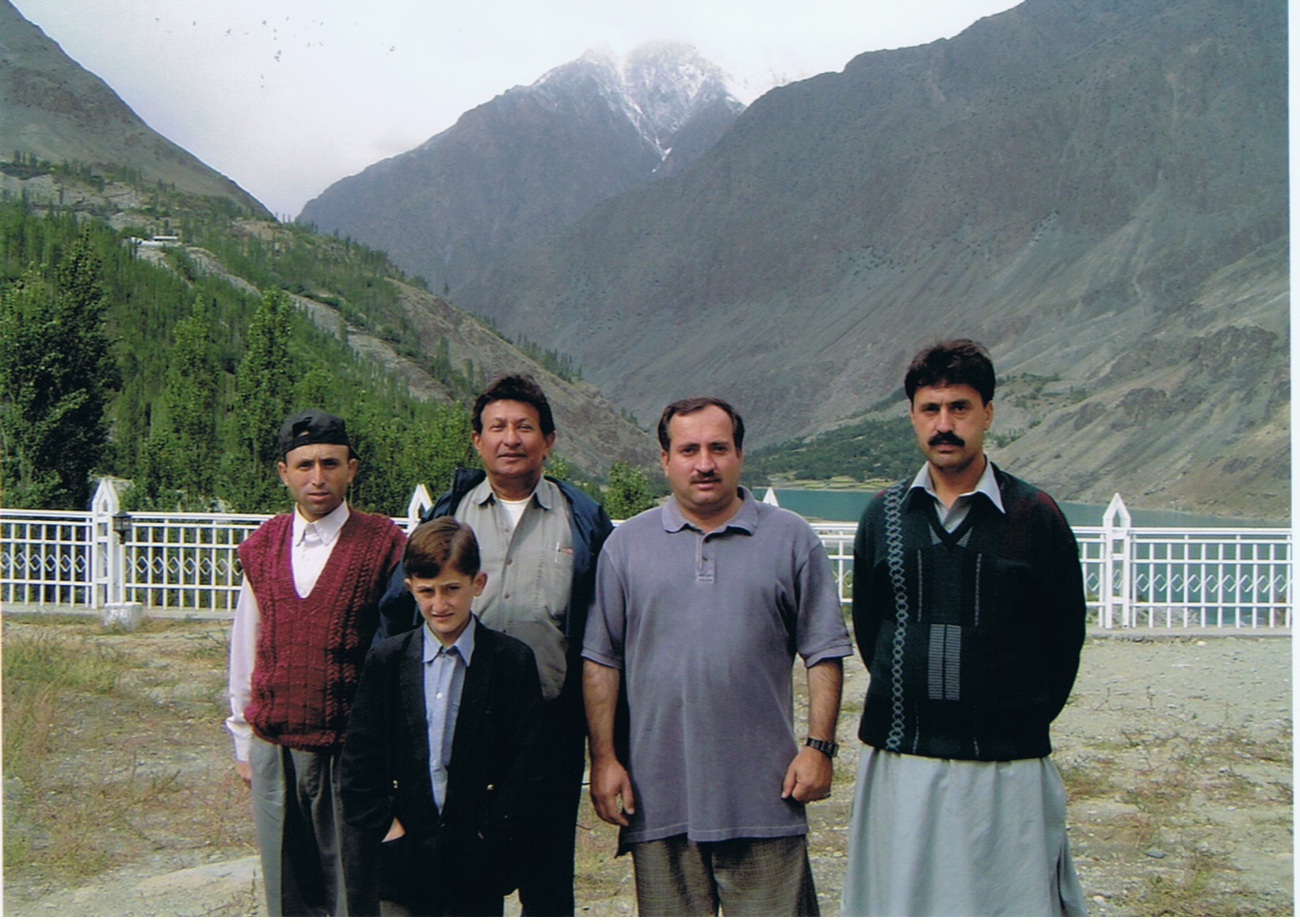
With my little friends. At the village in the valley of Hunza.
With children of Hunza Valley – ISMAILIES.
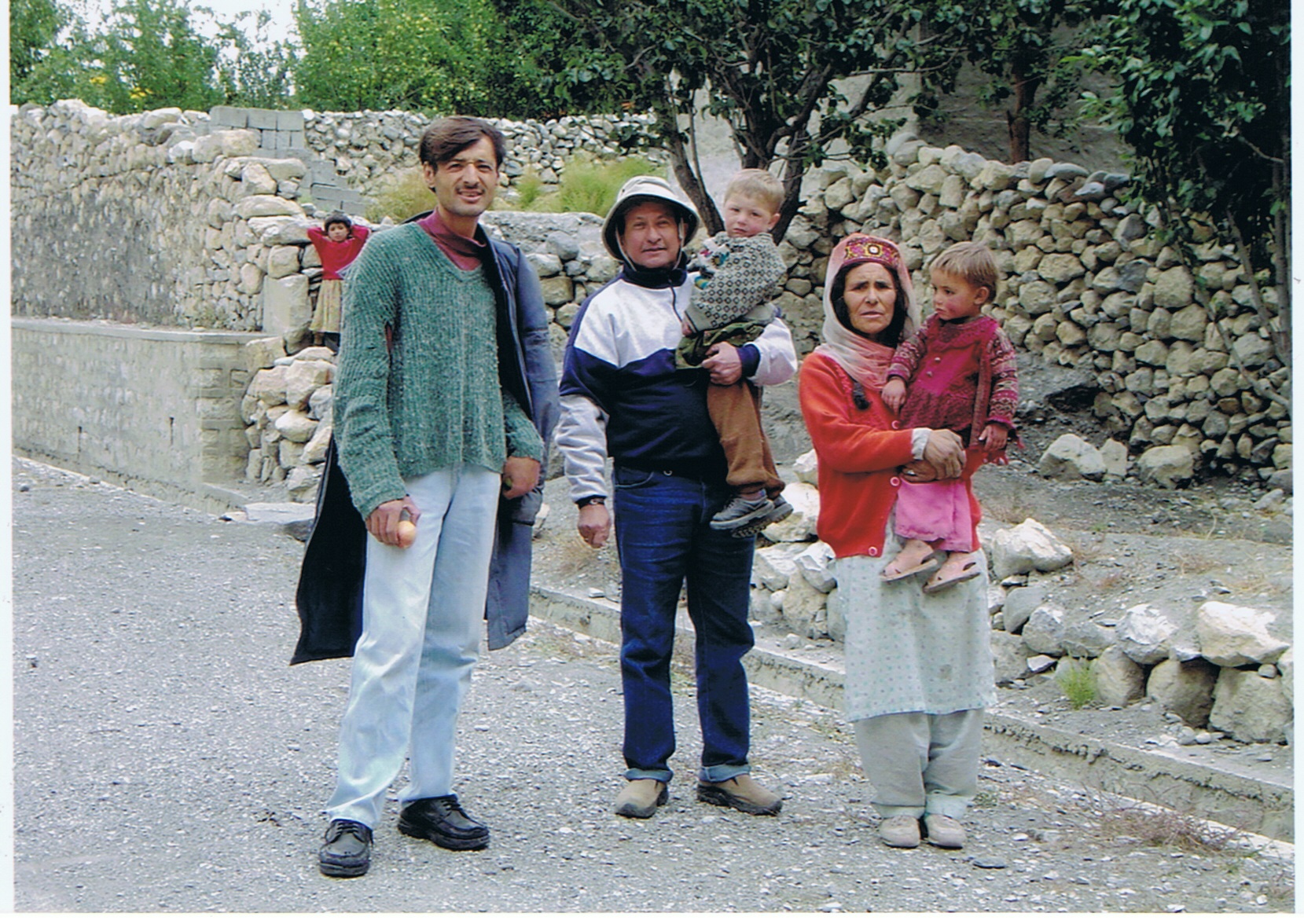
Life in Hunza Valley. Here with mother, son and grand children – ISMAILIES.
With Young Ismailies of Hunza Valley tending to live stock – sheep, goats. AKDN {AgaKhan Development Network) one of the largest NGO in the world , has improved quality of life for people of Hunza Valley with several irrigation projects, with mini Dams known as “Hydel Power” on the gushing waters from the mountains to irrigate the land for agriculture and provide electricity to the villages.
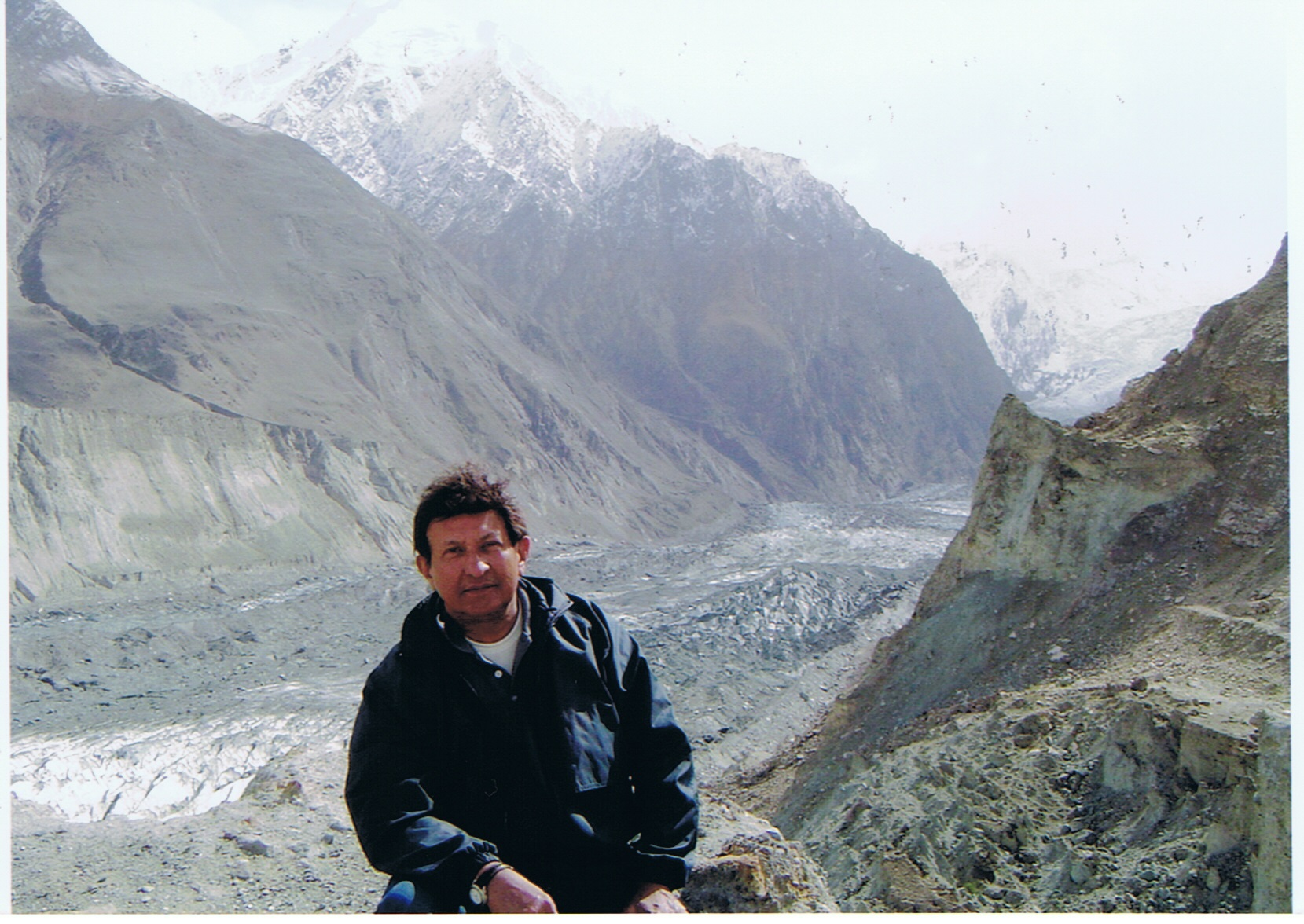
On the way a magnificient enchanting view of the valley in Hunza.
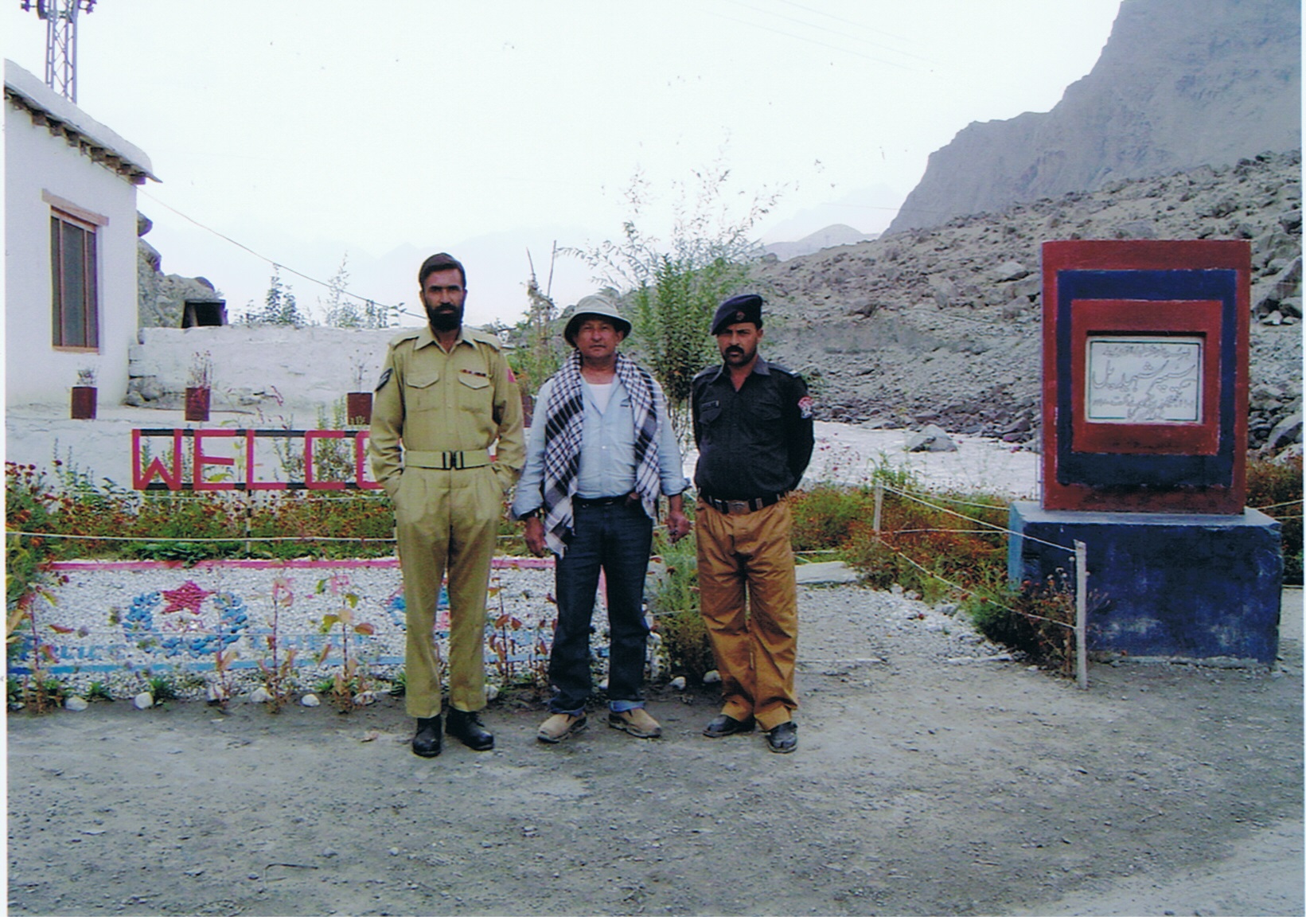
At a military check point on Karamkora Highway. A sensitive area close to Kashmir controlled by Pakistan Army.
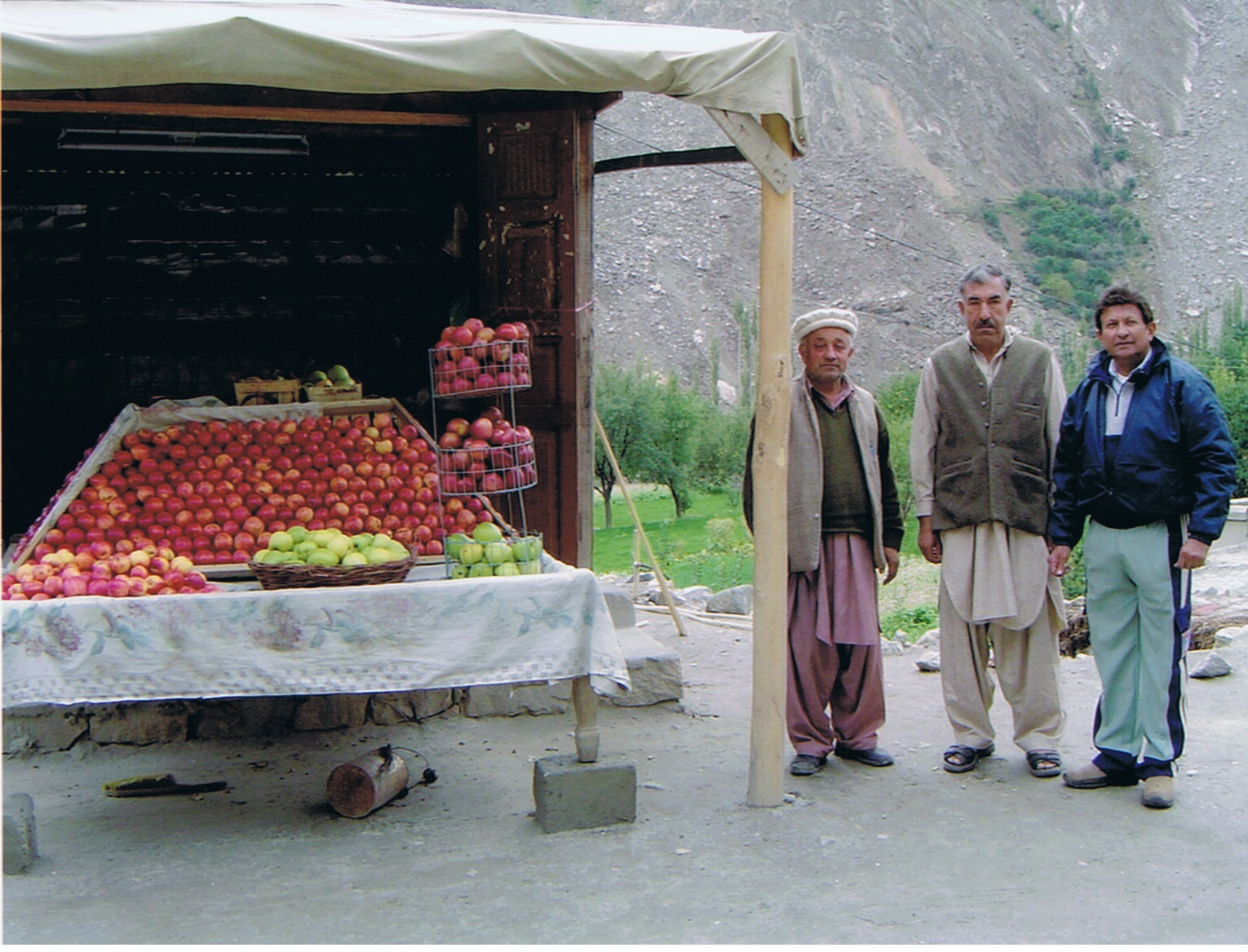
AKDN support along the valley, with irrigation, electricity and advise on agriculture has transformed the lives of people. Here with Ismaili farmers selling their produce on the road side of Karakoram Highway. The quality of life of people in the area has greatly improved with schools, medical clinics brought about by AKDN.
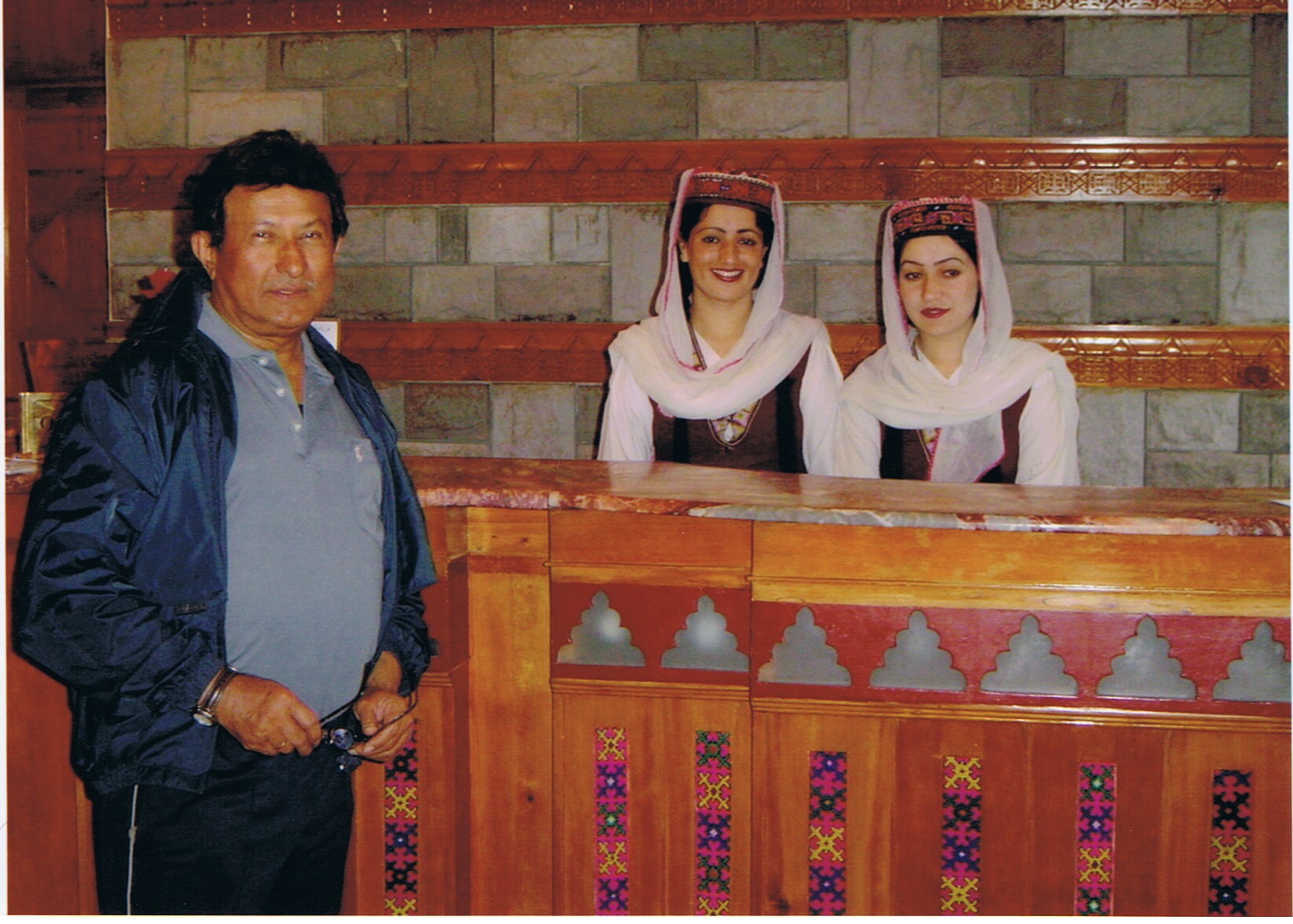
Night stop over at Serena Gilgit. Ismaili girls of Hunza after training moving them gradually to work, project of AKDN.
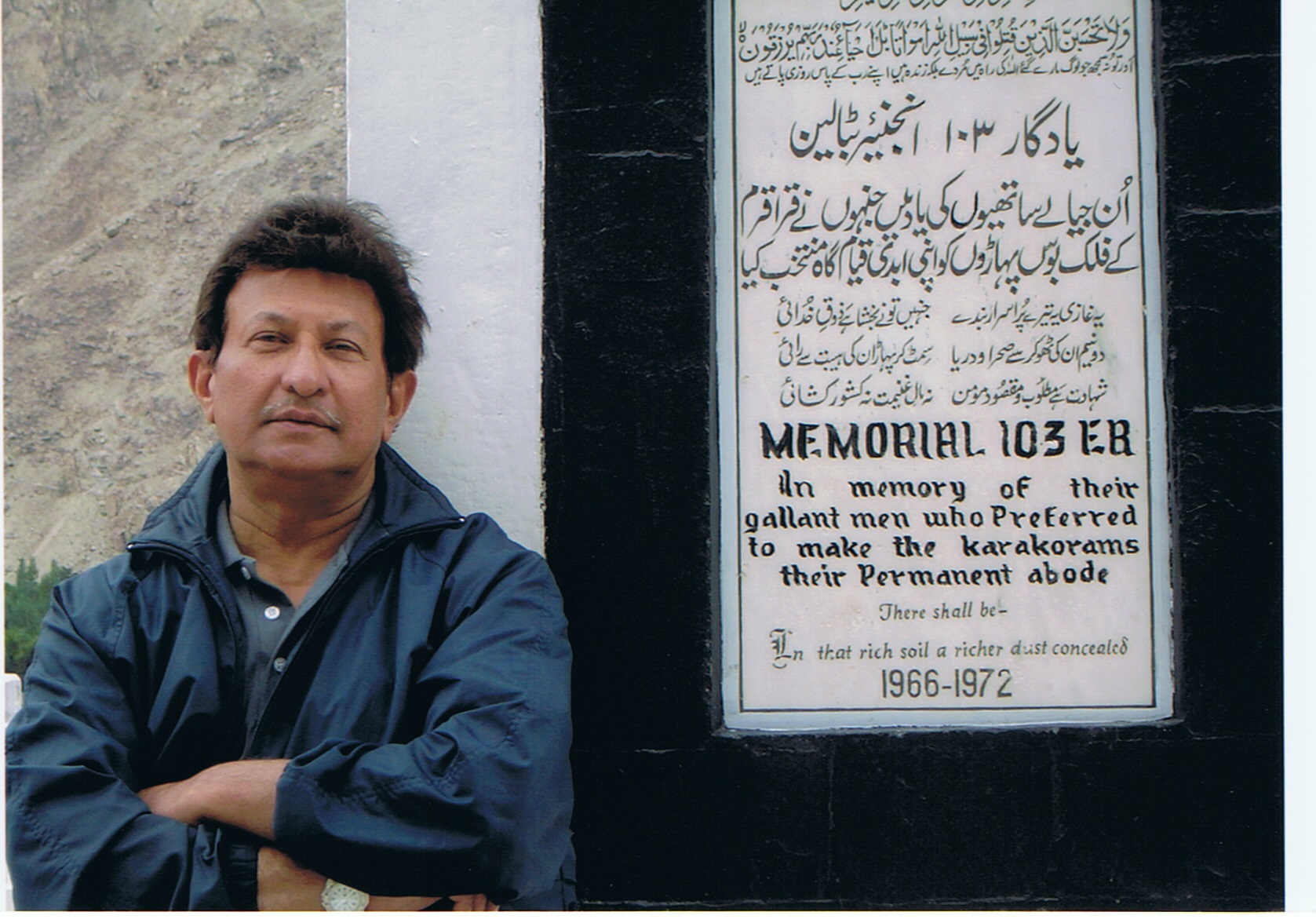
An engineering feat in building Karakoram Highway through the mountains, by Chinese
and Pakistan Army engineers during which many of them died. A permanent memorial
on the road side.
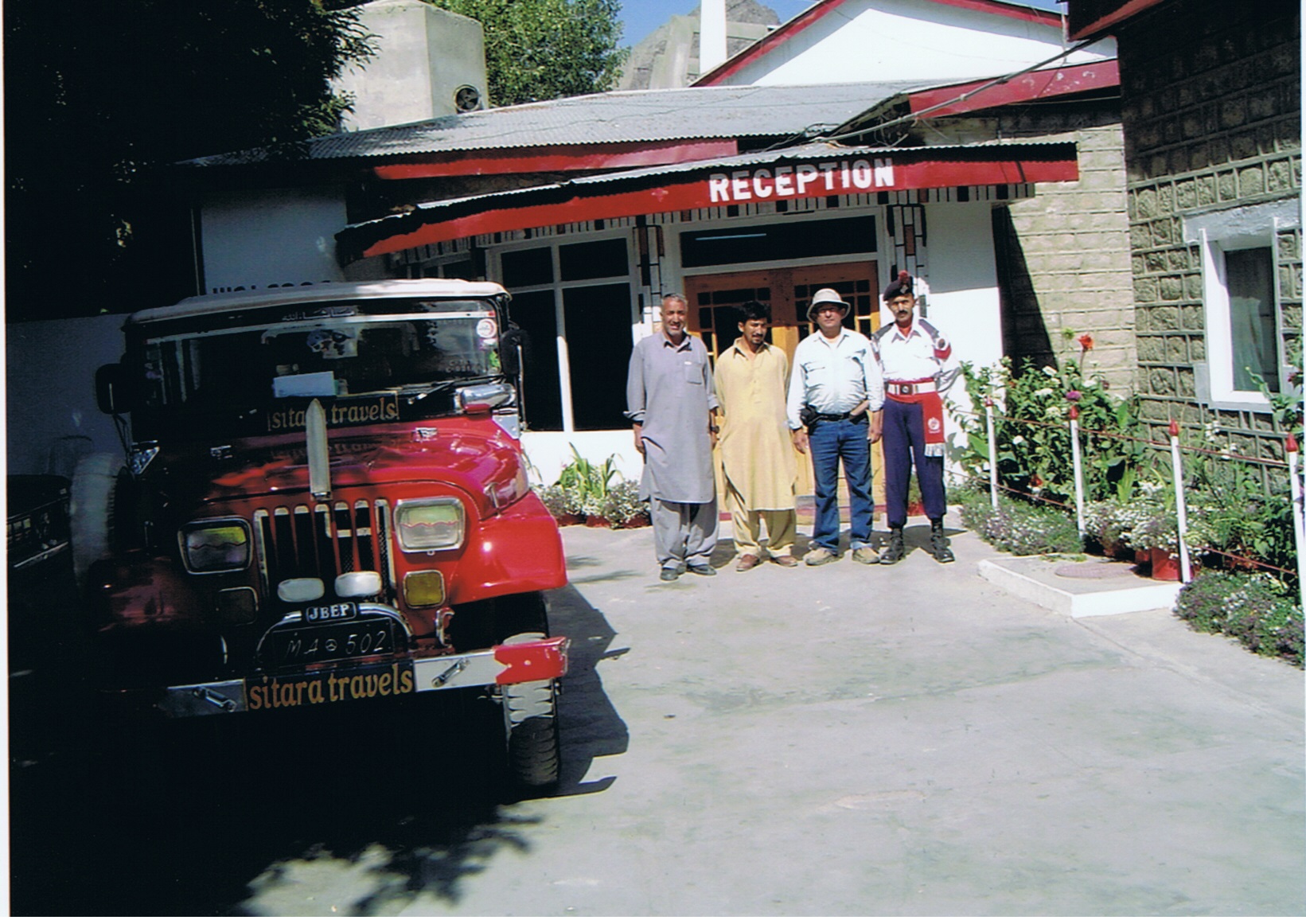
on the way a night stop author at PTD Bunglows (Pakistan Tourist Development).
Along the route a stop over meeting with local people. The backdrop of mountains, lakes and rivers, the place a “Shangrilla” so beautiful and the magical calmness one would want to spend the life there.
.
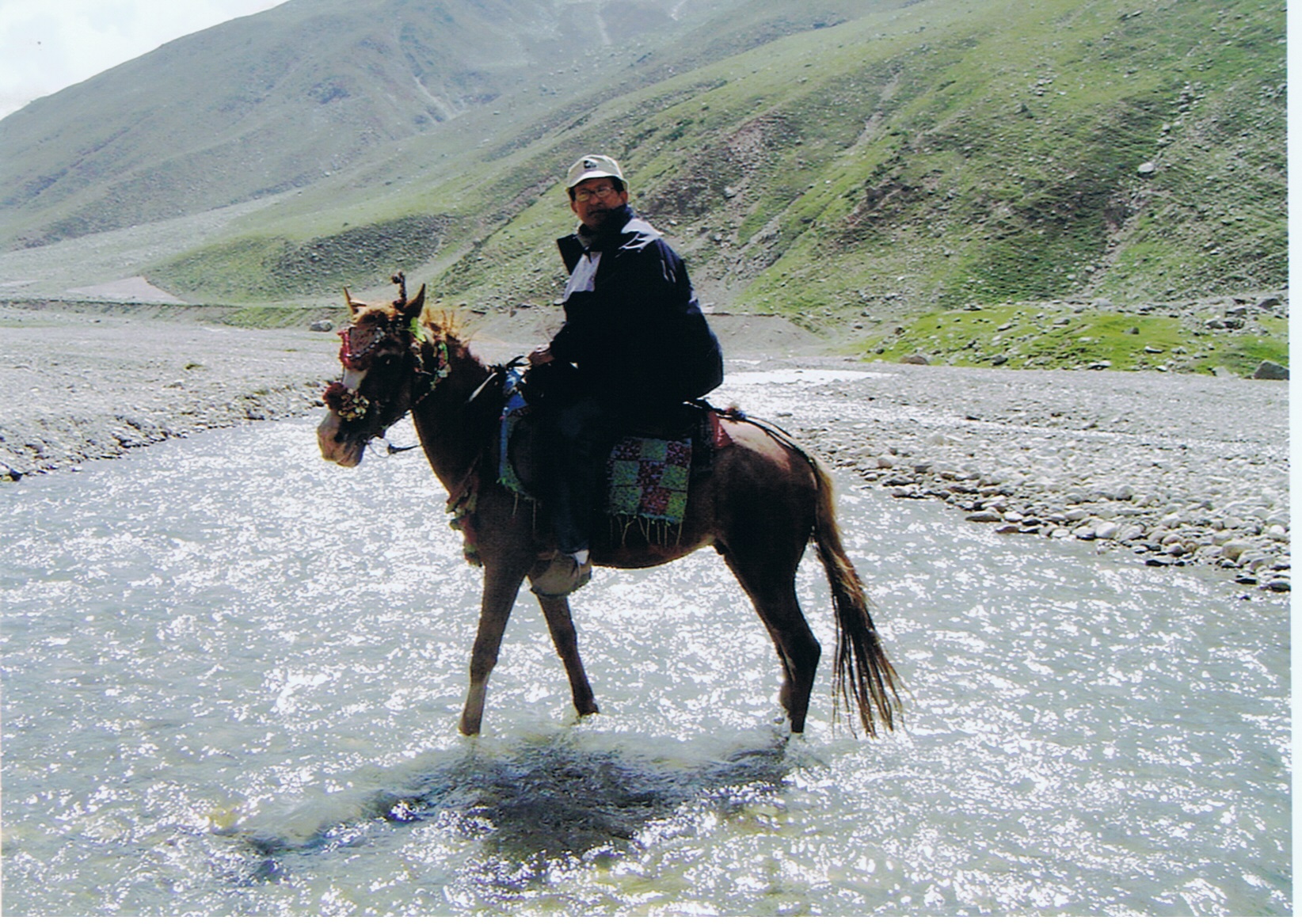
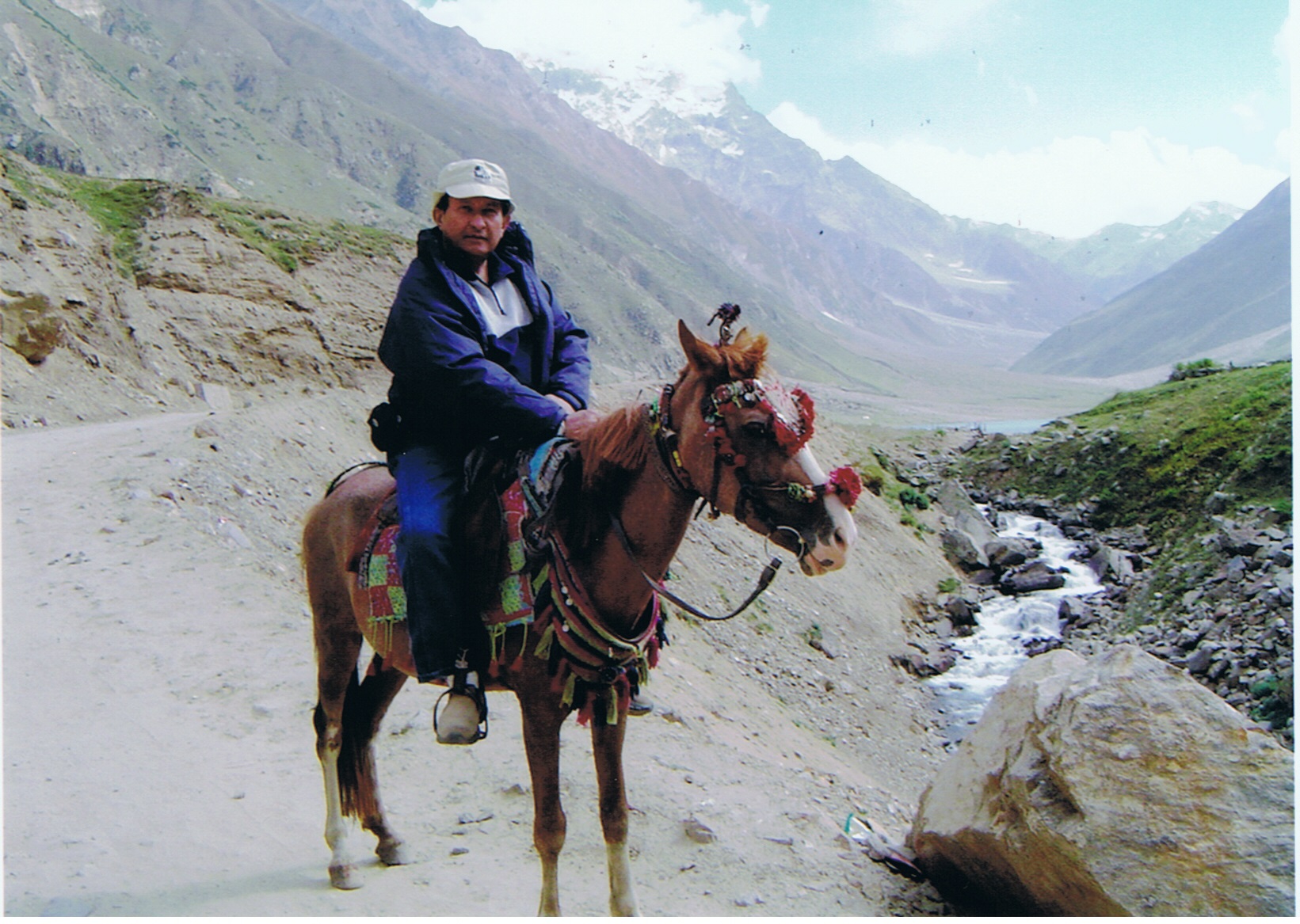
Exploring the surrounding of Hunza Valley on horse back.
On stop over at Skardu, encountered bus load of young Pakistani High School girls, who were accompanied by Convent Nuns from the Girl’s Boarding School. They were on the holiday break from the school. Talking to them they were all daughters of high ranking Miltary officers of Pakistan Army and the elite of the country, each of them with high ambition to study abroad mainly in England for medical Doctor, Lawyer , Economics,
Political Science. The girl seated second from right was aspiring one day to become the
Prime Minister of Pakistan.
Road hazards are never far on the Karakoram Highway. Here above deaths and severe injuries we understood had happened, hours before our Jeep came to this point.
FROM SKARDU TO CHITRAL.
Deviating from Karakoram Highway from Skardu to Chitral via the remote 4000m (13,123ft) Deosai Plateau and Shandur Pass. Always going against the grain, it is said, makes for a more interesting adventure. Going East to West across North Pakistan’s great mountain ranges seemed like crossing the “Roof of the World”. Skardu (Capital of Baltistan) lies on the Eastern end and Chitral on the western end. Skardu is just 50 miles from Kashmir a volatile area and constant danger of armed conflict between Pakistan and India. The overwhelming splendour of Baltistan, however, makes you immune to the danger of the area. To the South east beyond the mountains lies the beautiful vale of Kashmir. To the North East beyond the breathtaking peaks of K2 (Pakistan side of Mount Everest), lies the high plateau of China.
The road to Deosai climbed steadily from Skardu towards Sadpara gorge and along the breakneck waters of the Sadpara River and to the beautiful Sadpara Lake. We began steady climb to Astor, at the mouth of Astor Valley we crossed the river by a swaying suspension bridge a very unstable (see photo below), me and my guide had to walk the bridge and the Jeep followed, our route took us to the garrison Town of Bunji.
The journey from Gilgit to Chitral took three days, We stayed at Government Inspection bungalos. On such a terrain you rock and roll mercilessly in the Second World War Willy Jeep. Our driver Roustam was calm as ever. We always found on the road sides eating house and dishes of mutton , rice and dhal. We passed uphill to Gupis, and treacherous road to Phundar and overnight stay at the Inspection bungalows at Phundar. We began to climb towards the Shandur Pass. This was most treacherous wheel-crunching, wheel-spinning rocky track alongside a fast moving stream. The Shandur Pass stands at an altitude of 3,730m (12,237 ft.). Here unknowingly we tumbled into Pakistan Army barracks, and came under sharp questions as to what we were doing there. With calm explanation the matter was resolved and Pakistan Army Officer even offered us chai and let us proceed with a word of caution. Shandur is famous as the site of the highest polo ground in the world. Finally we descended down to Chitral to spend two days of sleep over and rest.
Street scene in Chitral, road side vendor and activities.
TO THE KALASH FROM CHITRAL.
We entered Bamburet in a remote valley and into Kalash people land, where few foreigners venture. At the previous night stop , the Bungalow manager a relative of former Mir of Hunza, in discussion about the Kalash people, volunteered to come with us as he was personally known to the Chief of Kalash. It was an extra ordinary experience.
Above in the photo, Chief of Kalash was kind to invite me to his dwelling and meet his family, his wife and son and have a photograph with them.
The remarkable Kalash people have lived in isolation and in a very primitive way with their own complex custom, culture and tradition which is thousands of years old, since Alexander the Great left the area after his conquest. Their features are predominantly Greek with fair skin and blue eyes. The outcome of the soldiers that came with Alexander the Great. Kalash ladies, I found, wear all the time a very vivid and colourful decorative dress, jewellery and headgear. Their main dress is black tunic-like robe. The robes are highlighted by beautiful coloured embroidery at the neck, shoulders, cuff and hem. Most vivid of all are the headdresses worn by Kalash women. Kalash women also wear numerous bangles, and rings.
It is risky to interact with Kalash women or photograph them, particularly more risky when the Kalash women are bathing fully dressed in the open stream and rivers. I was lucky that the Chief of Kalash tribe welcomed us to his hut, meeting him and his wife, and served with their traditional home made red wine, so strong it can knock you off. I had to discreetly pass on the big mug of wine to my guide Amjad to finish it and who was totaly drunk at the end. It was possible to meet with the Chief of Kalash courtesy of the Bungalow Manager at the previous night stop (relative of former Mir of Hunza) who is well known to the Chief. We were allowed to visit the Kalash families in their primitive dwellings and were able to take few photos. This is possible with care and respect to the ladies and their custom.
Visiting school in the Kalash Village, they have good facilities, Greek organisations have helped to establish education facility, as well as health and welfare centres. I spoke with group of bright and charming school girls with names Durdana, Gul Naz, Gul Bigim, Shaheen Gul, were all modern in their outlook but very proud of their traditions and singular culture. Greek Civil Society agencies are taking great interest in these students and some of them have visited Greek Islands.
There are only about 3000 Kalash people left now. They are the only Non-Muslim people in the entire Afghanistan-Pakistan landmass. They are confined to handful of villages in the North. Pakistan Government does not exercise control over the Kalash people.
In their tradition they celebrate Spring’s arrival with Kalash women dancing in festival known as “Joshi” and greet the new season with animal sacrifices and weddings, marriage of choice is the norm, drinking of alcohol is all in the tradition.
Funerals are also big in festivities, with alcohol and requiring families to kill dozens of animals for this celebration.
Kalash lady bathing fully dressed in the open stream river.
Young Kalash lady with child.
At the NORTHERN PAKISTAN-CHINA BORDER.
Elevation 4693m (15,397 ft.
Driving through Mountain Snow covered winding roads from HUNZAA over the KARAMKORAN range at the KHUNJERAB PASS – border with CHINA.
Medical students from China arrived at the China border on an outing. A hilarious incident, they had not seen a NON-CHINESE HUMAN in their life. Their overwhelming excitement can be seen.
The Medical students curiosity to meet a Non-Chinese human, they wanted to make sure I was real and not a Robot.
On the return journey from Chitral, through uncharted rough roads, an unexpected and a dangerous encounter in Tribal area. Passing through lawless area, with fire arms carrying tribes, stopped the Jeep with rifle pointing, demanding to be taken to another area in the Jeep. A delicate situation. Driver Rustom with calmness negotiated the problem until they let us pass on, but not before taking away our thick winter coats and bottle of brandy which we had for high altitude emergency.
END OF THE JOURNEY.
Arrived back in one piece in Islamabad.
A farewell Photo next day ( above ) and a sad parting.
Above left, my guide Amjad has since left the country and is working in South Africa.
Second from left driver of the Jeep Roustam , during earthquake in Baltistan , his home town Balakot all destroyed, he lost all his belongings, dwelling and his beloved Second World War Jeep that he owned and with that his livelihood, is now working as a driver for an Embassy in Islamabad.
Third in the photo myself and next hotel staff.
I will perhaps never meet them again but will always cherish the memories. I wished them well in life.
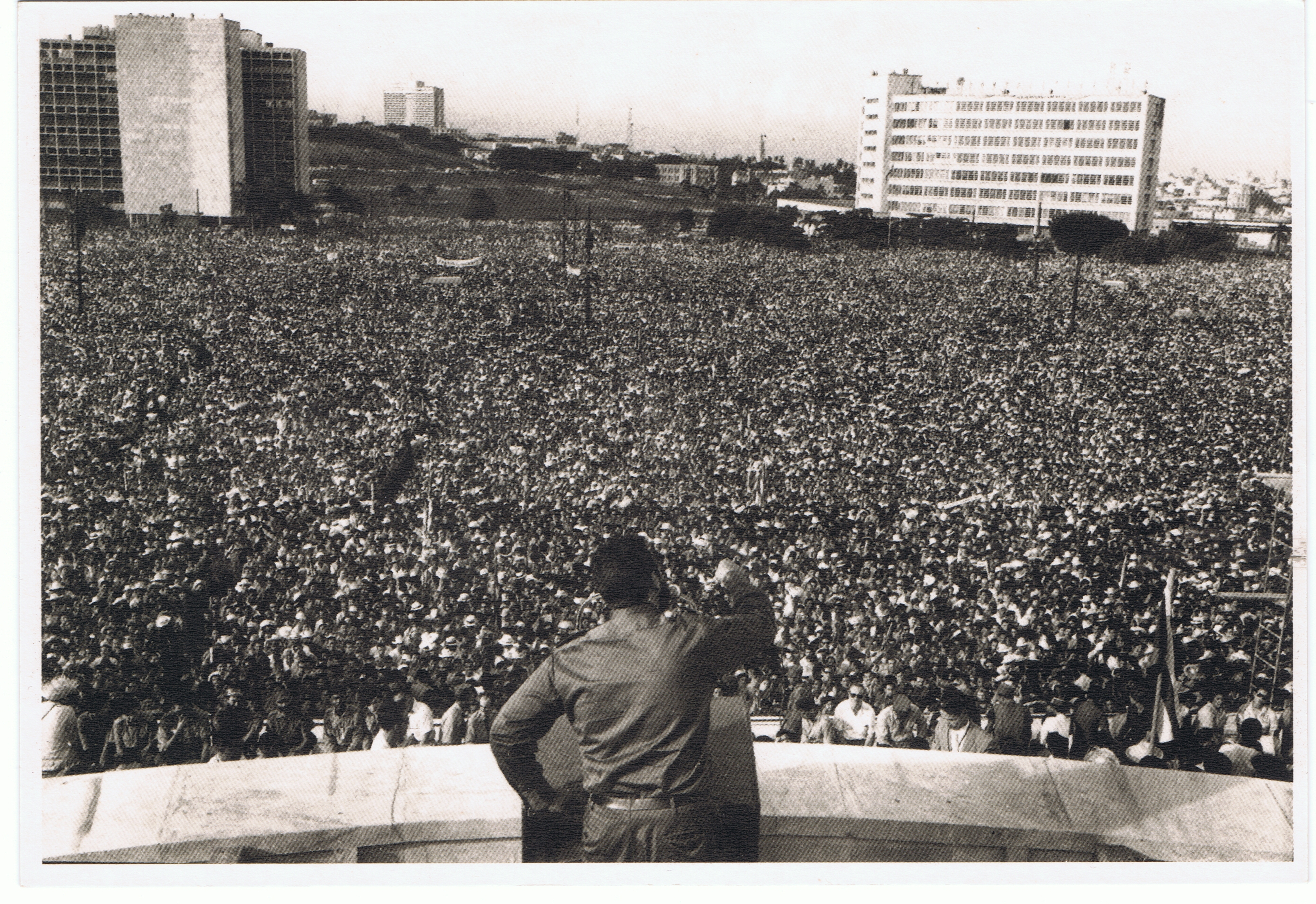
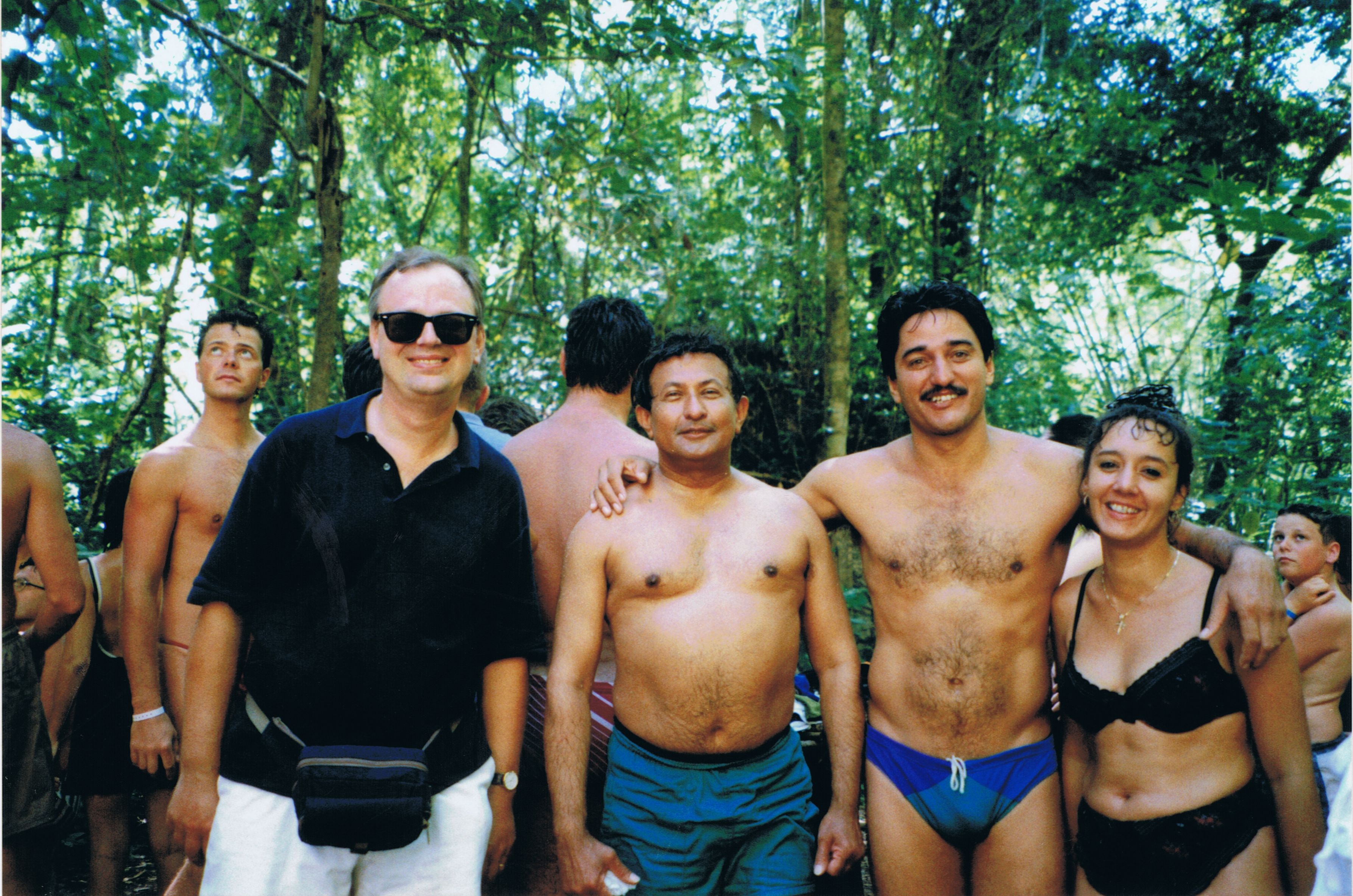
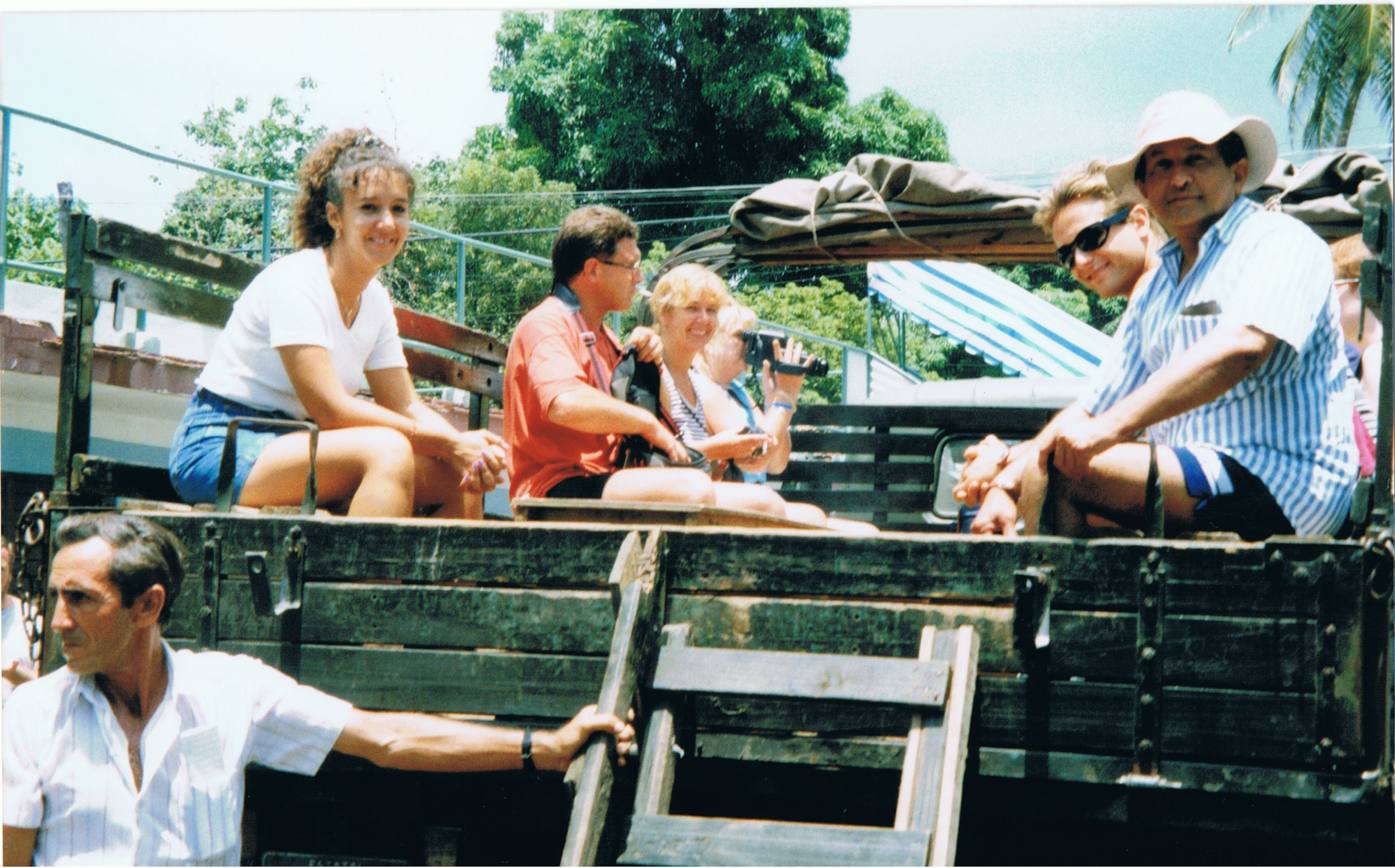
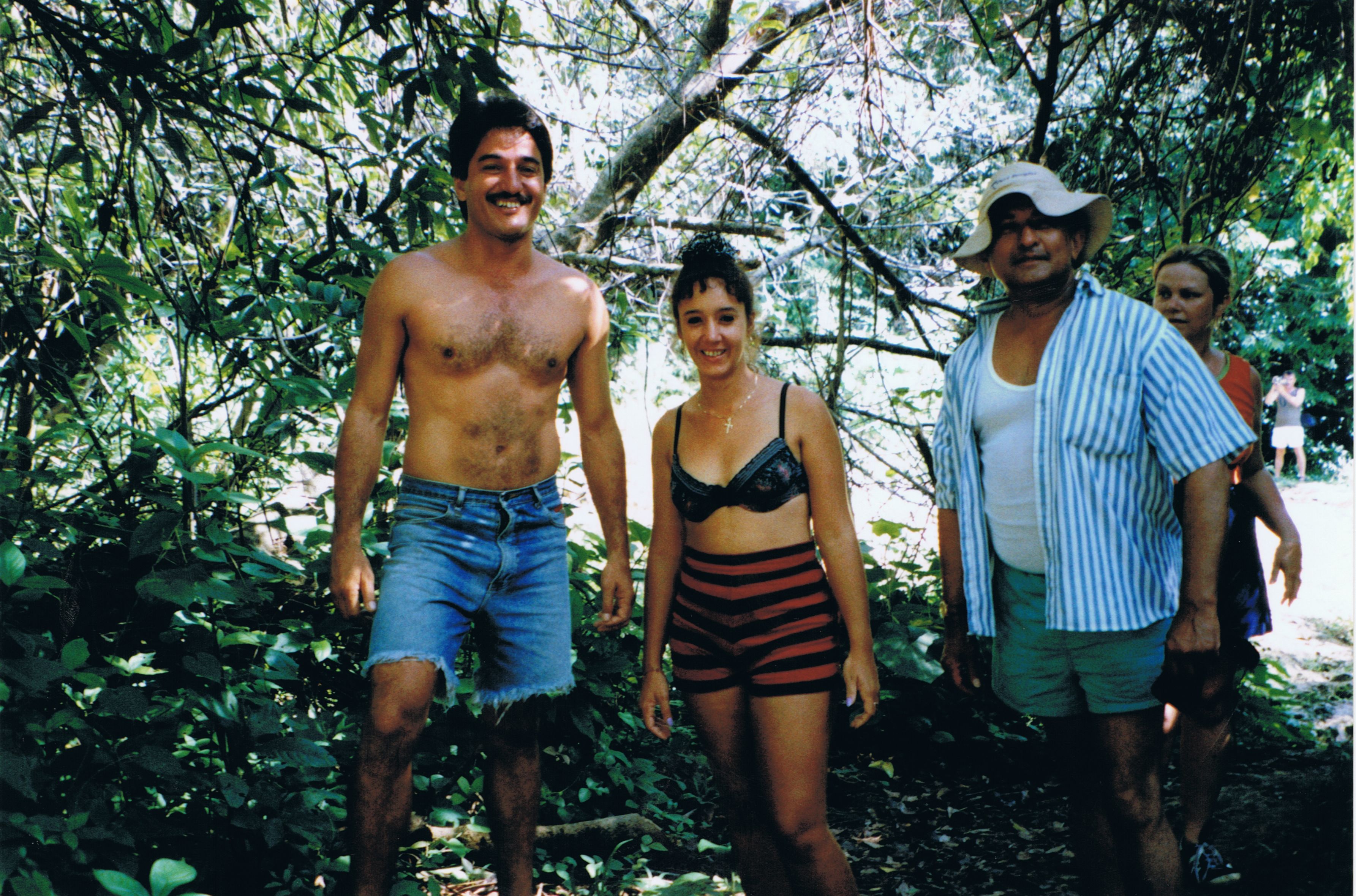
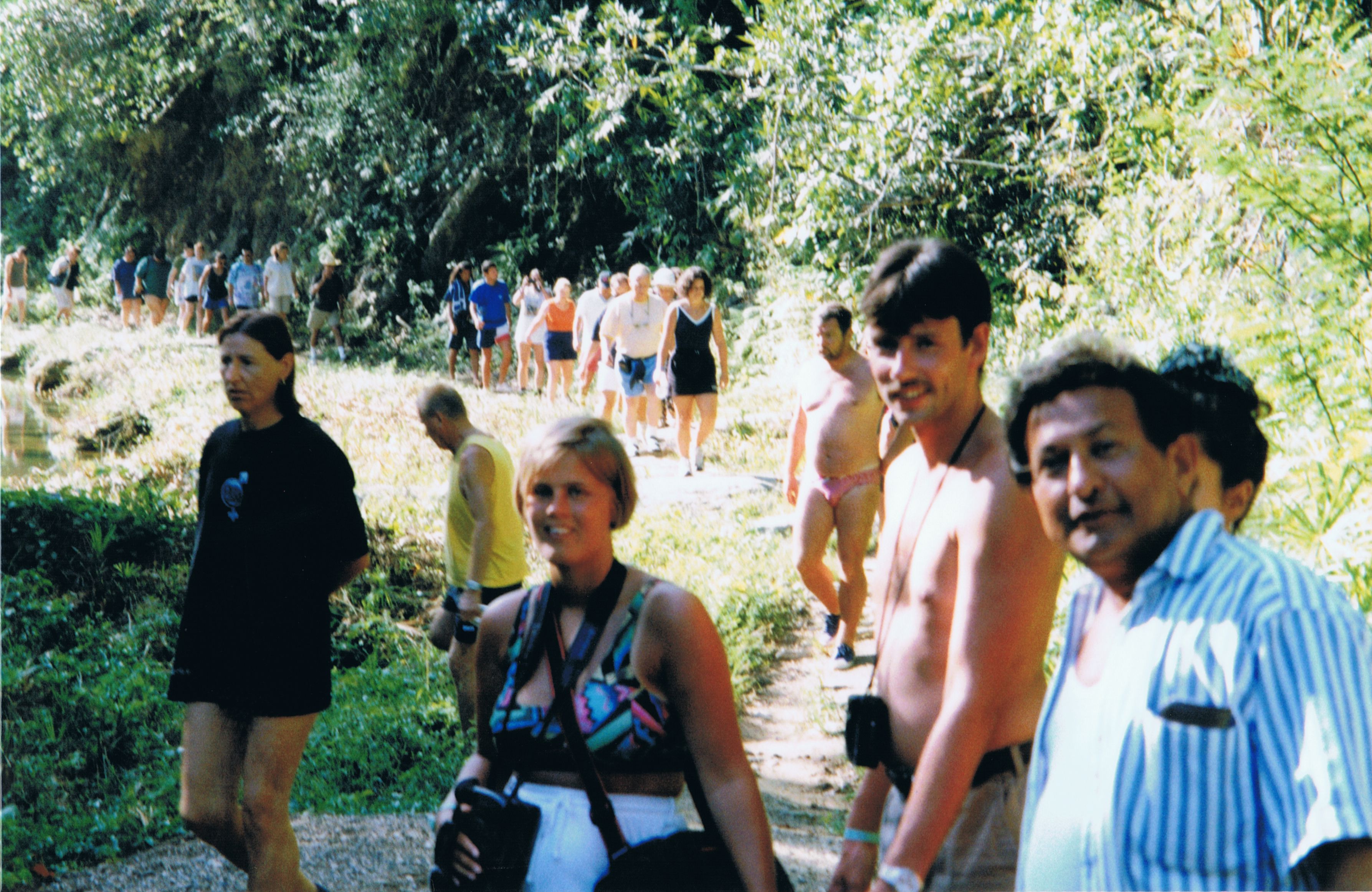
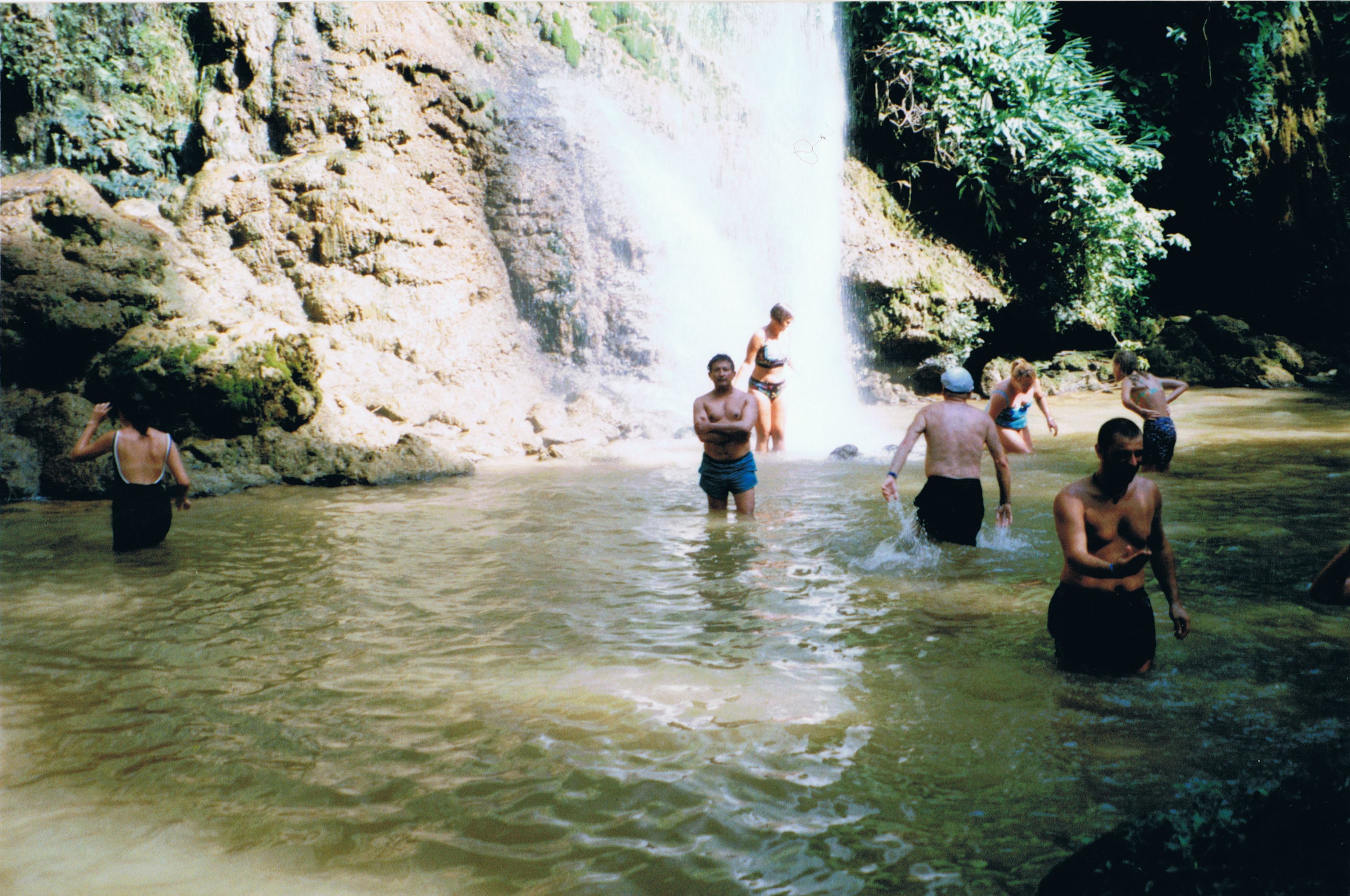
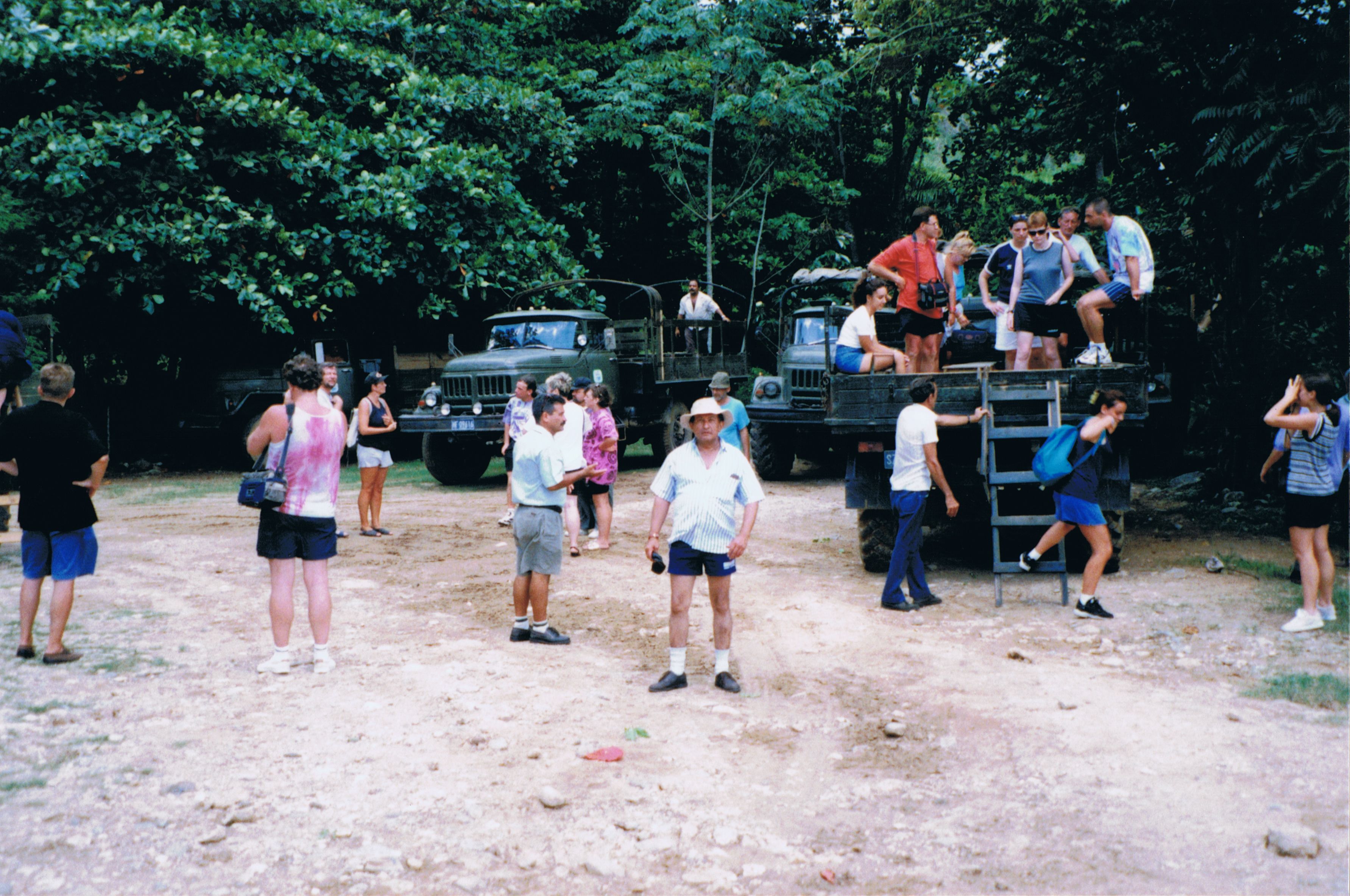
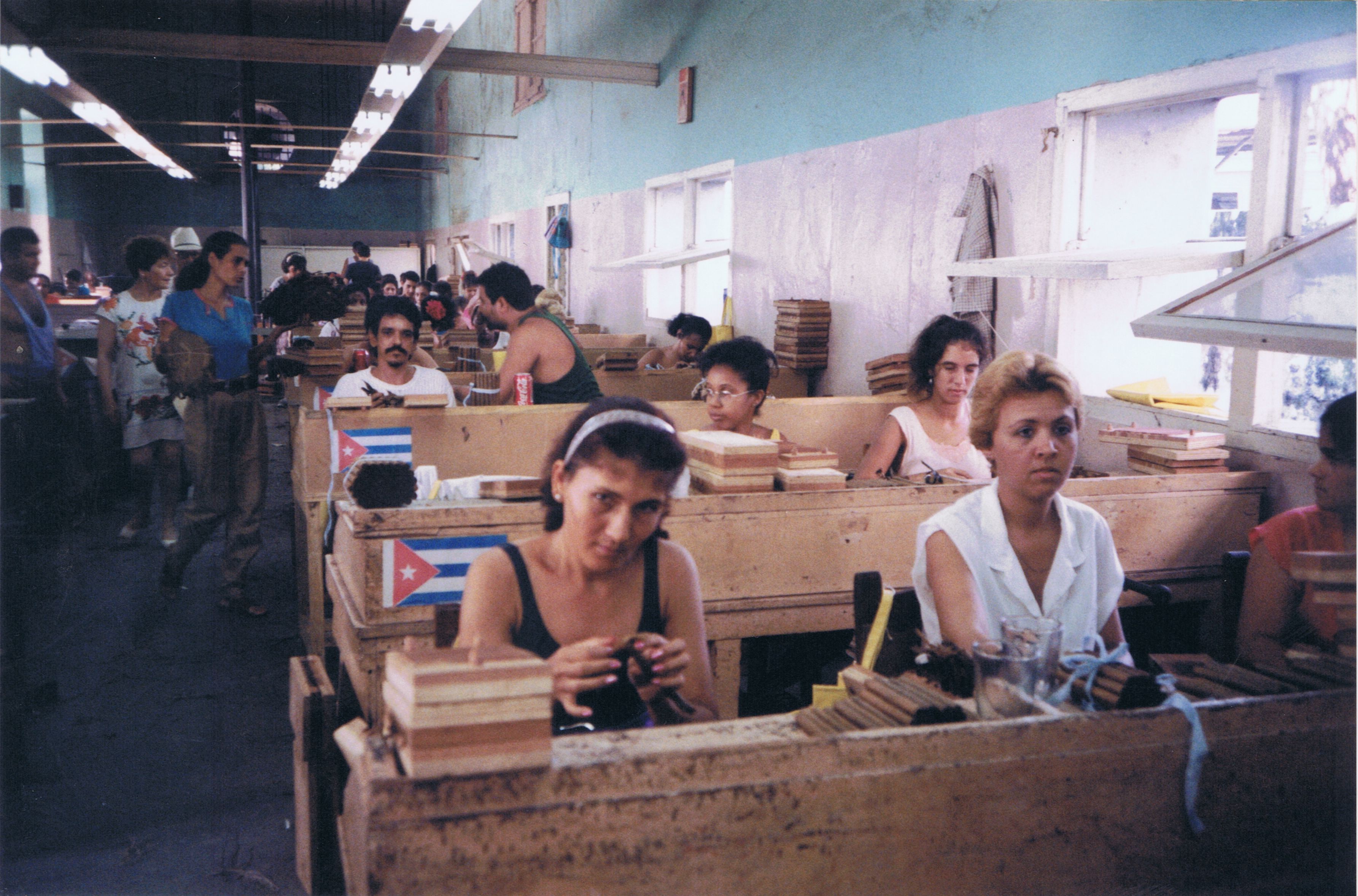
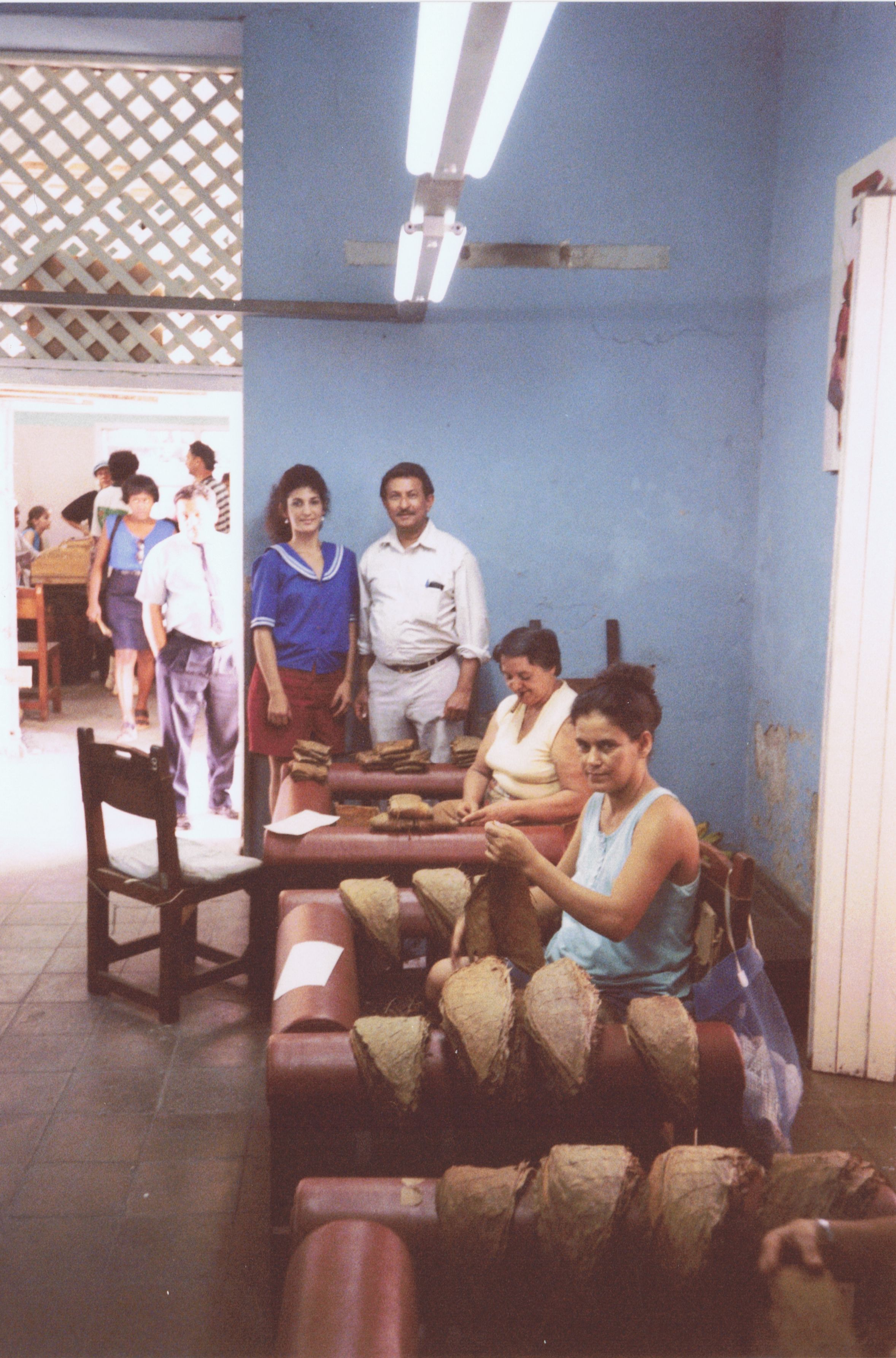
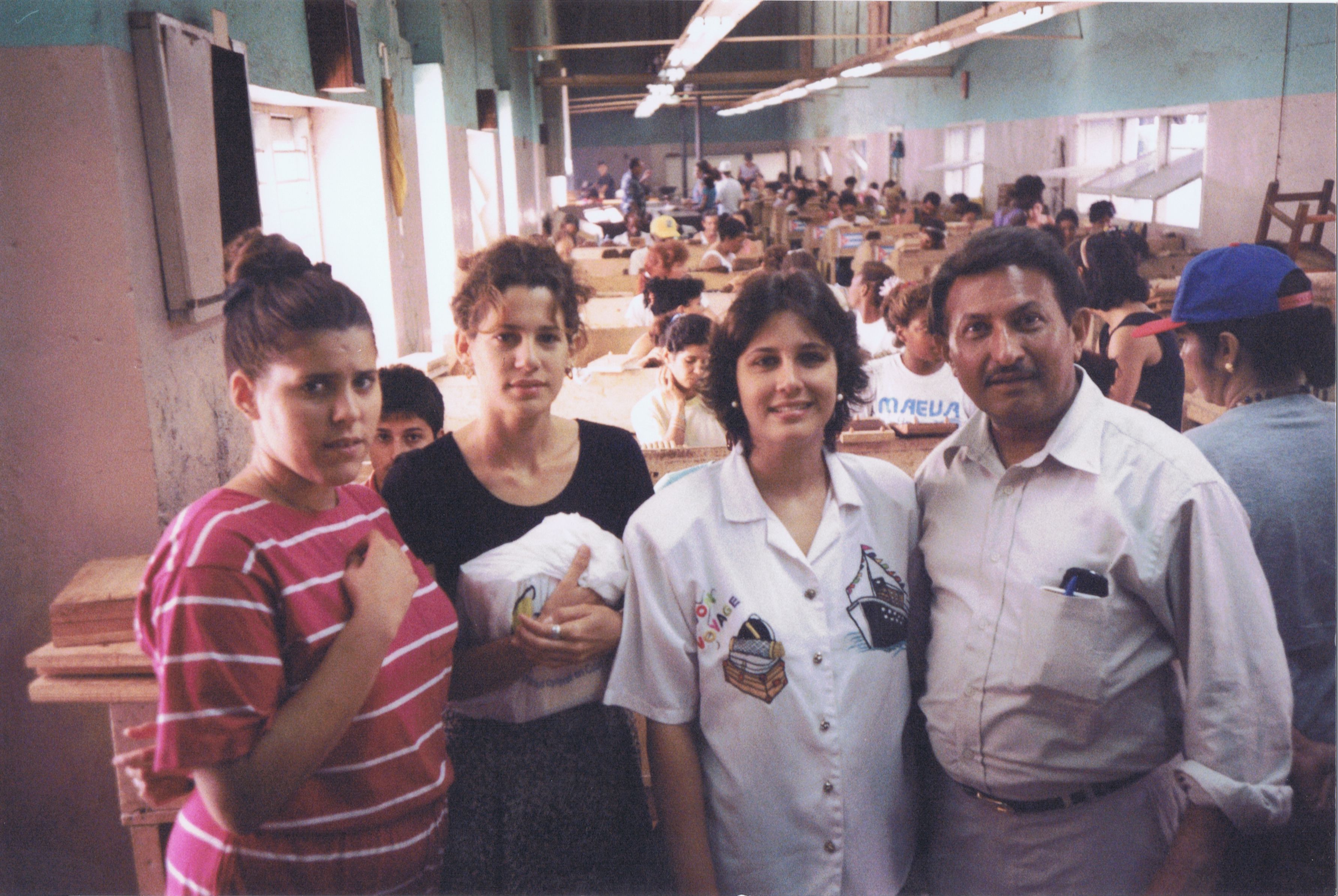
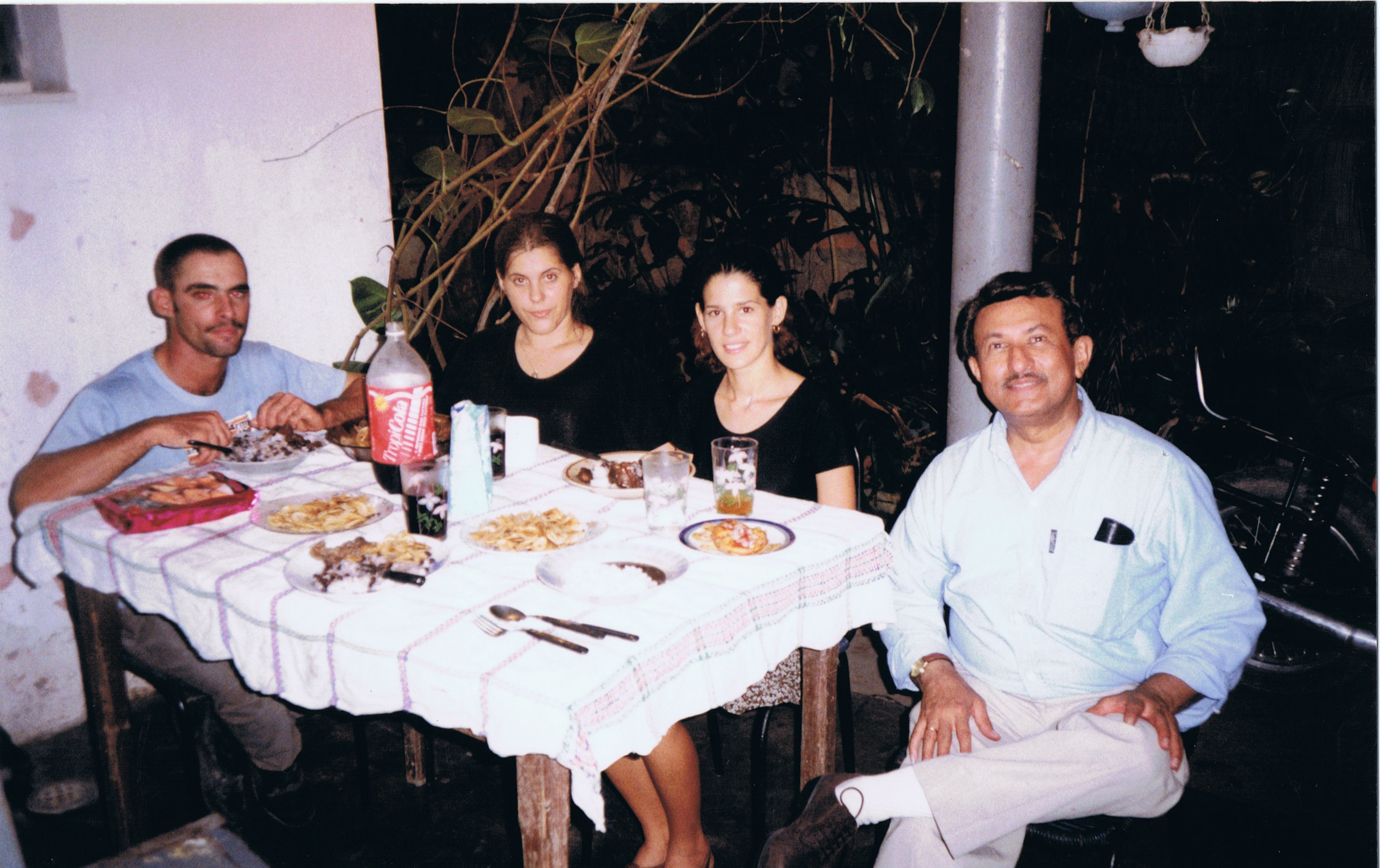
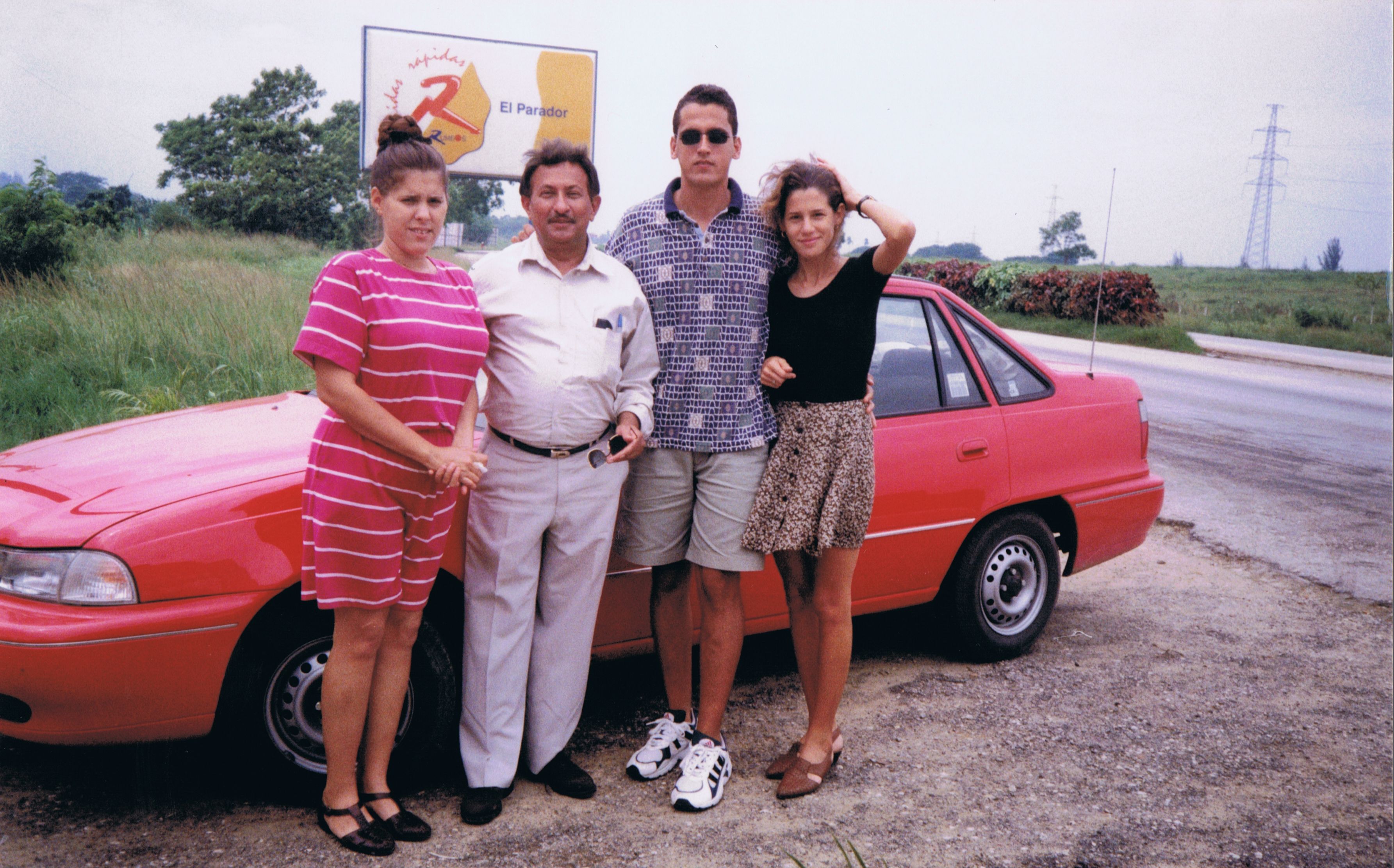
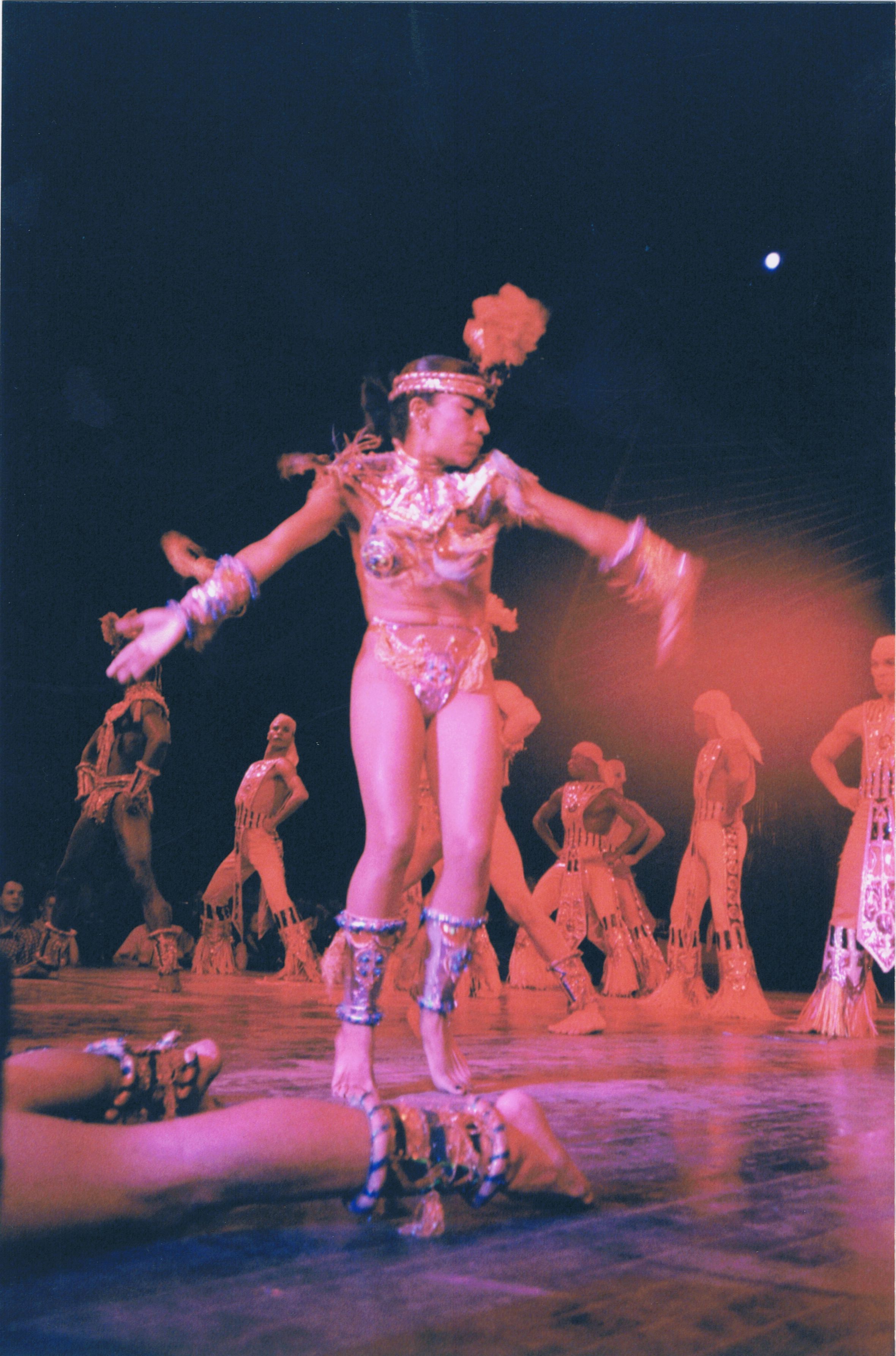
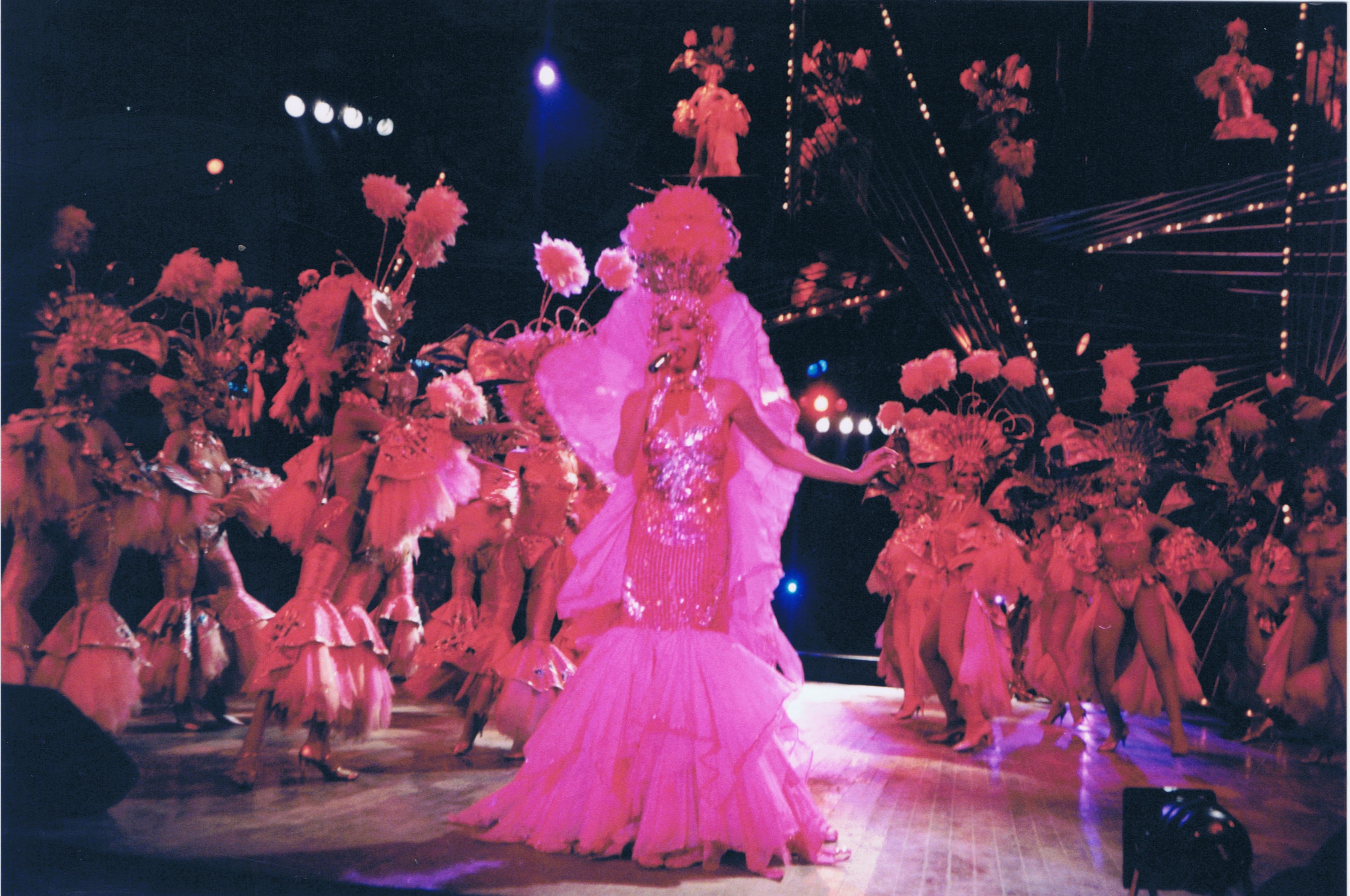
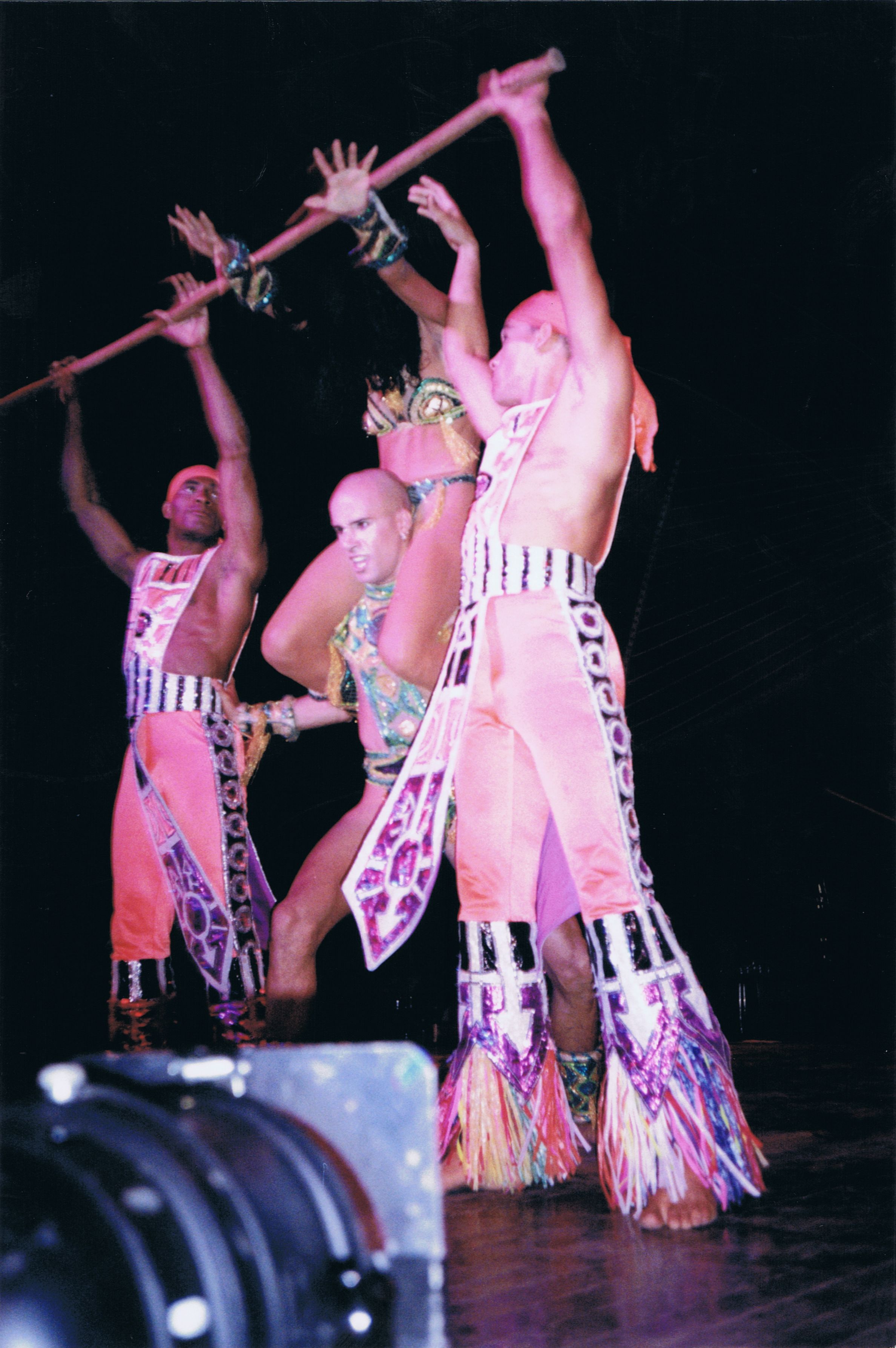
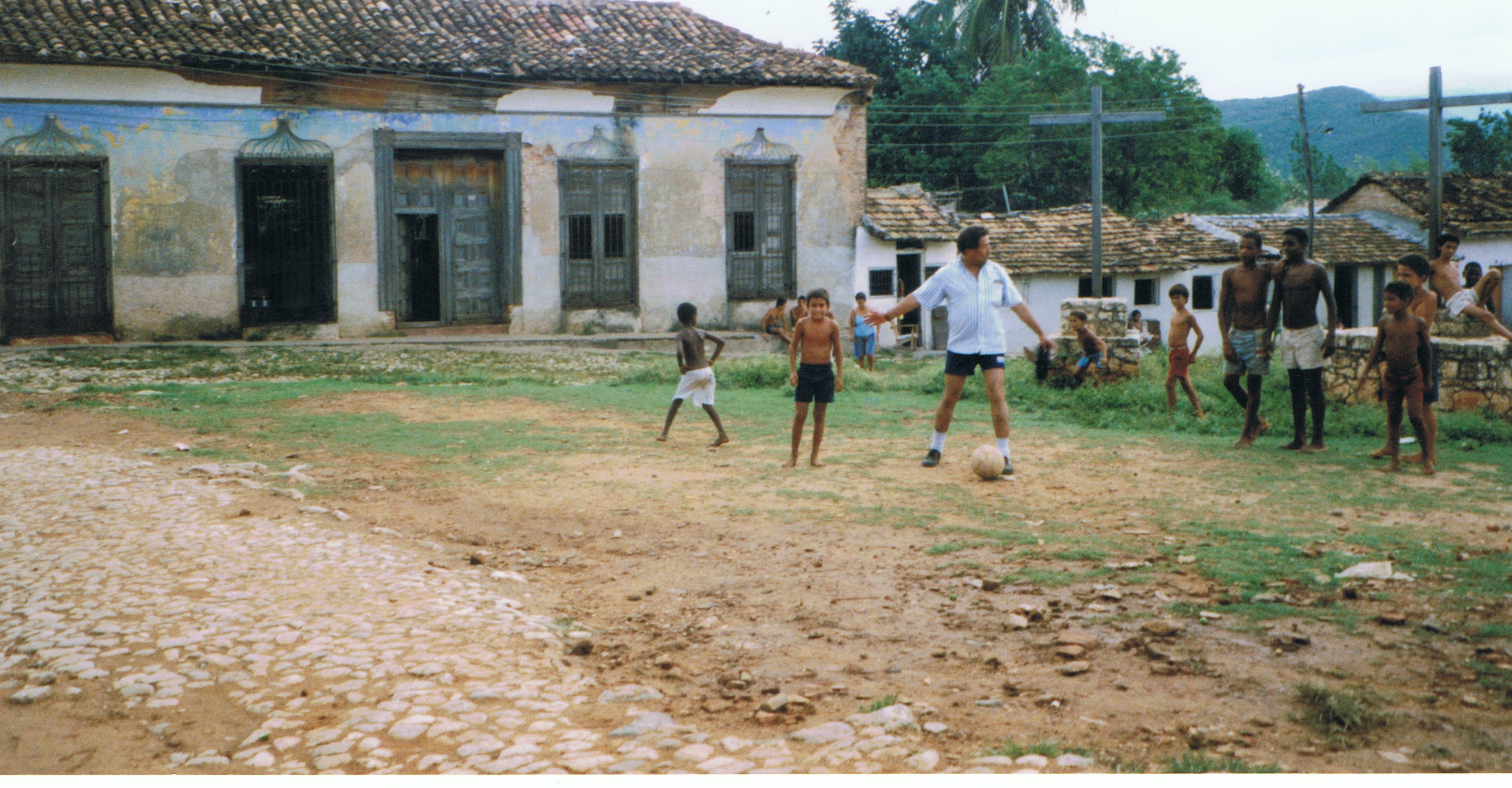
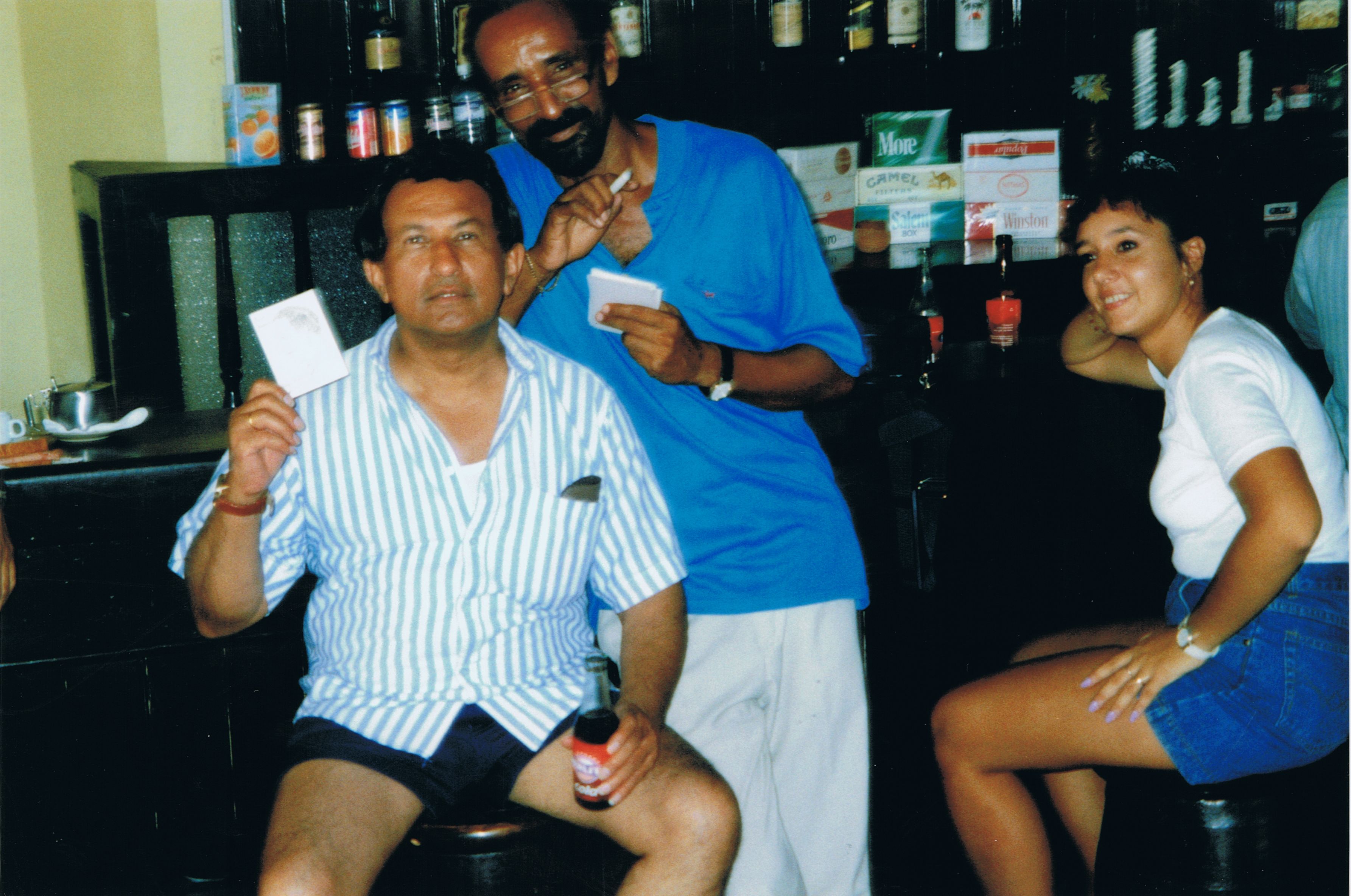

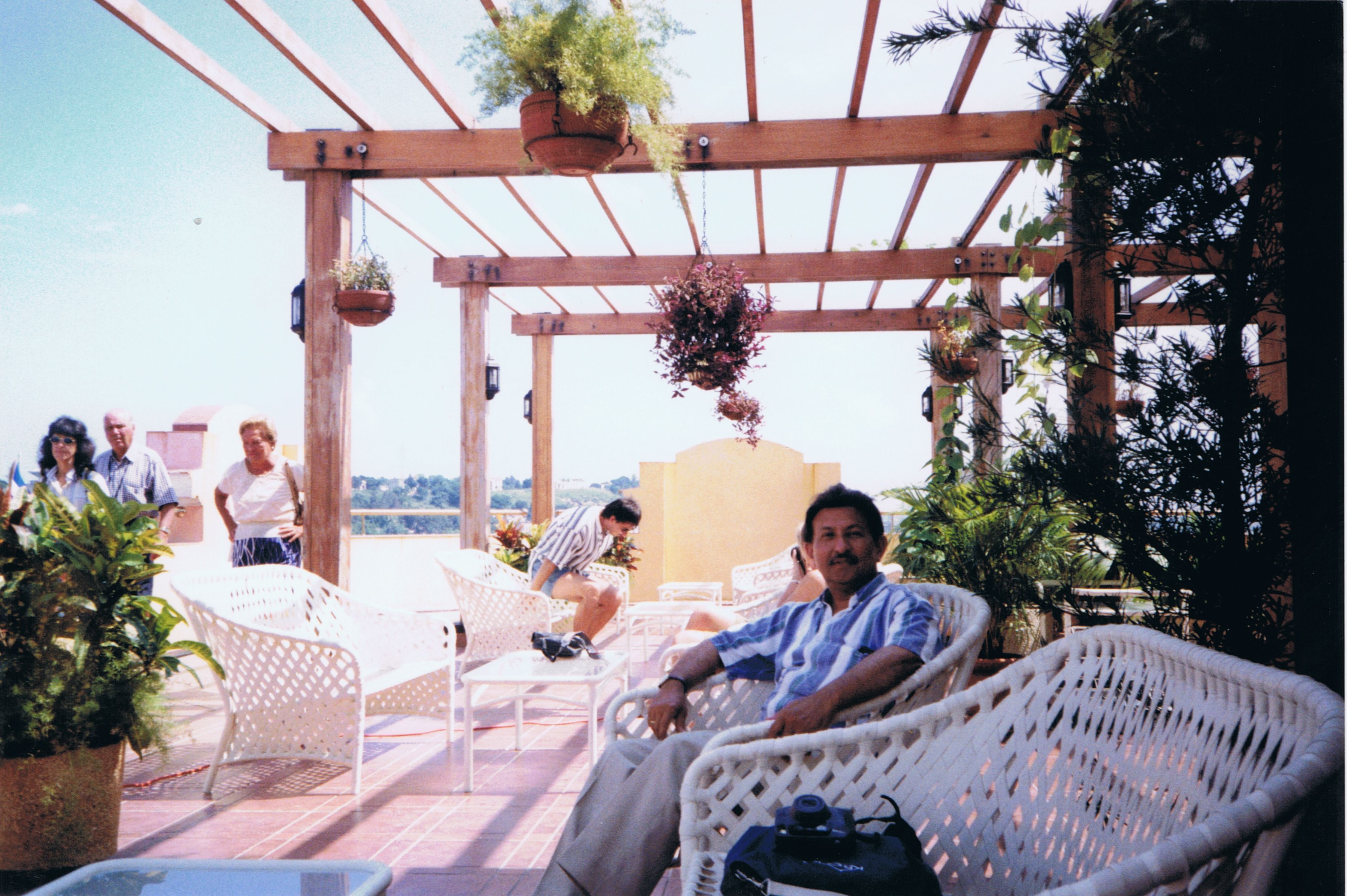
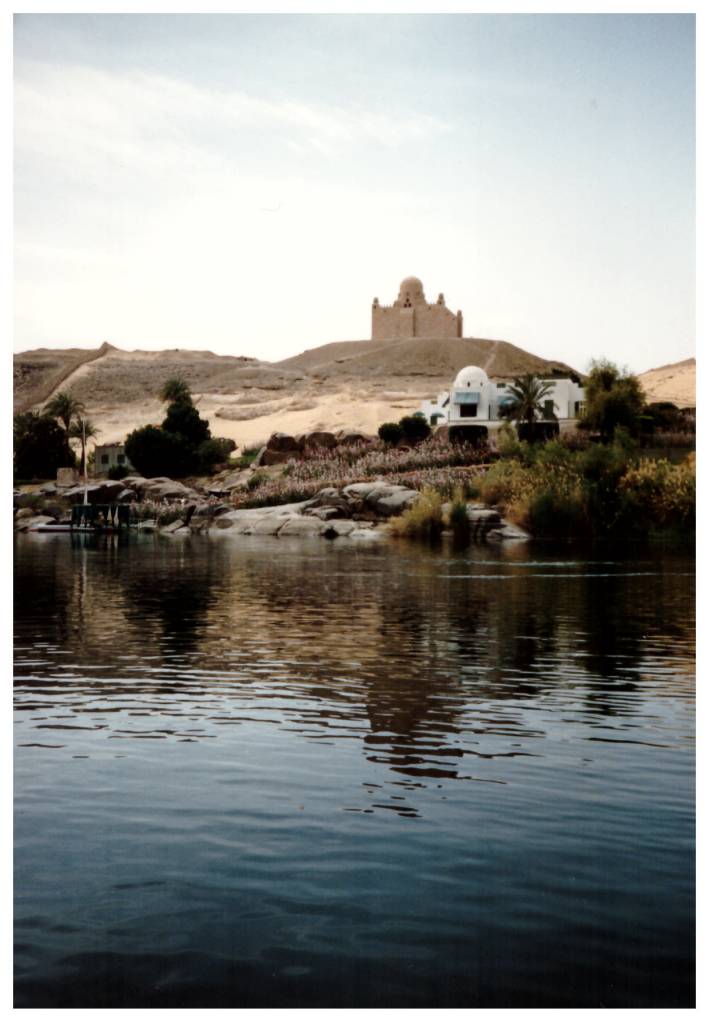
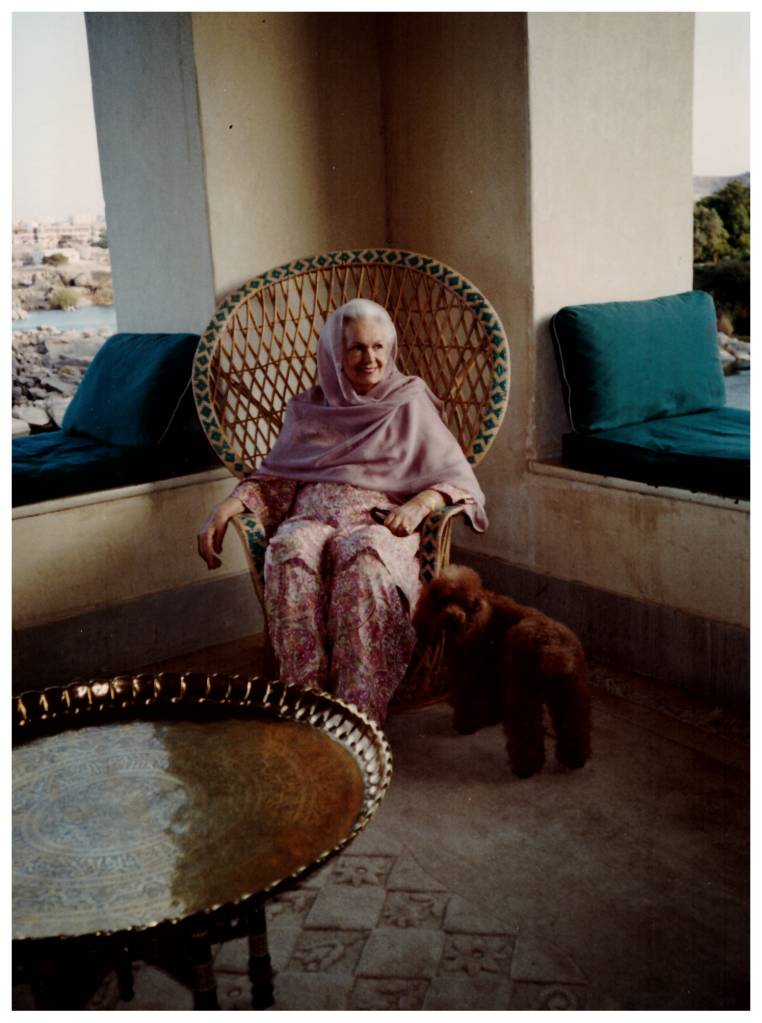
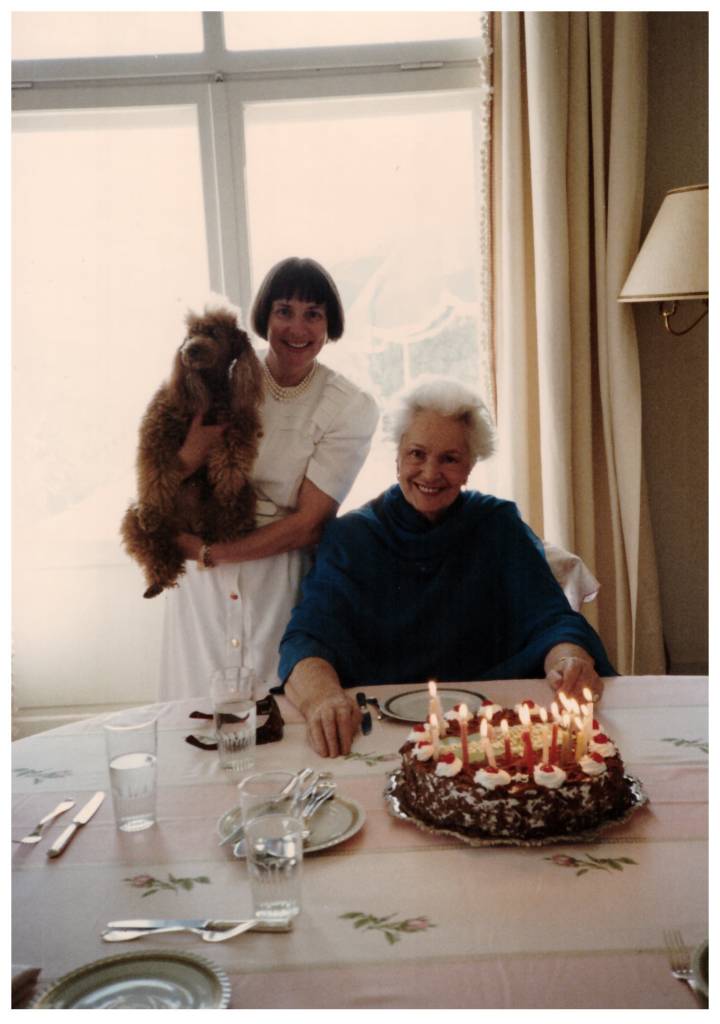
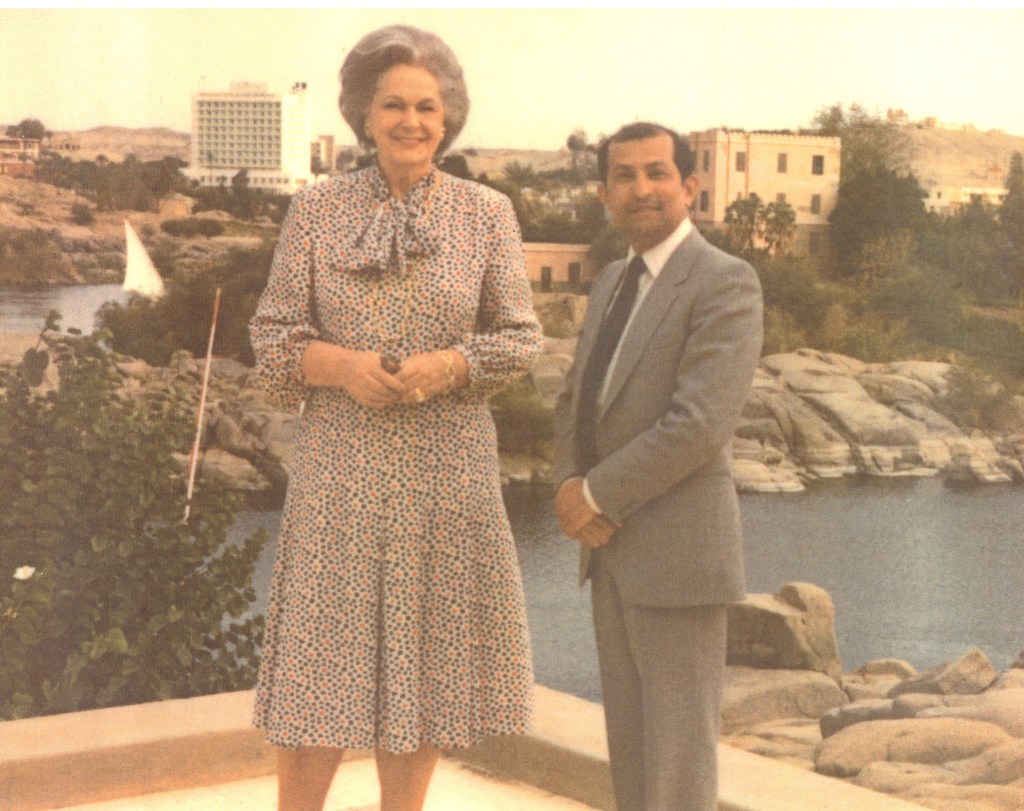
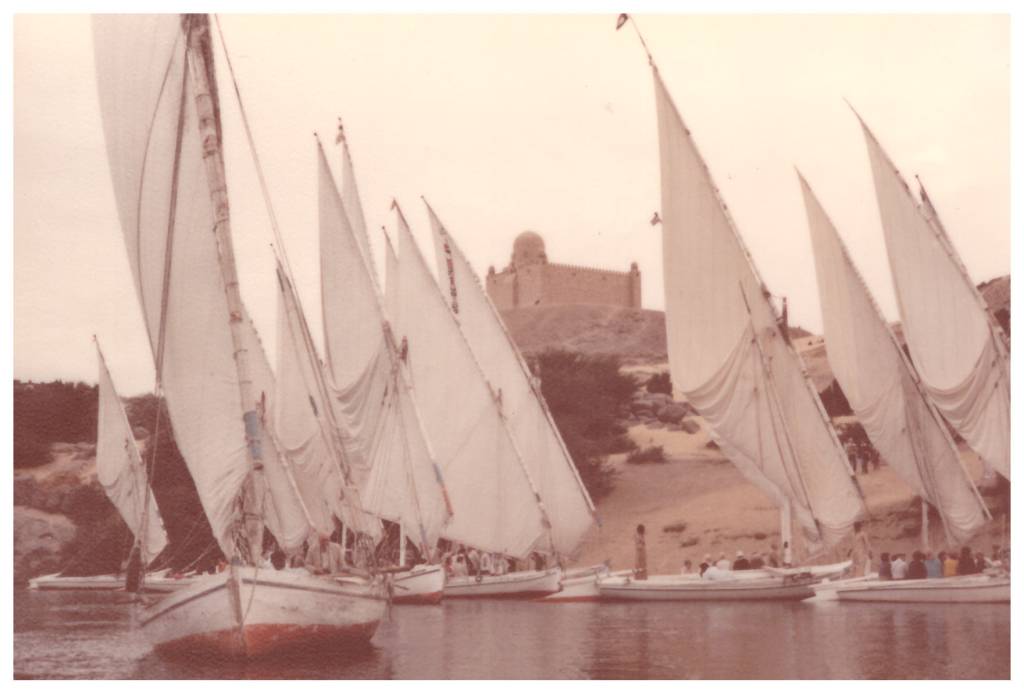
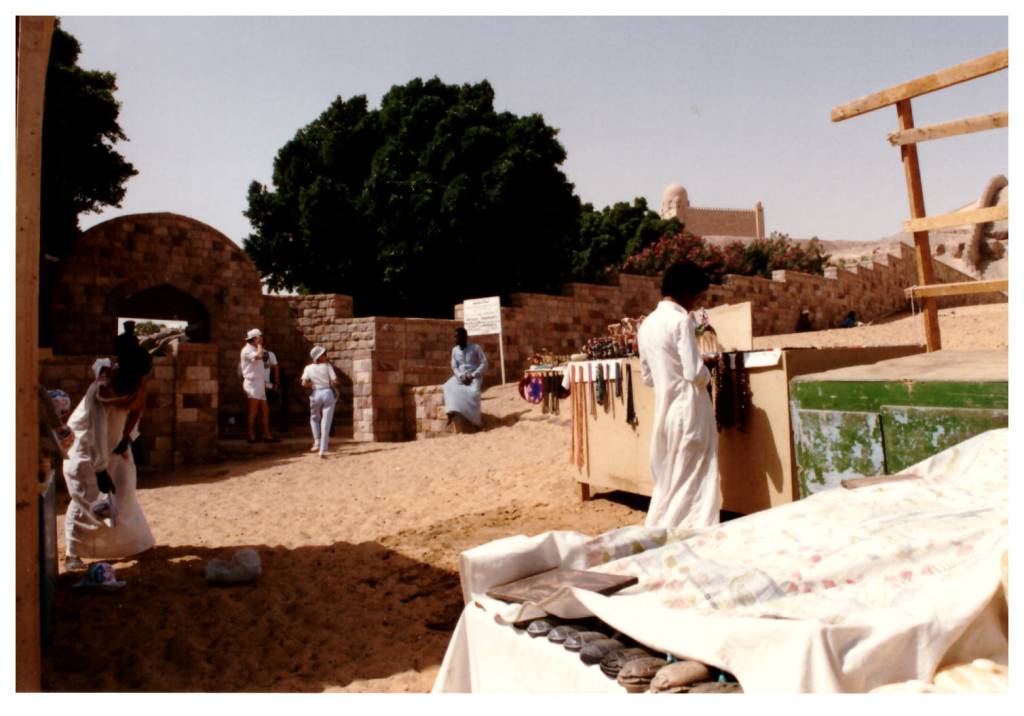
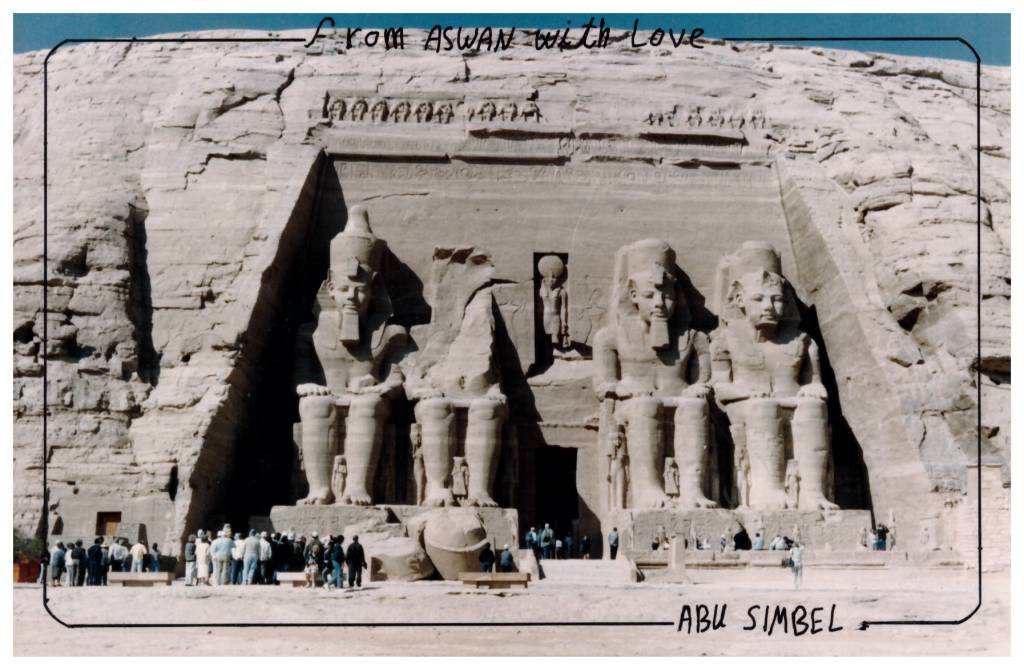
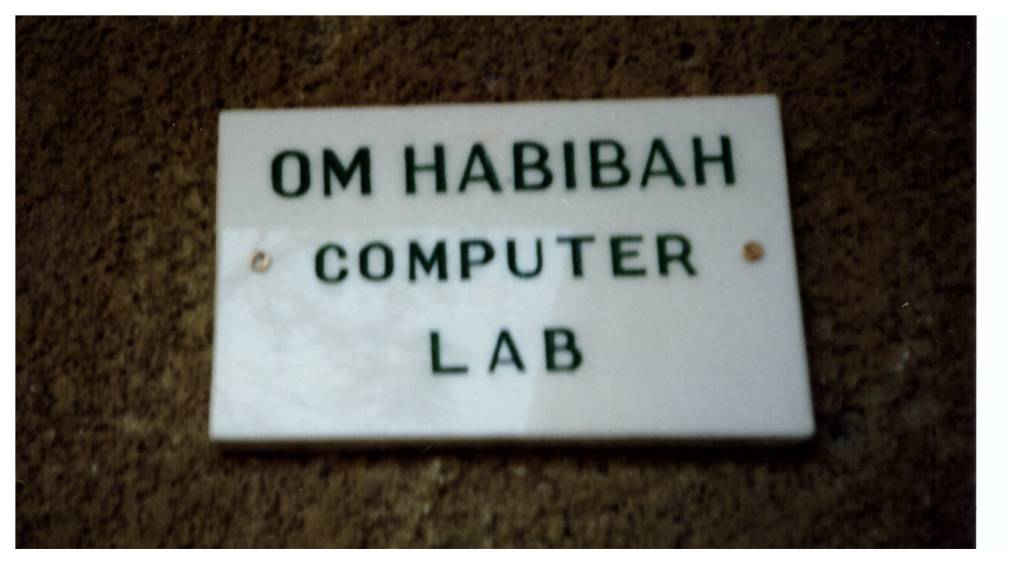
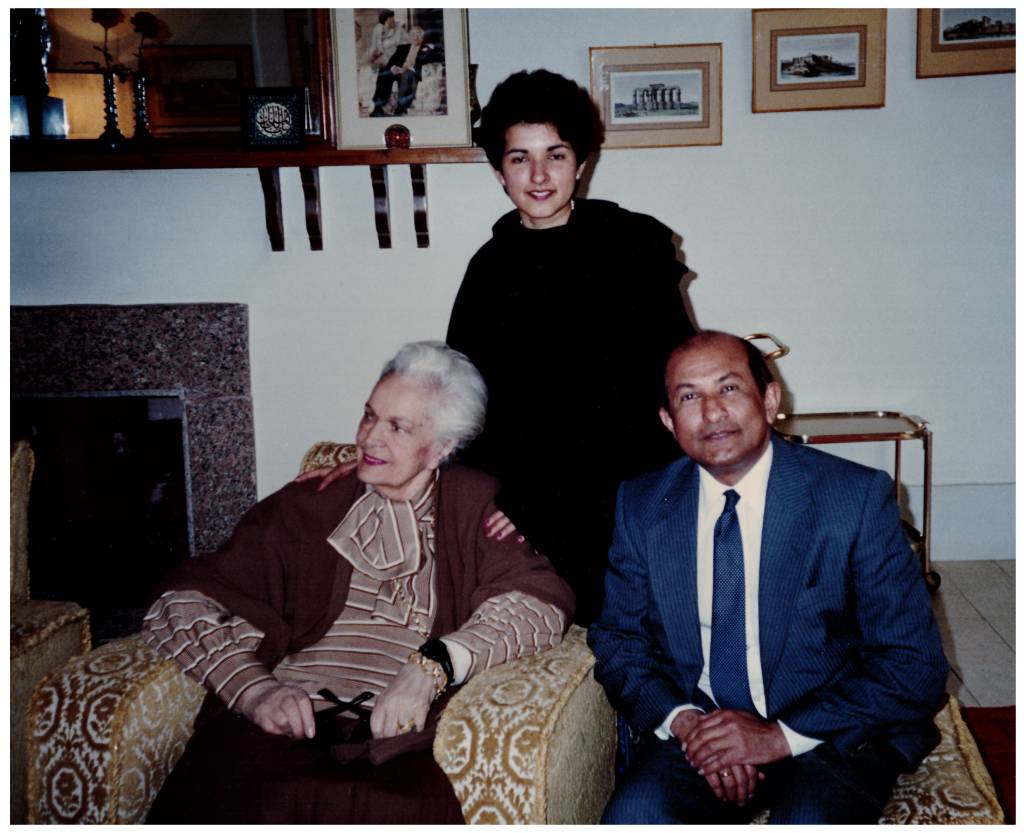
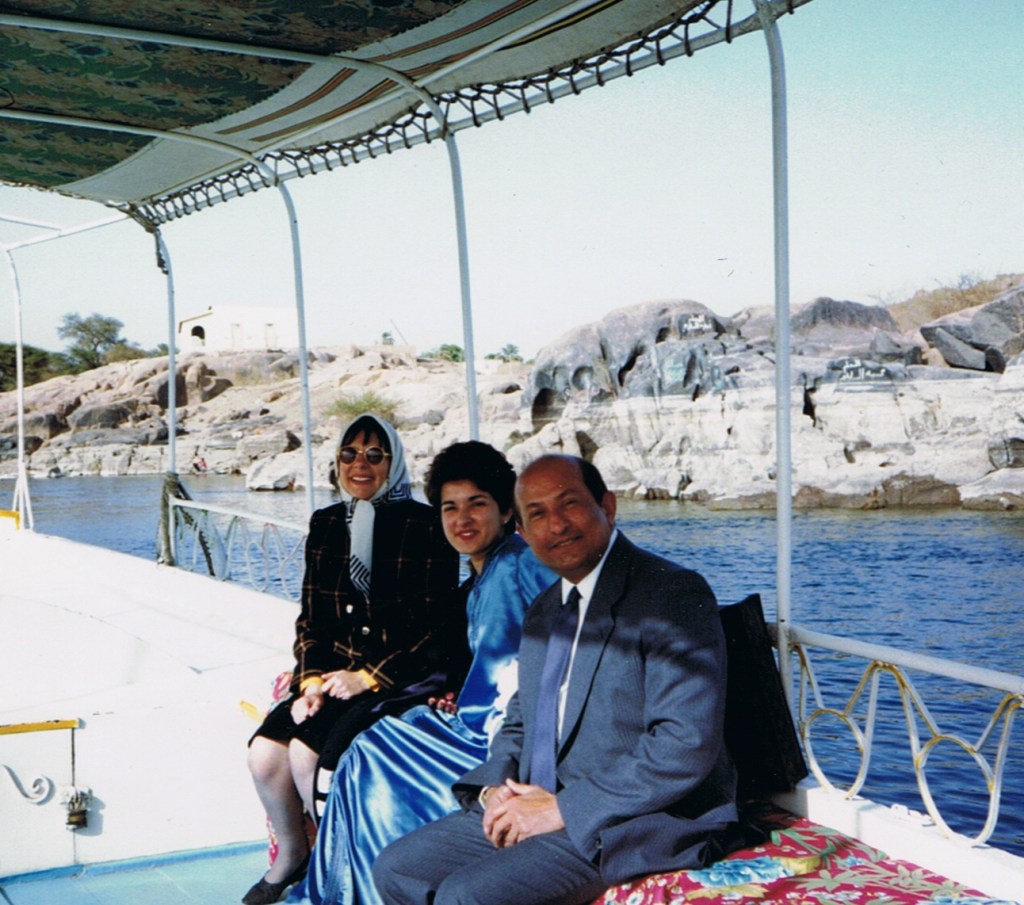
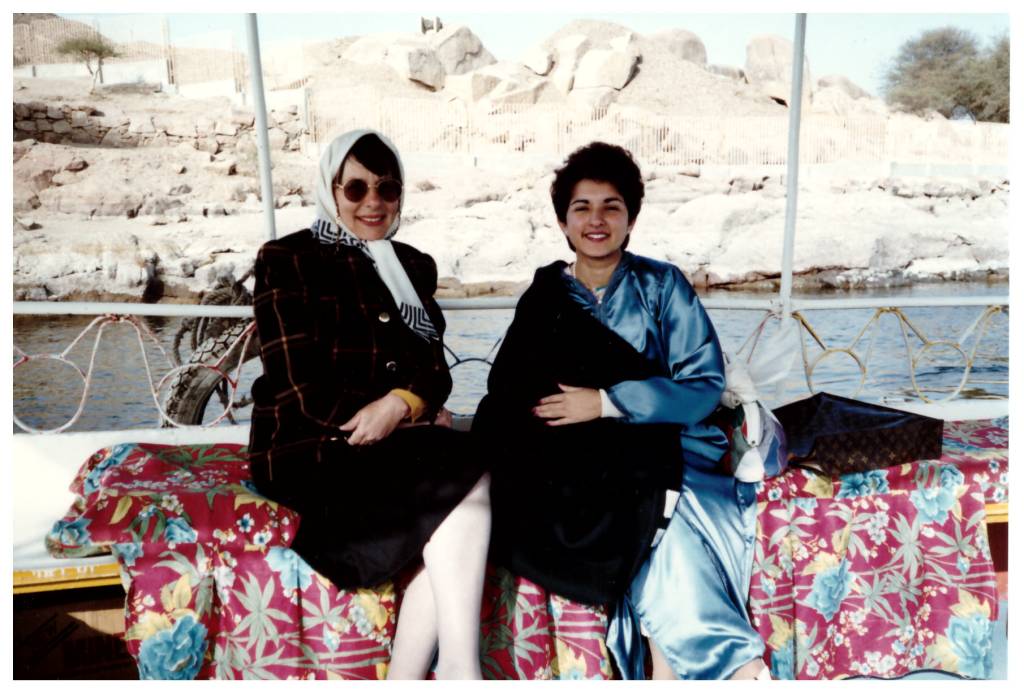
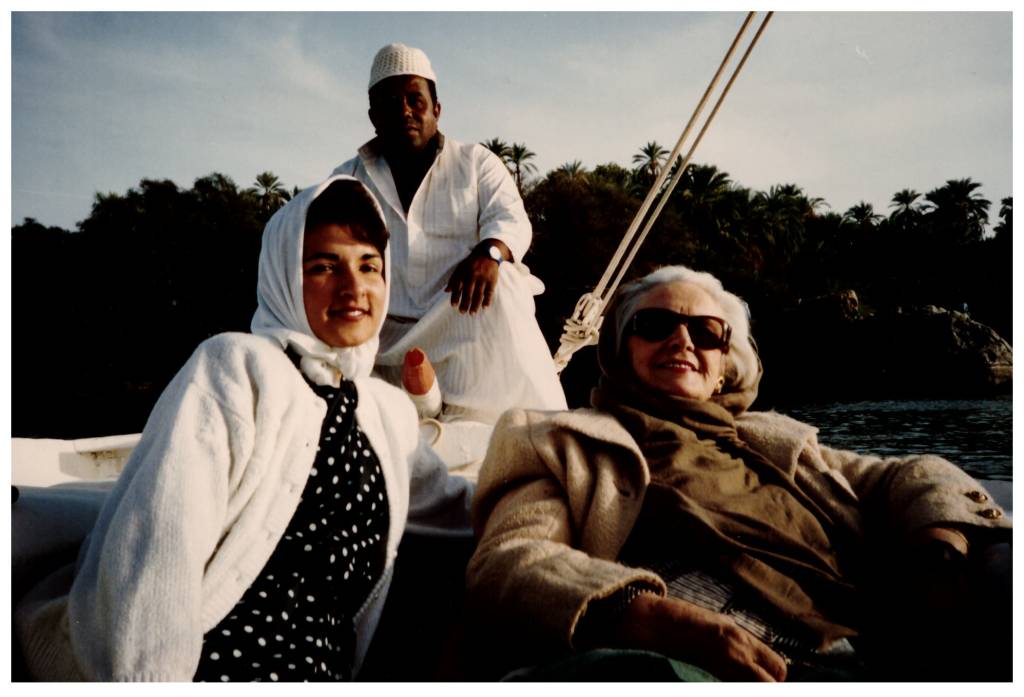
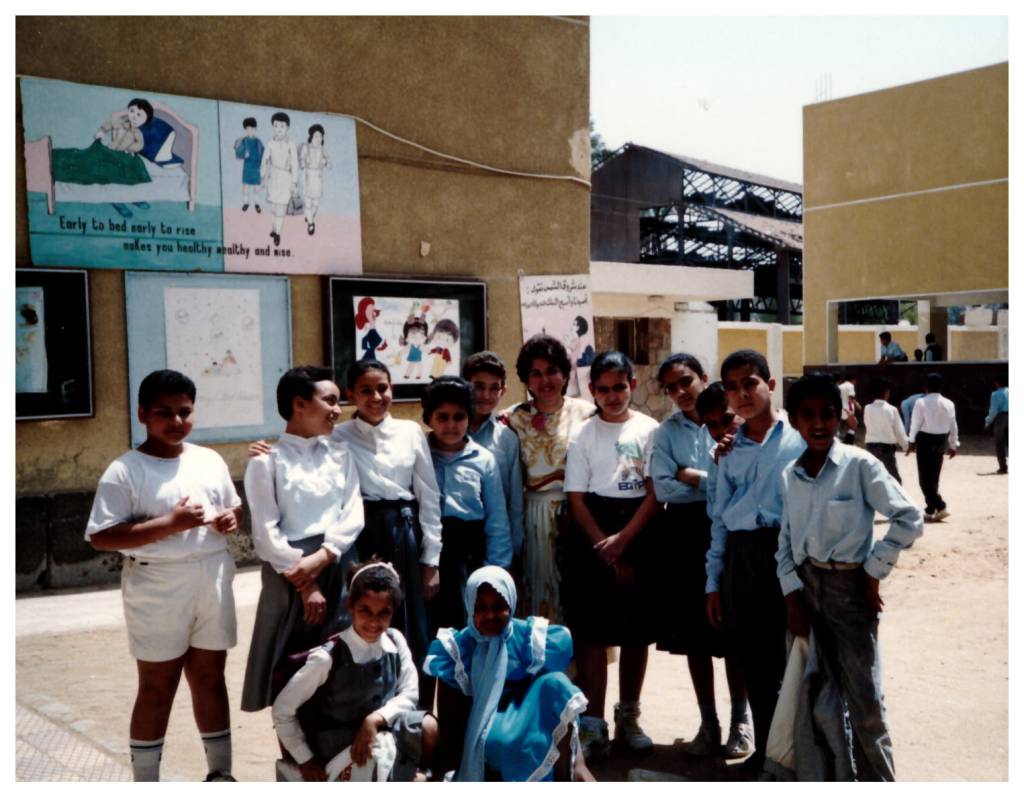
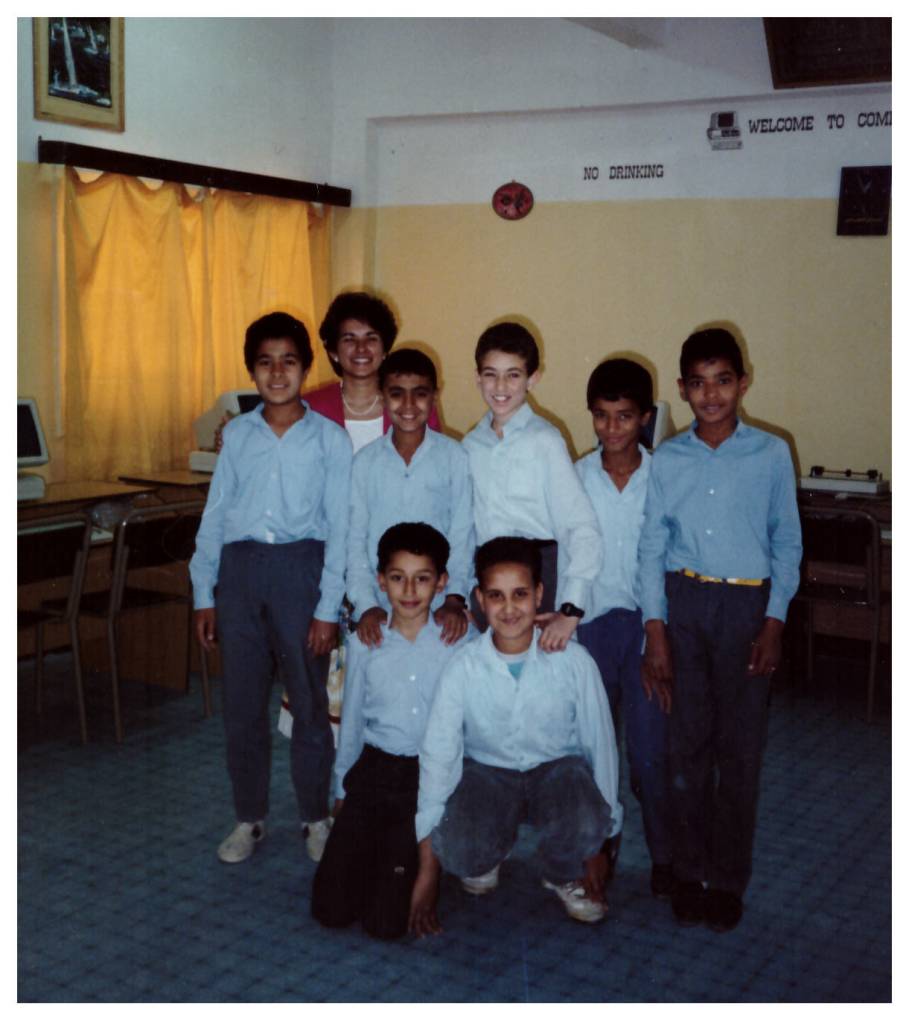
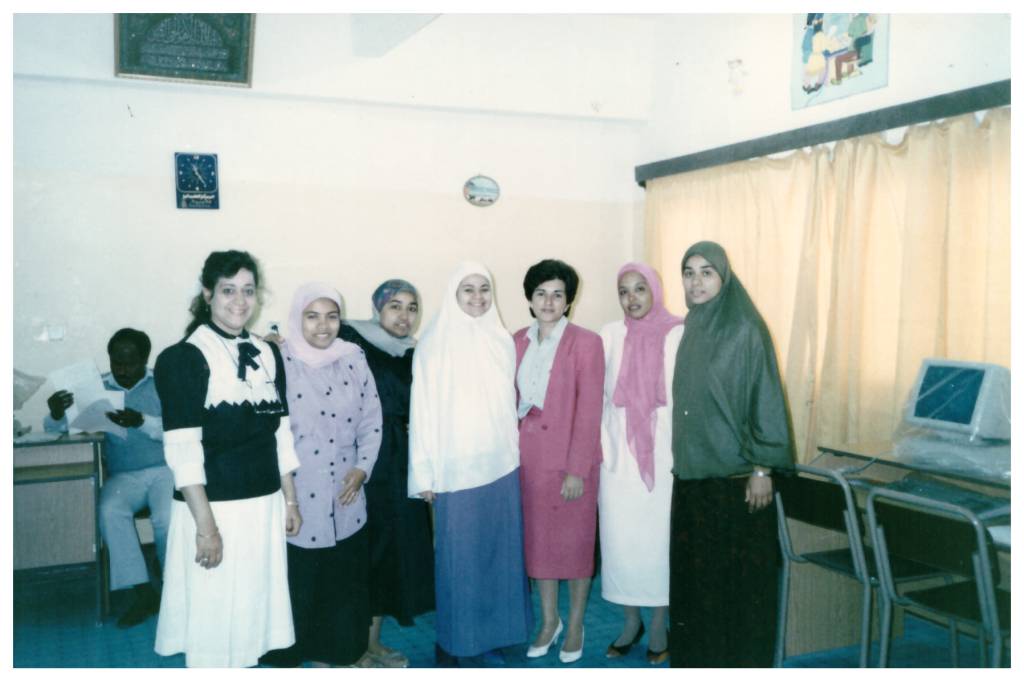
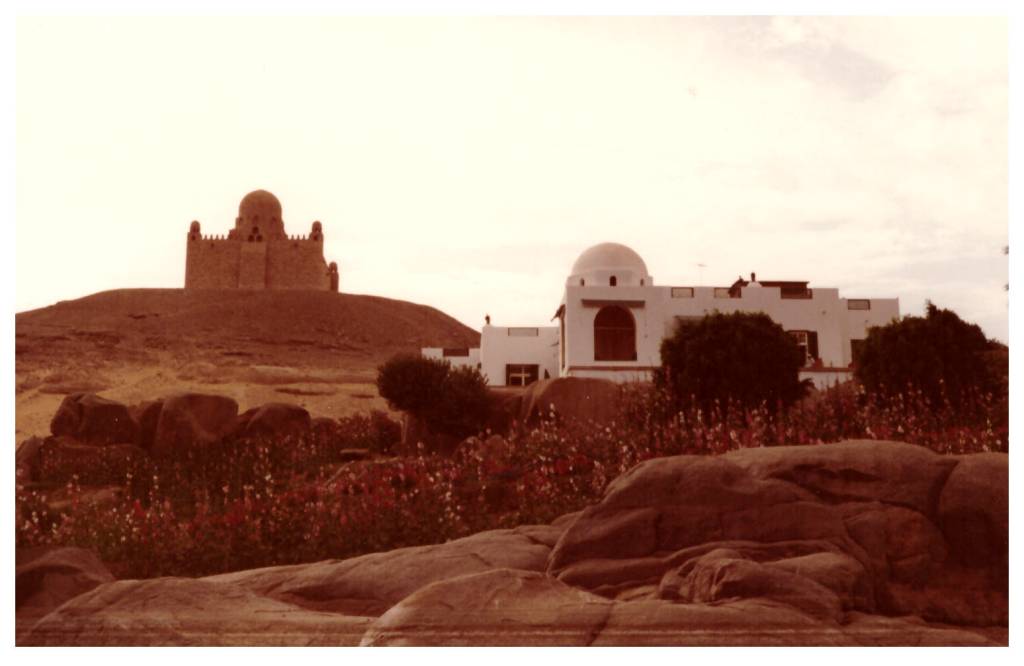
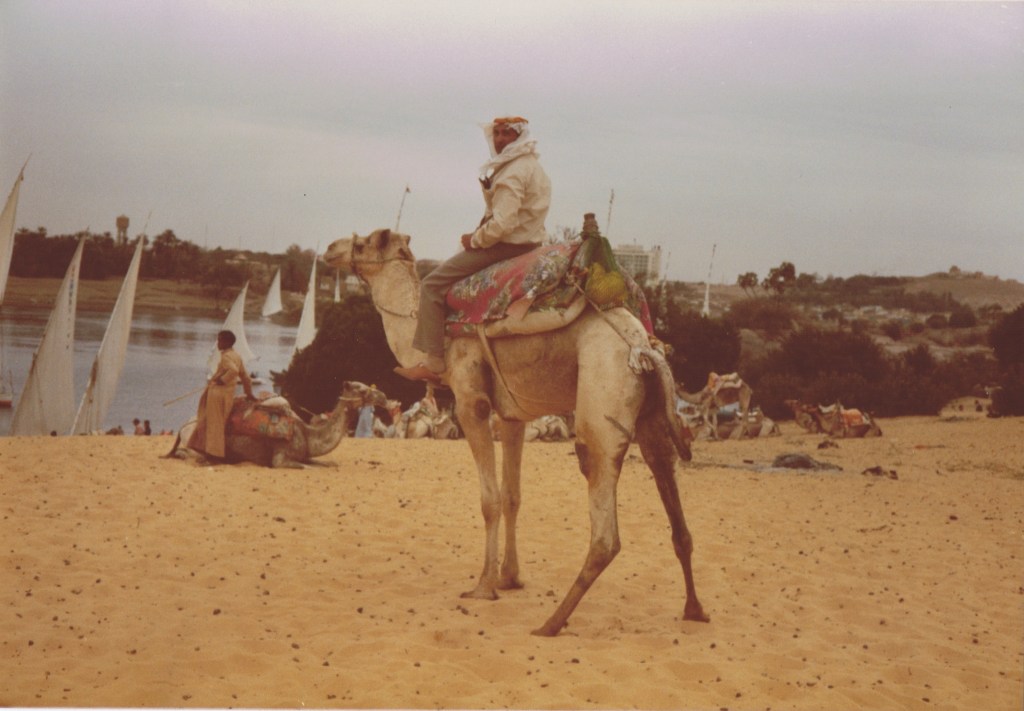
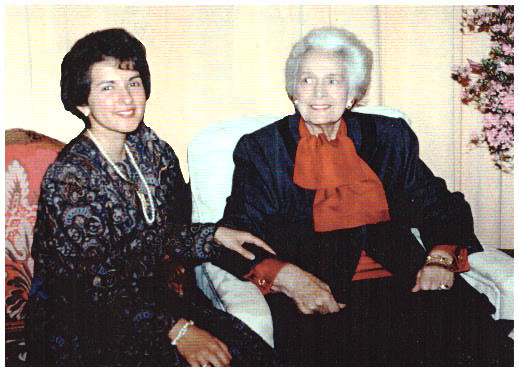
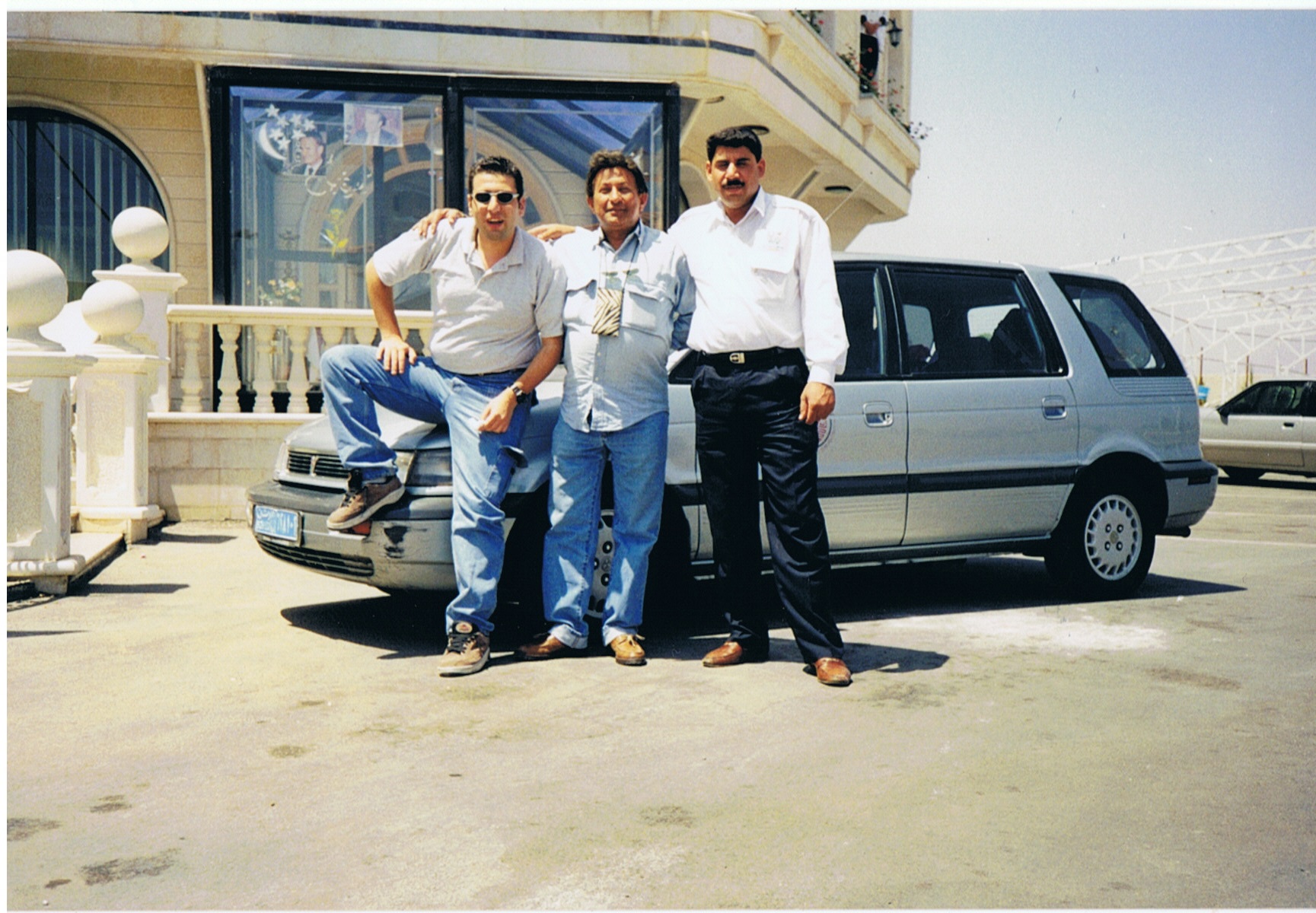
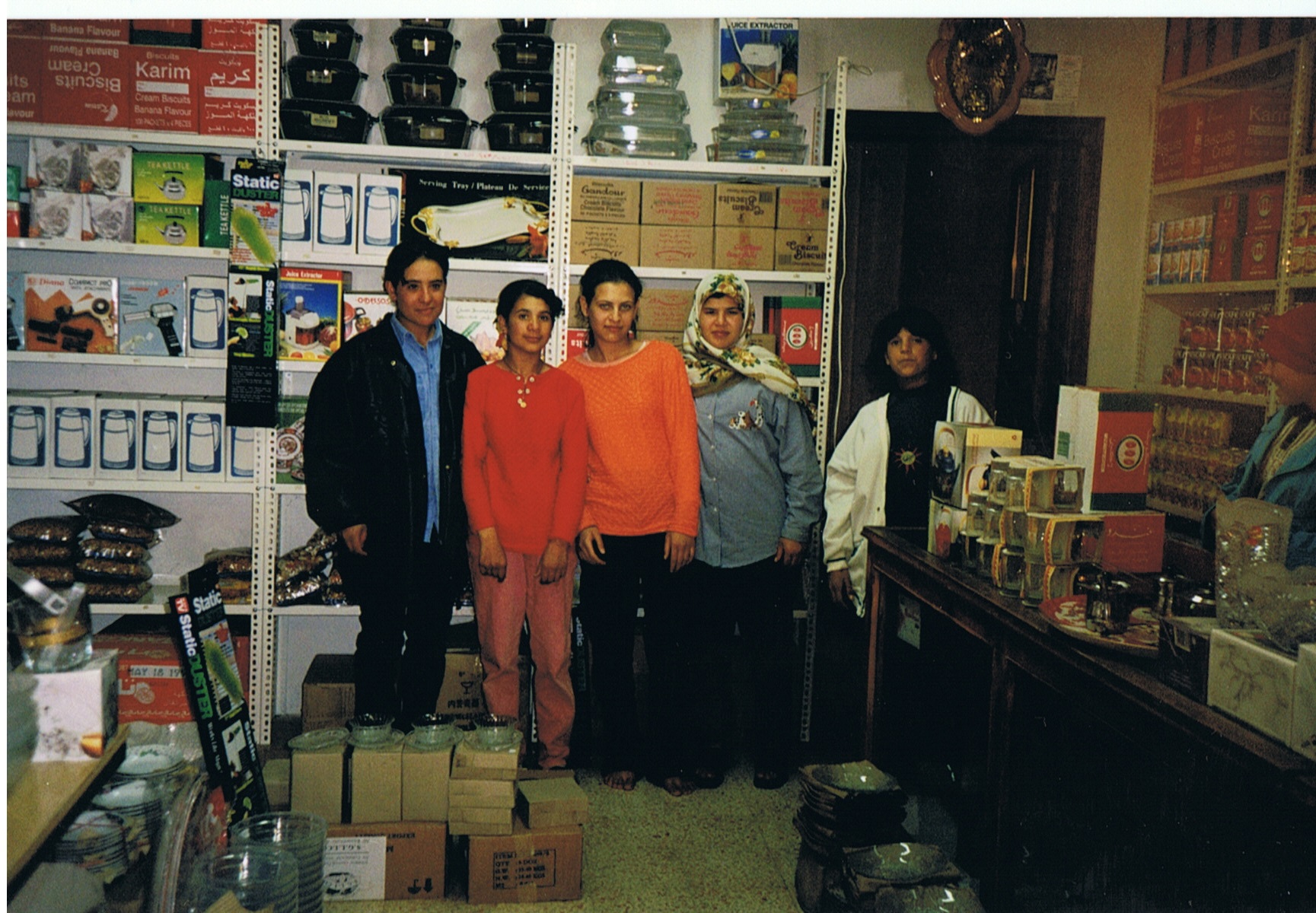
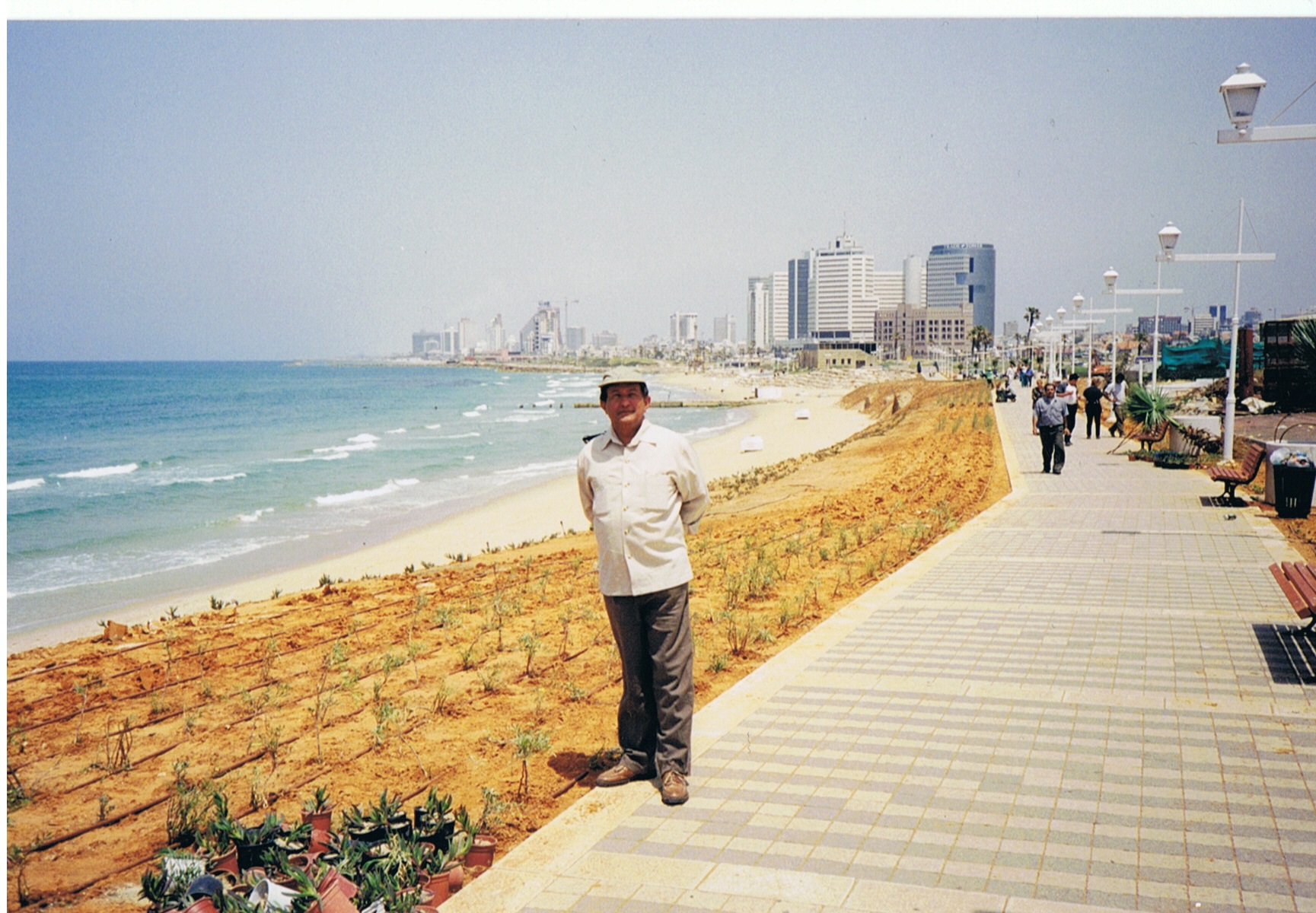
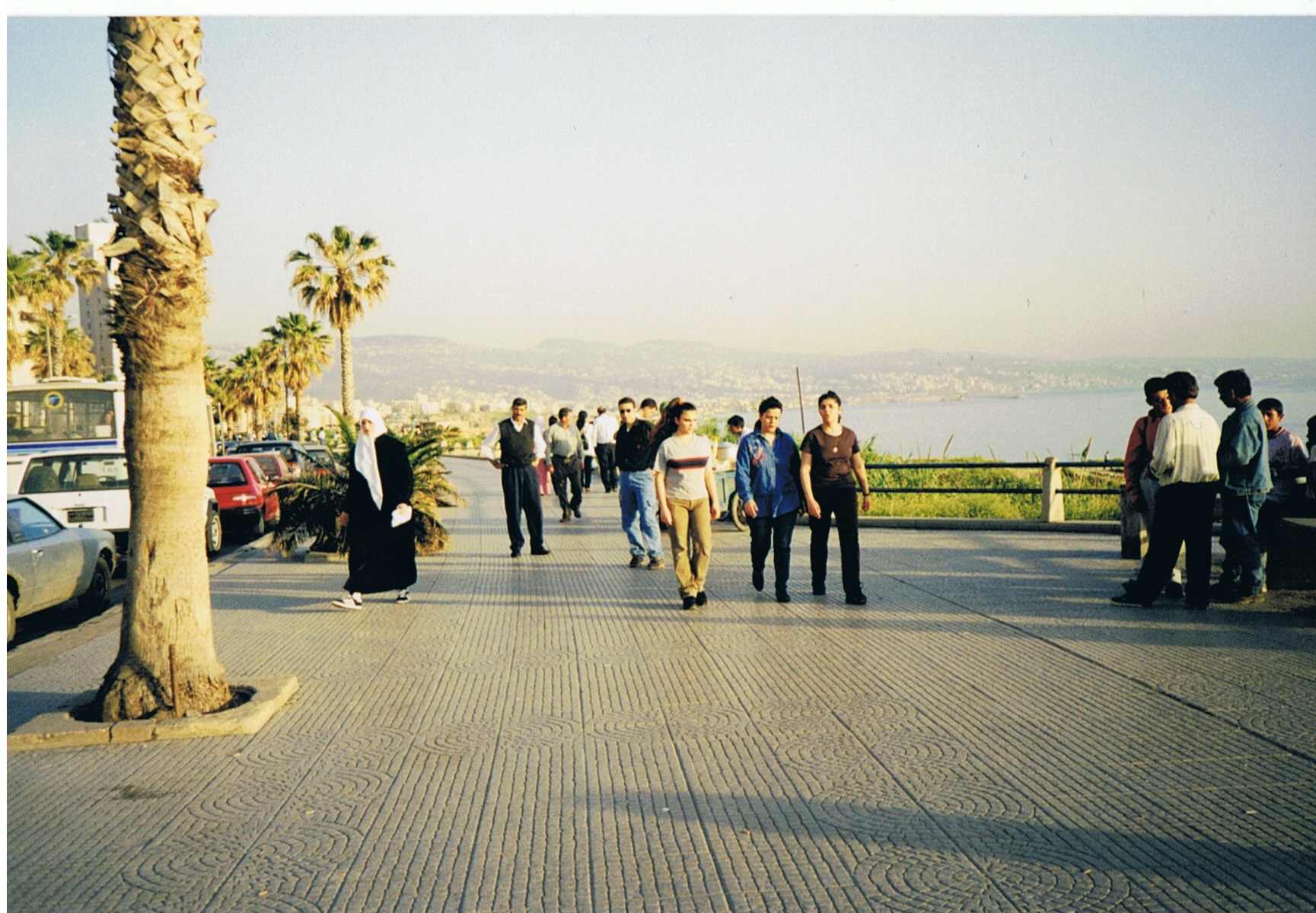
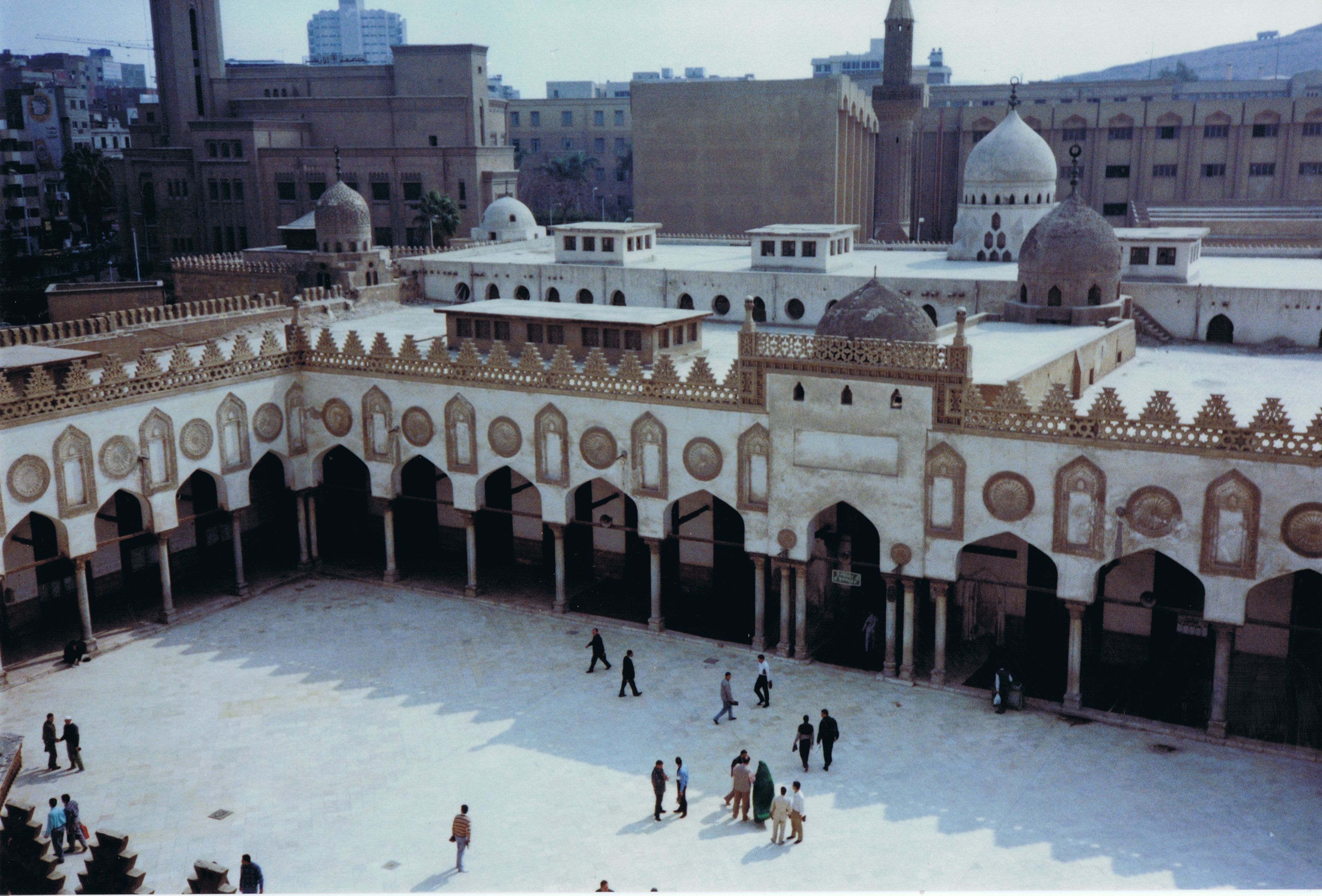
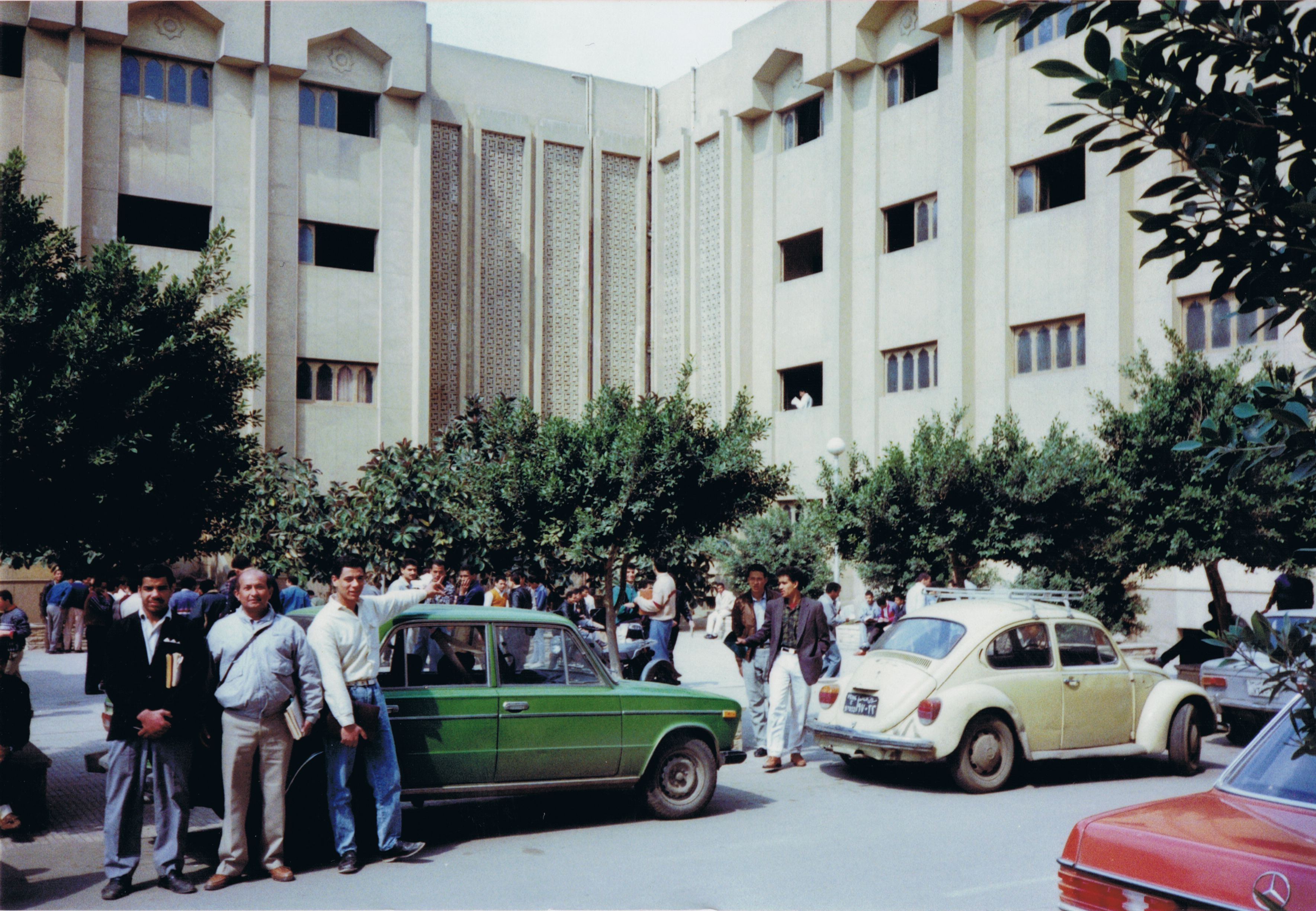
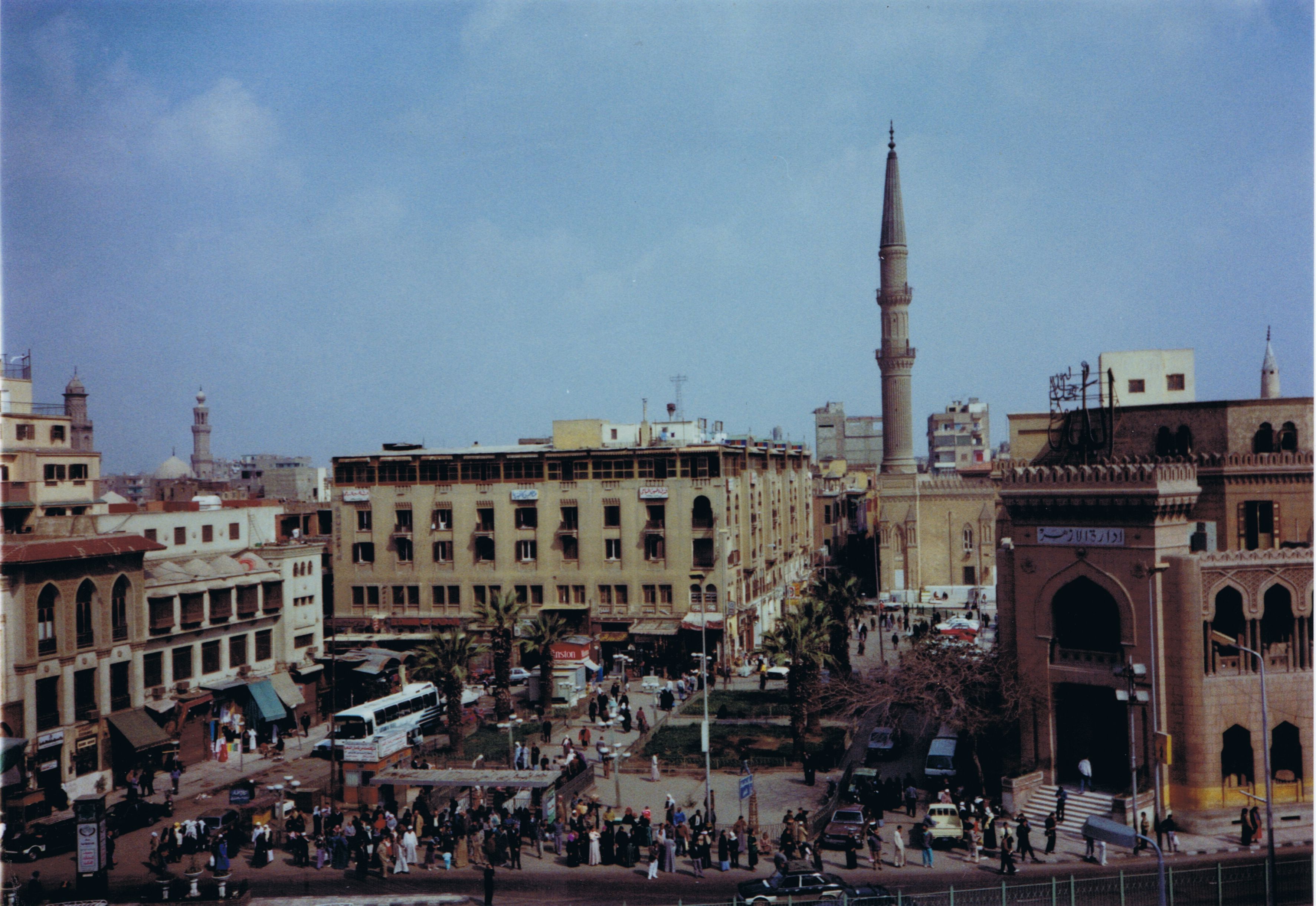
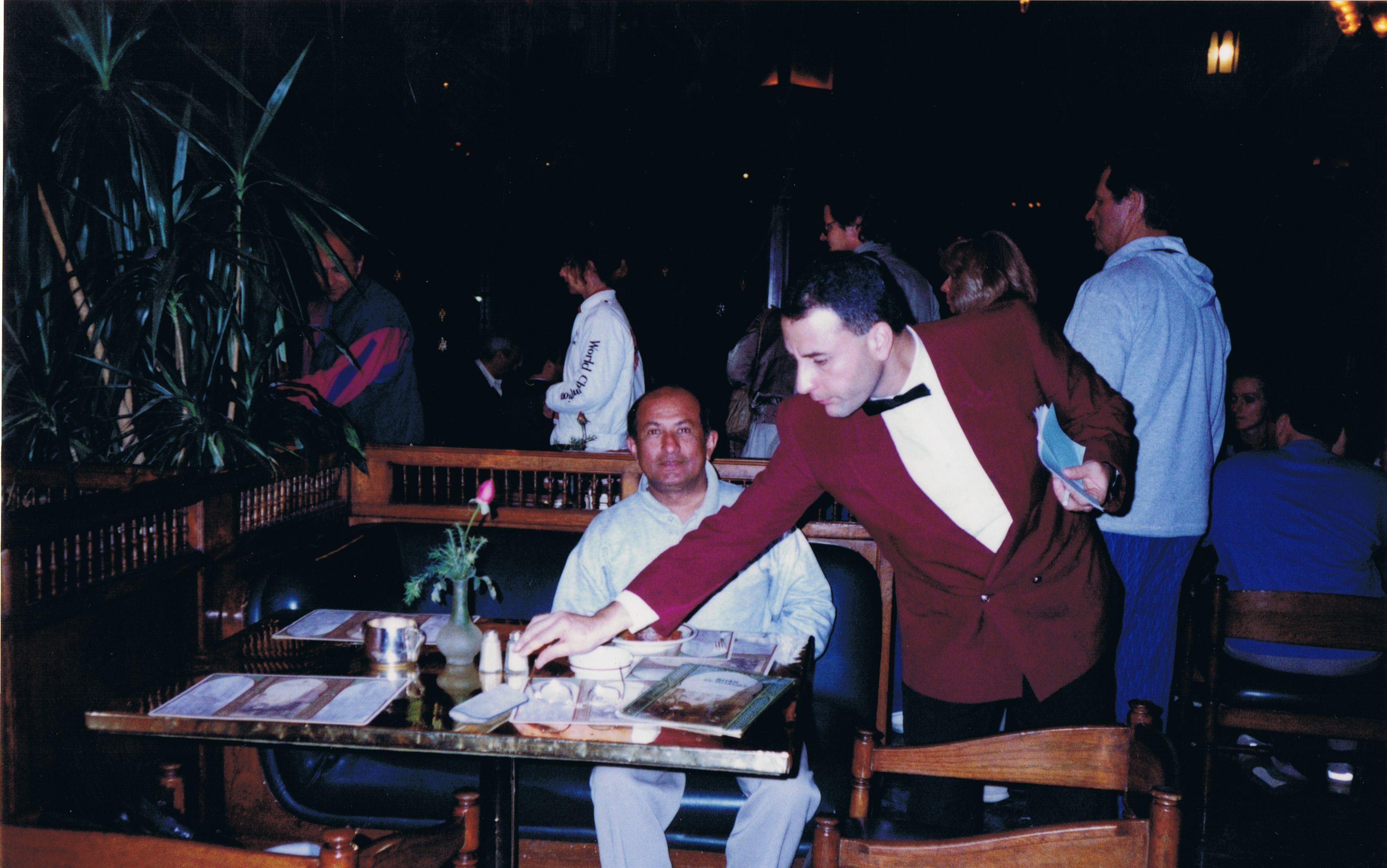
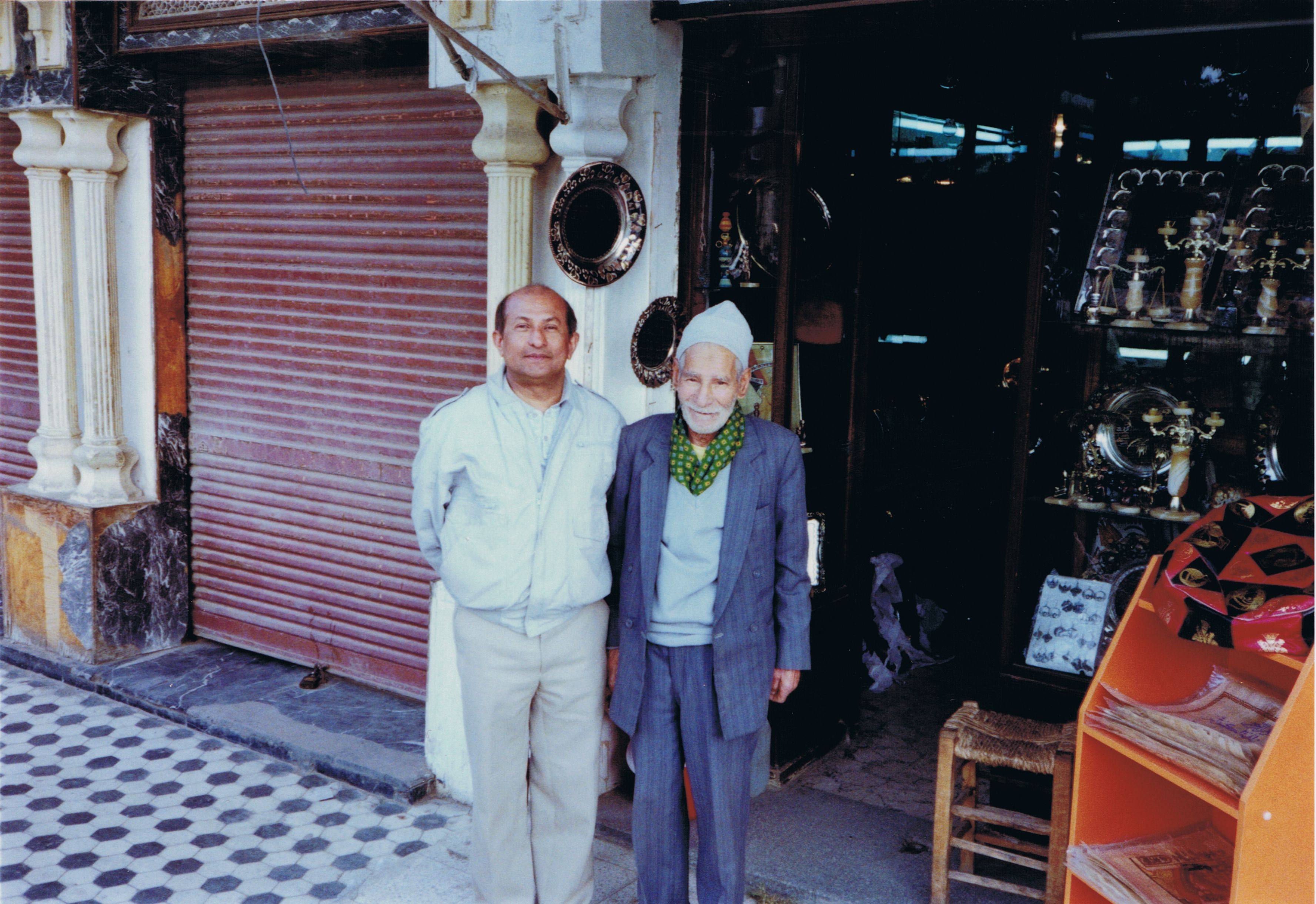
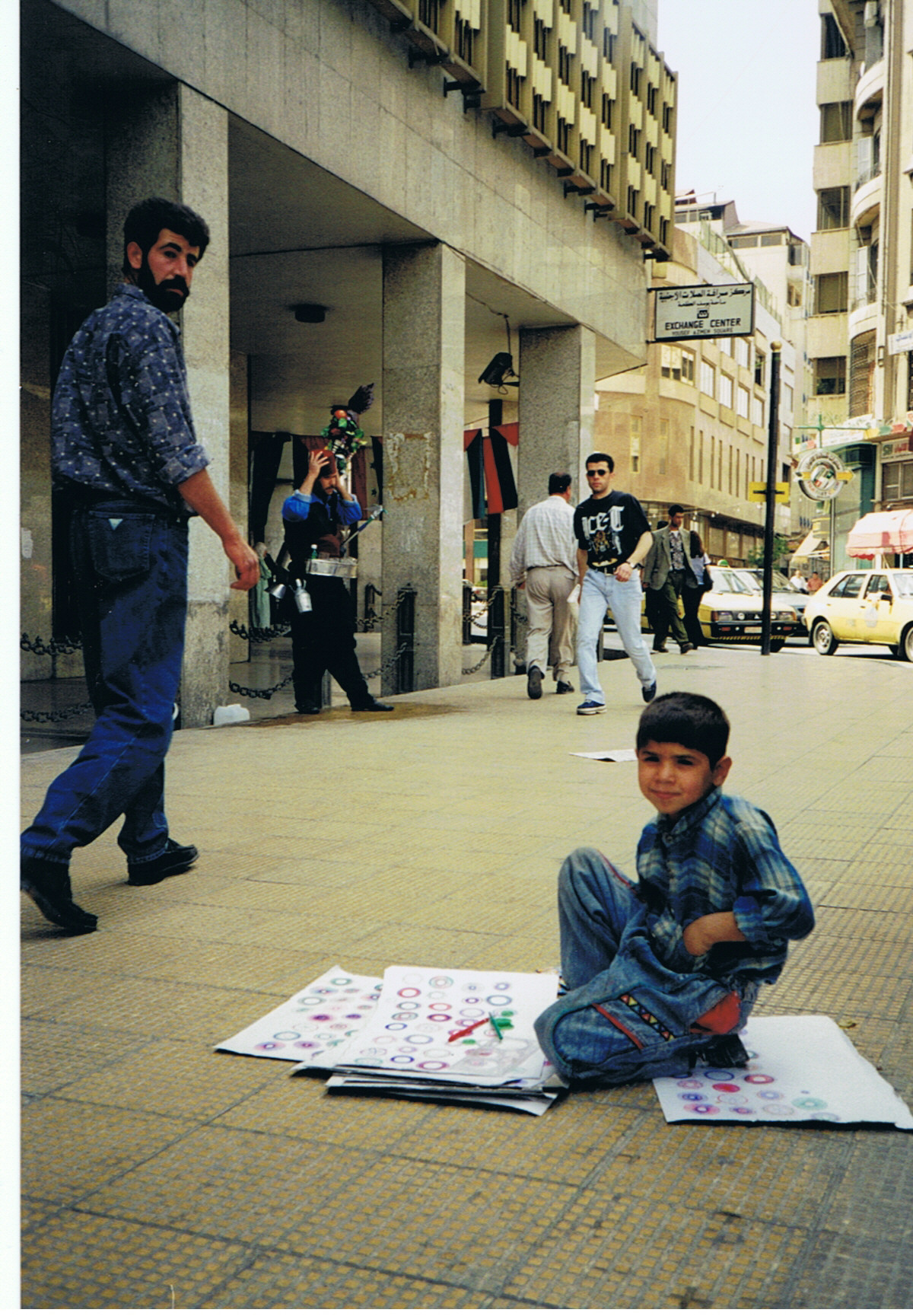
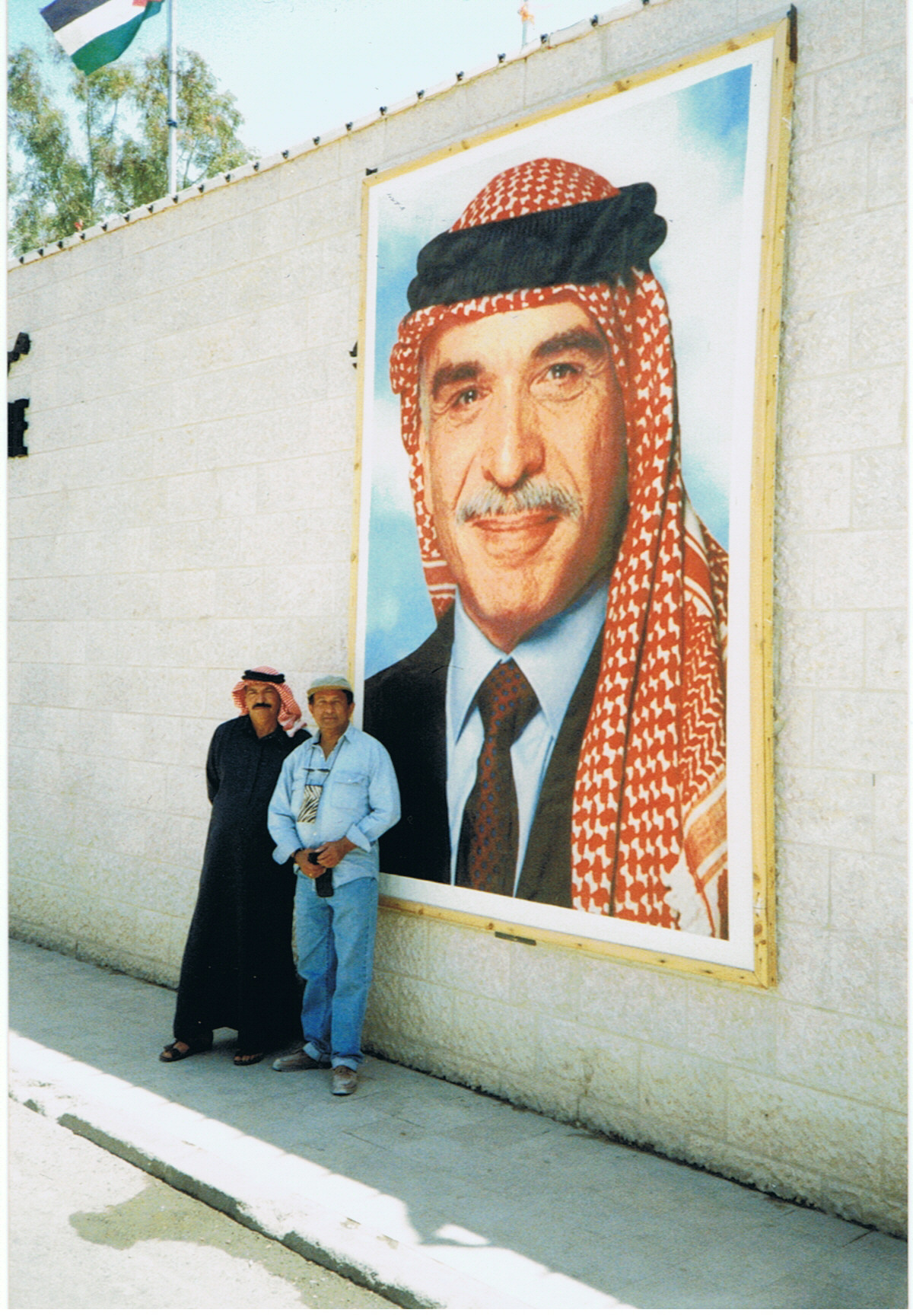
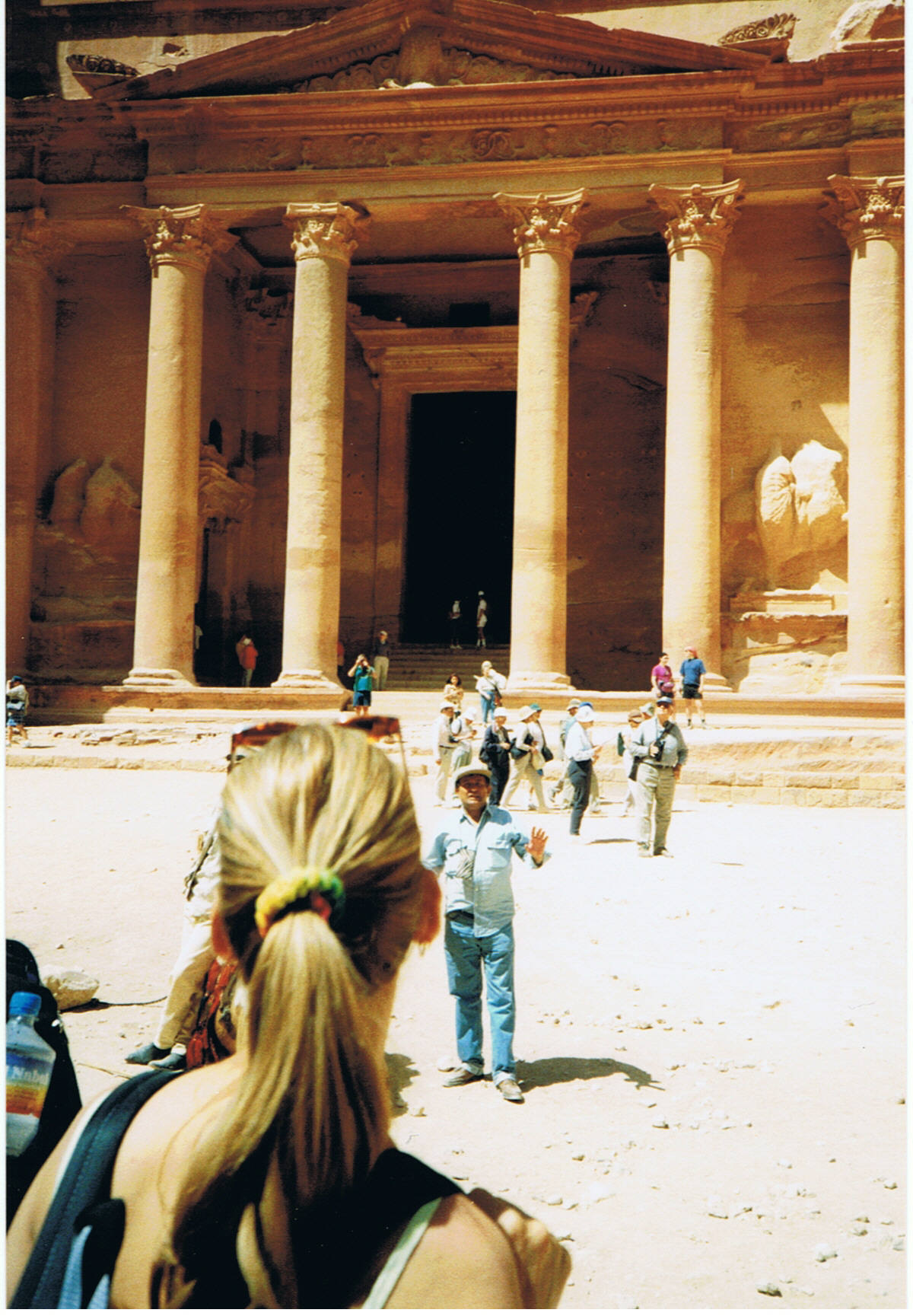
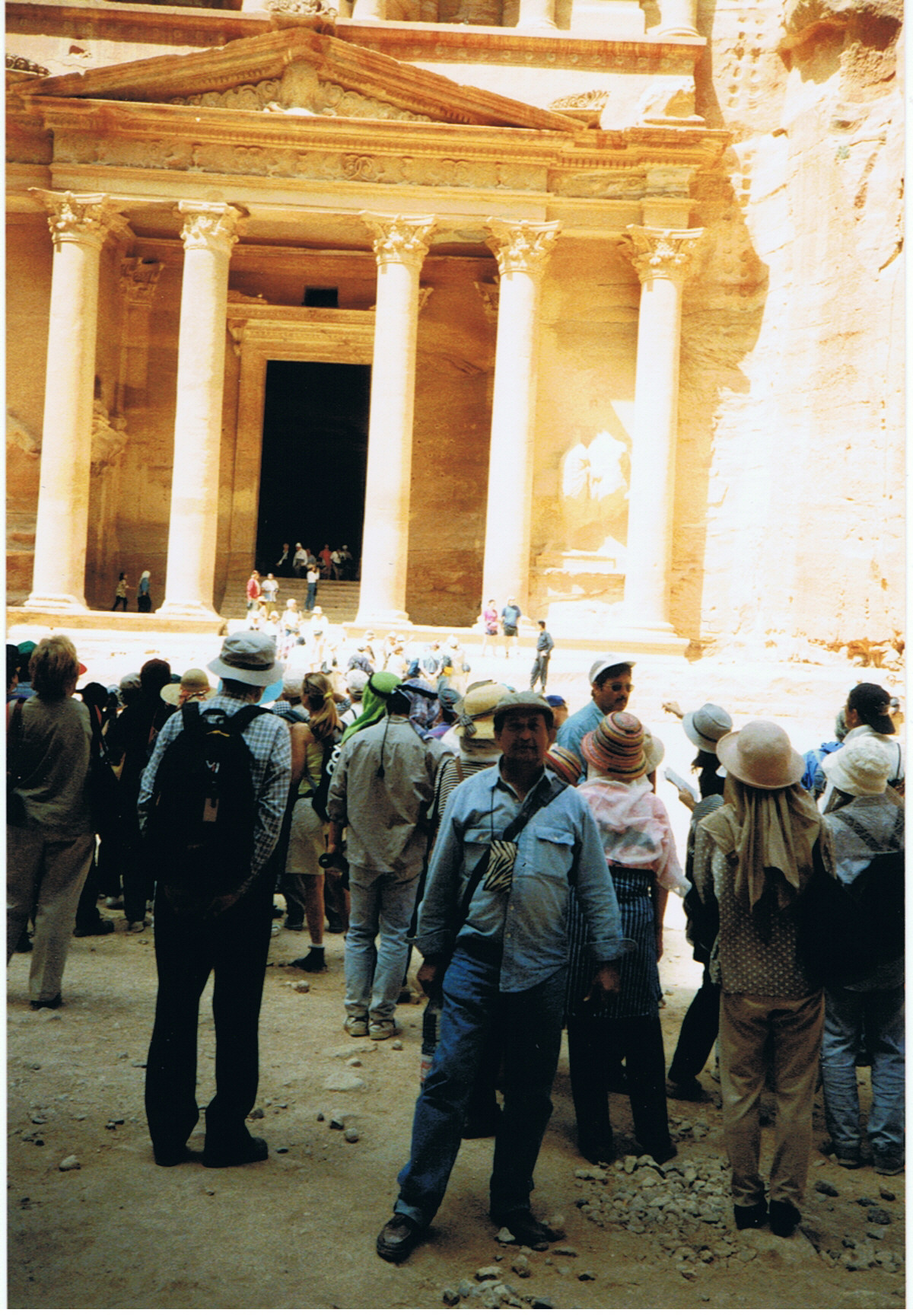
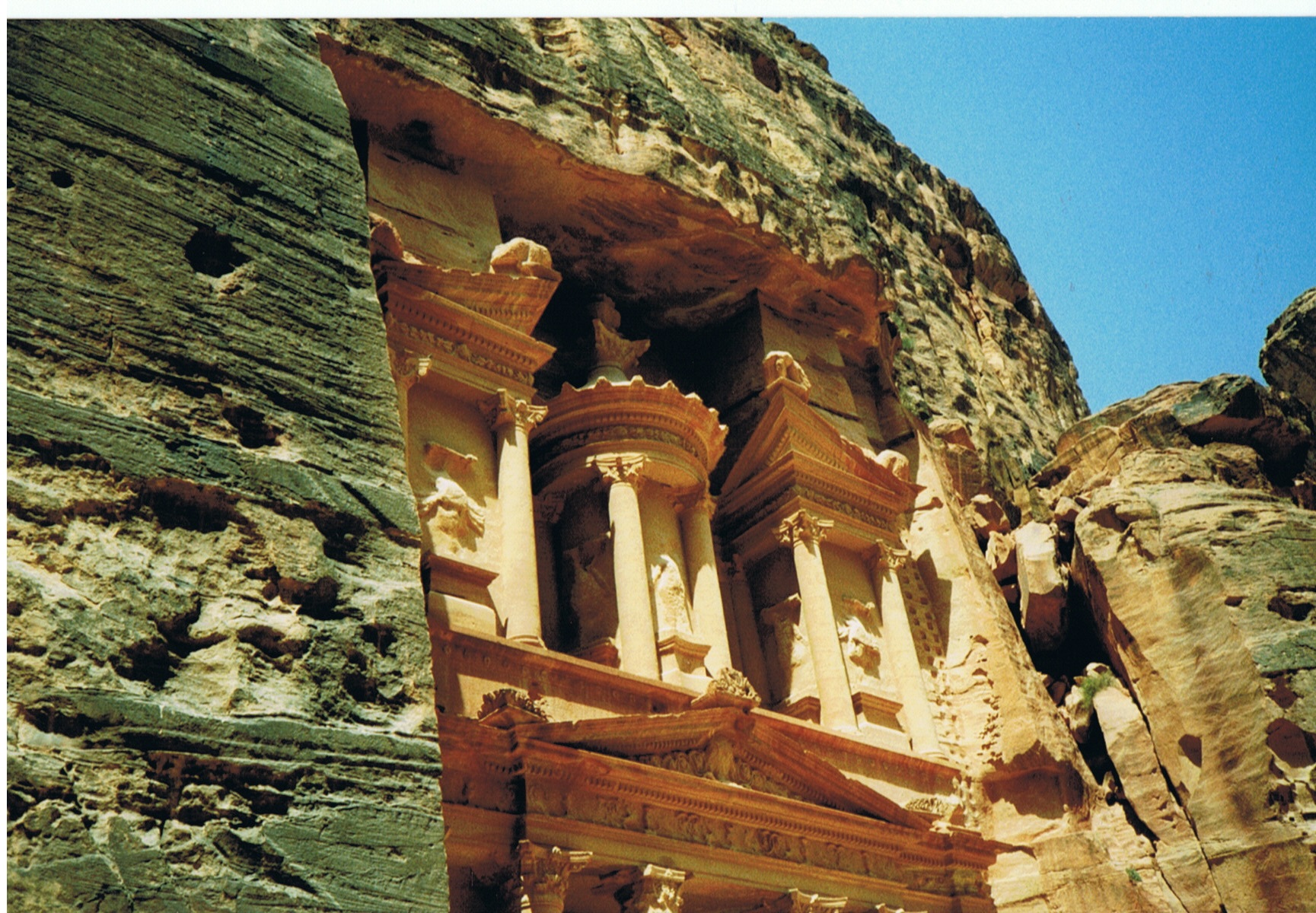
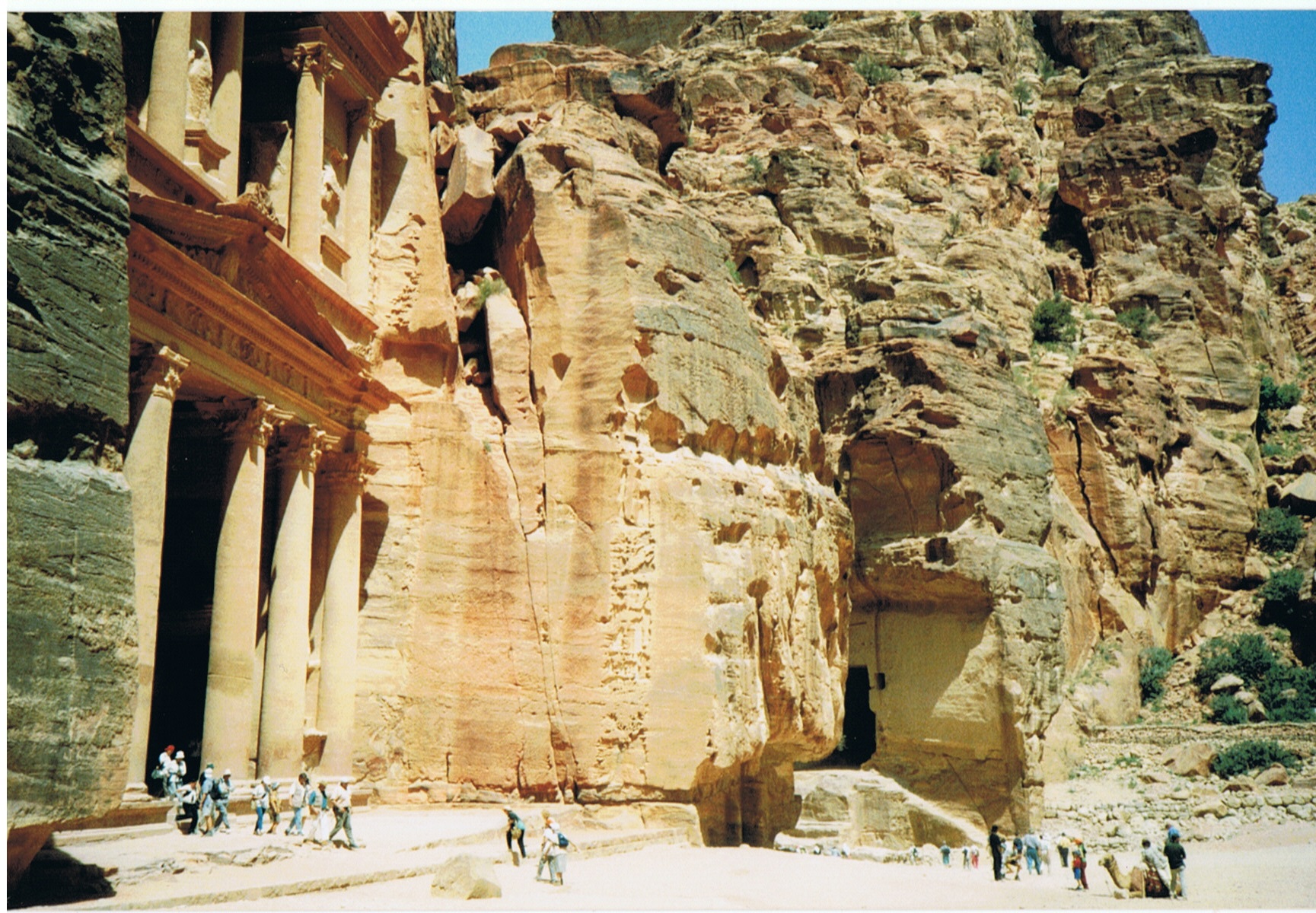
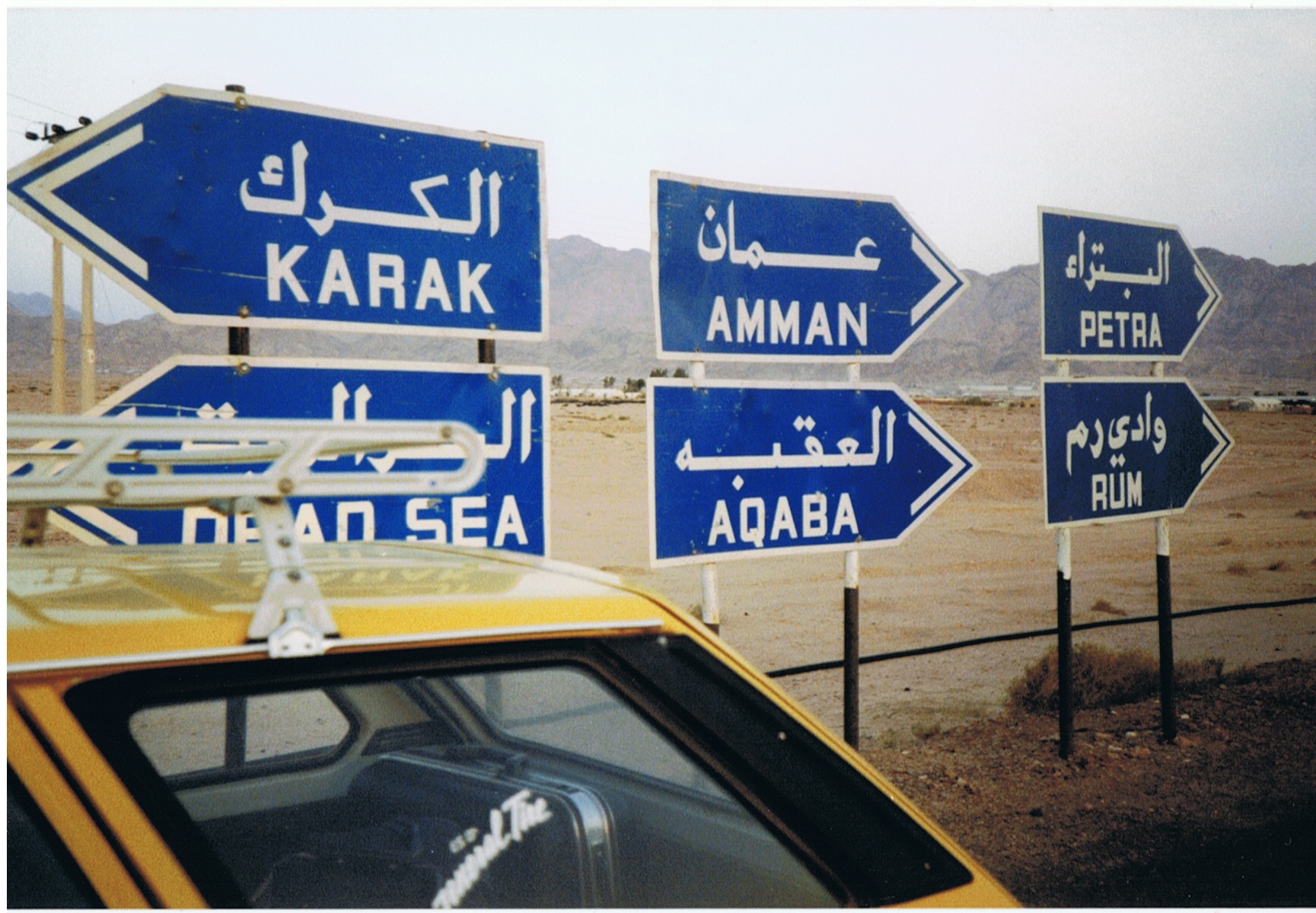
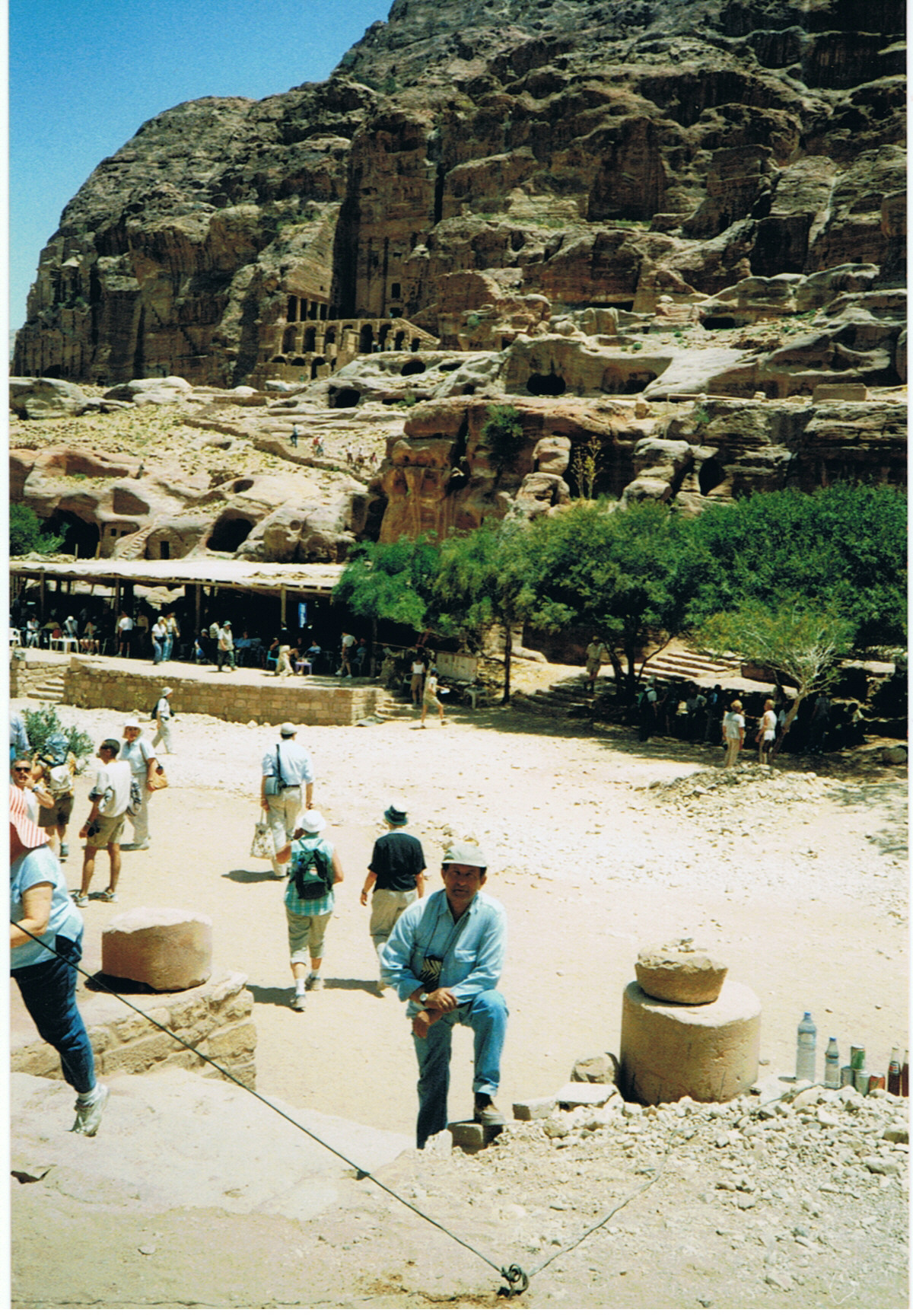
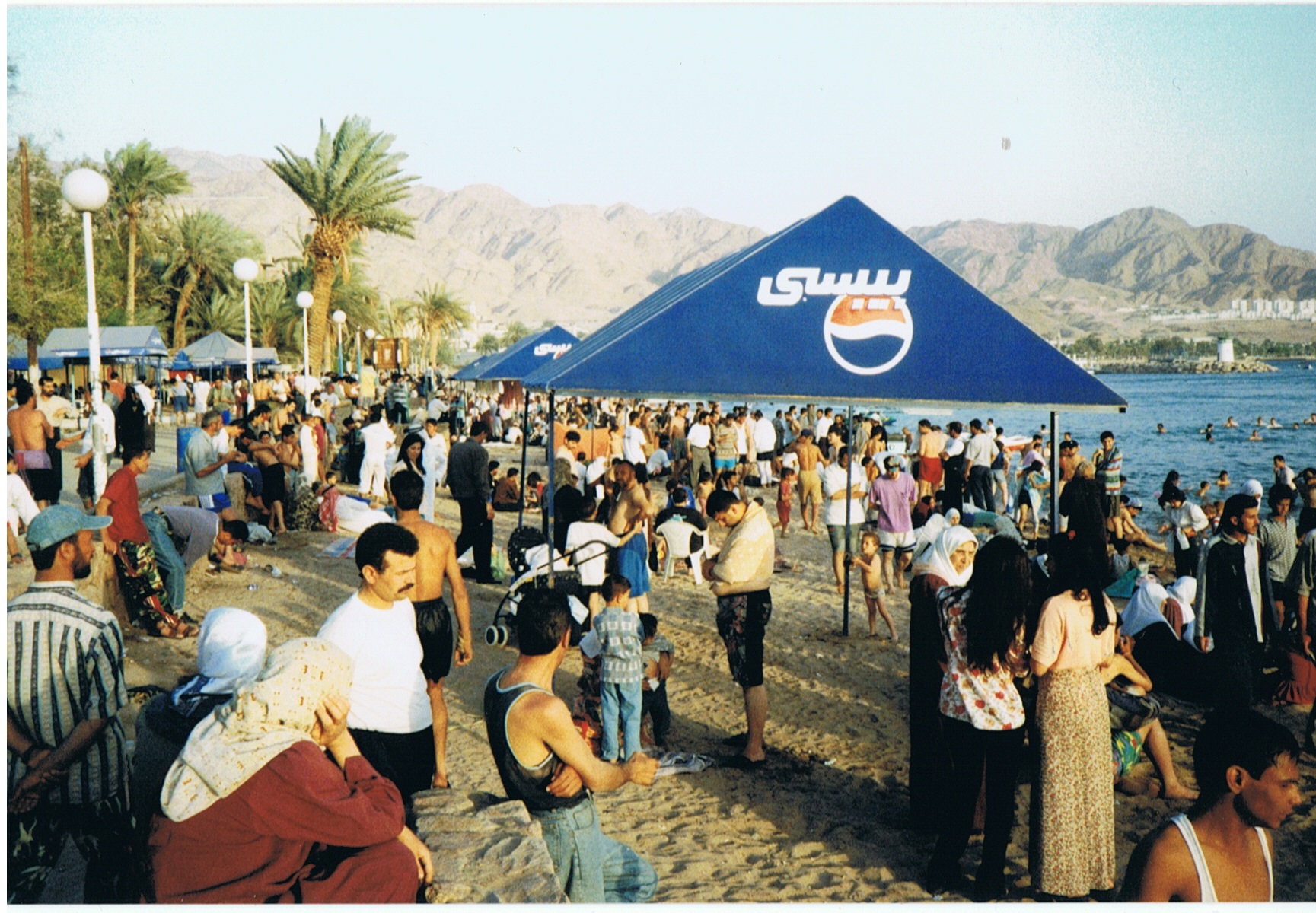
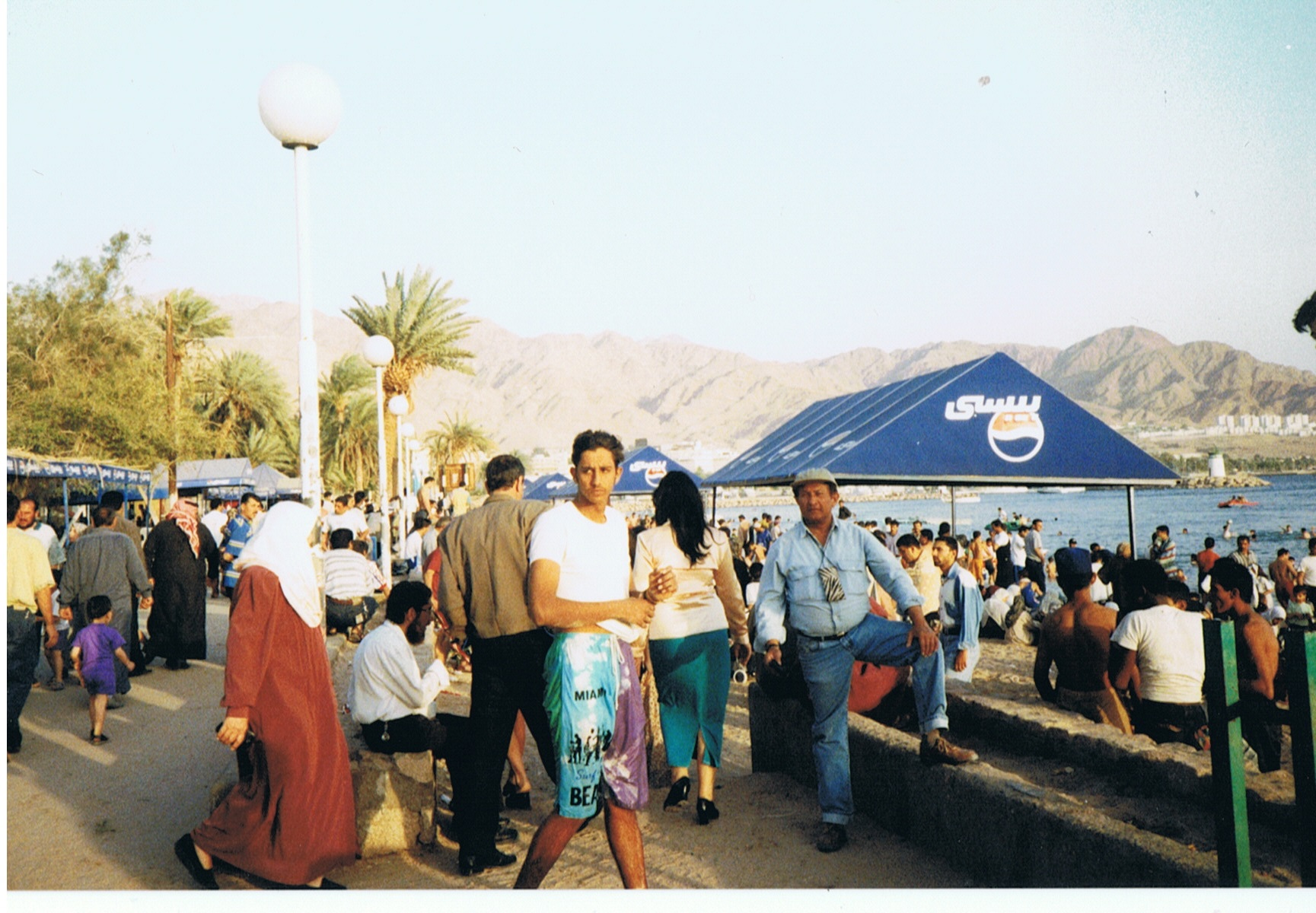
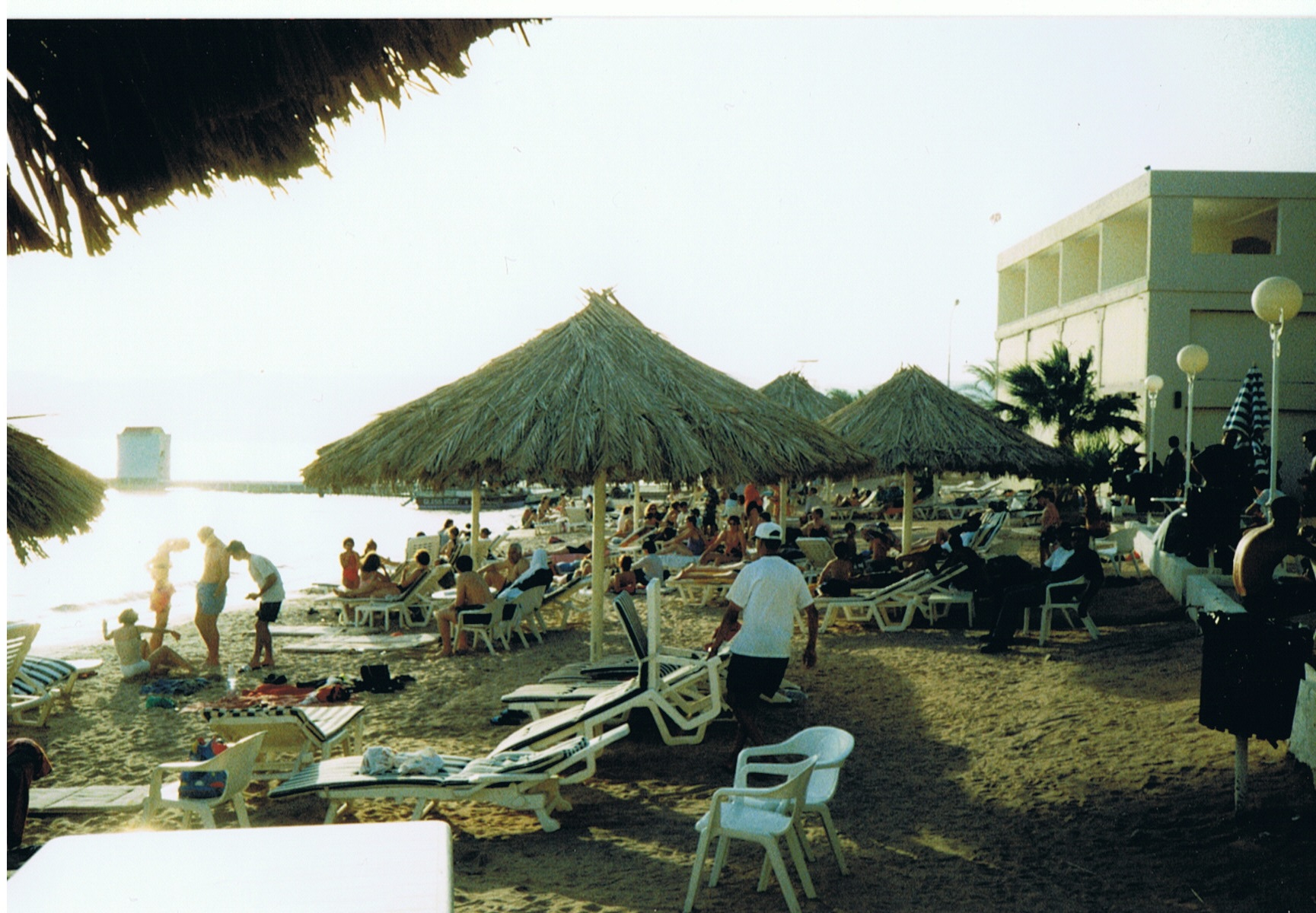
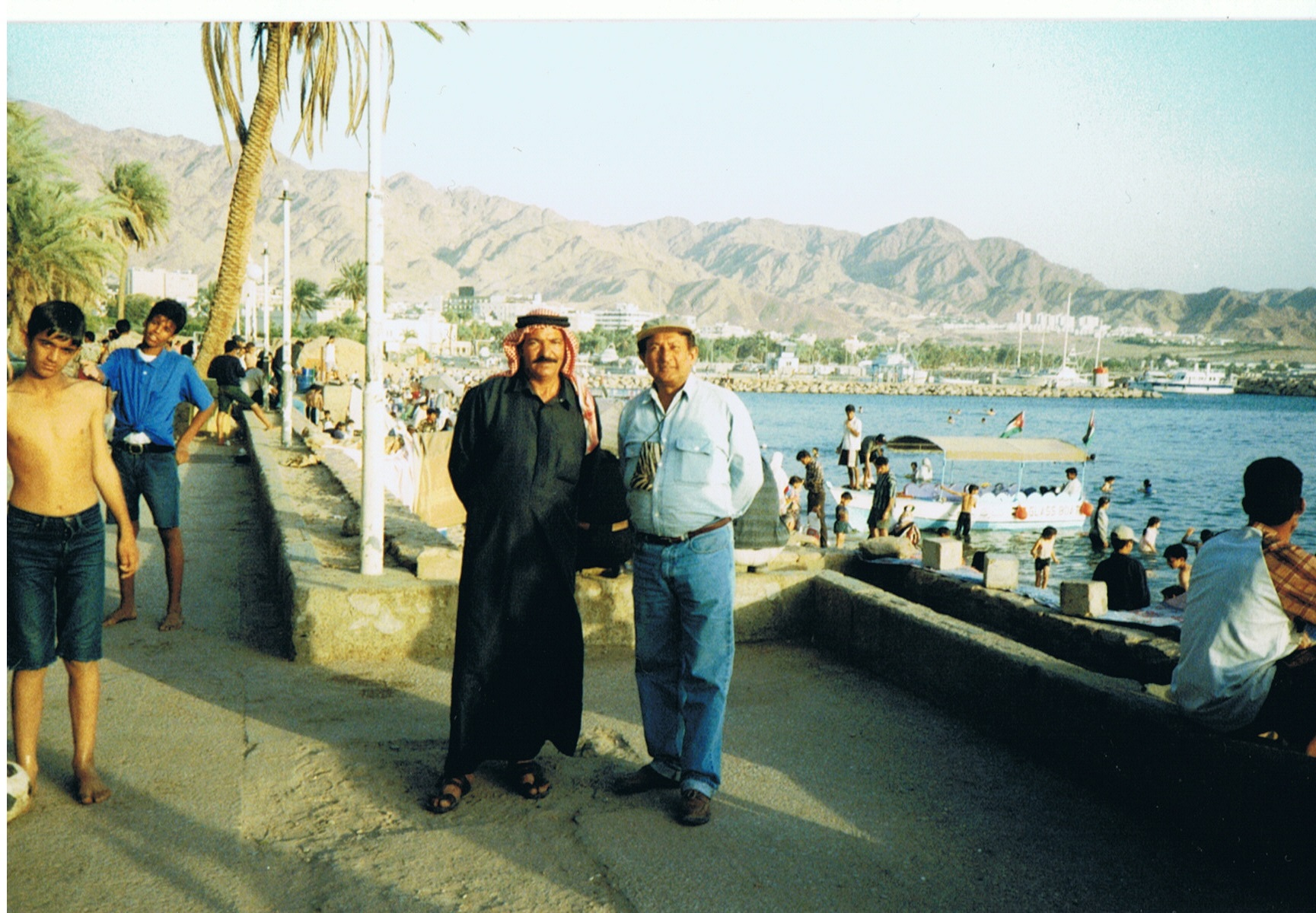
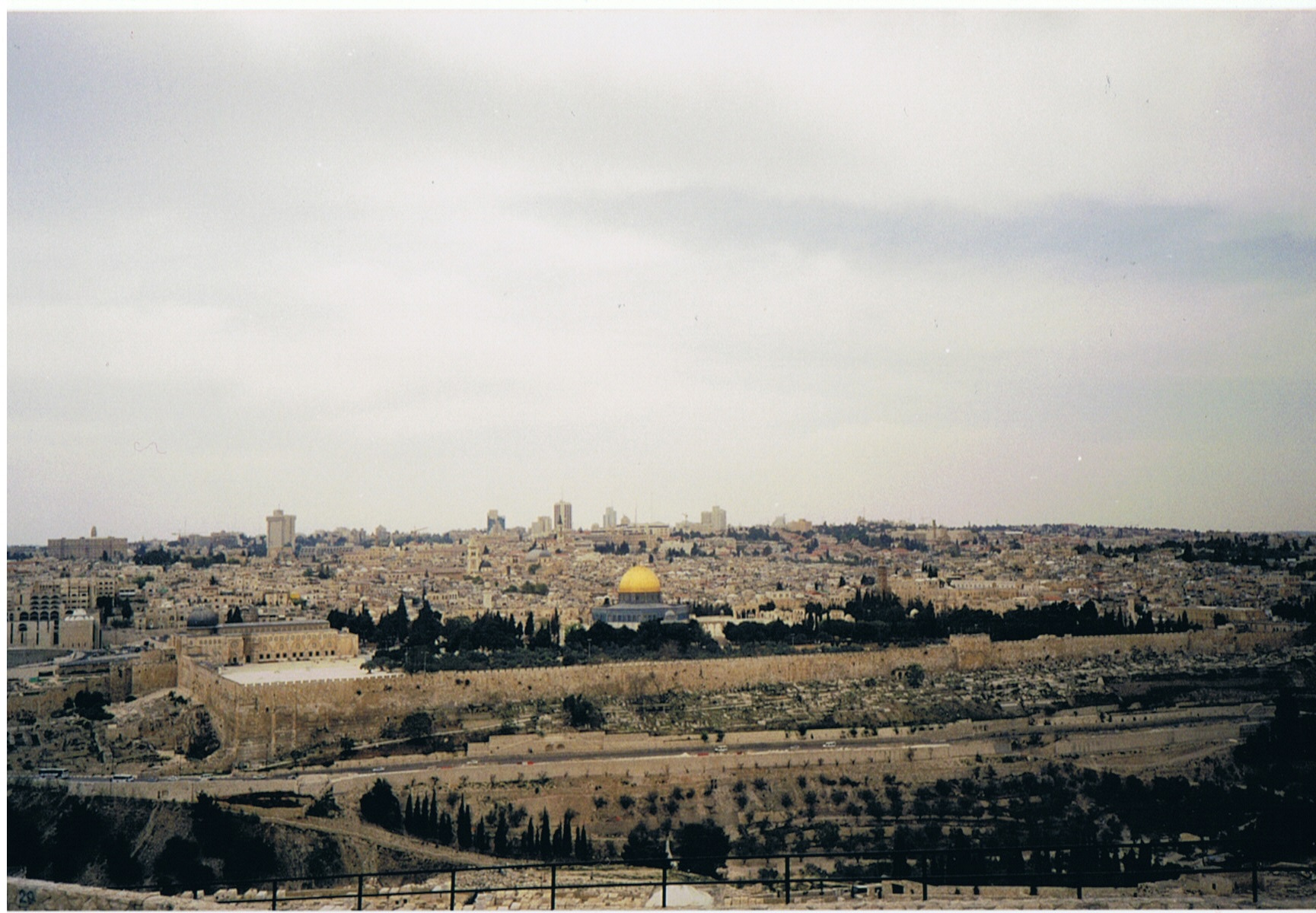
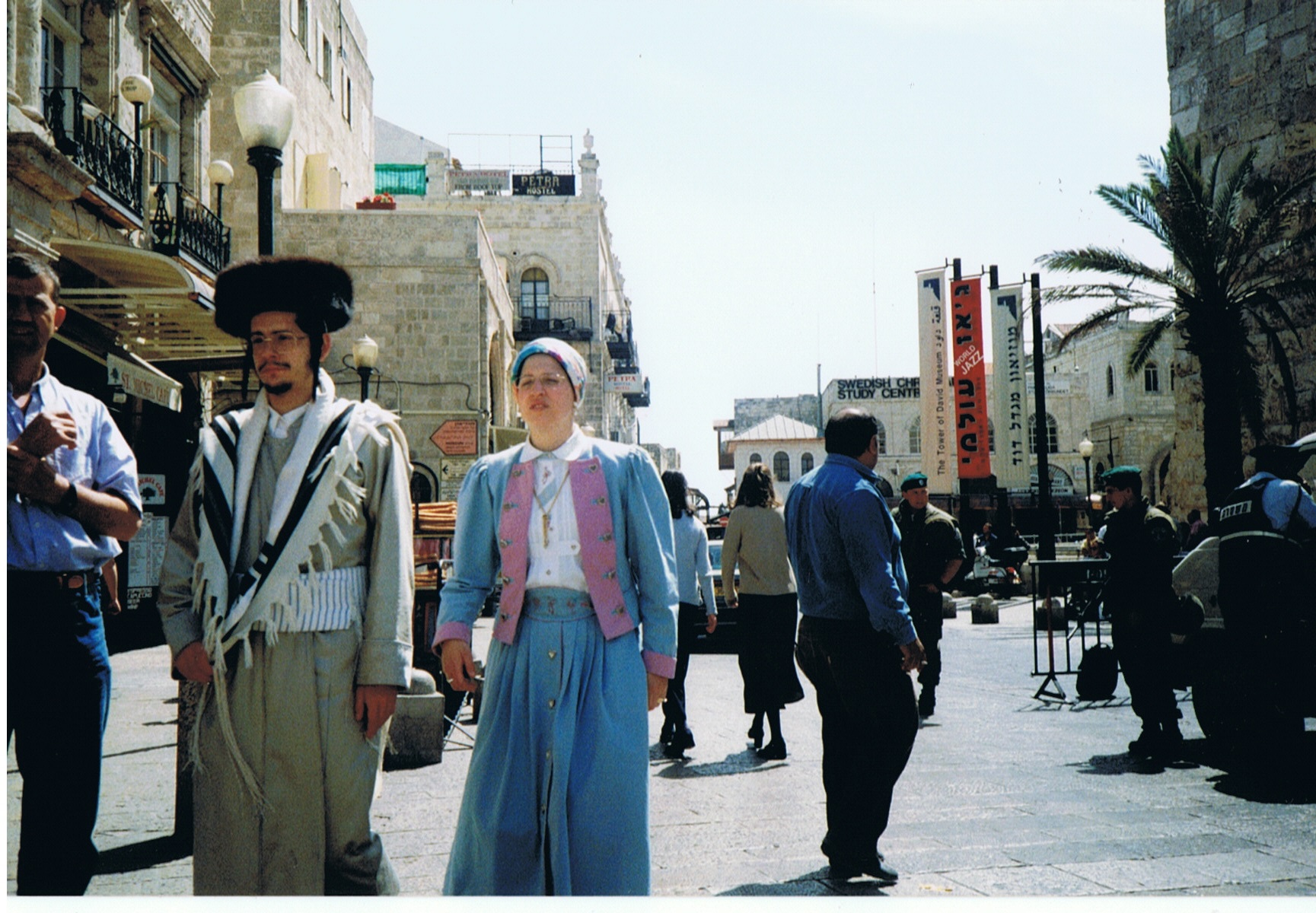
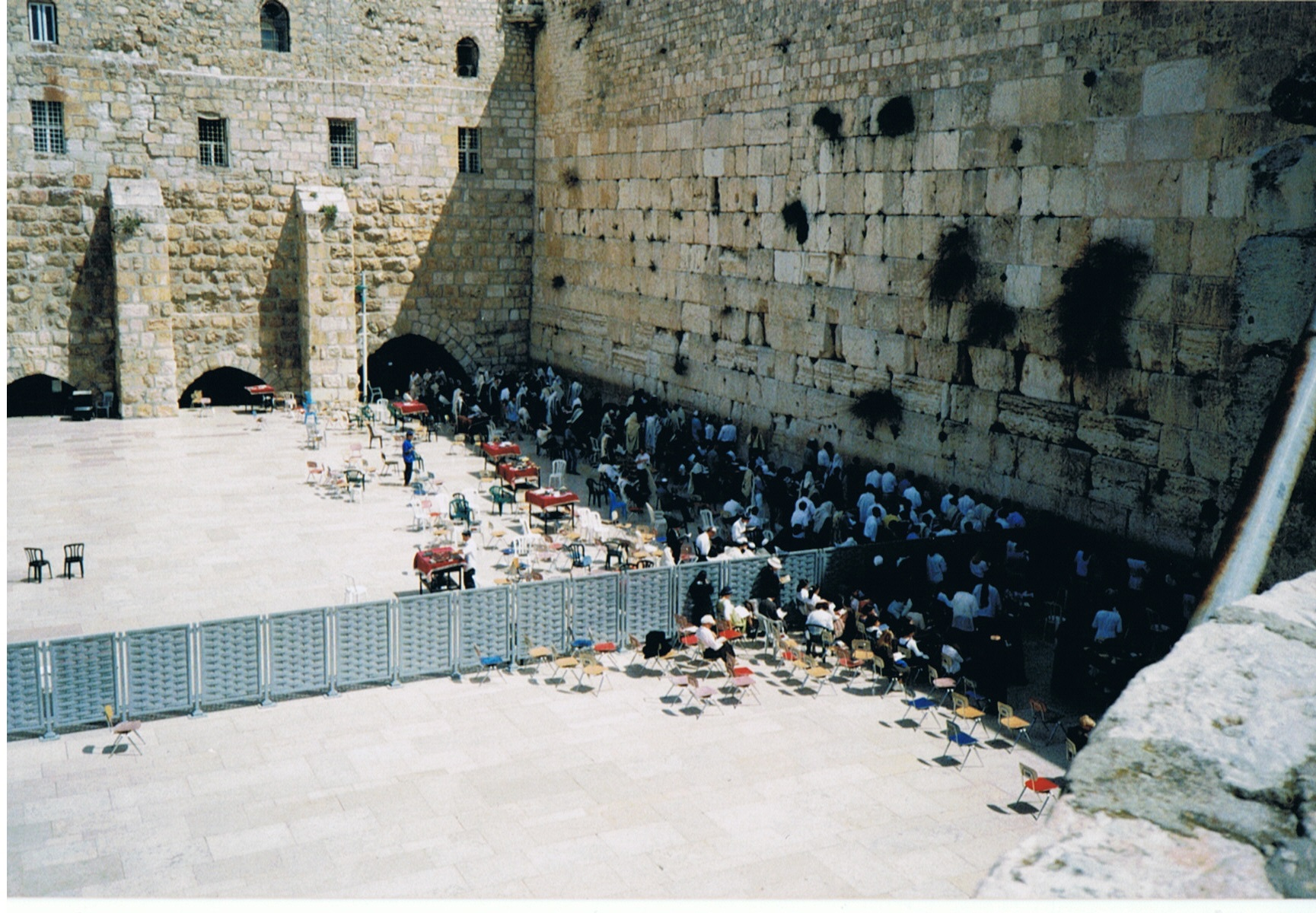
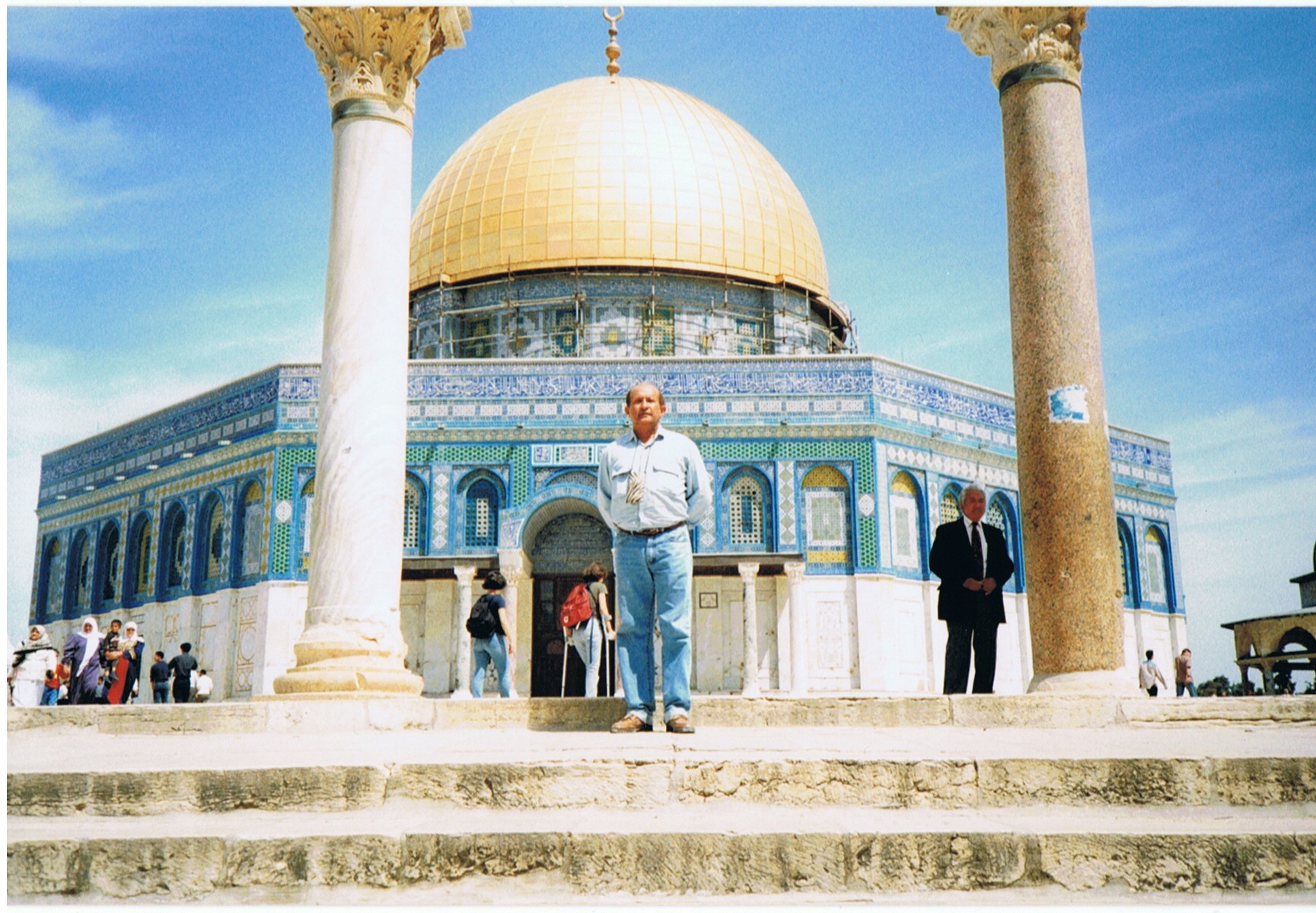
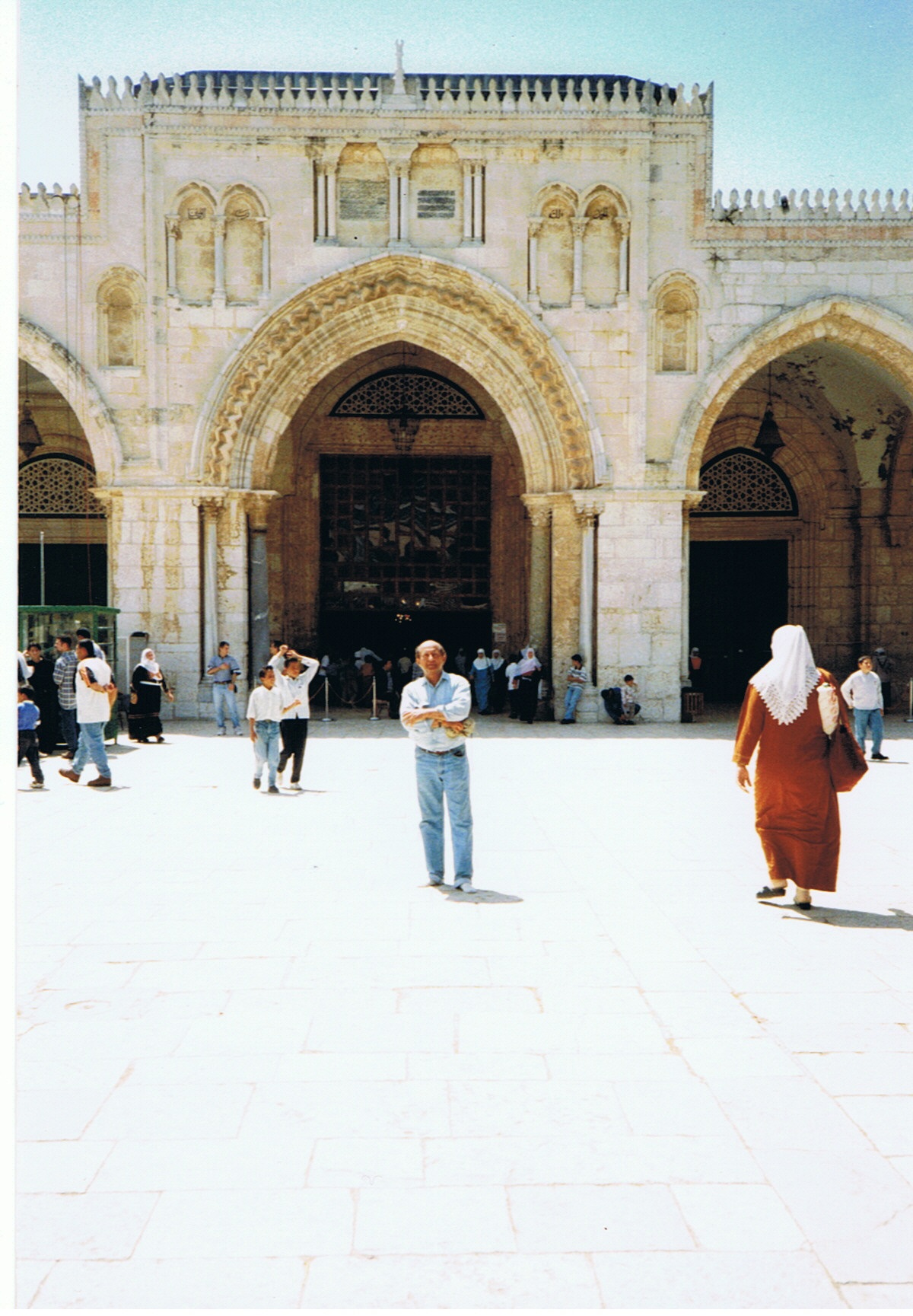
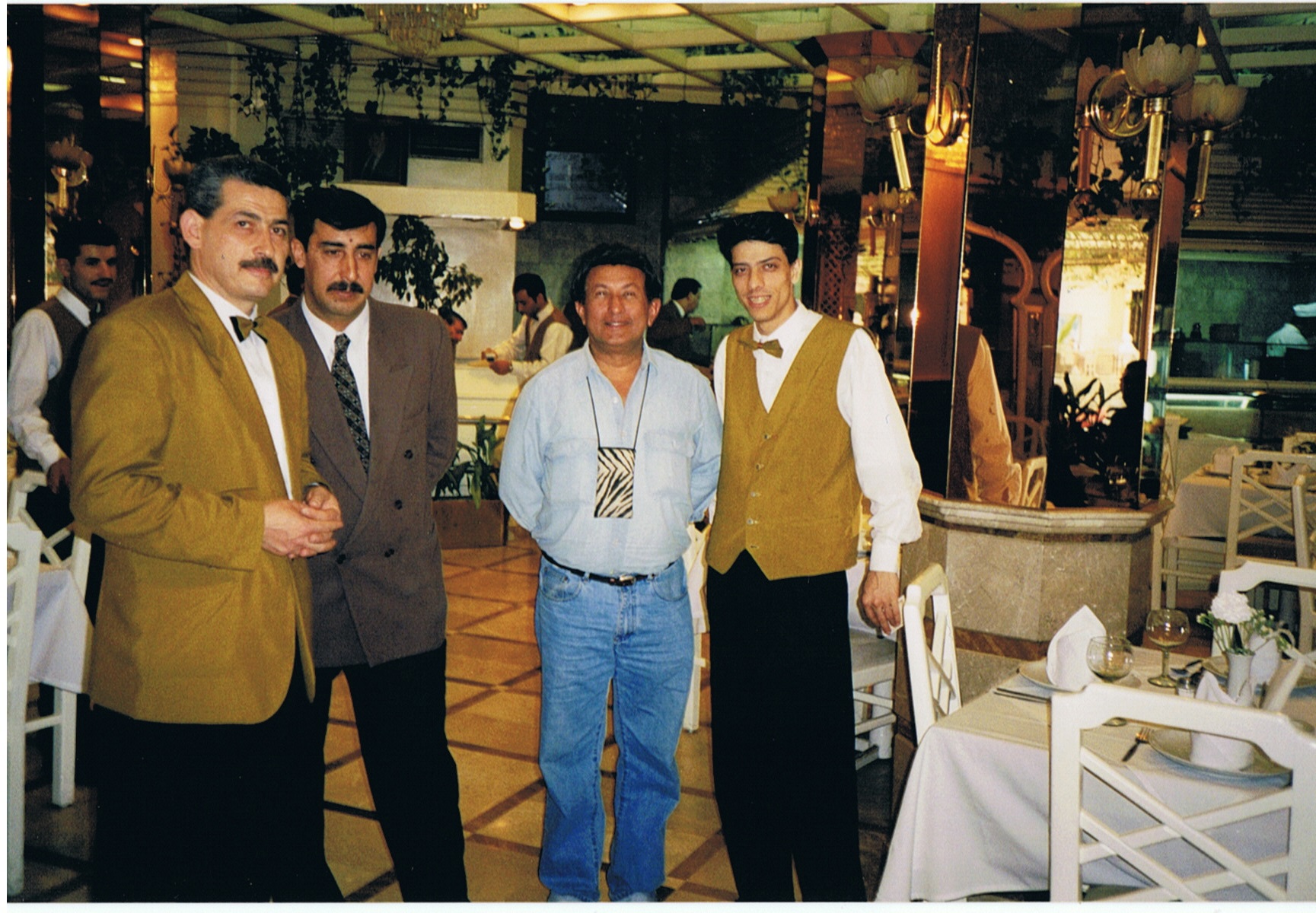
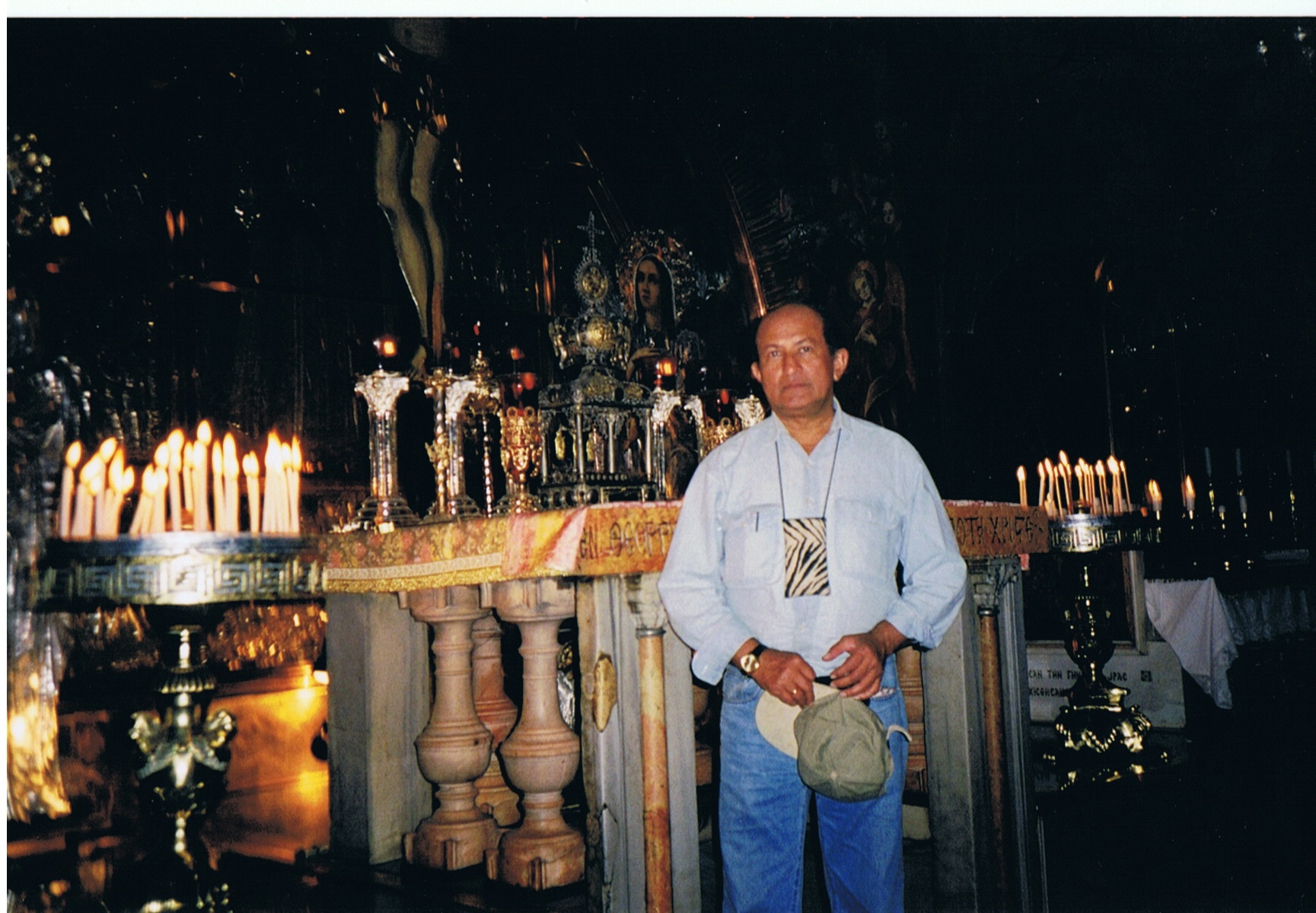
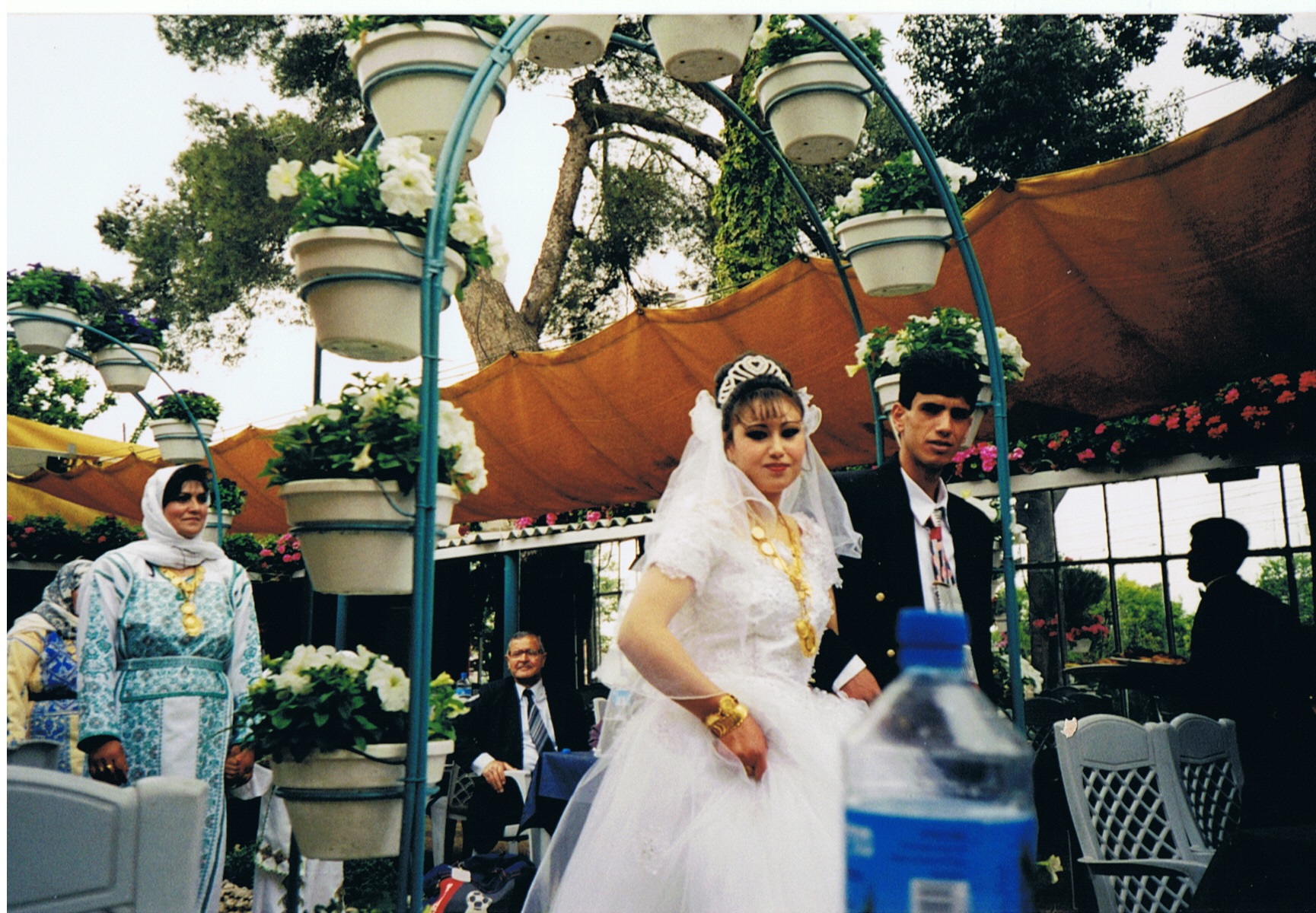
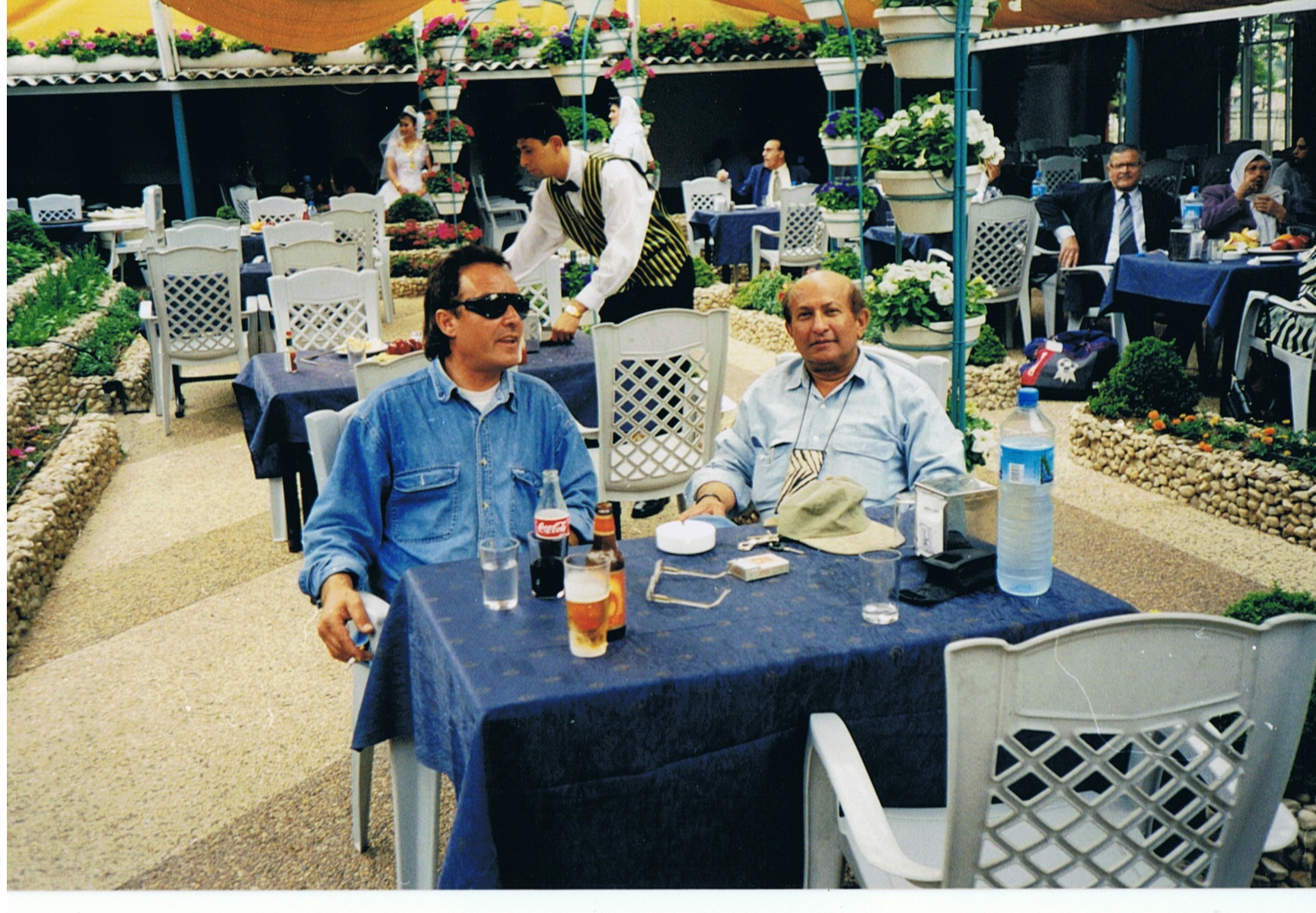
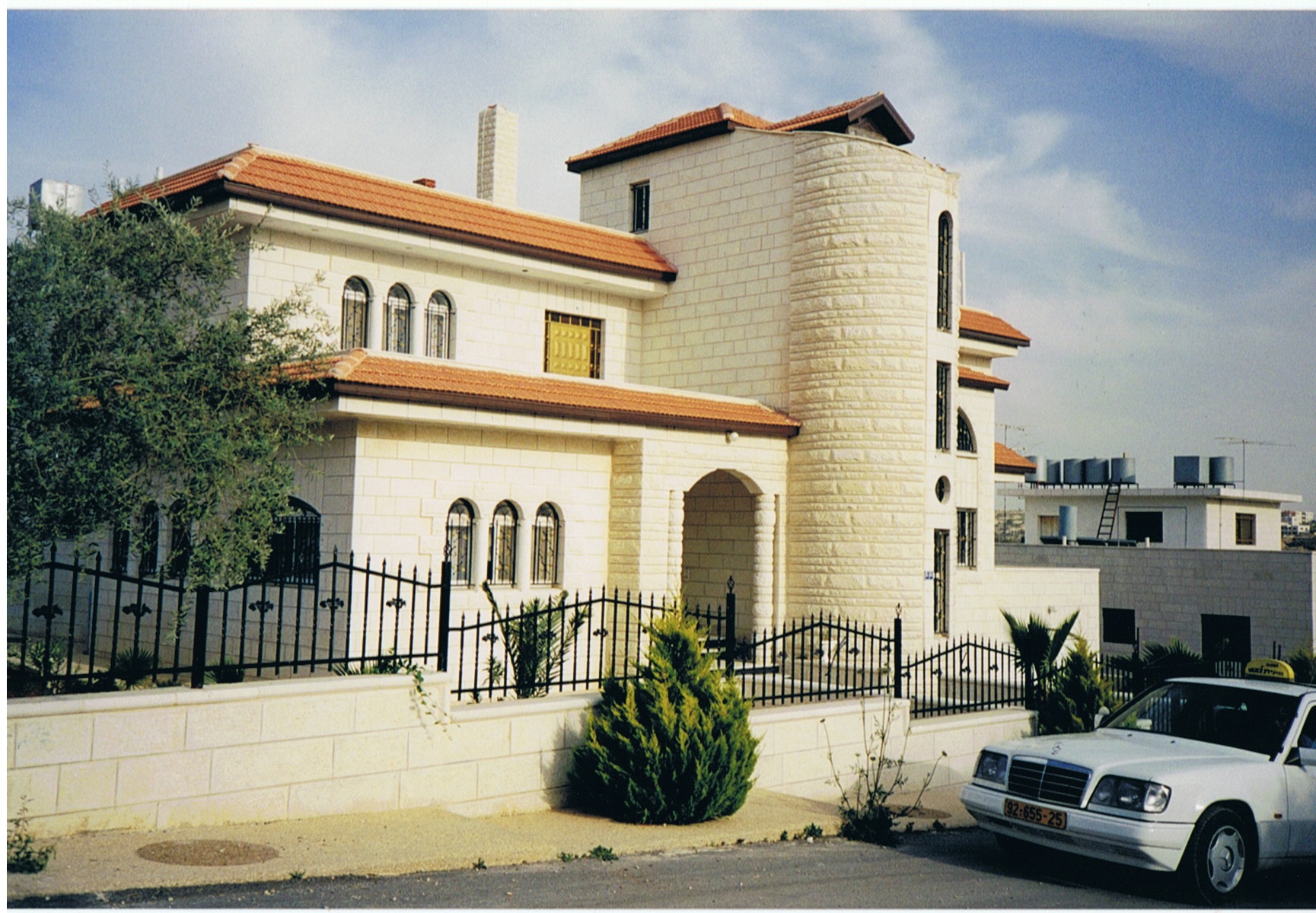
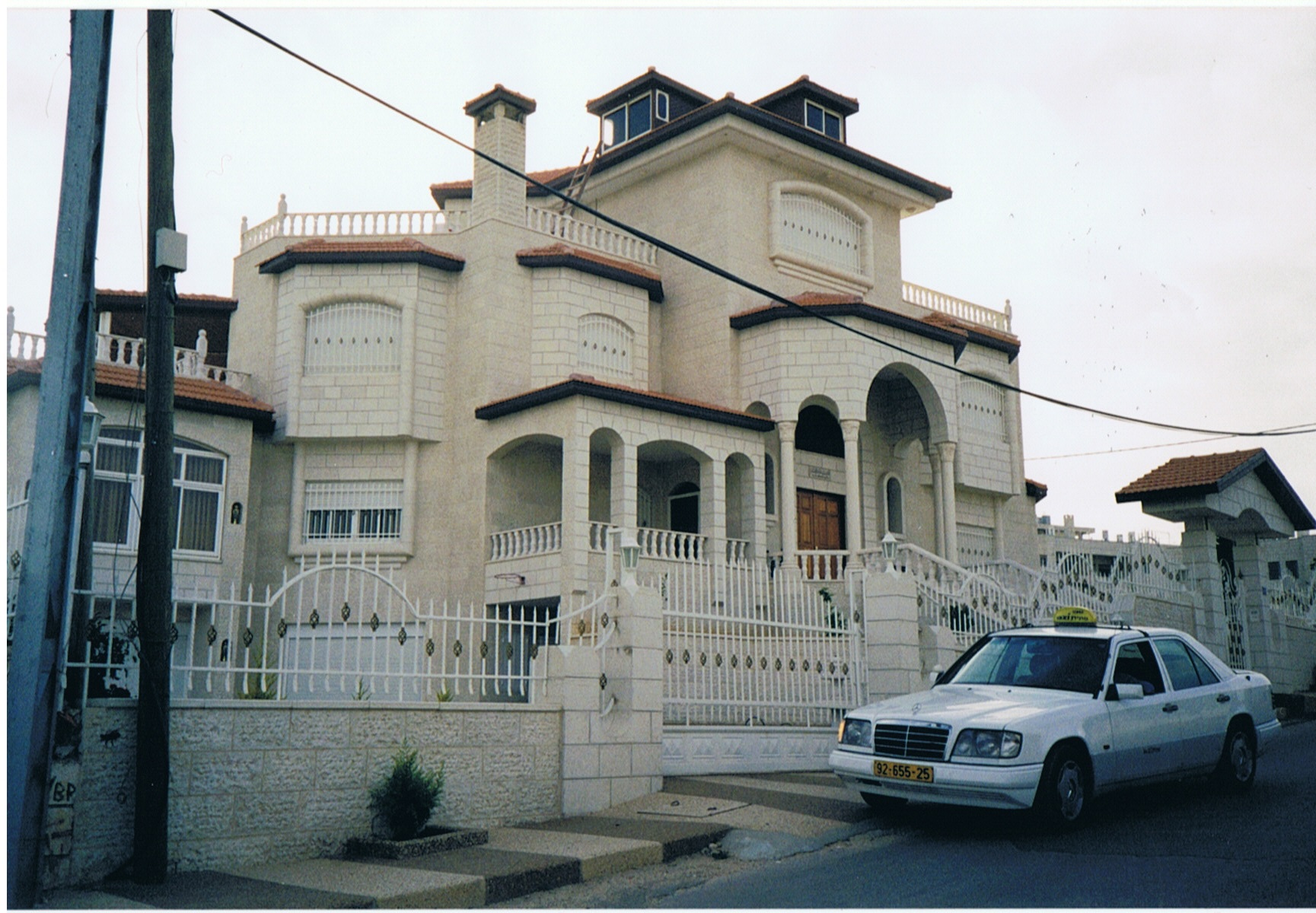
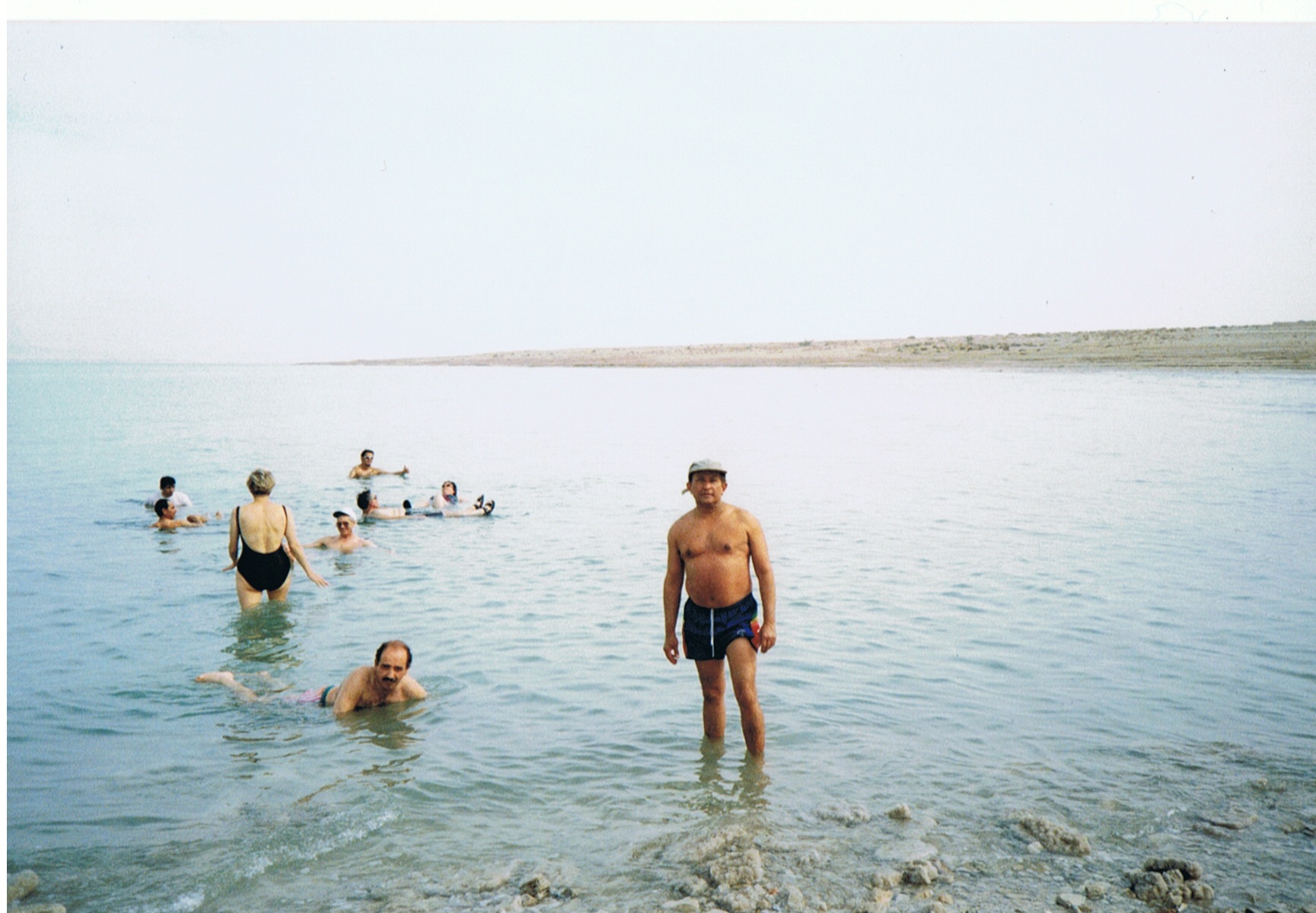
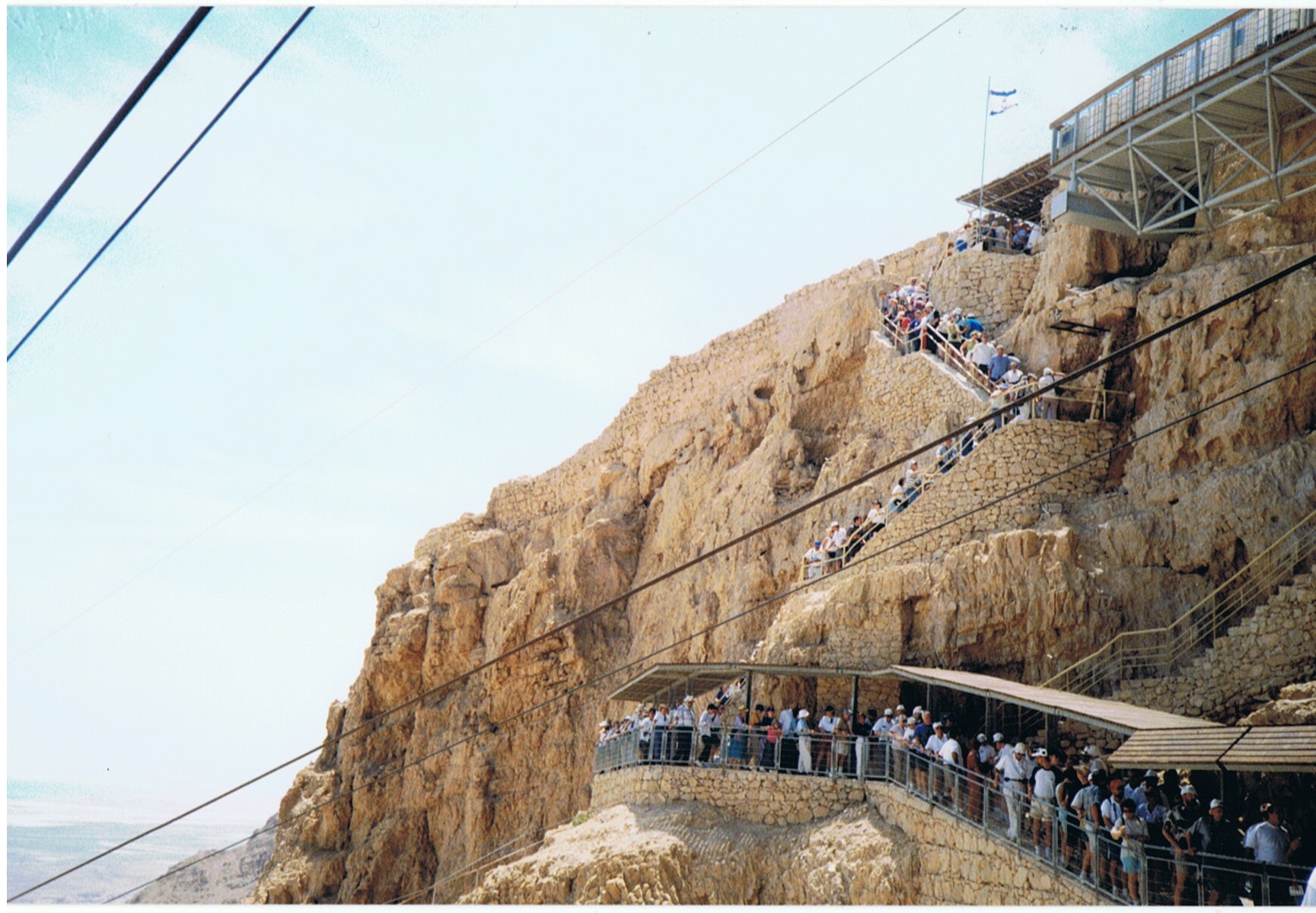
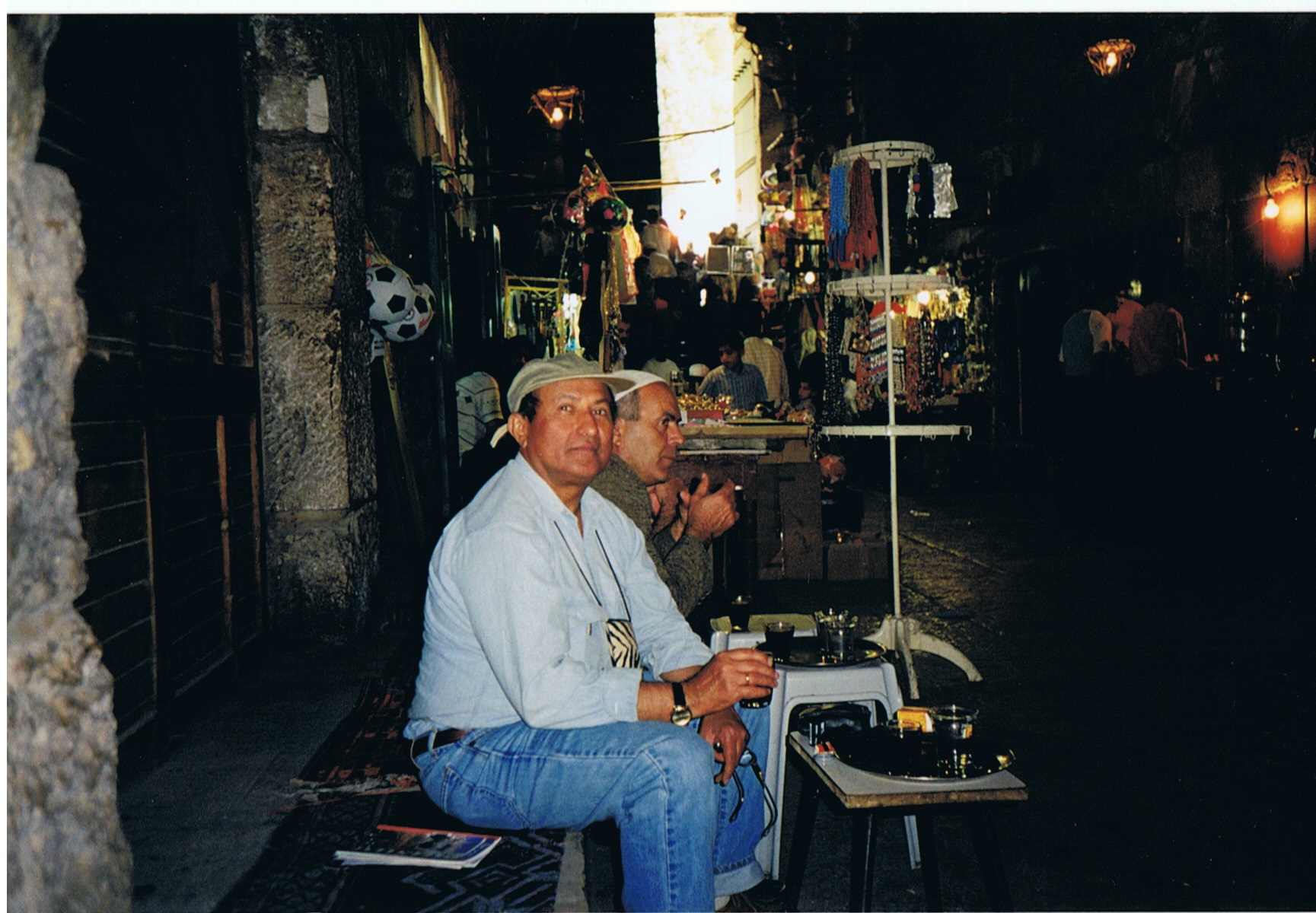
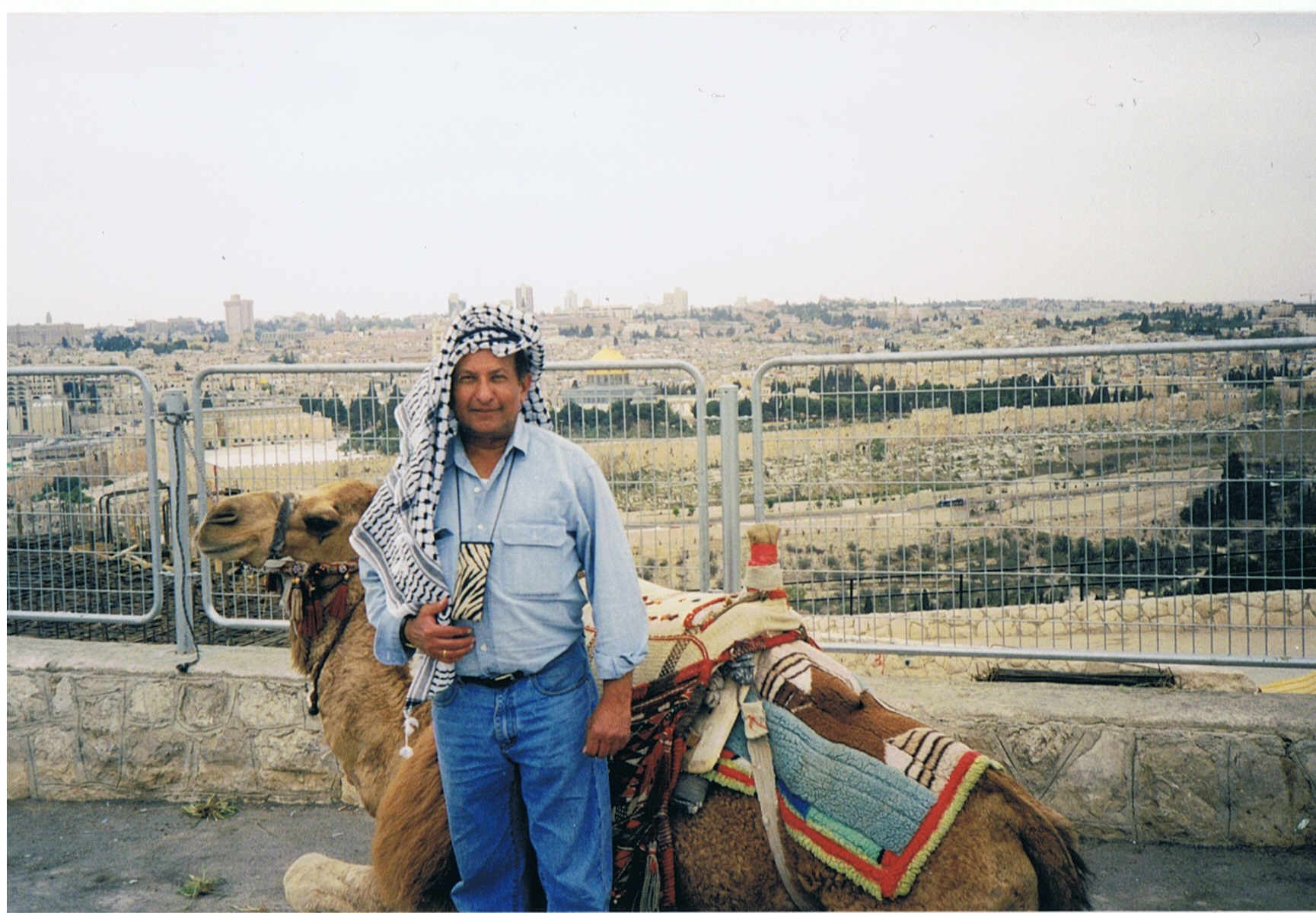
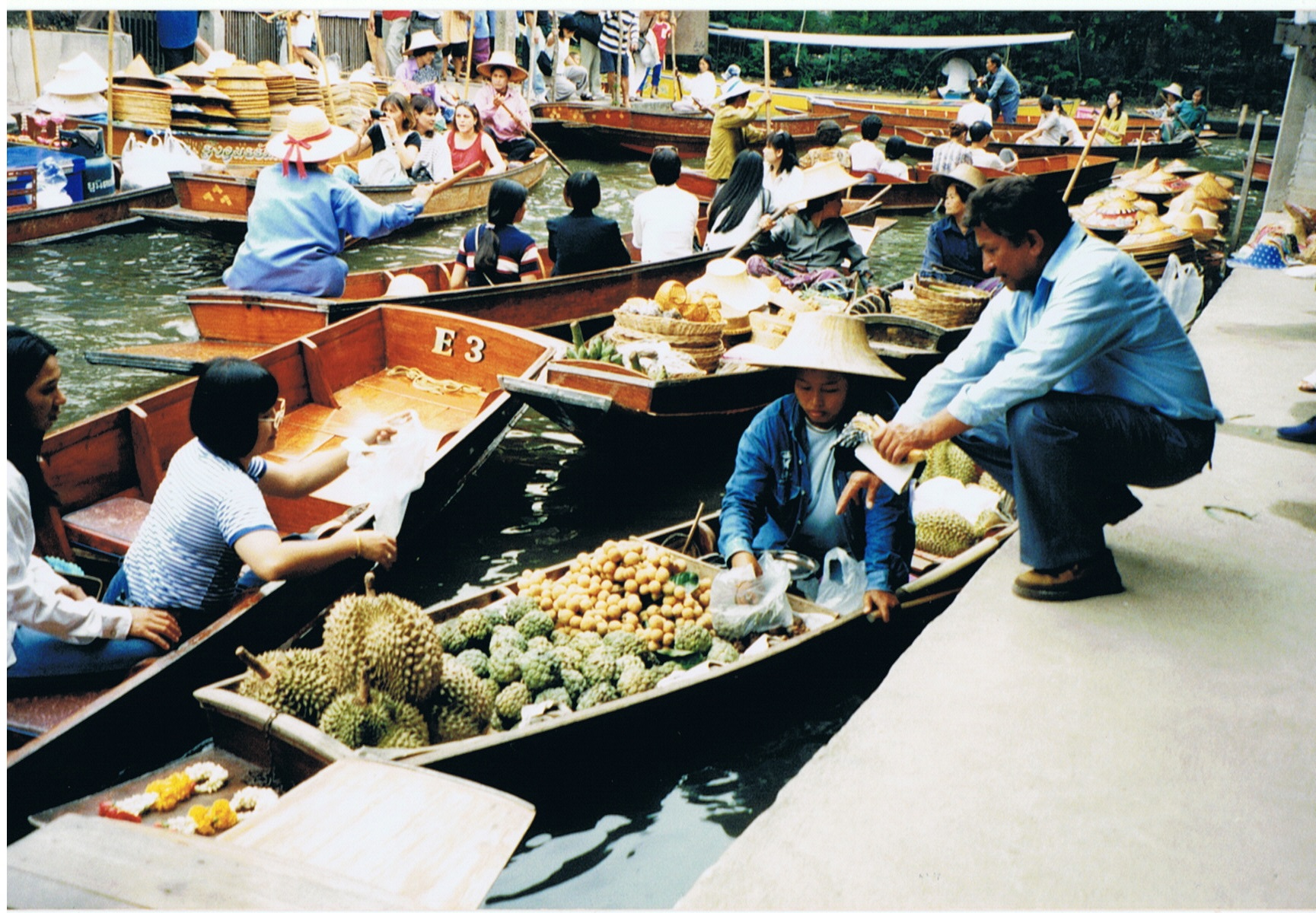
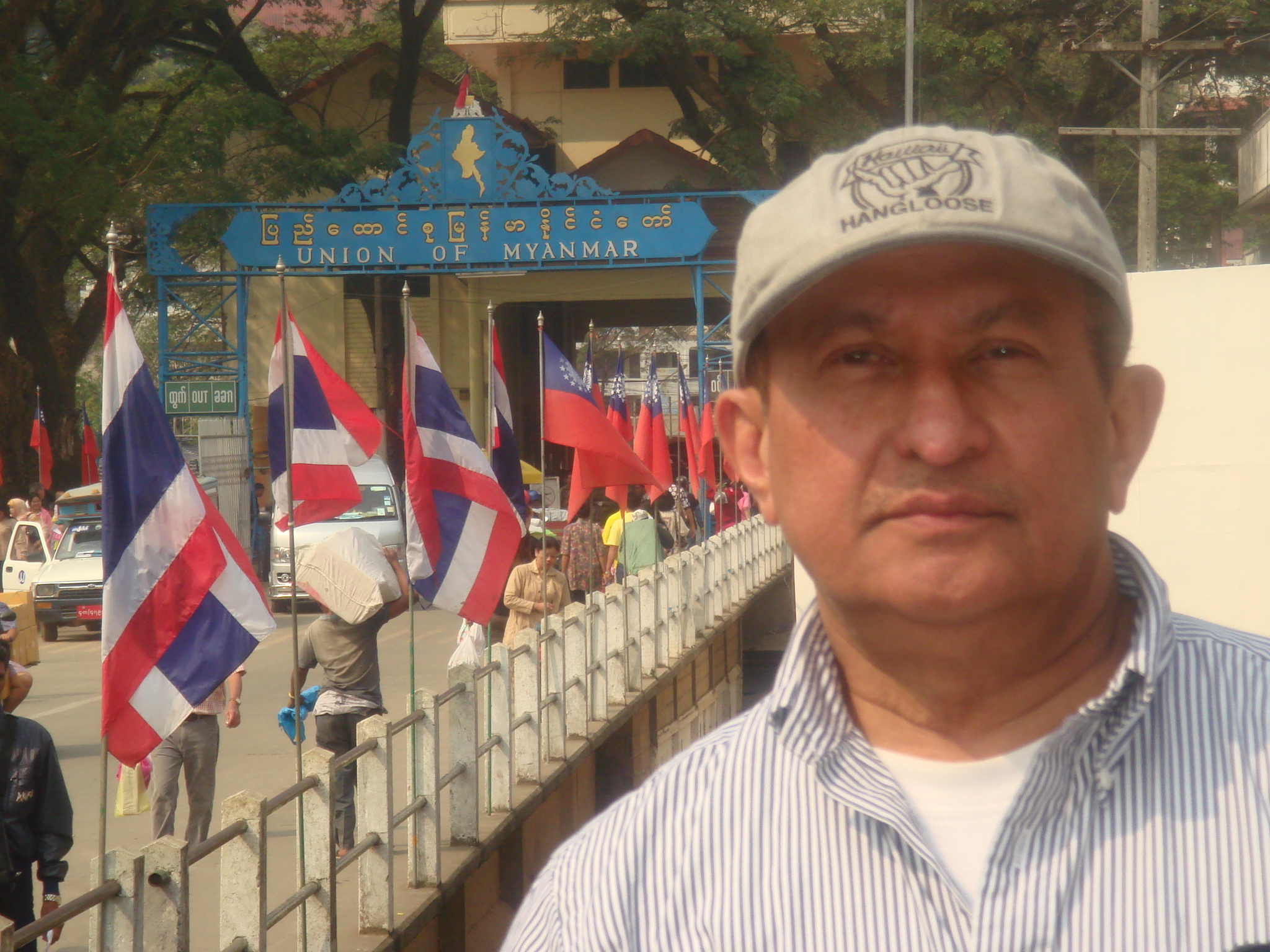
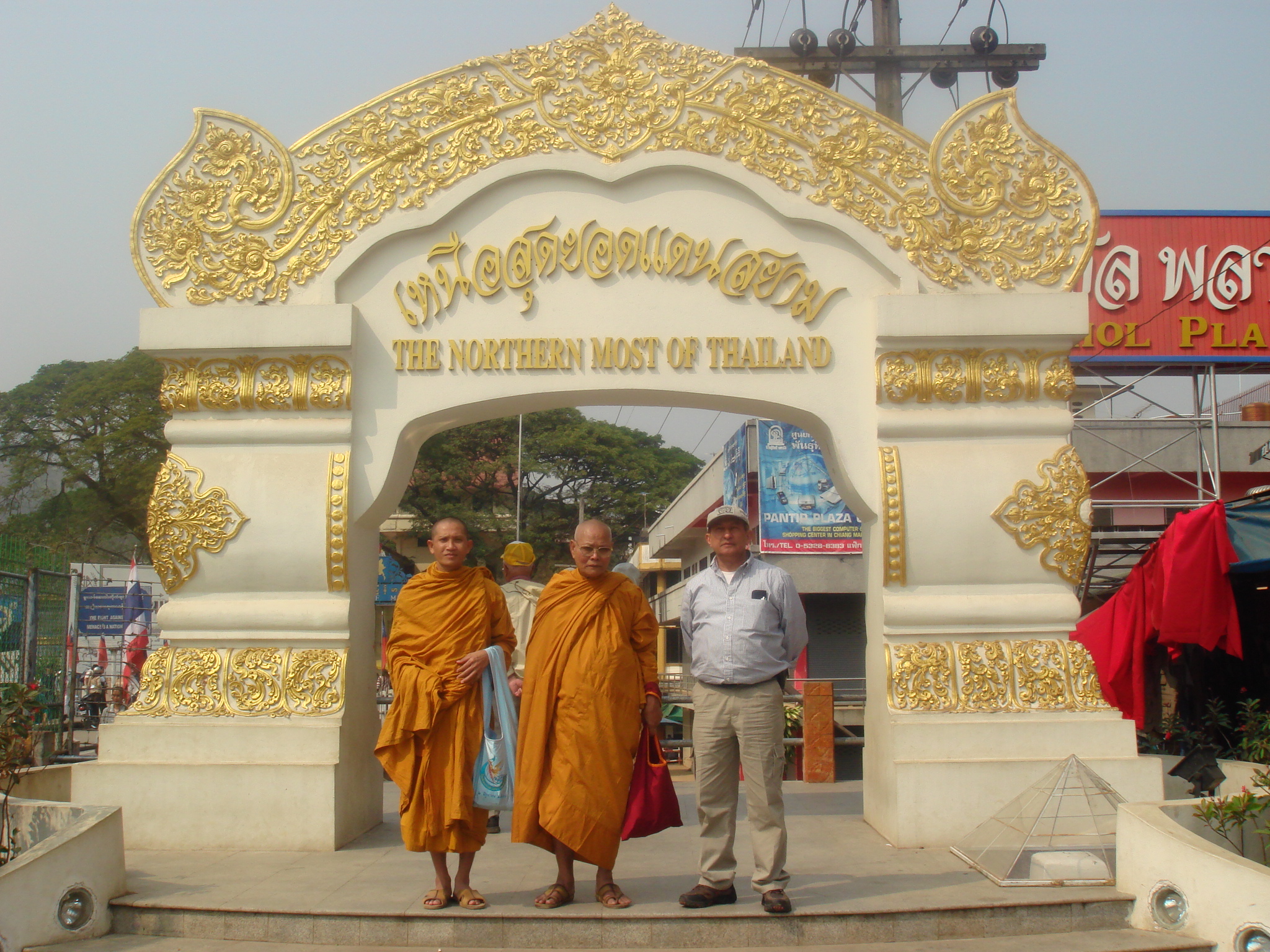
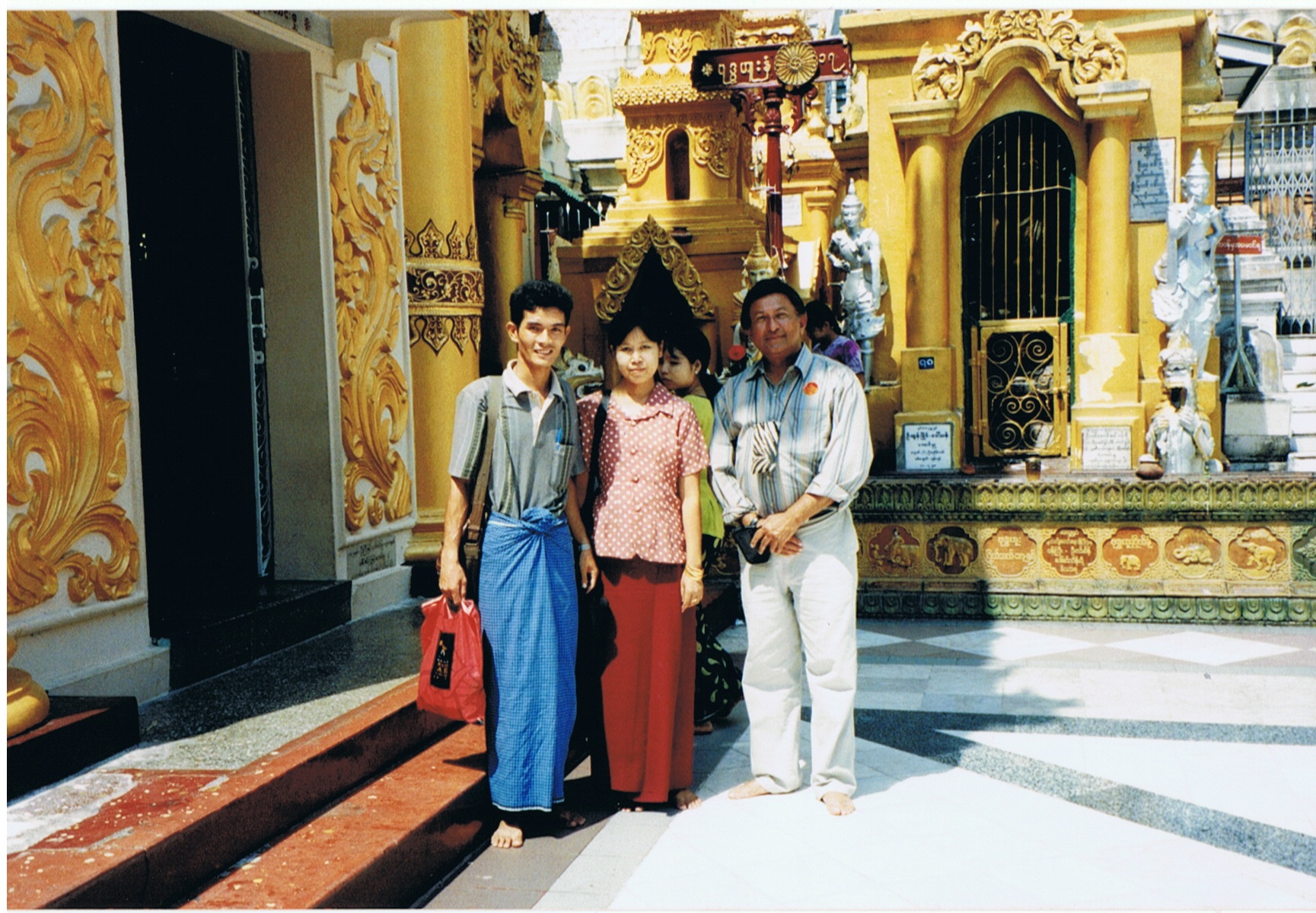
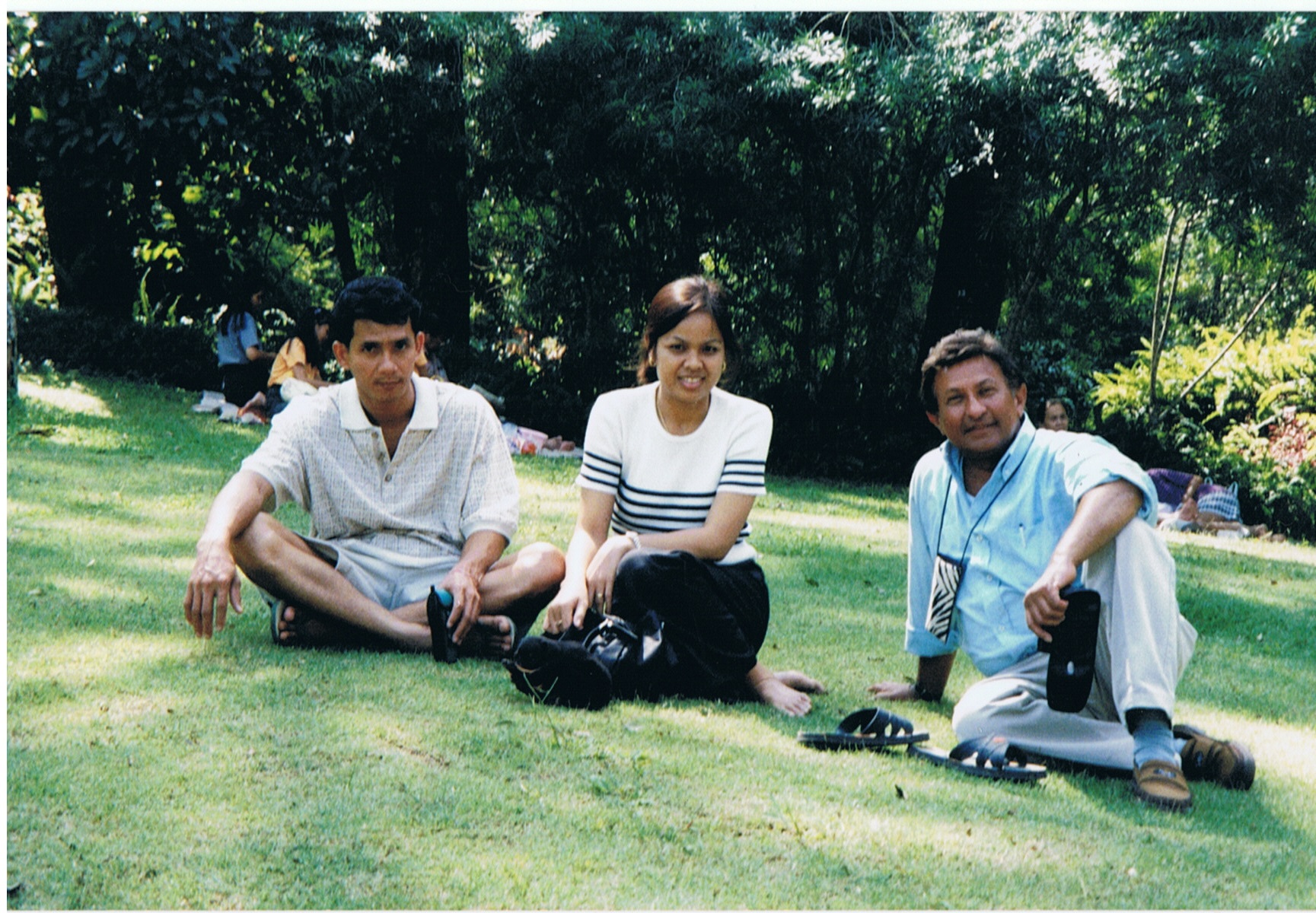
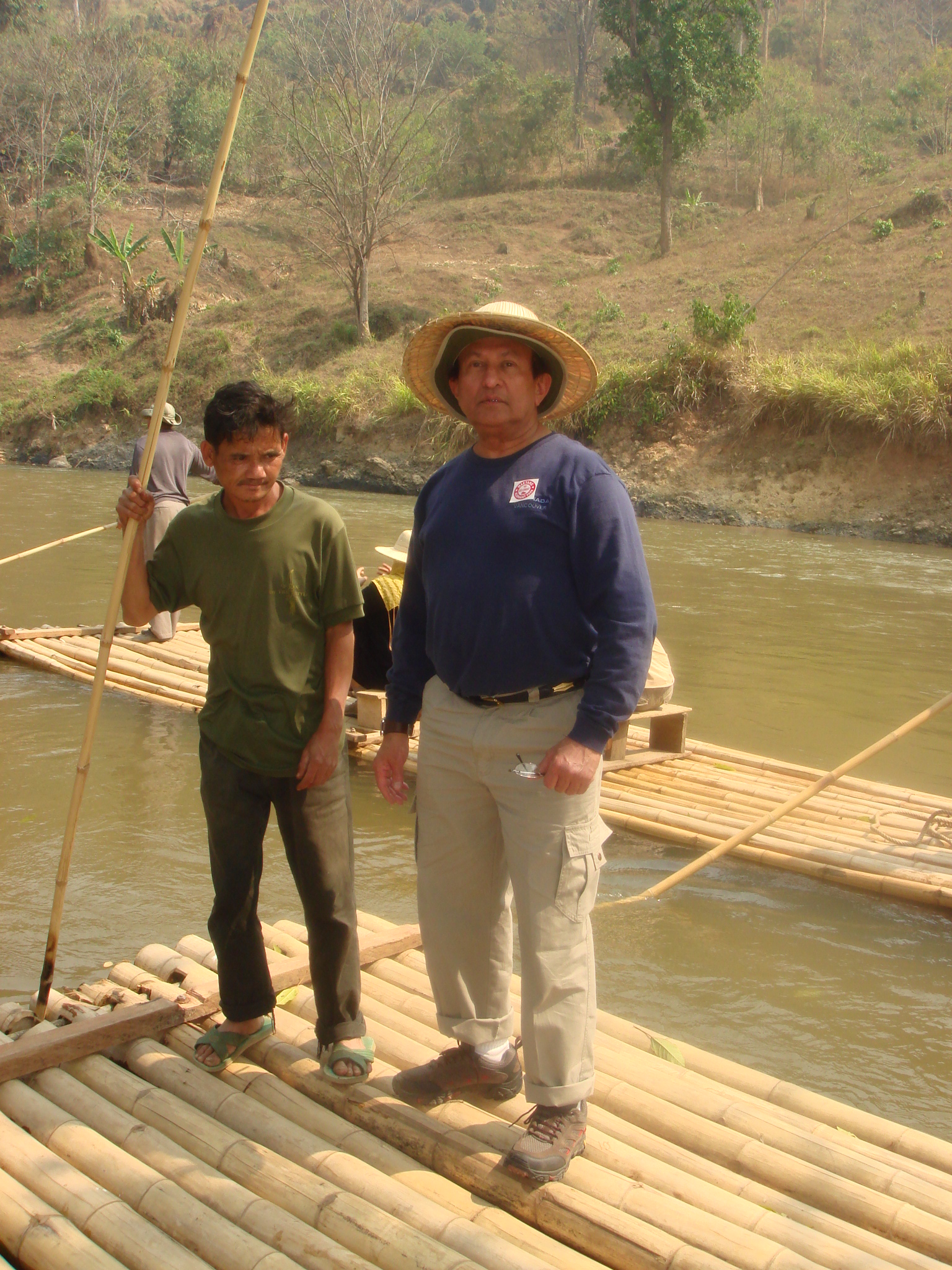
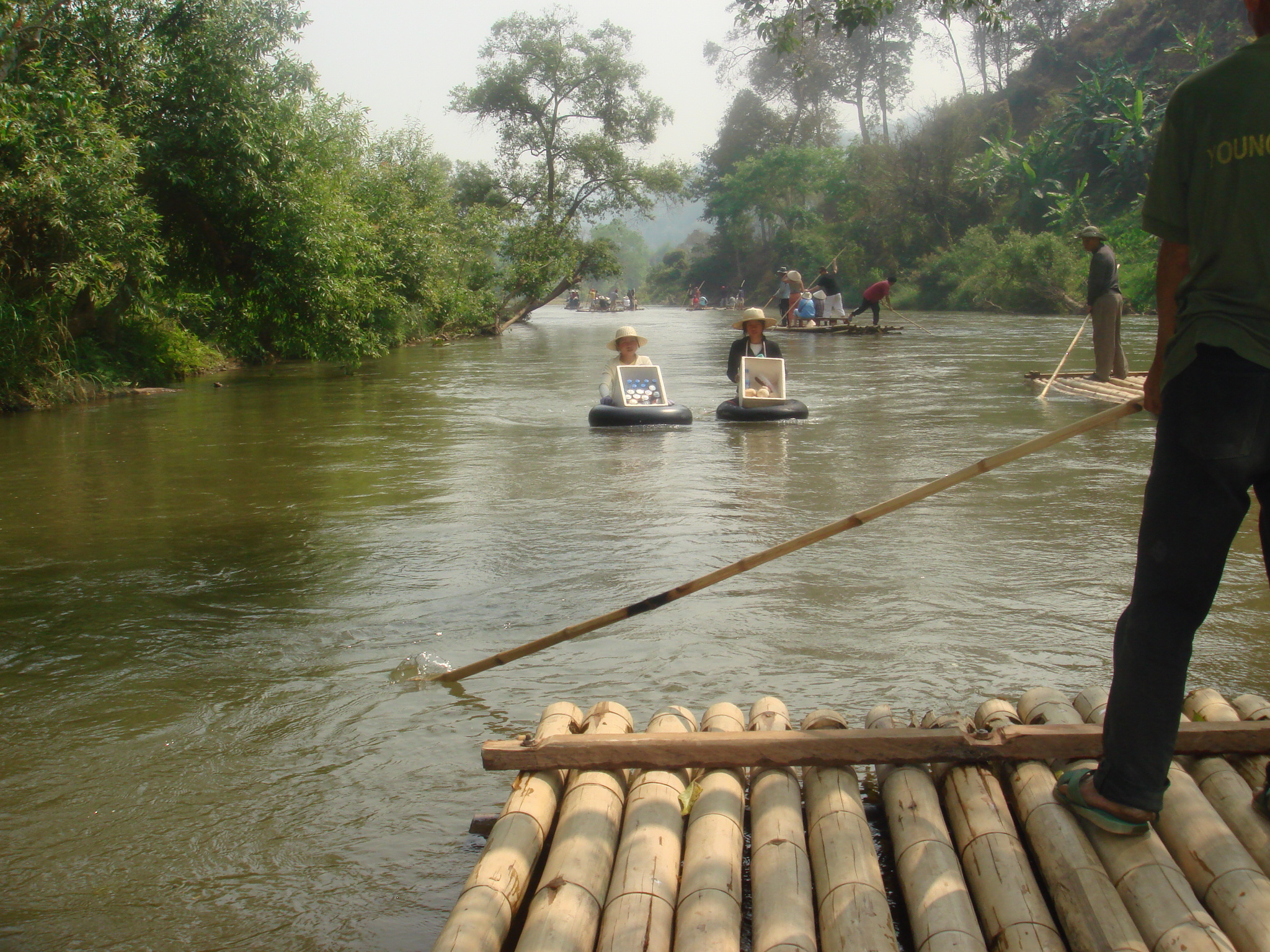
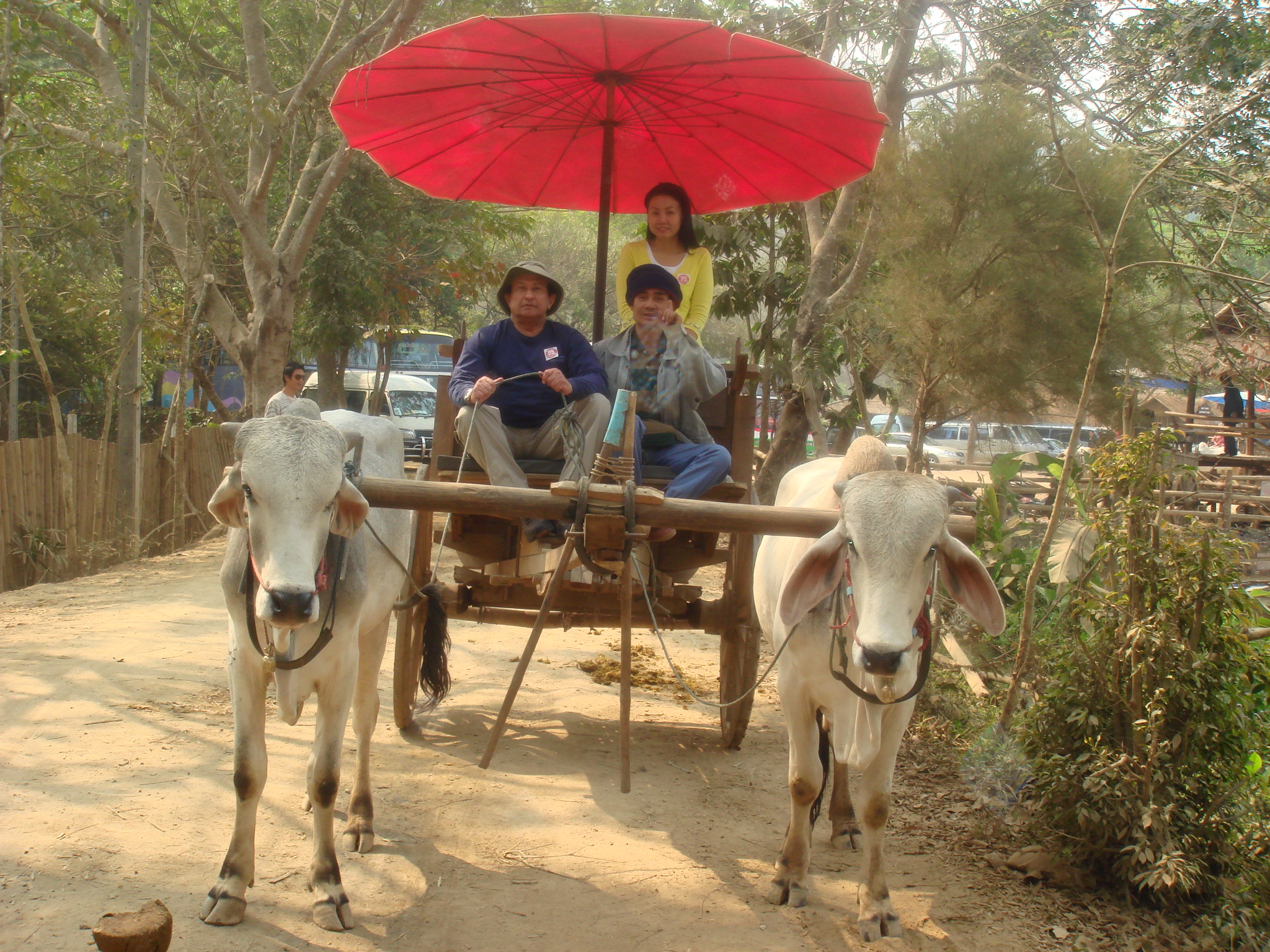
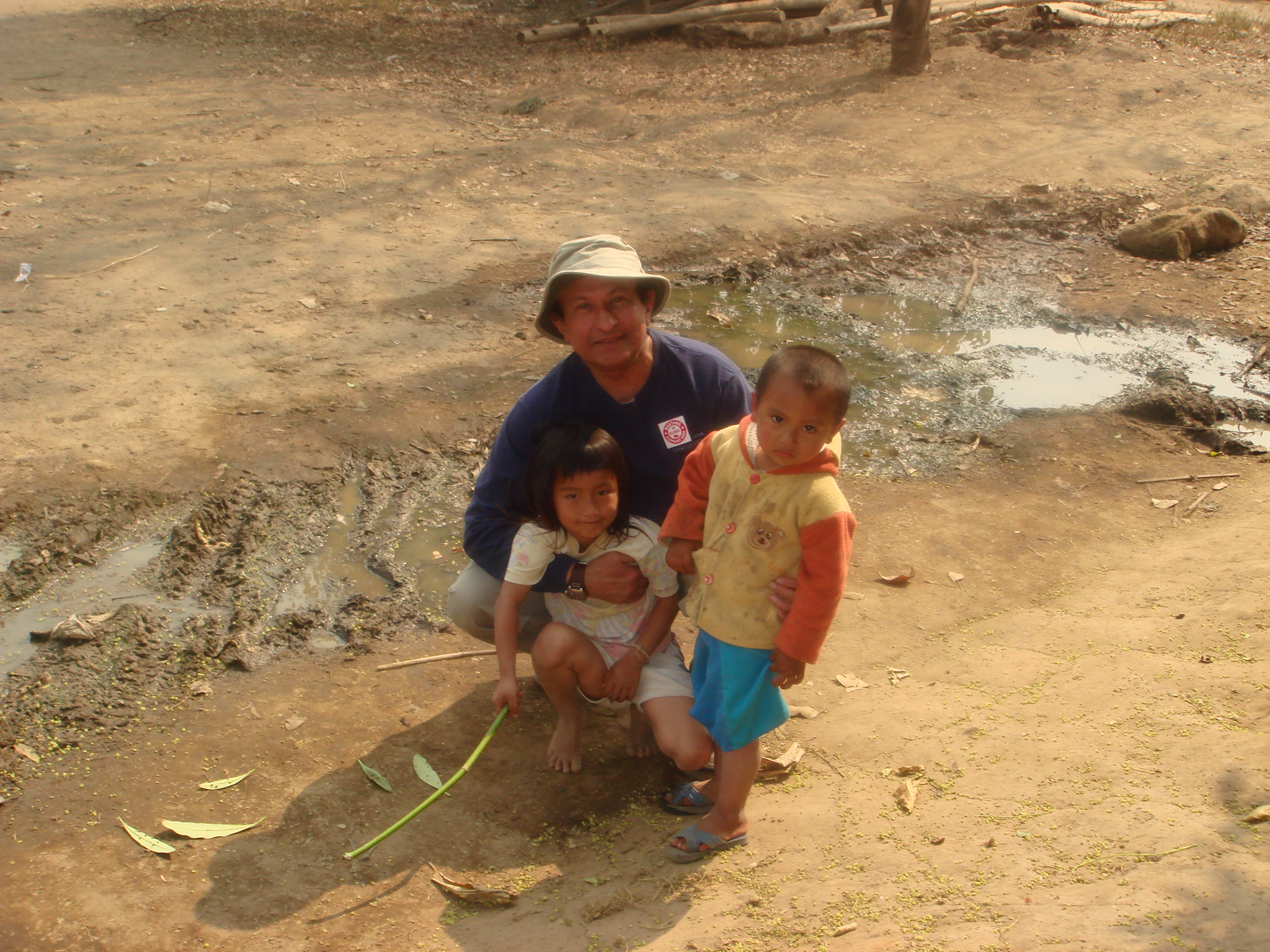
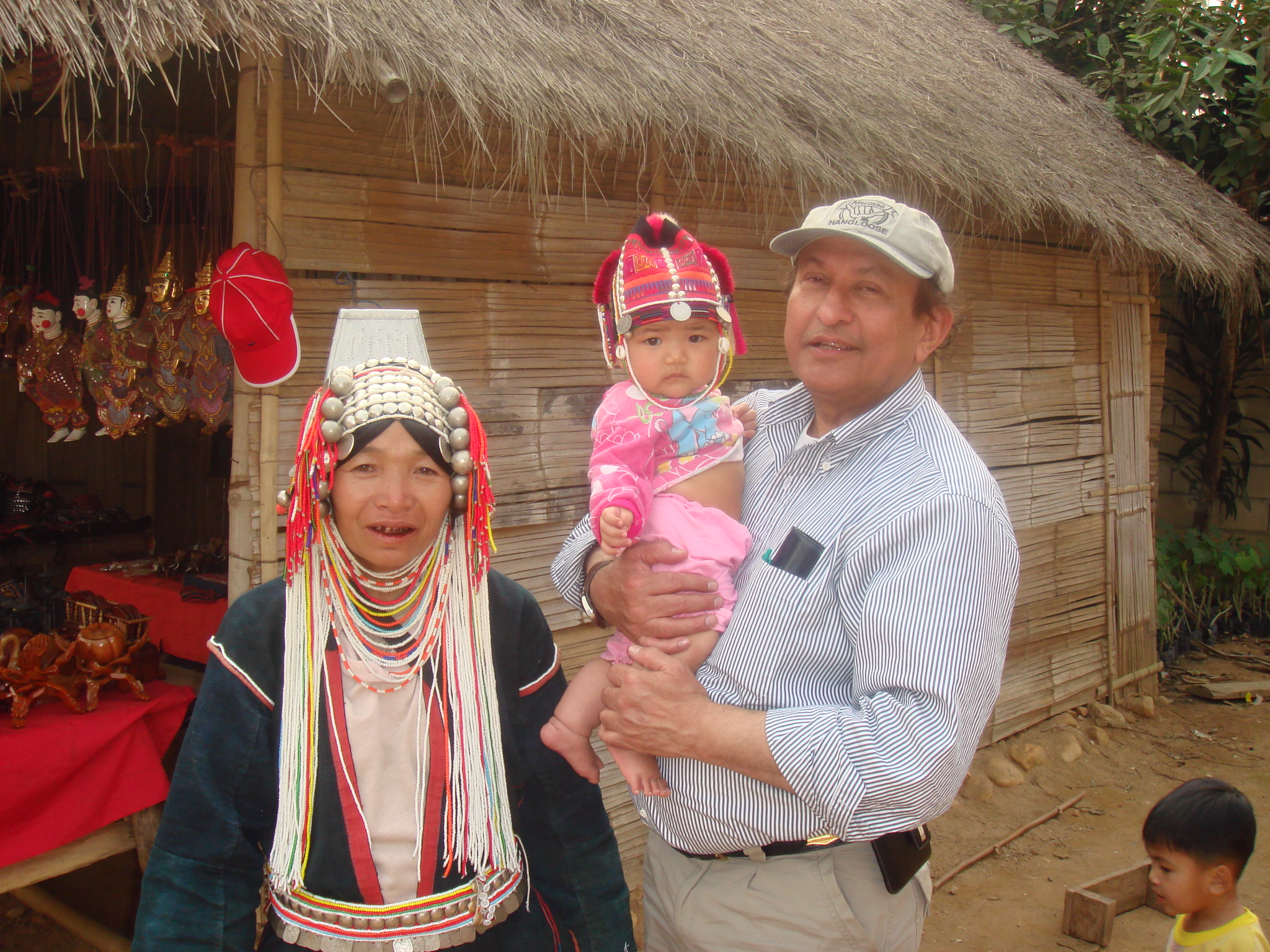
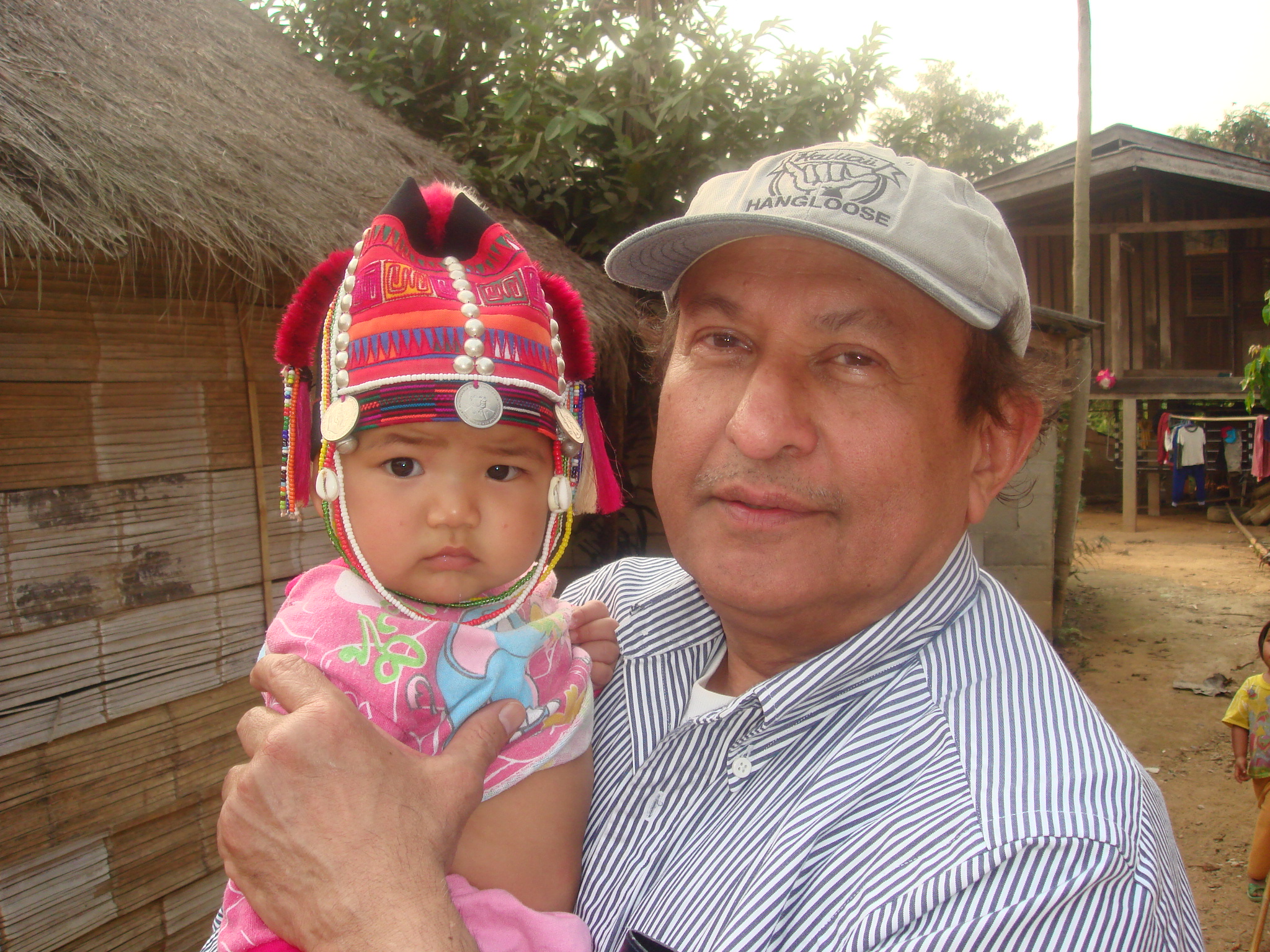
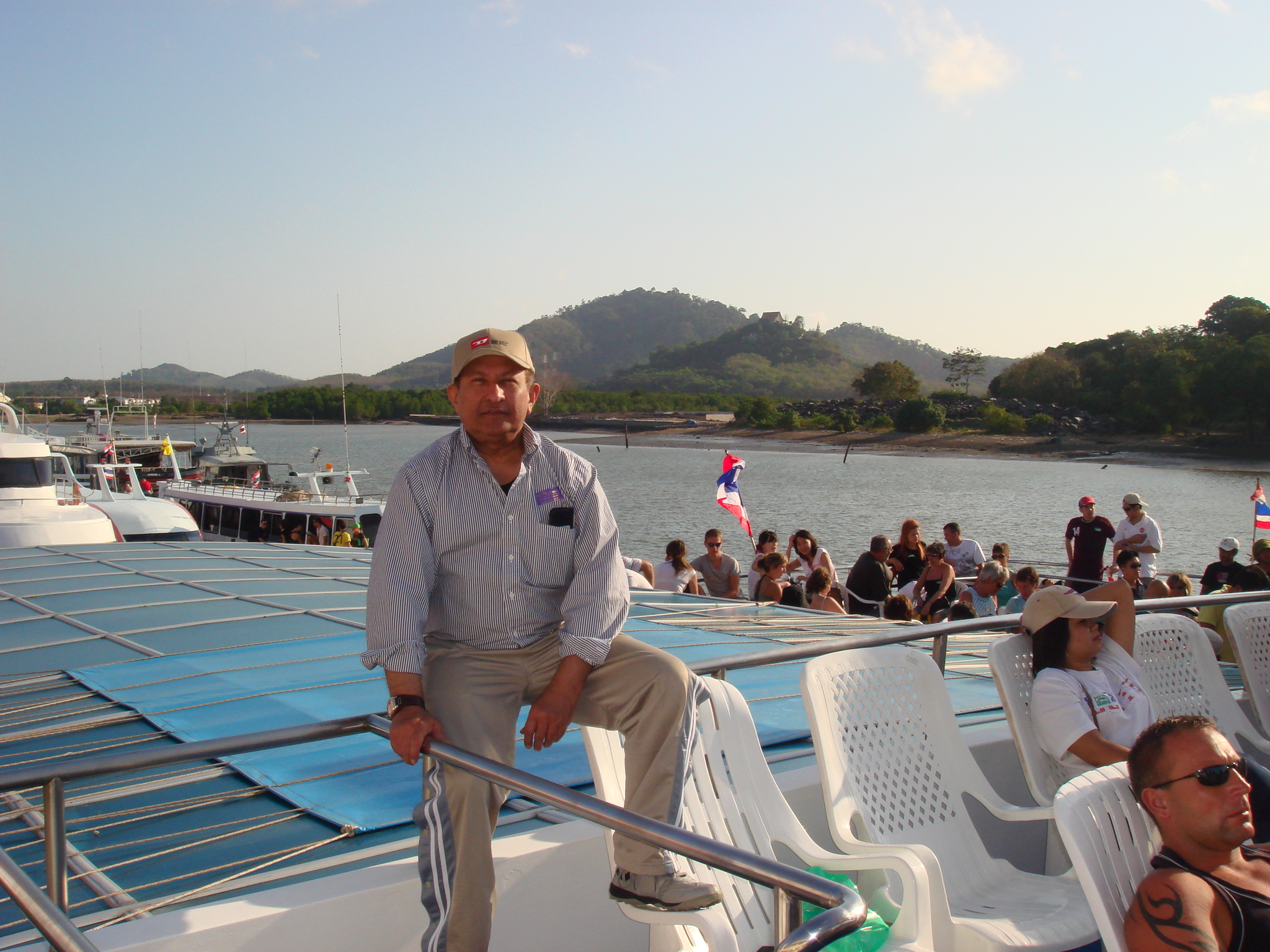
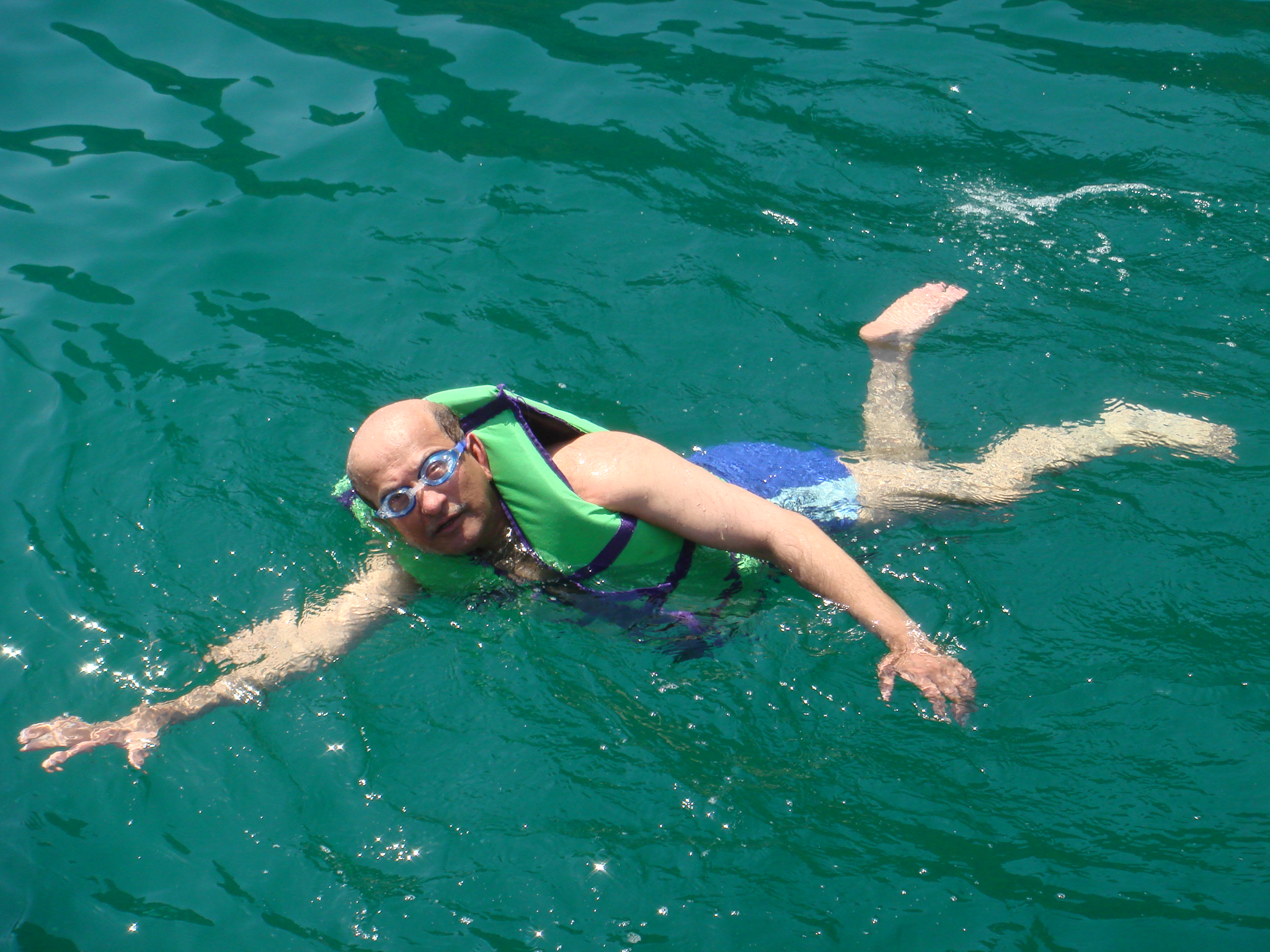
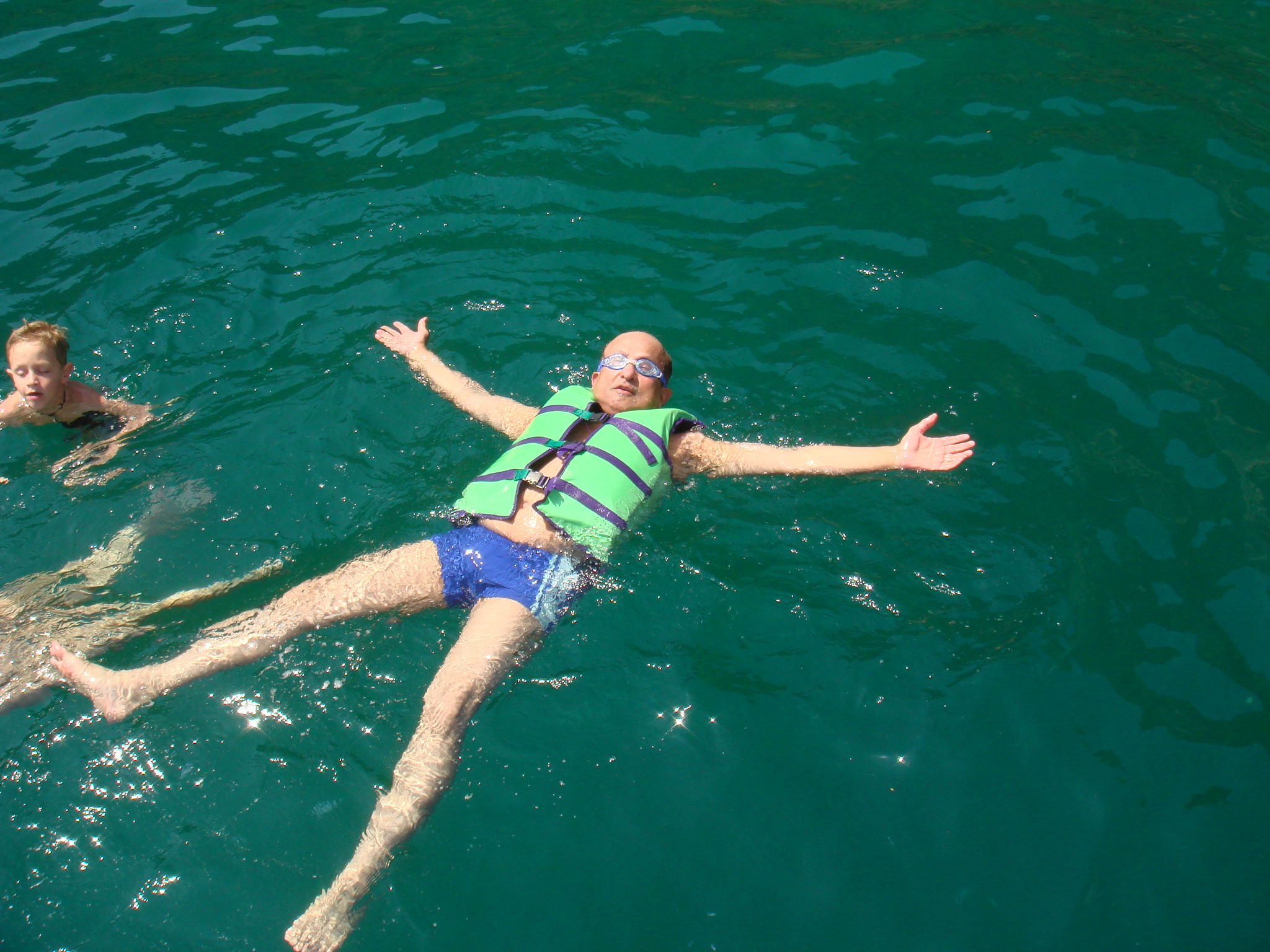
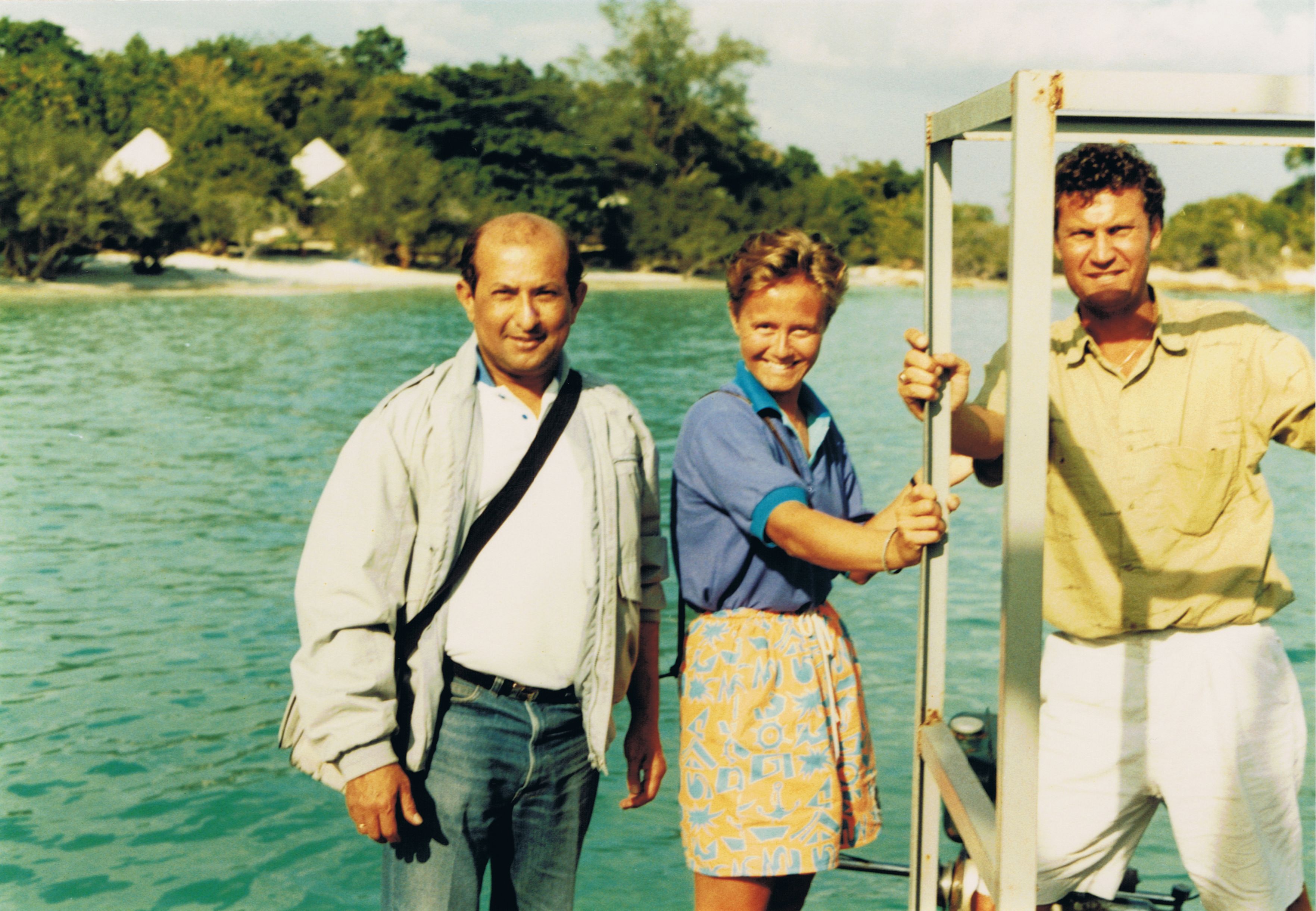
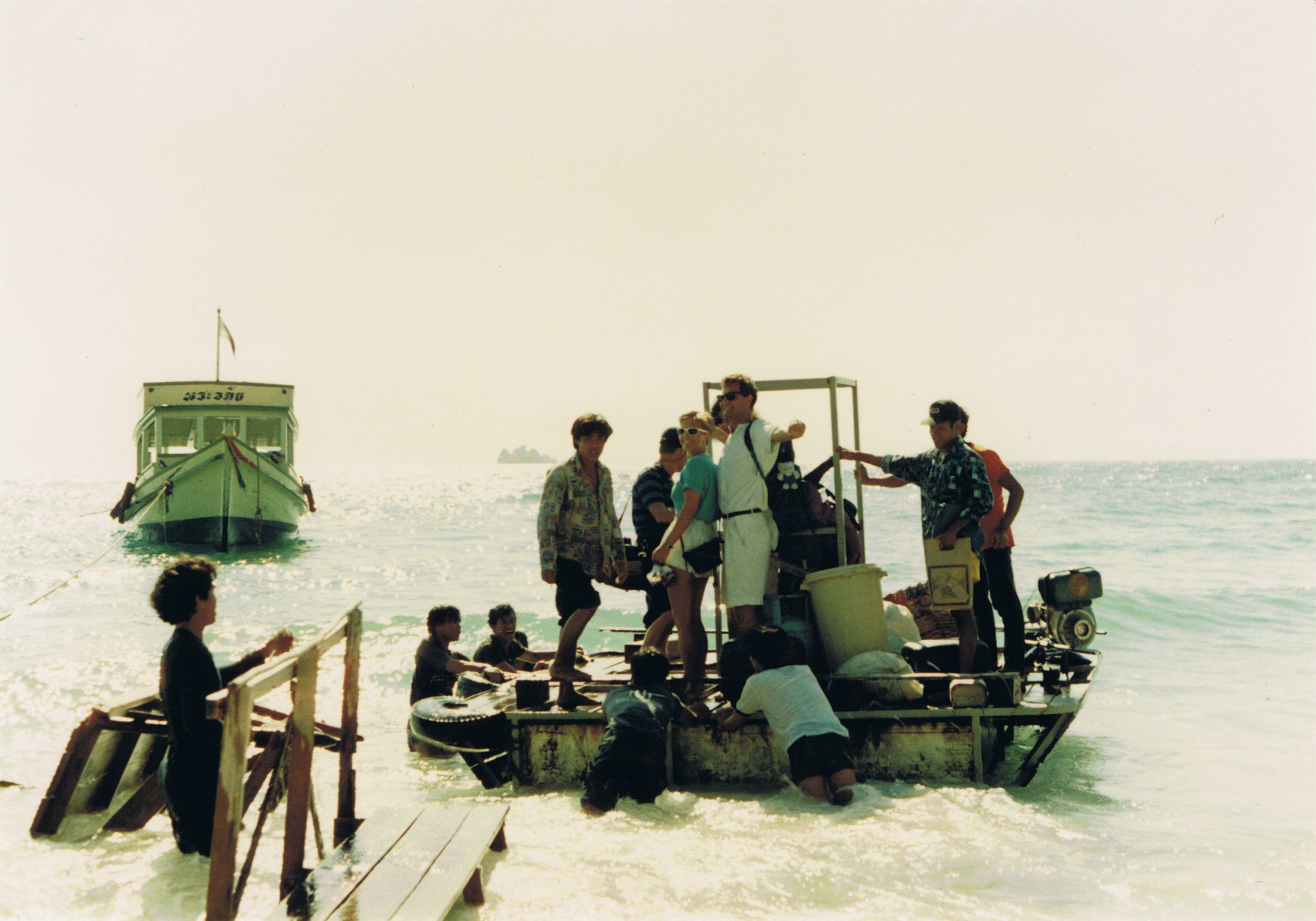
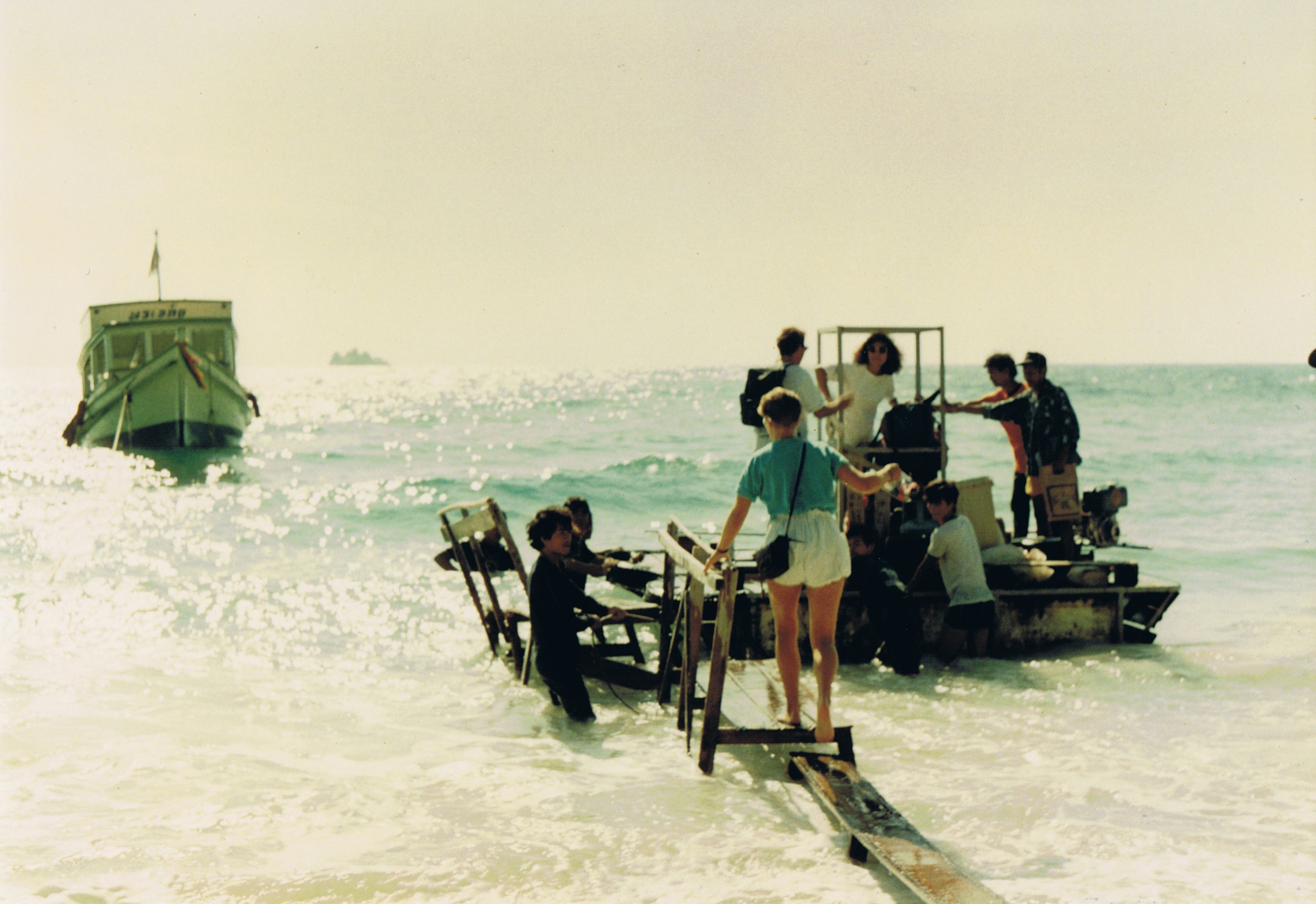
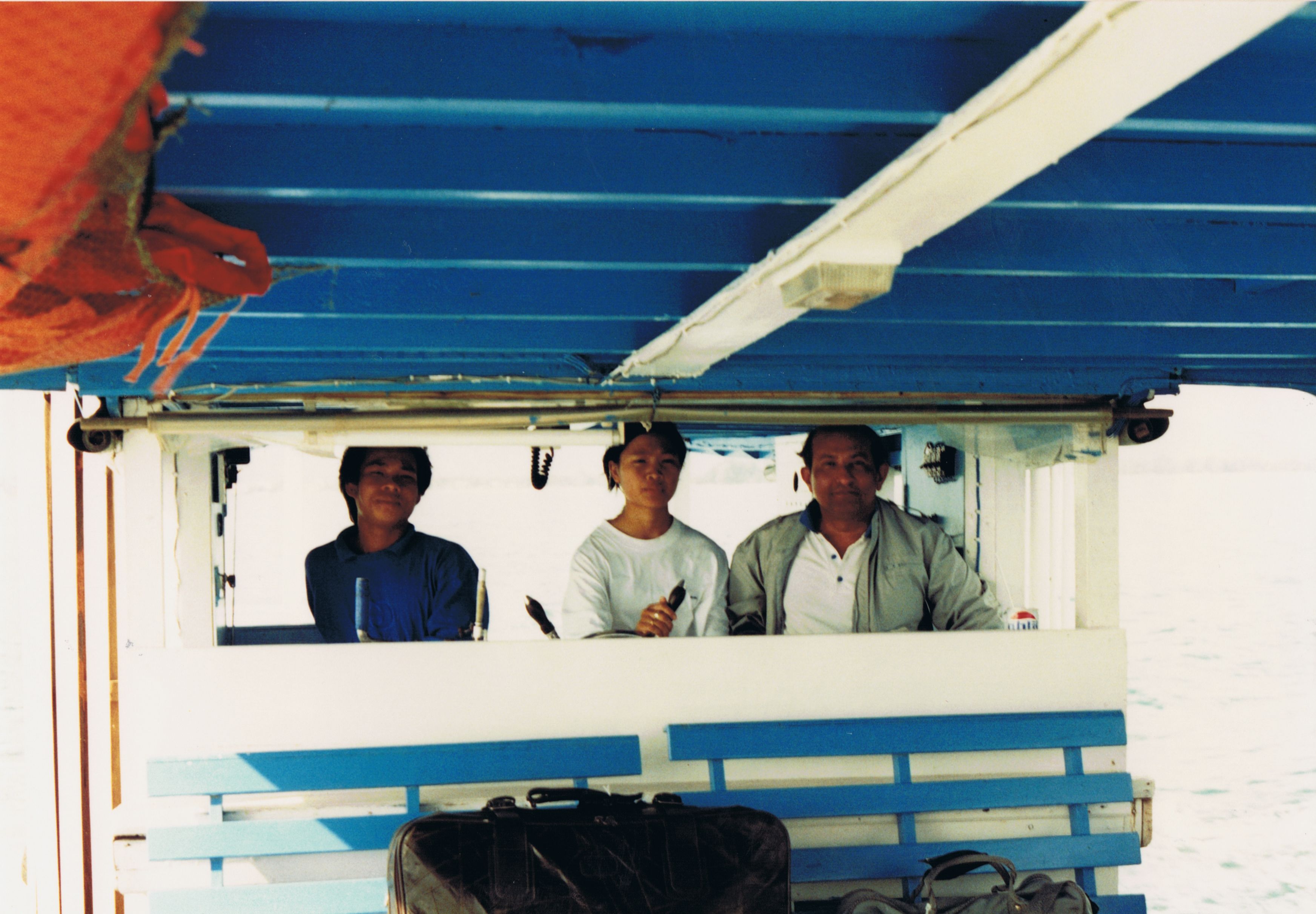
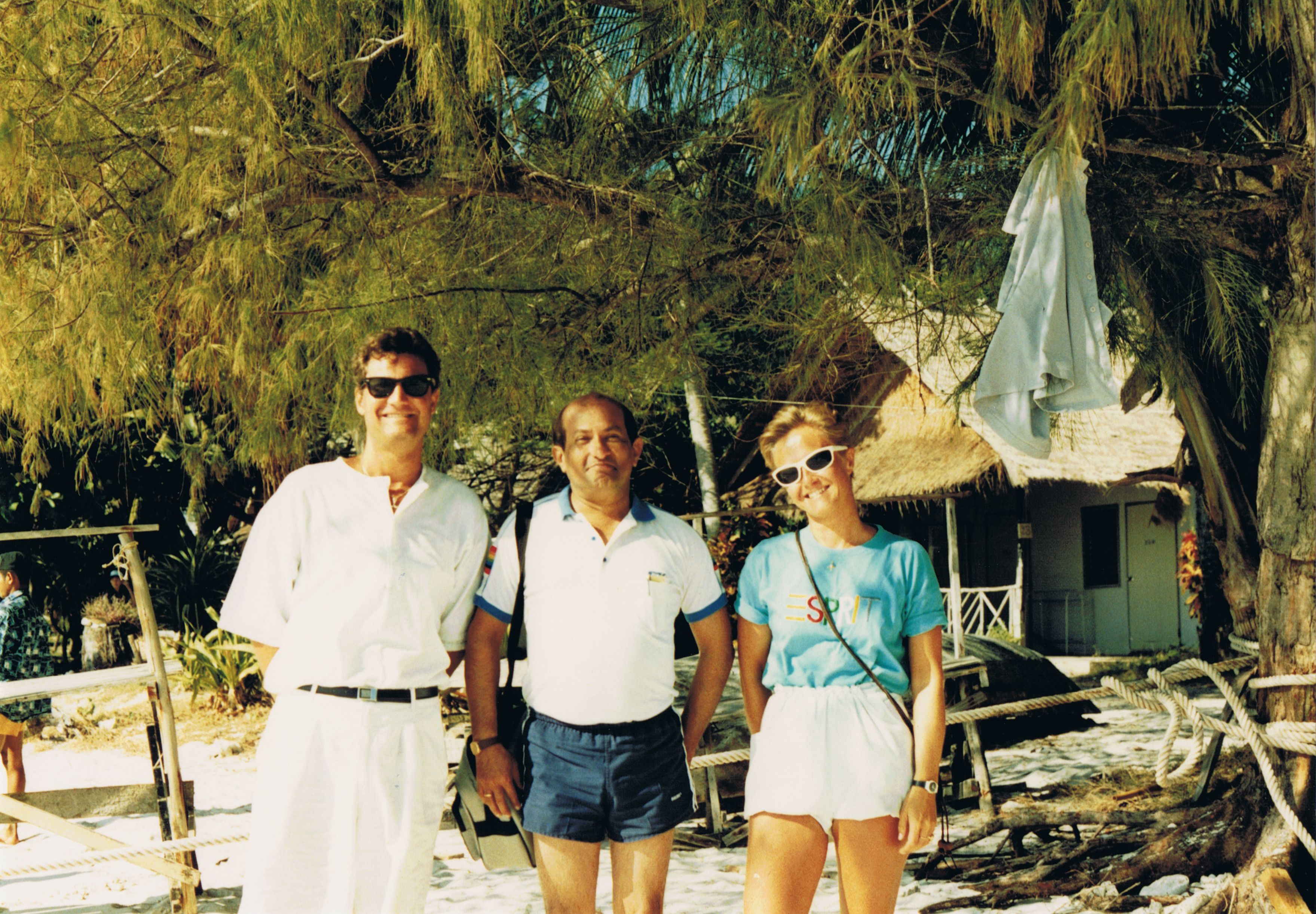
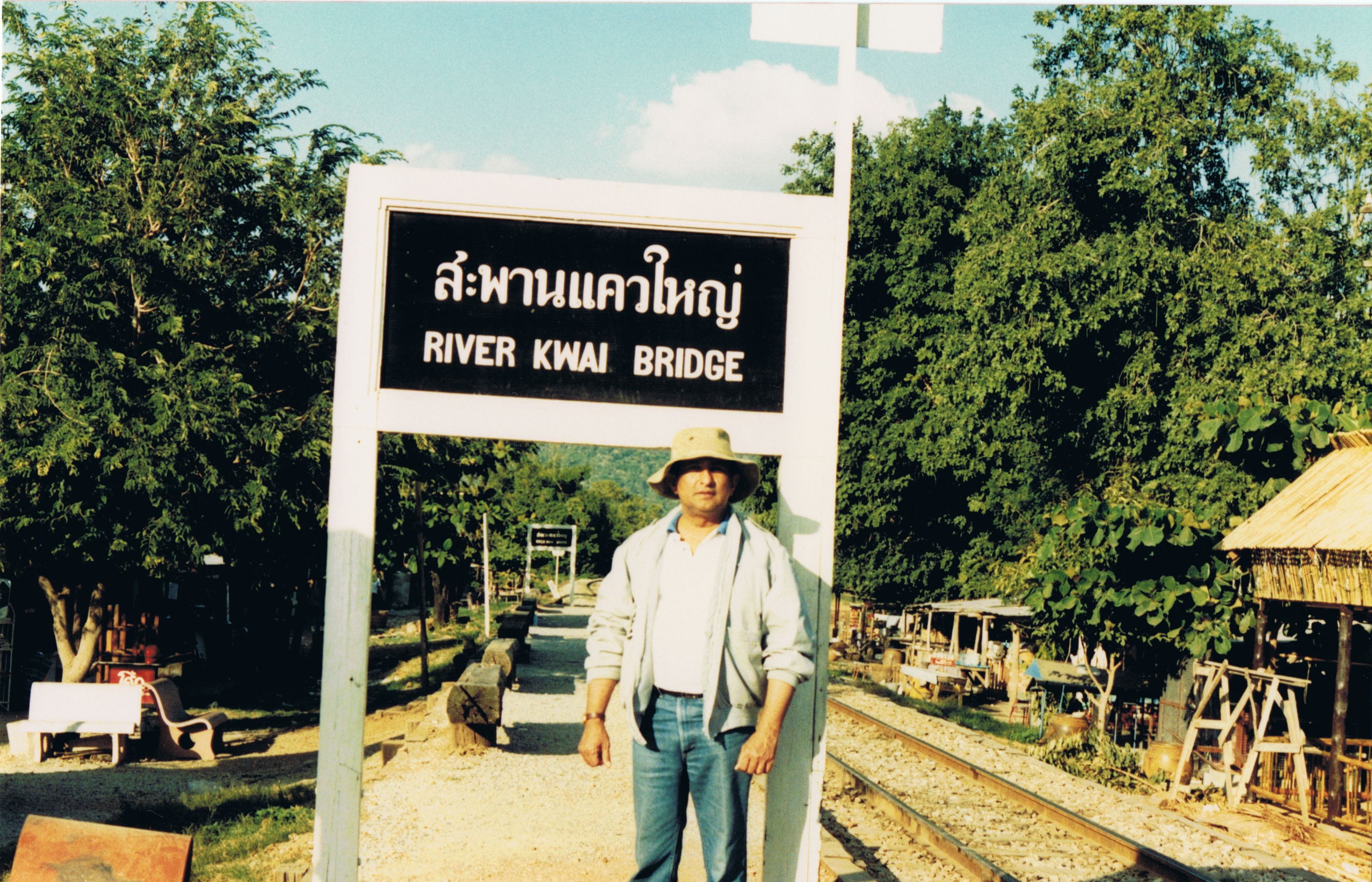
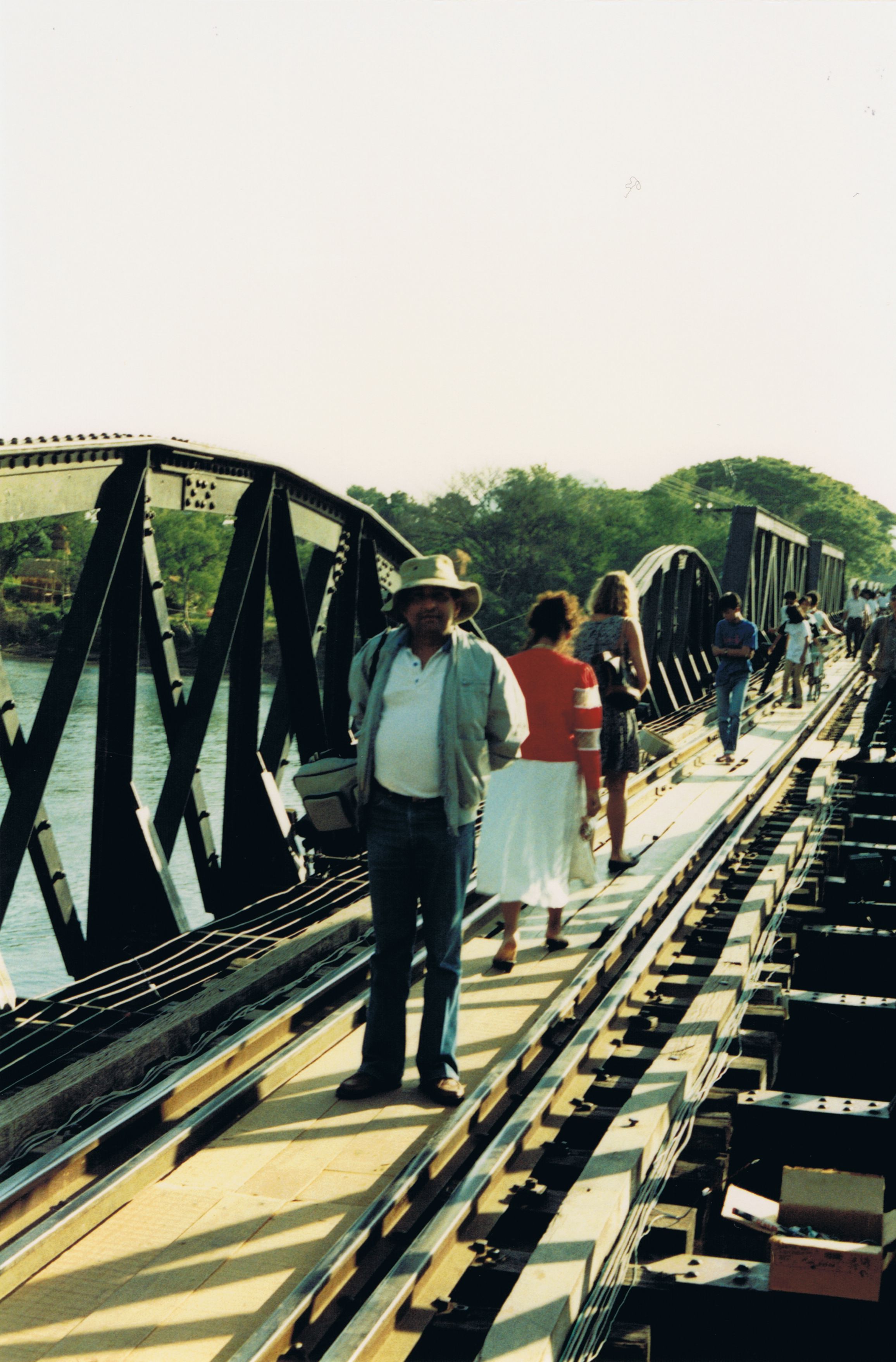
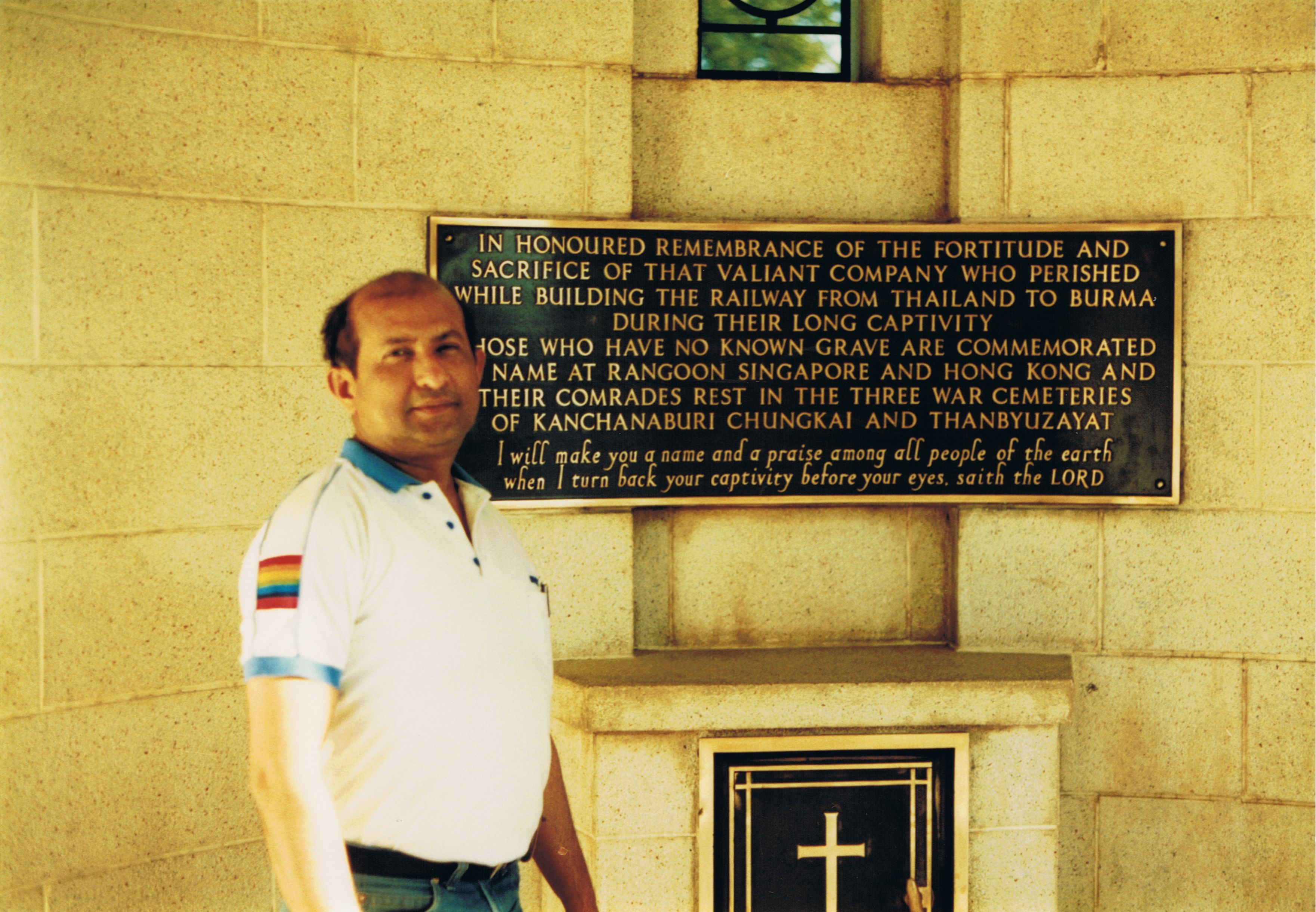
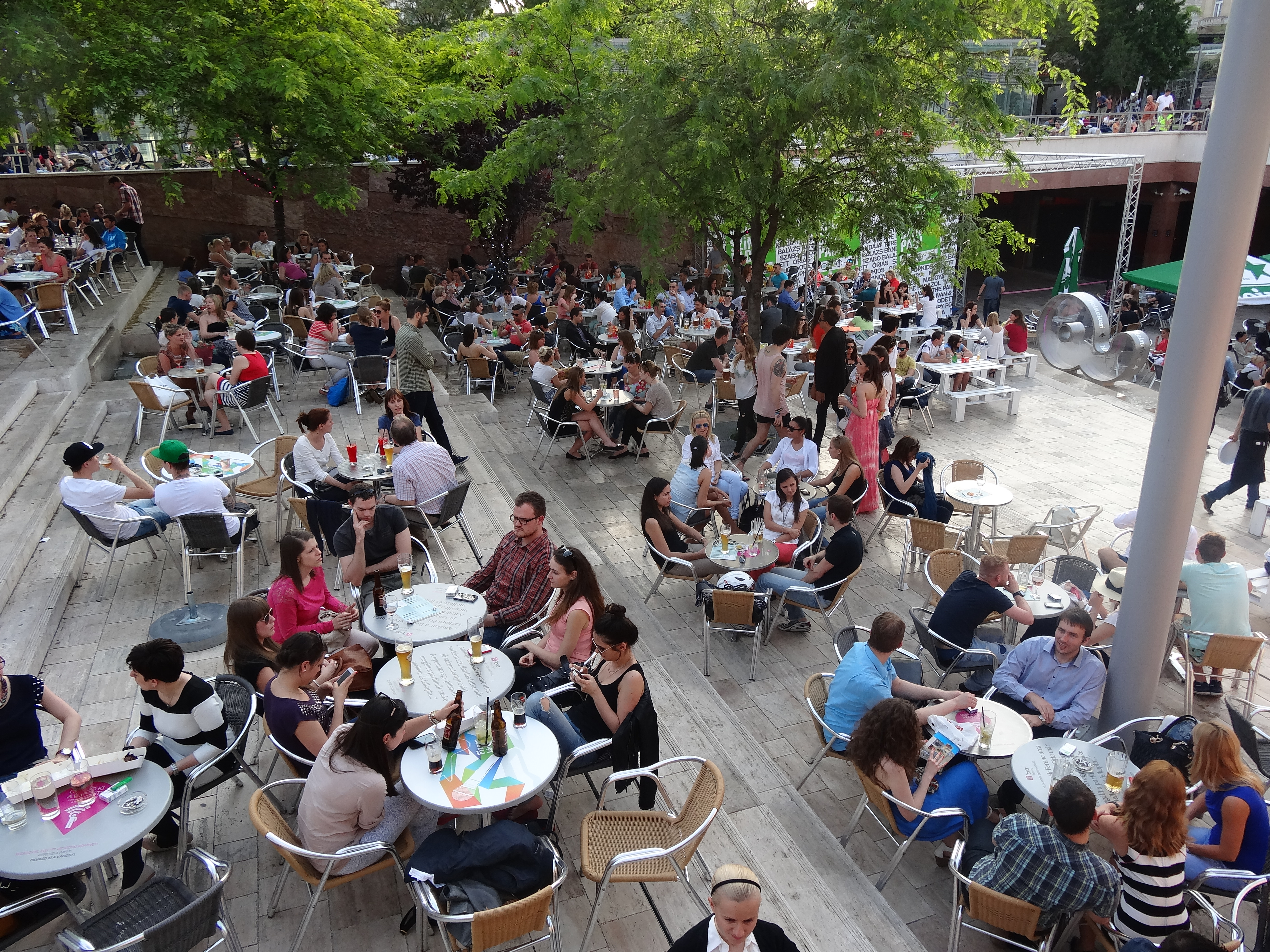
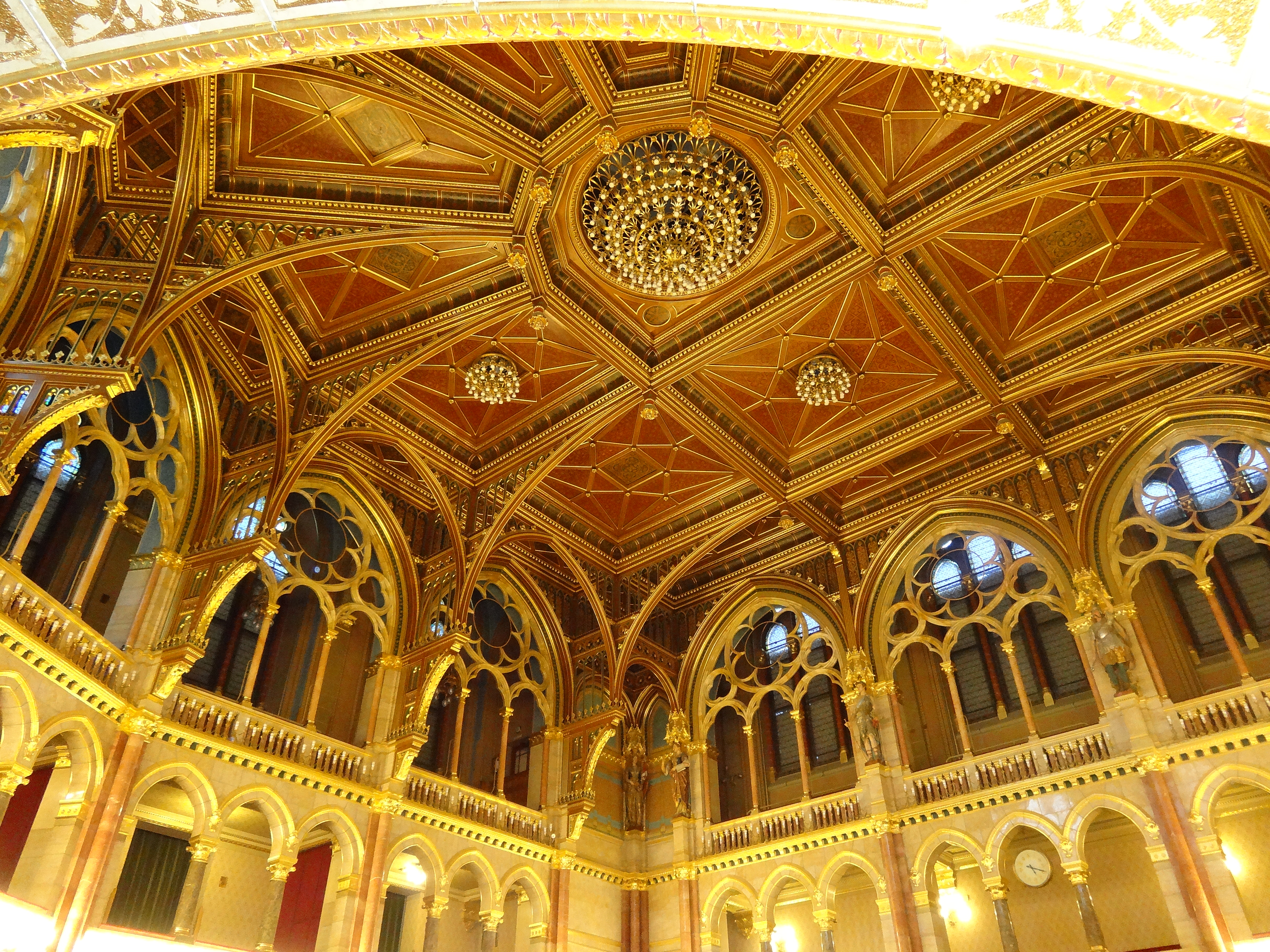
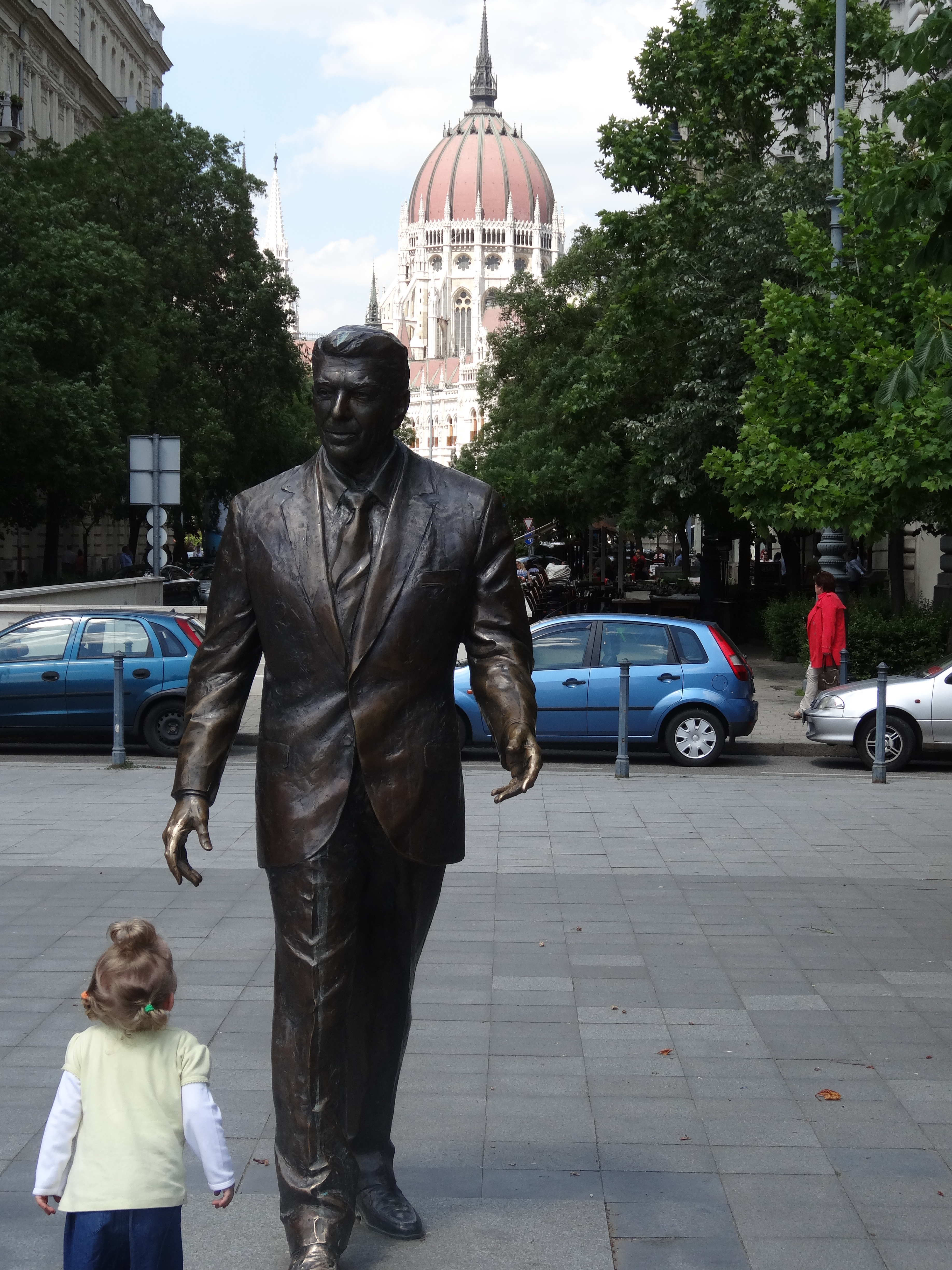
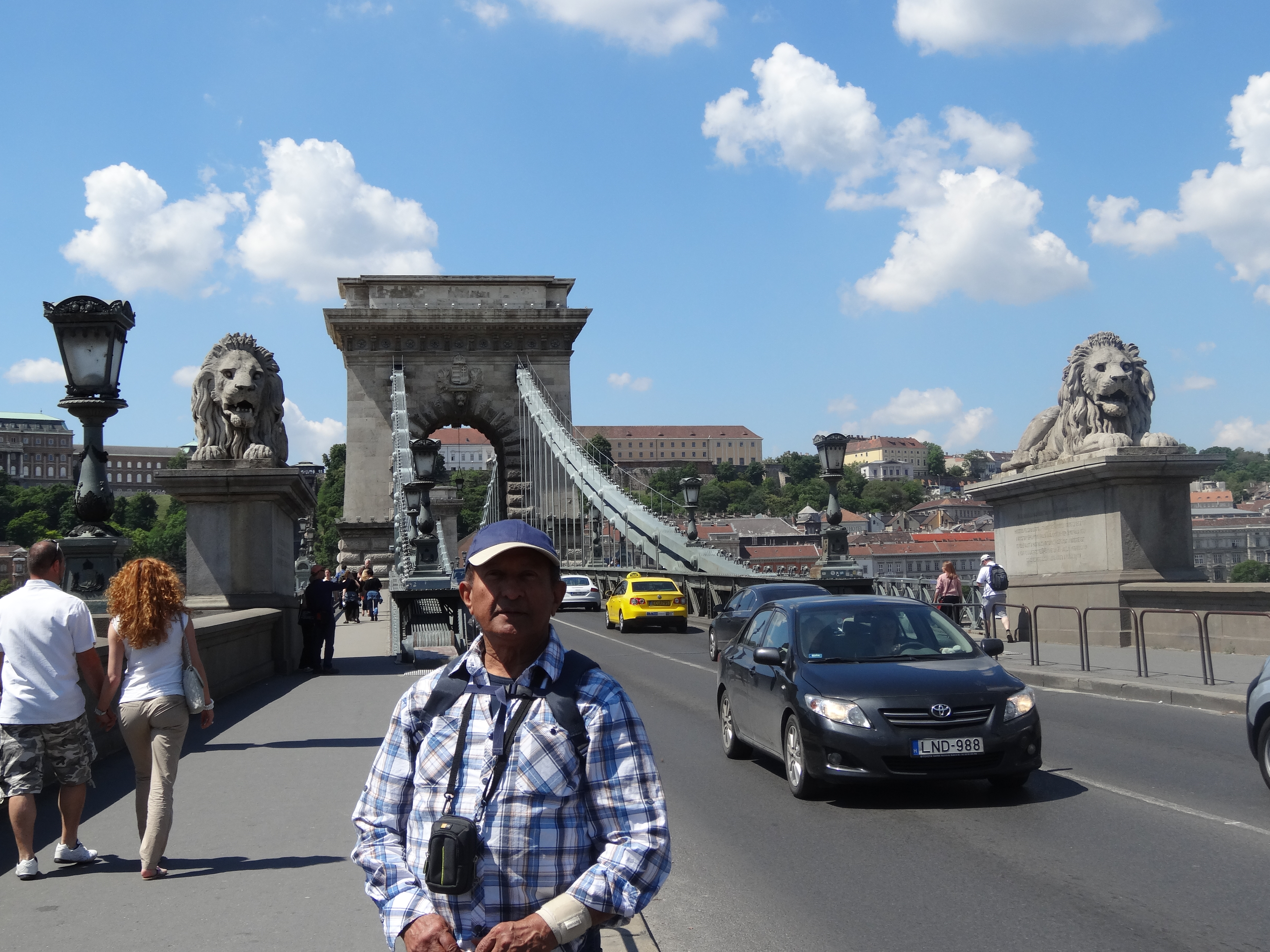
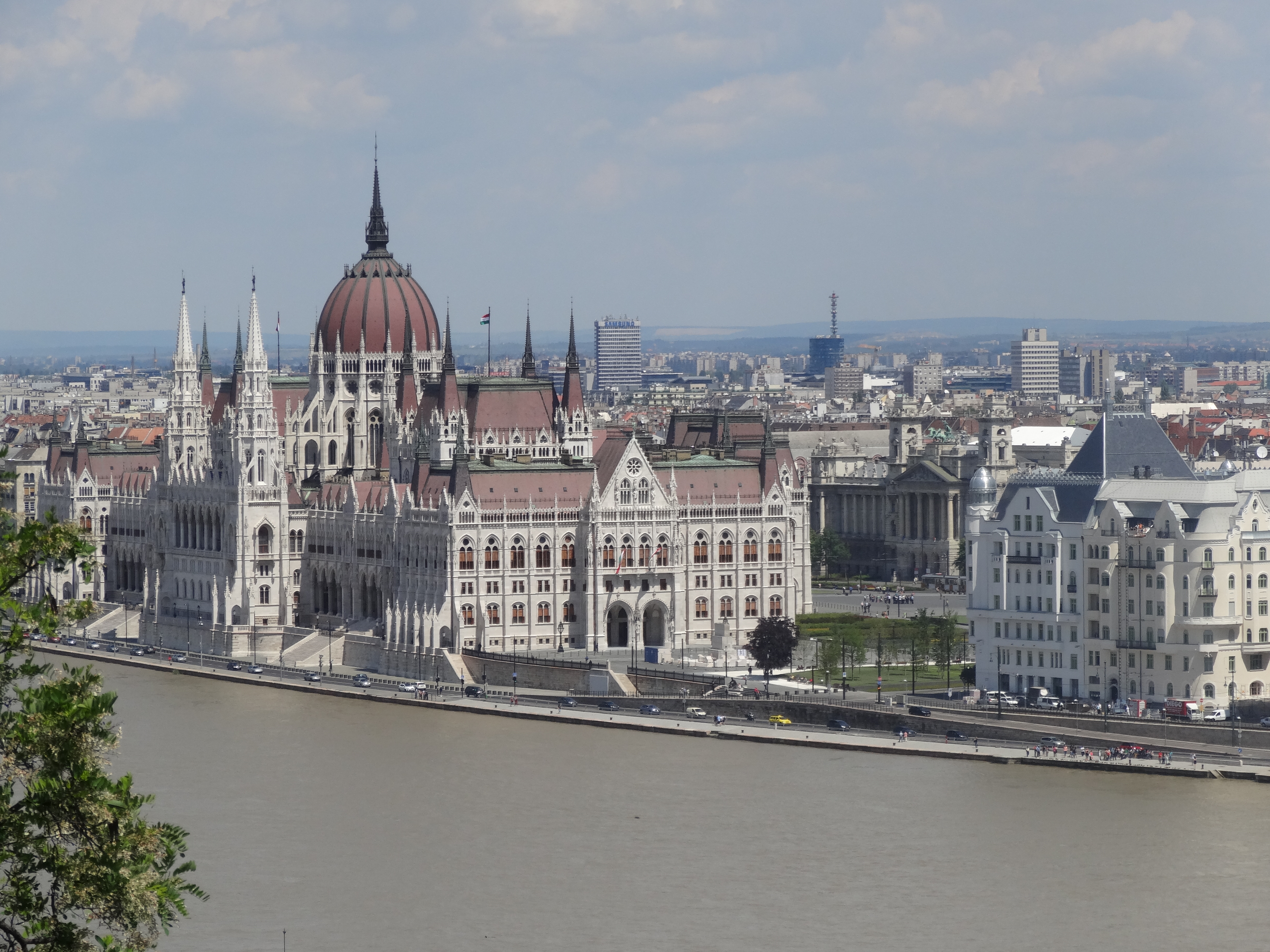
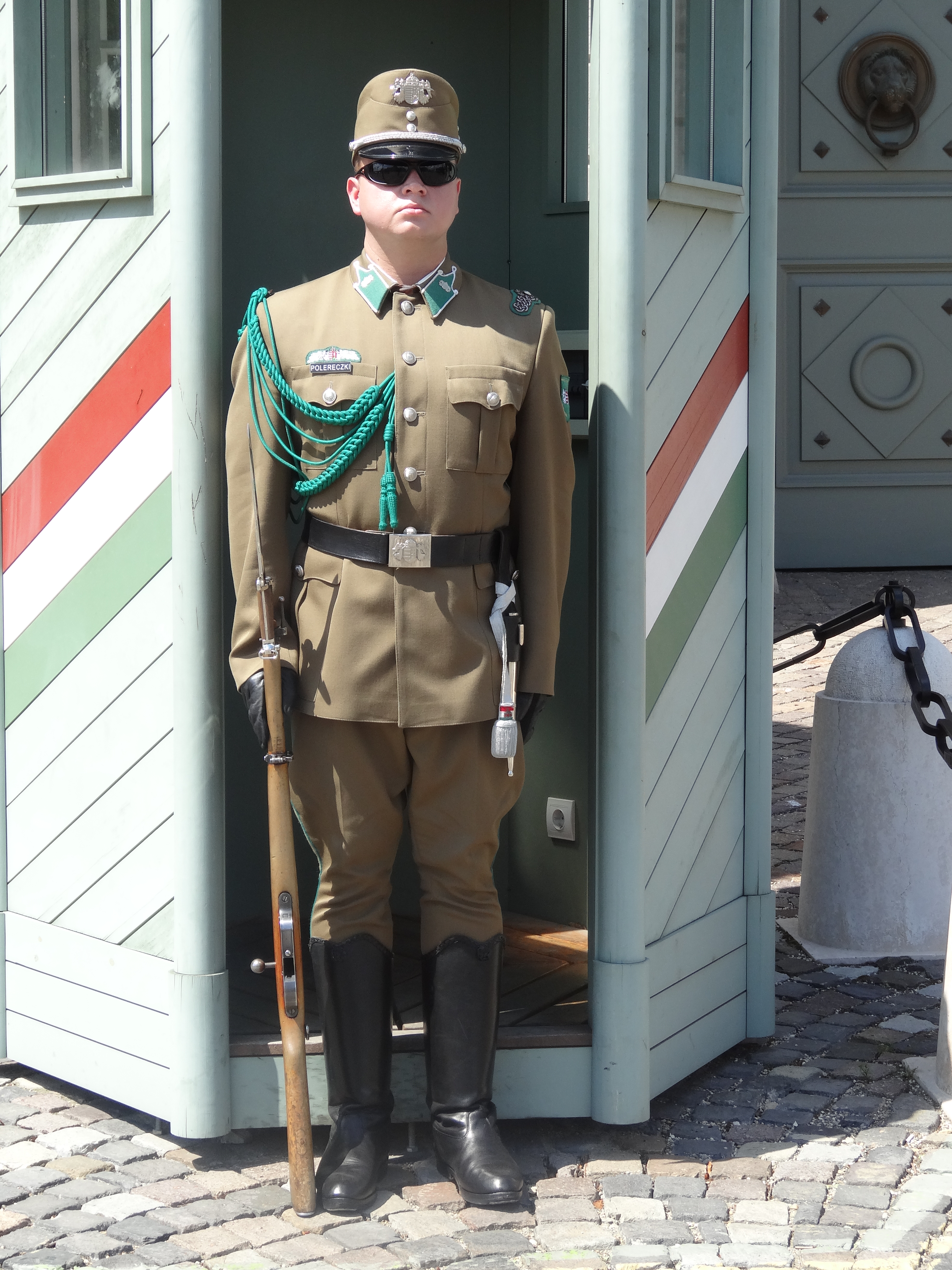
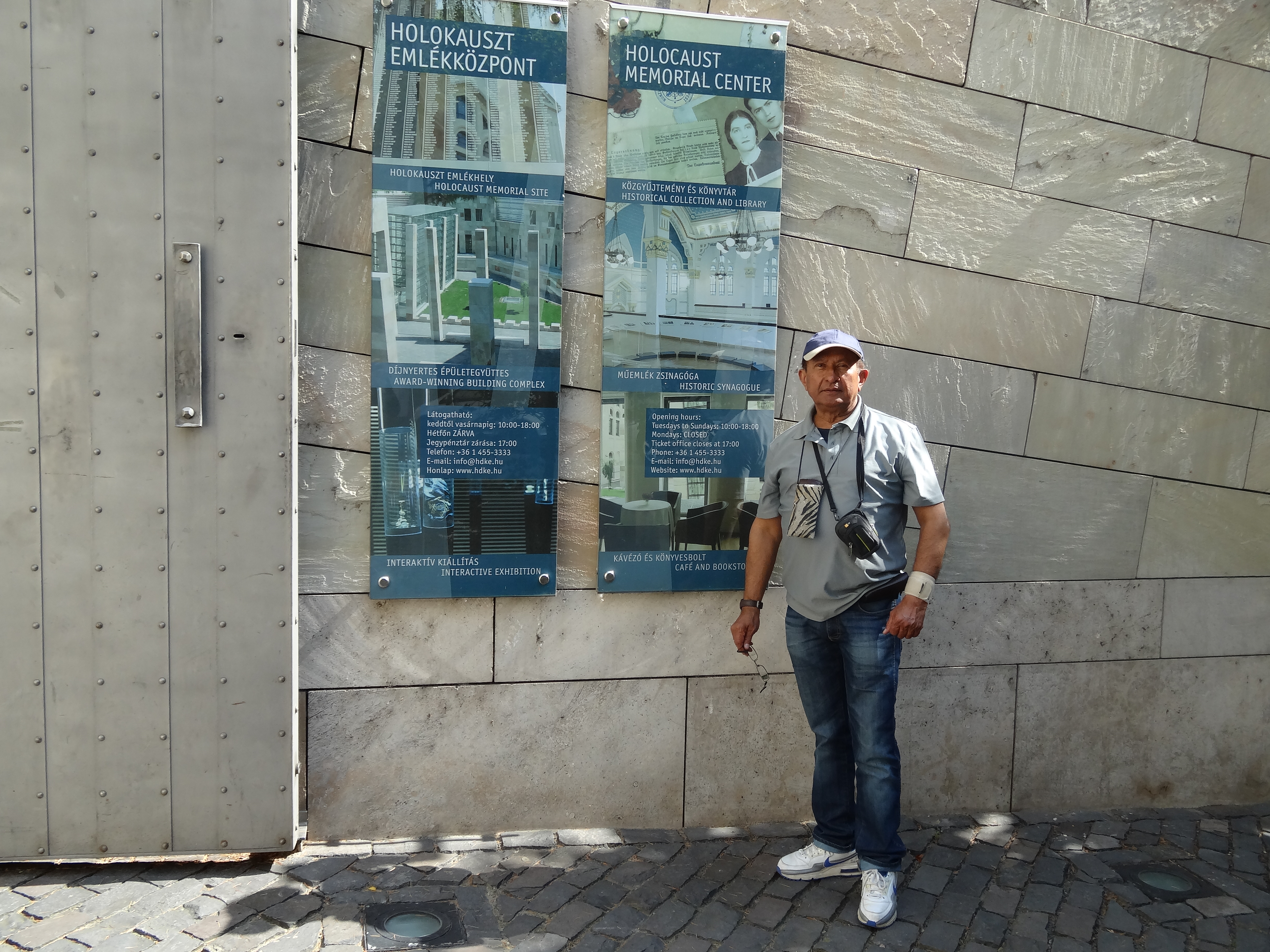
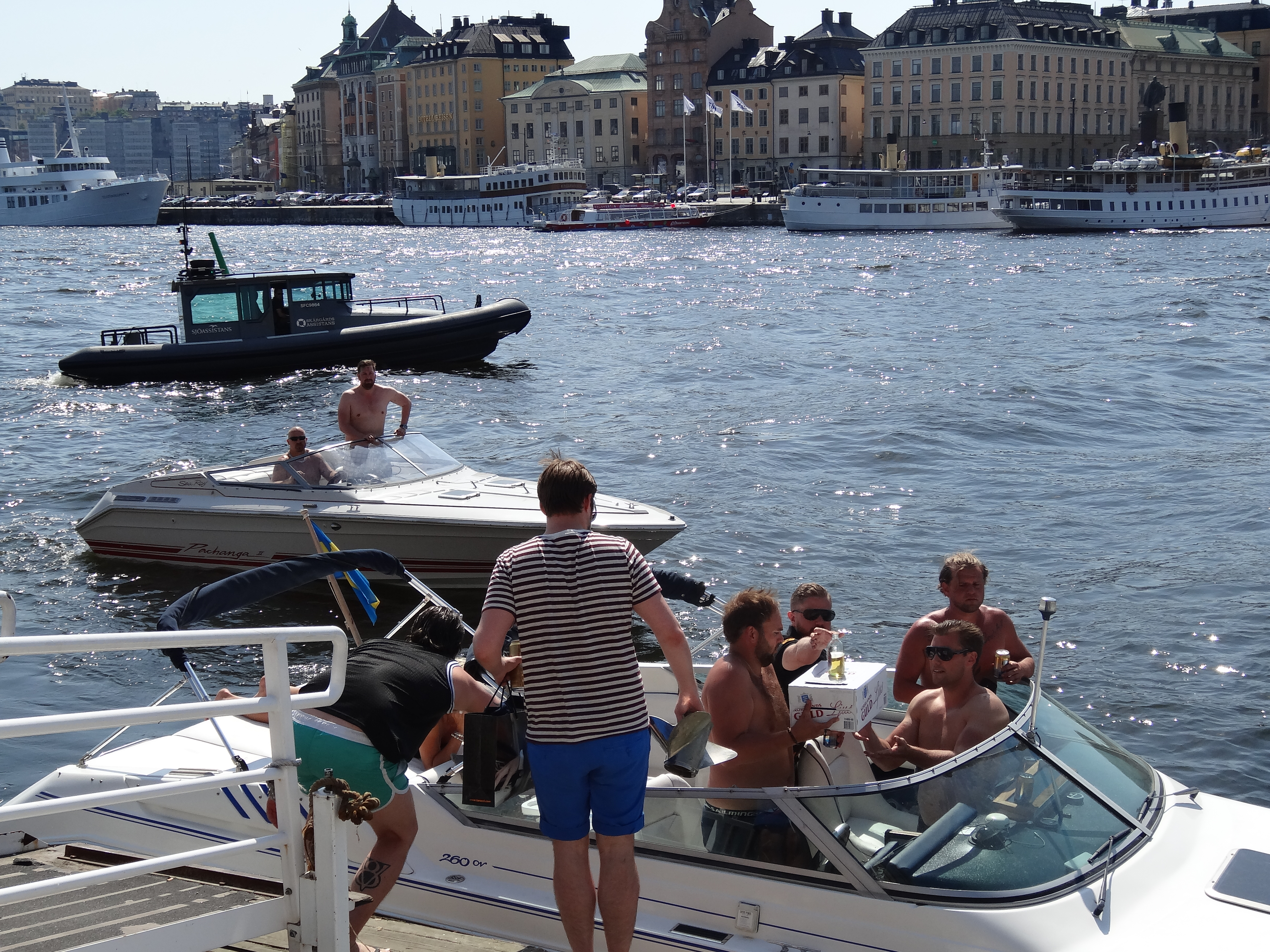
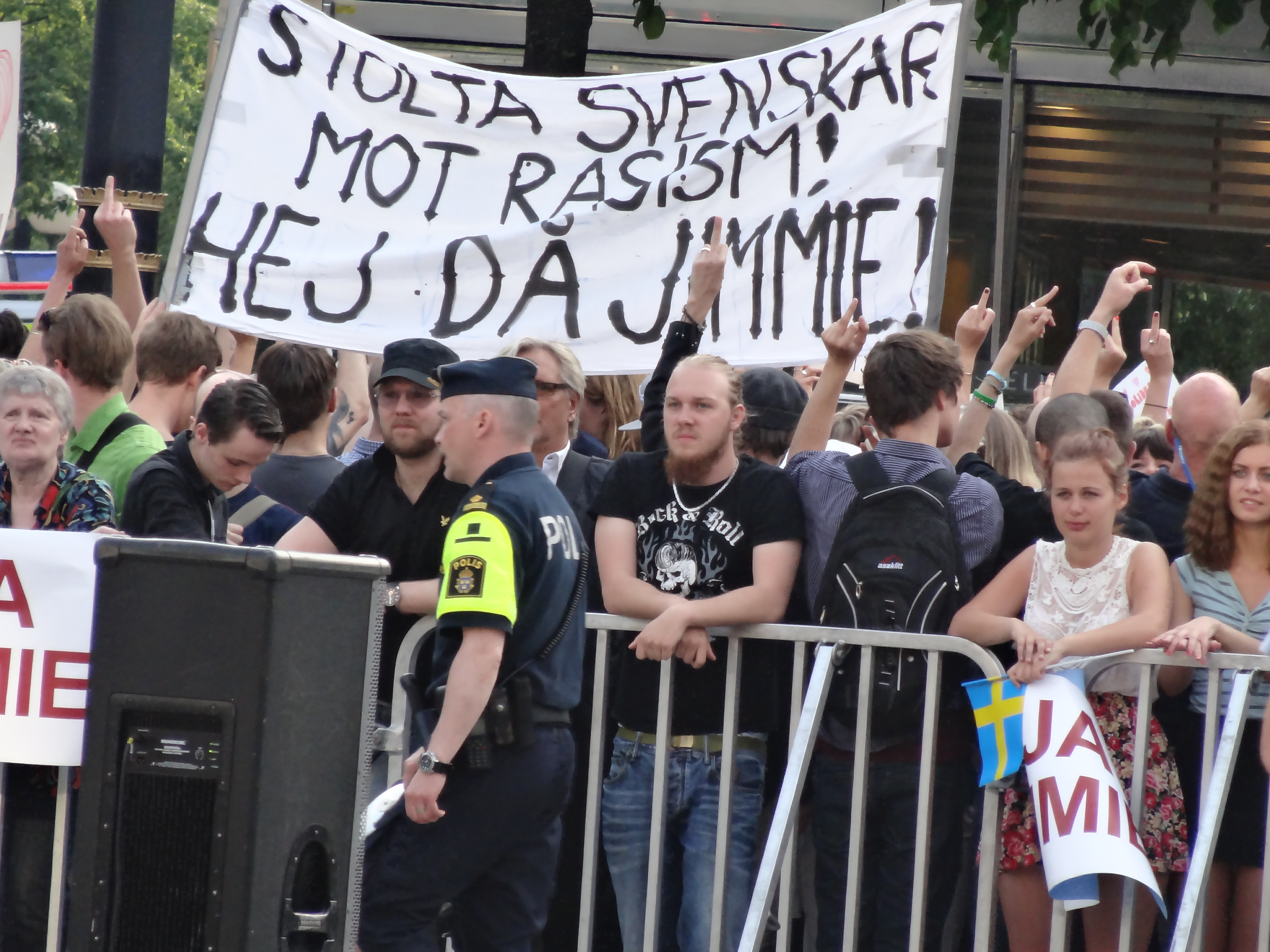
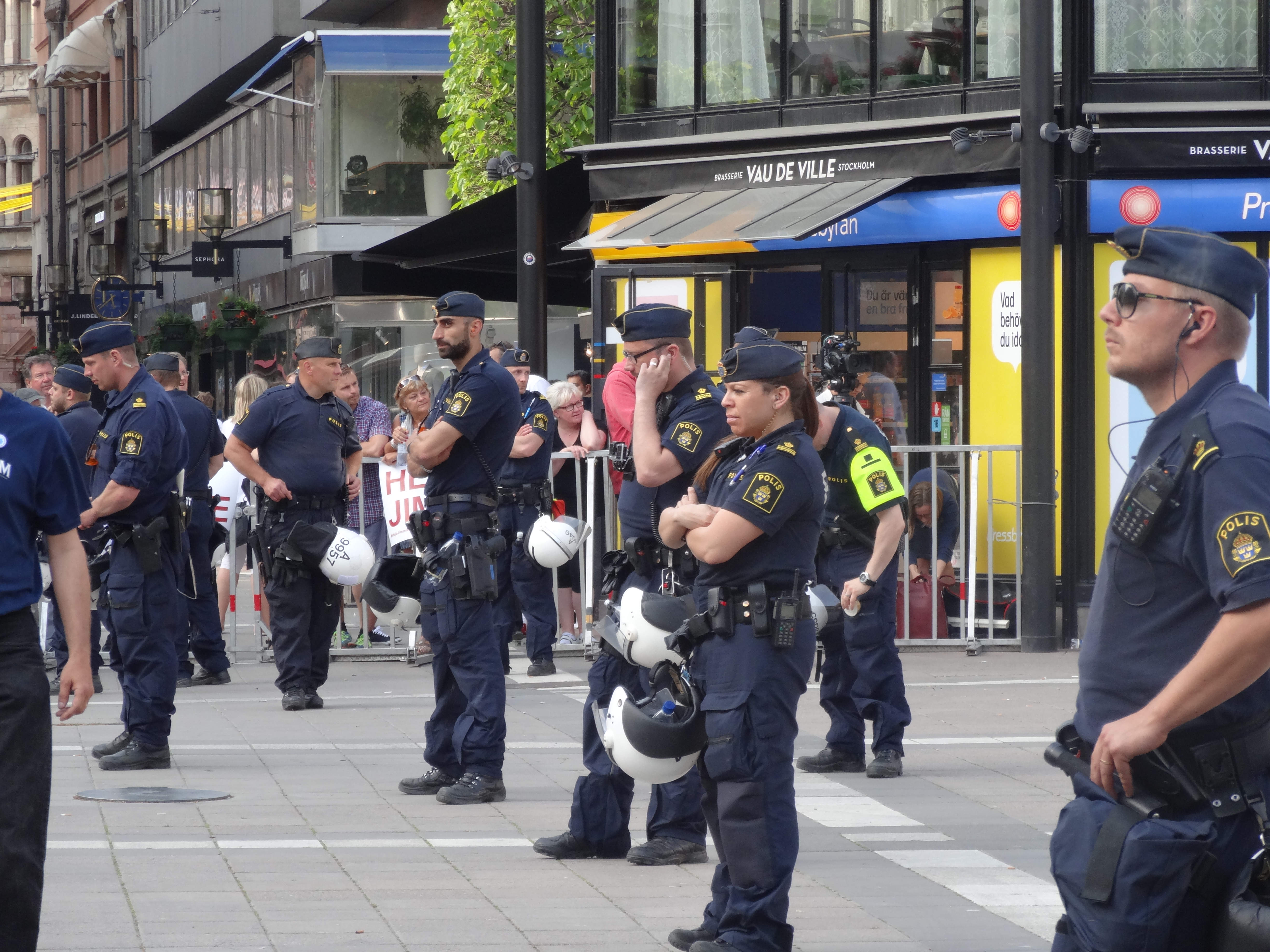
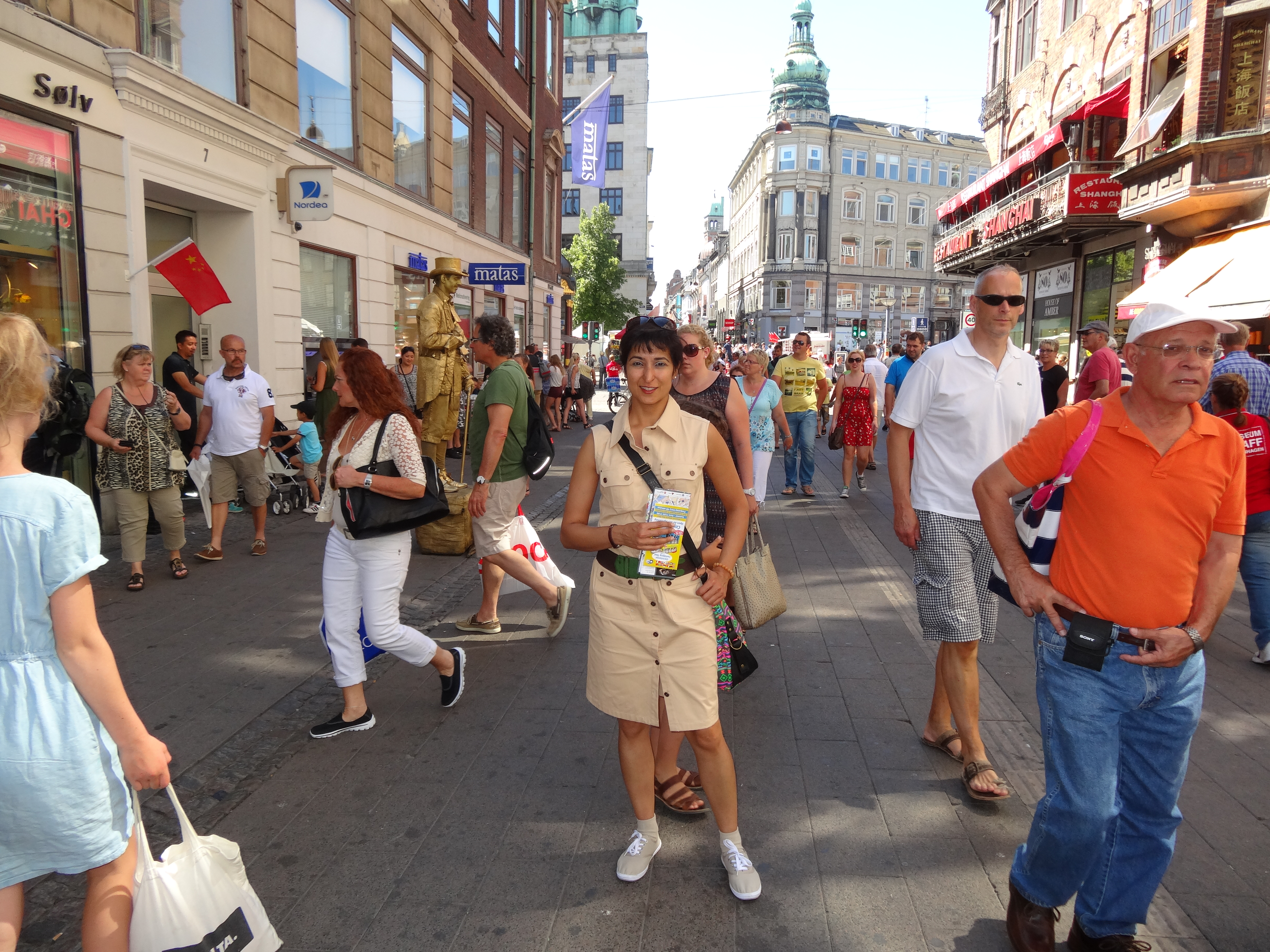

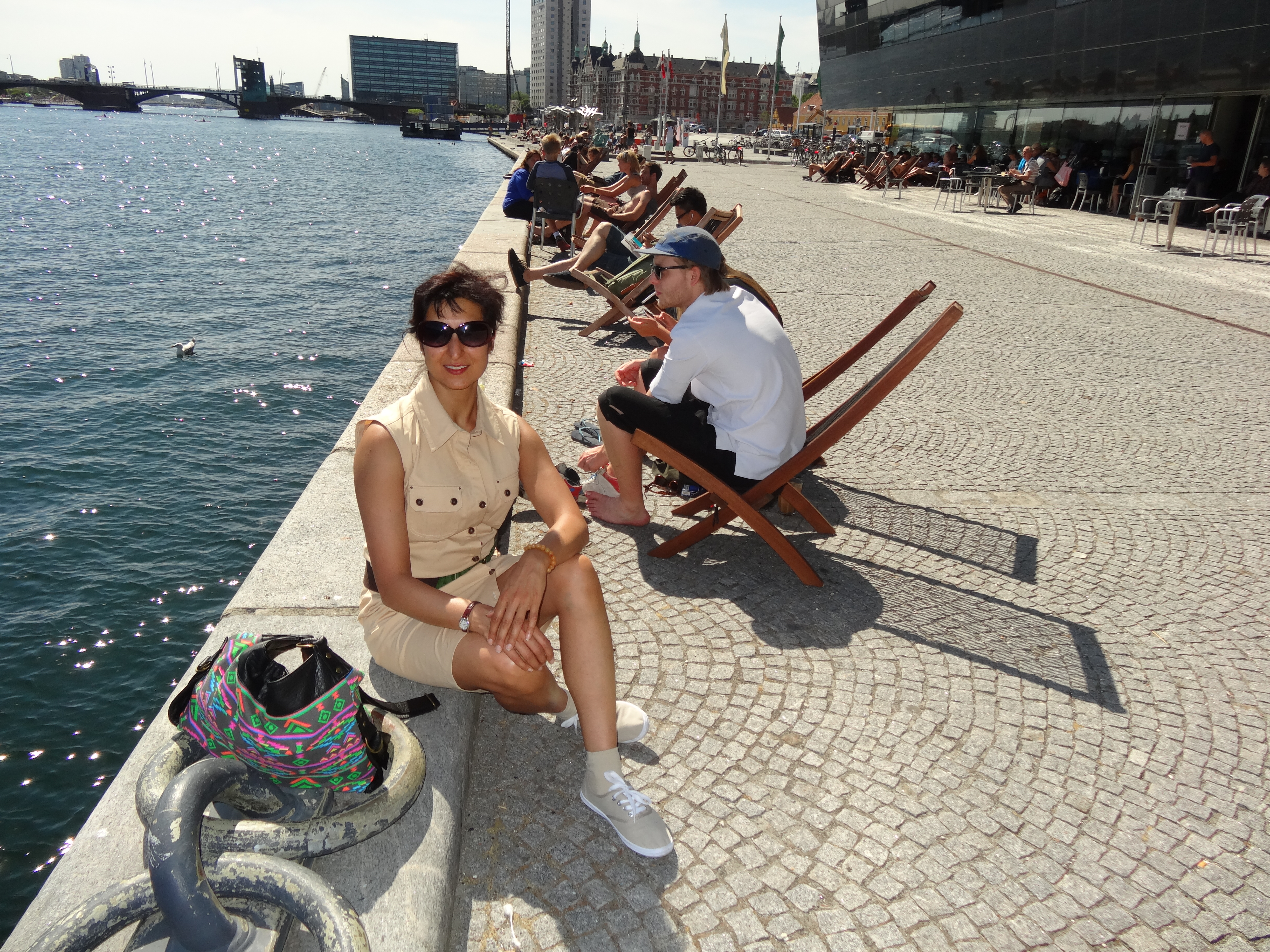
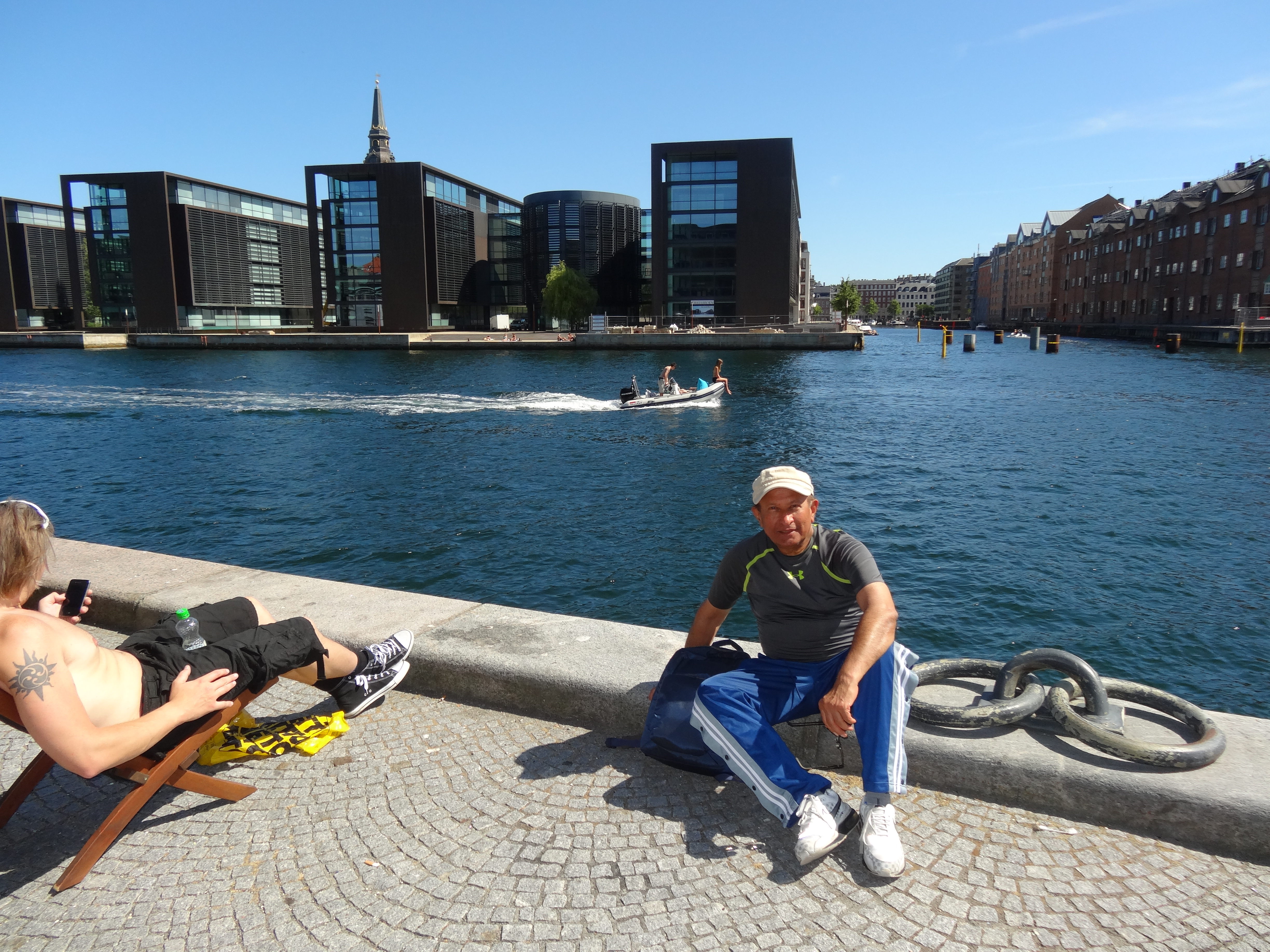
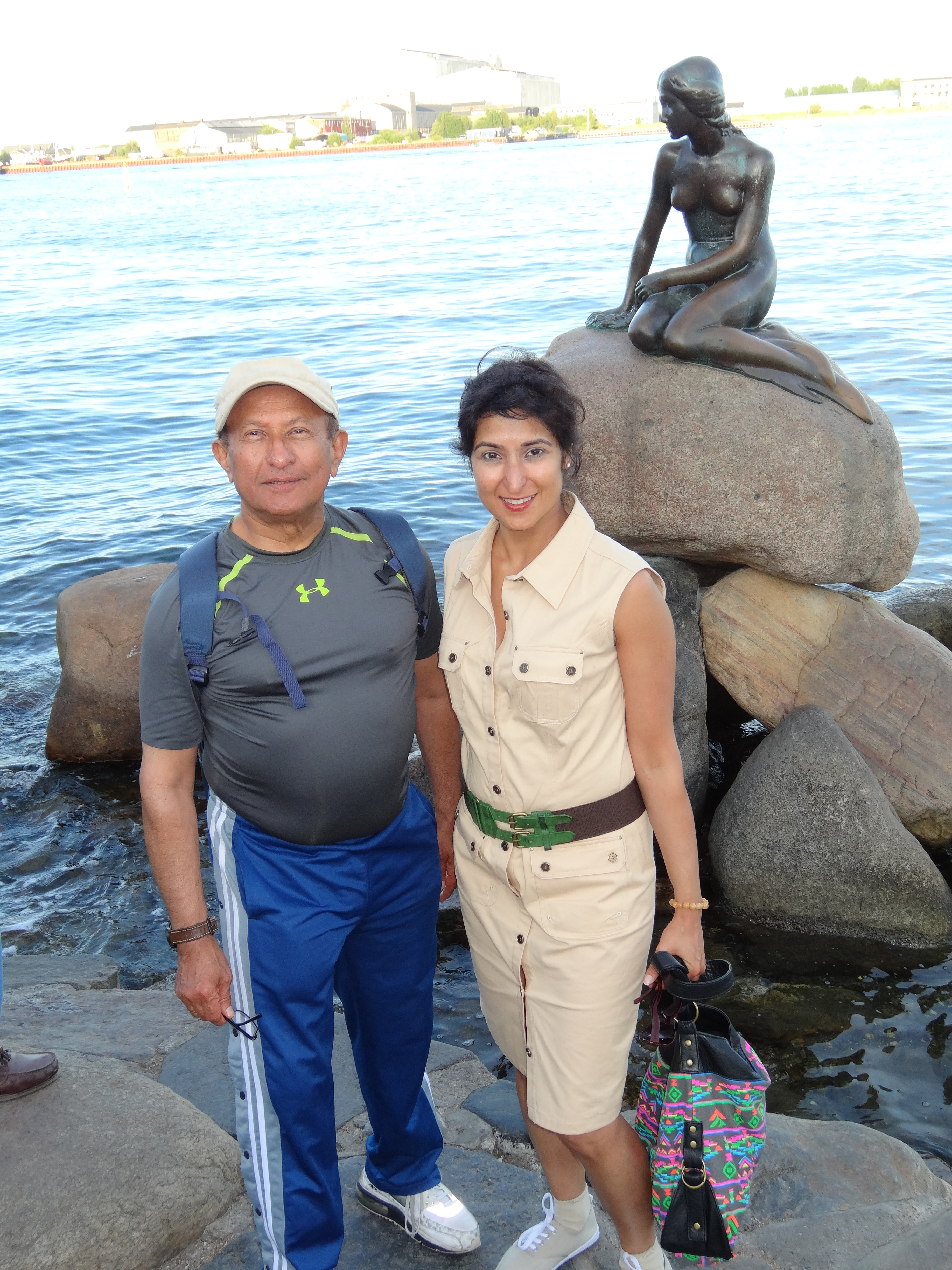
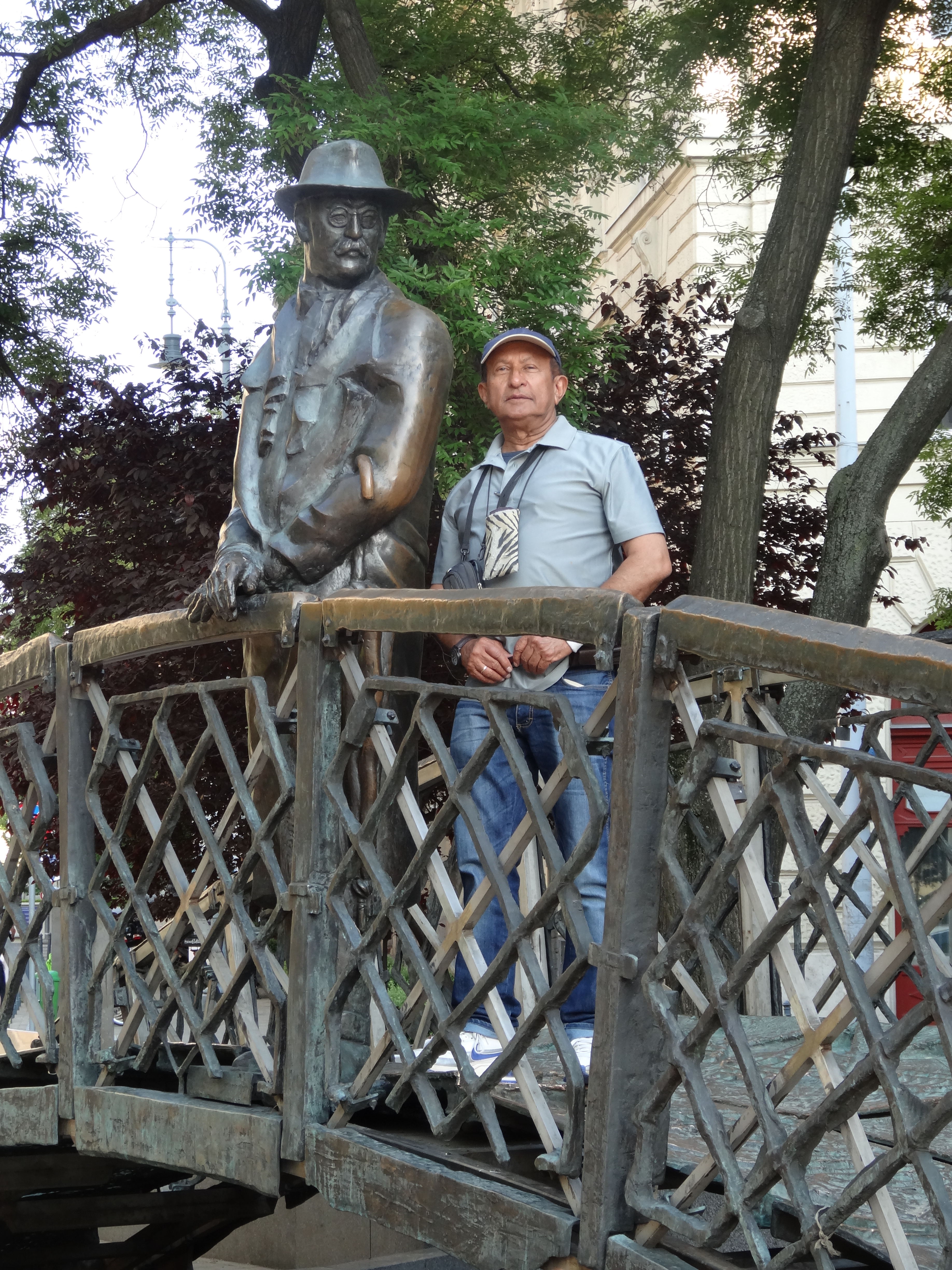
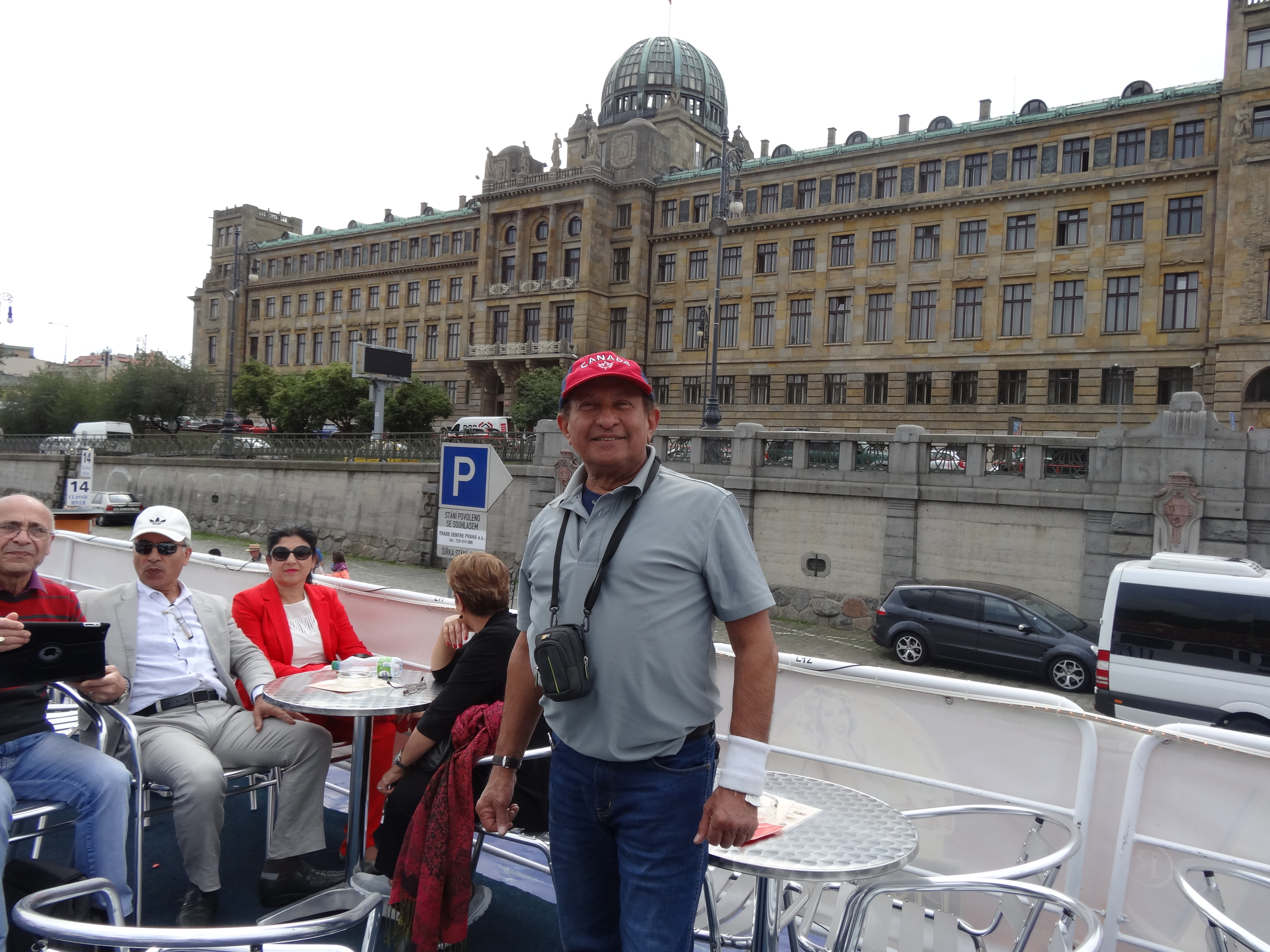
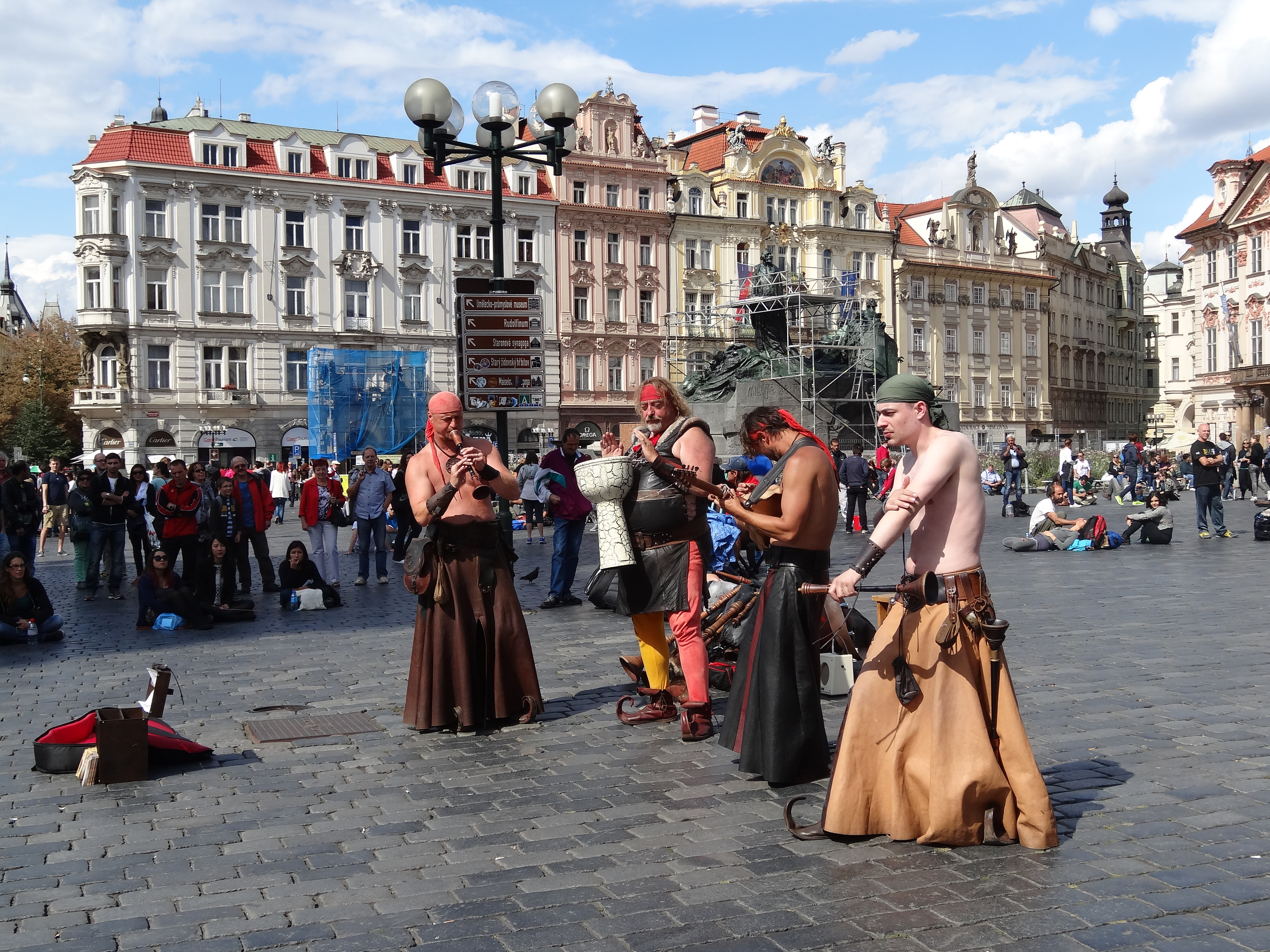
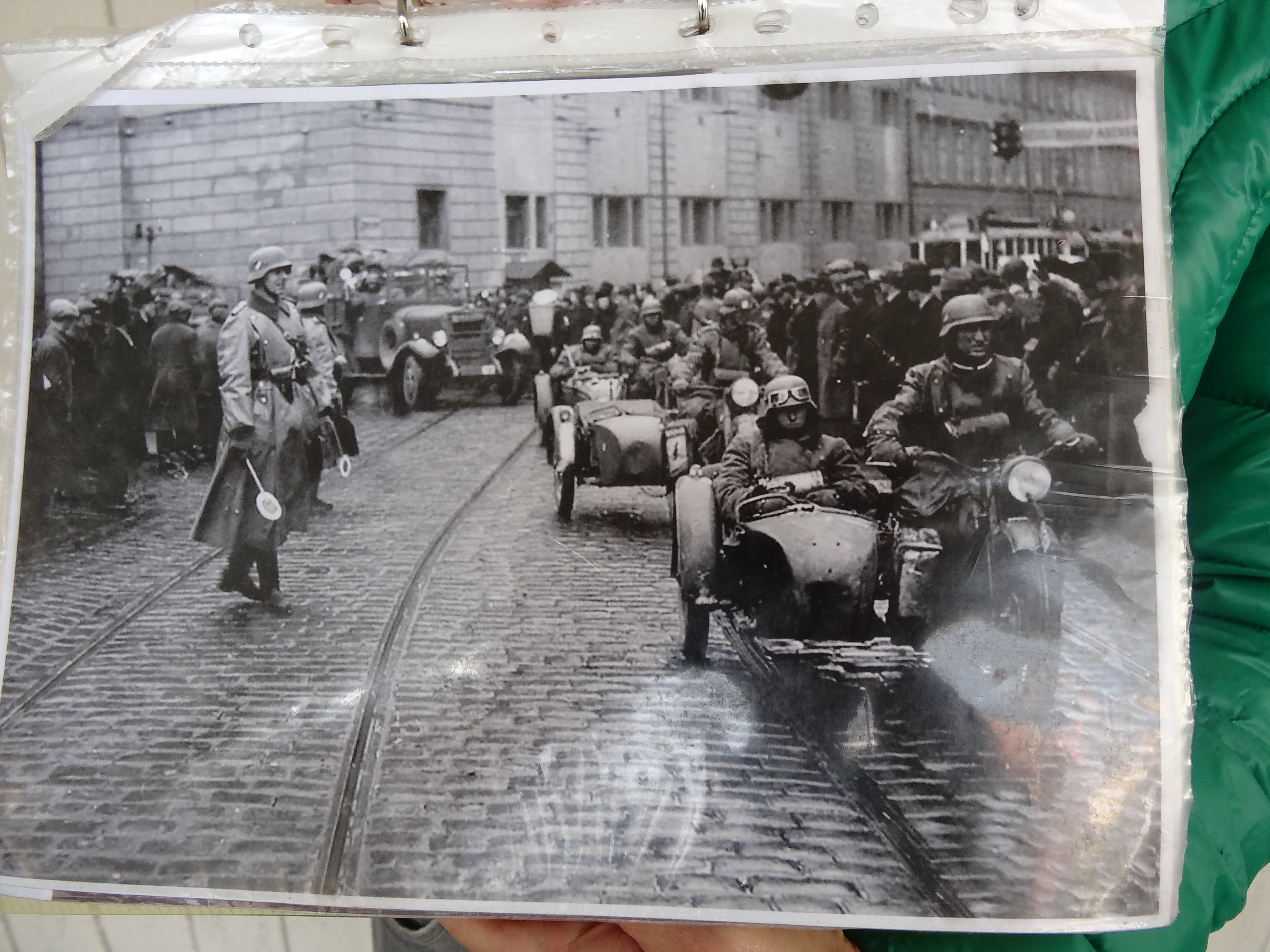
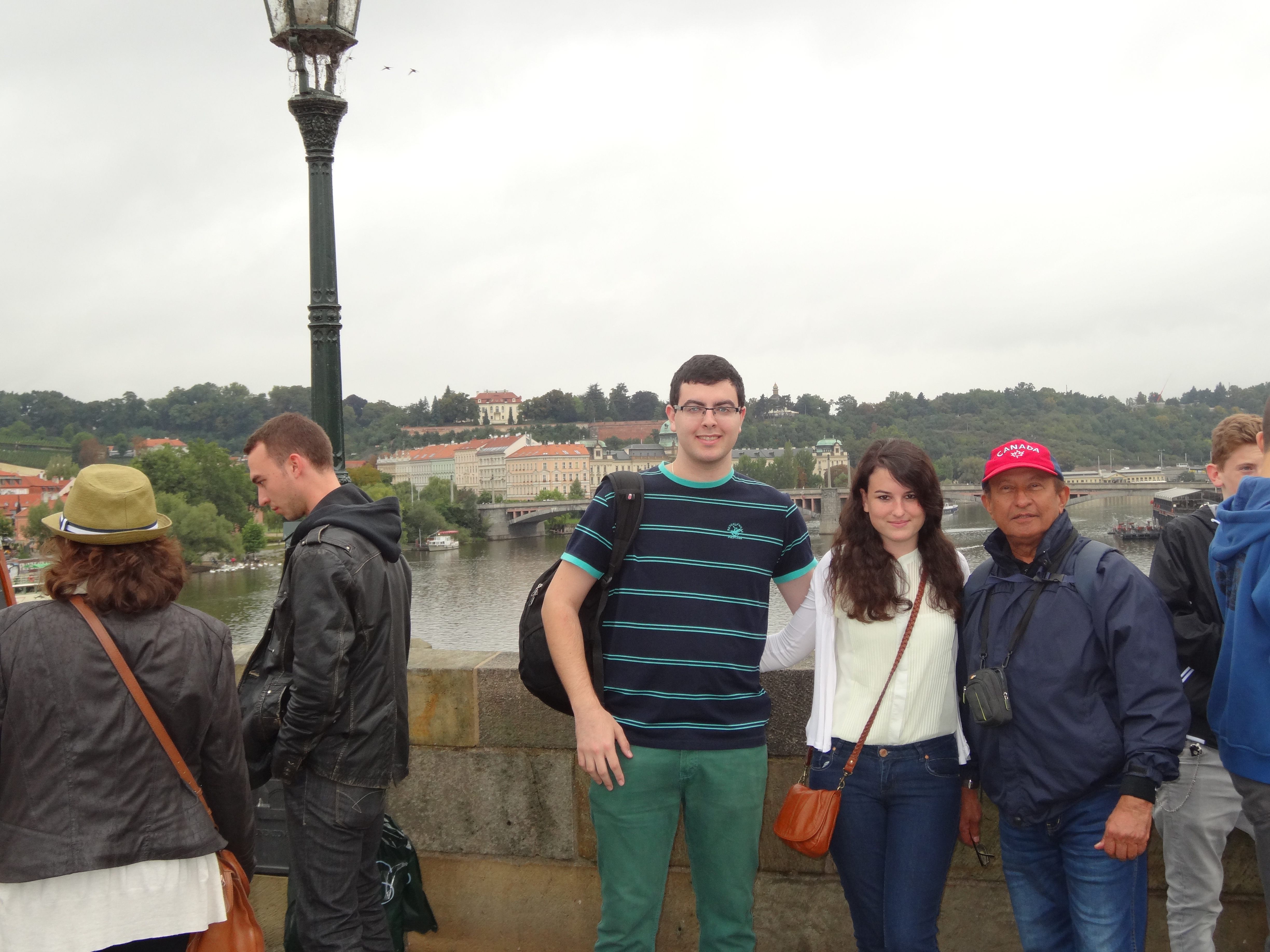
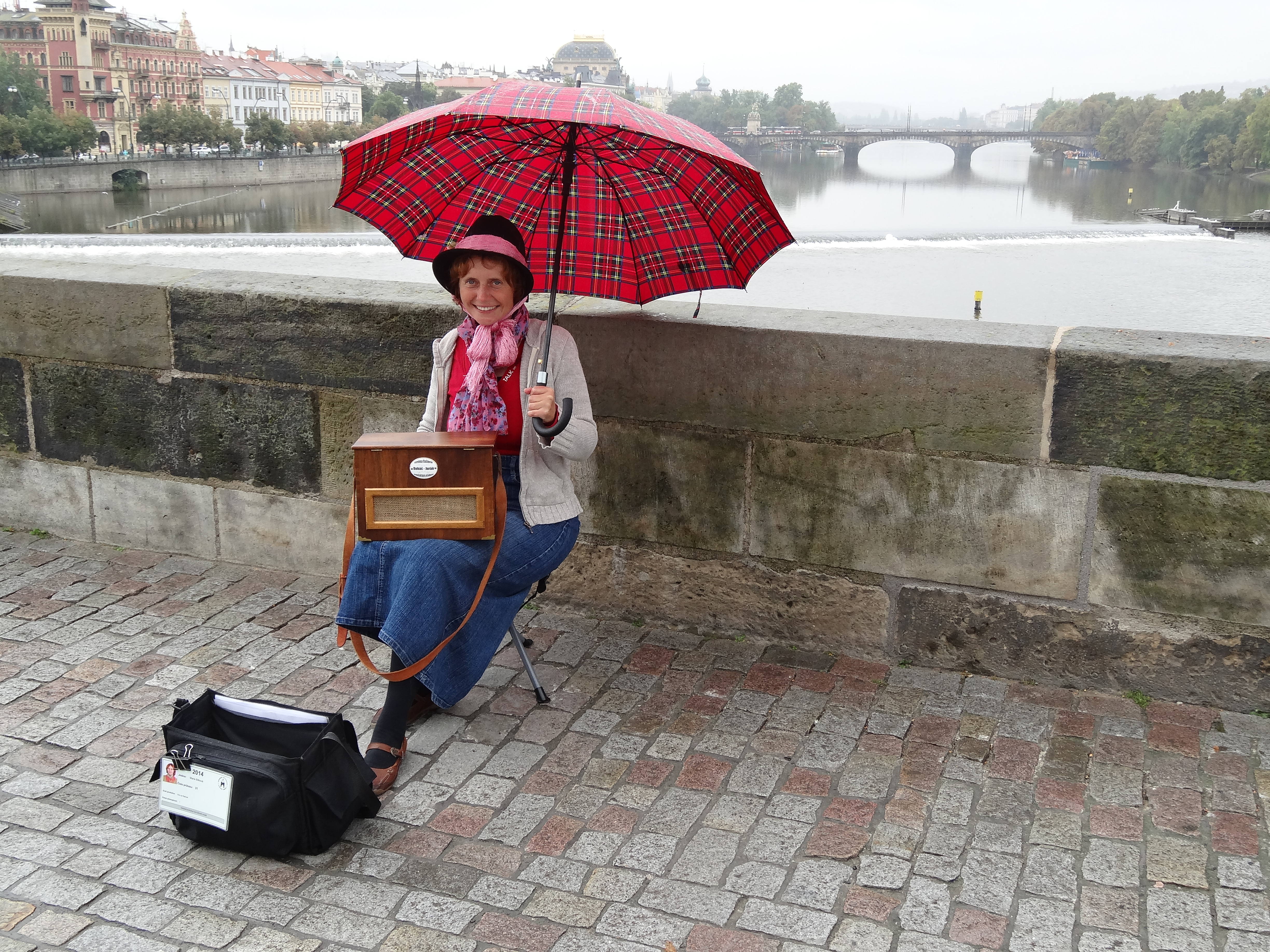
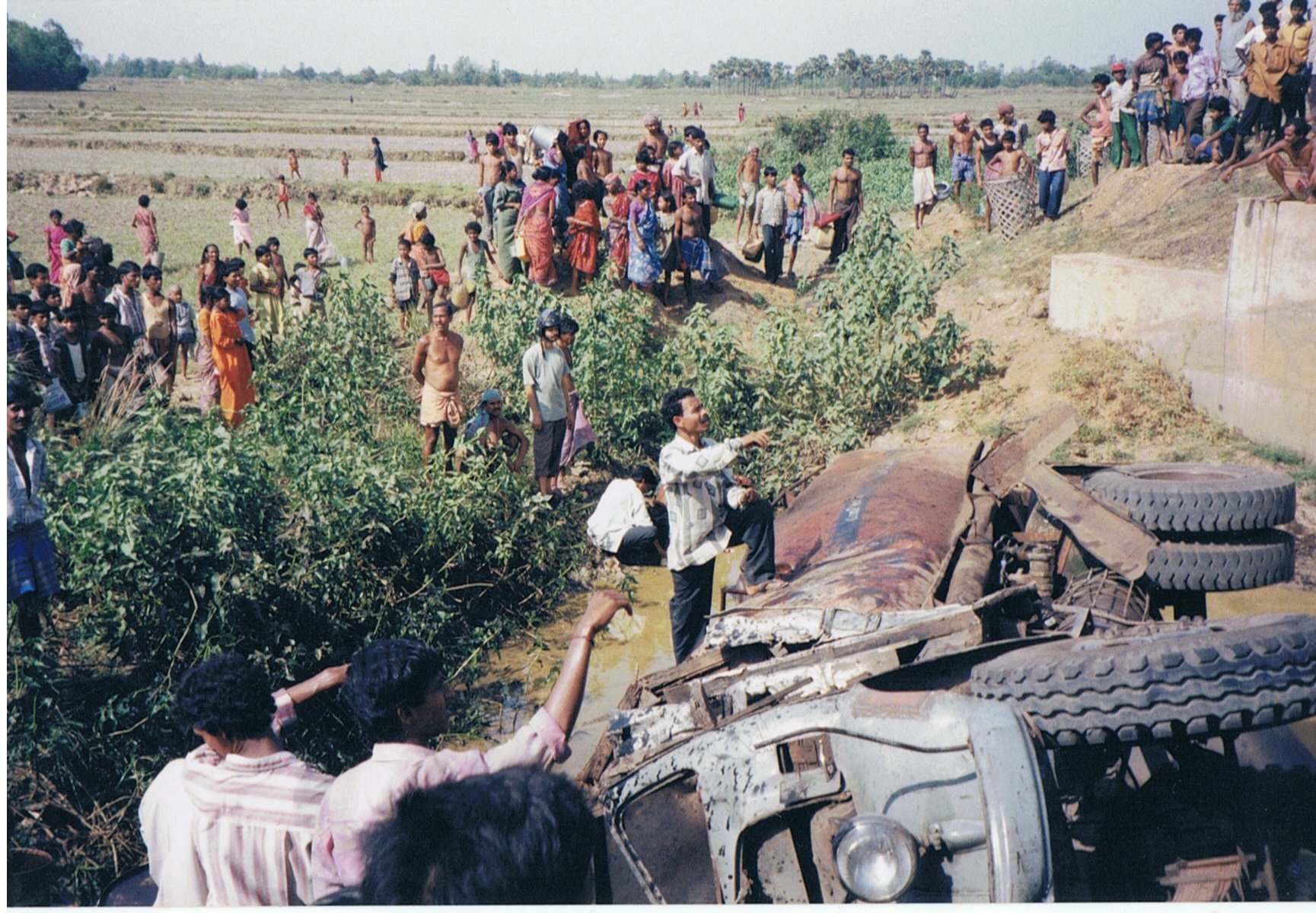
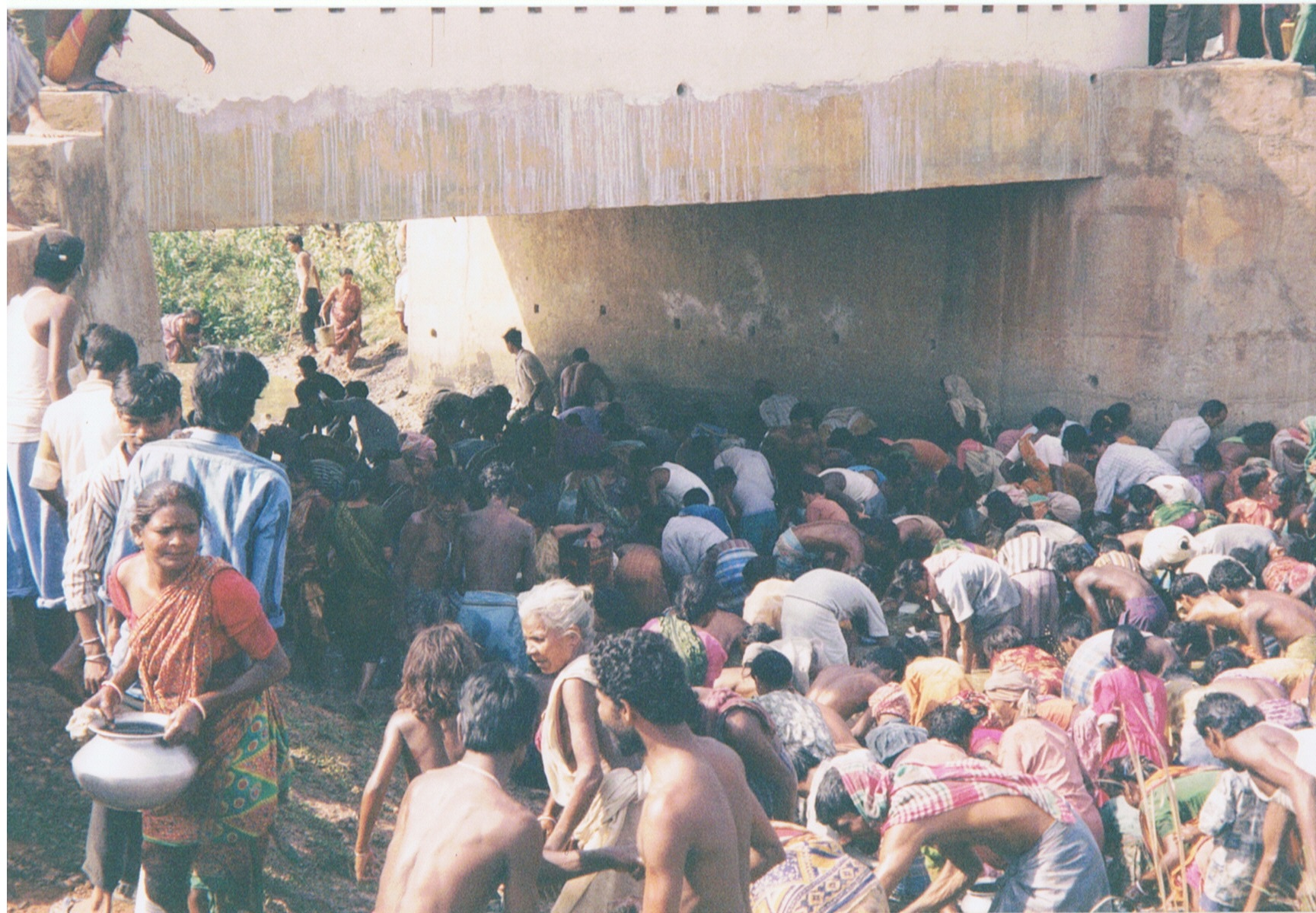
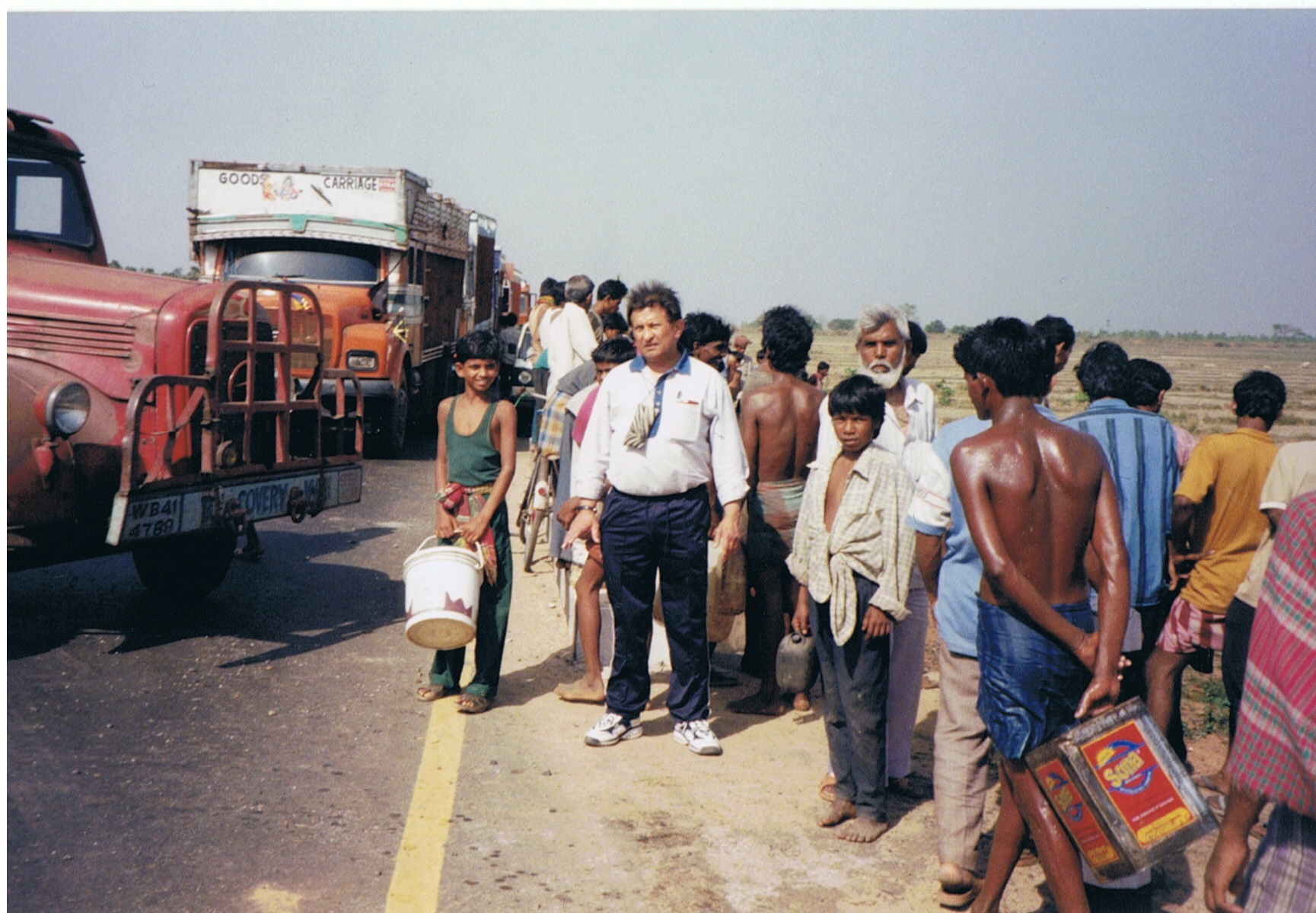
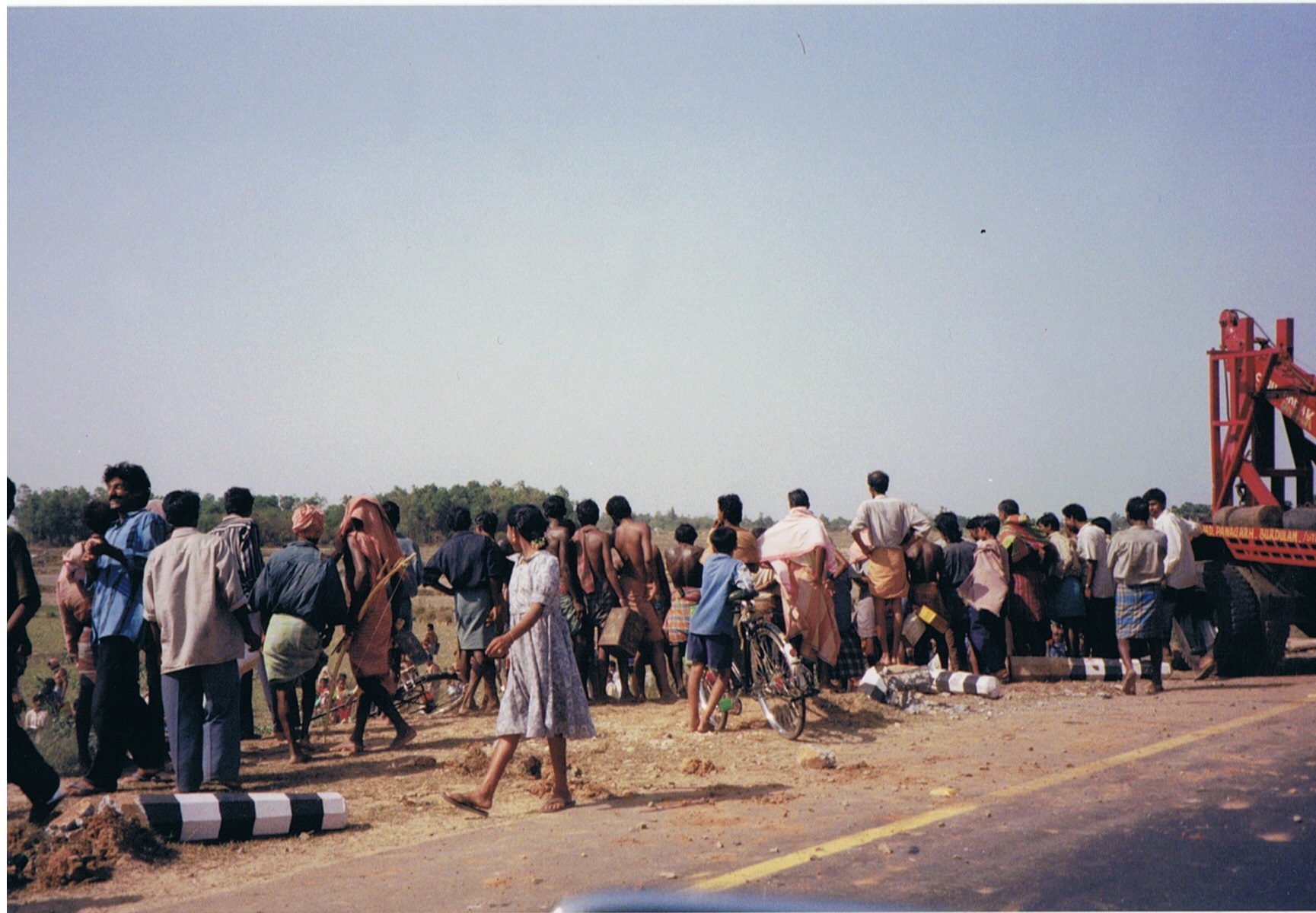
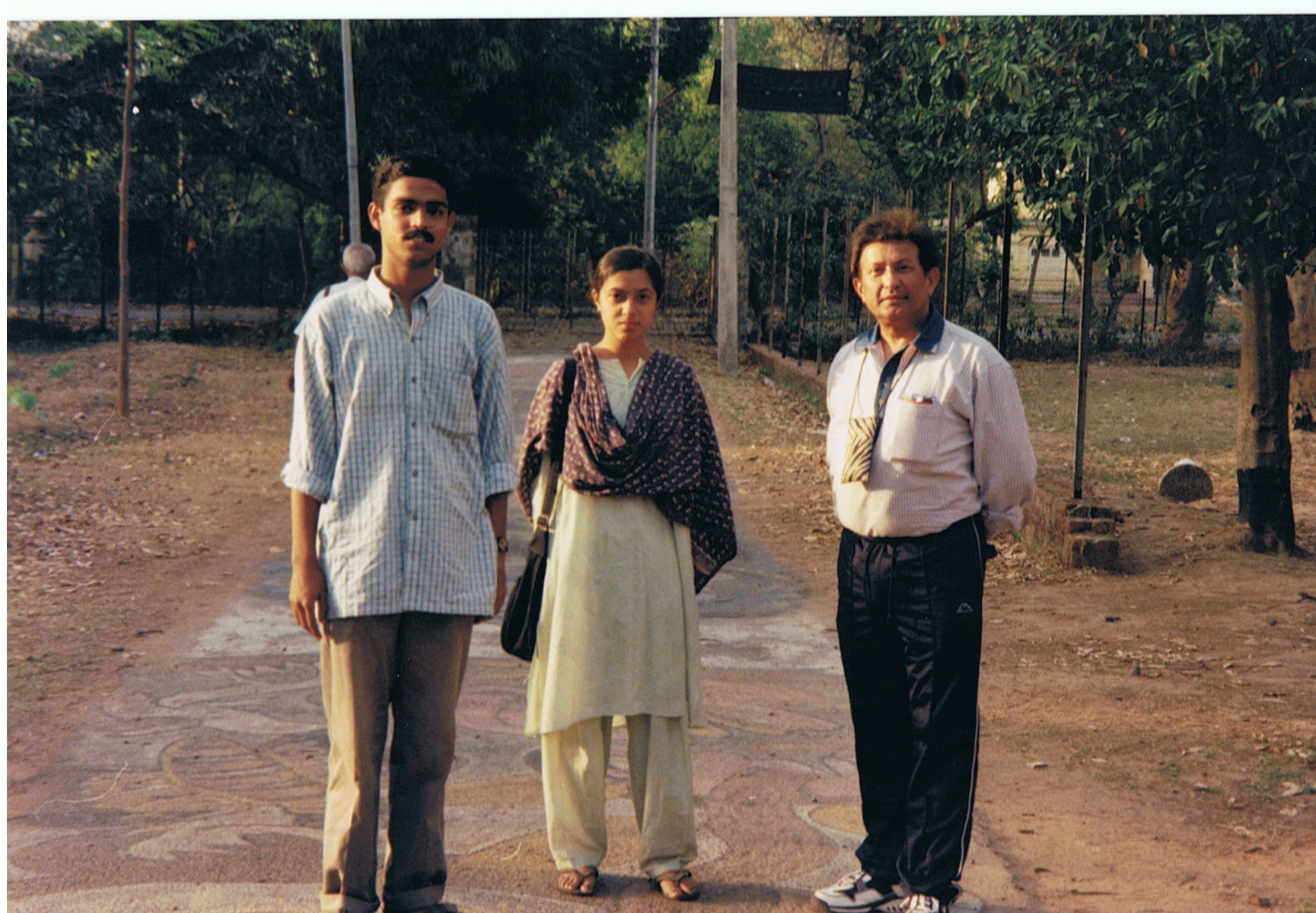
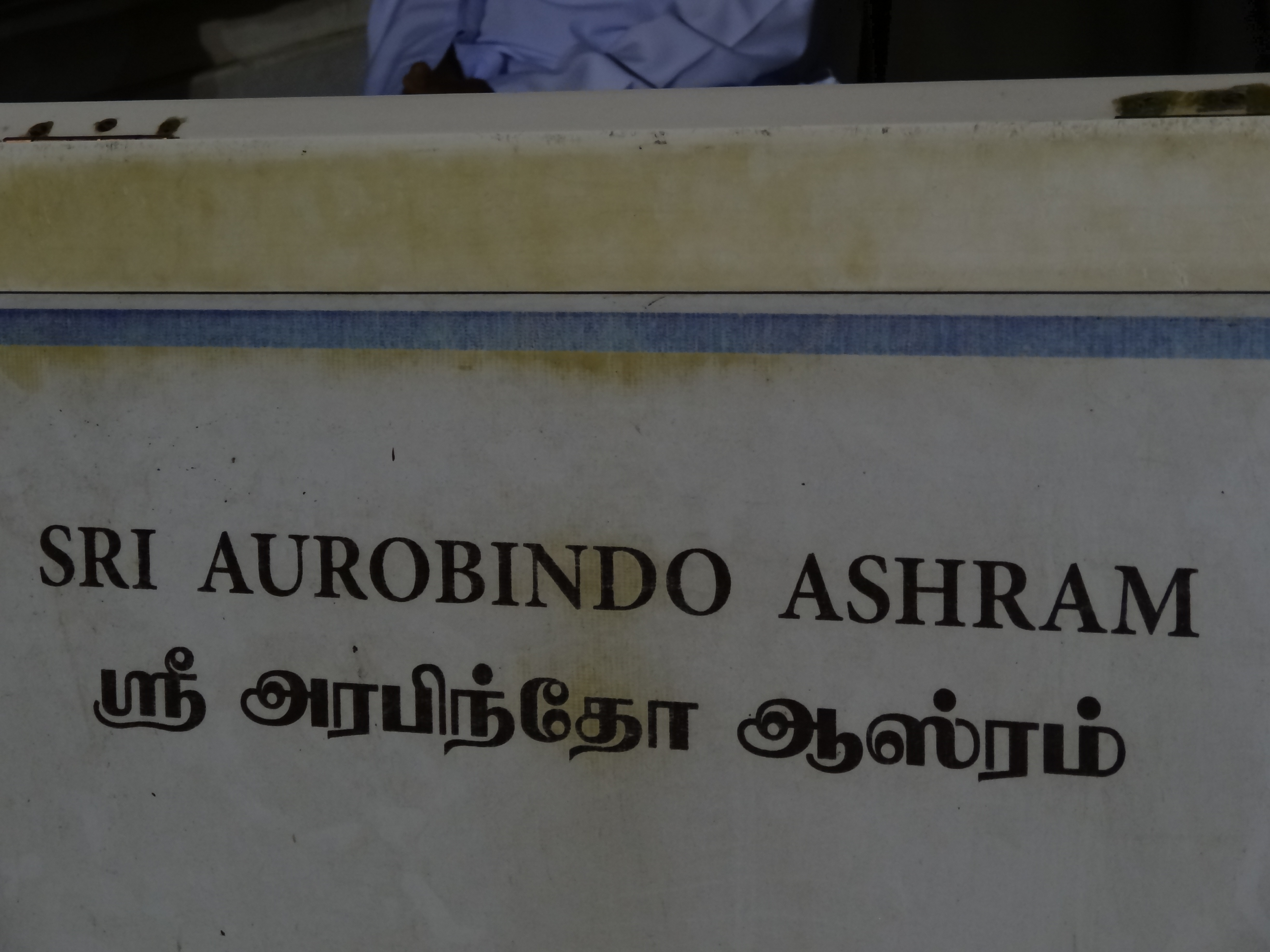
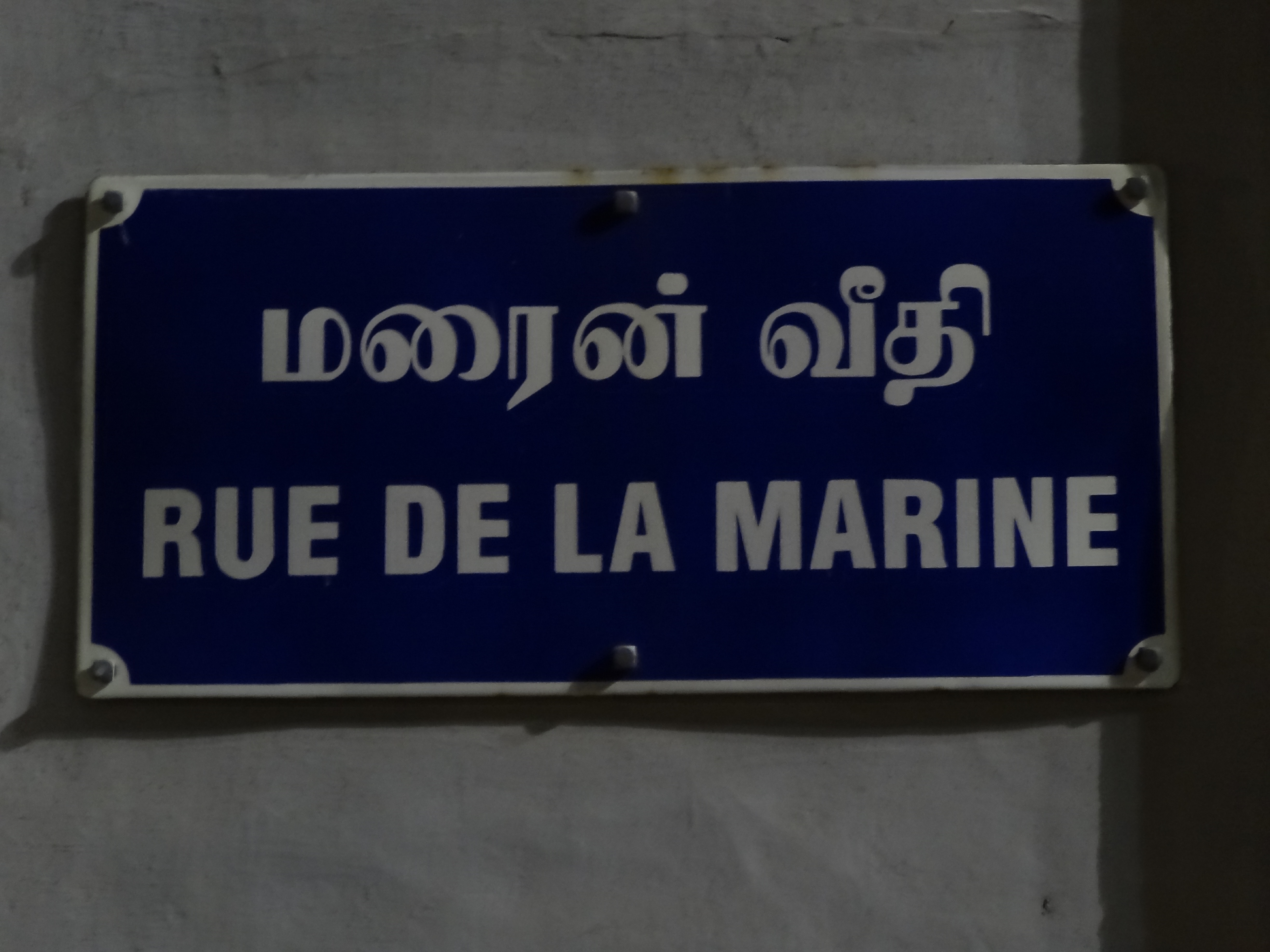
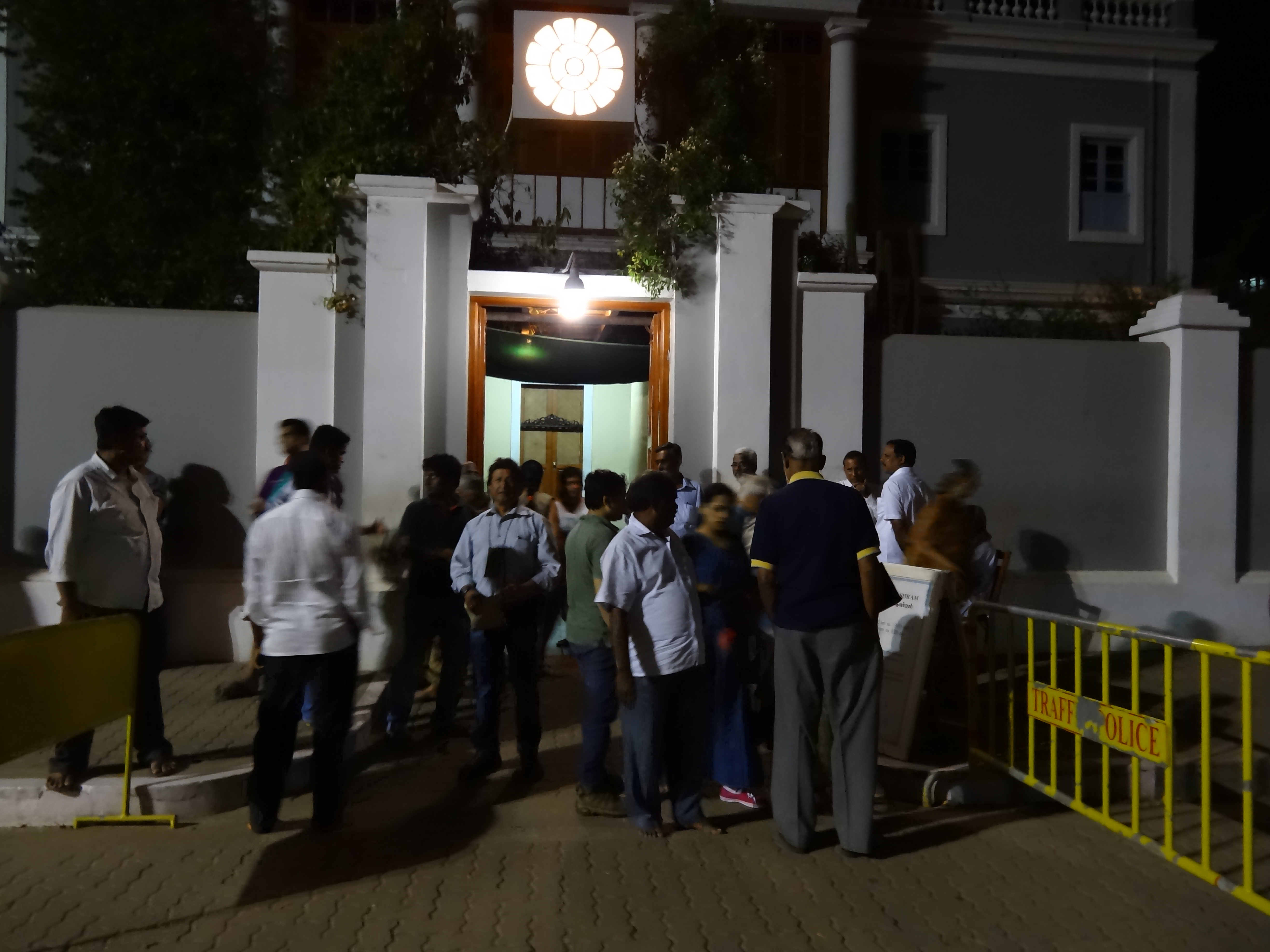
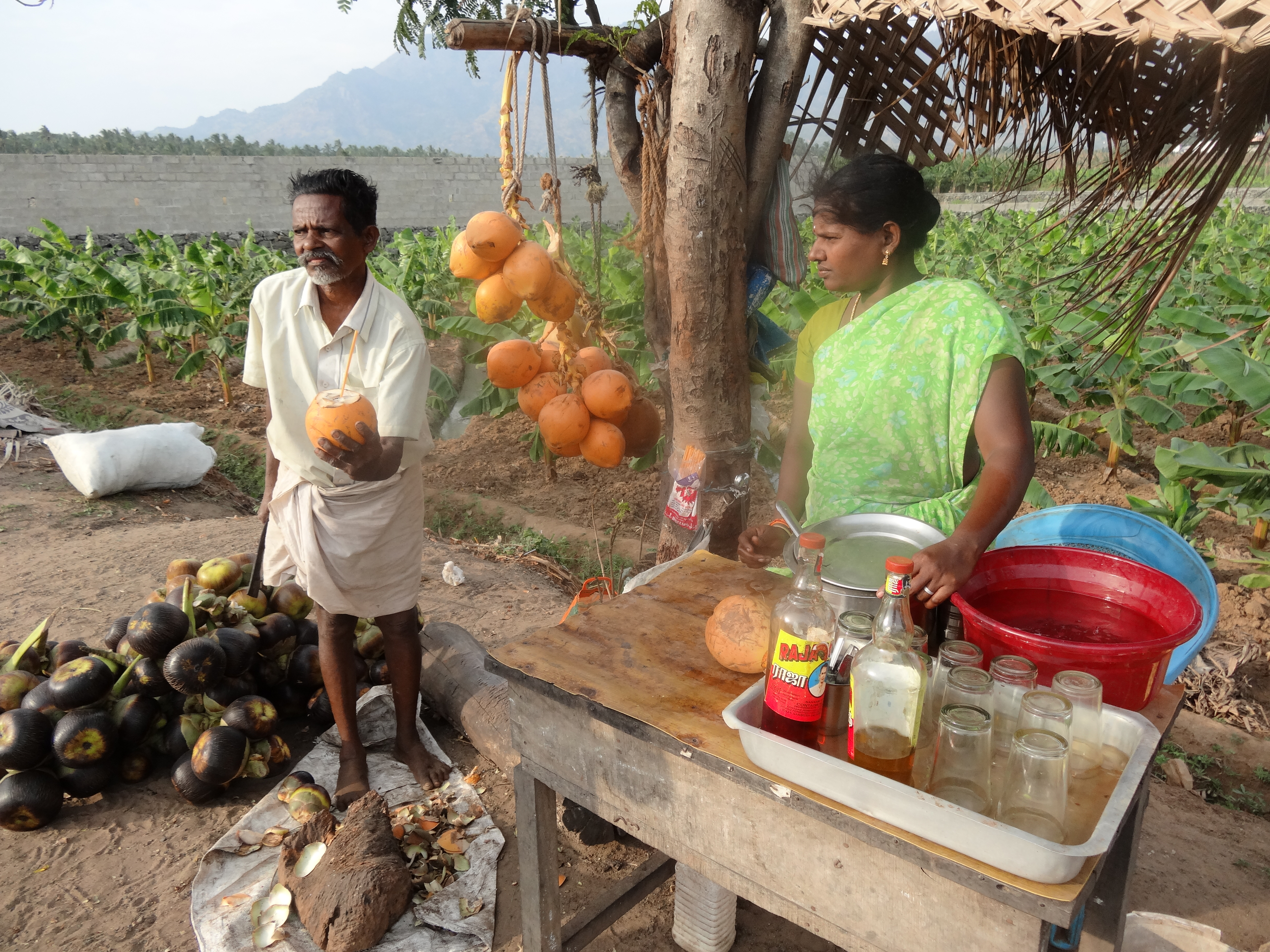
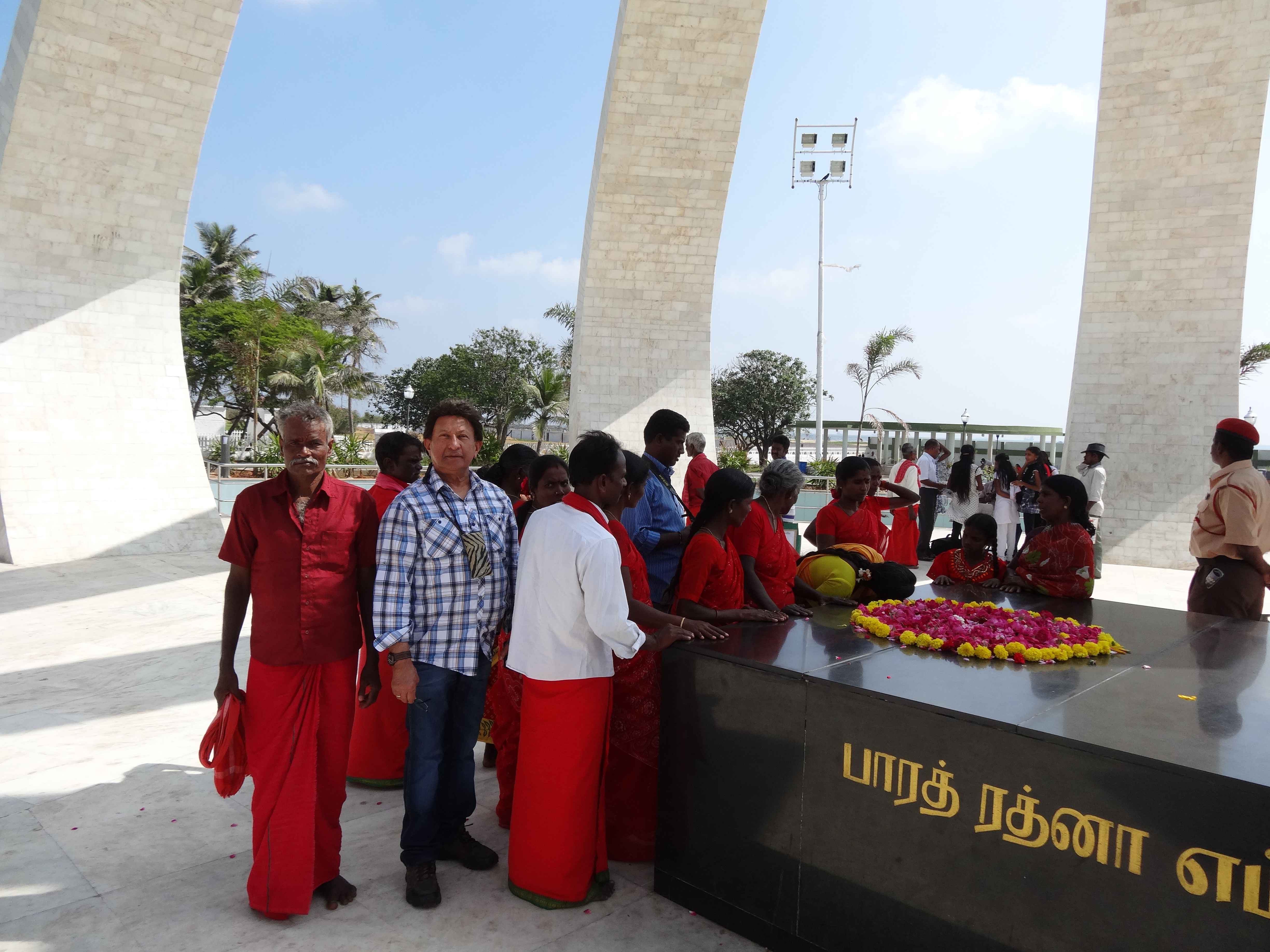
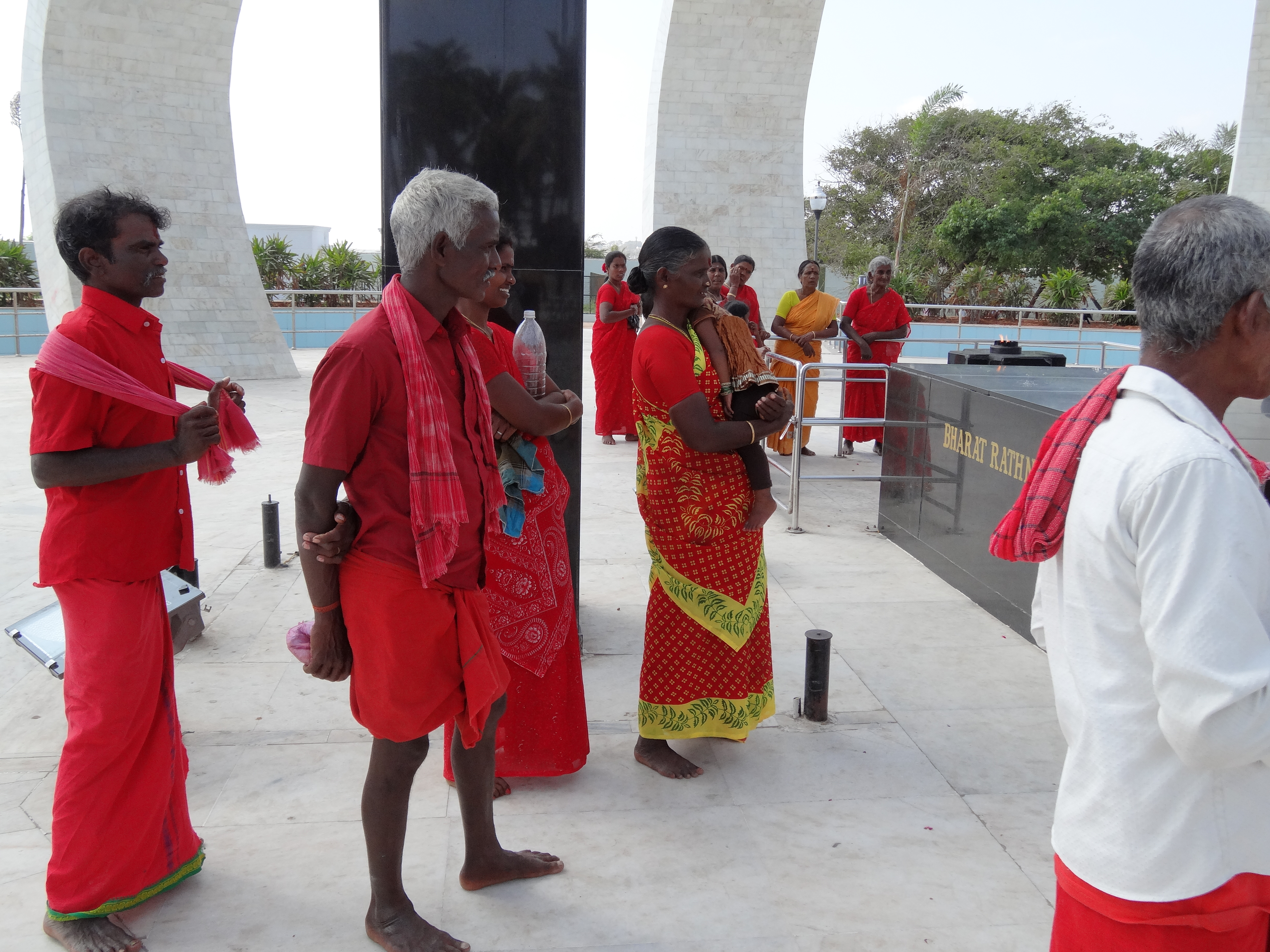
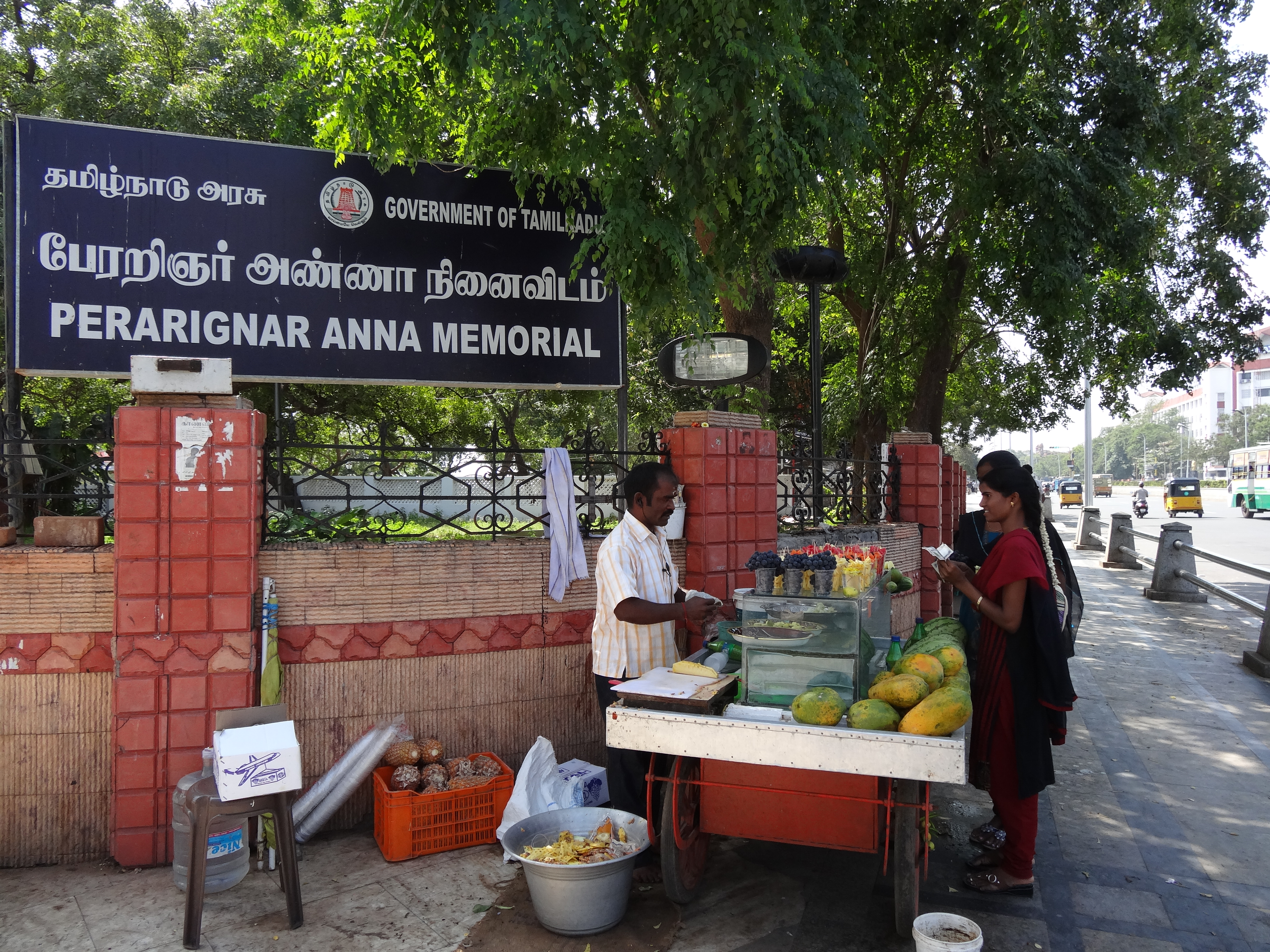
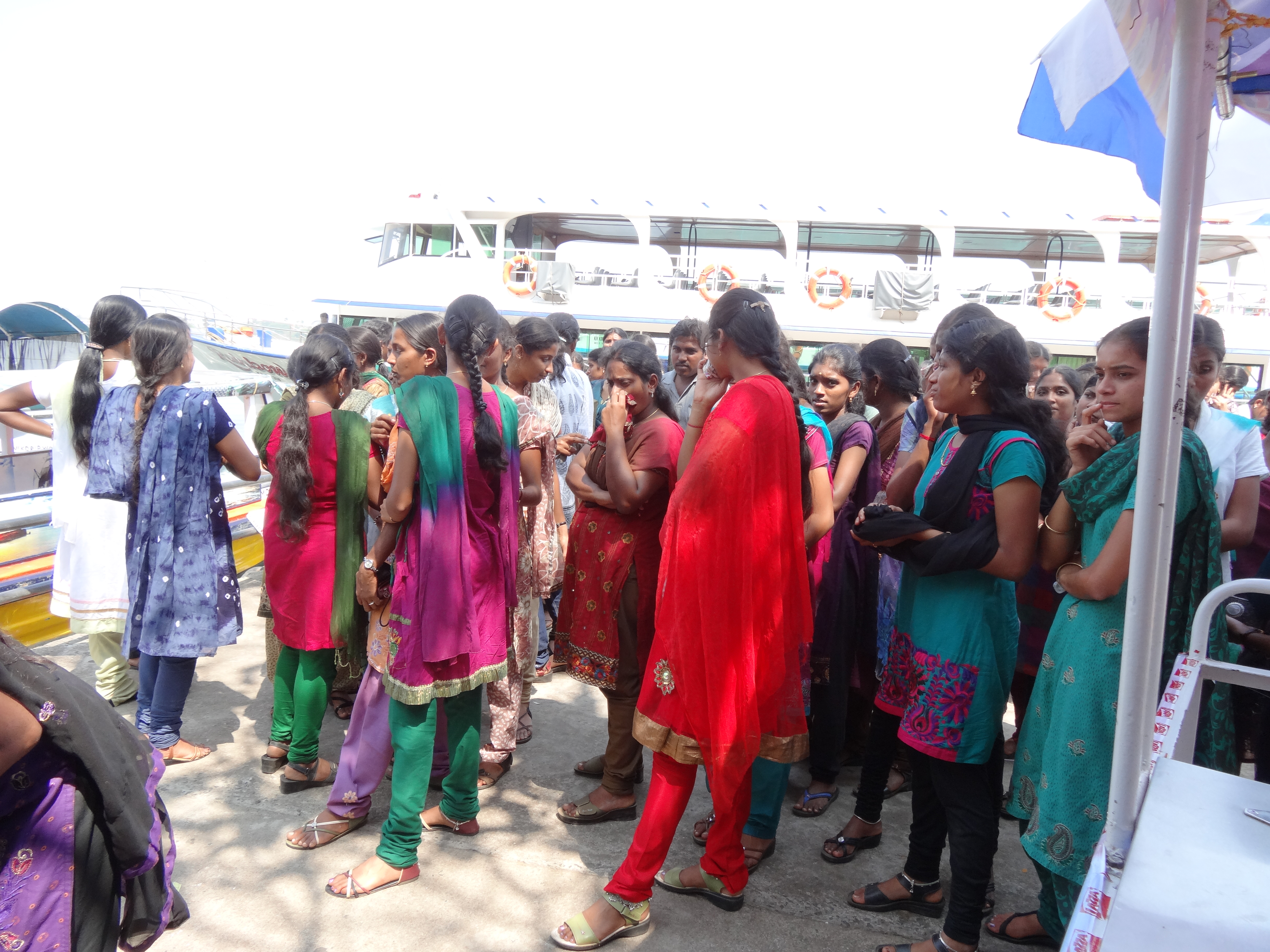
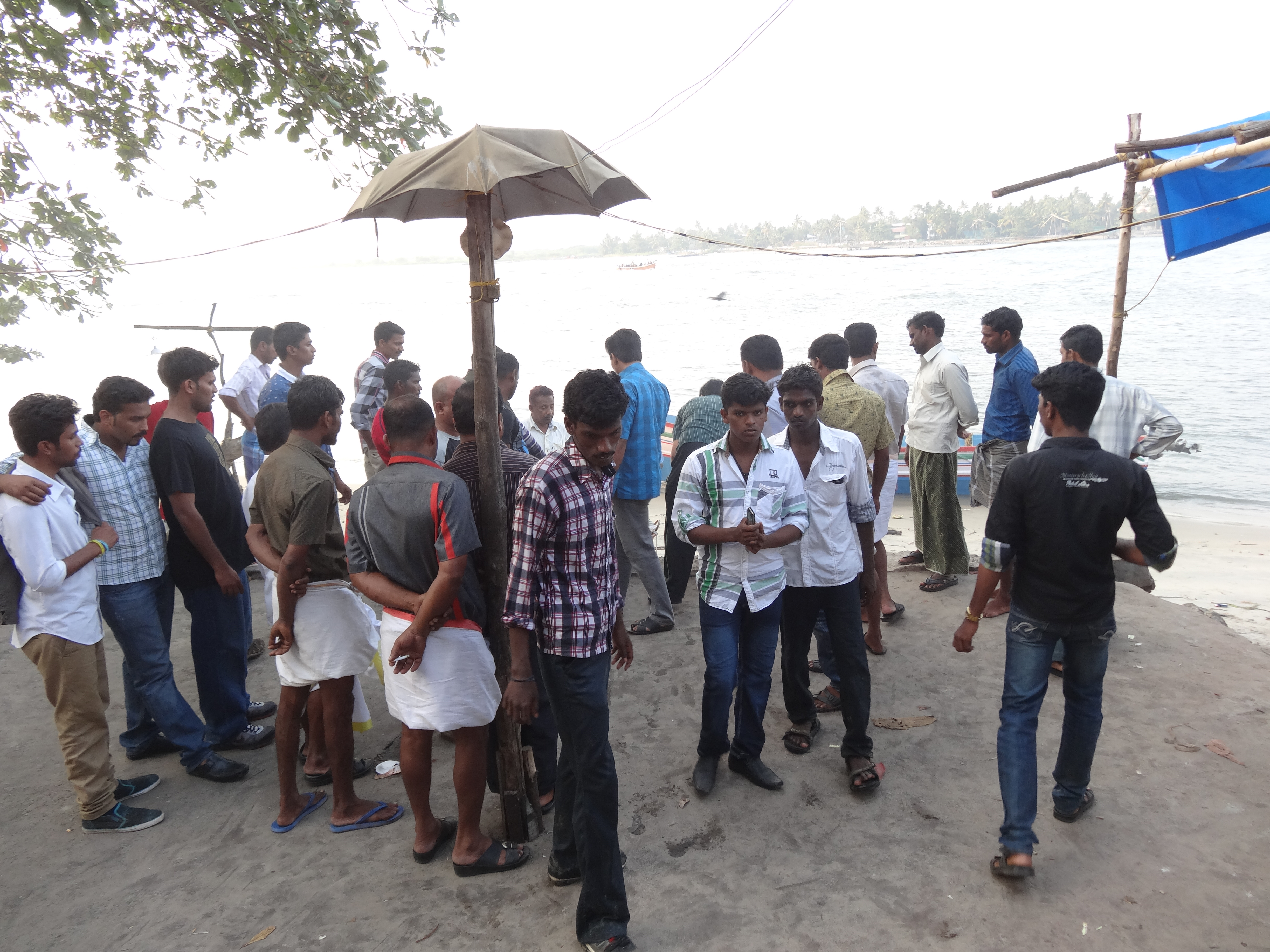
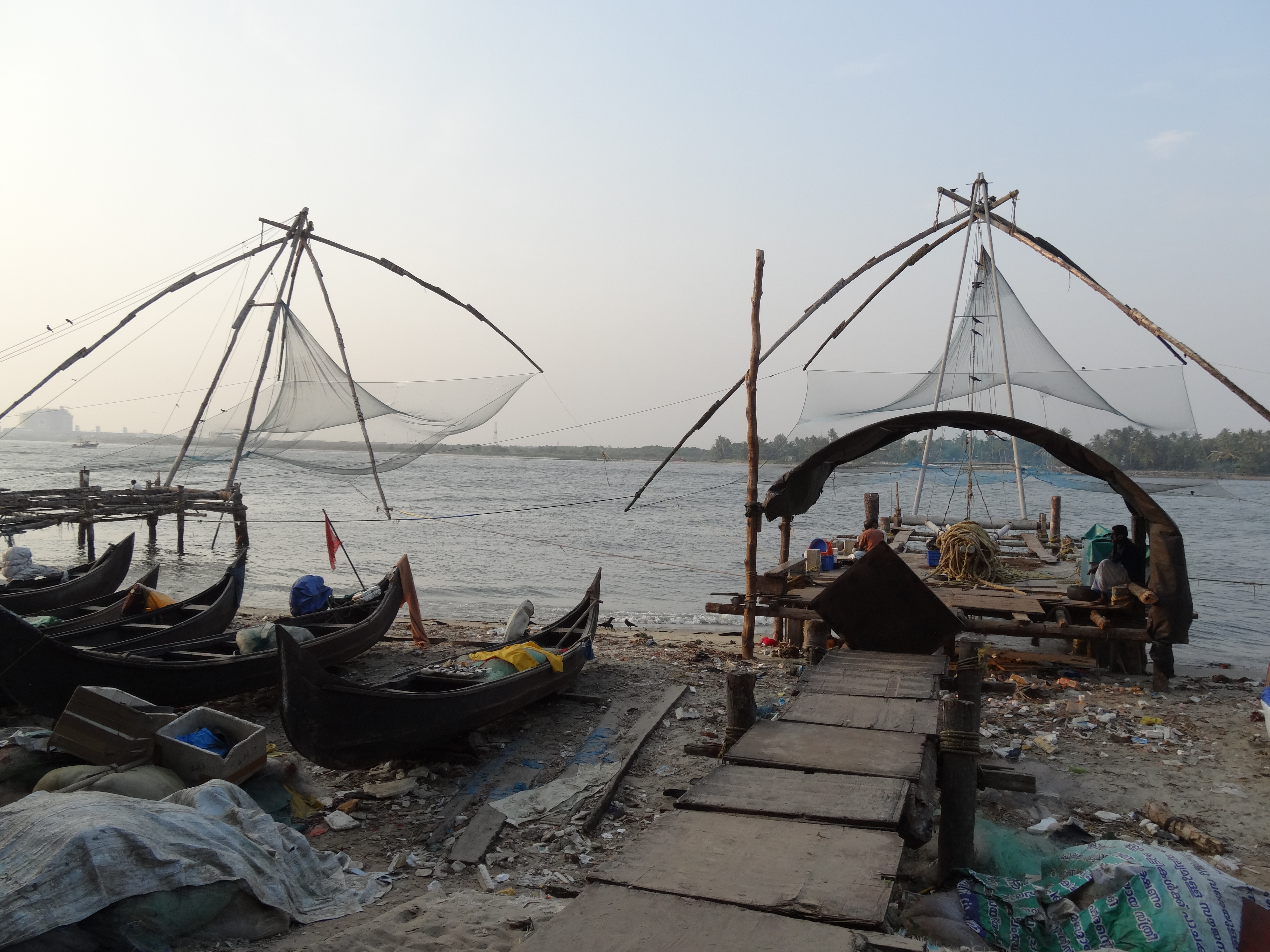
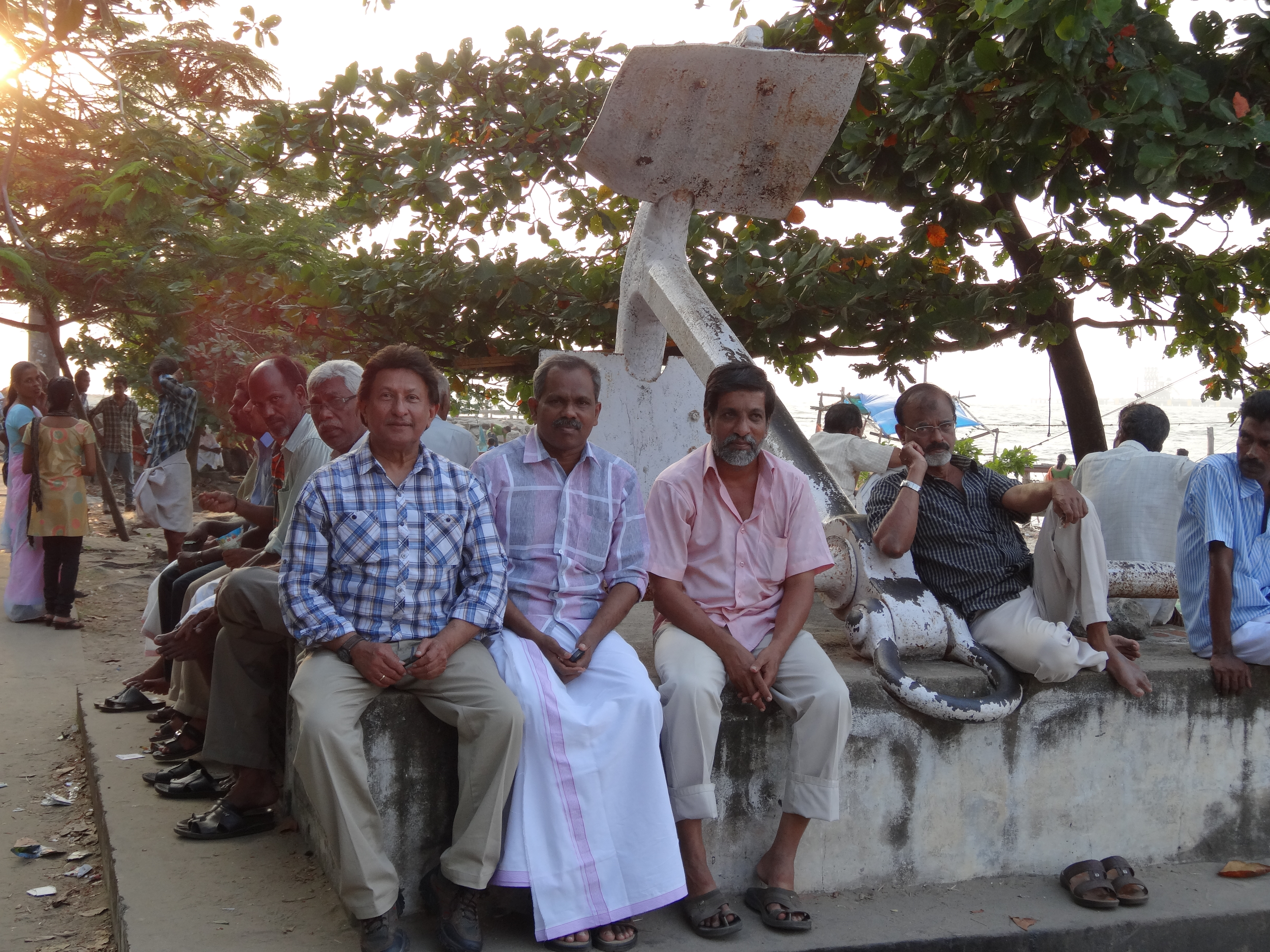

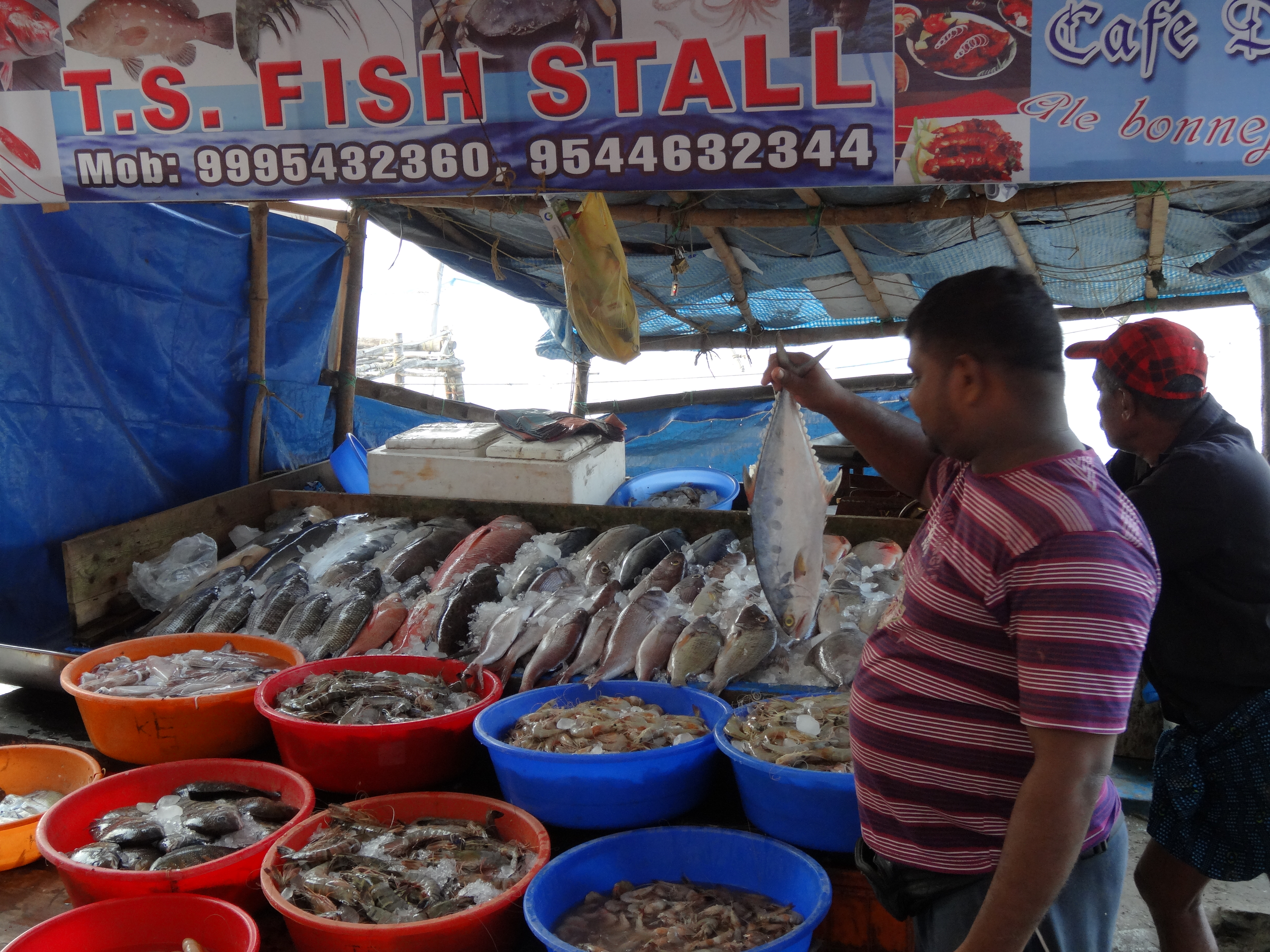
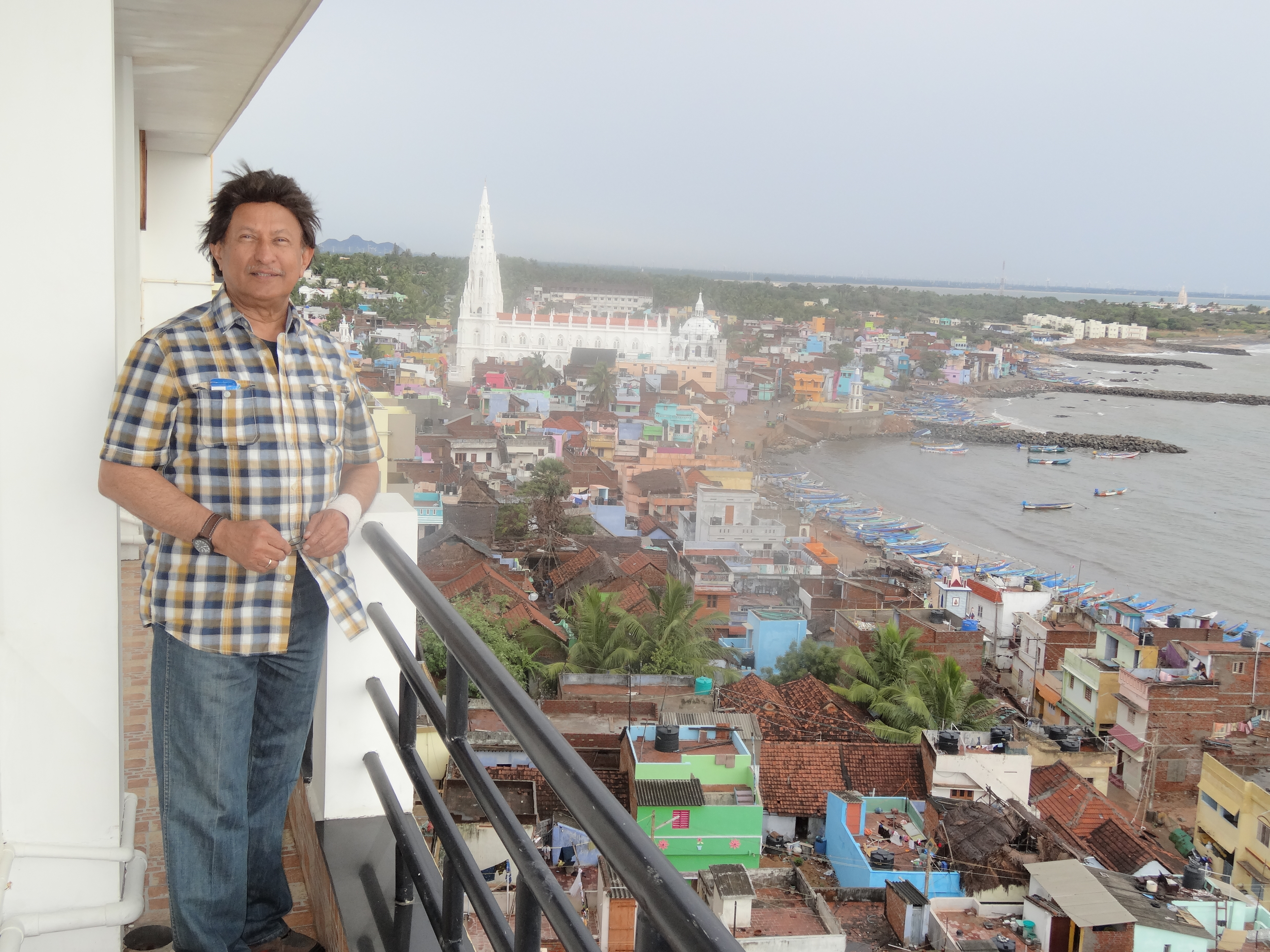
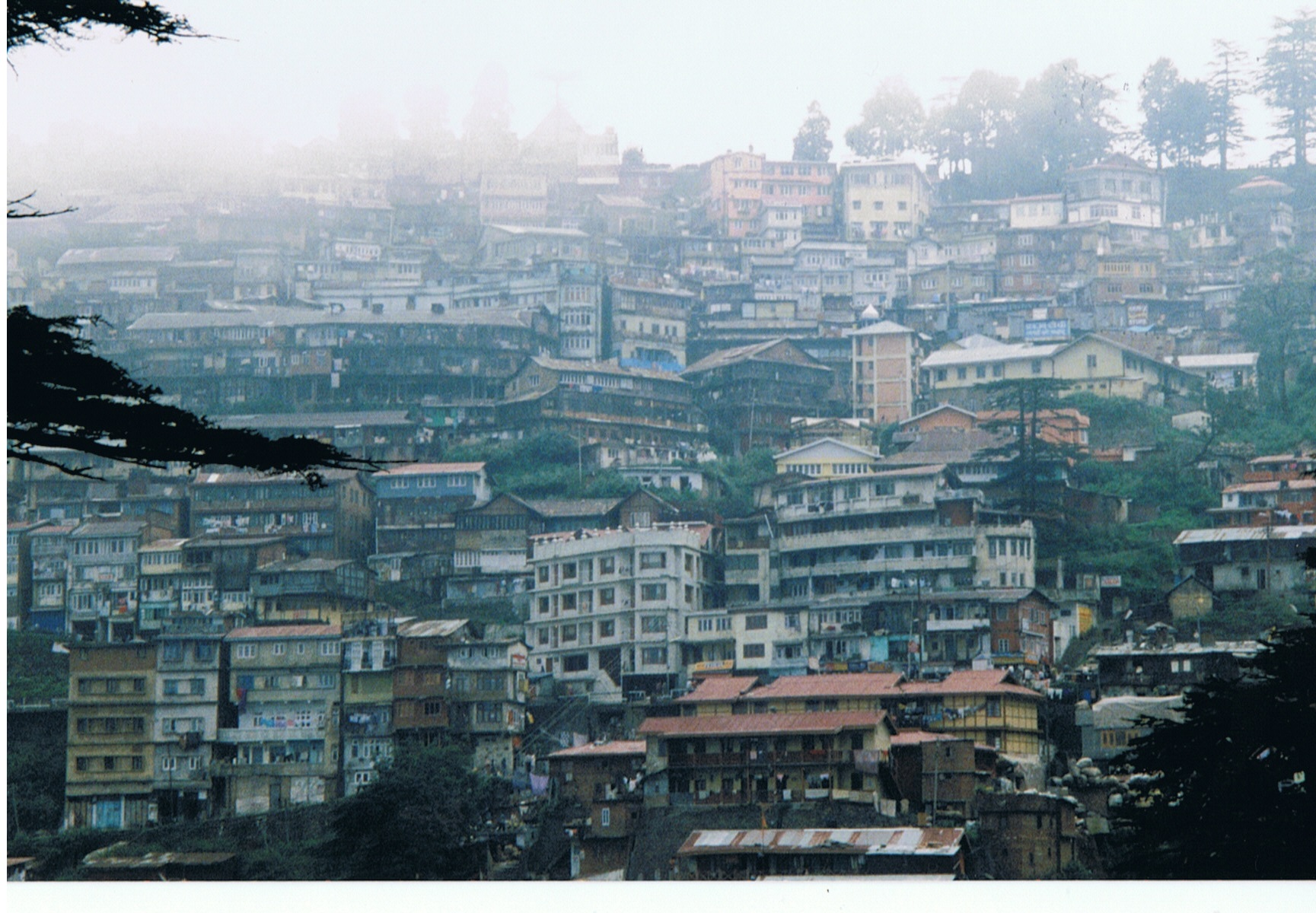
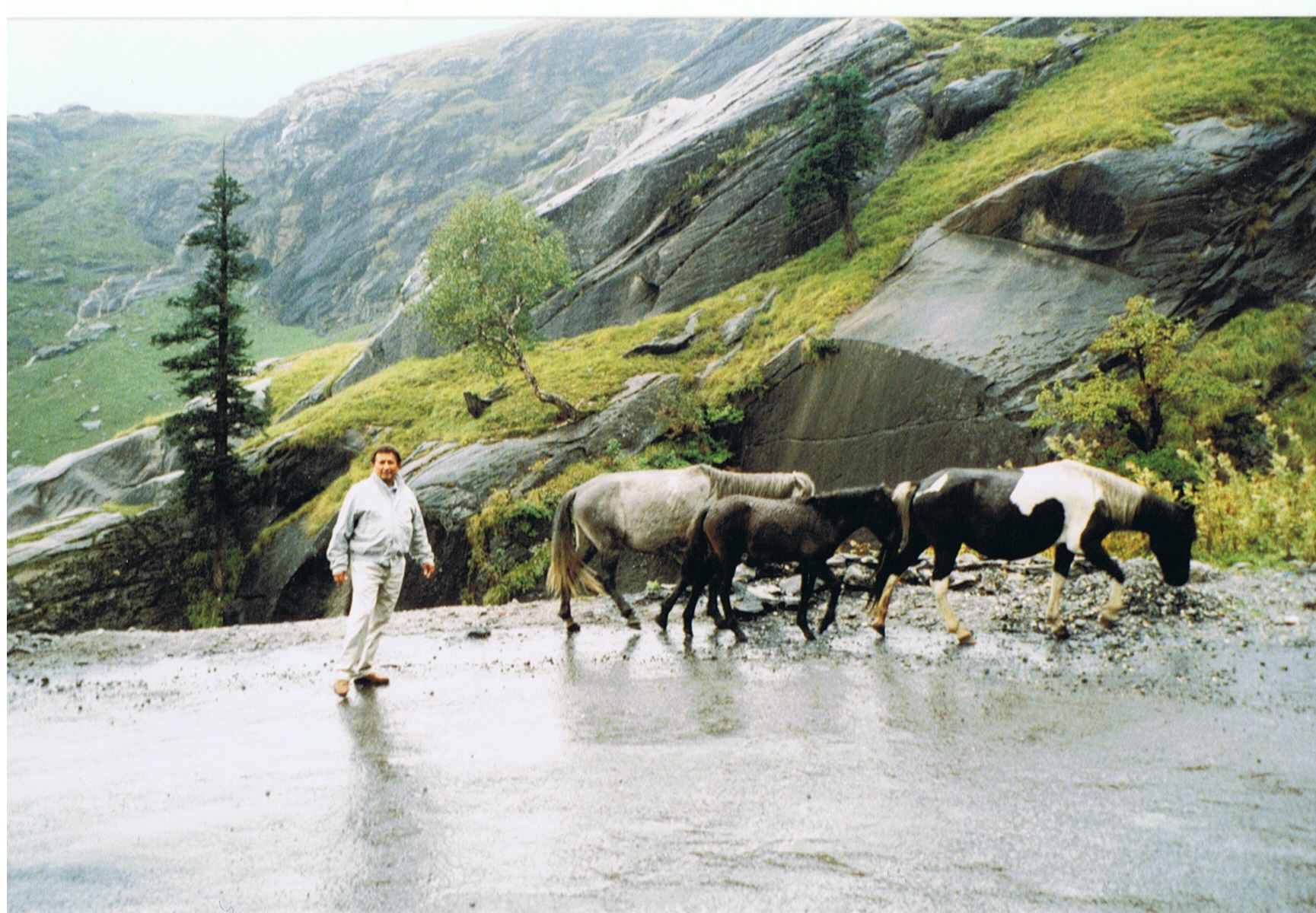
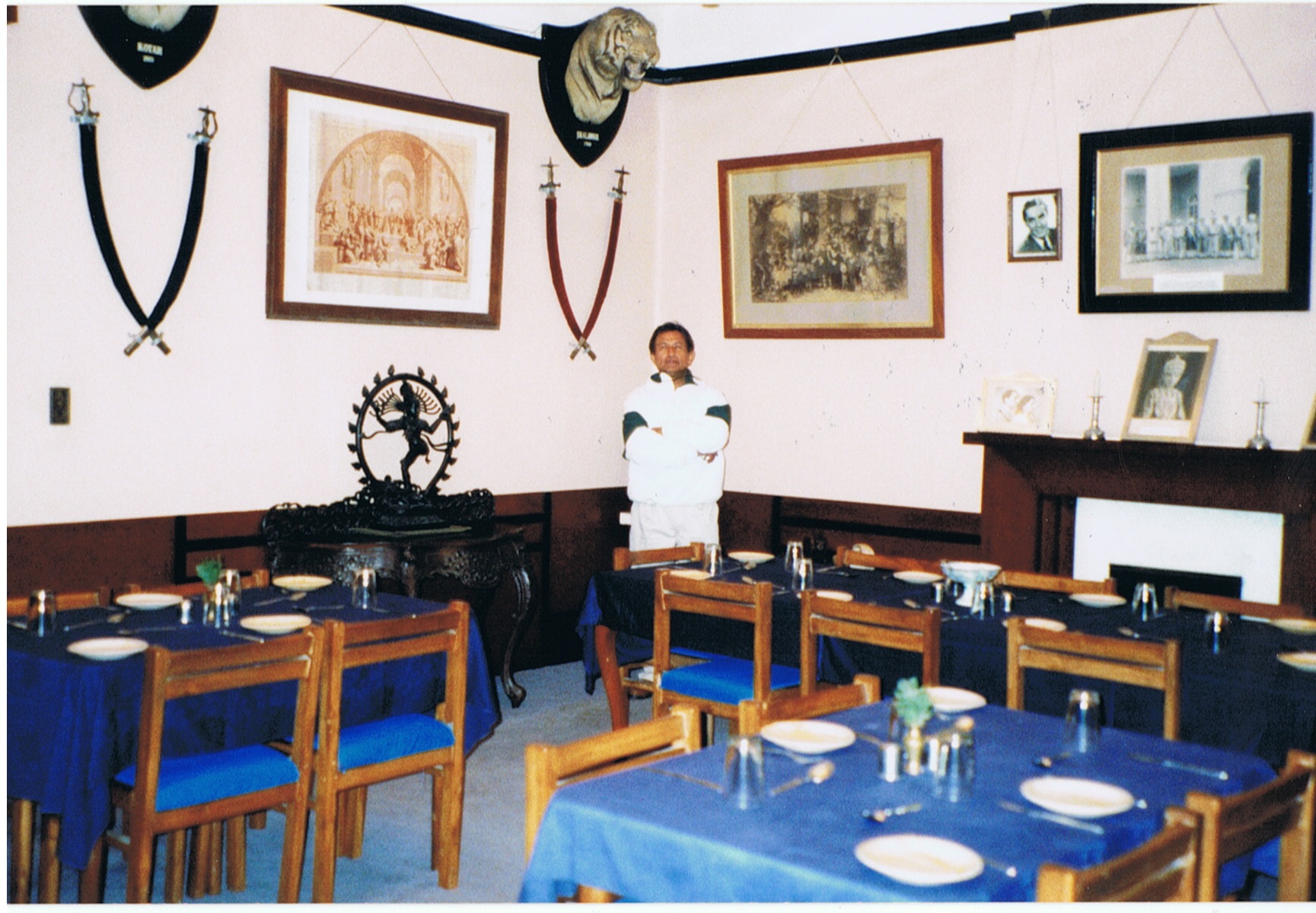
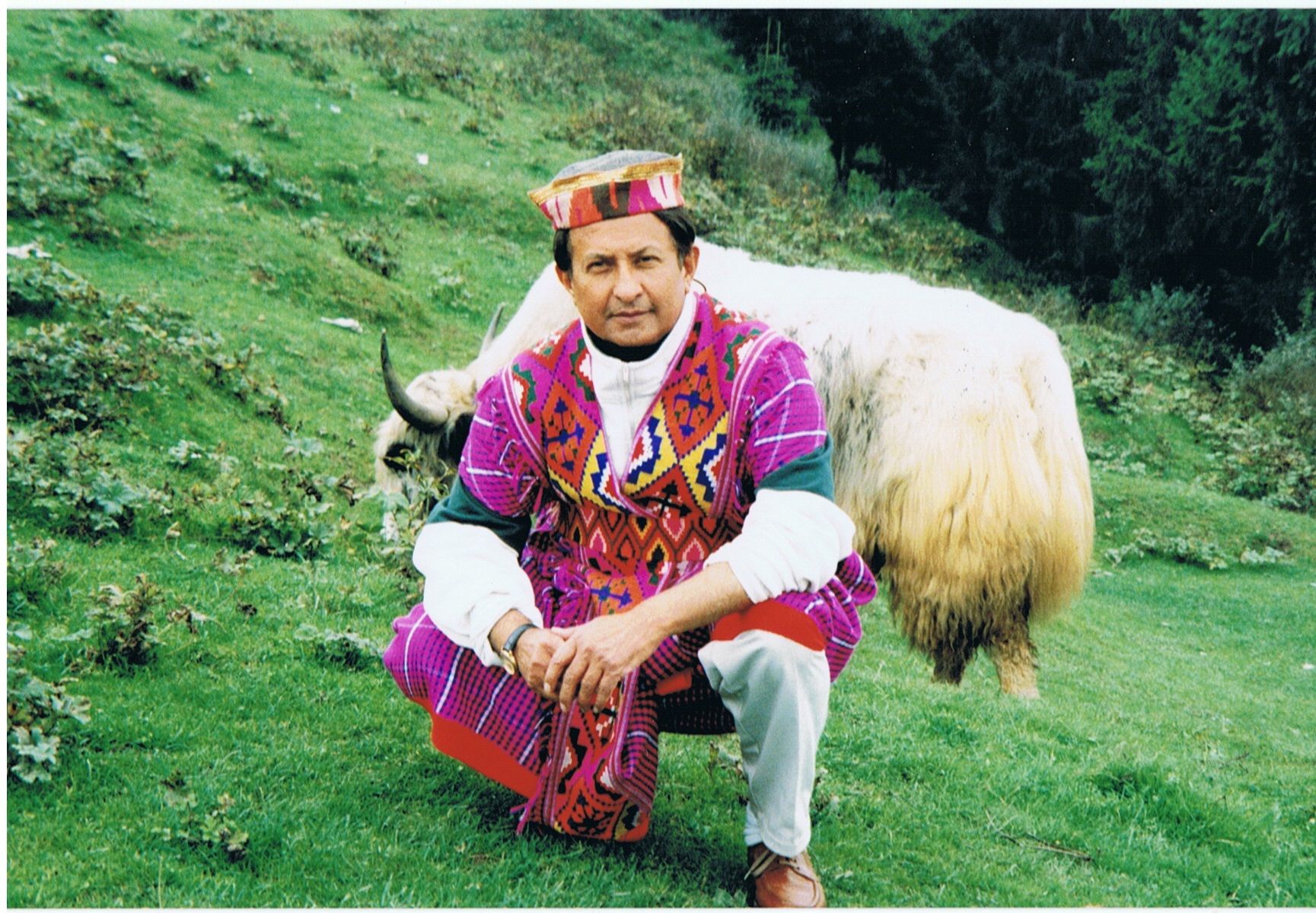
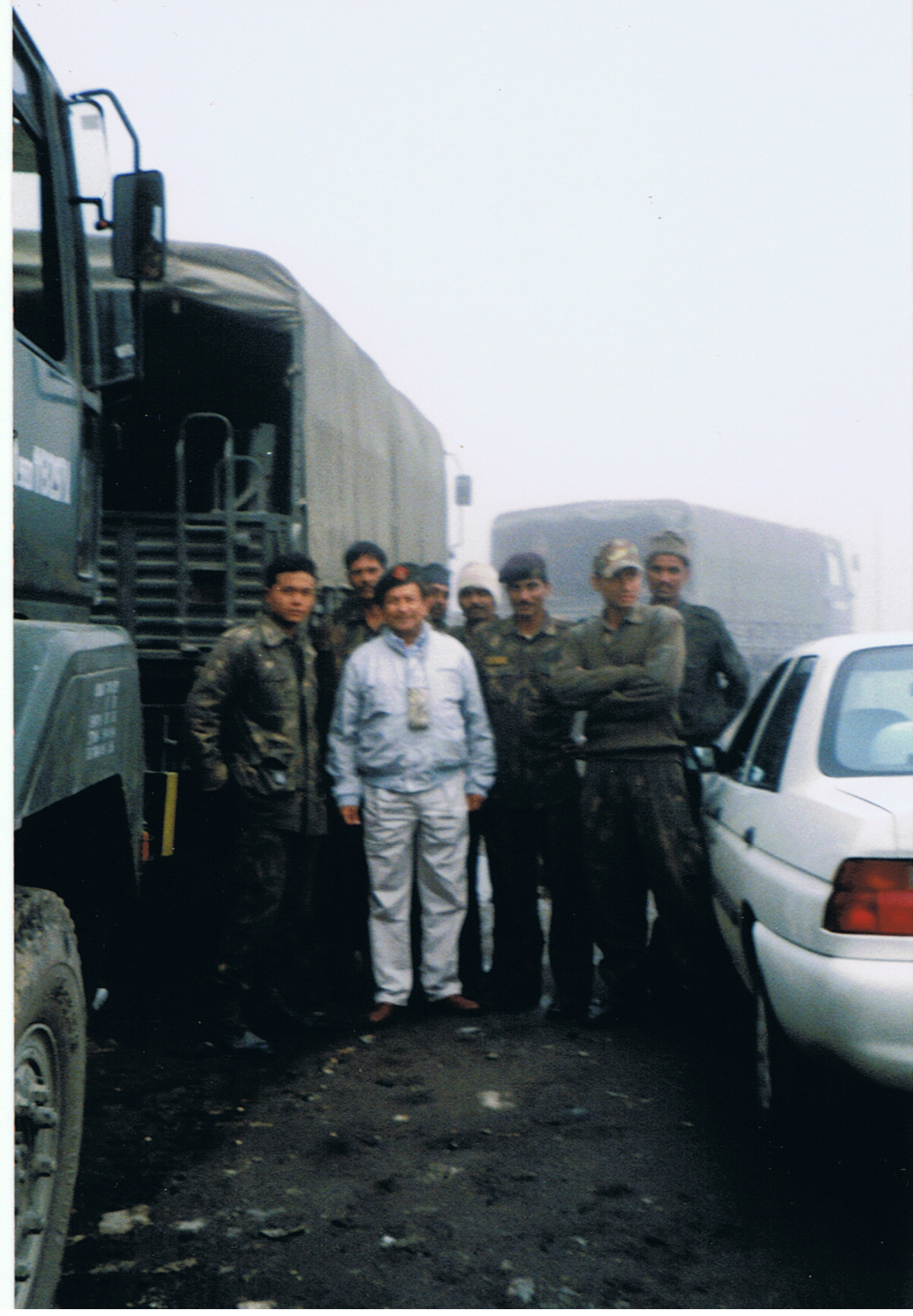
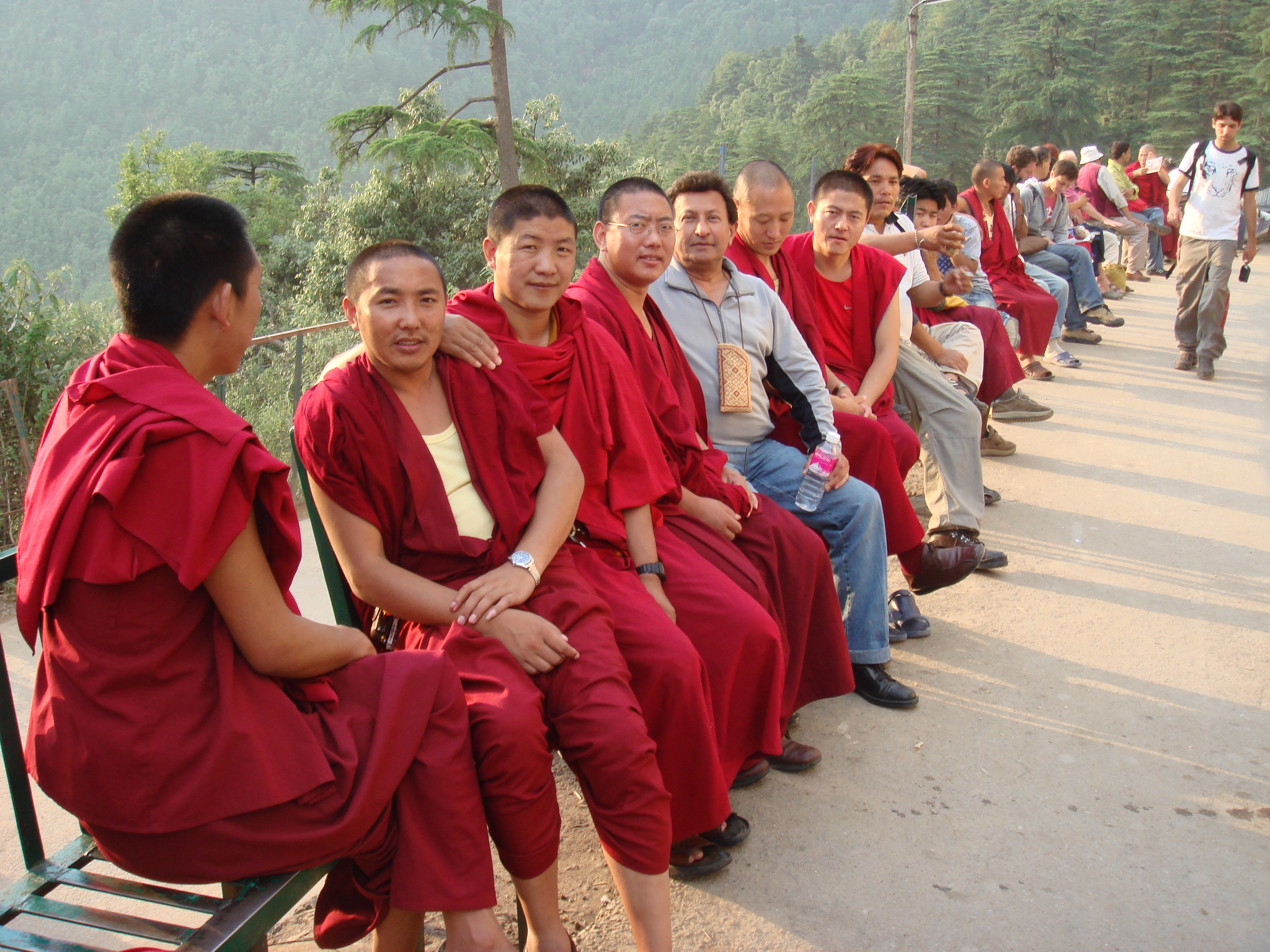
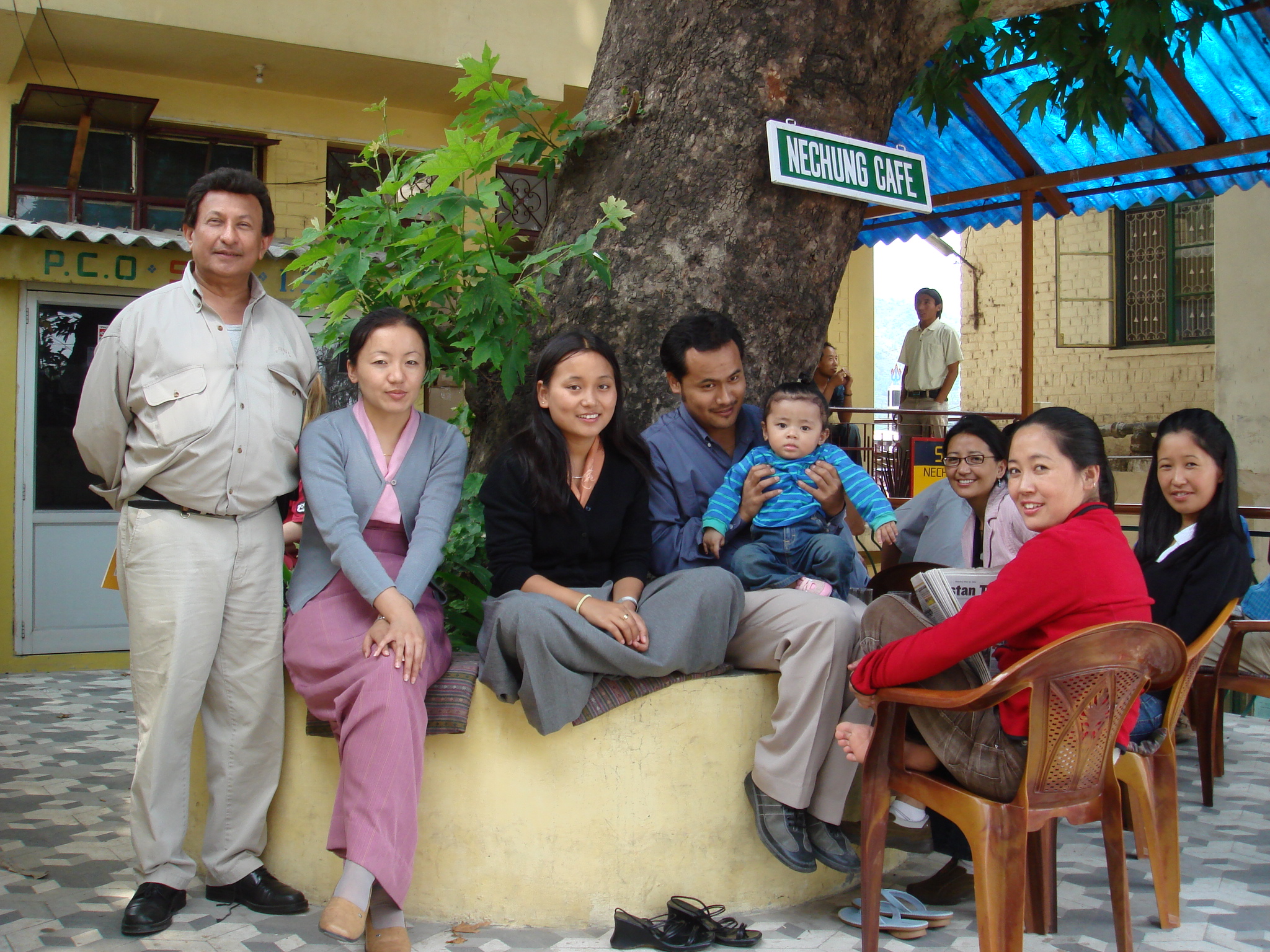
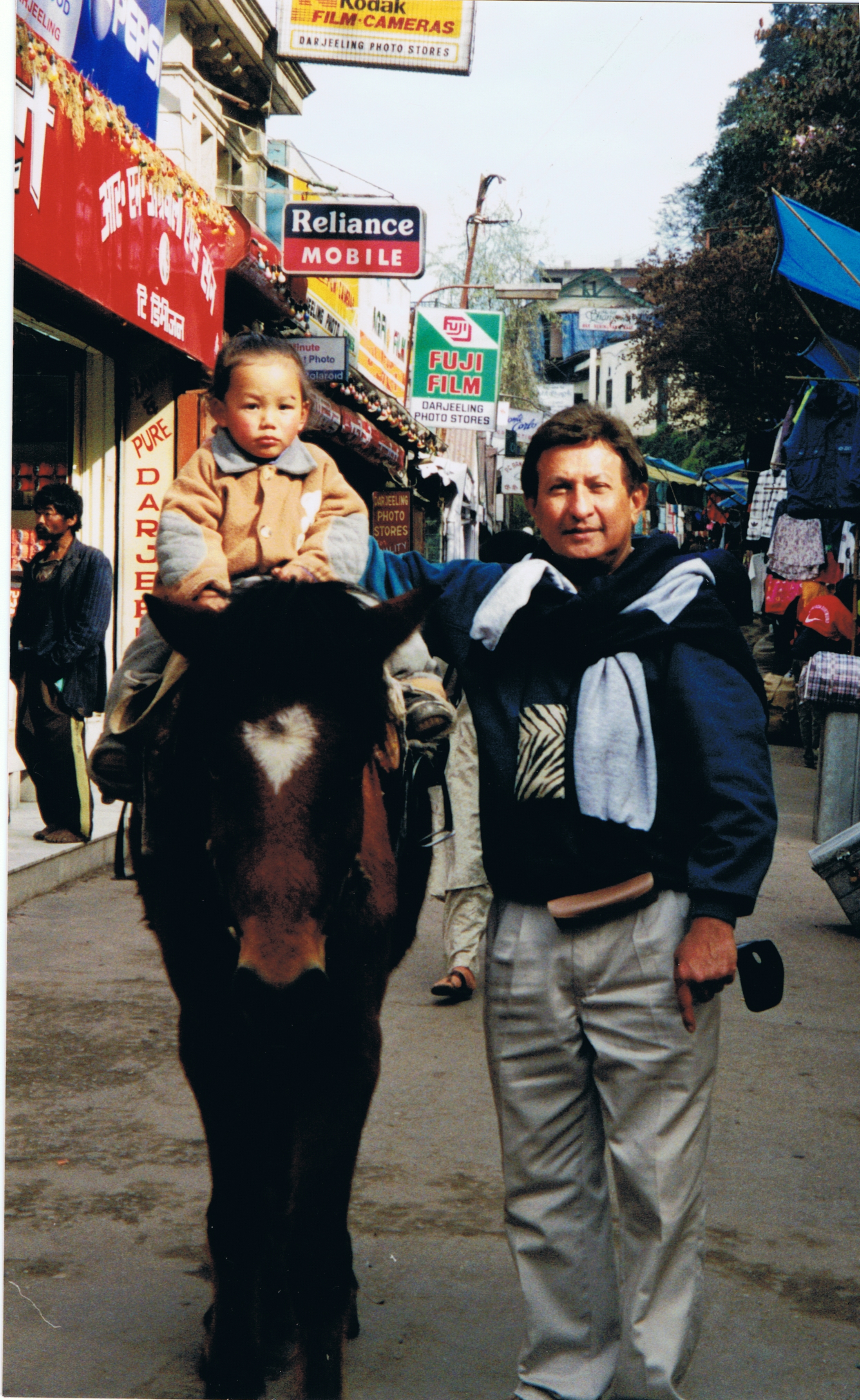
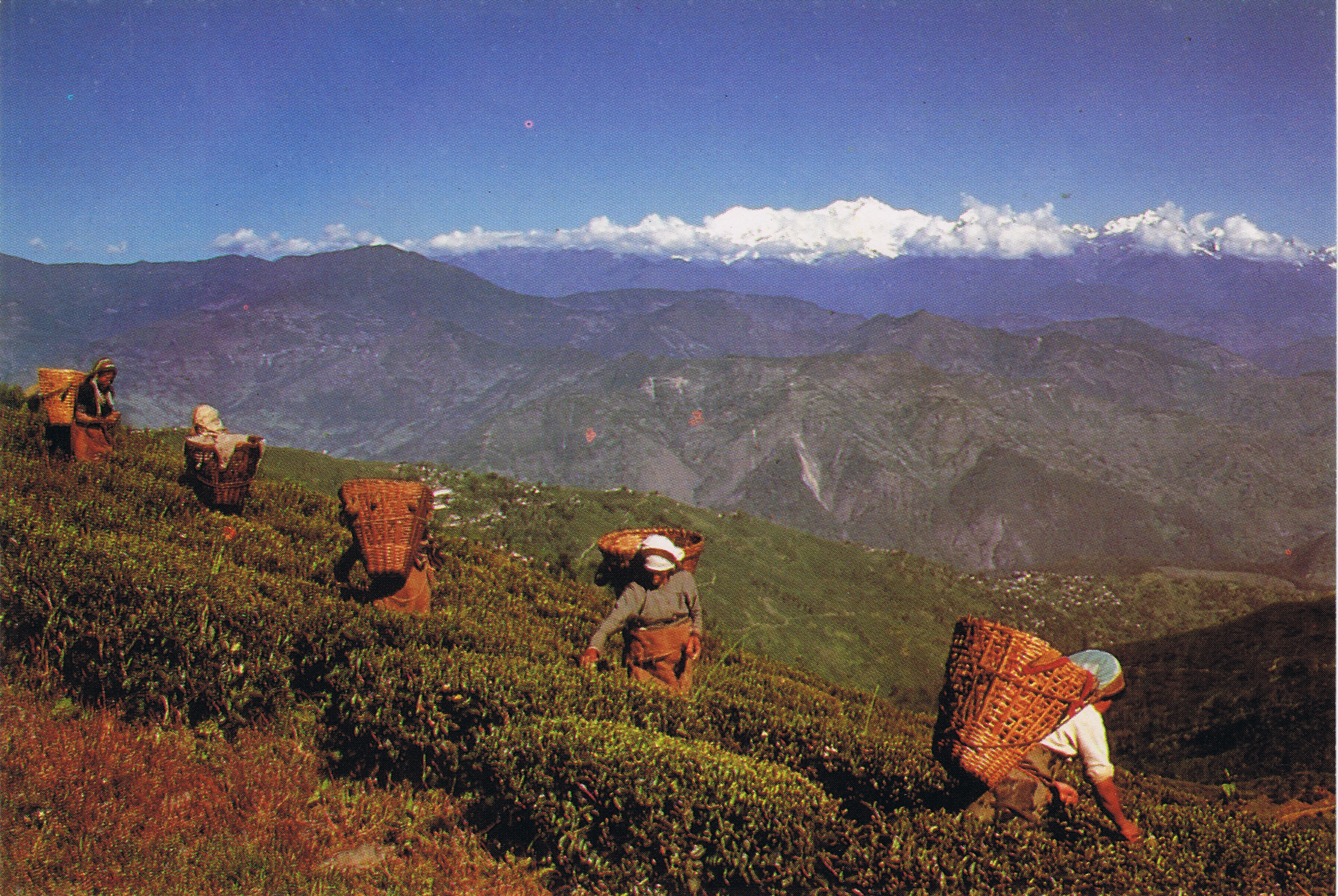
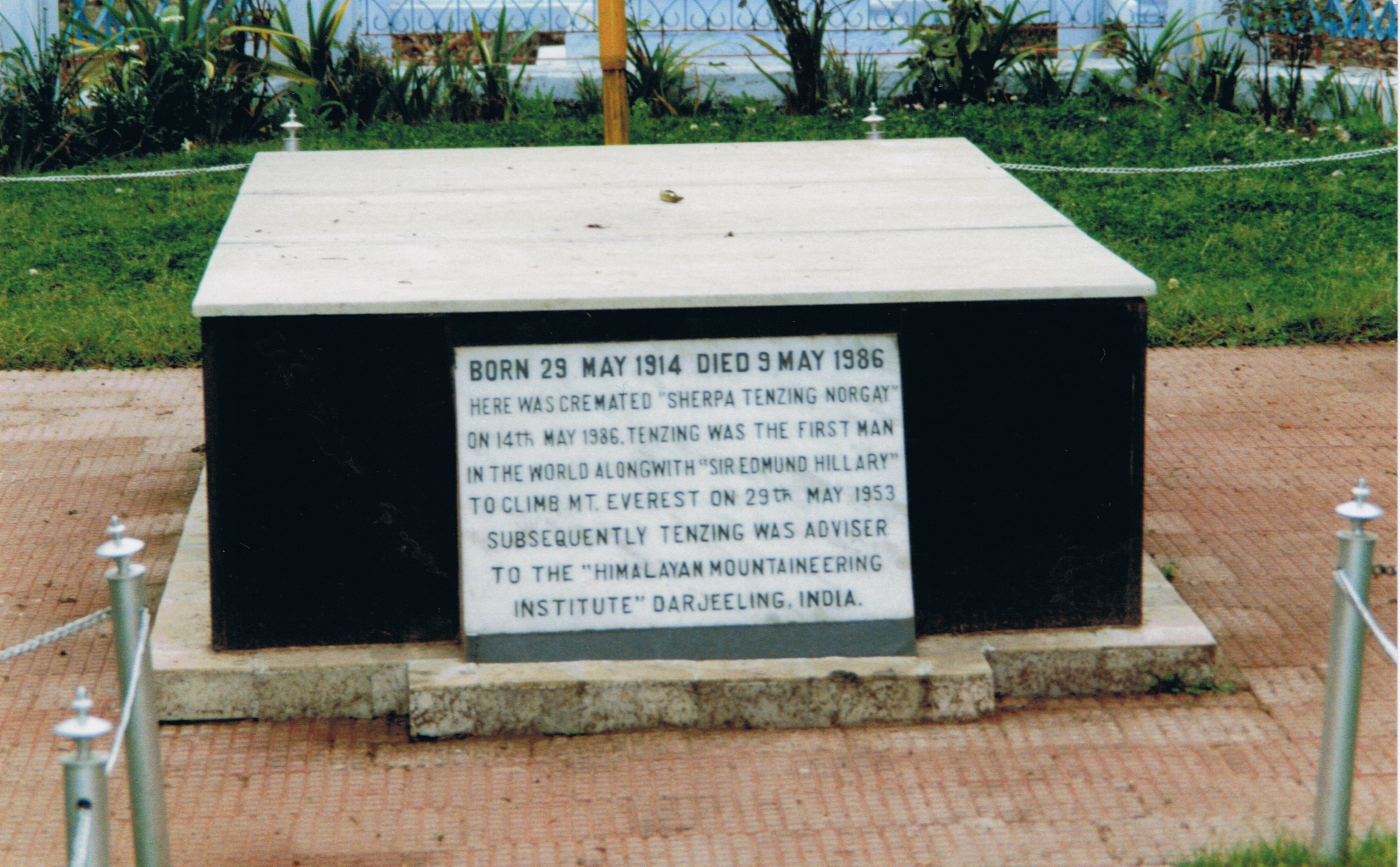
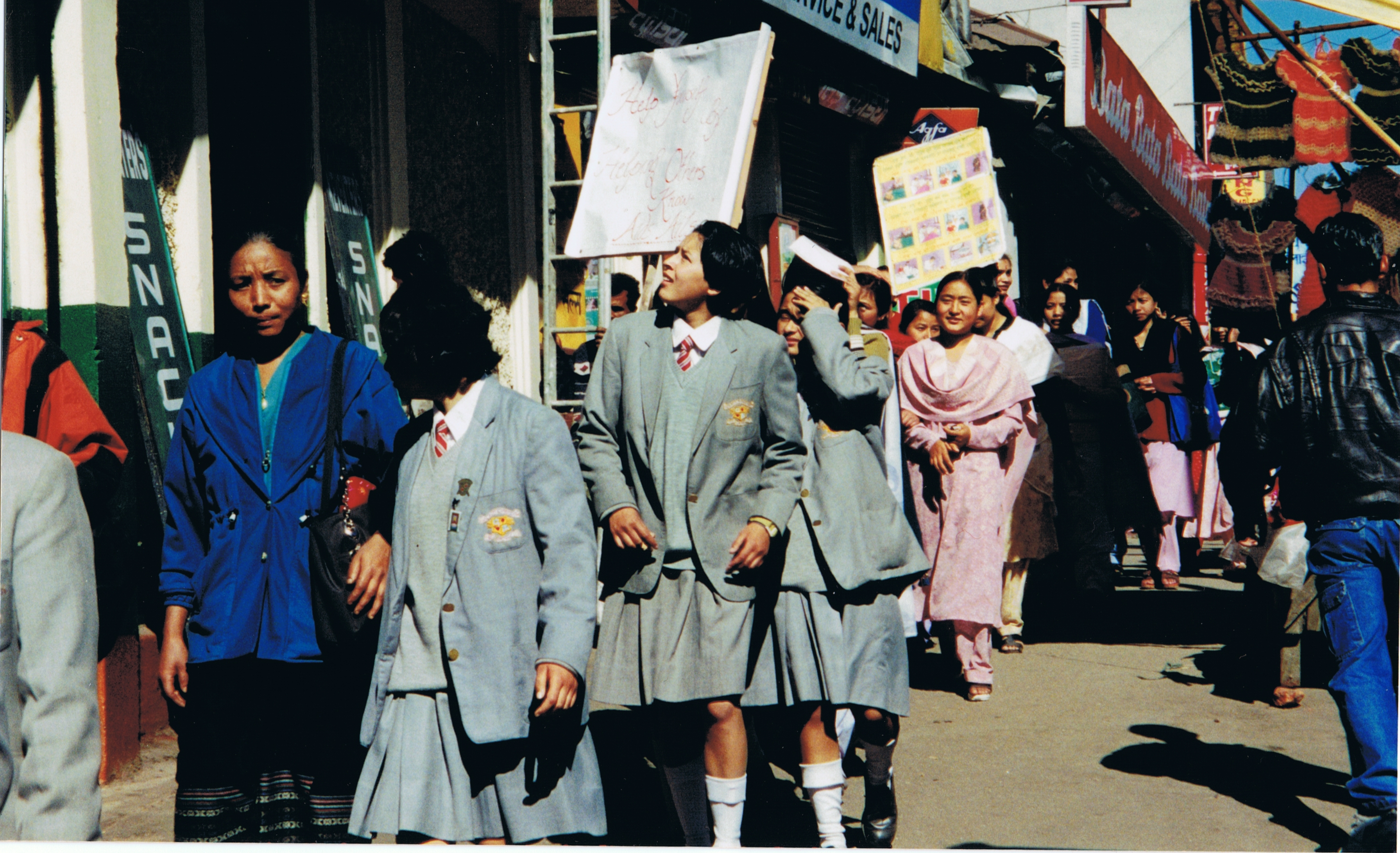
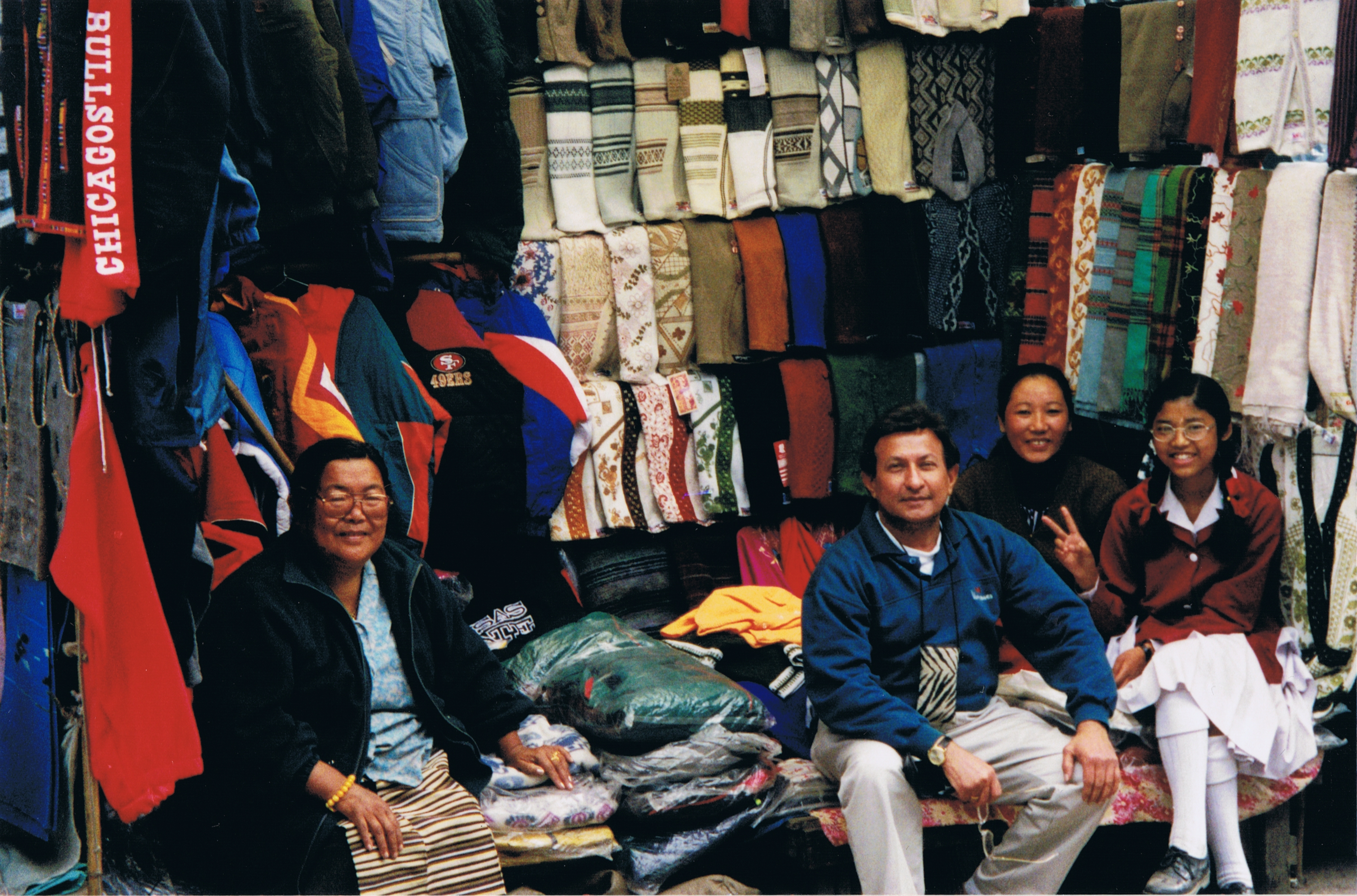
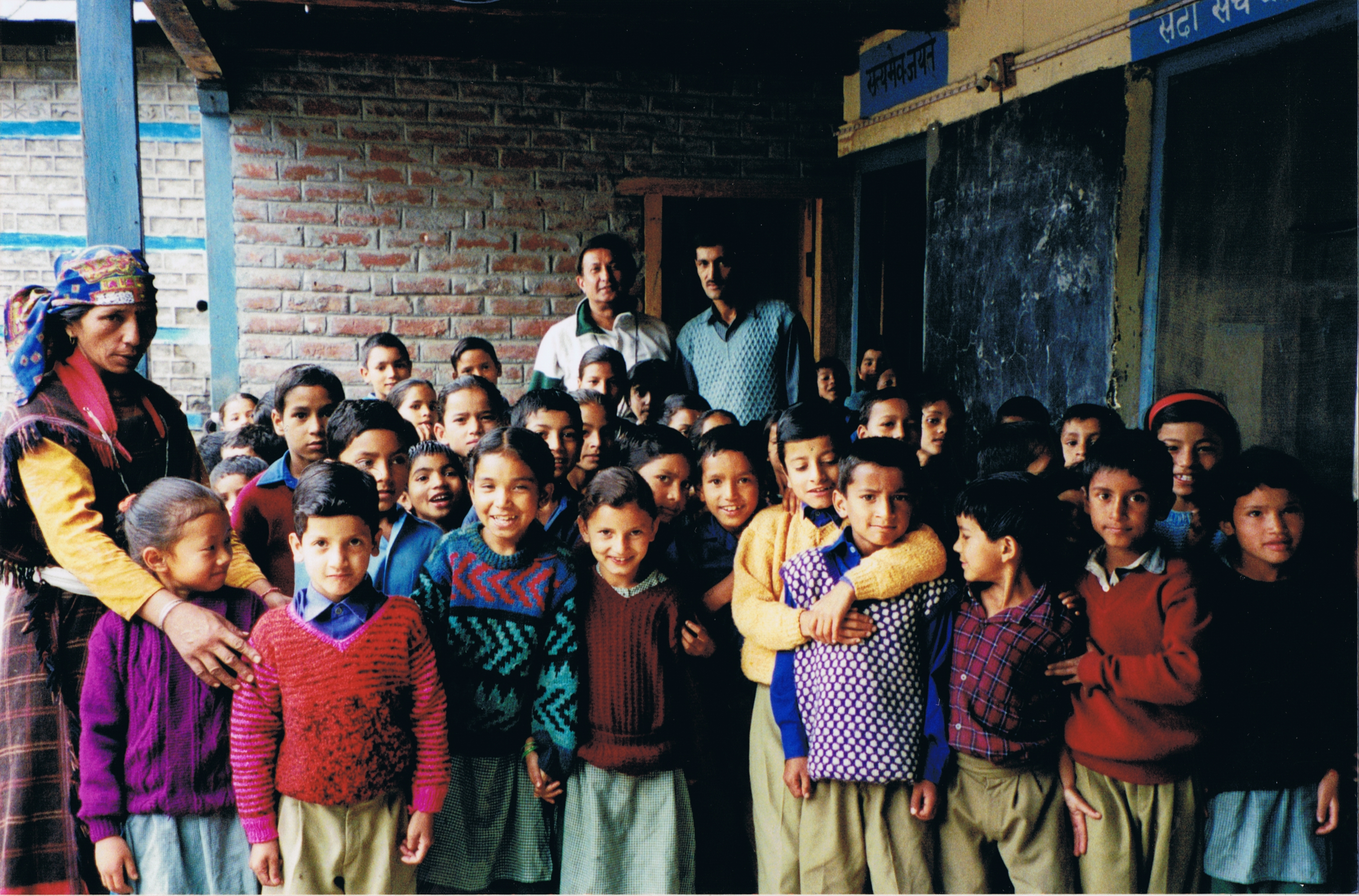
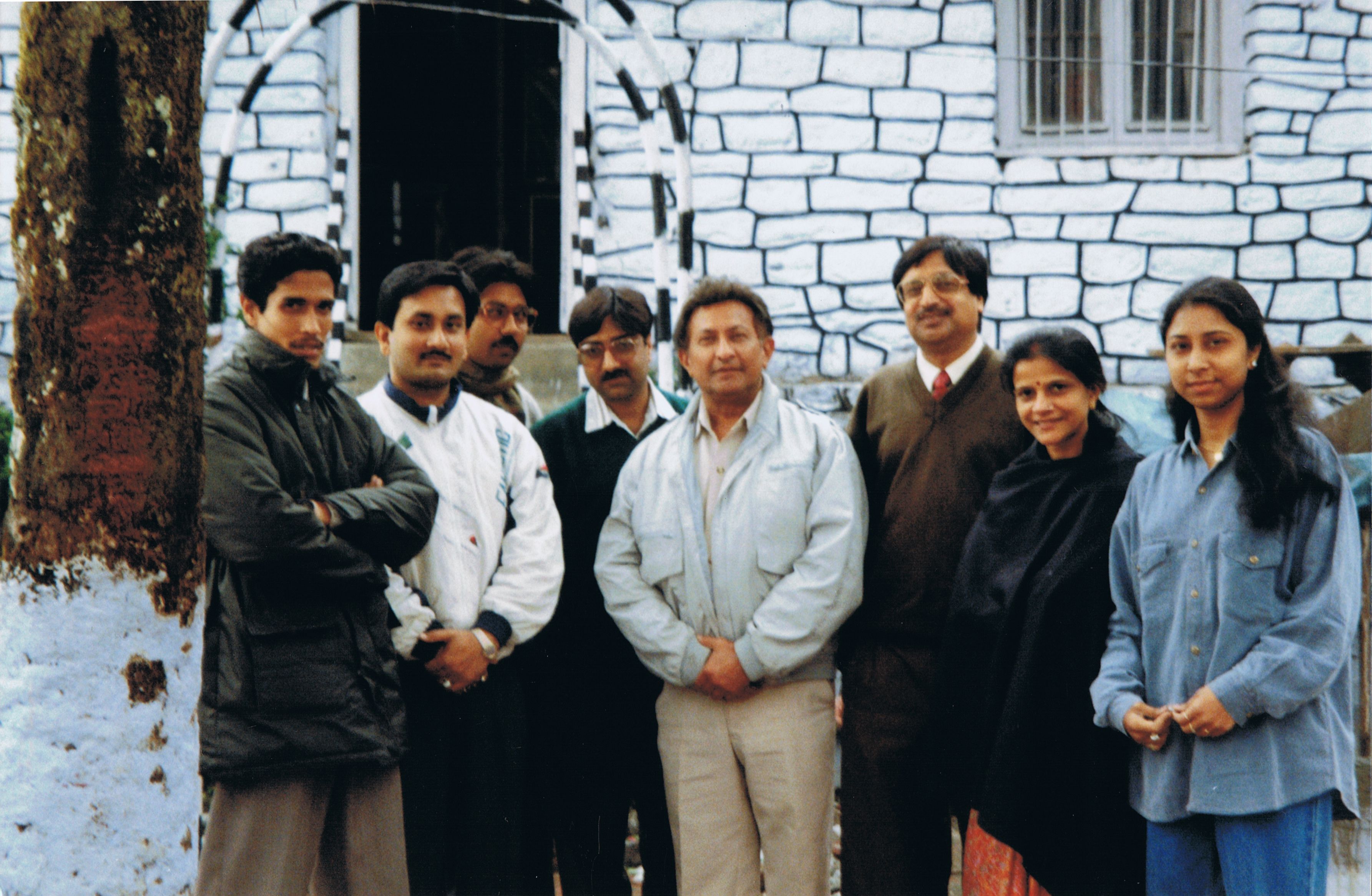 Boys boarding school at the Darjeeling hill station. With students, Principal, his wife and daughter.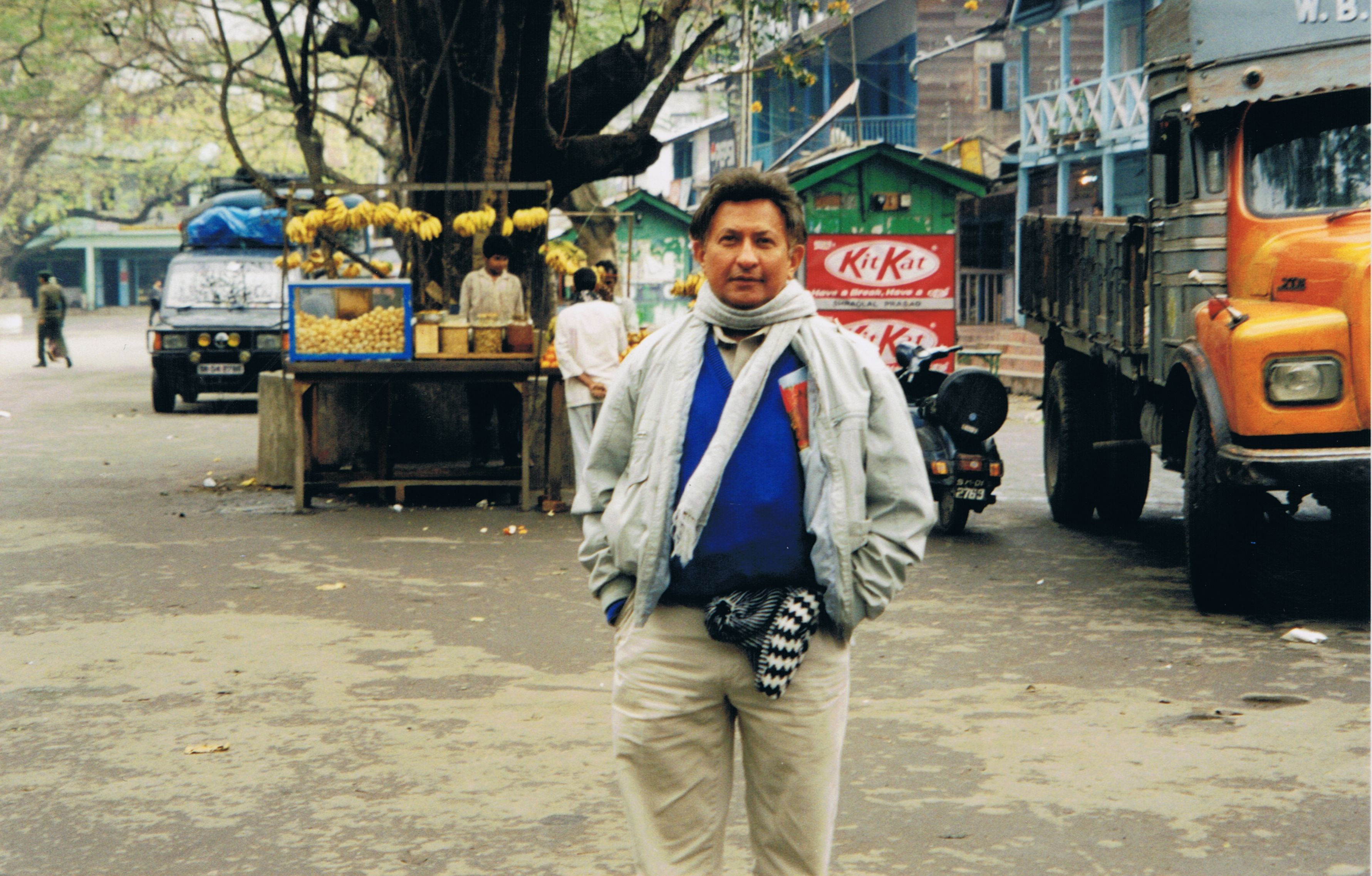
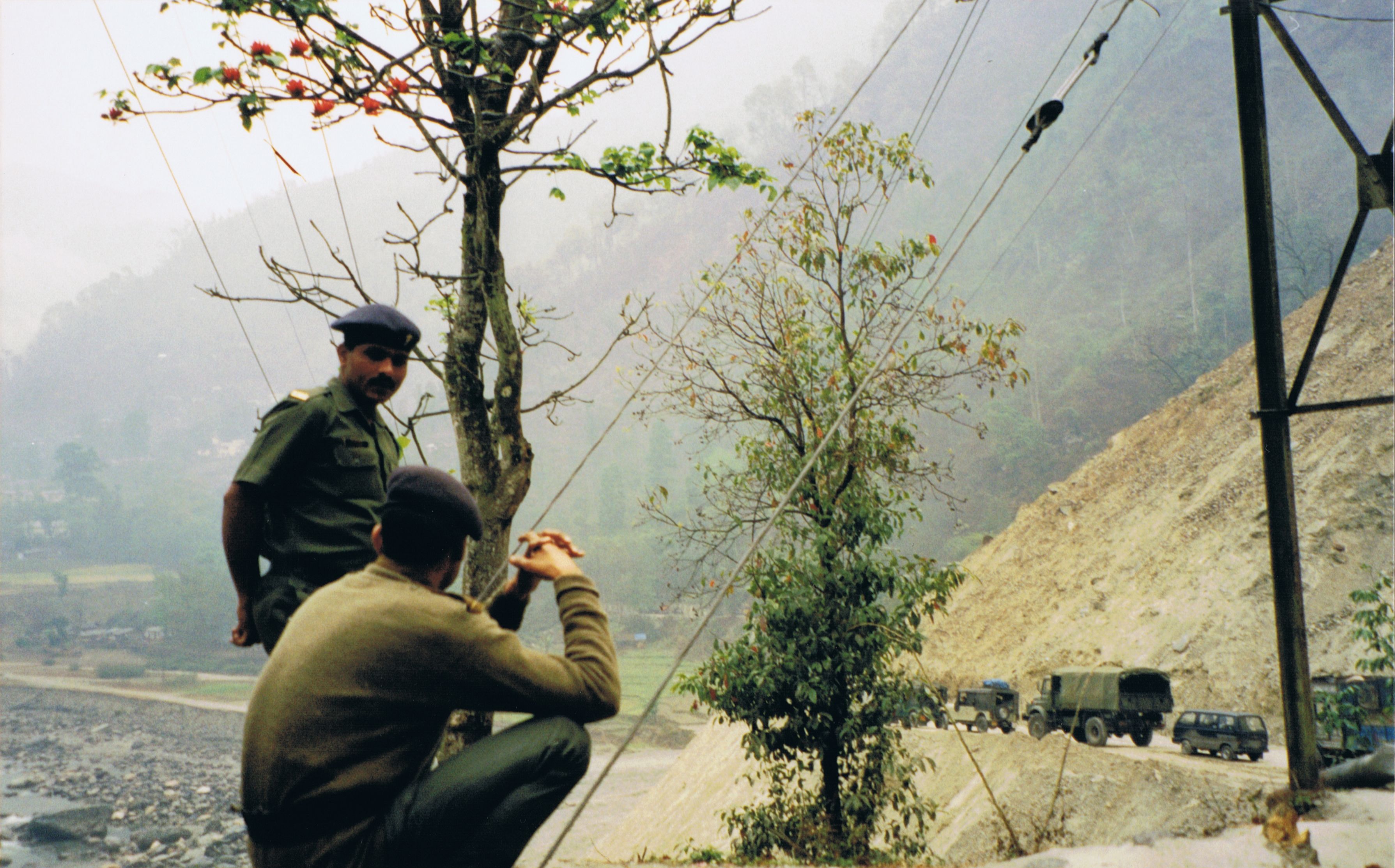
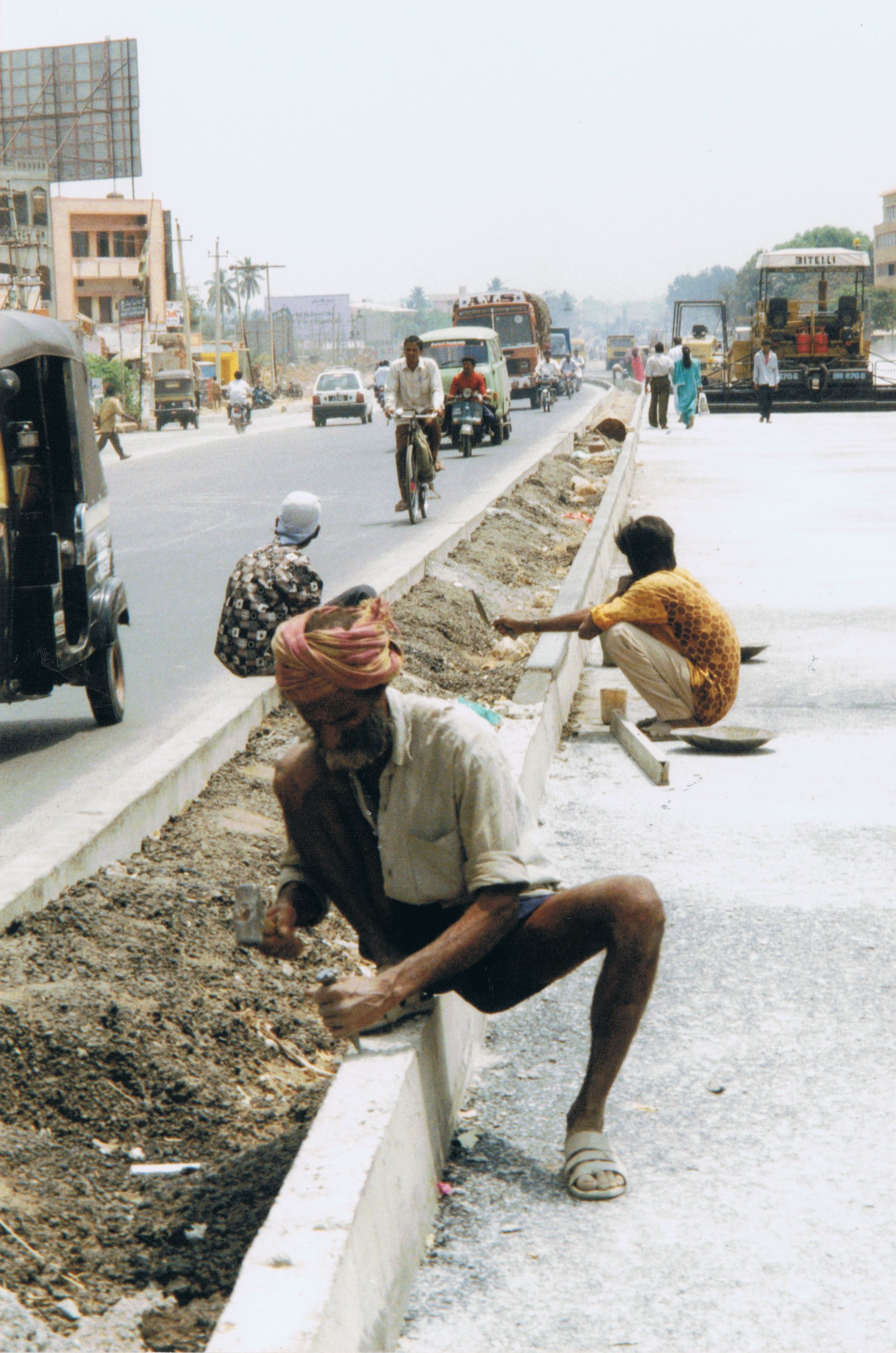
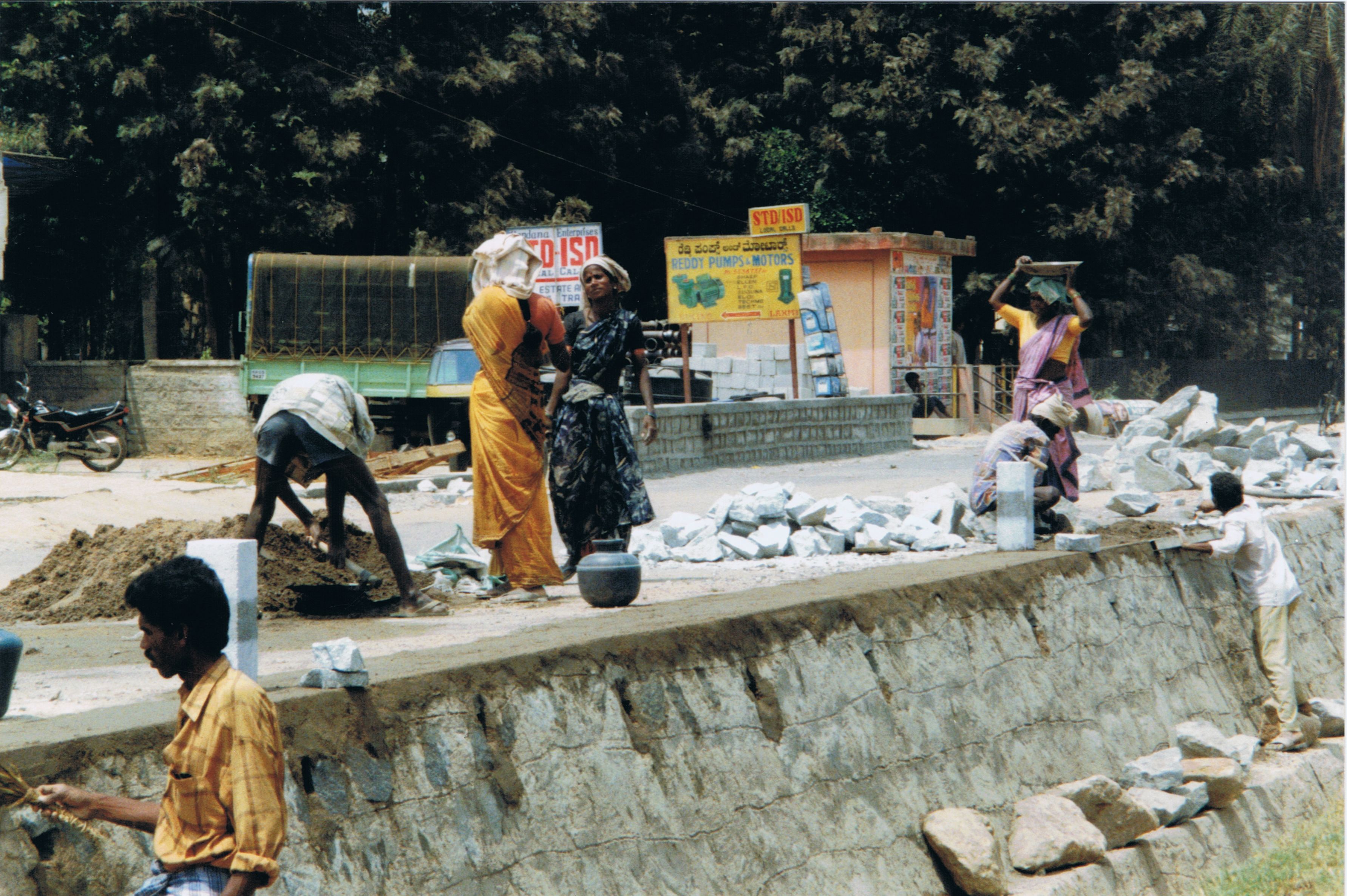
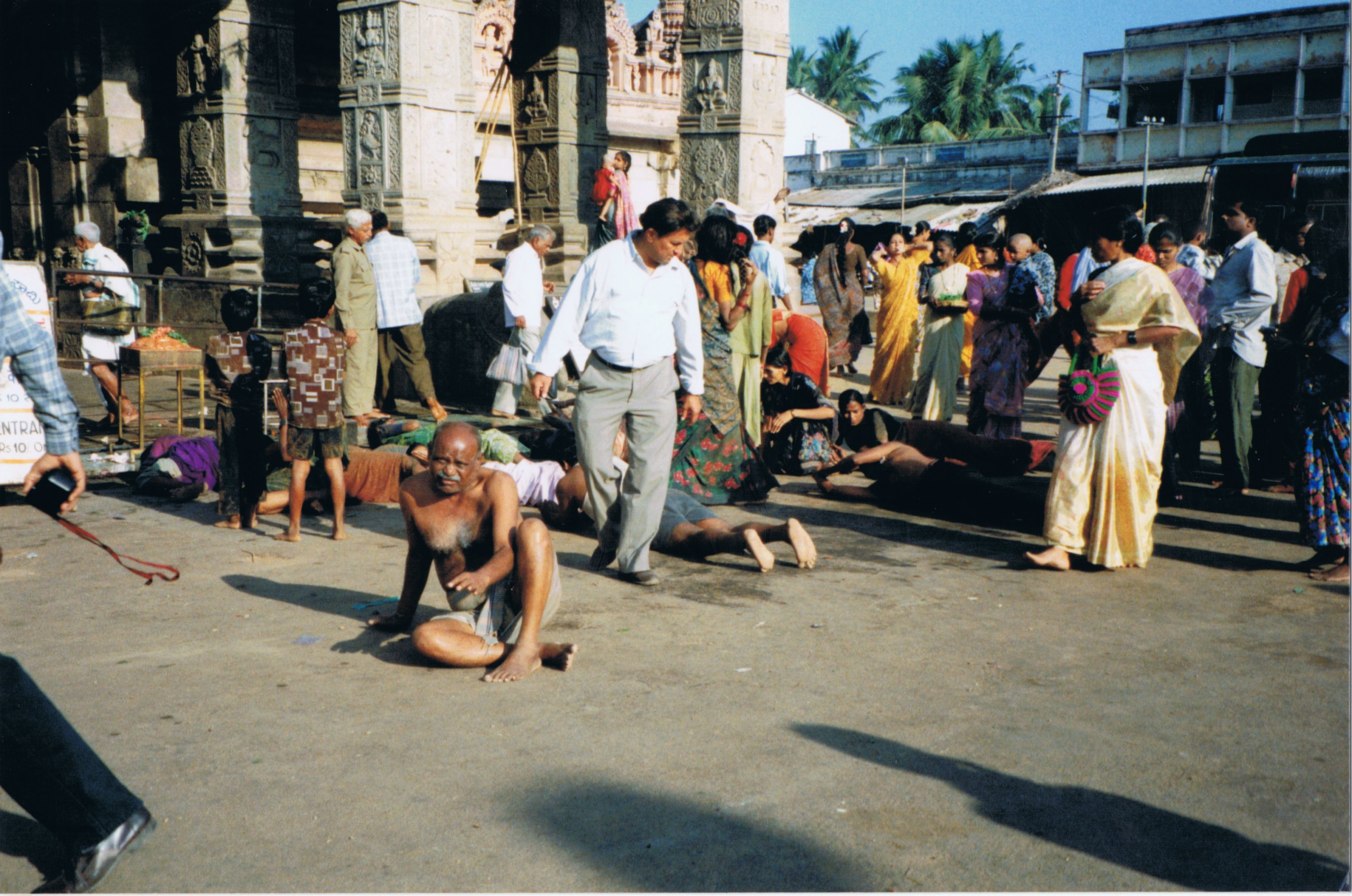
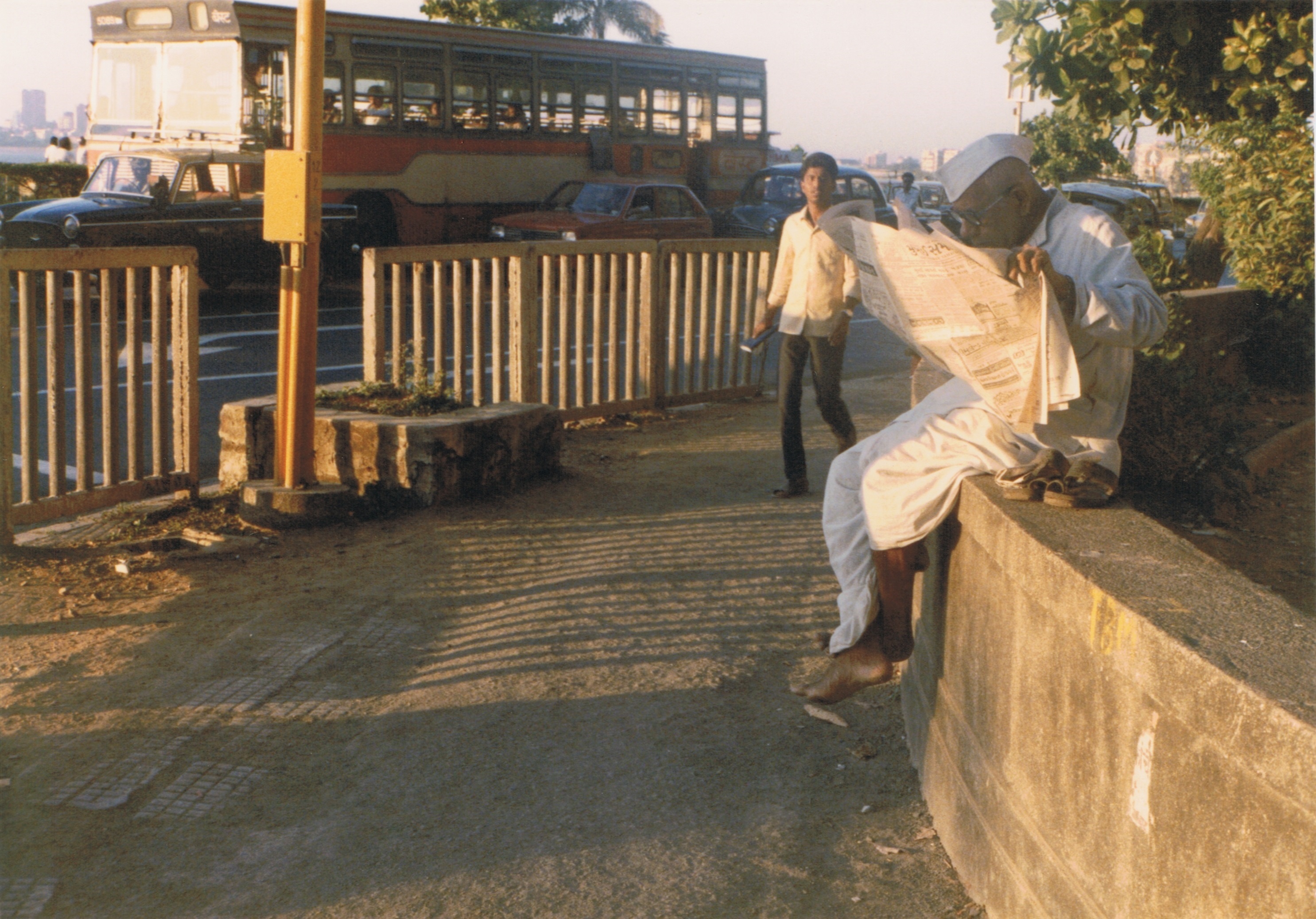
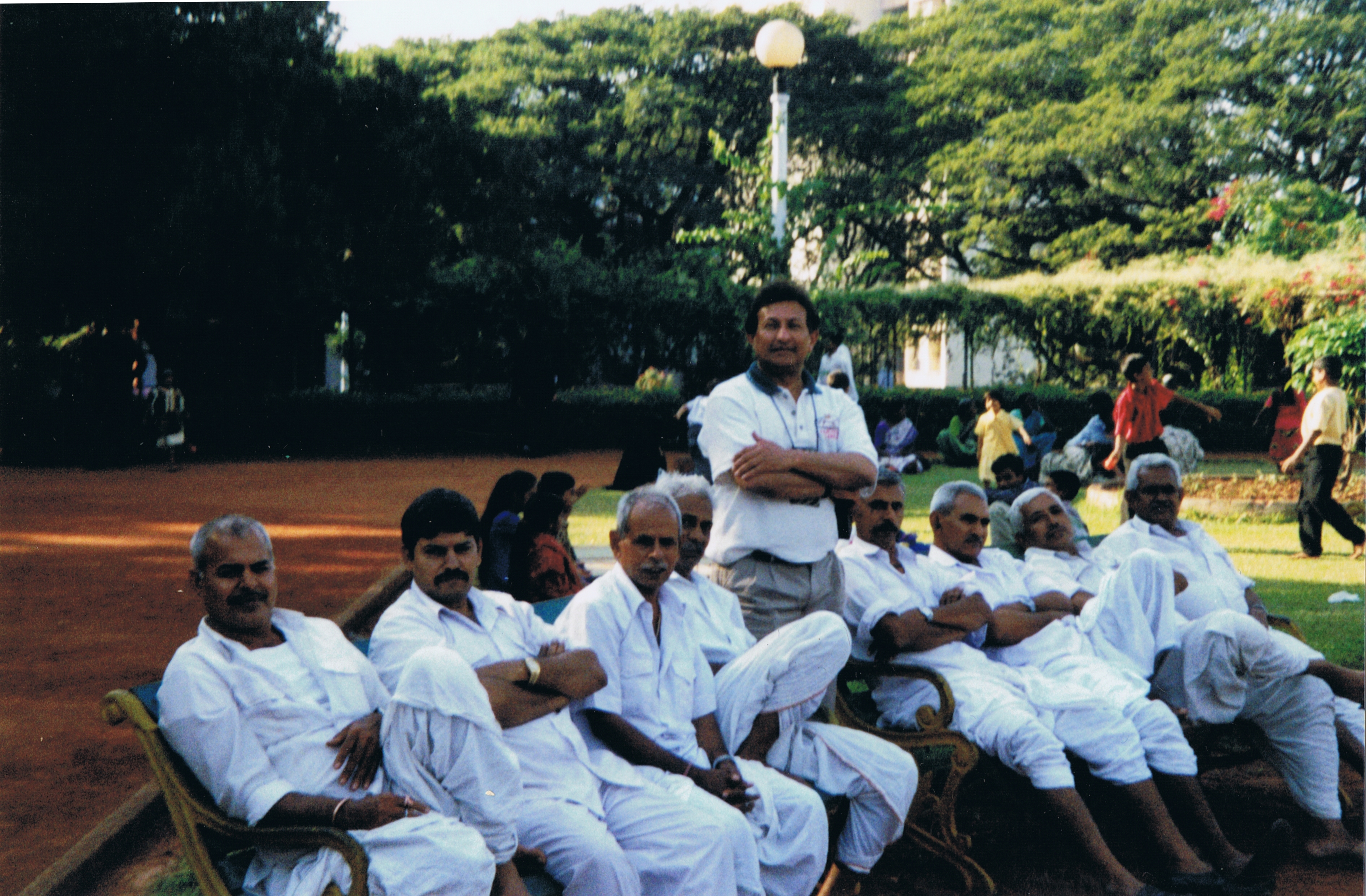
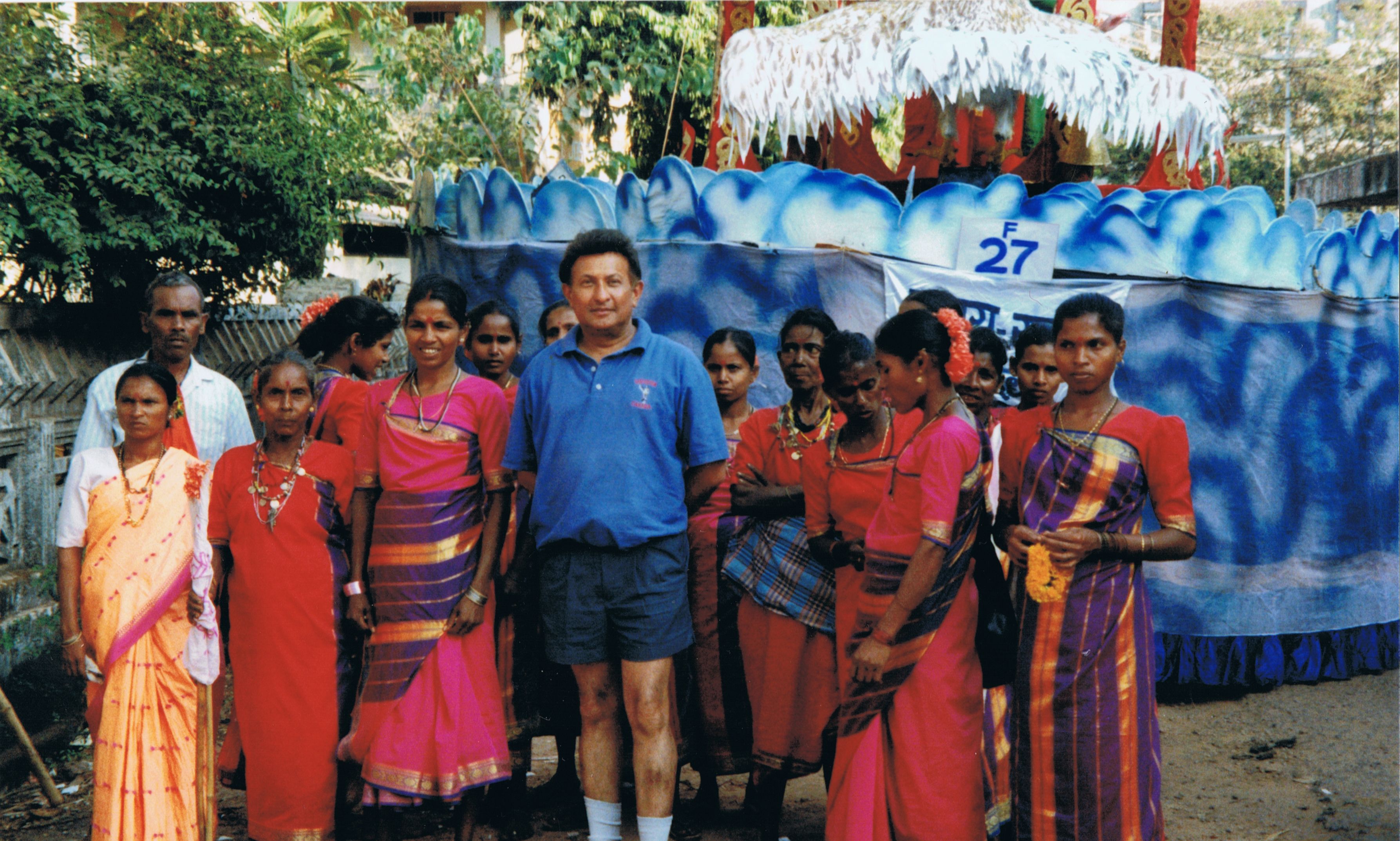
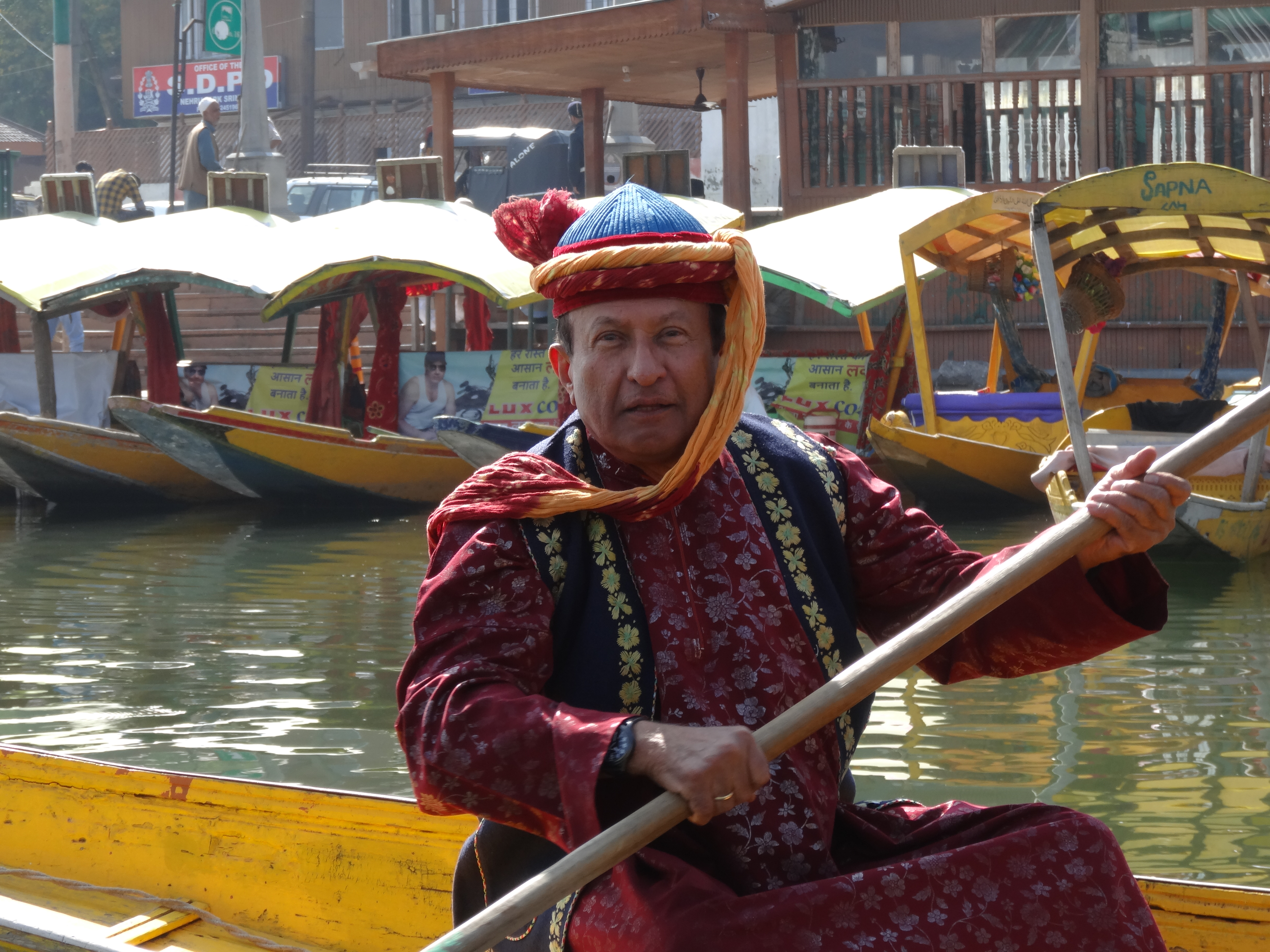
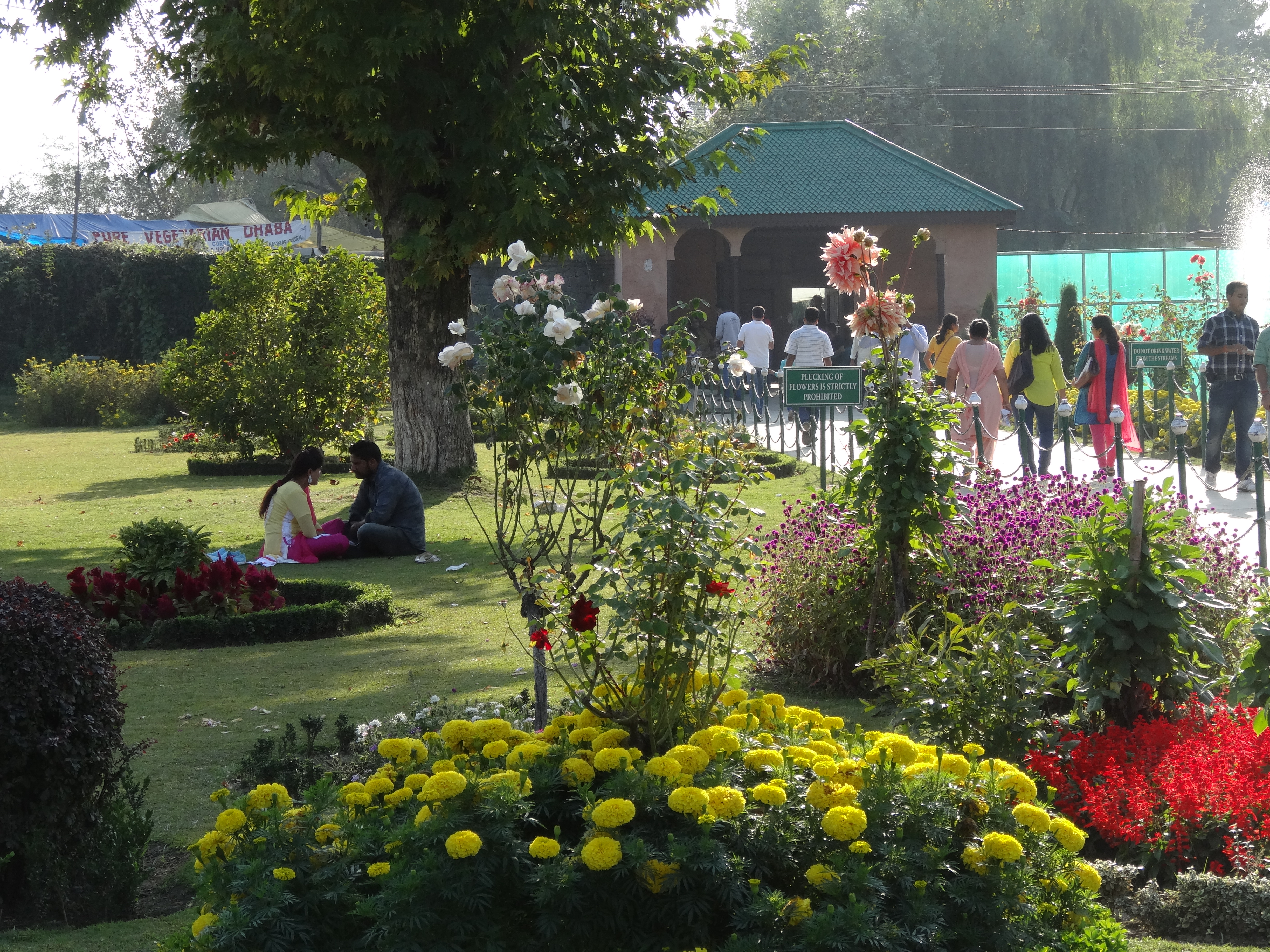
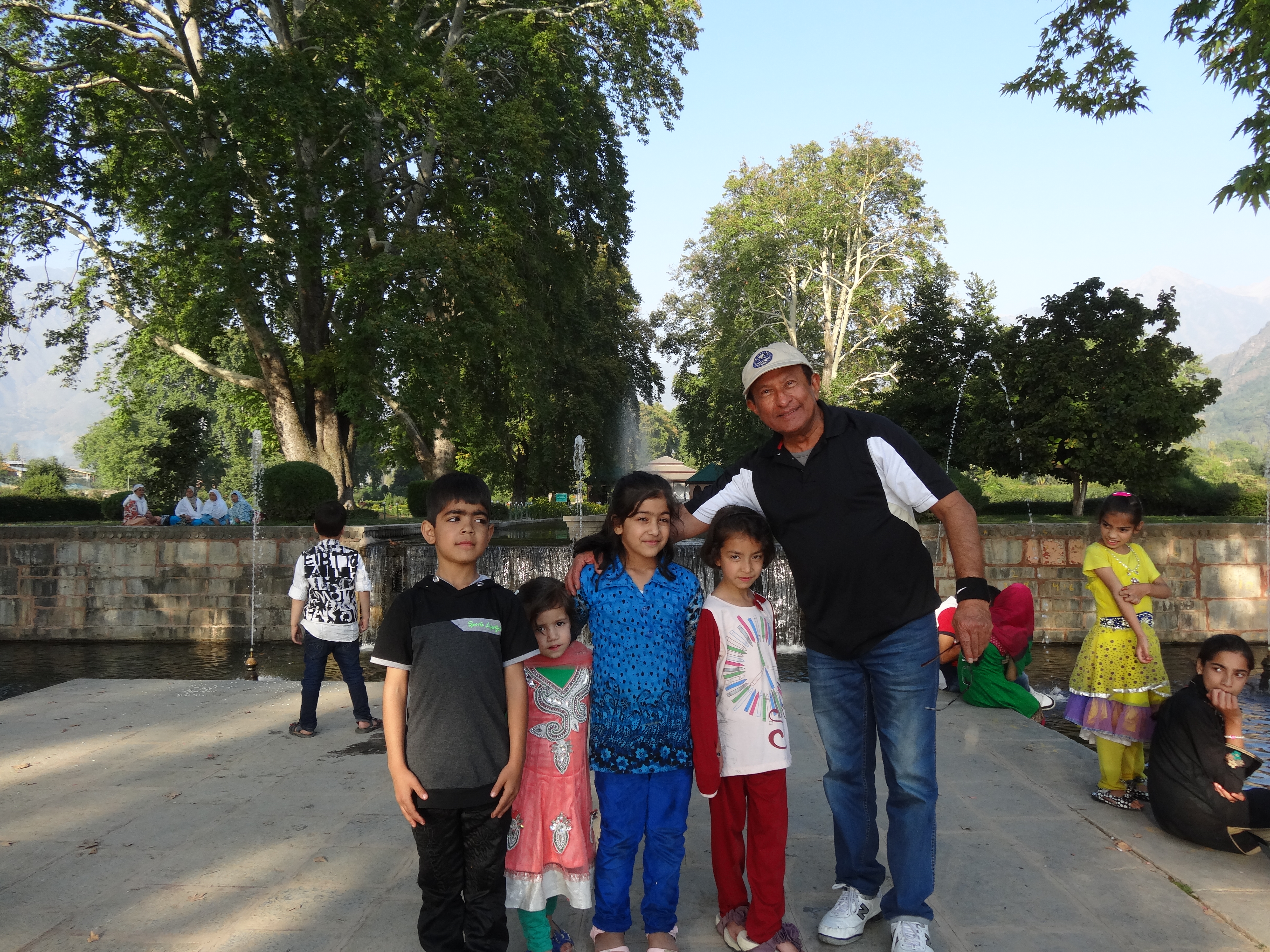
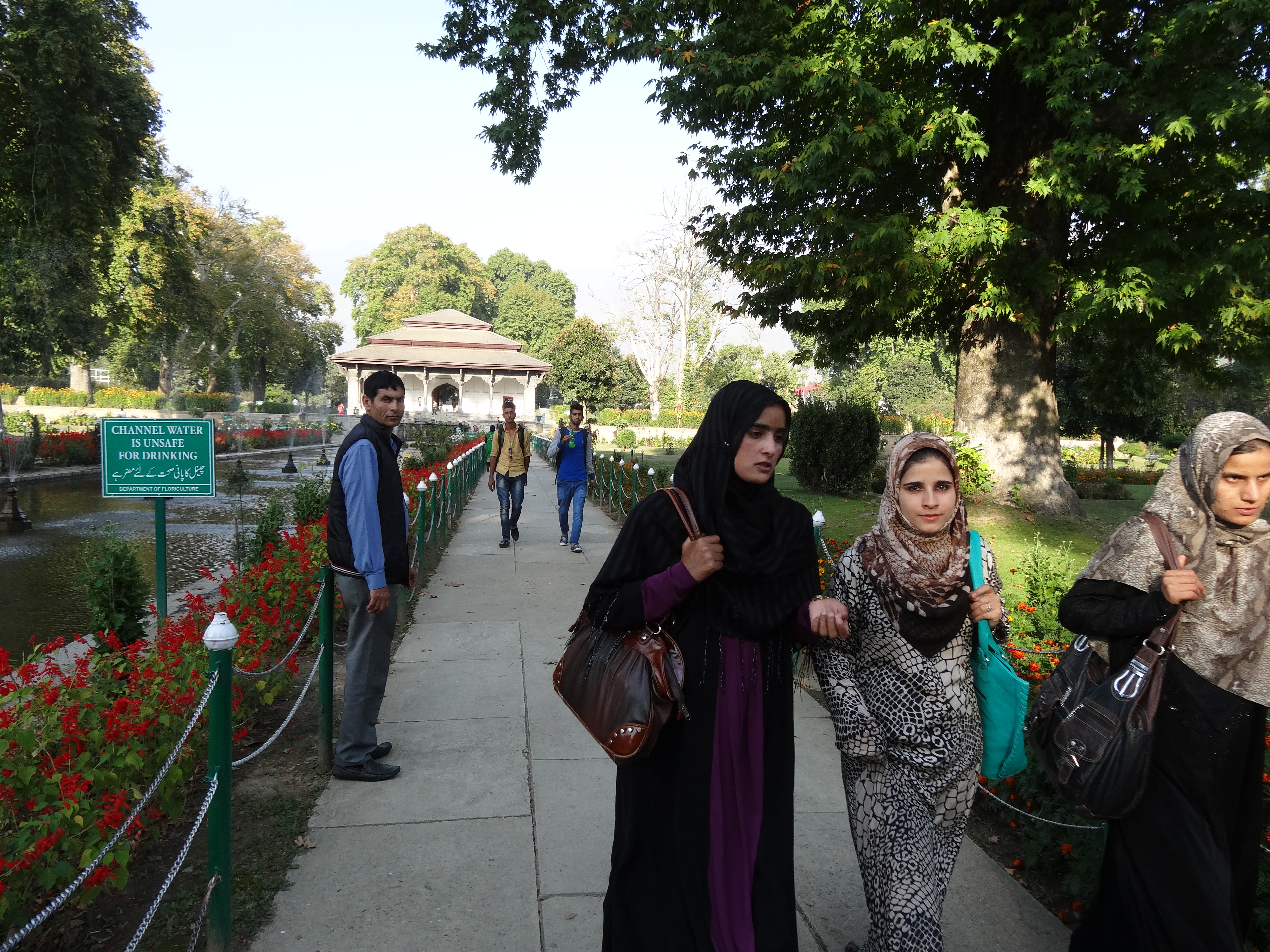
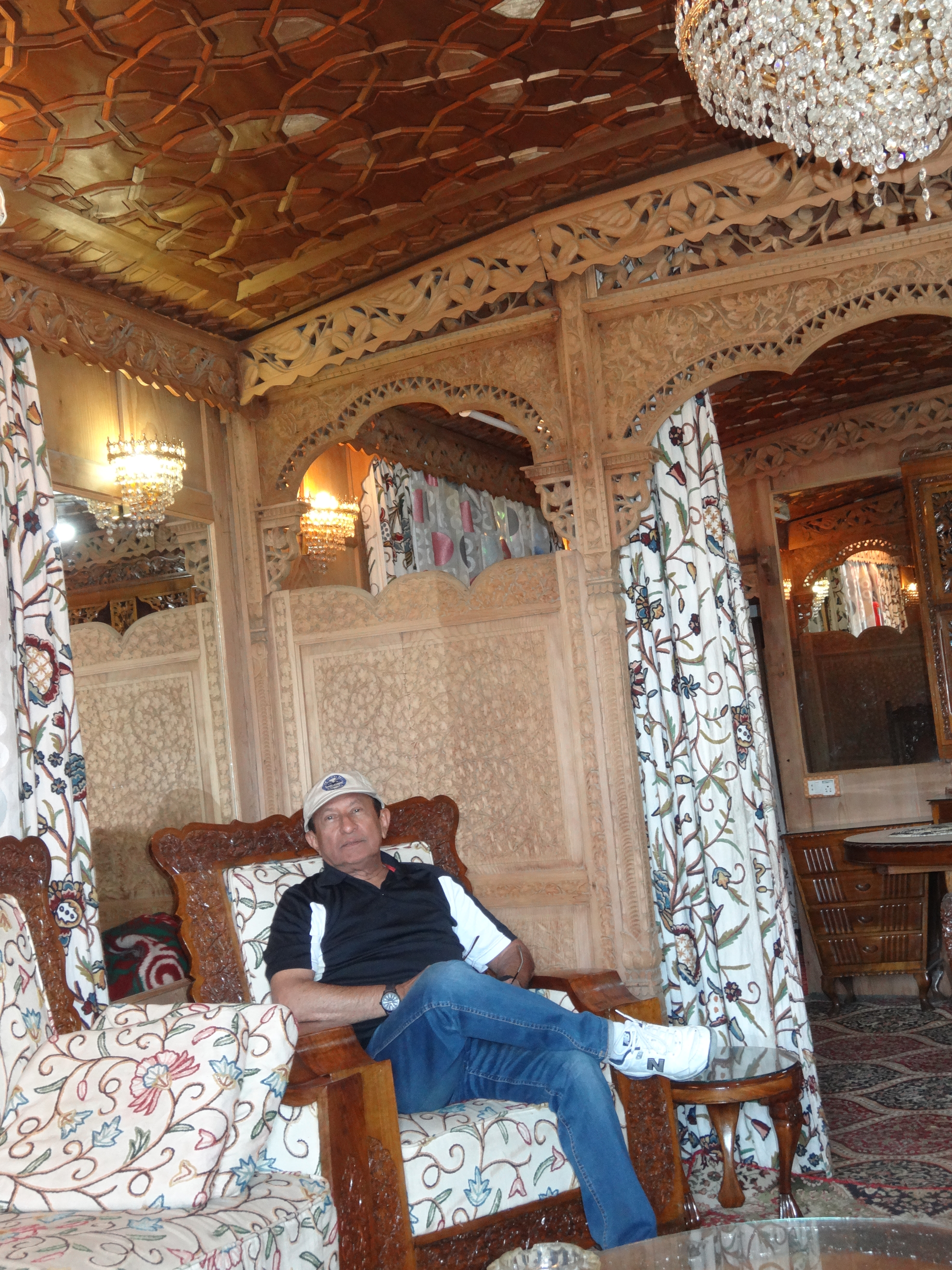
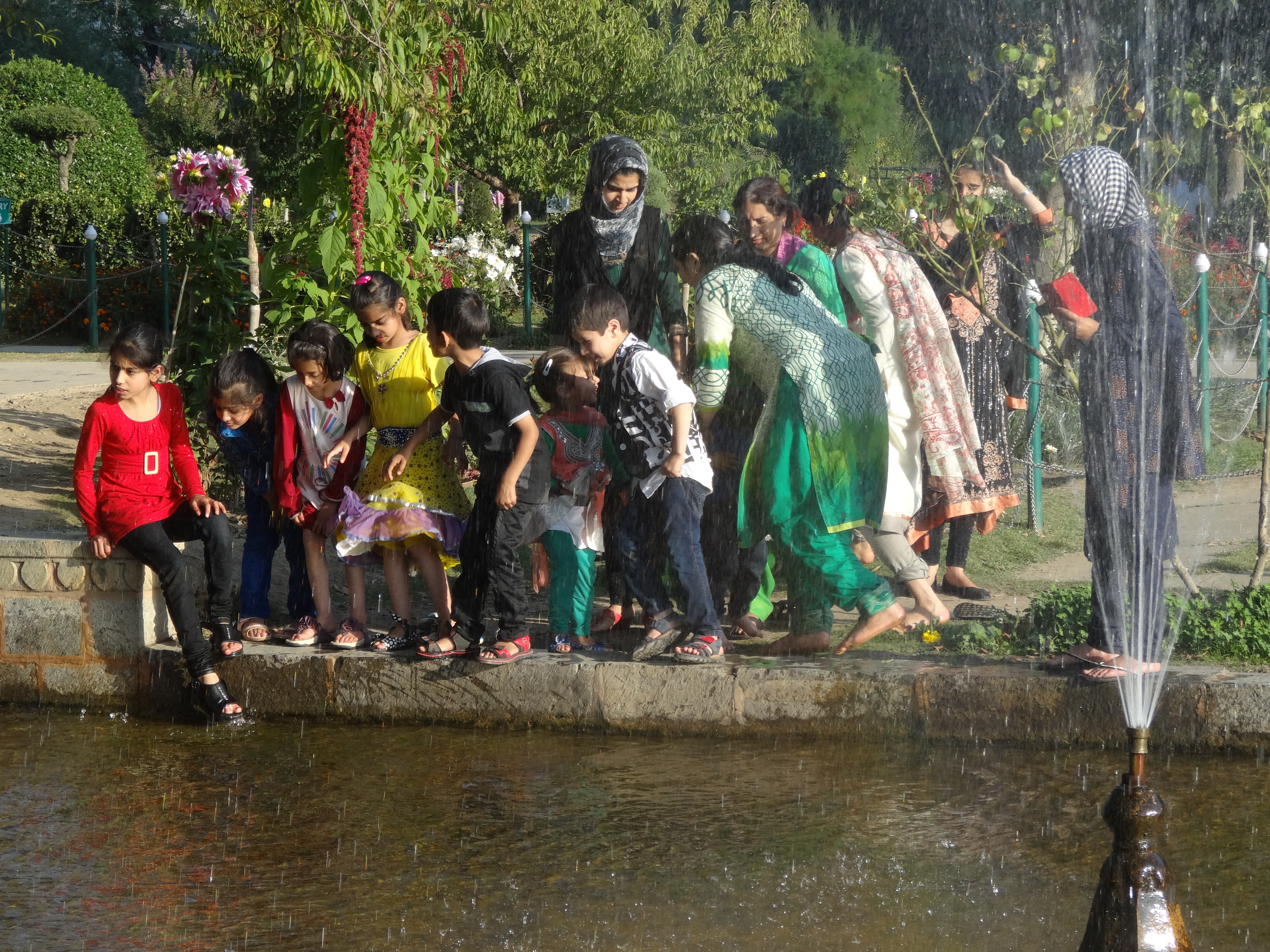
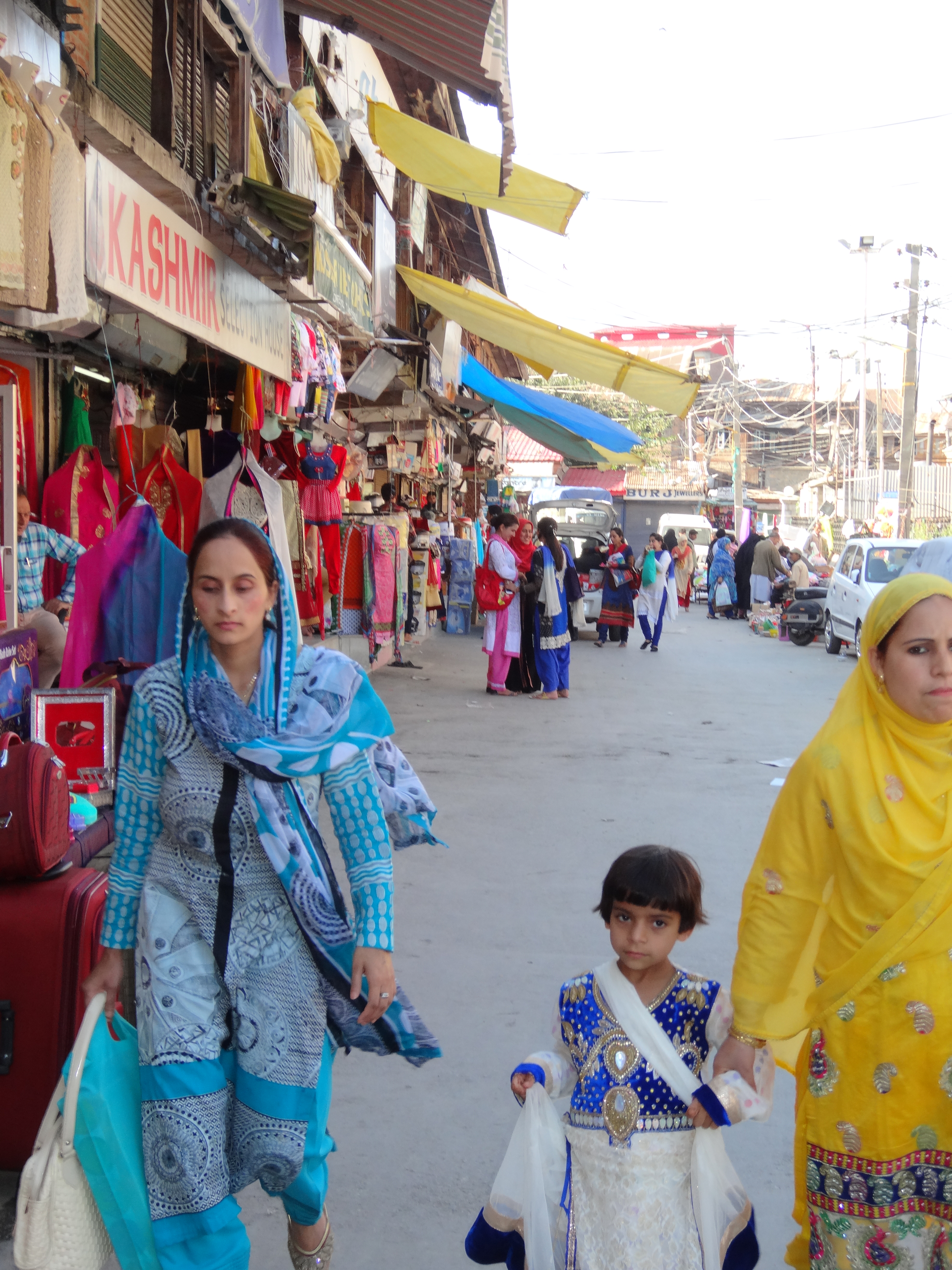
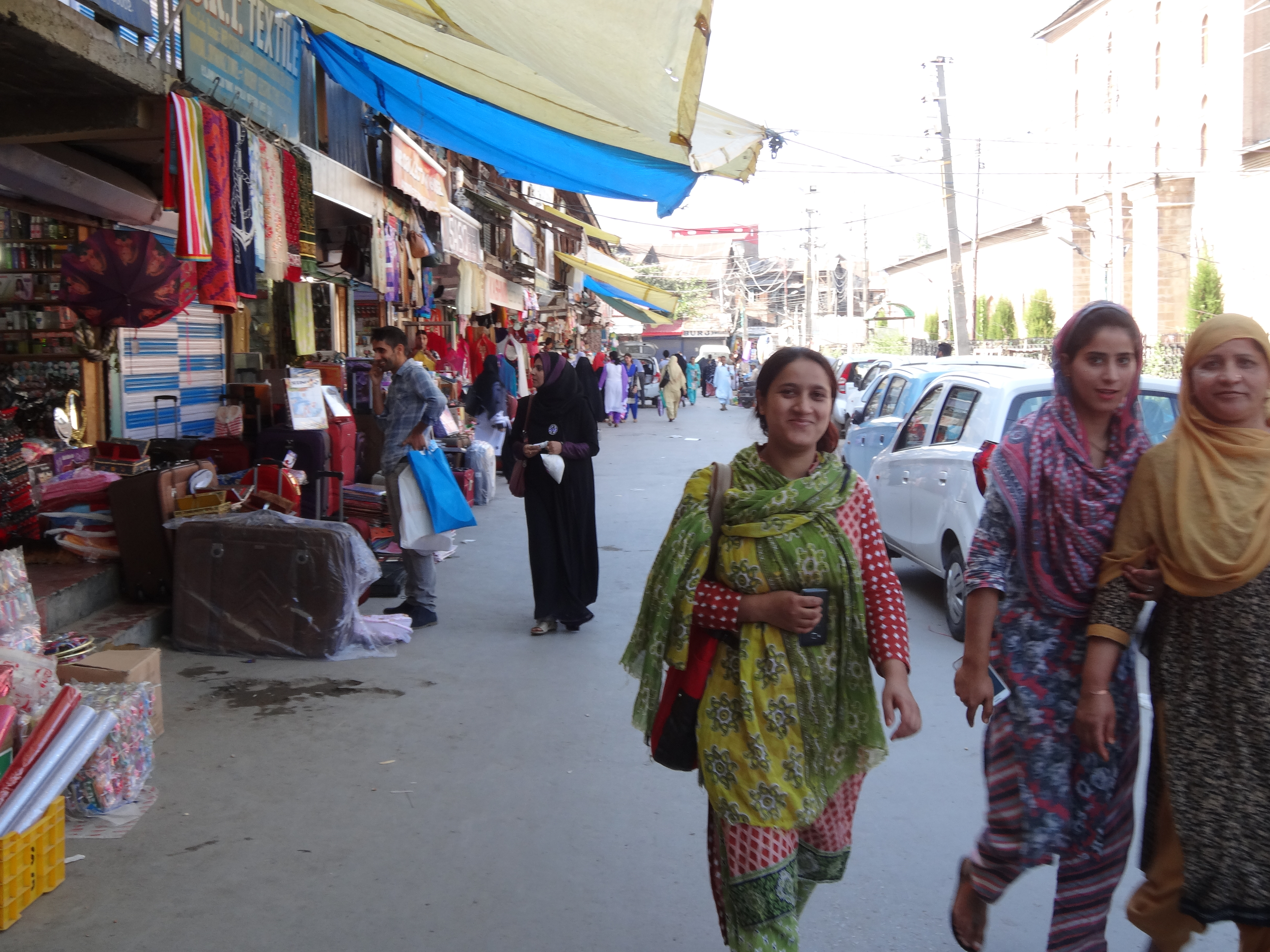
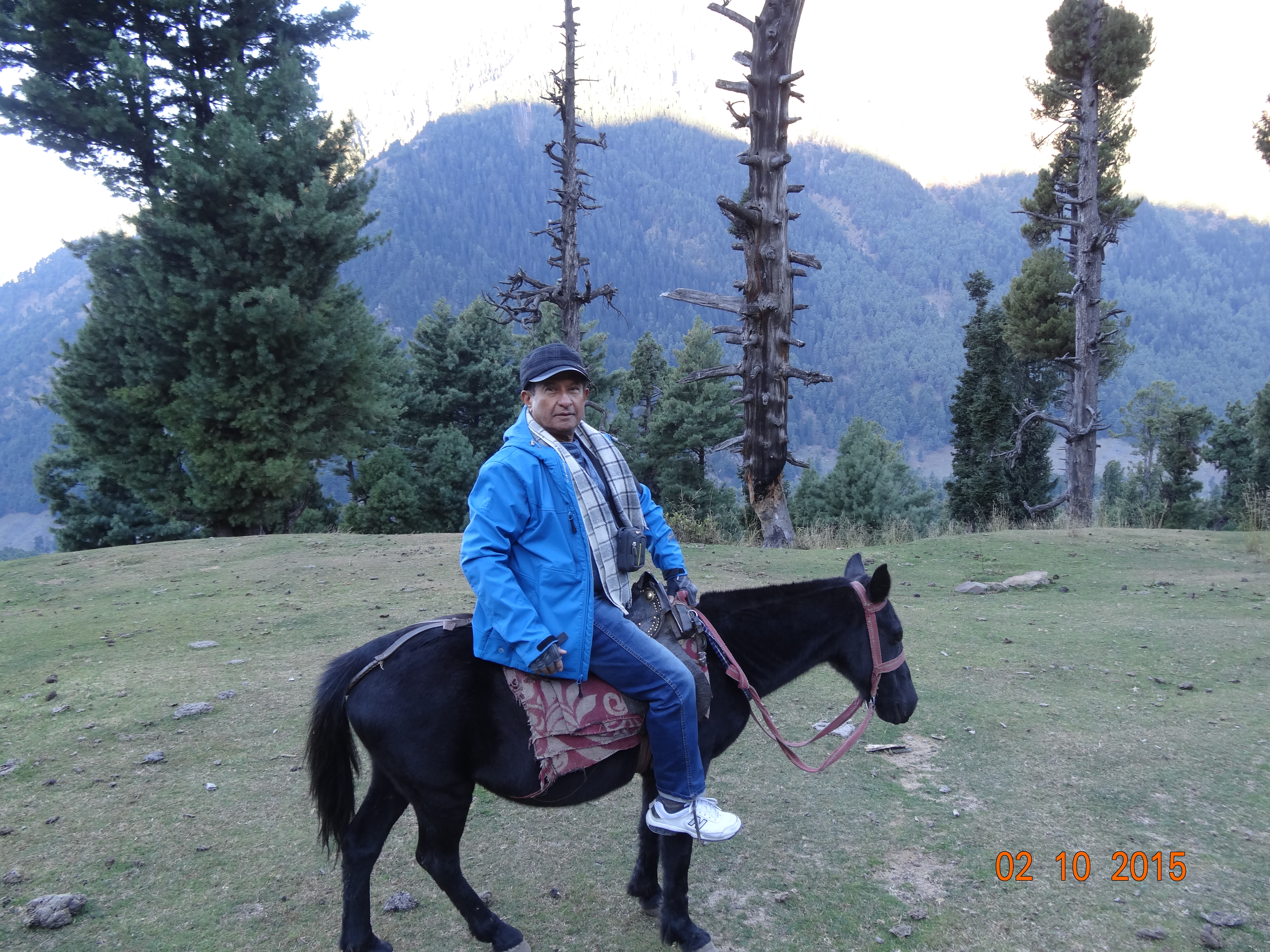
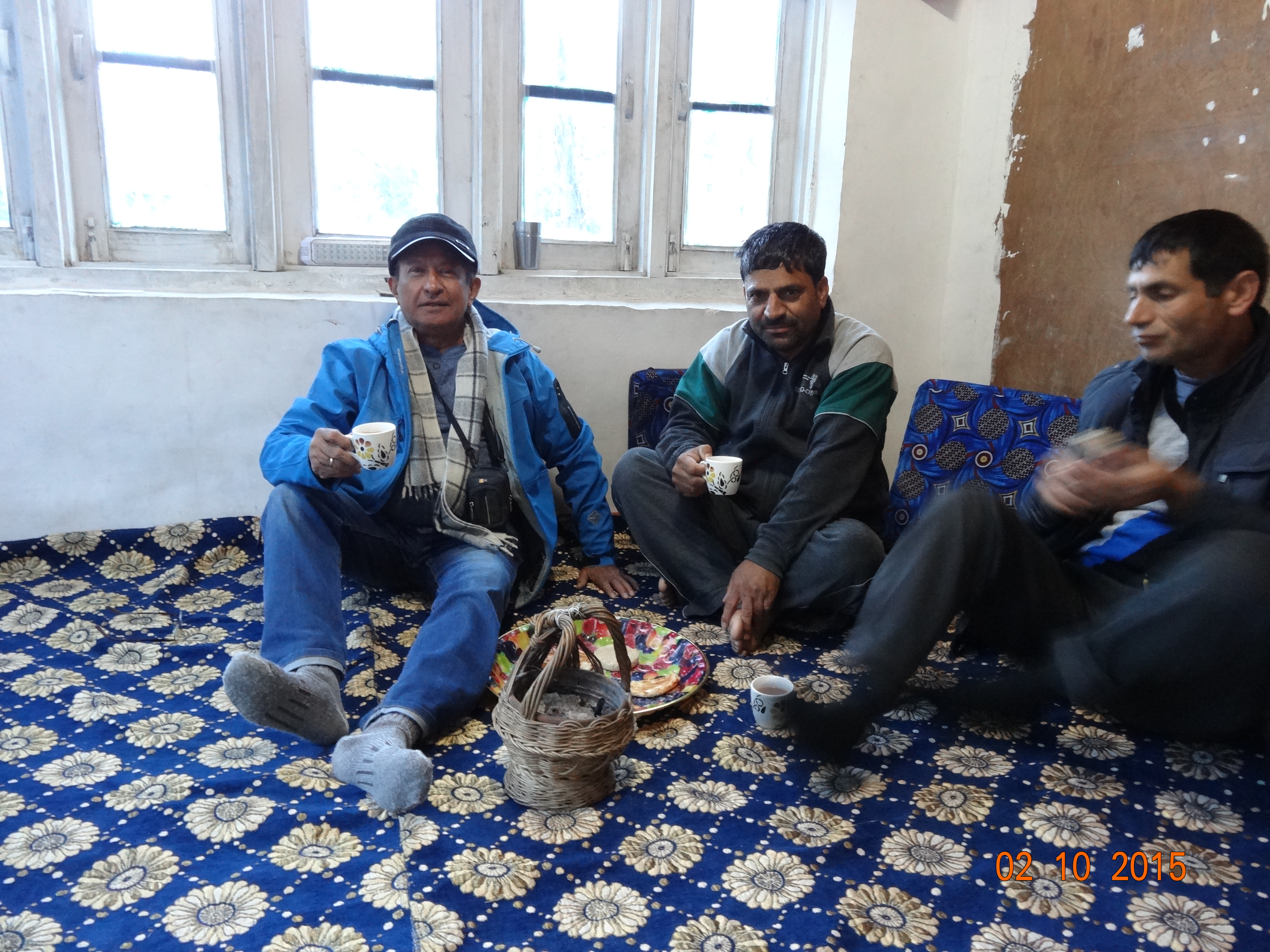
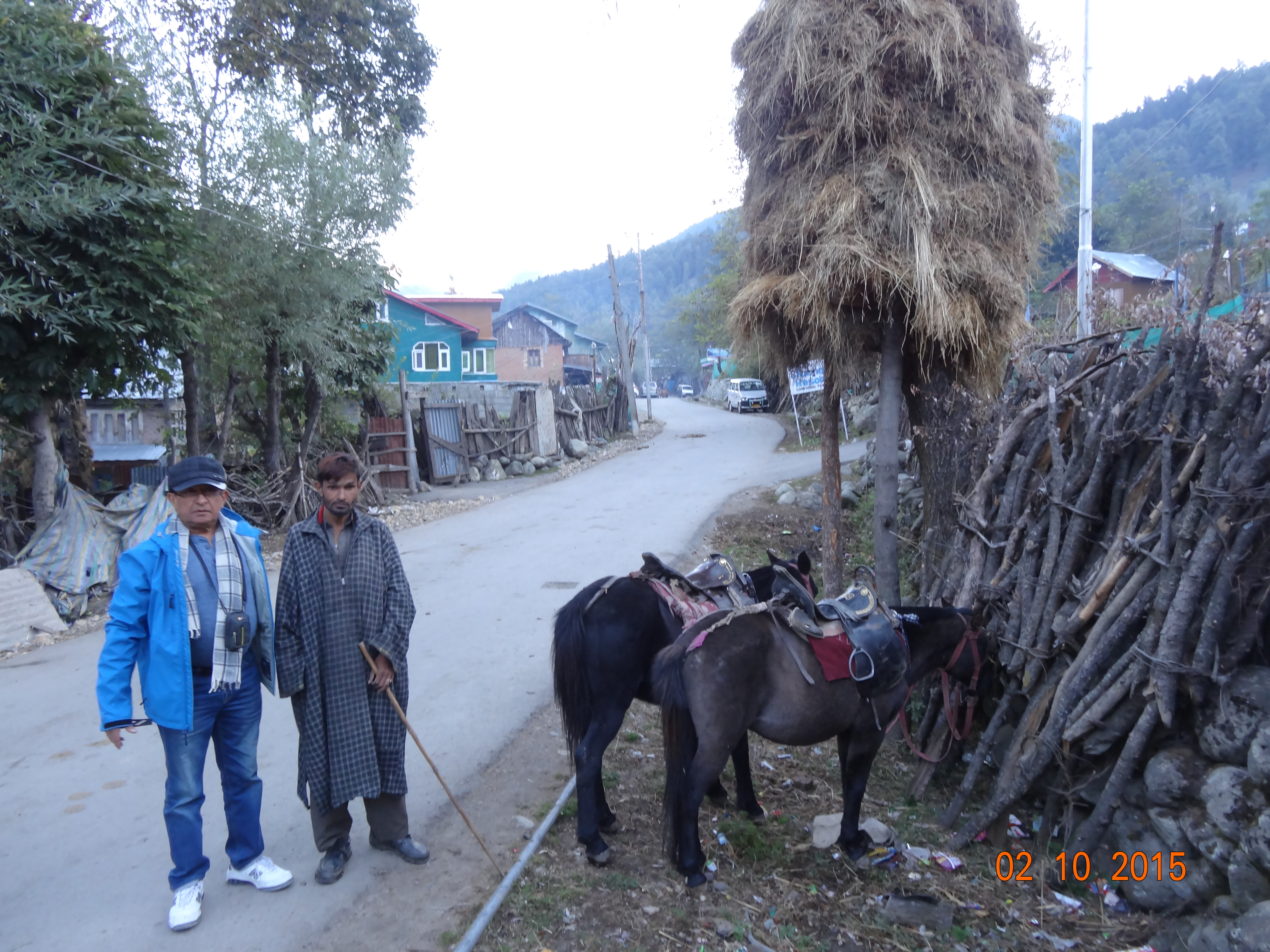
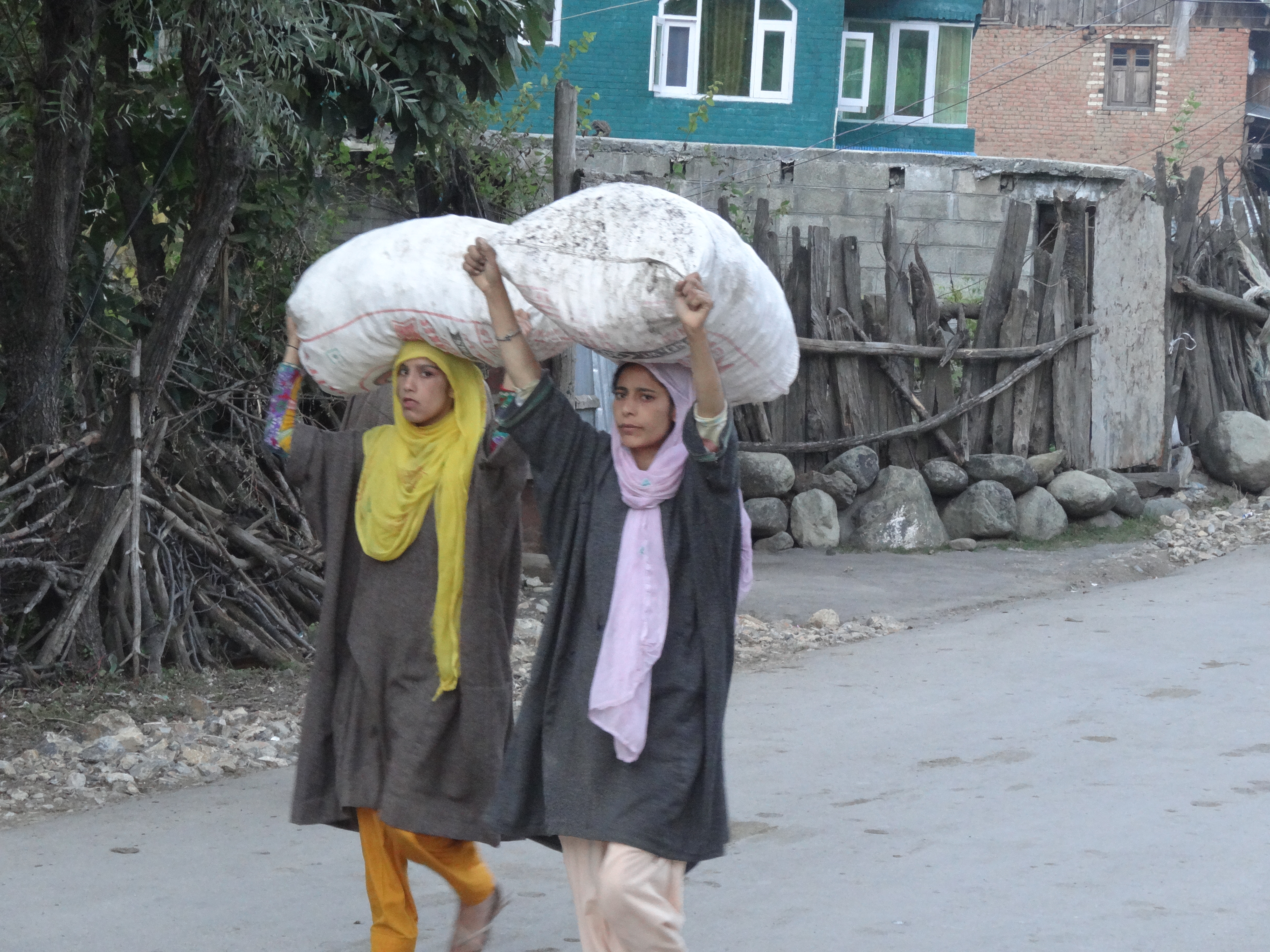

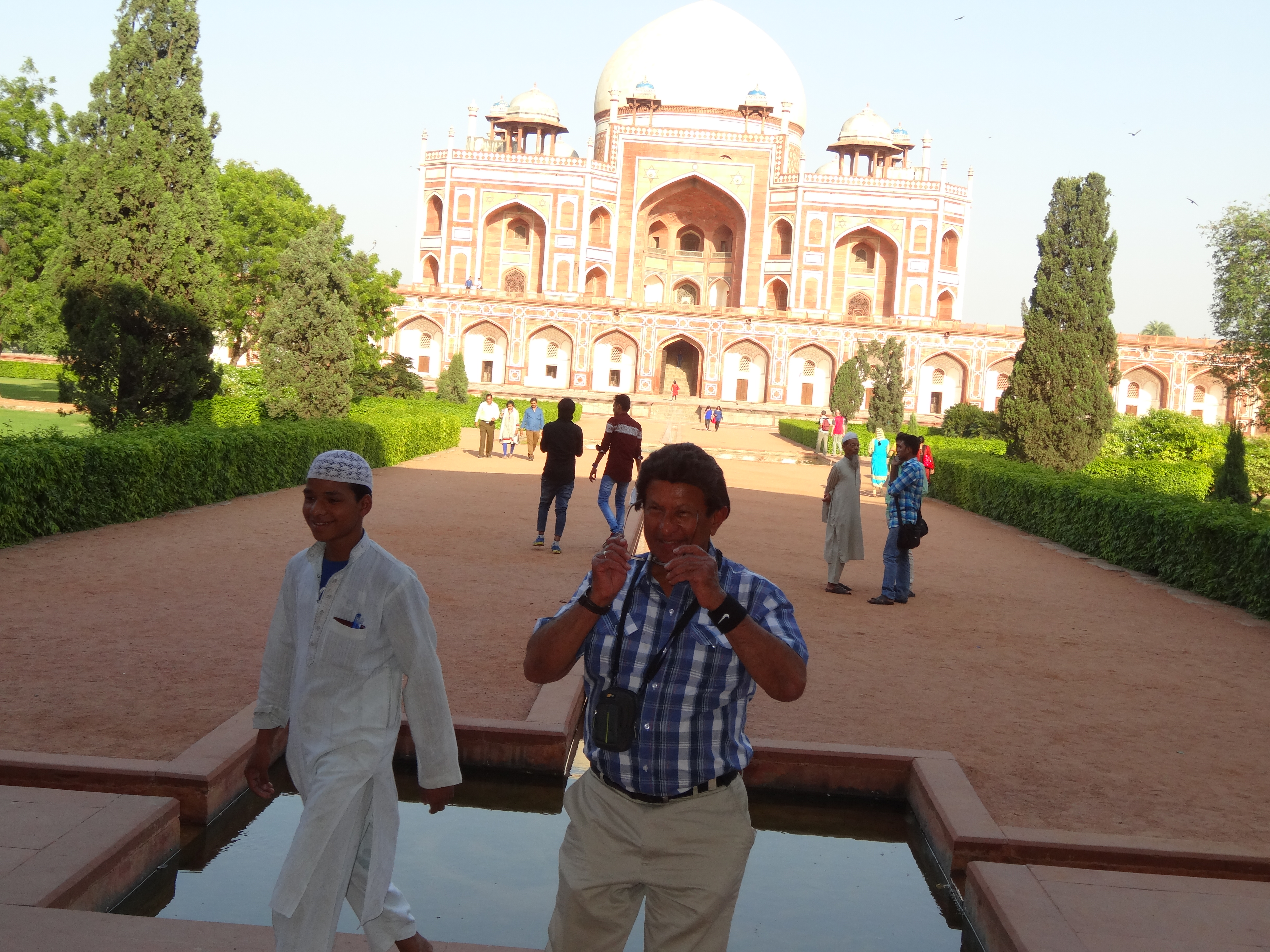
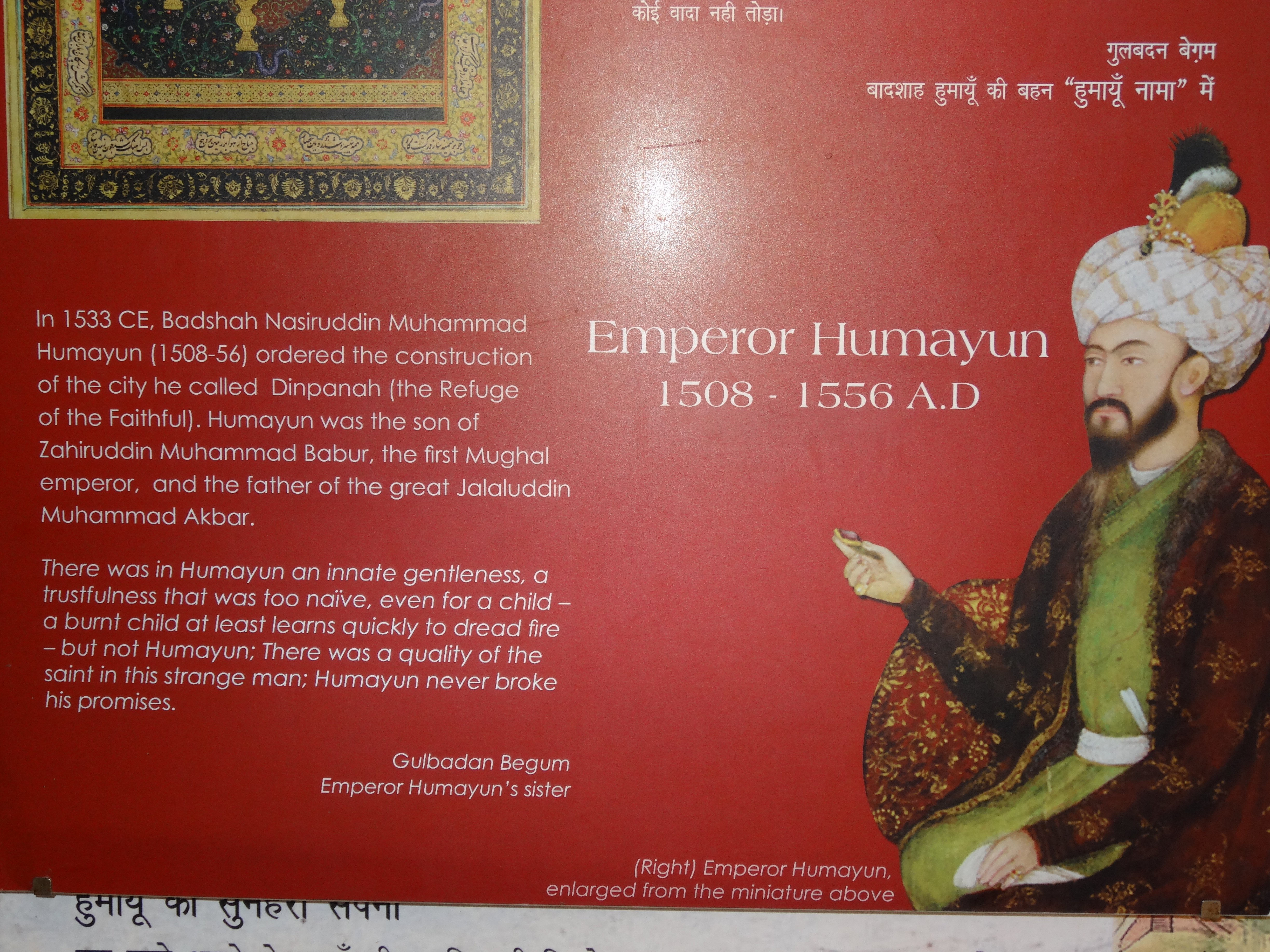
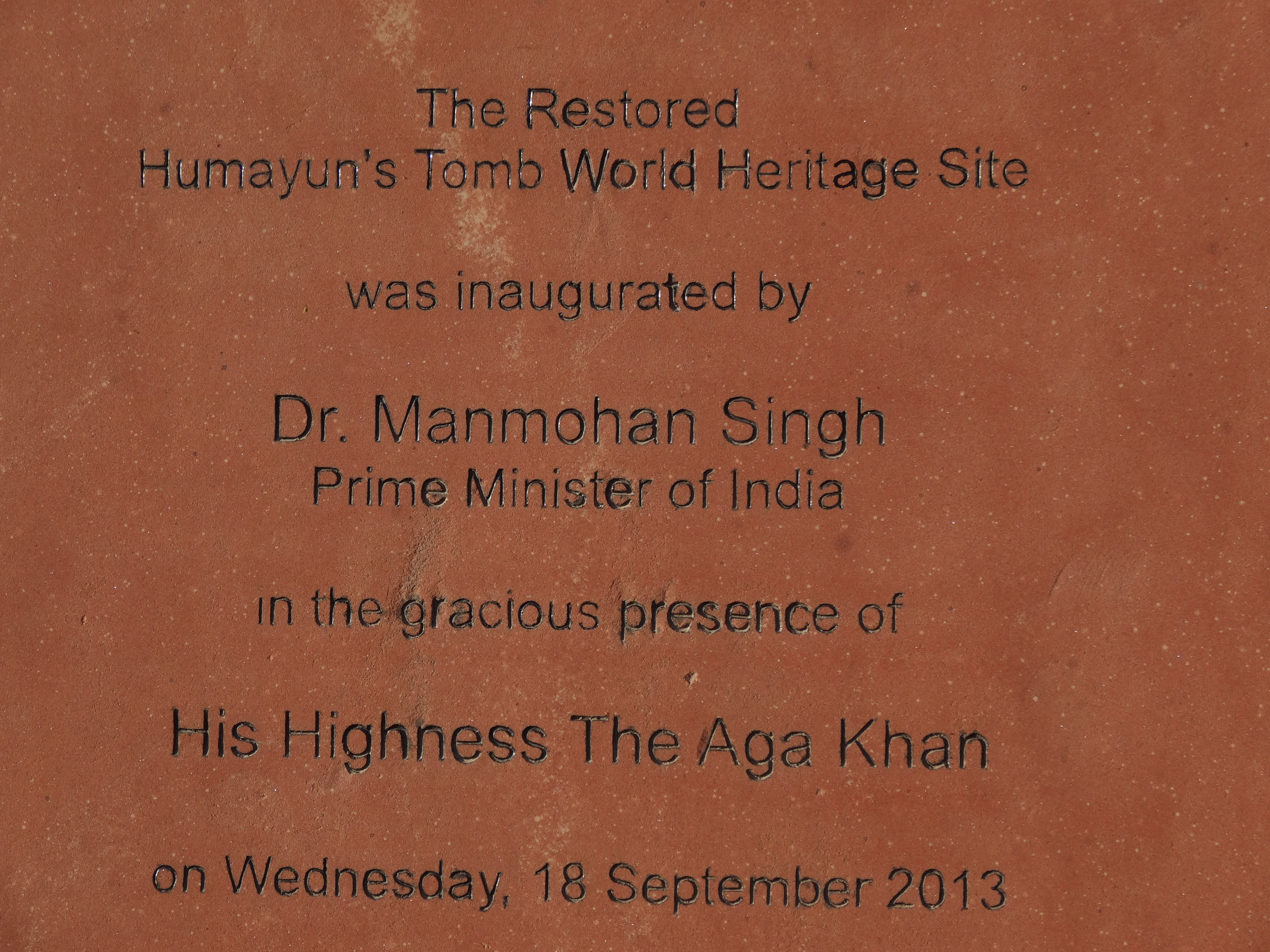
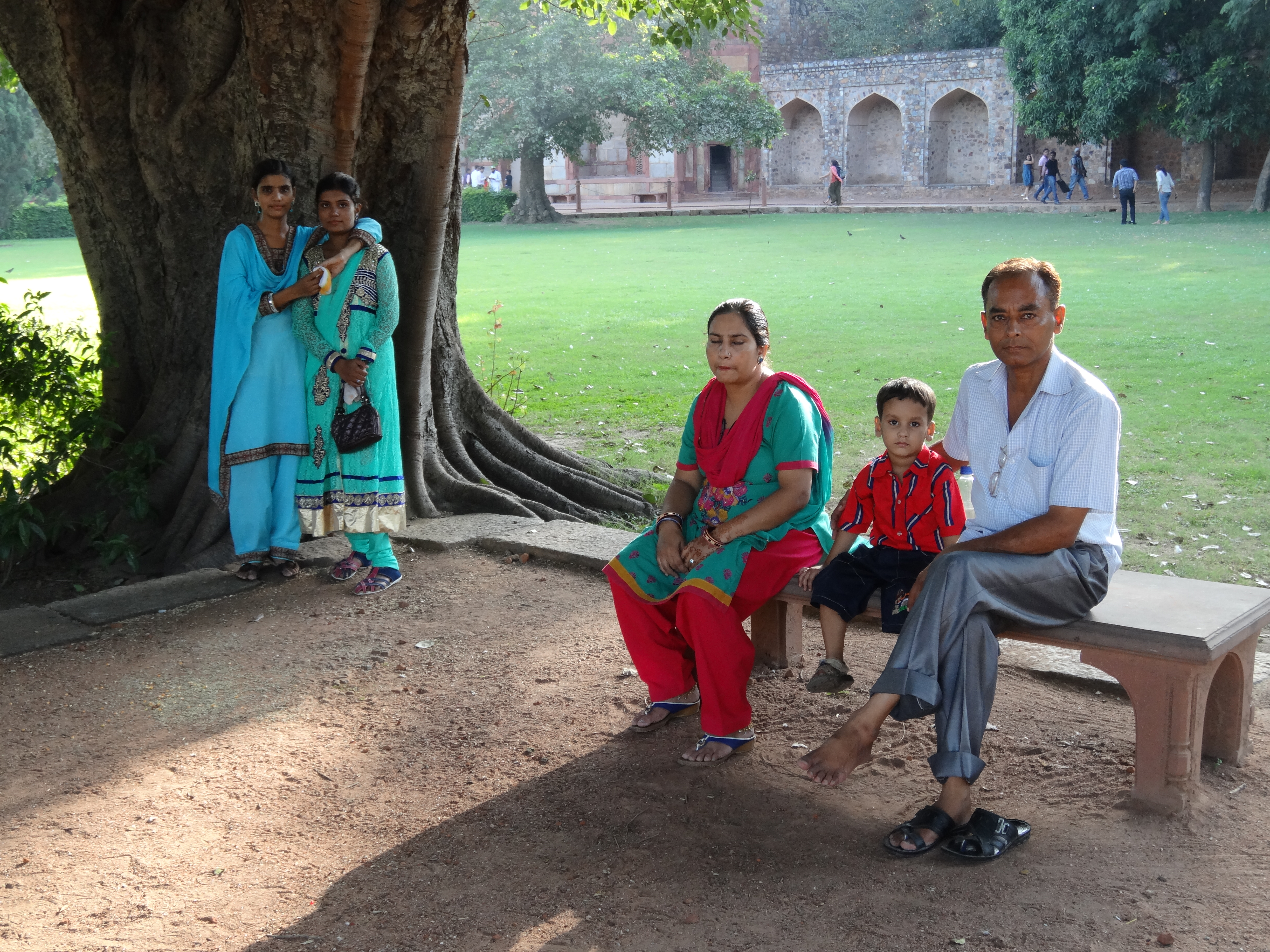
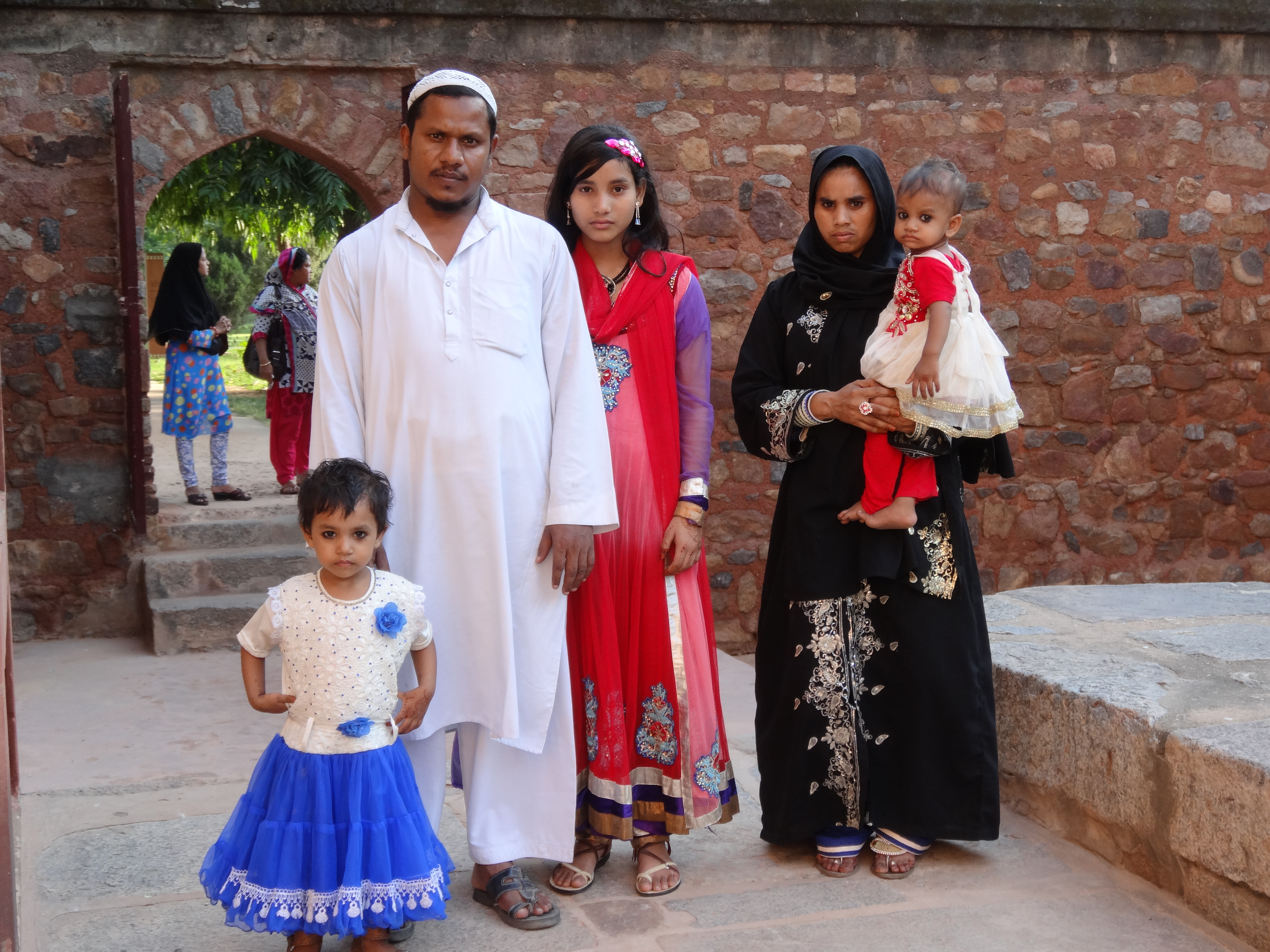
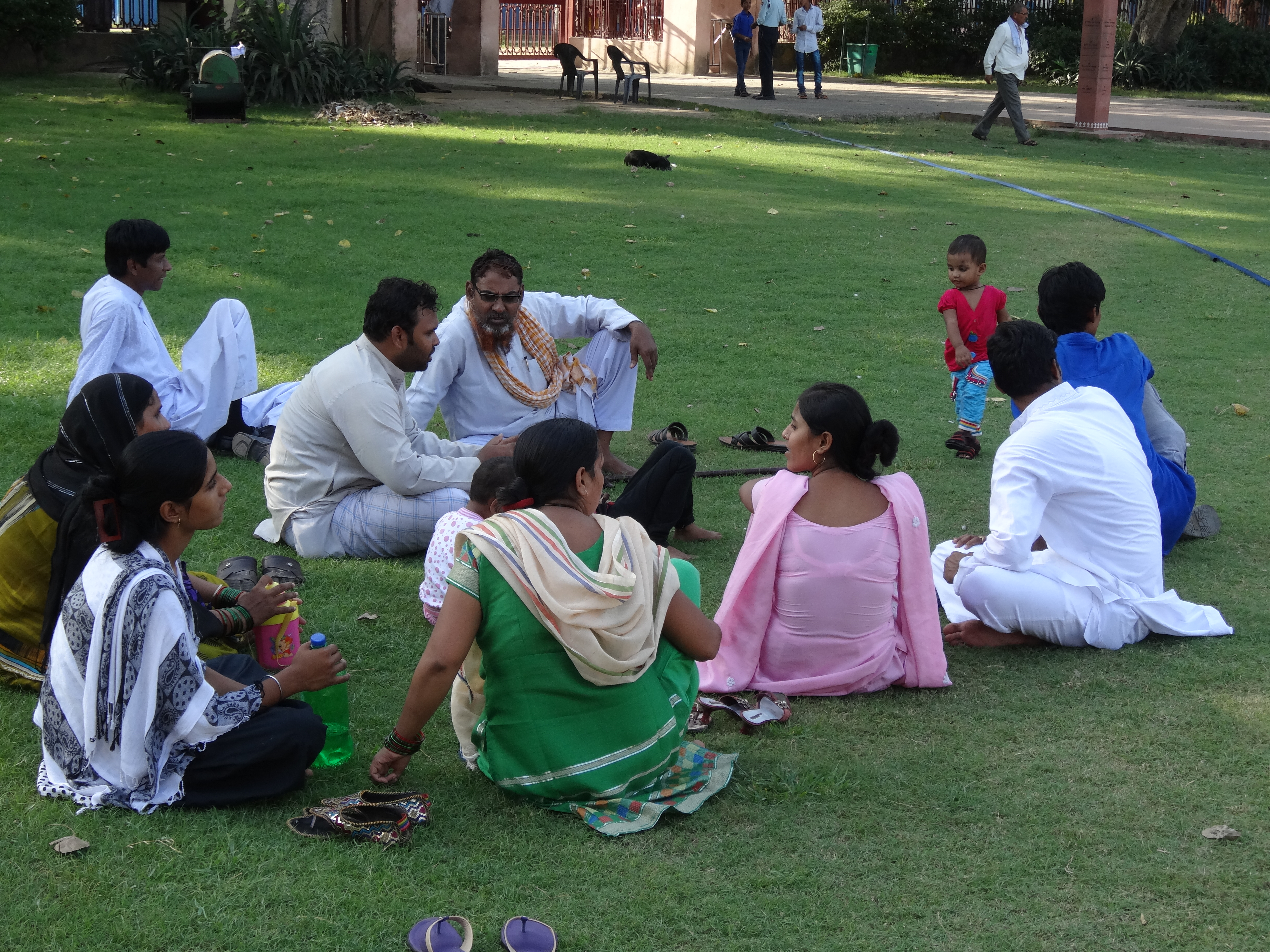
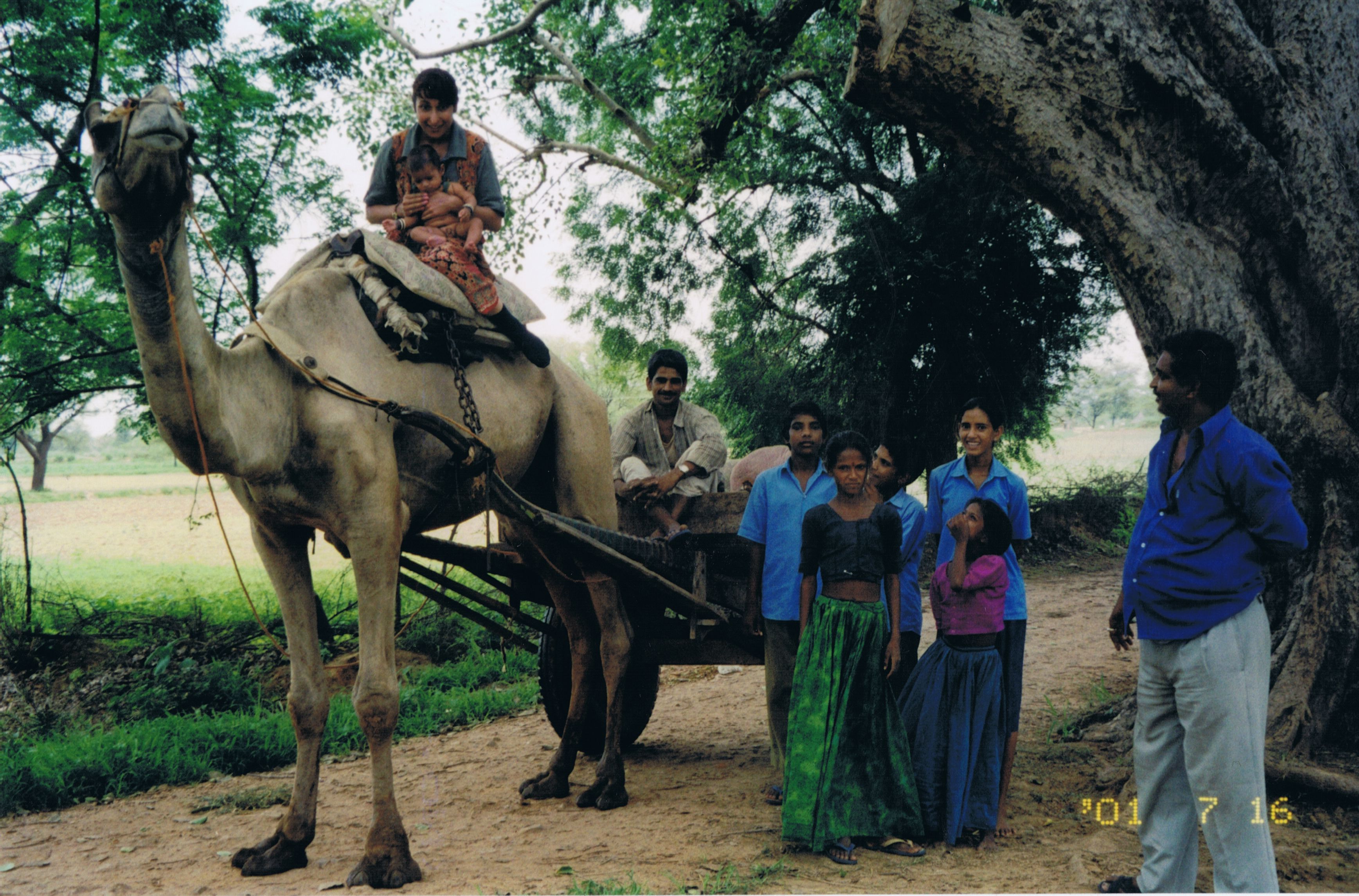
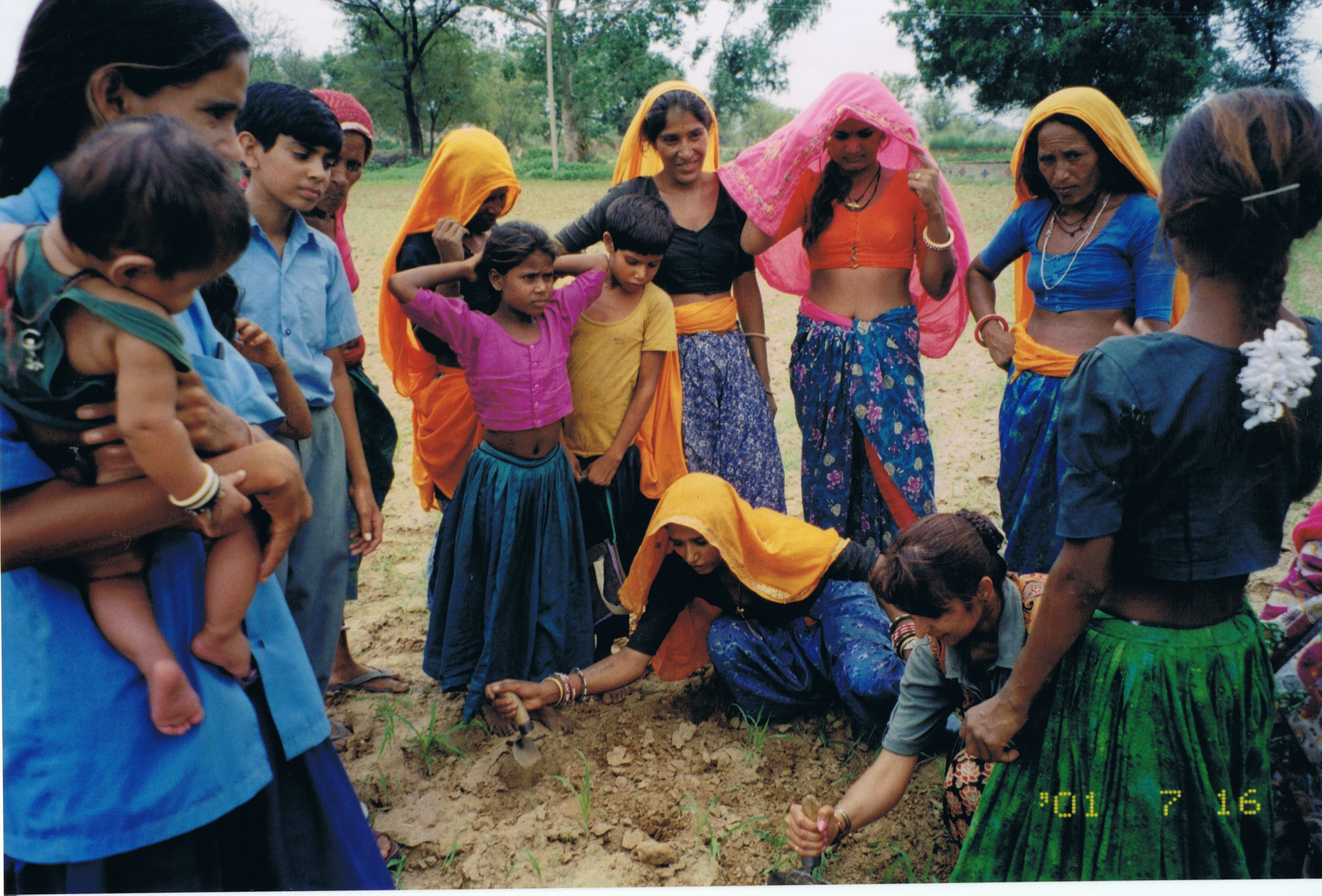
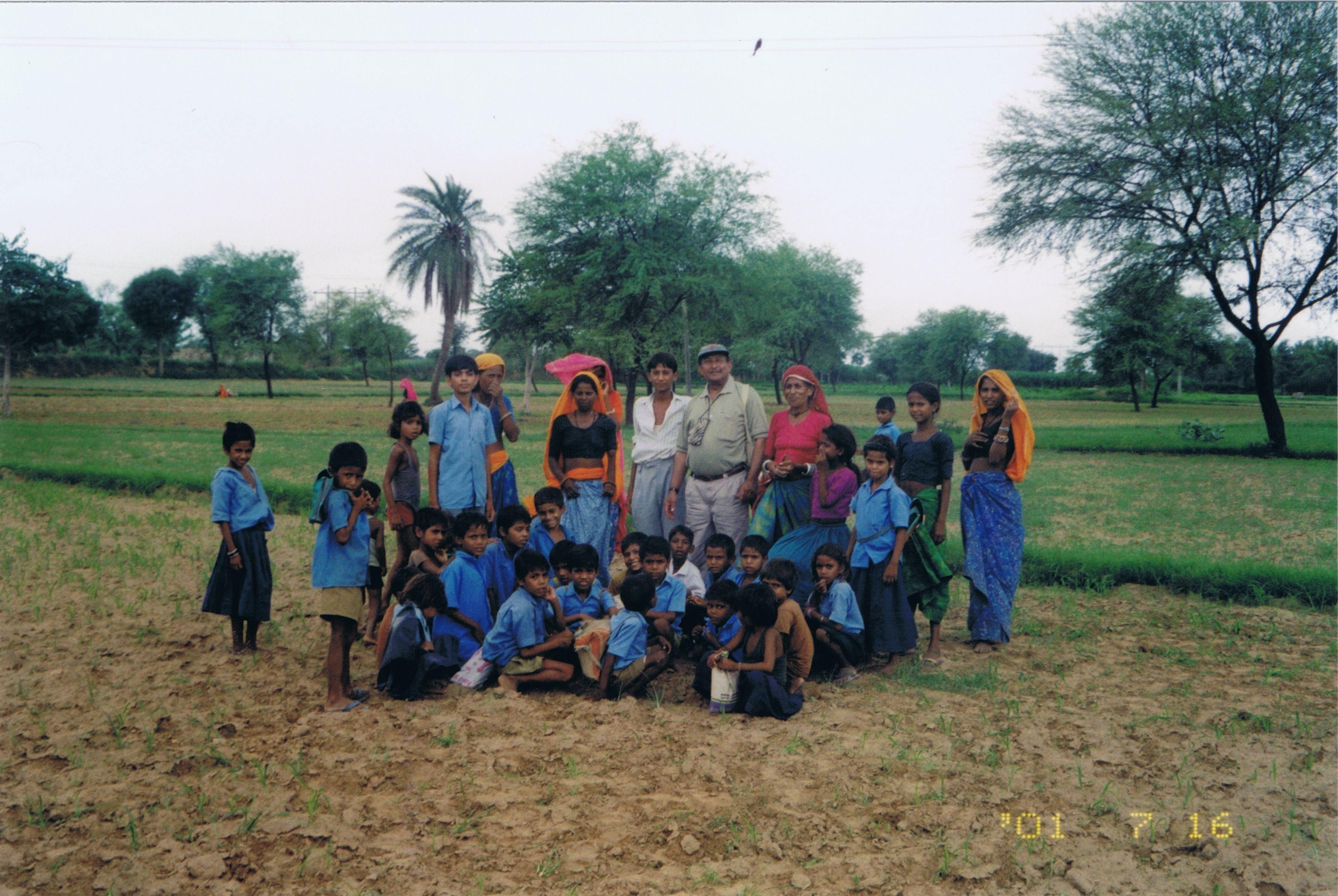
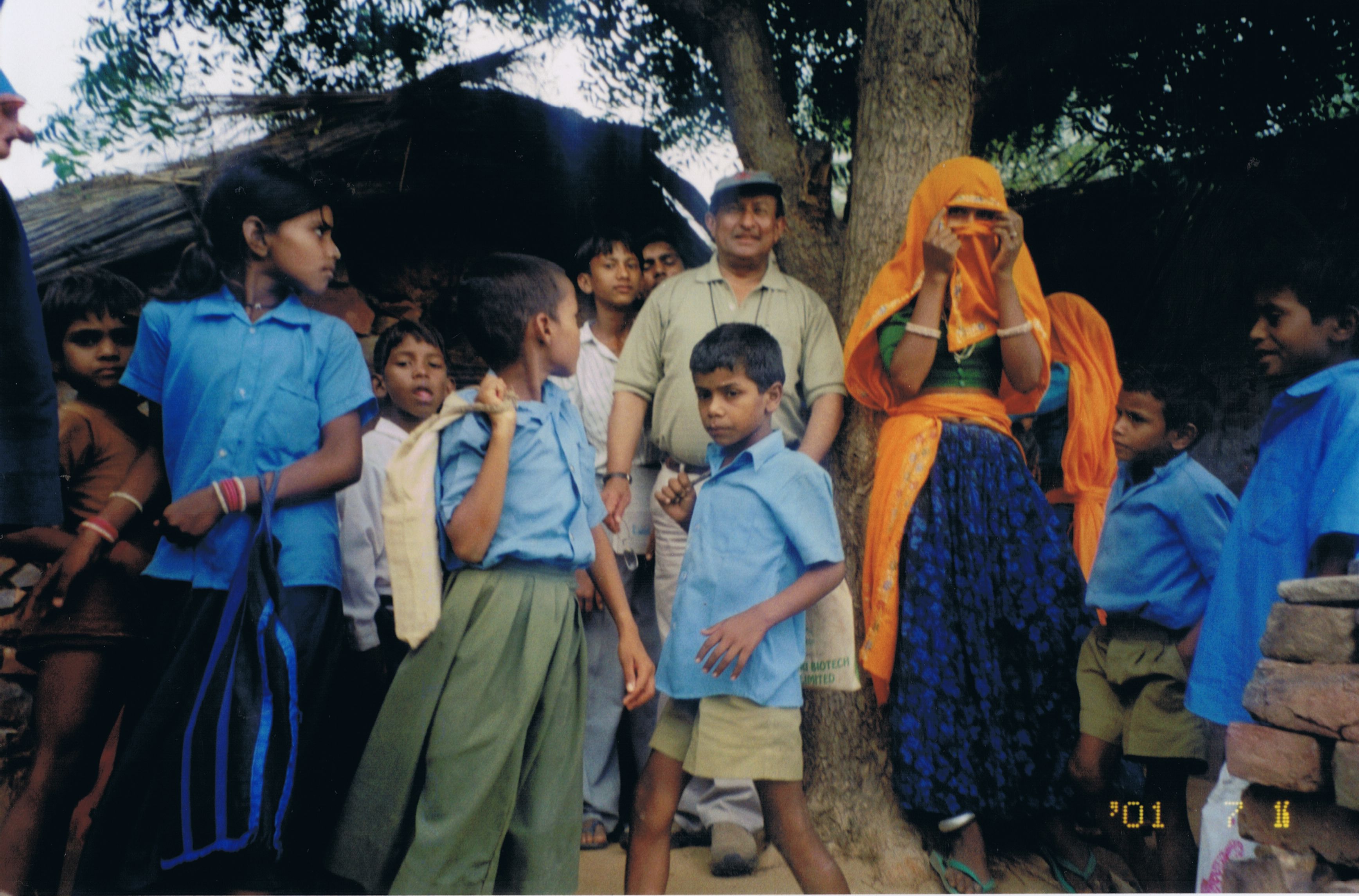
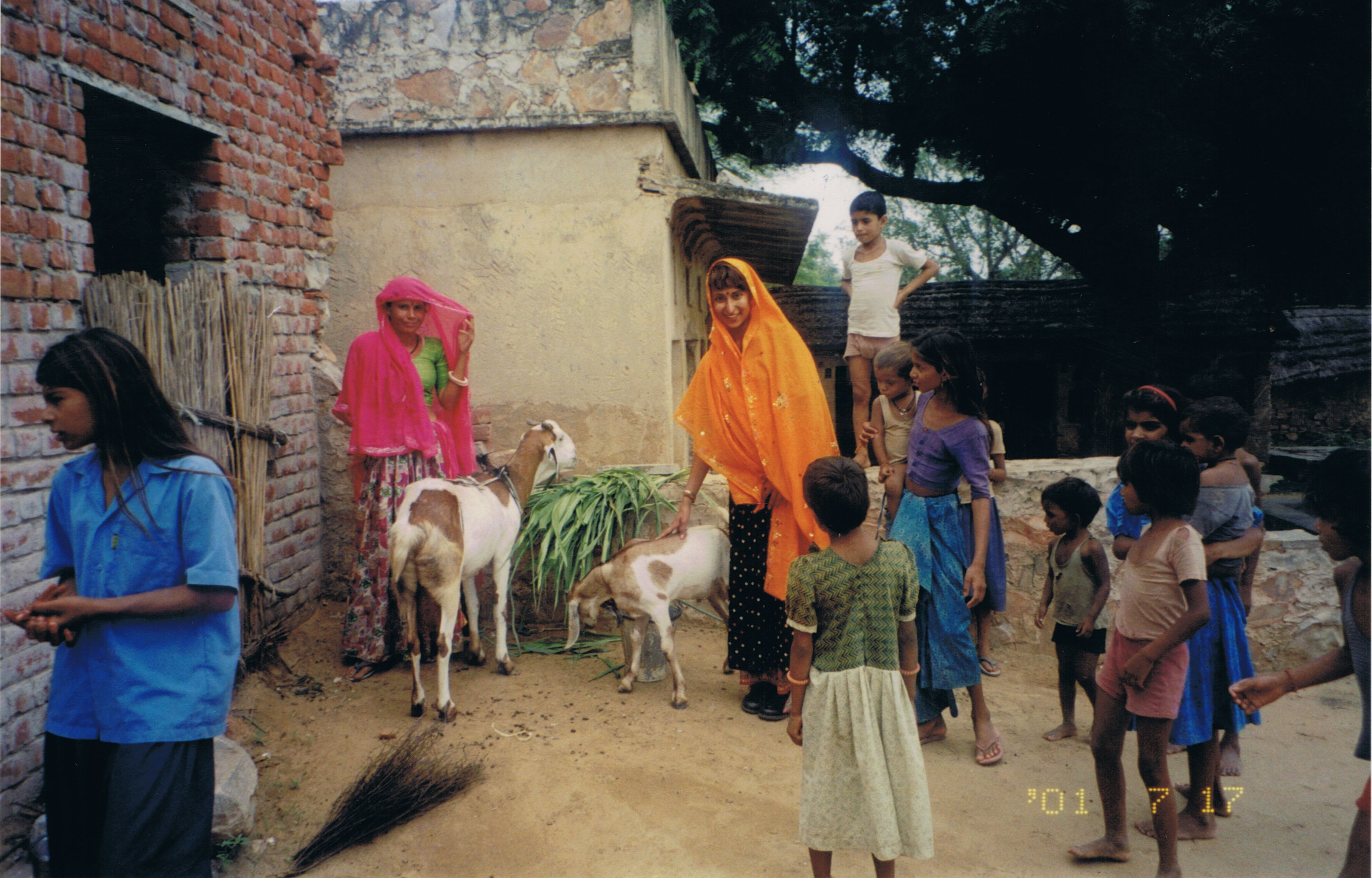
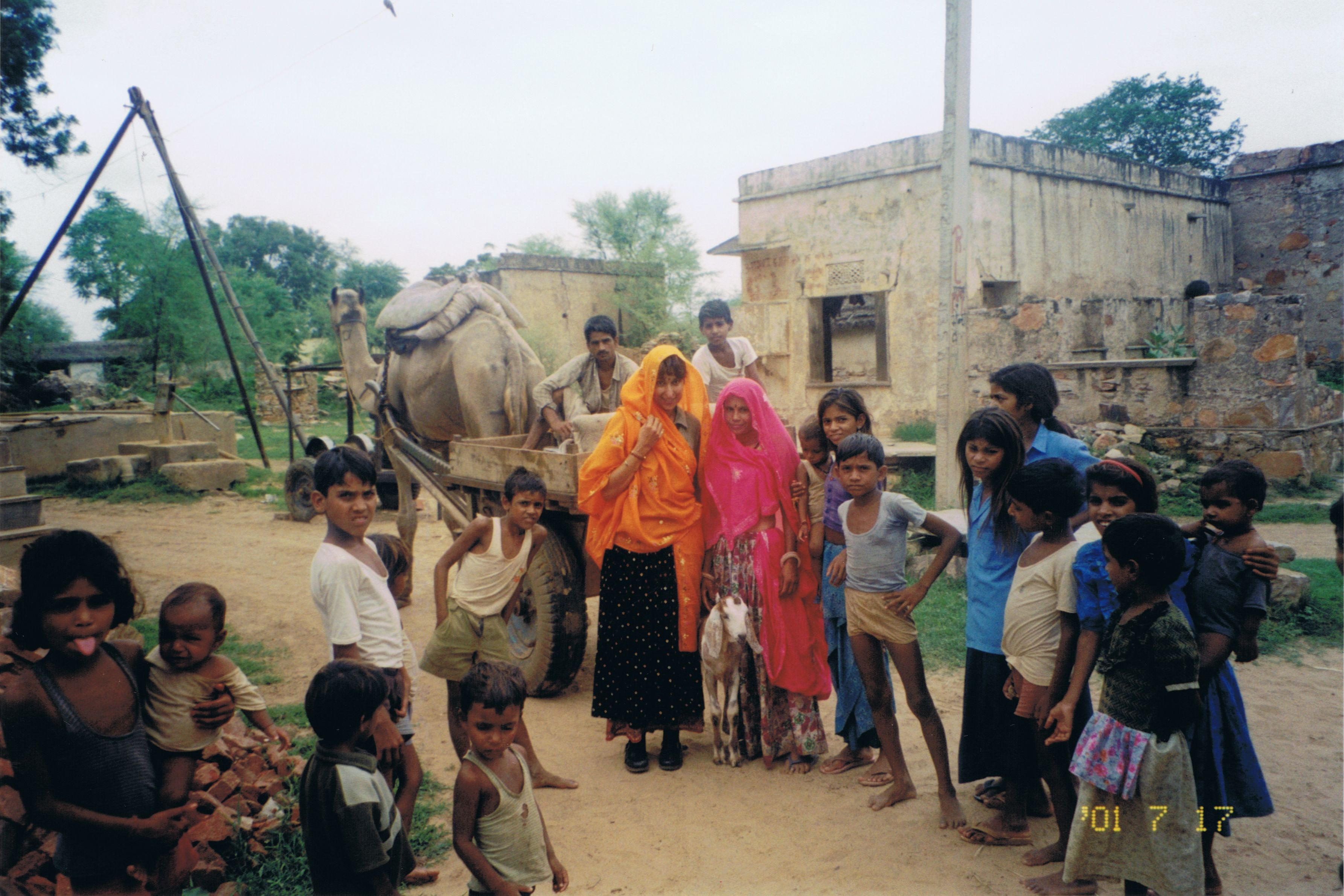
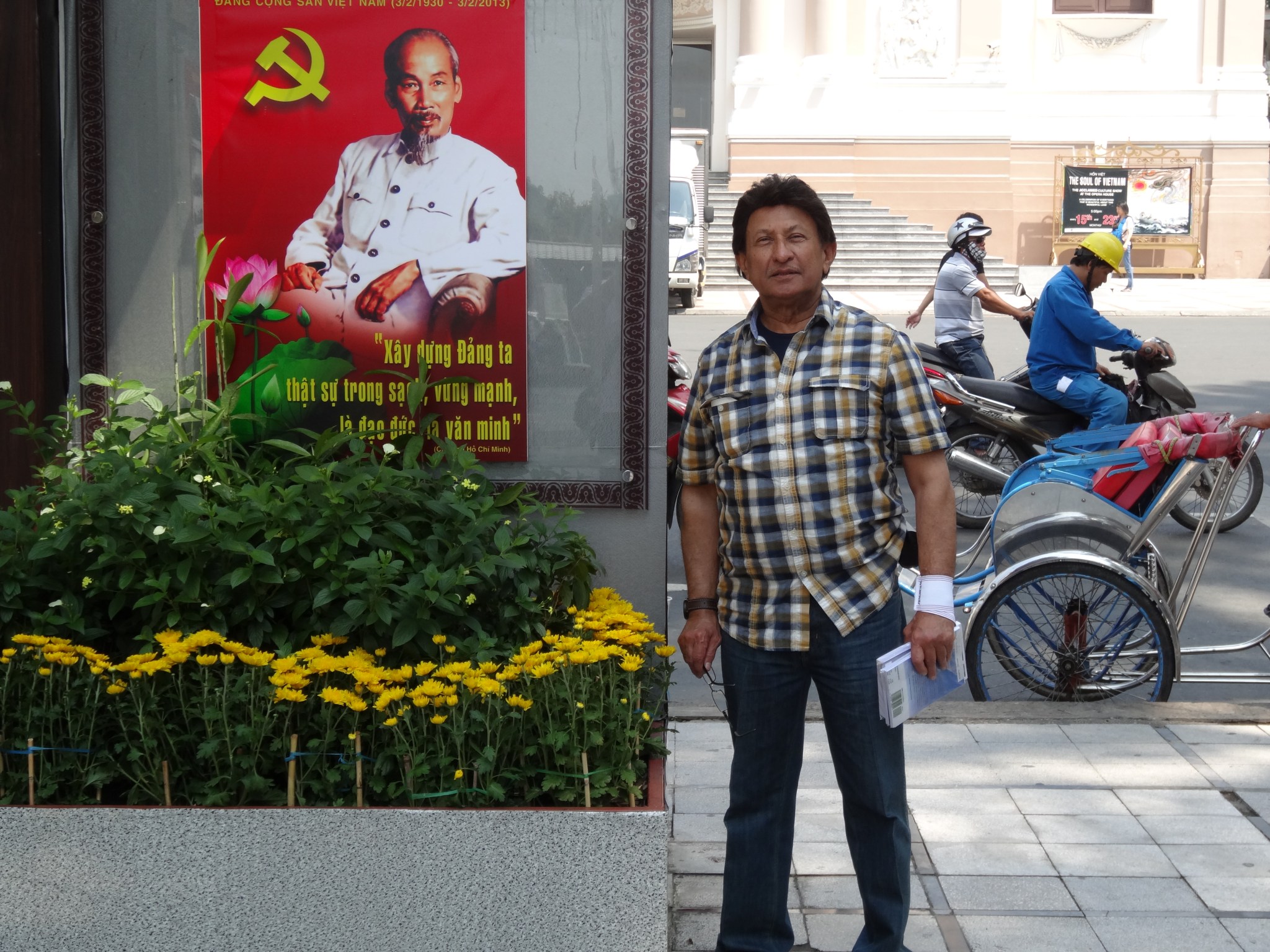
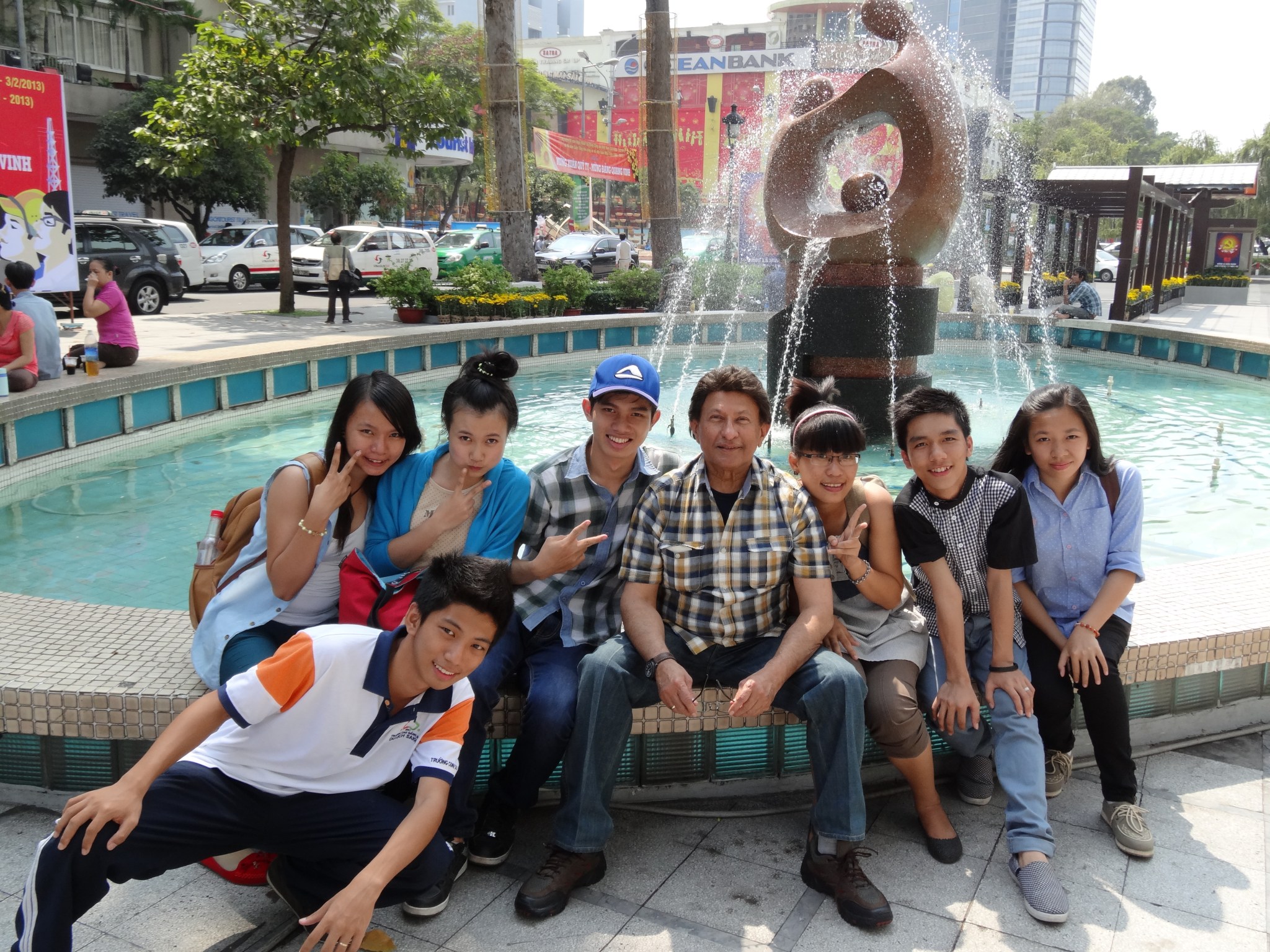
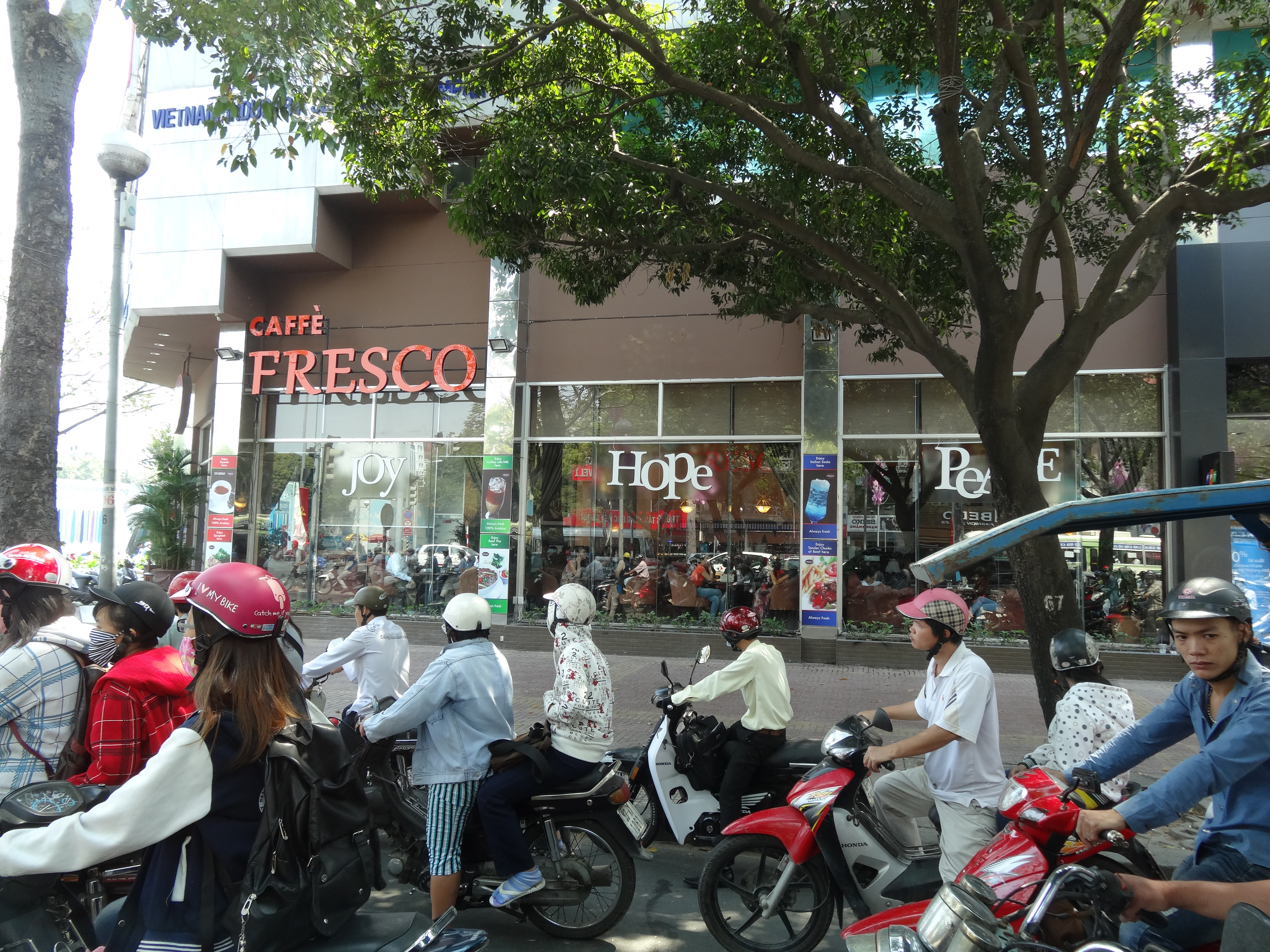
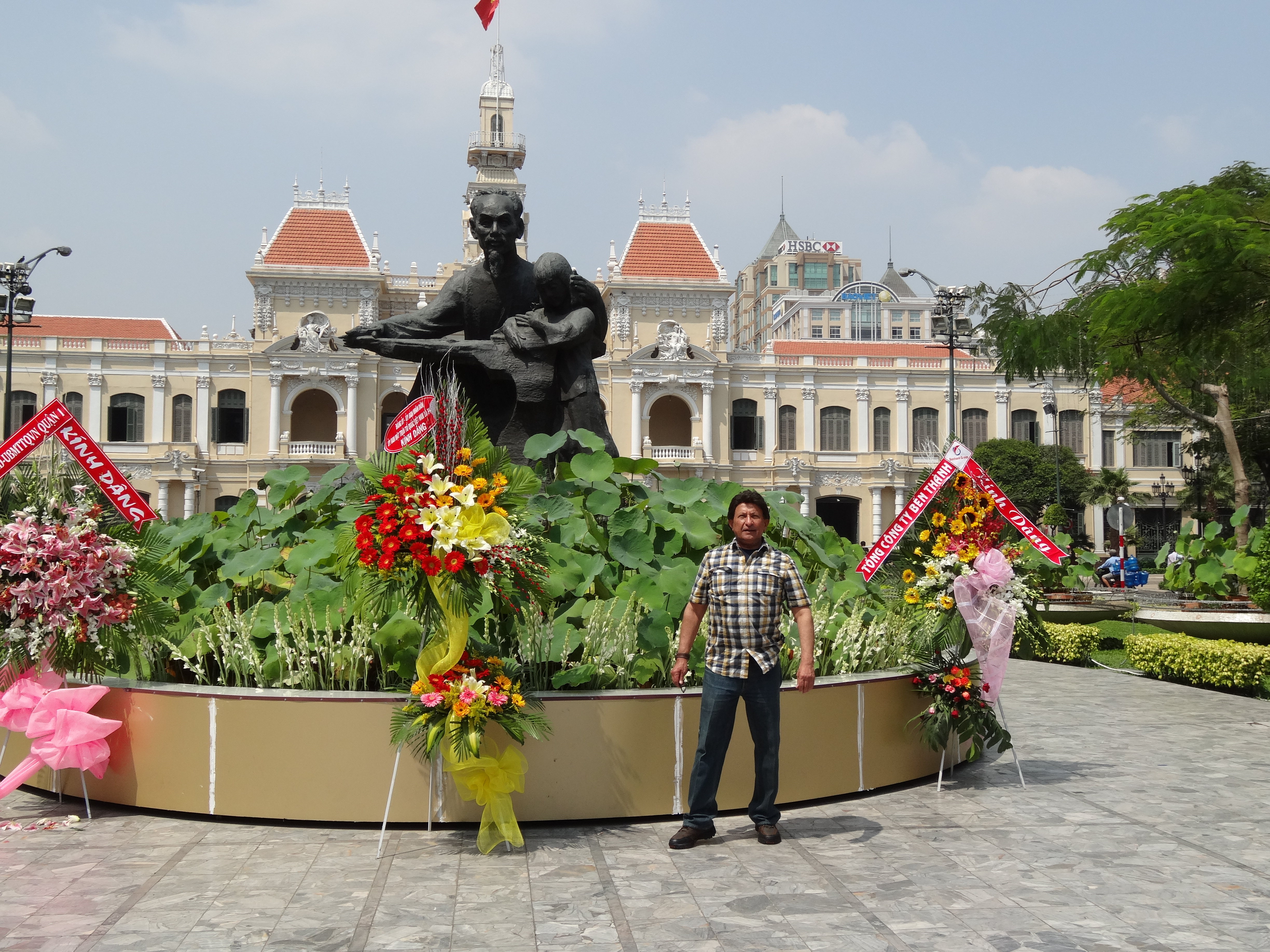
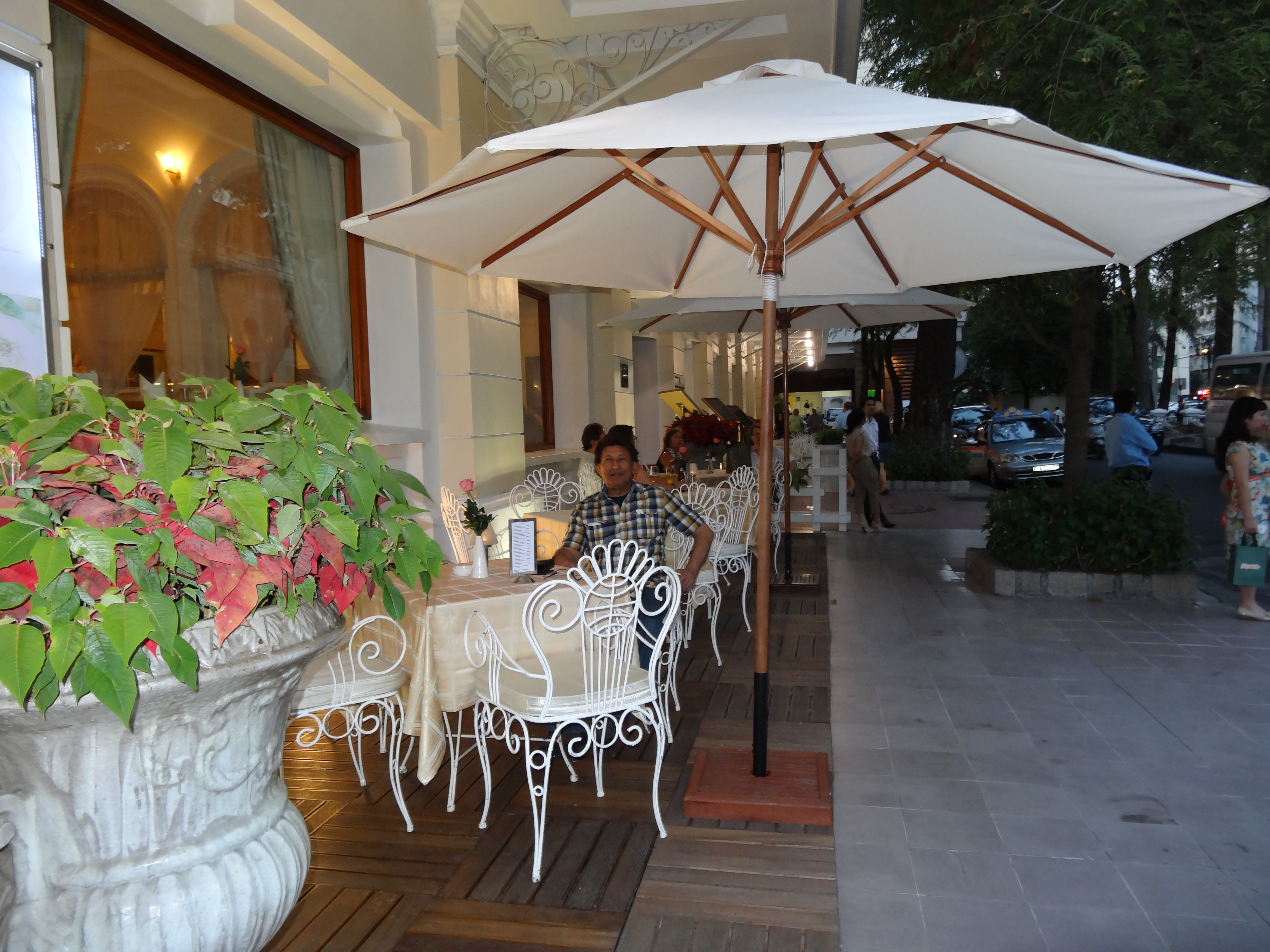
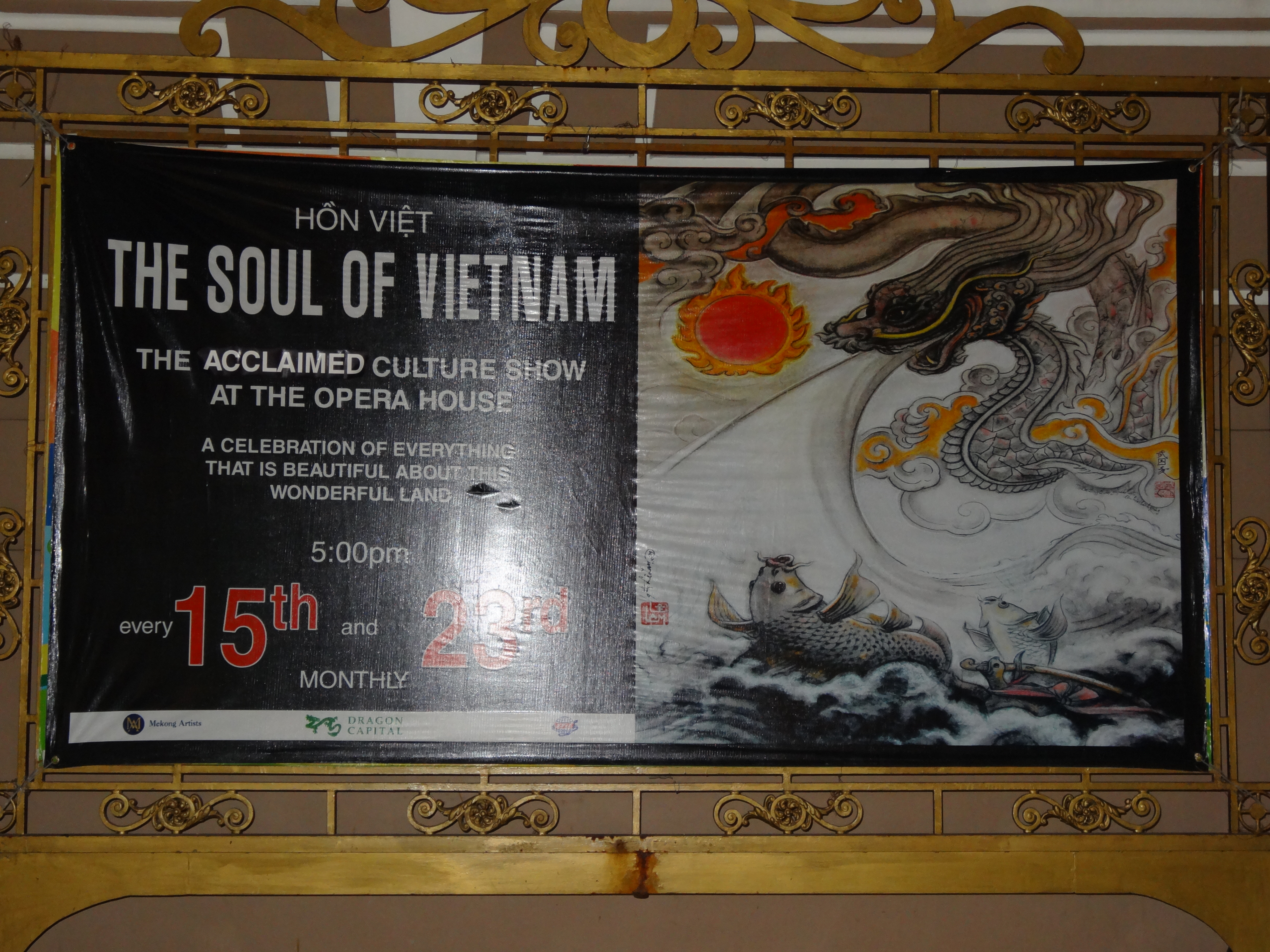
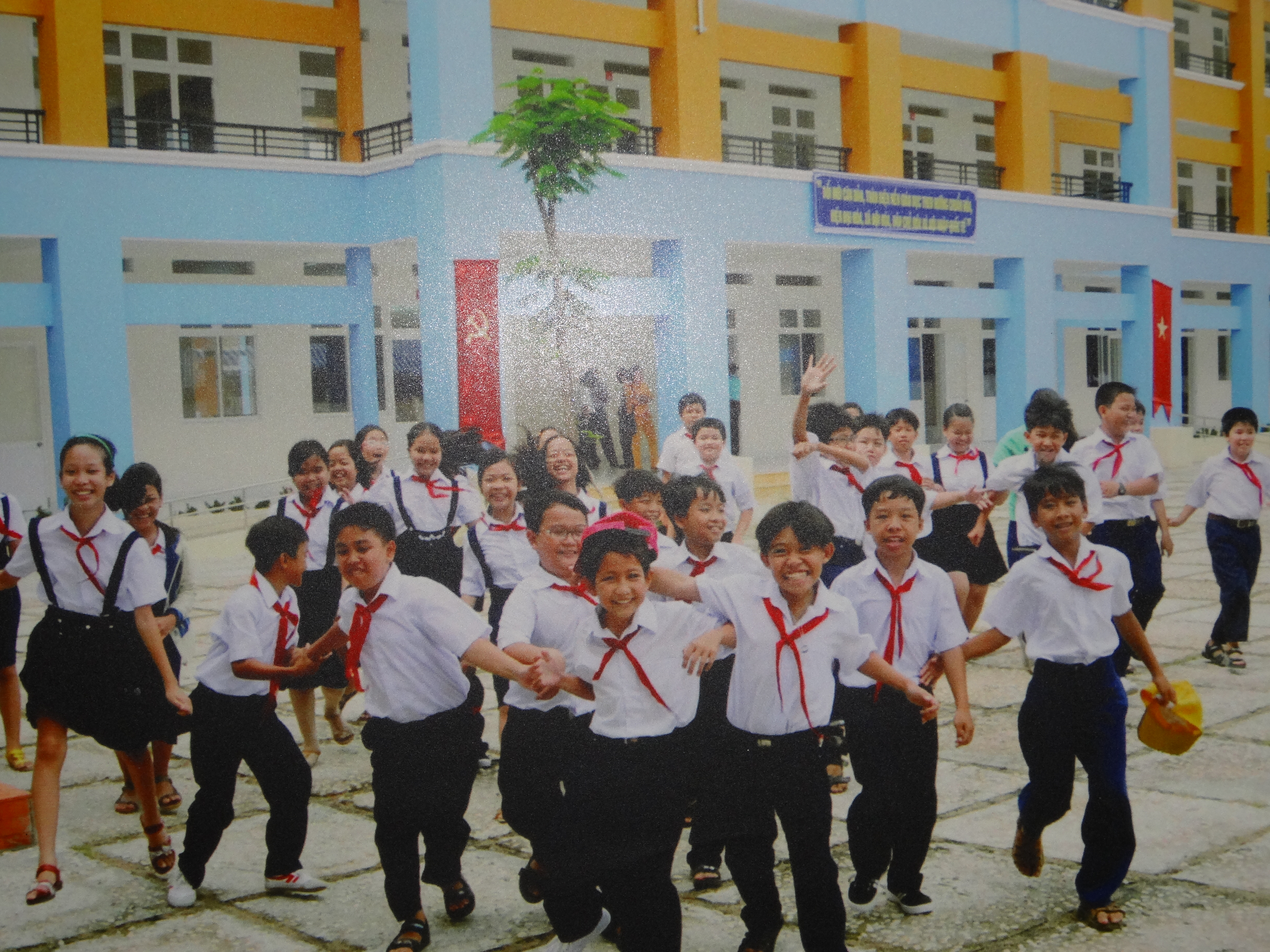
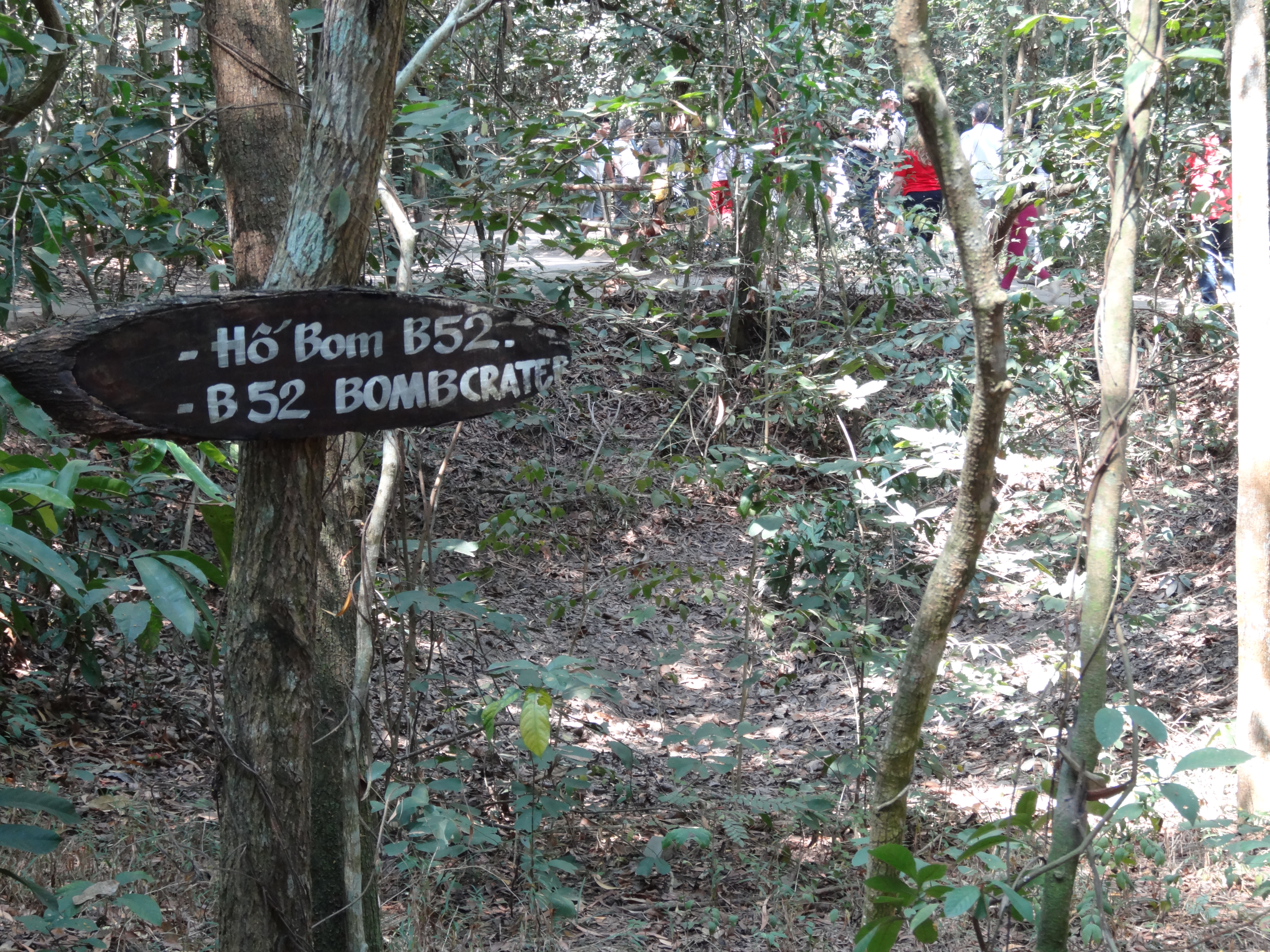
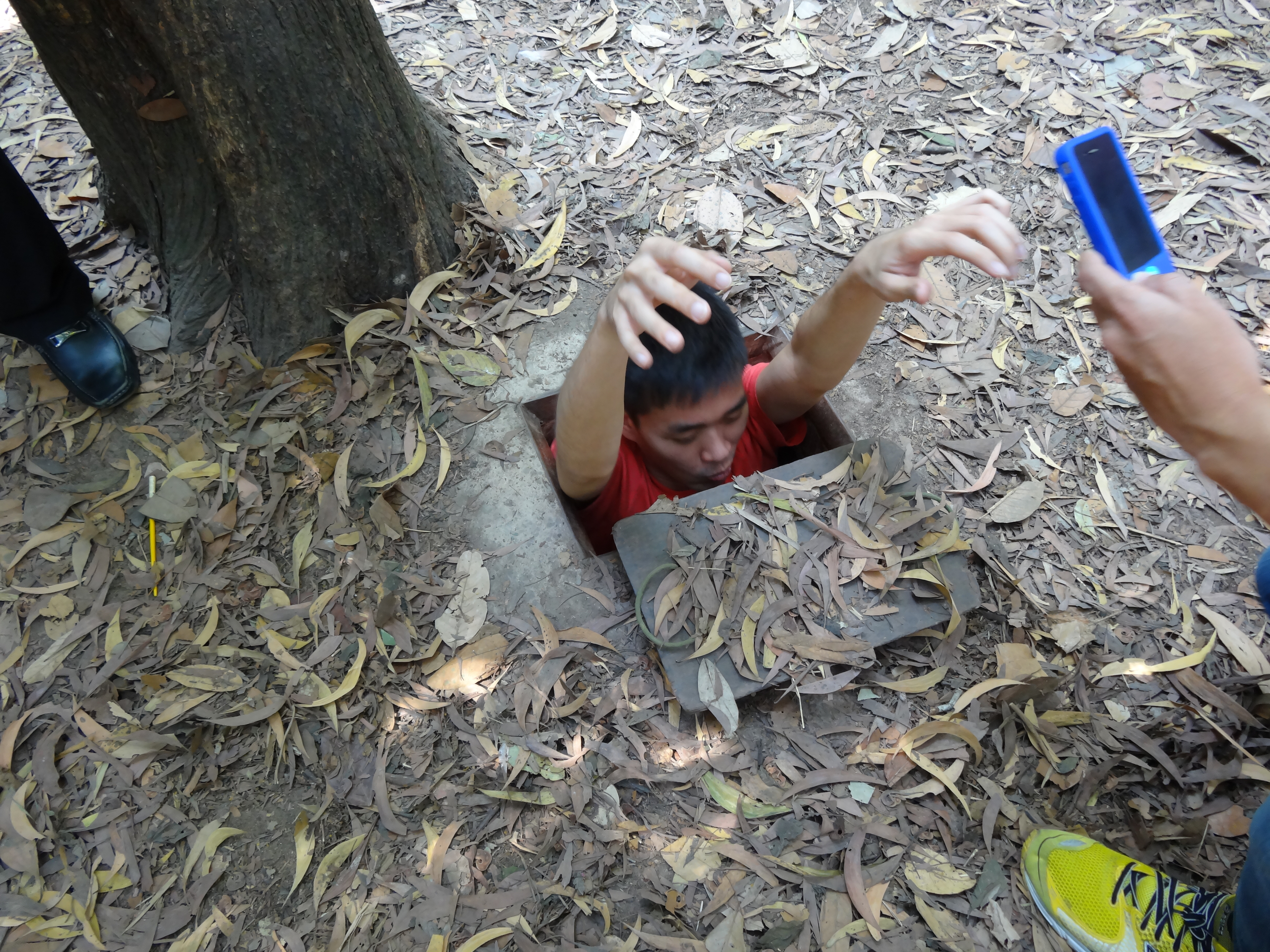
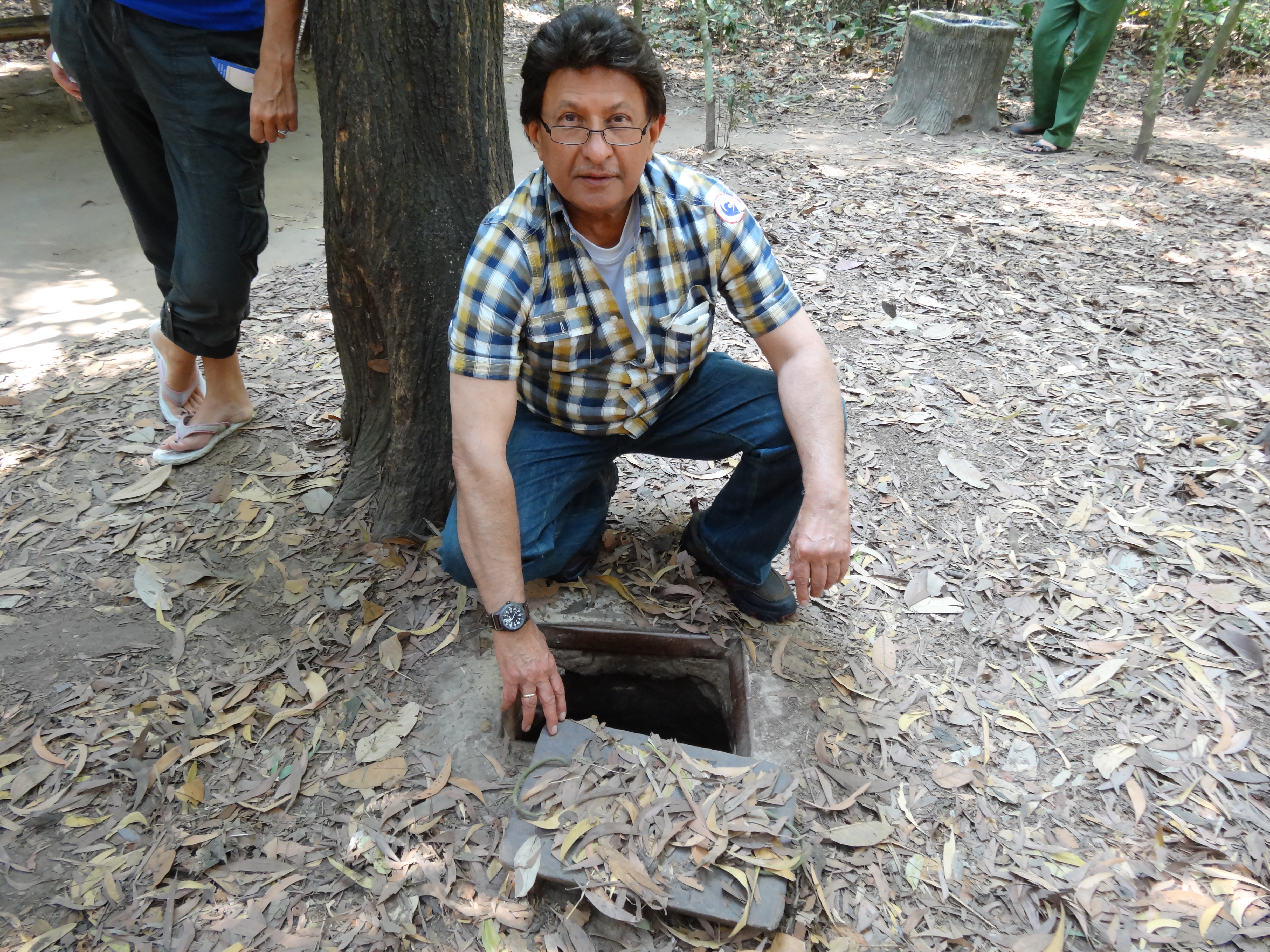
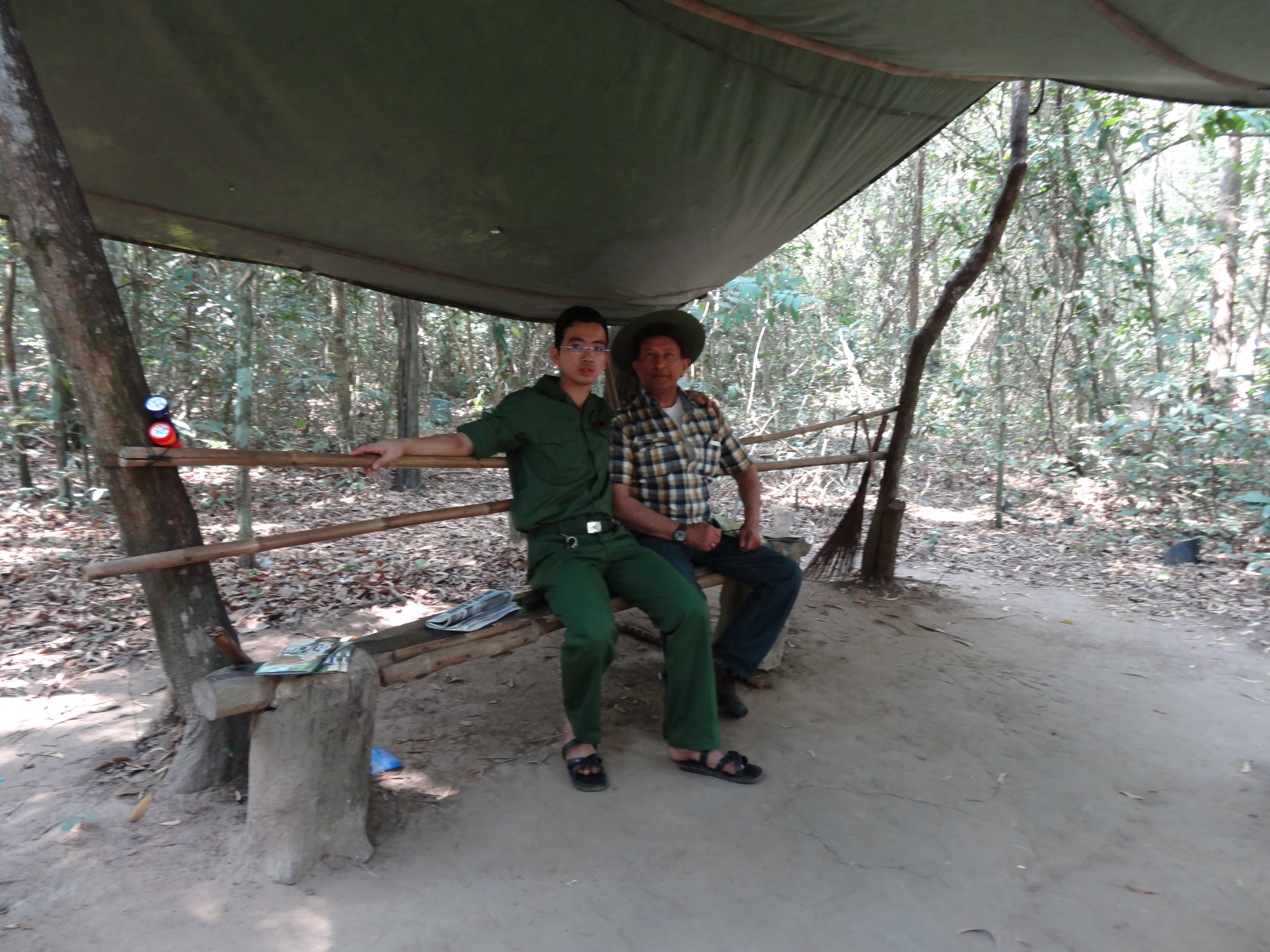
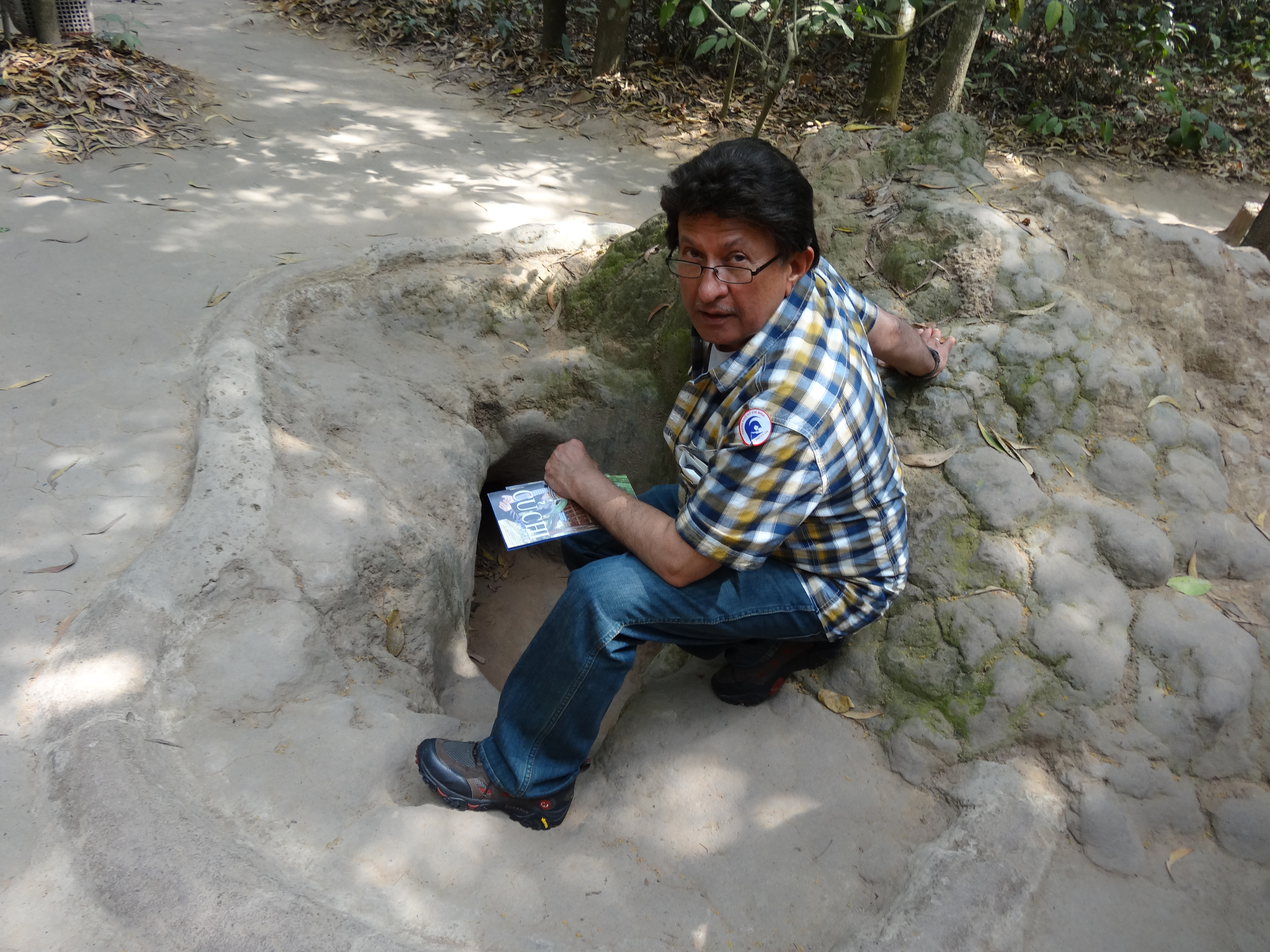
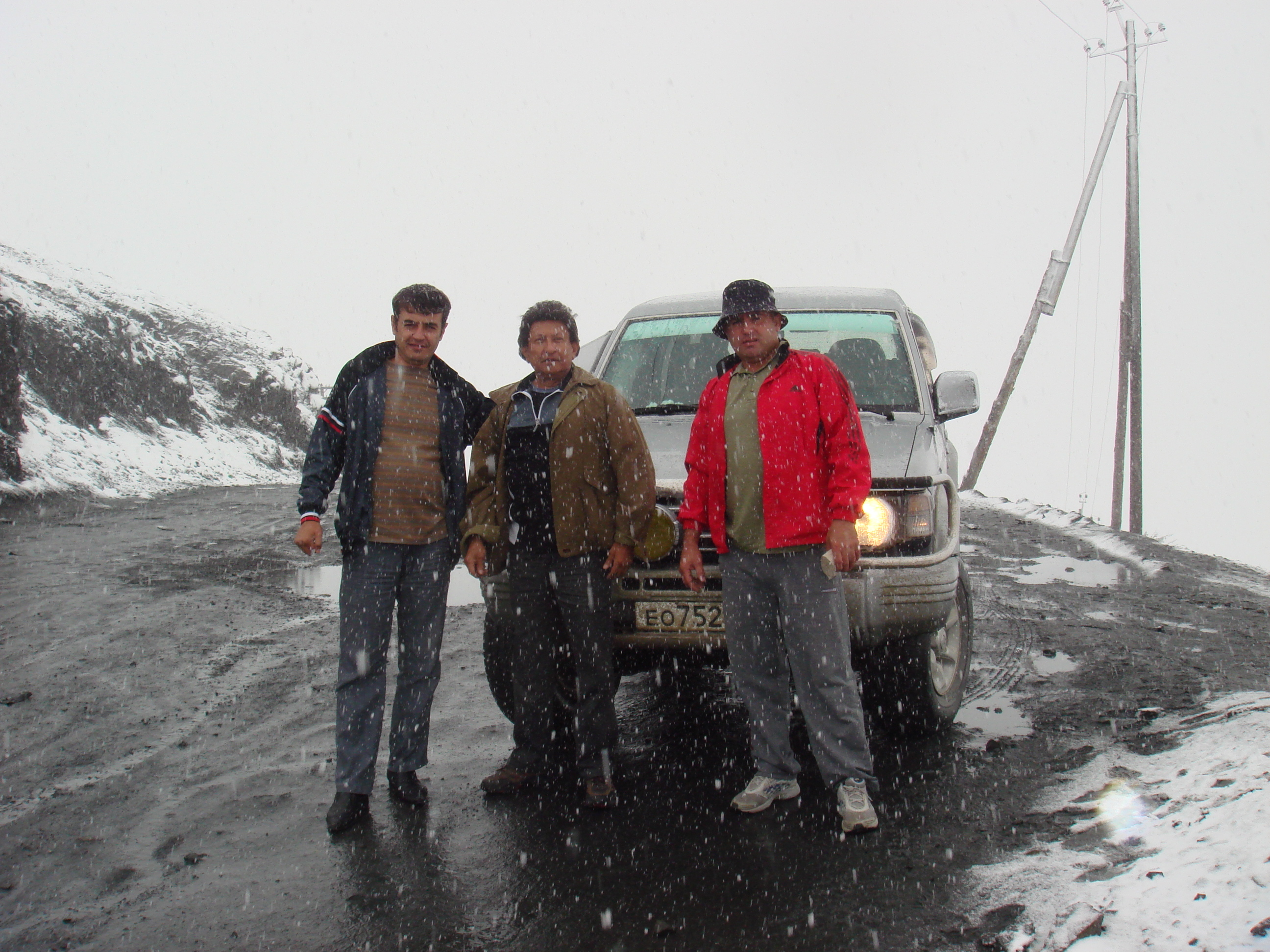

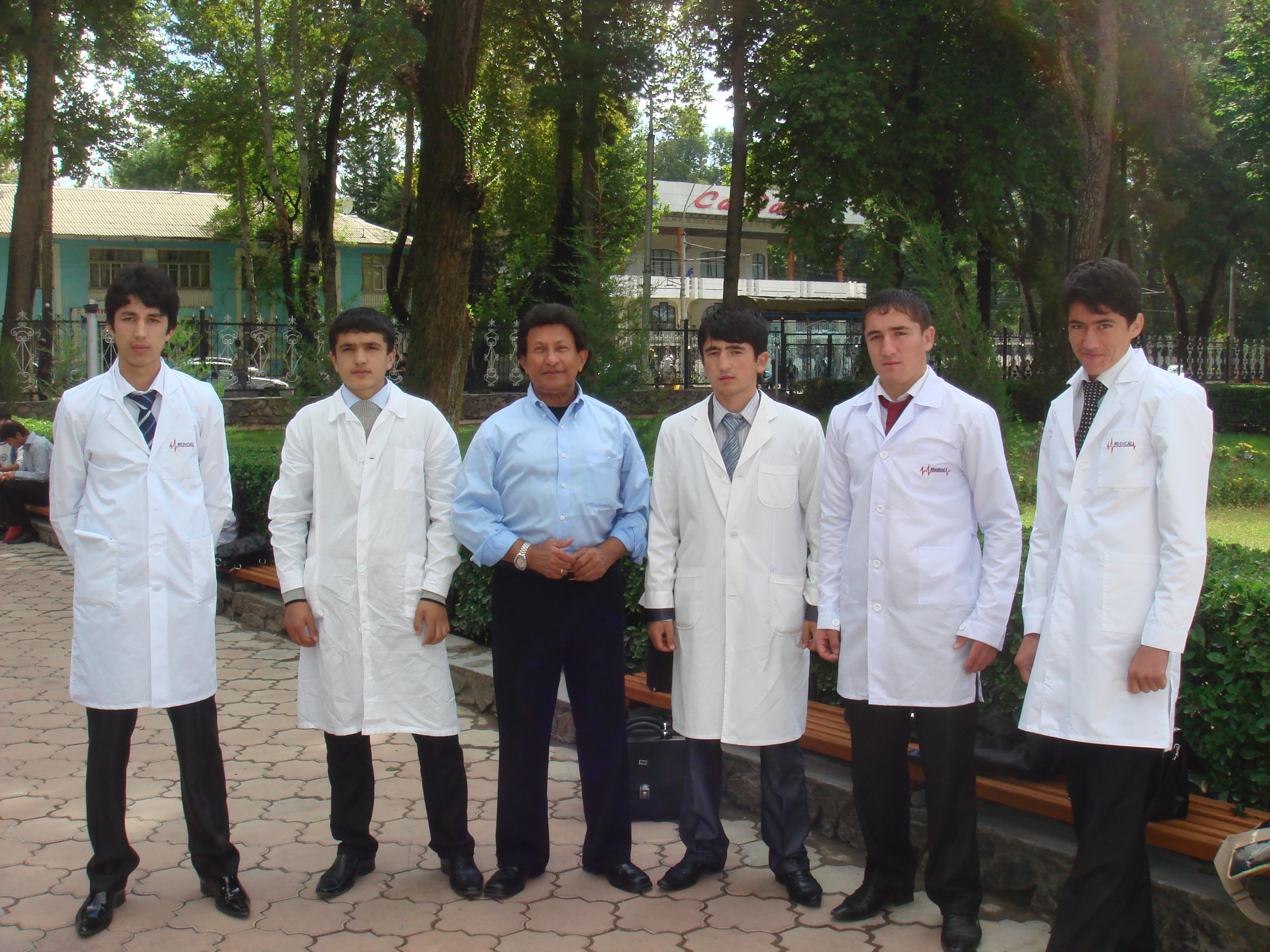
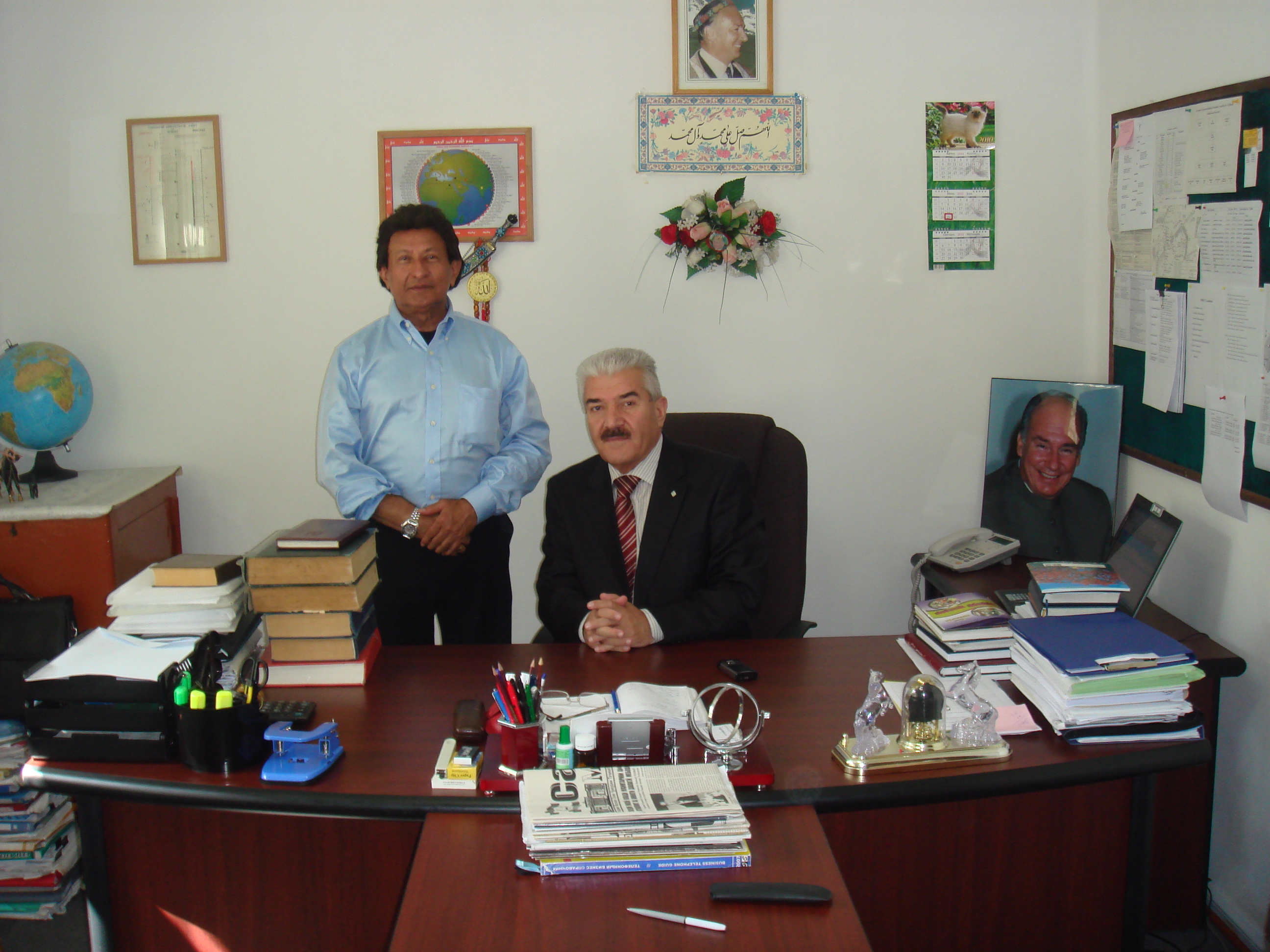
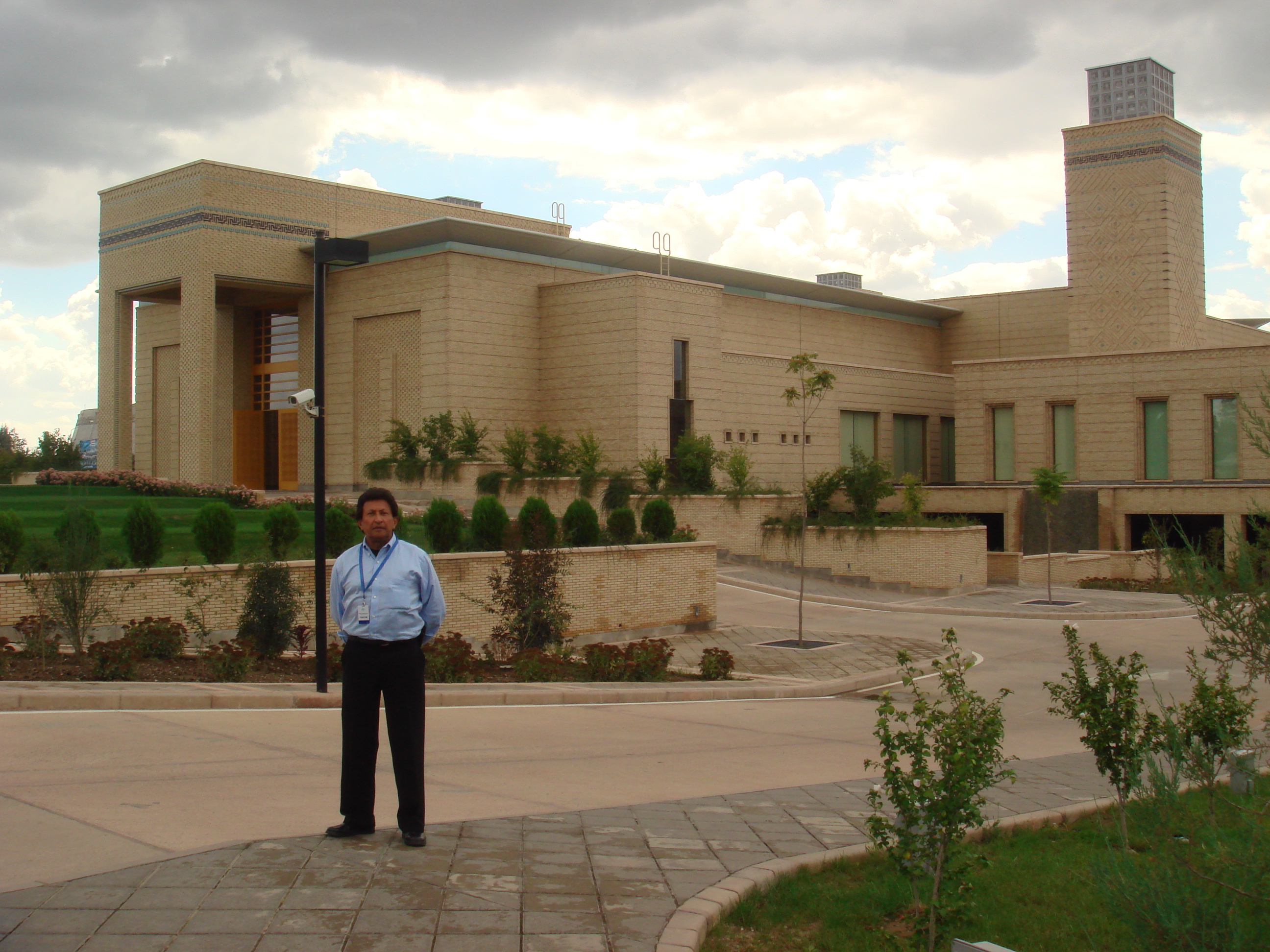
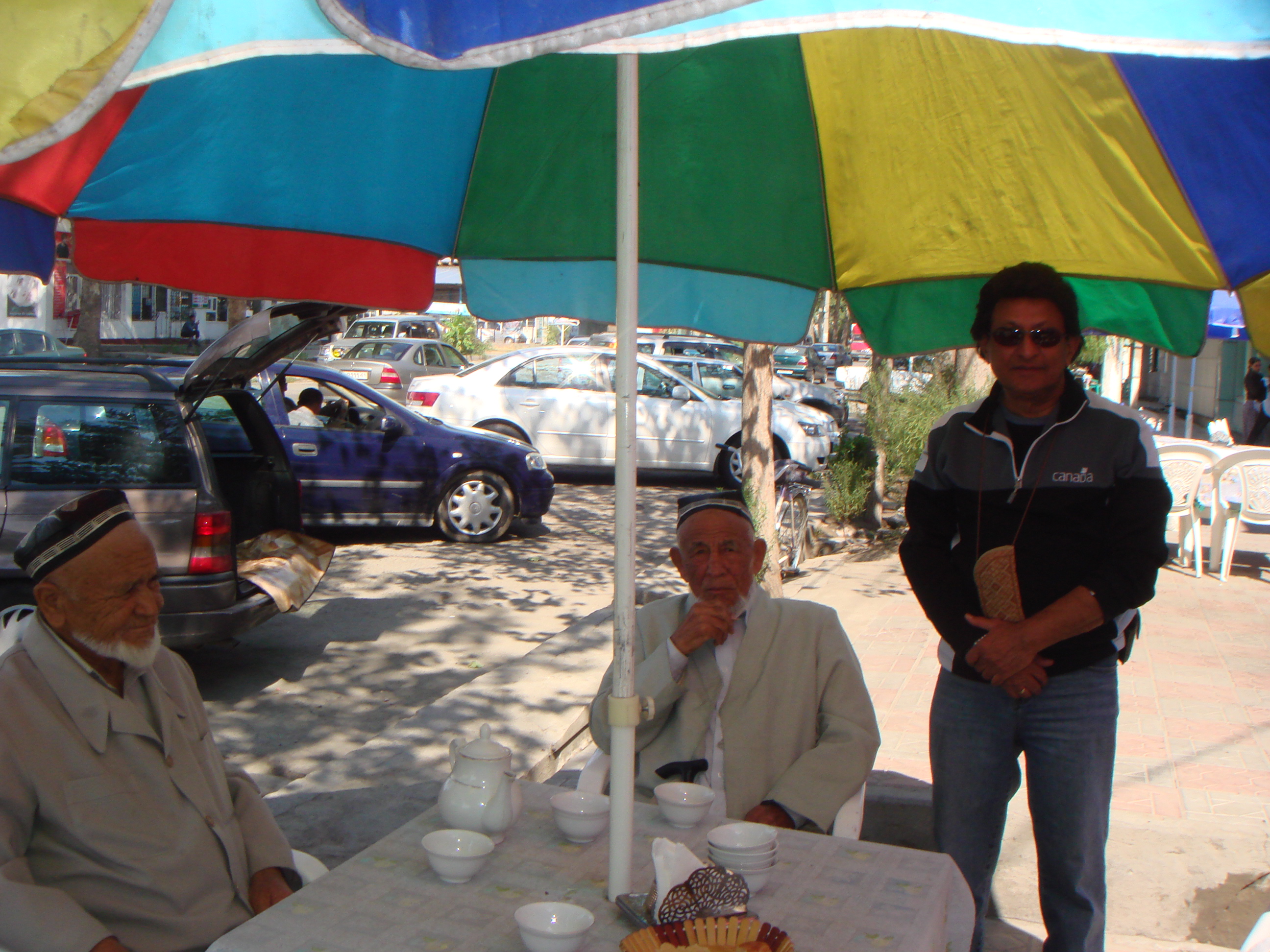
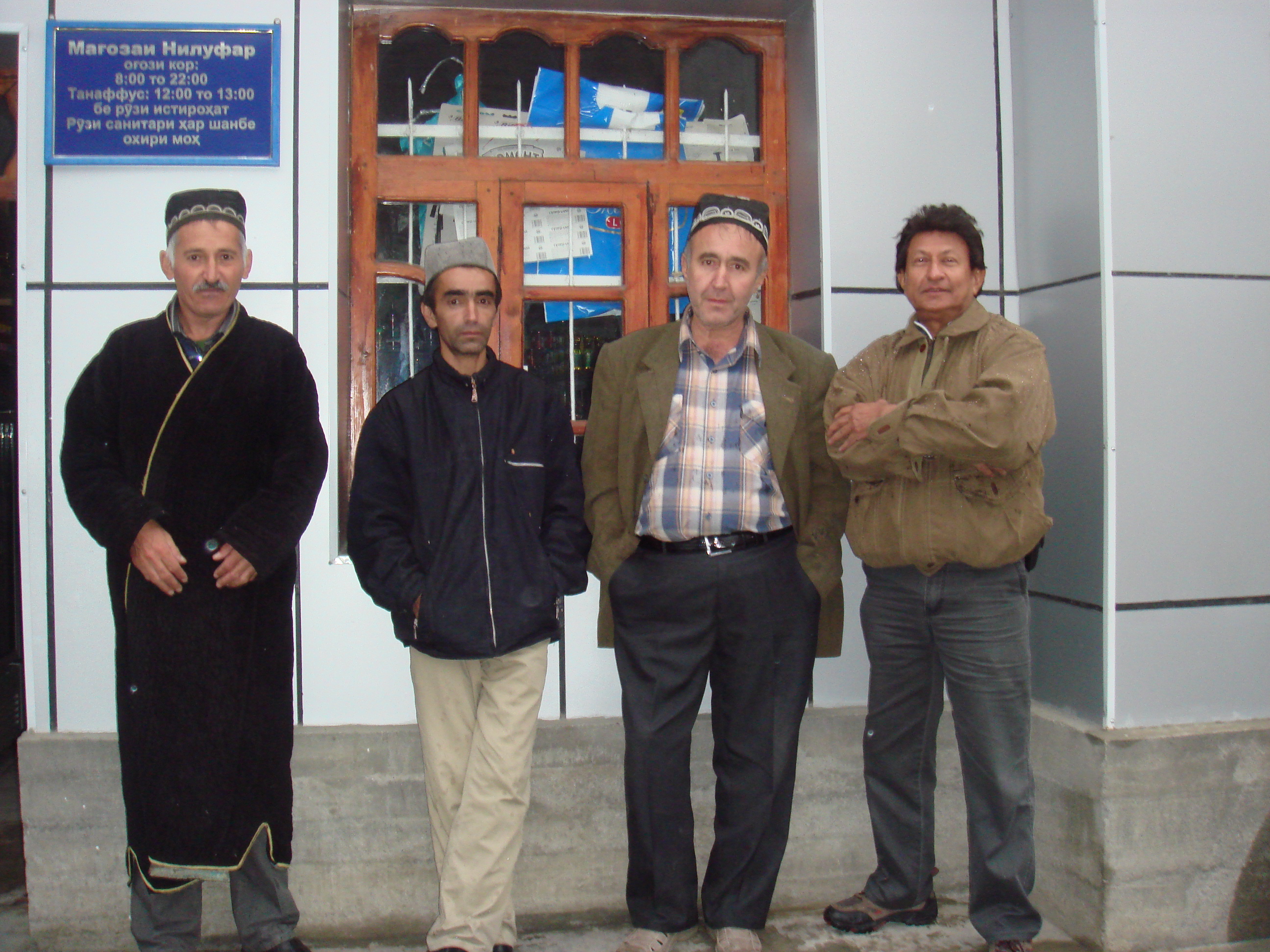

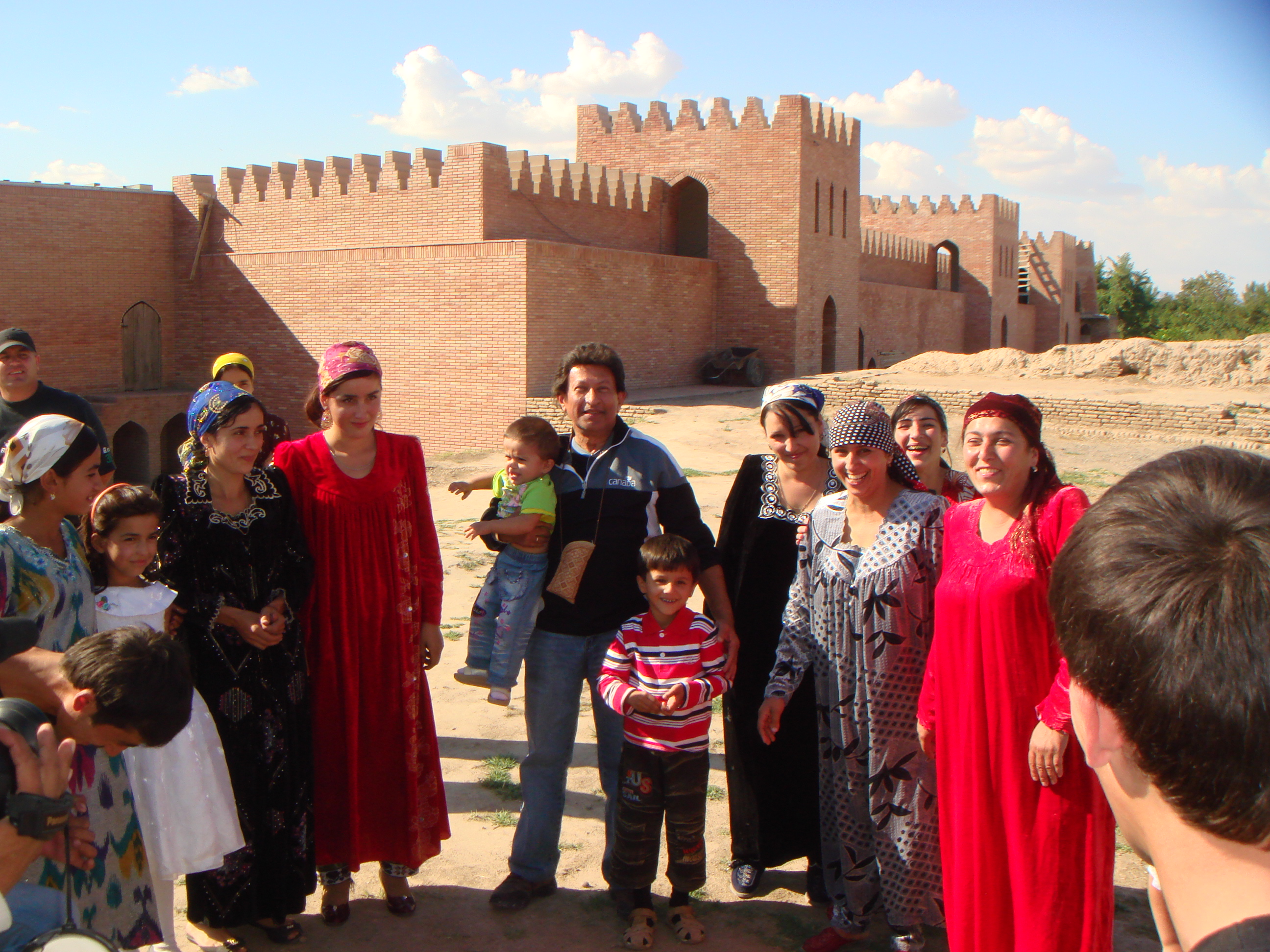
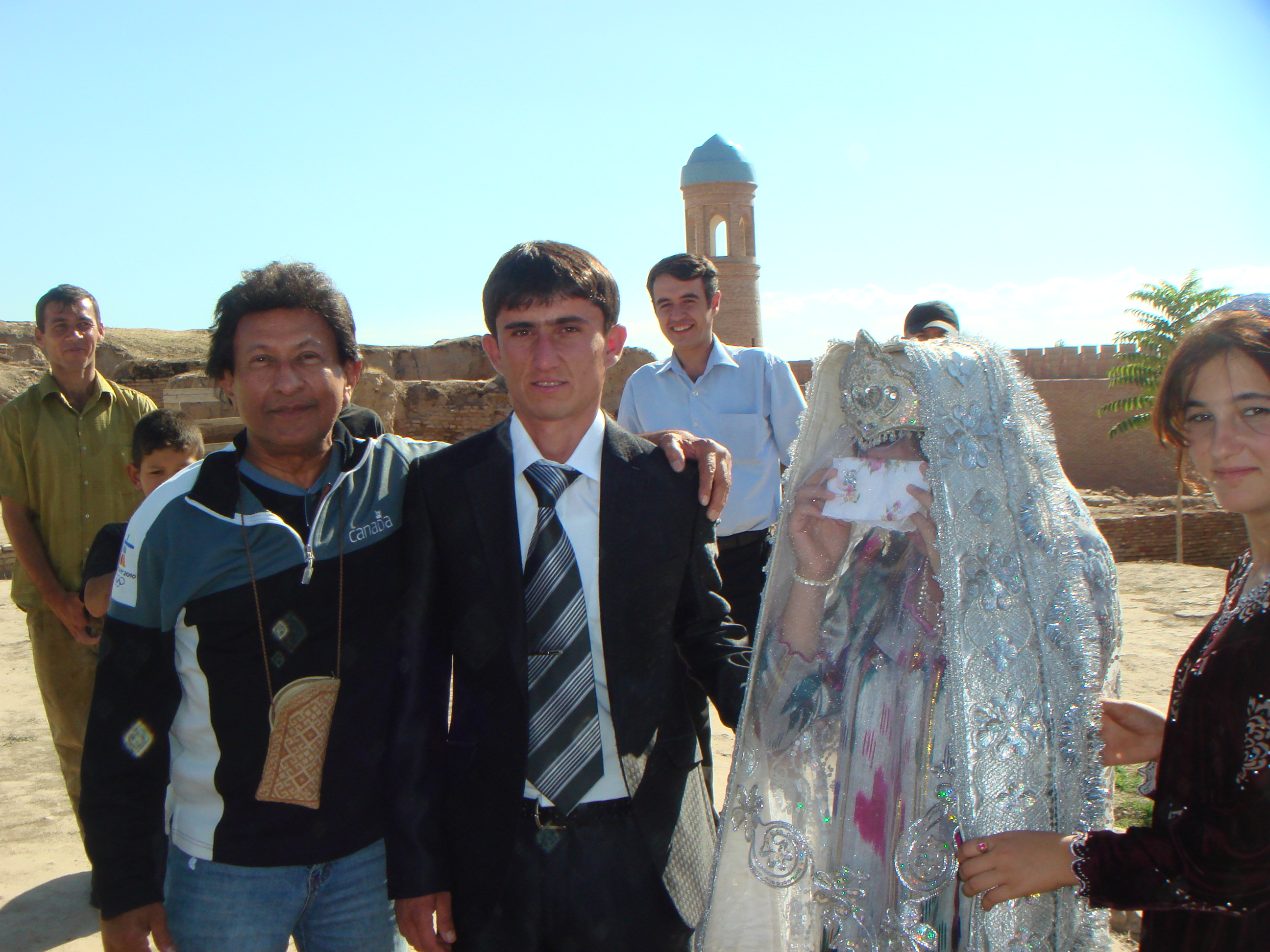
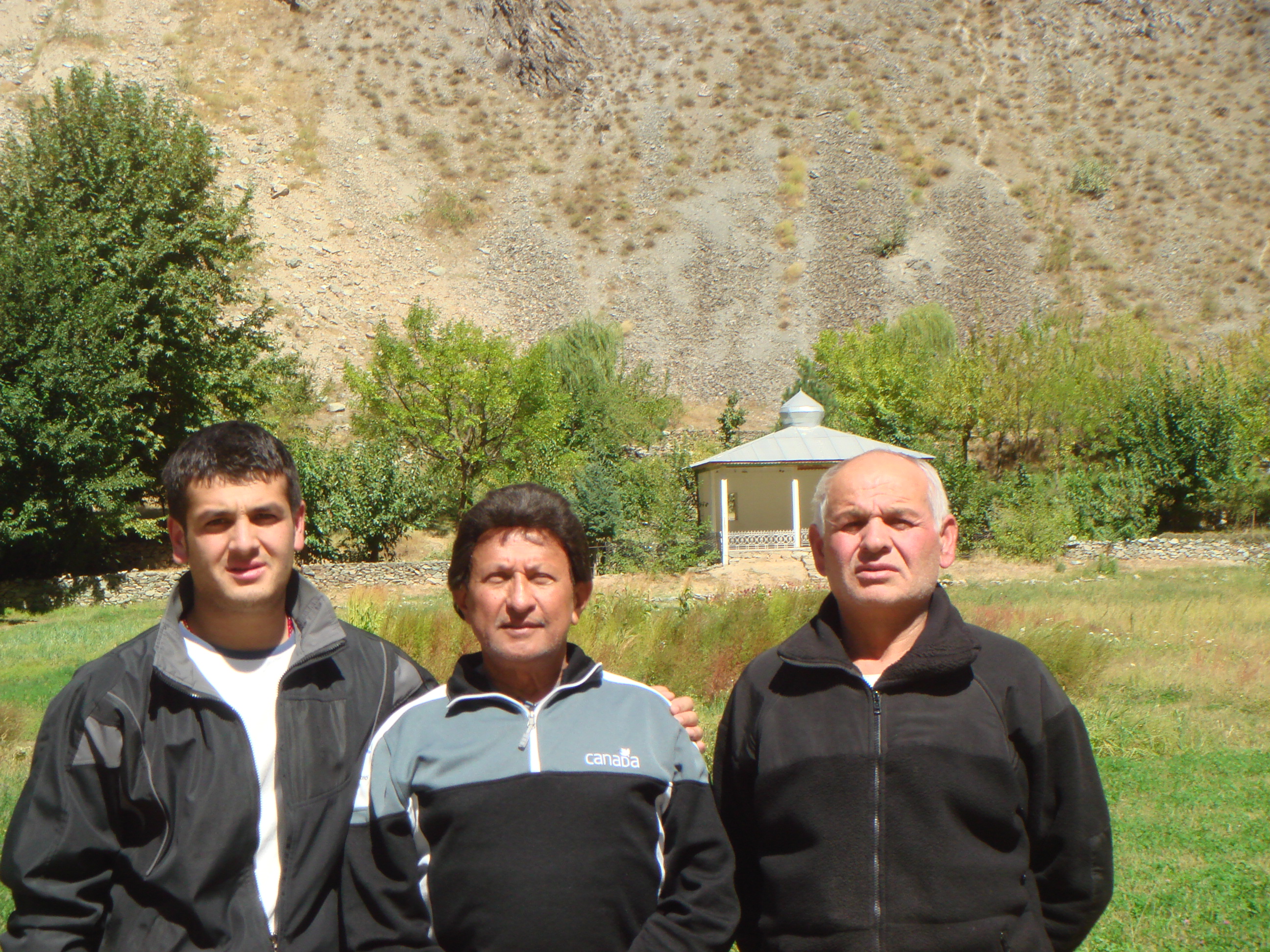
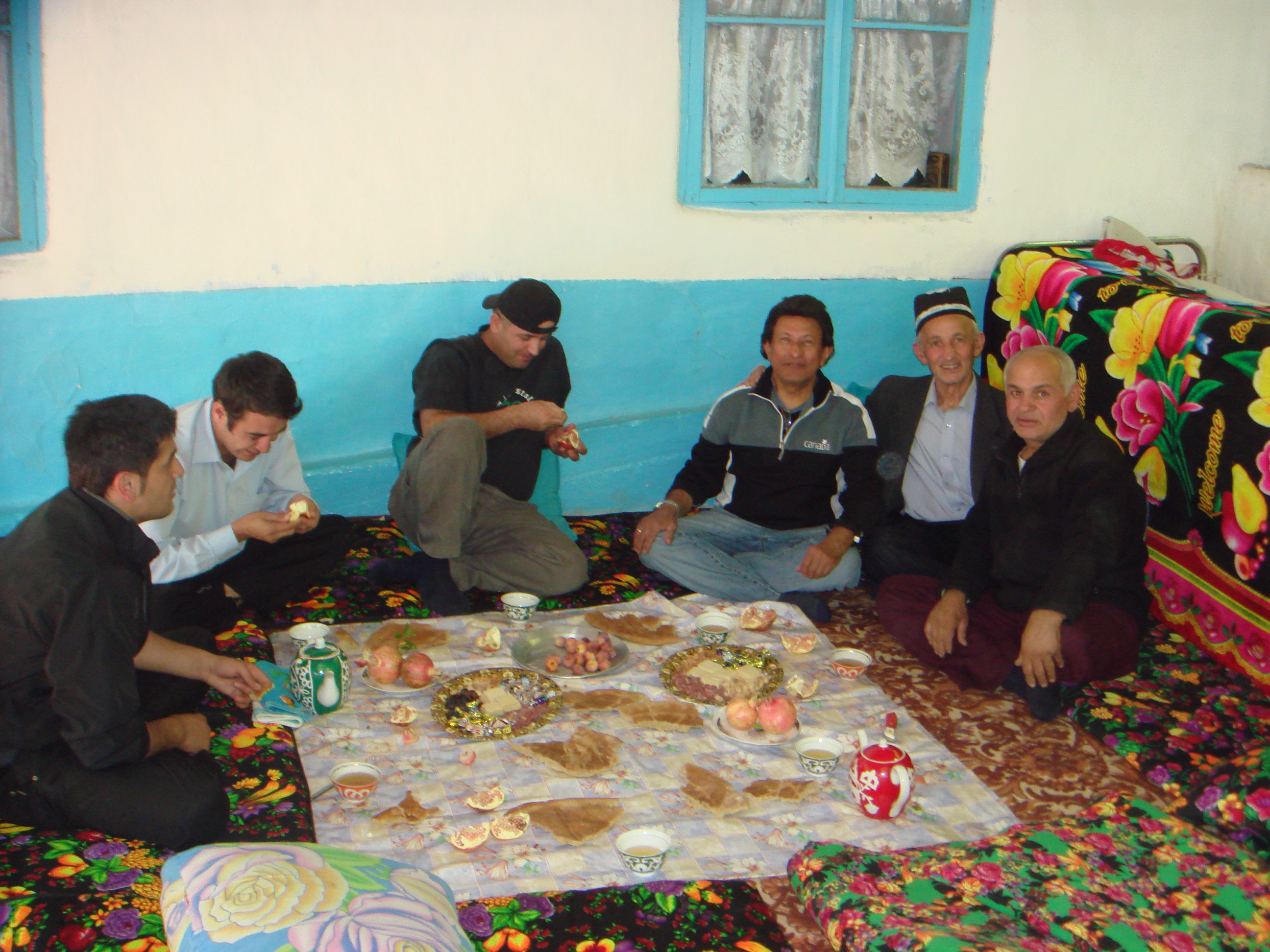

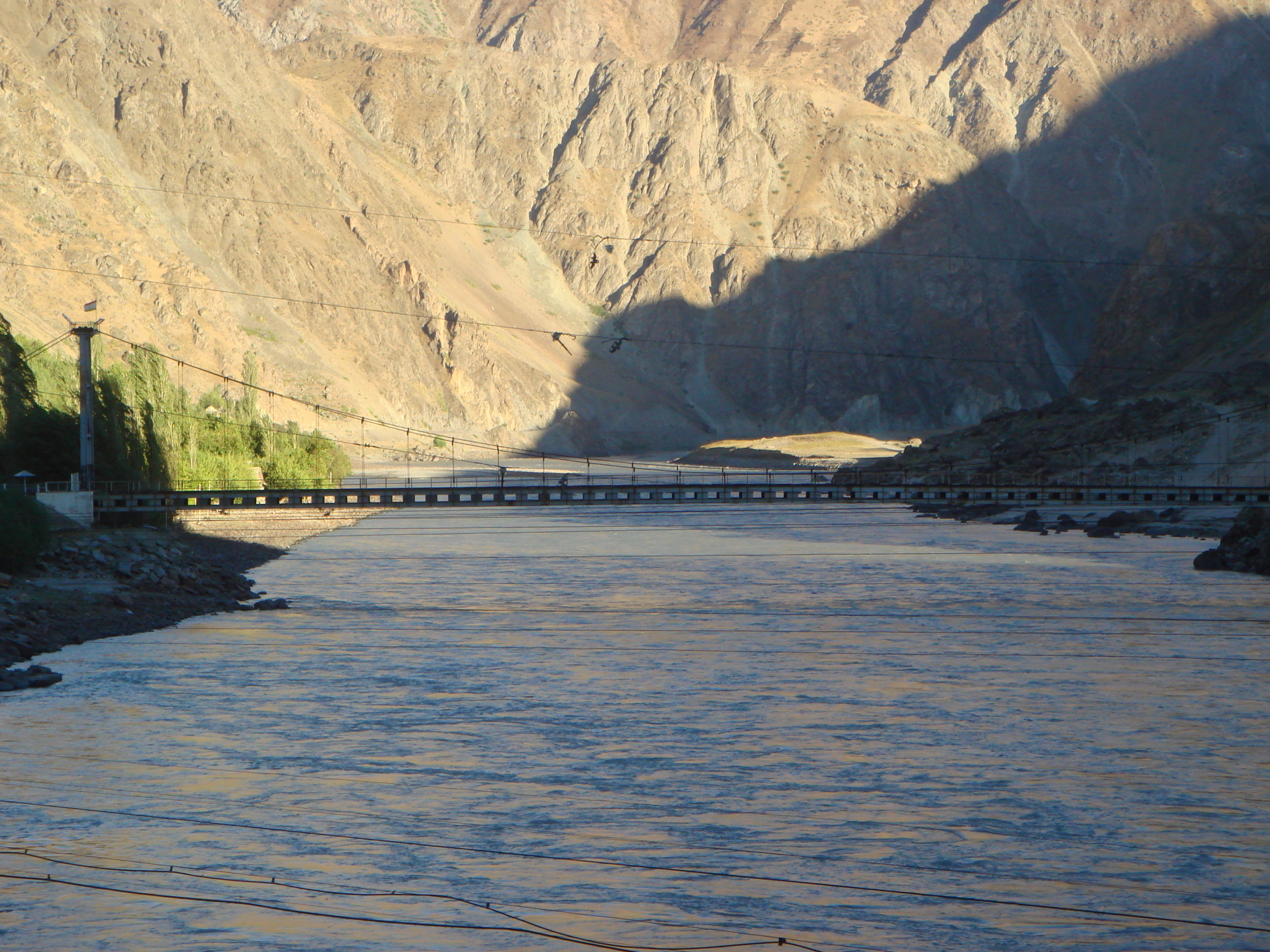
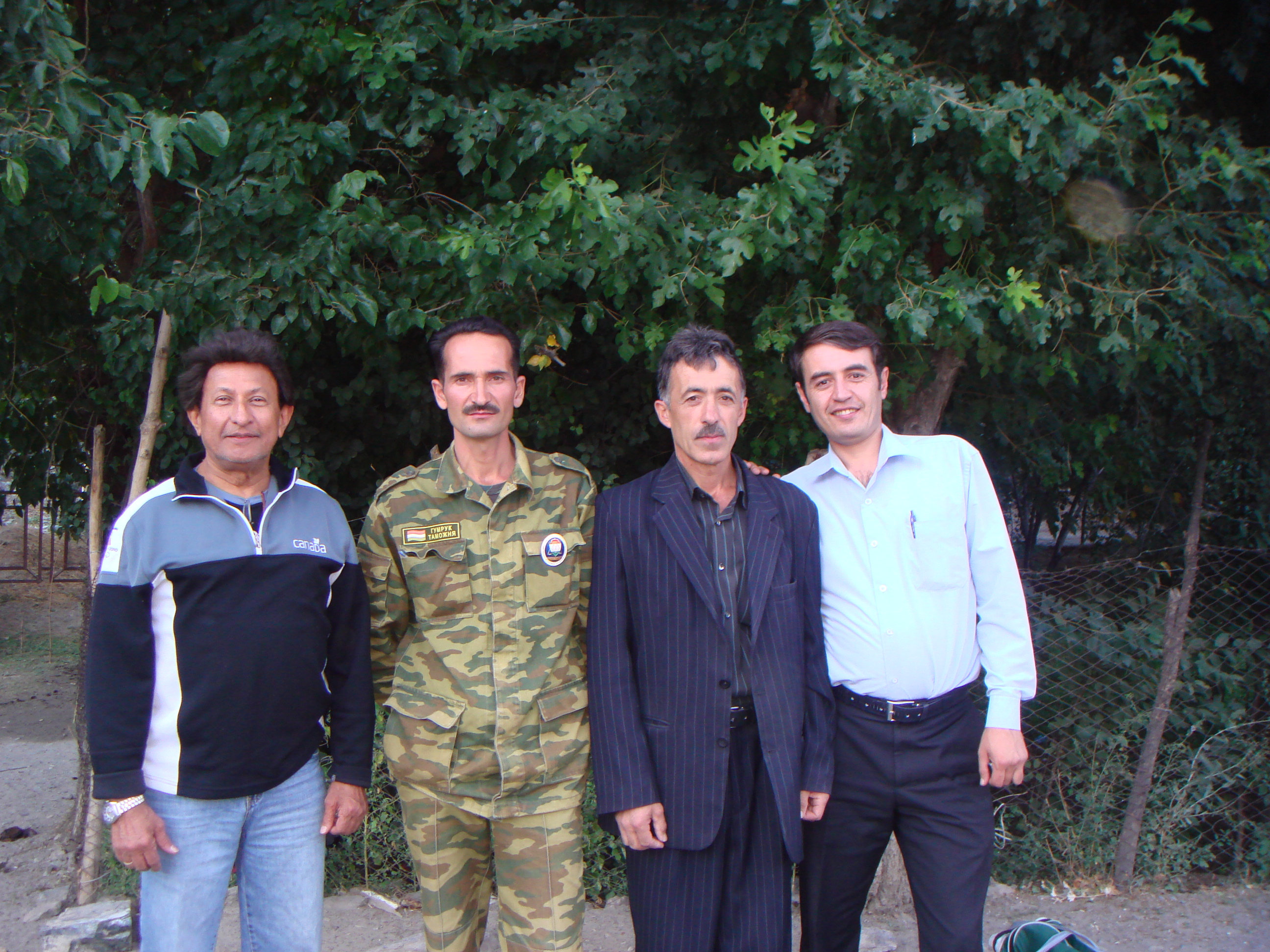
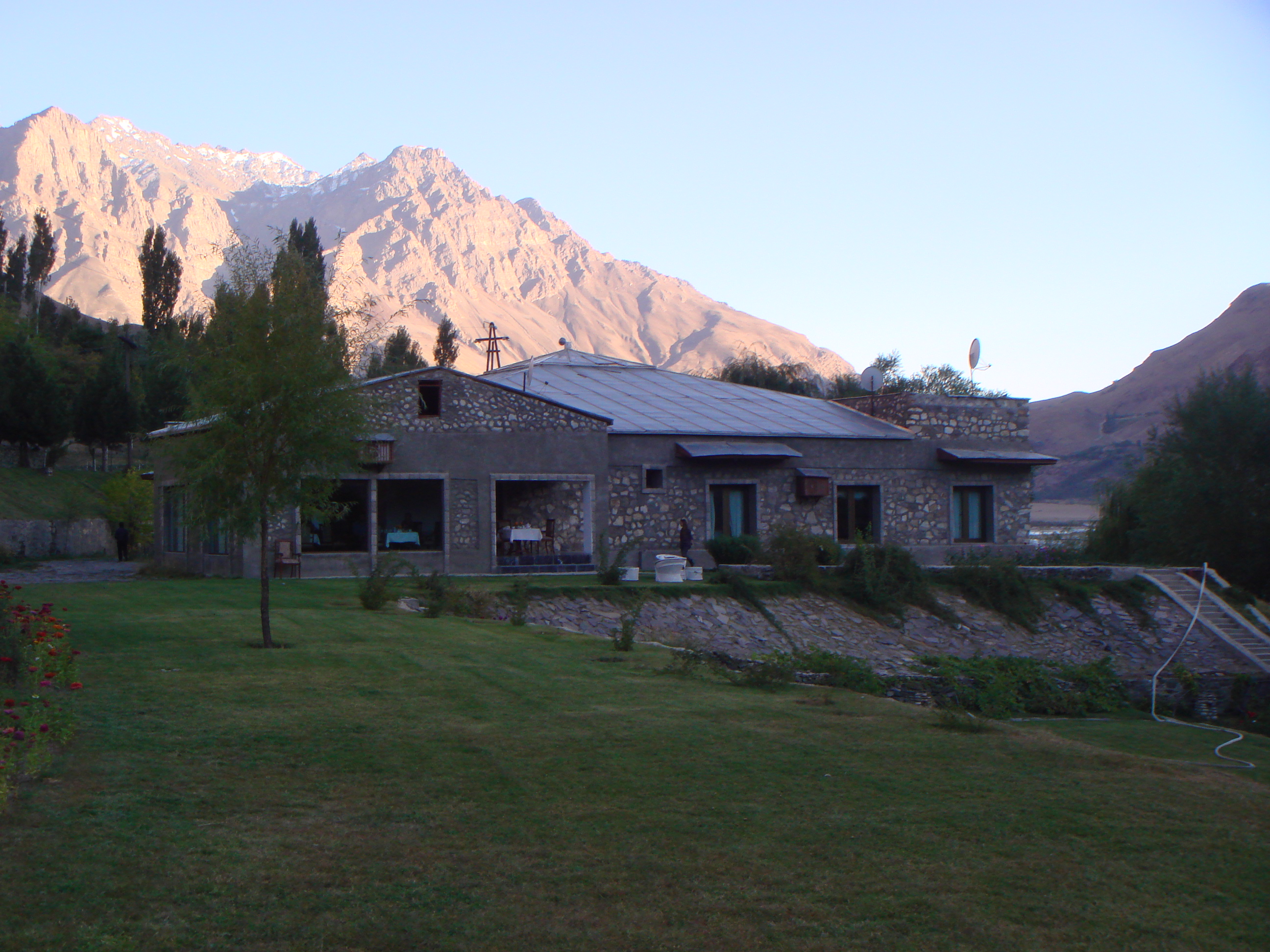
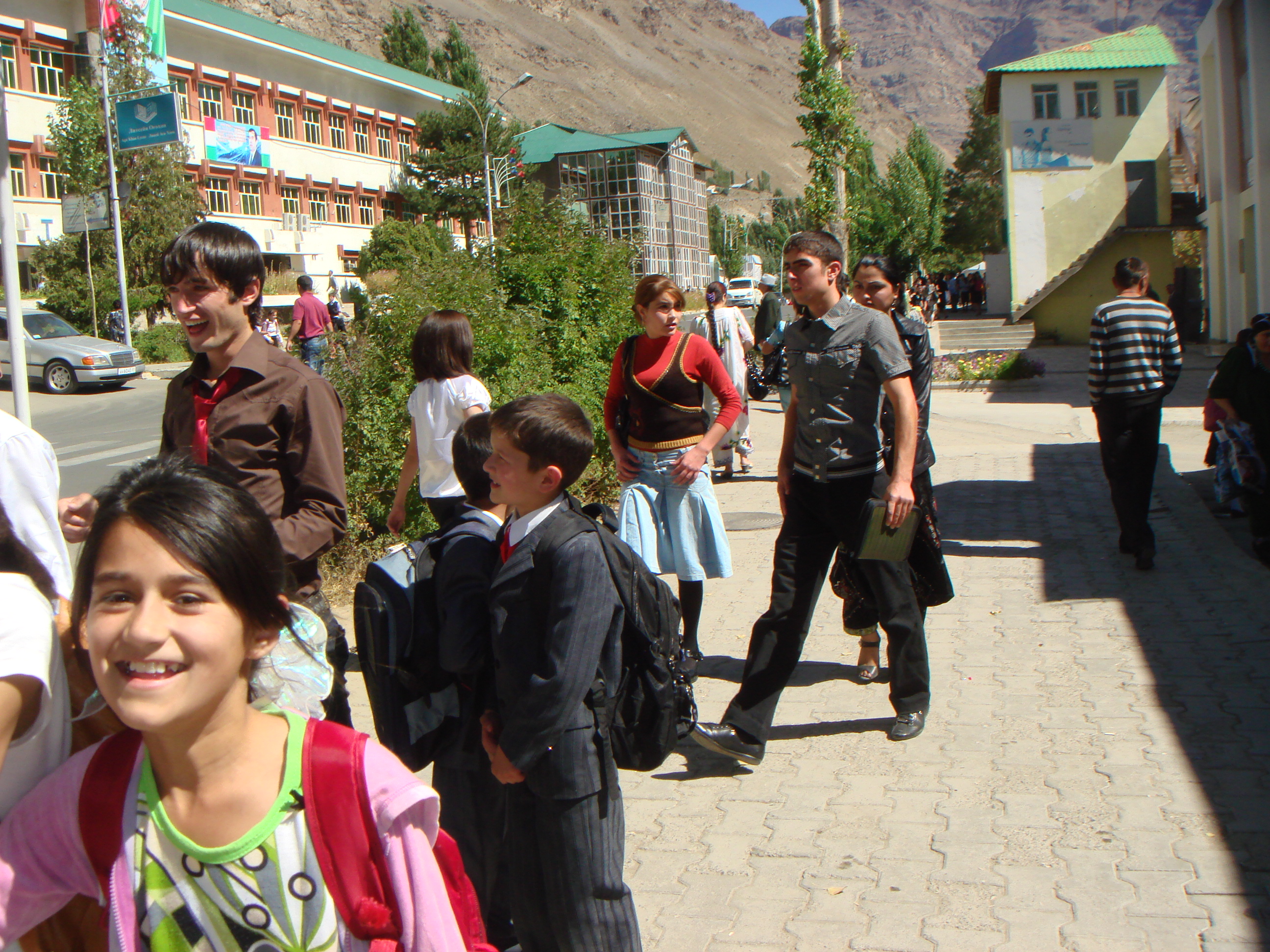
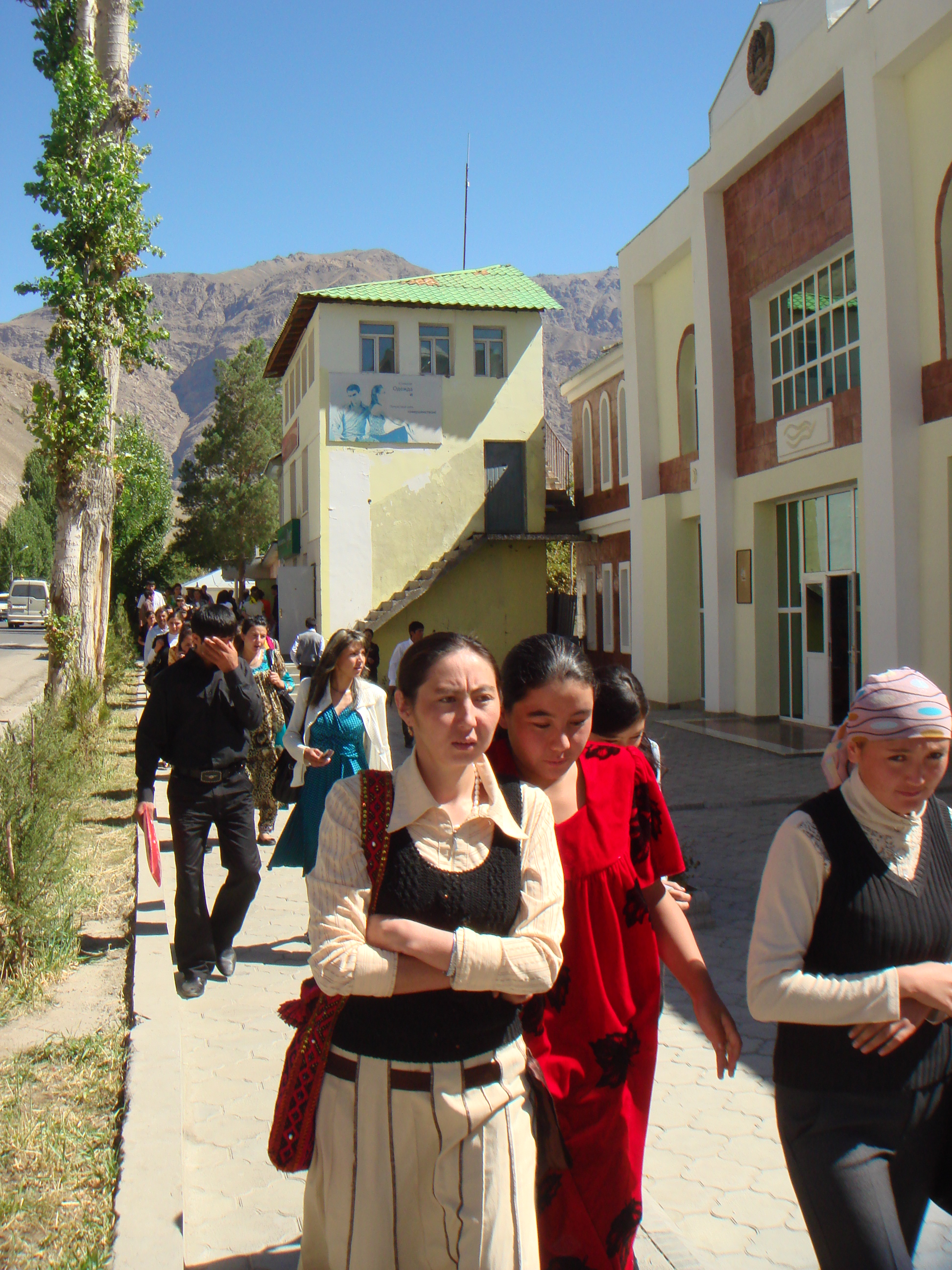
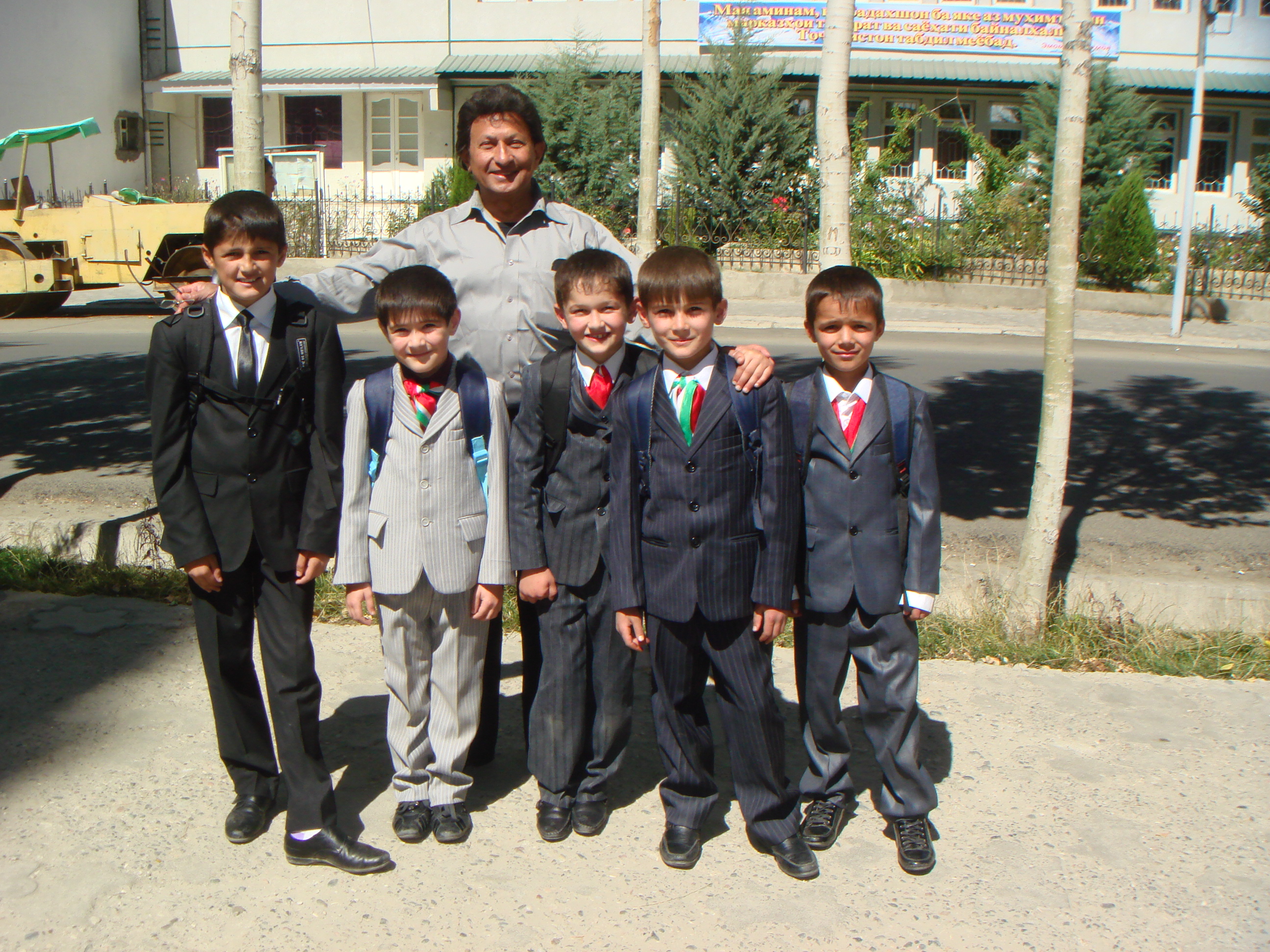
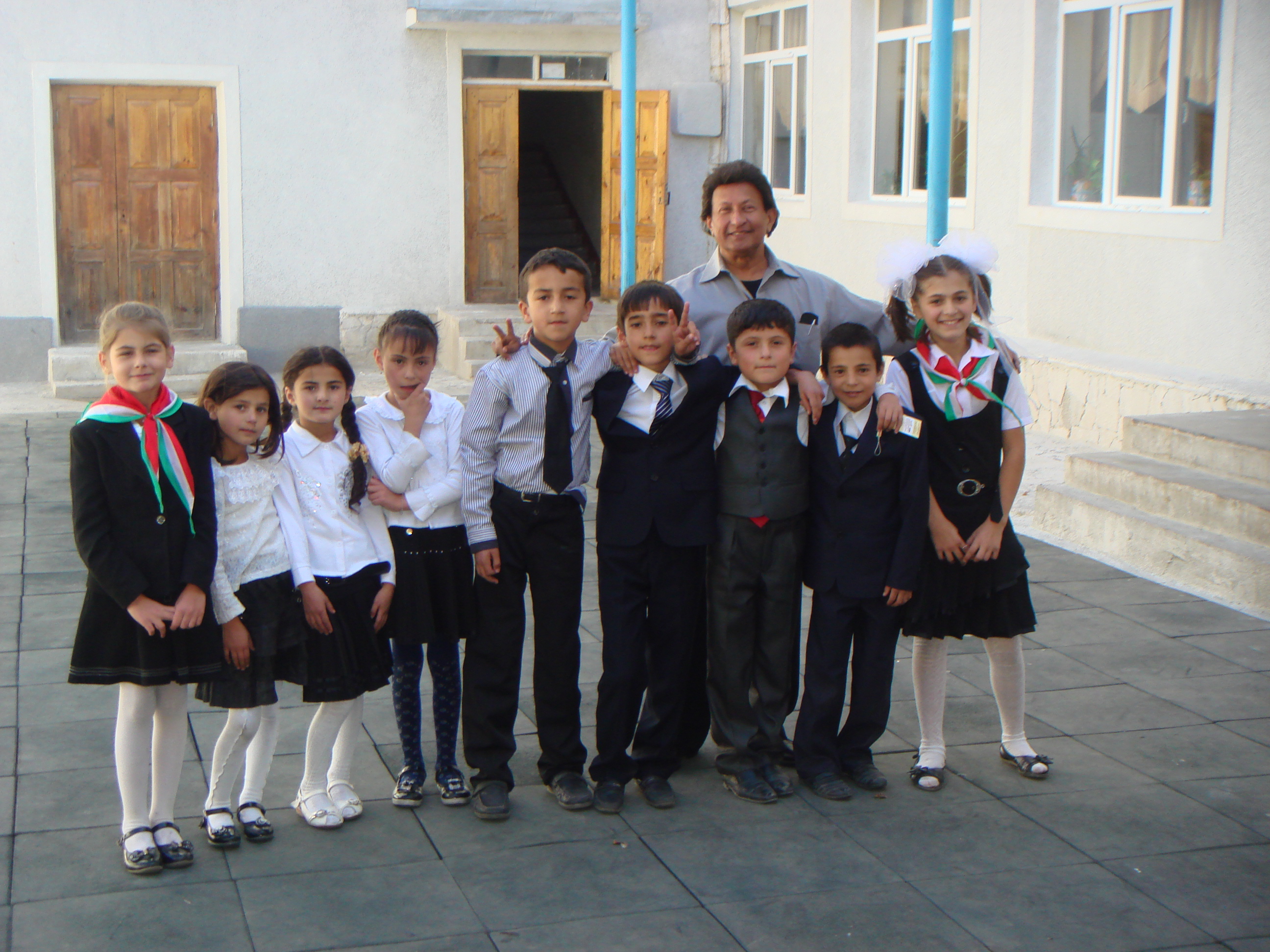
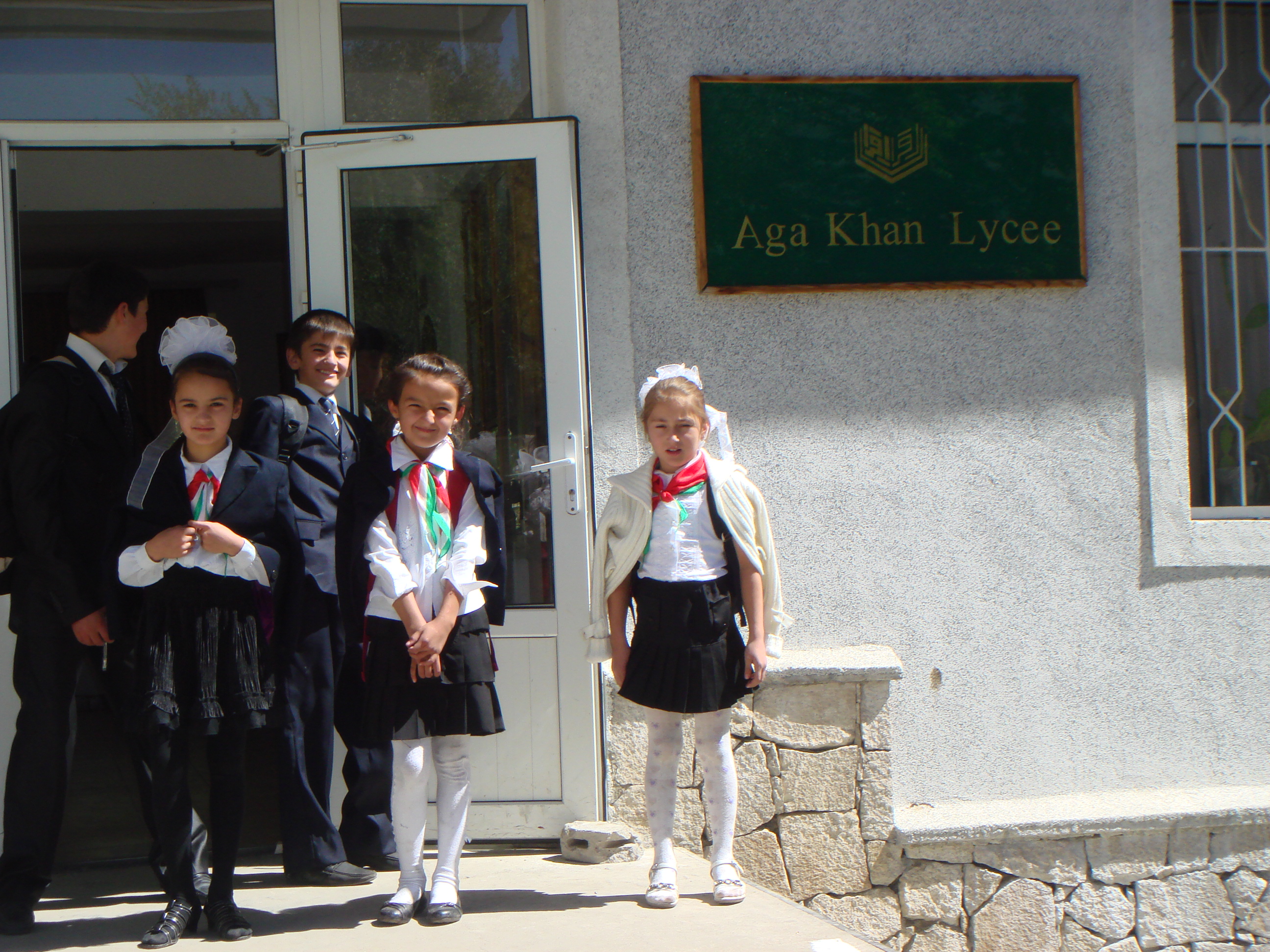
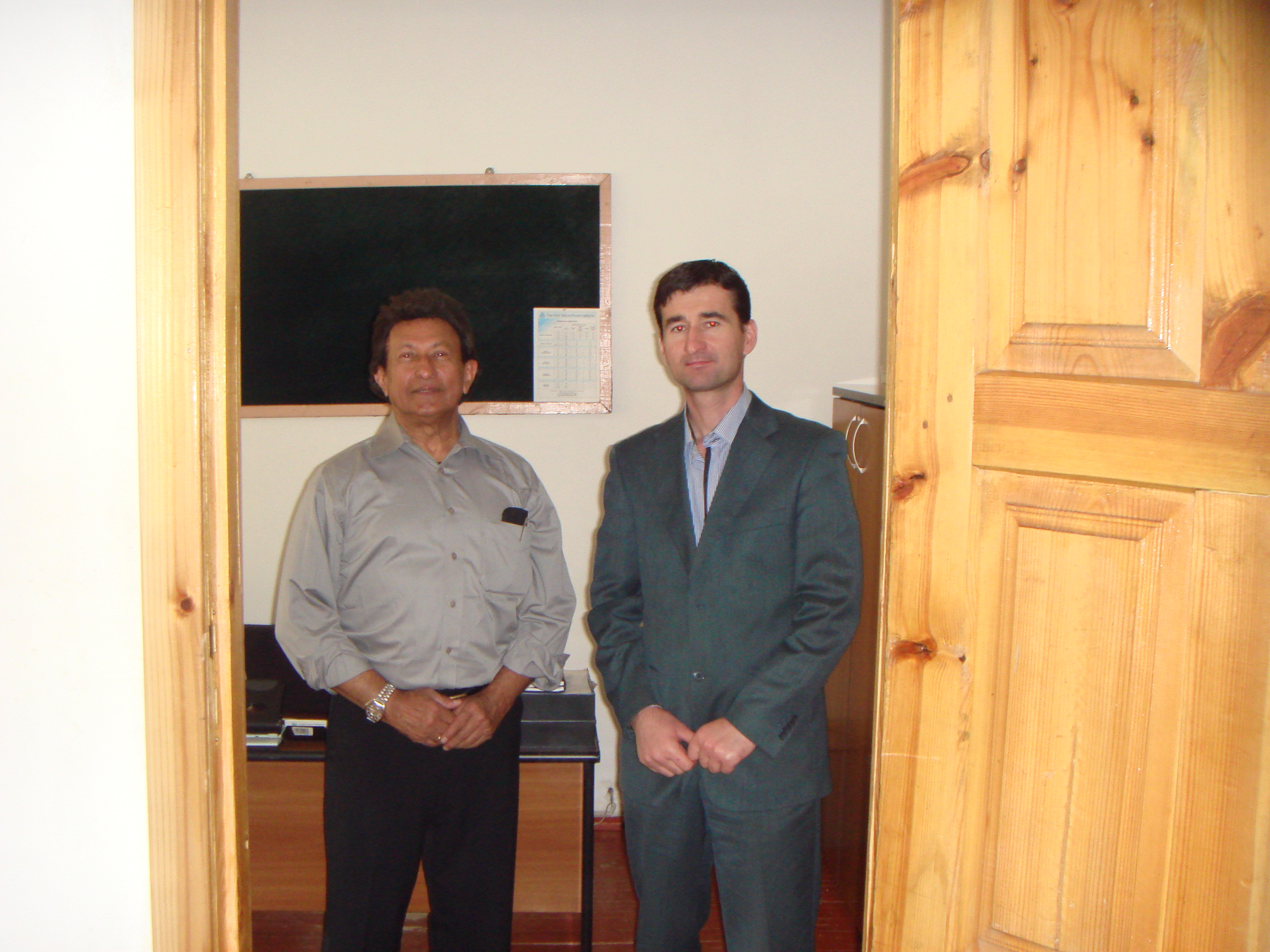
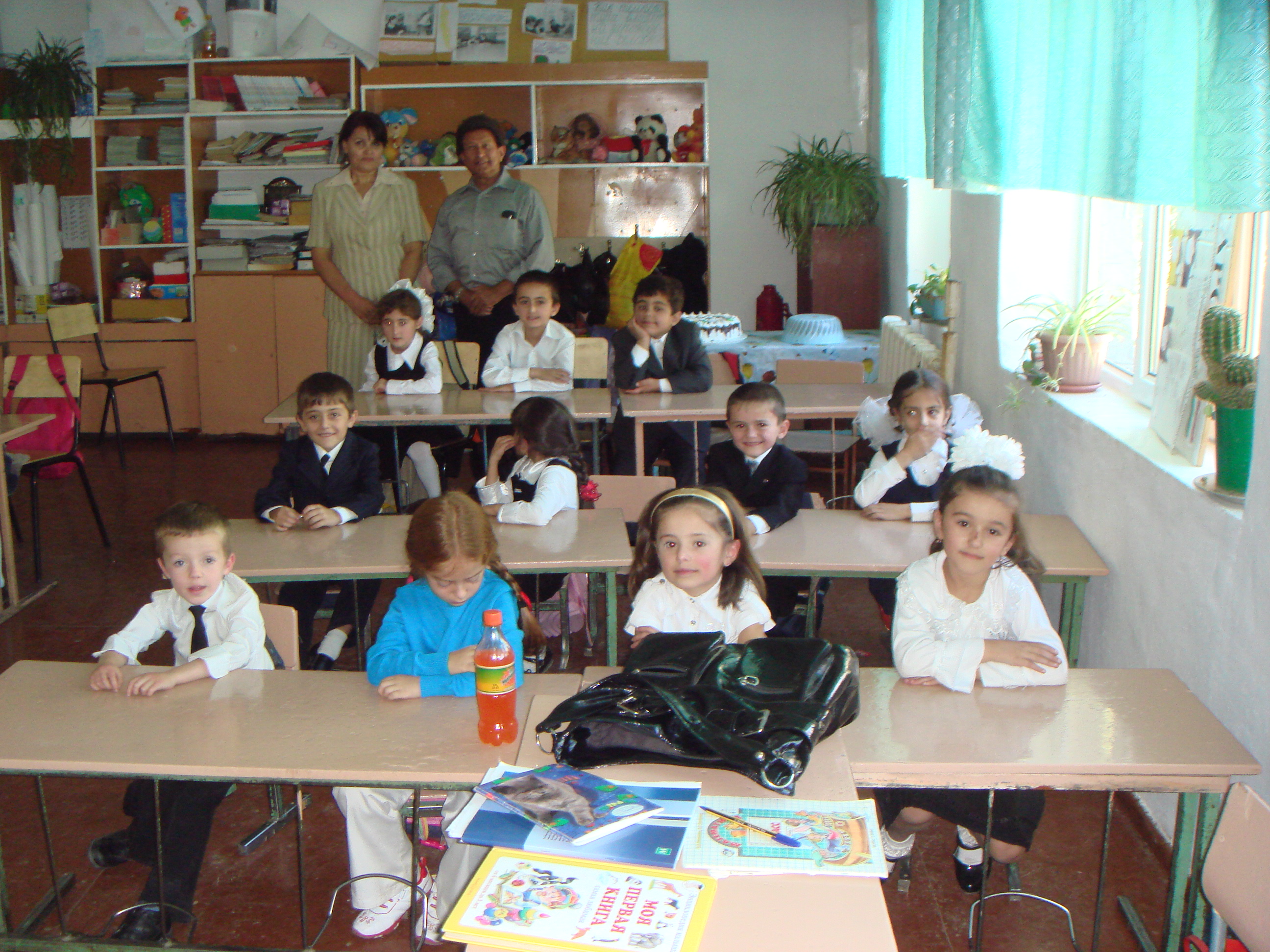
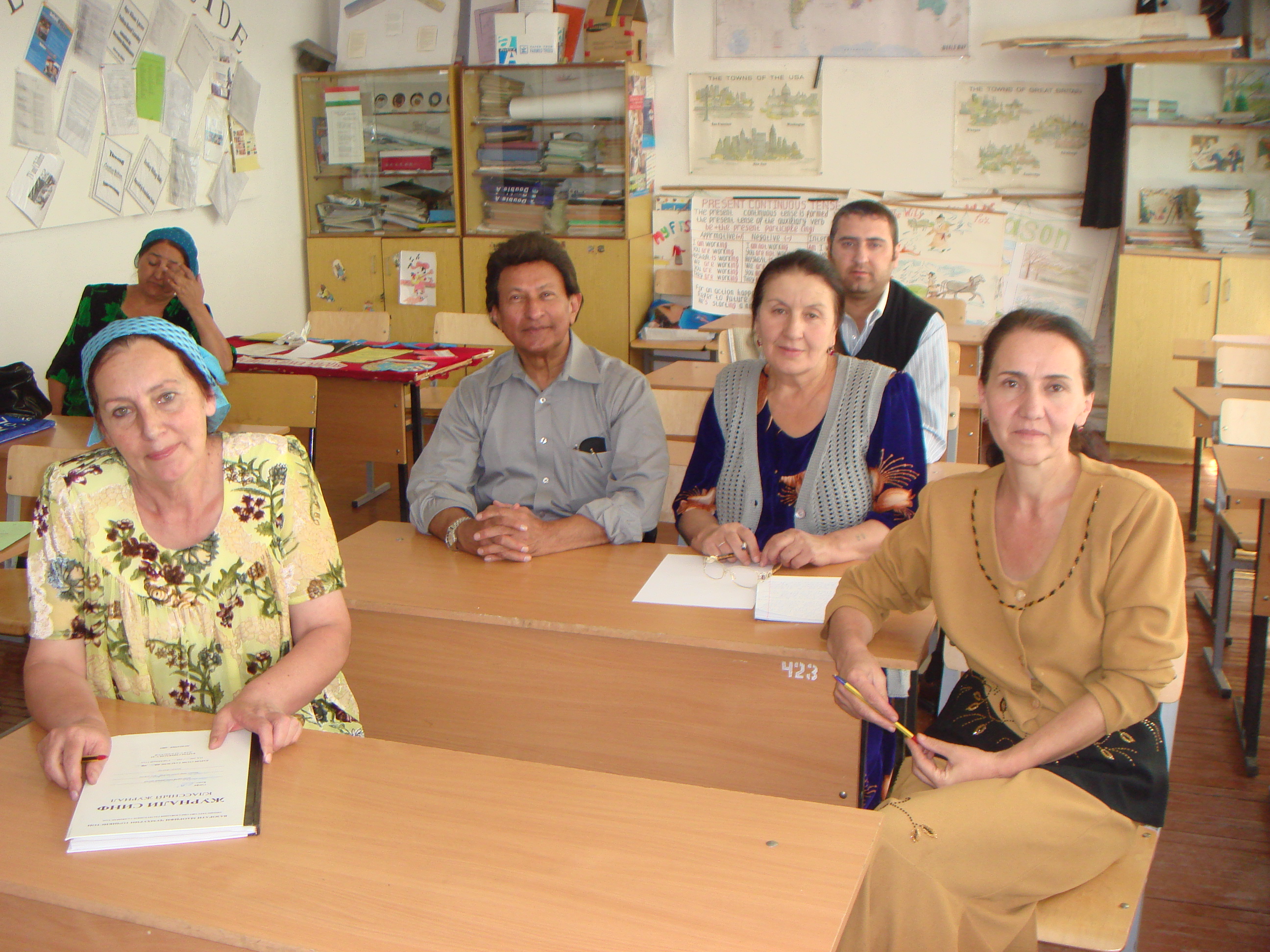
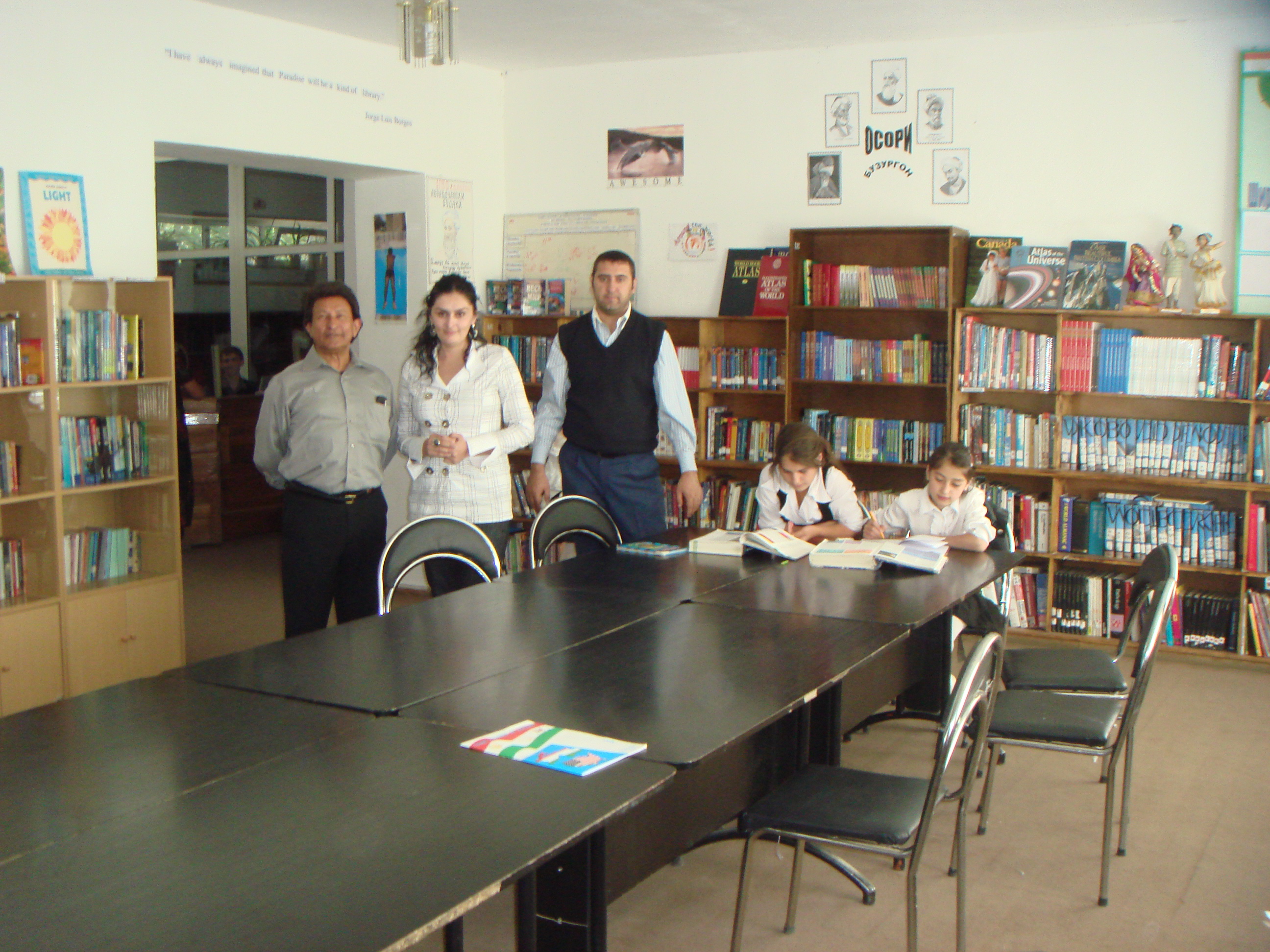
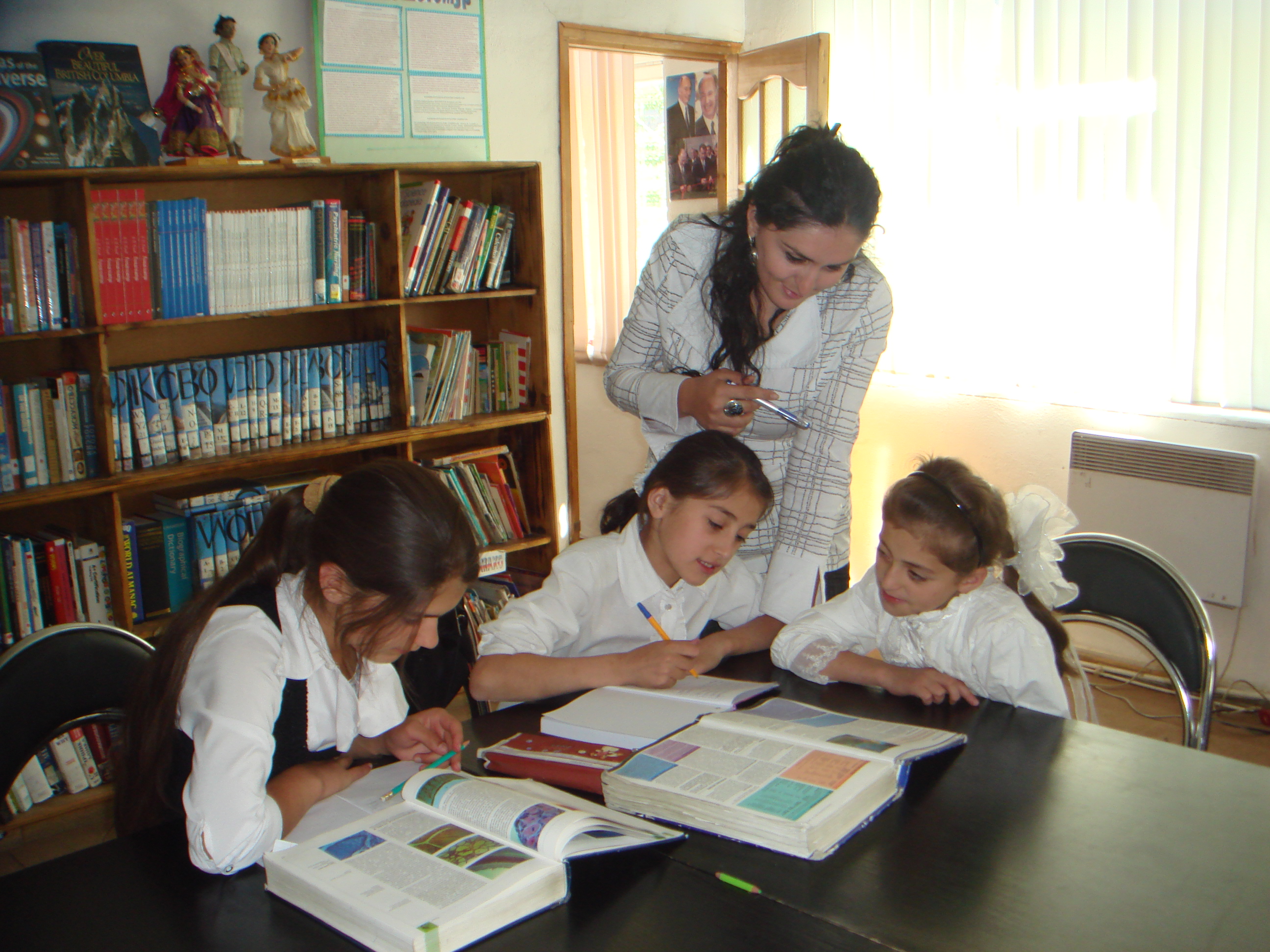
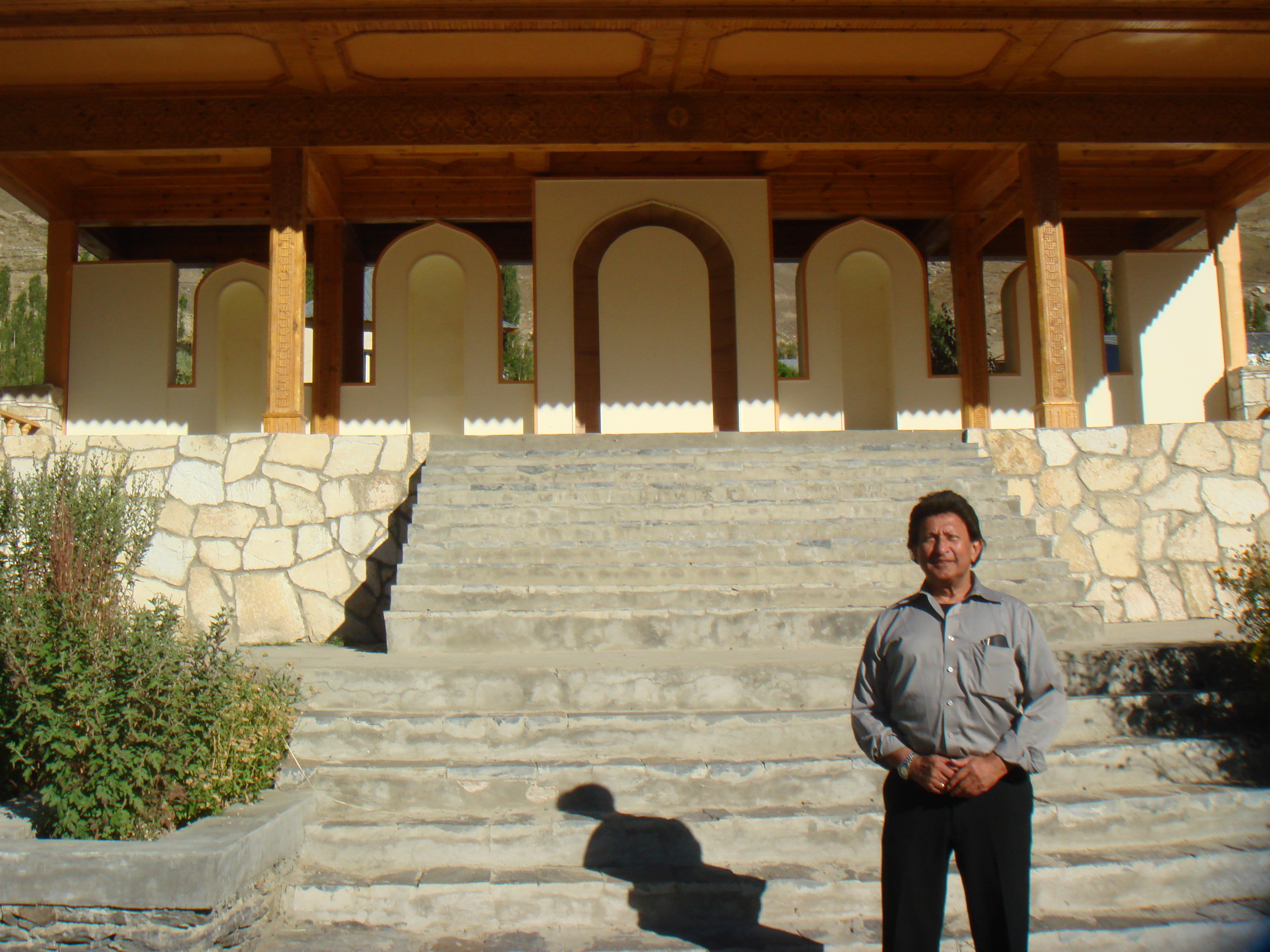
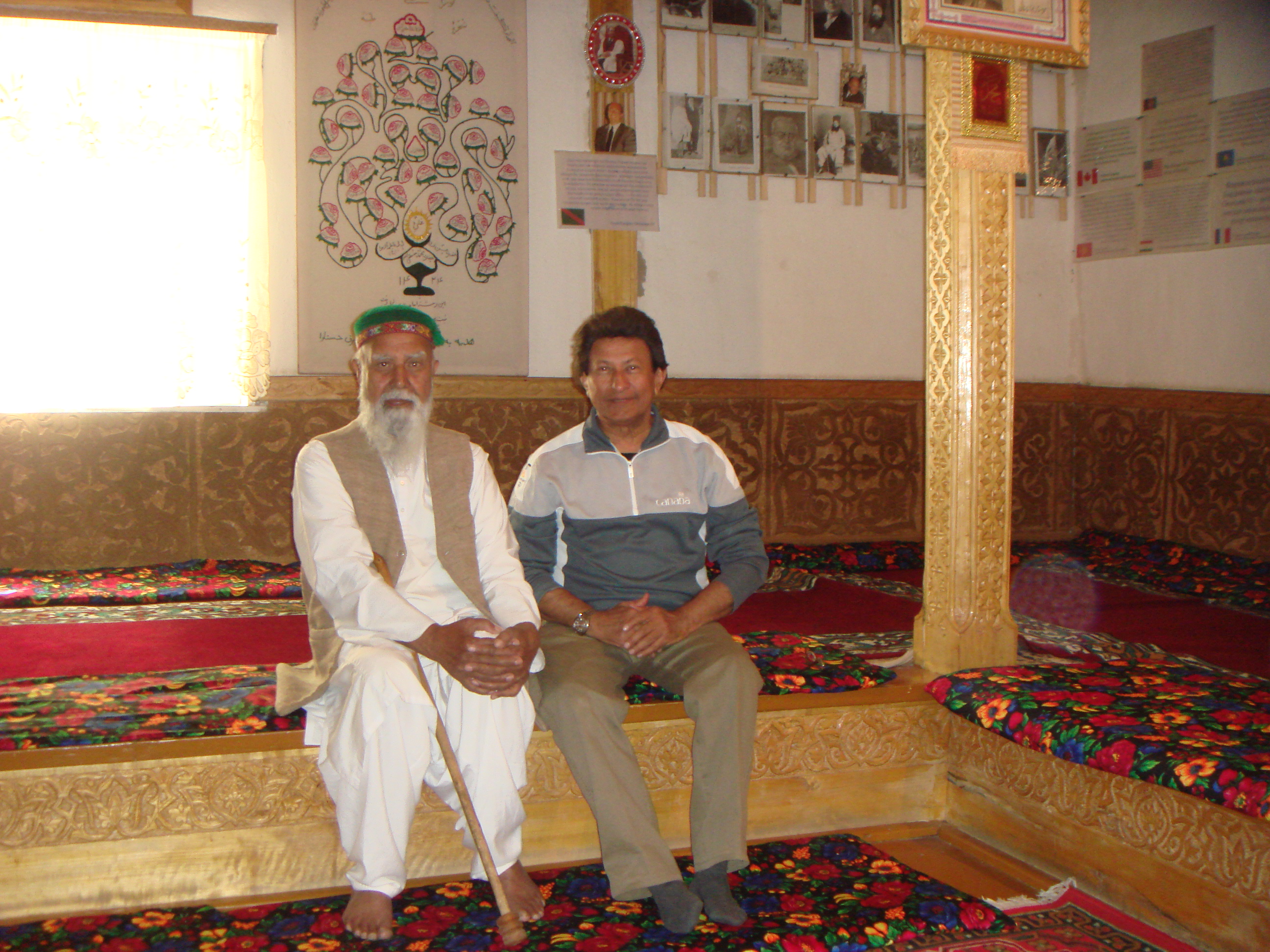
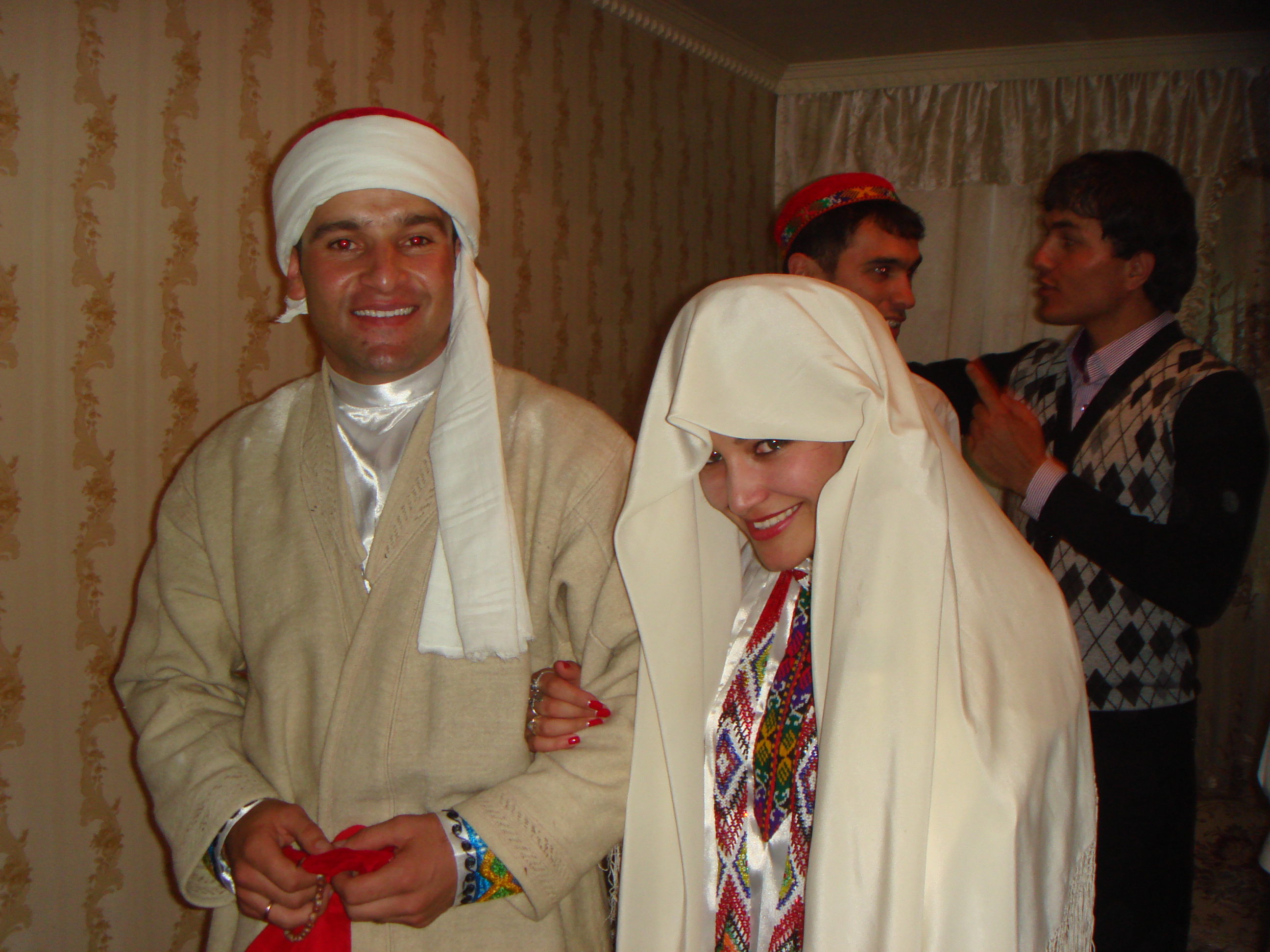
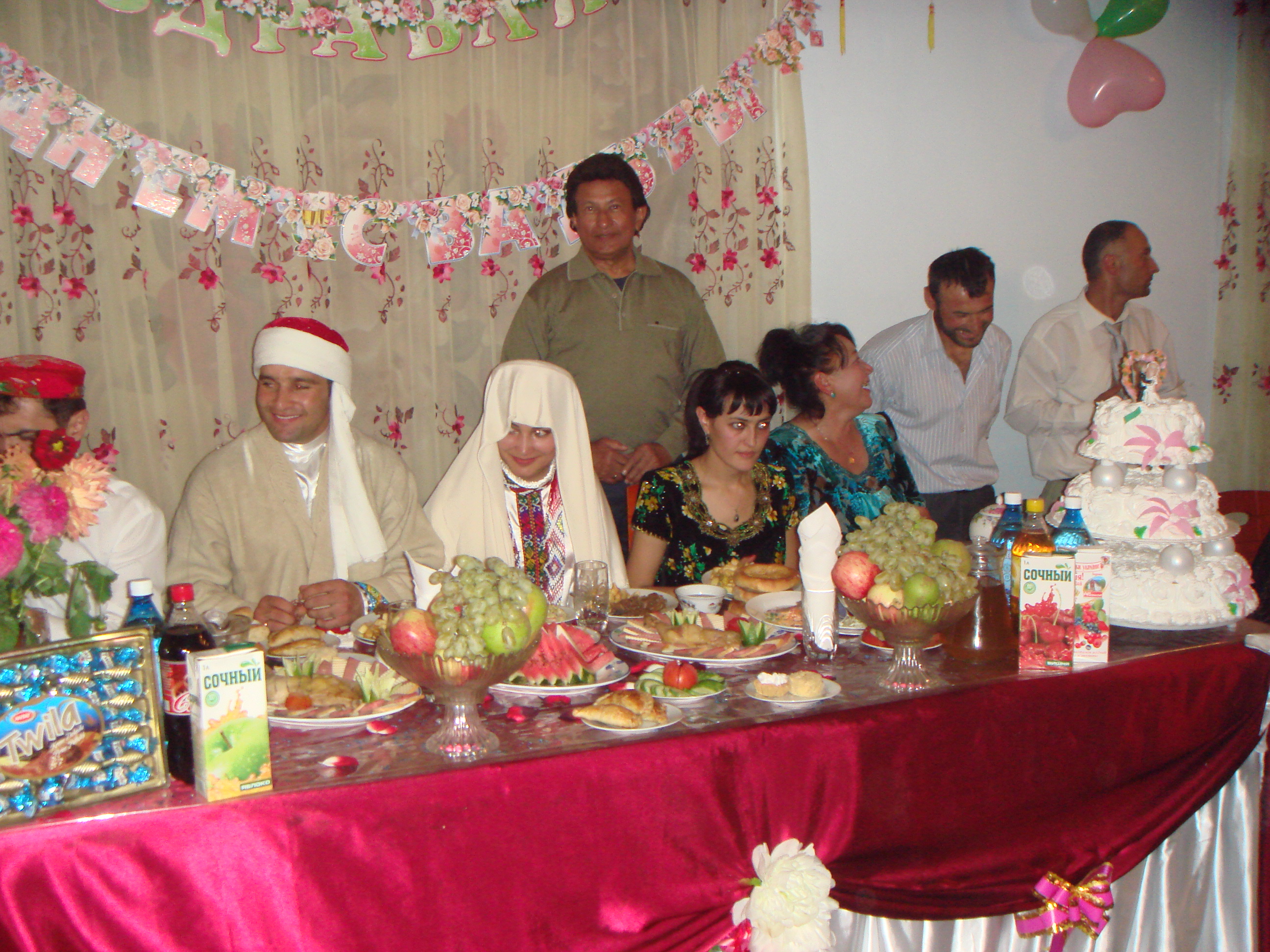

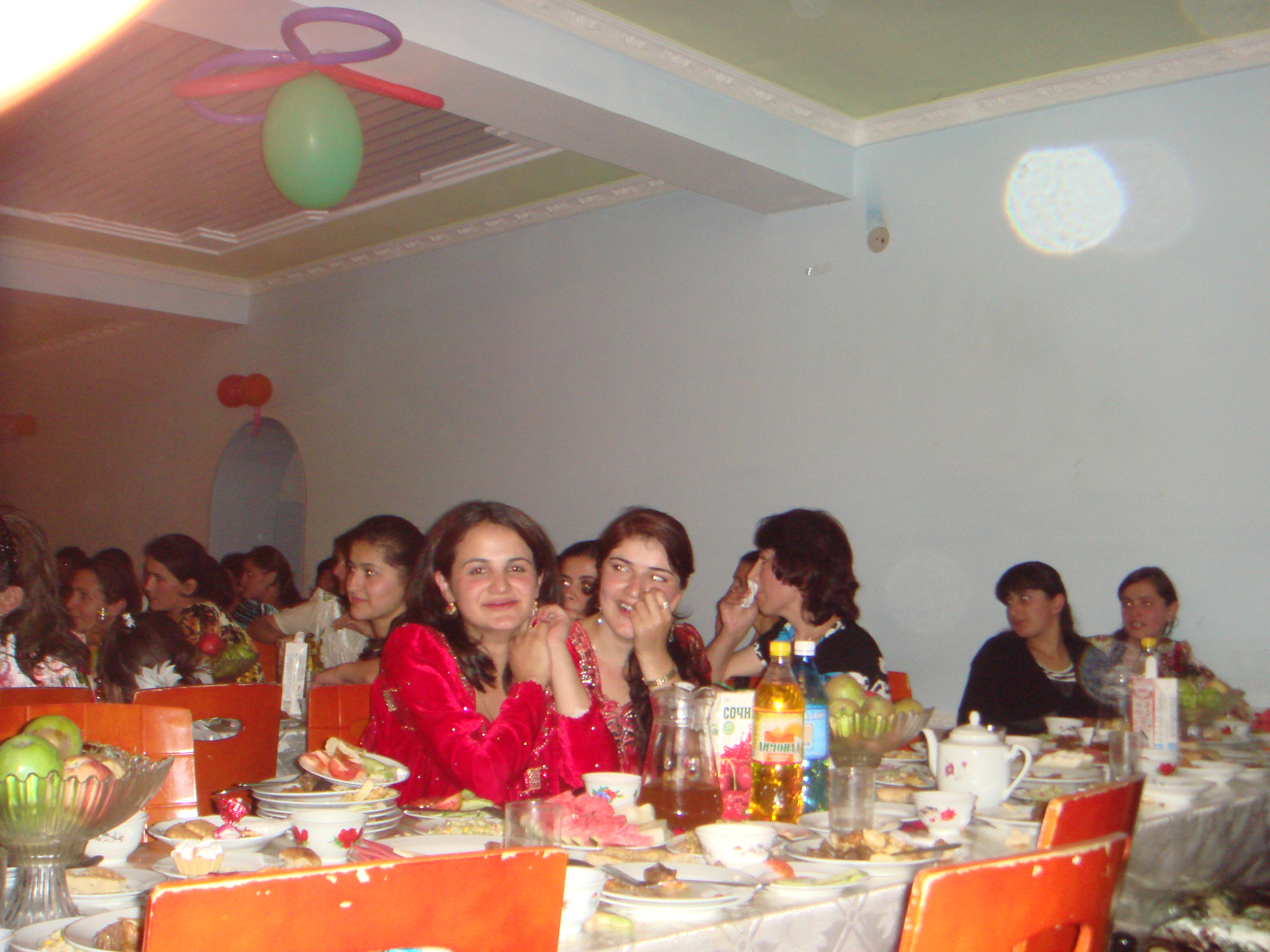
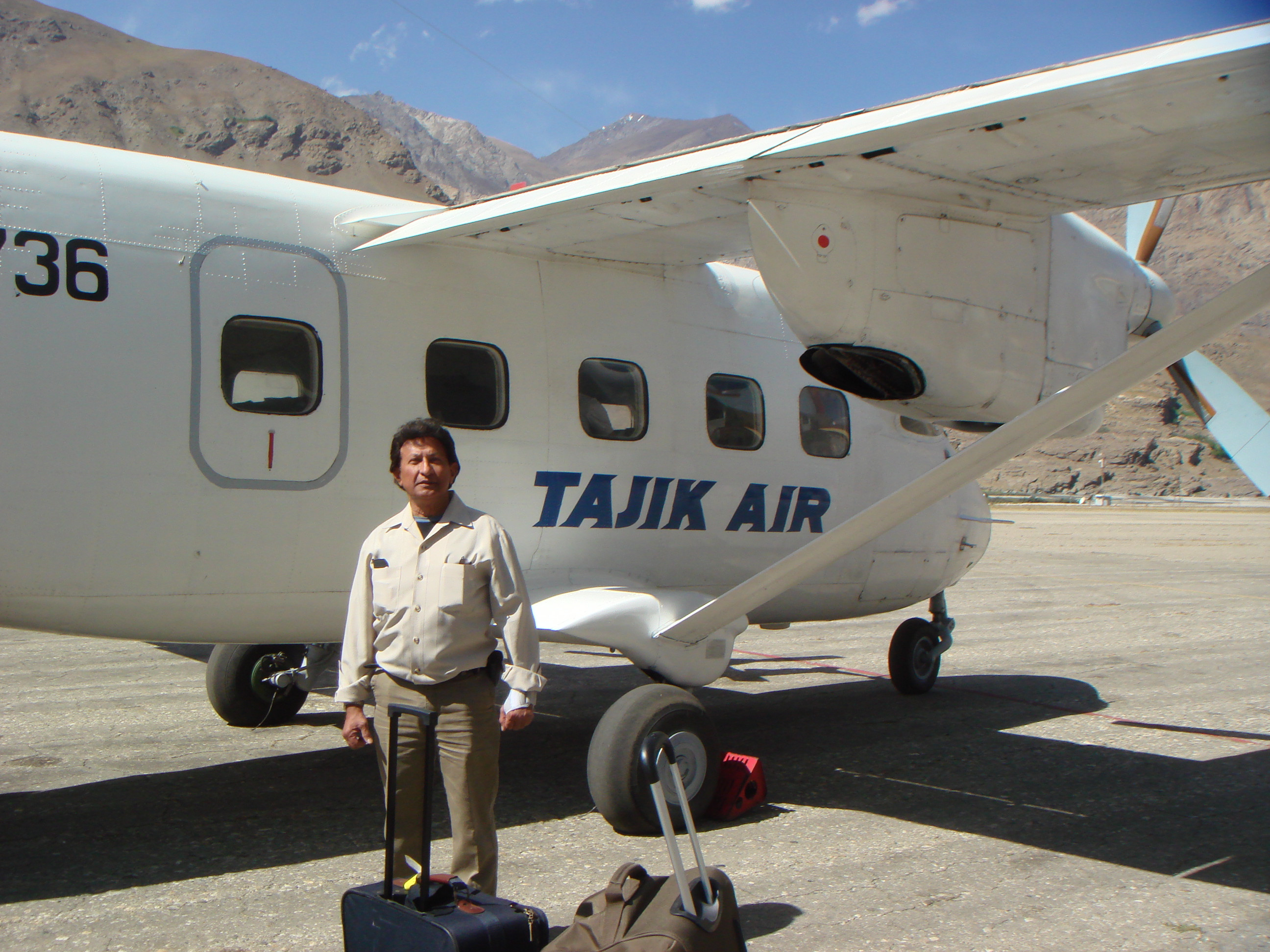
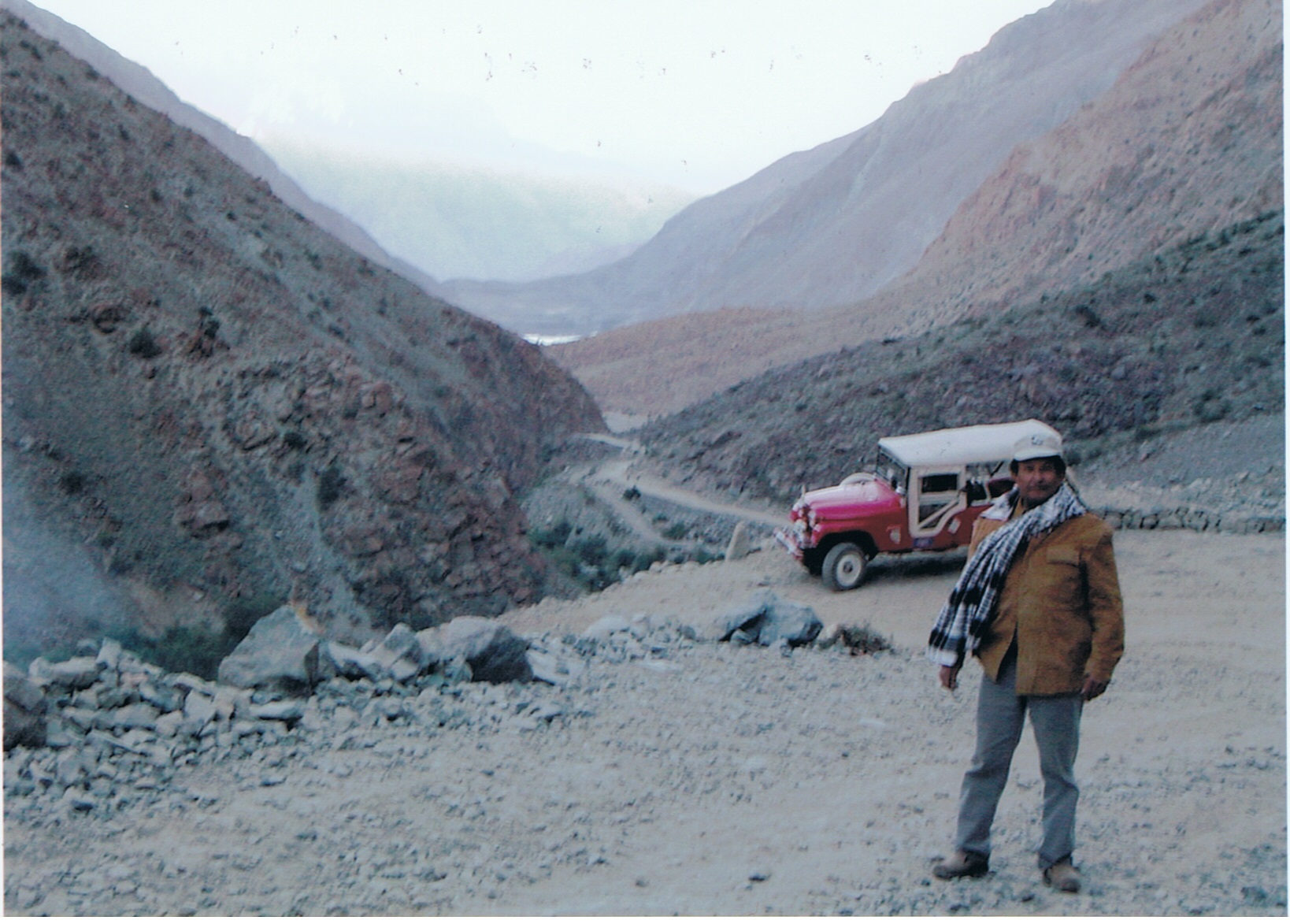
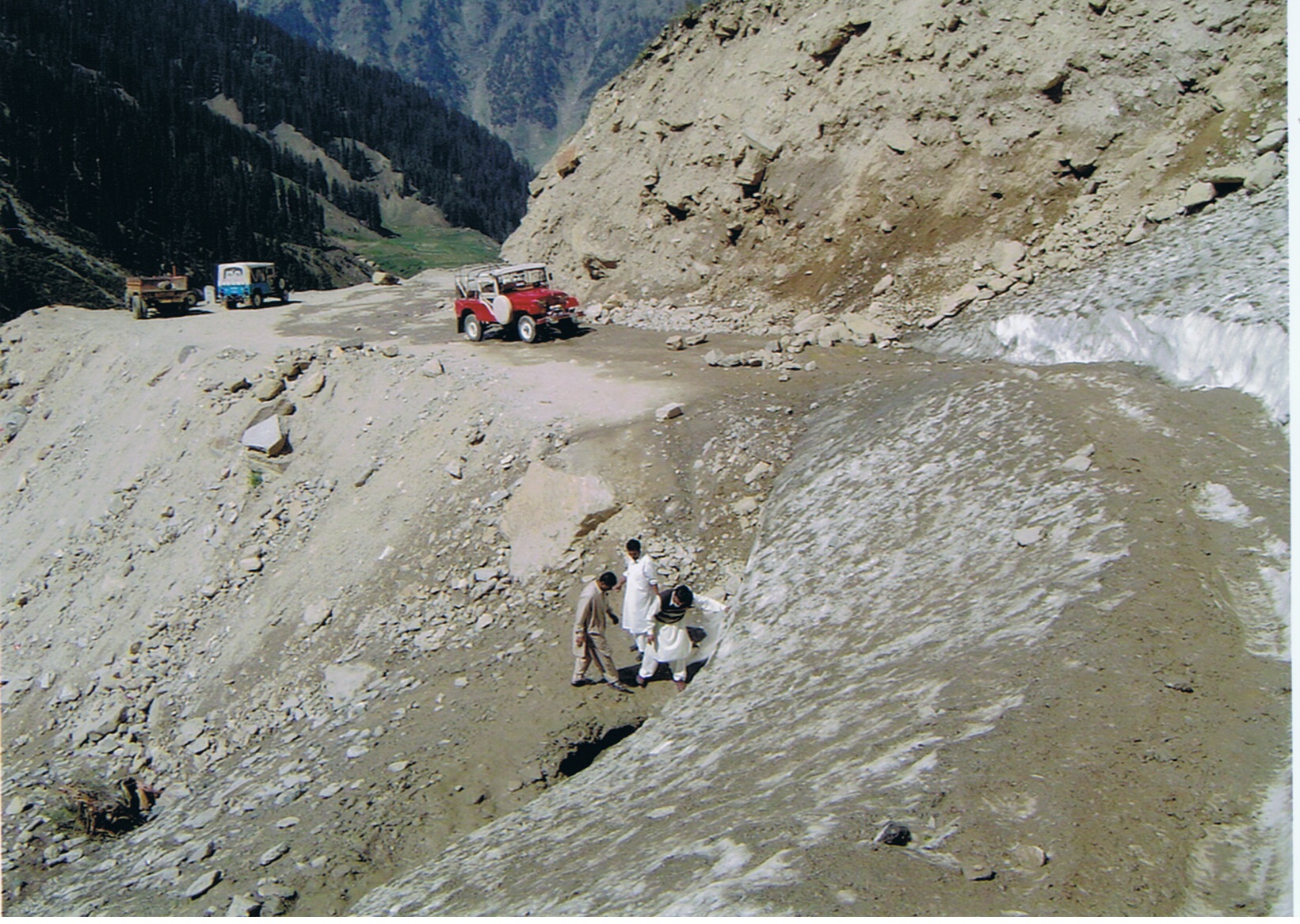
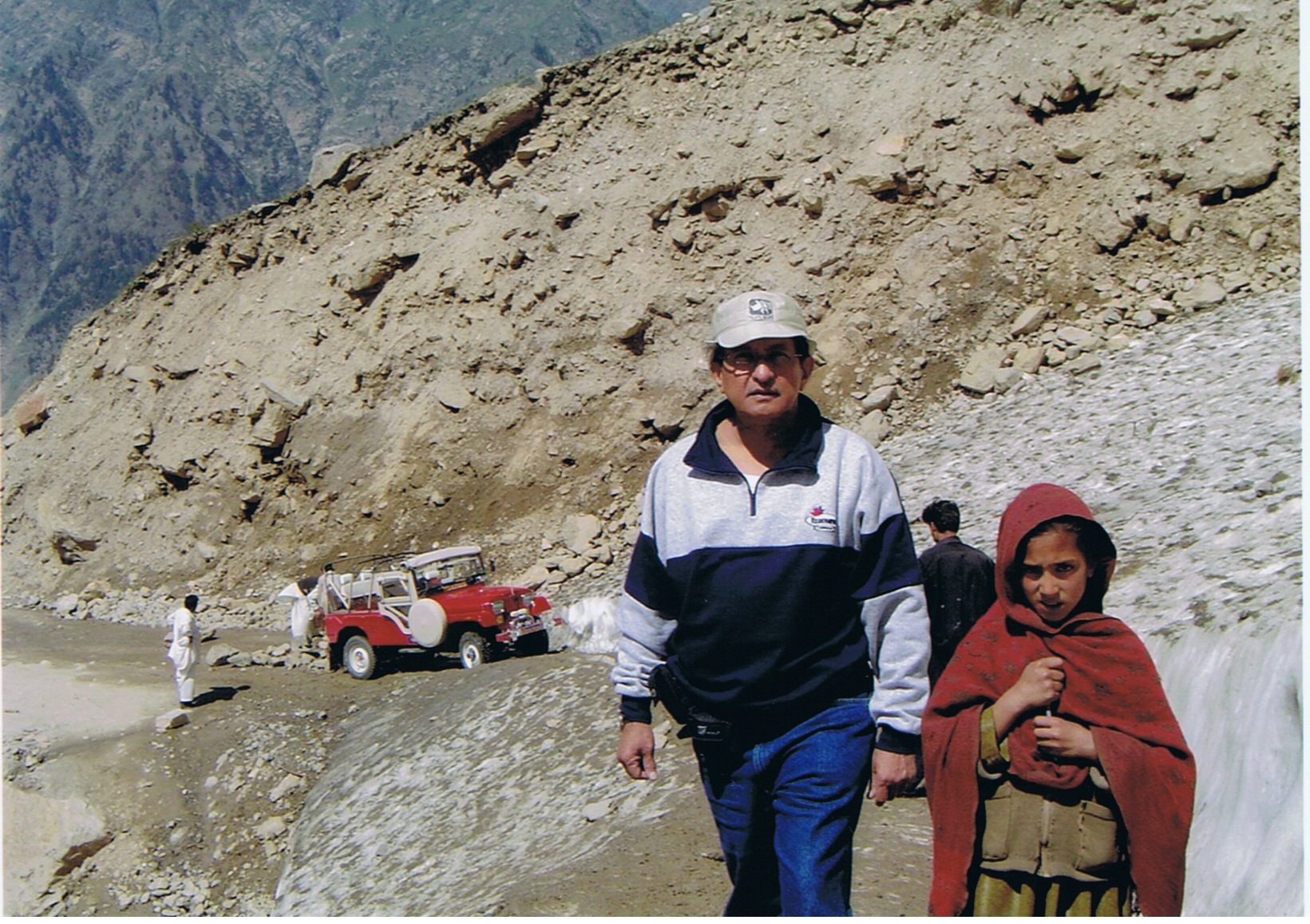
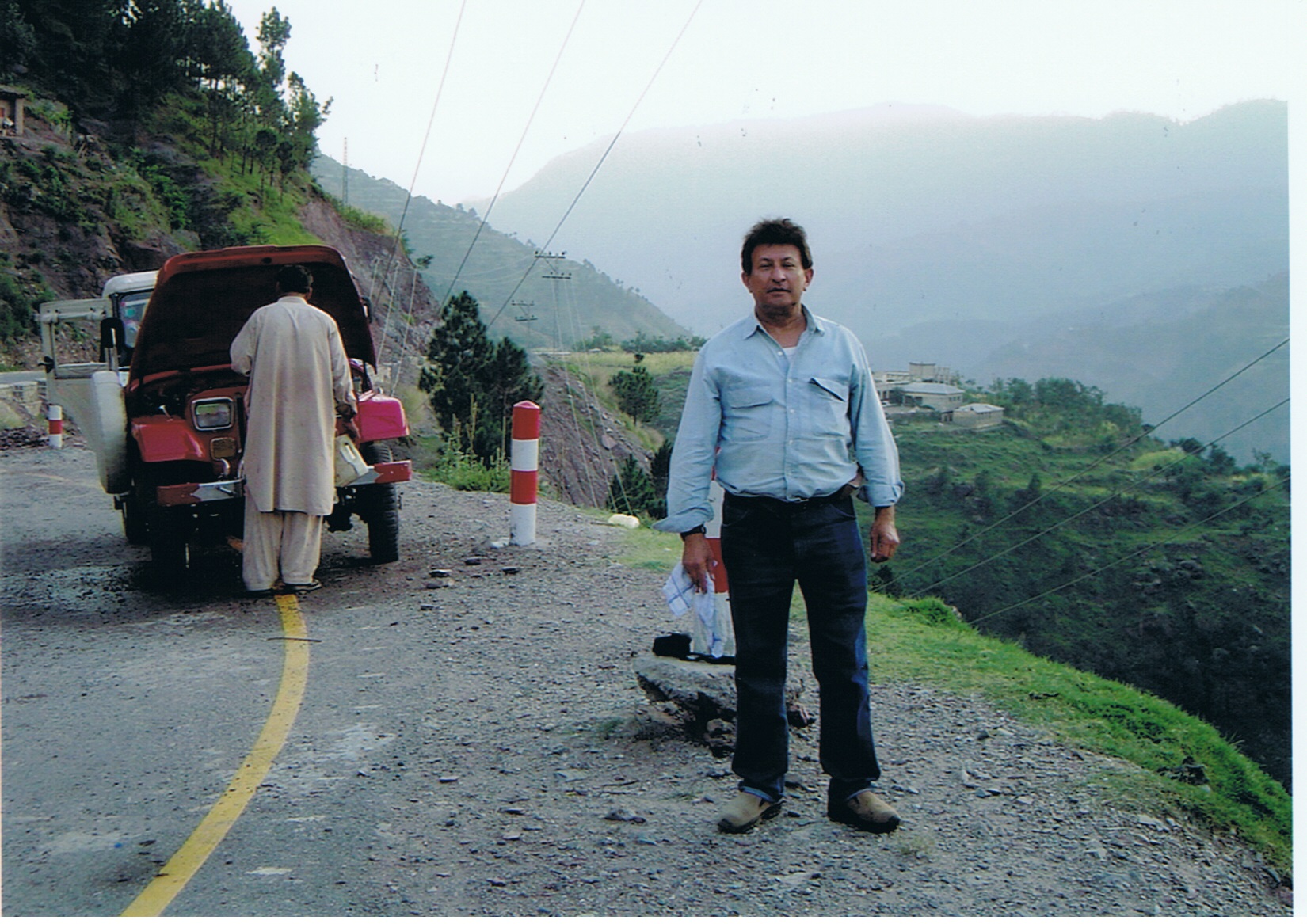
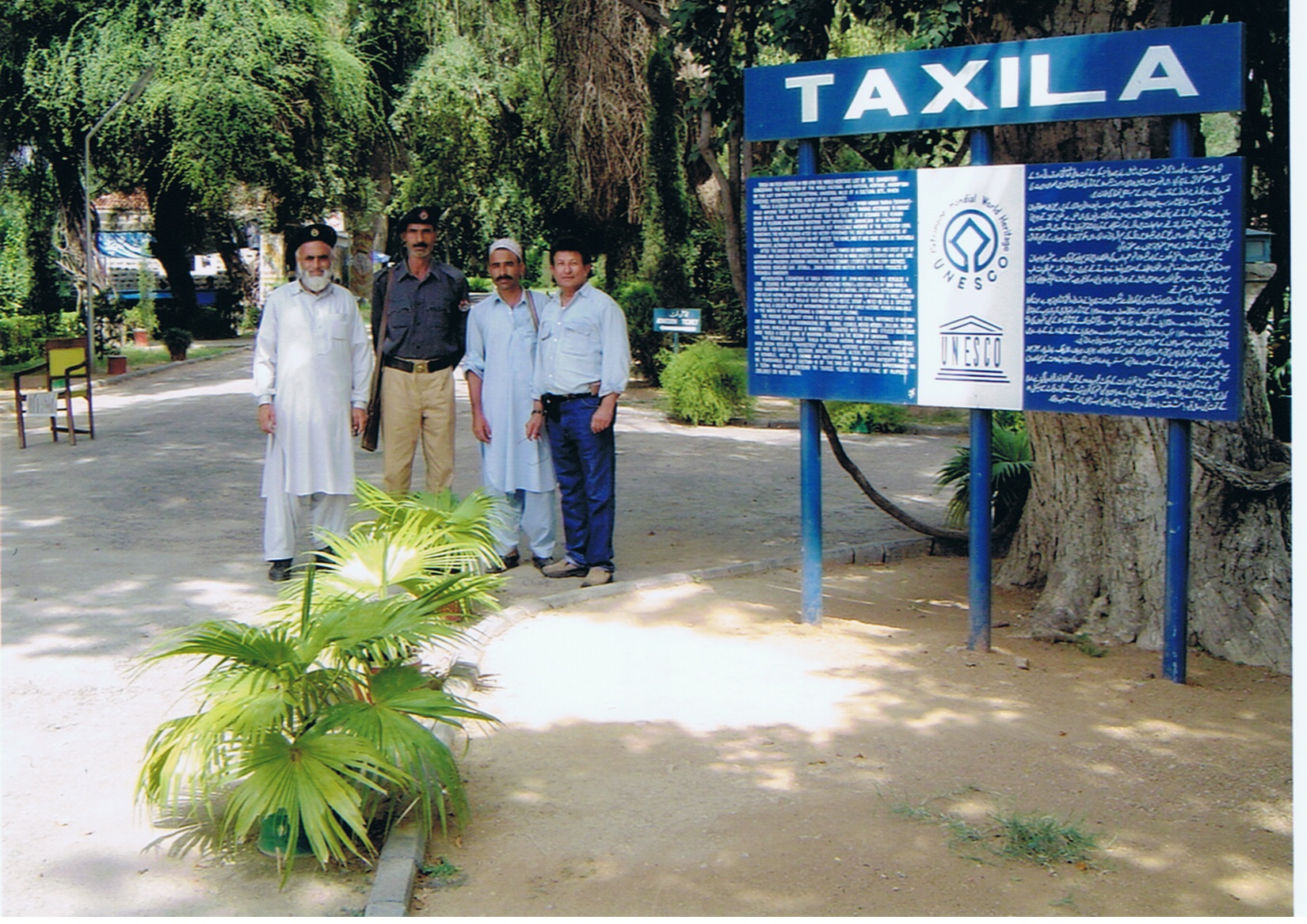
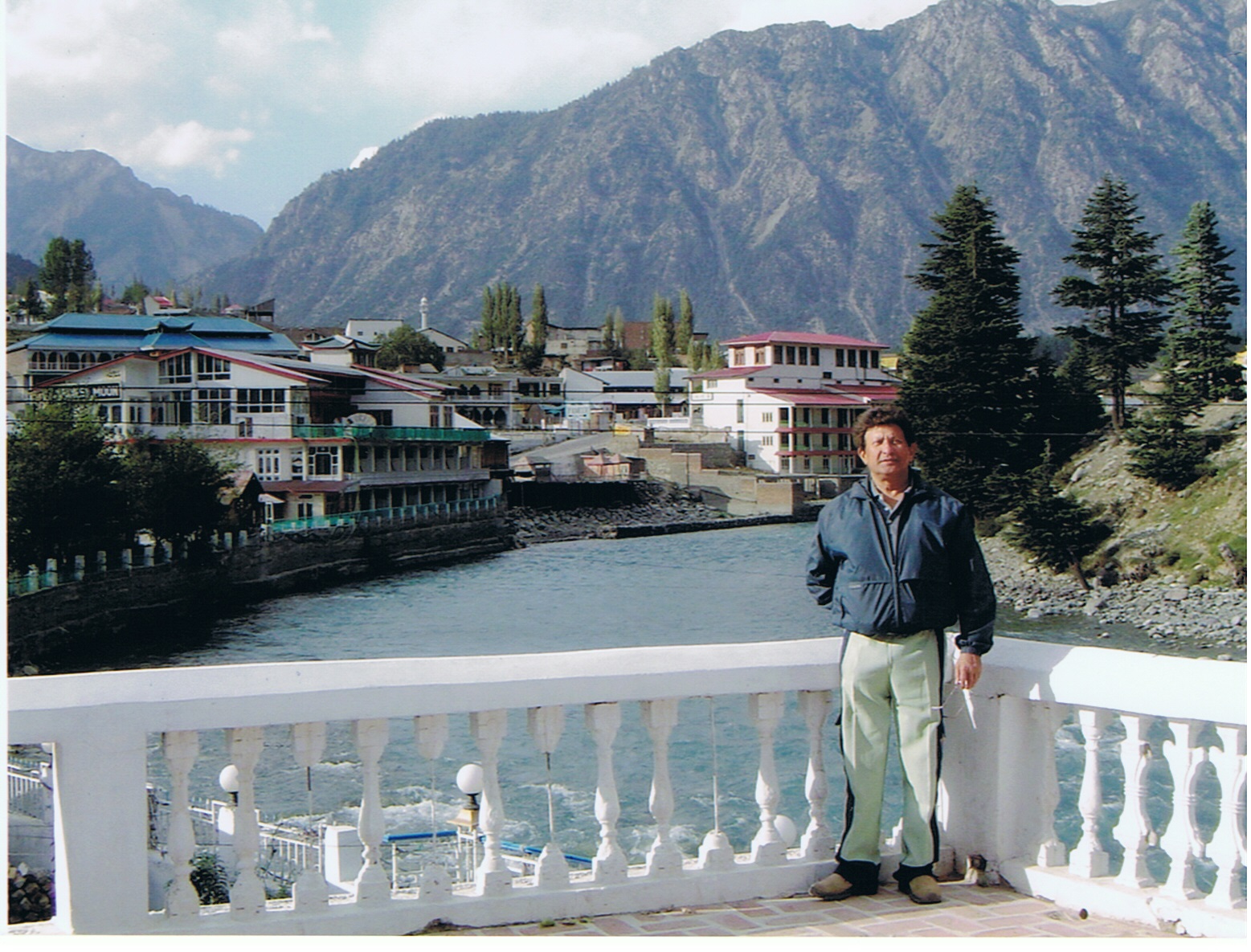
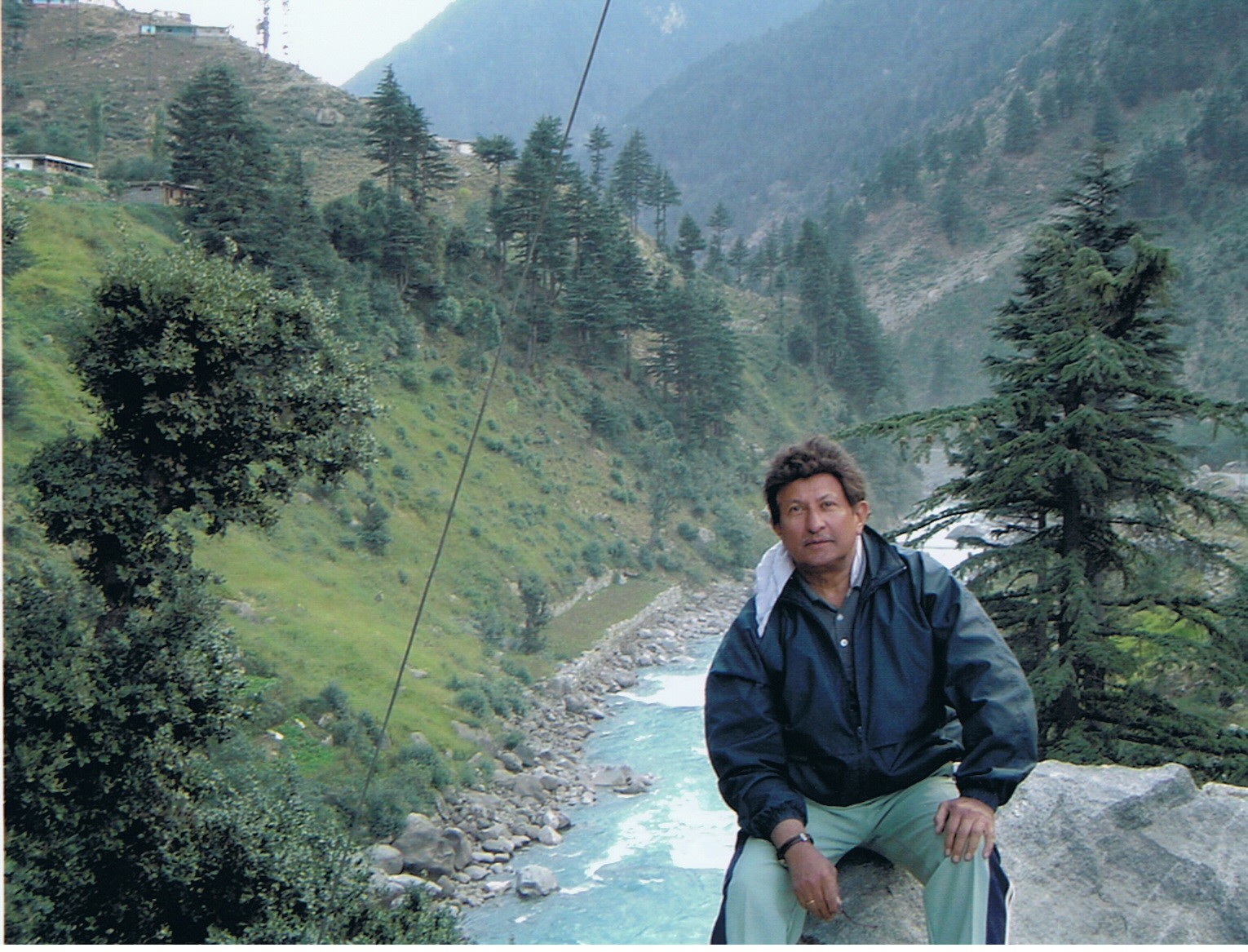
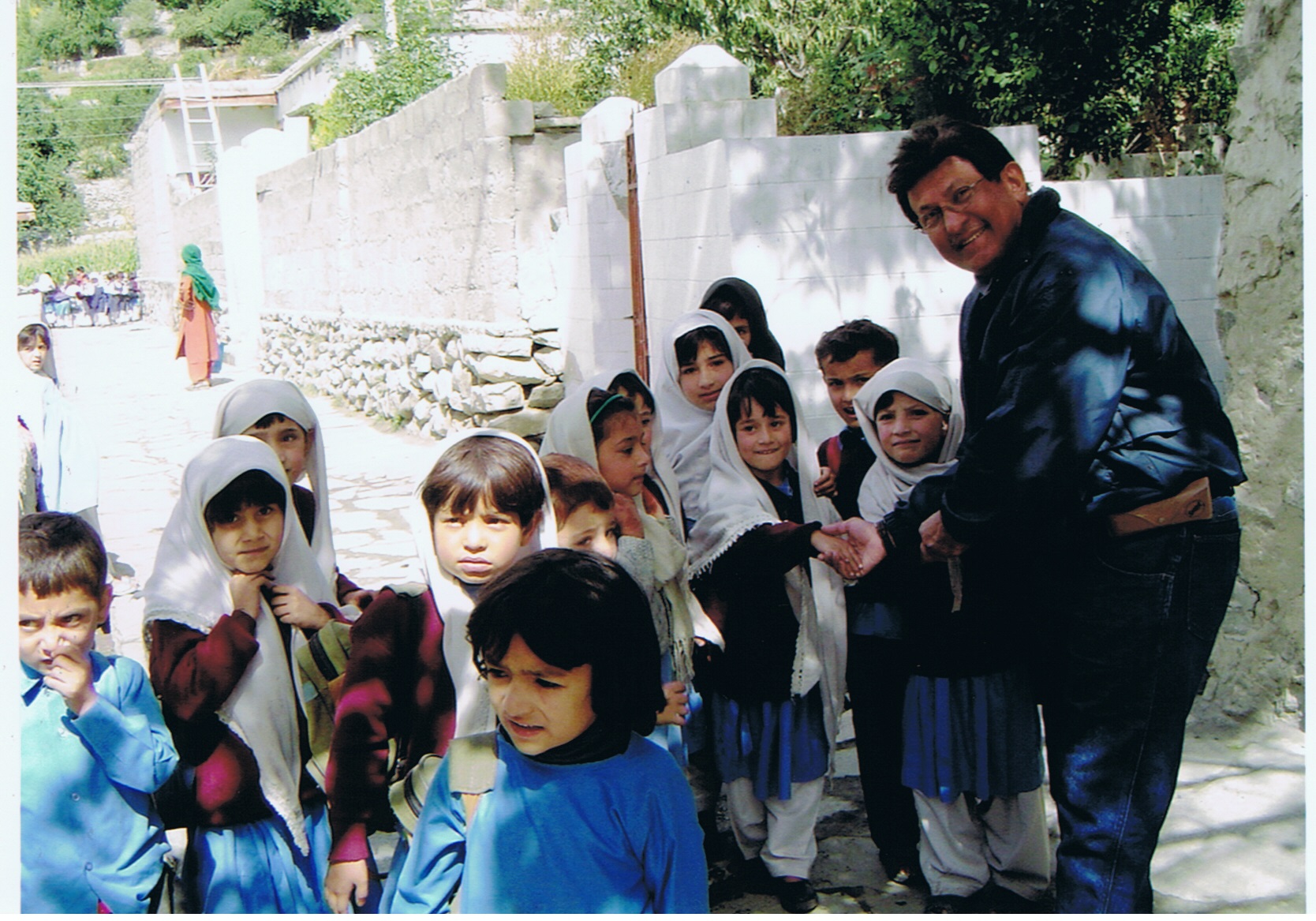
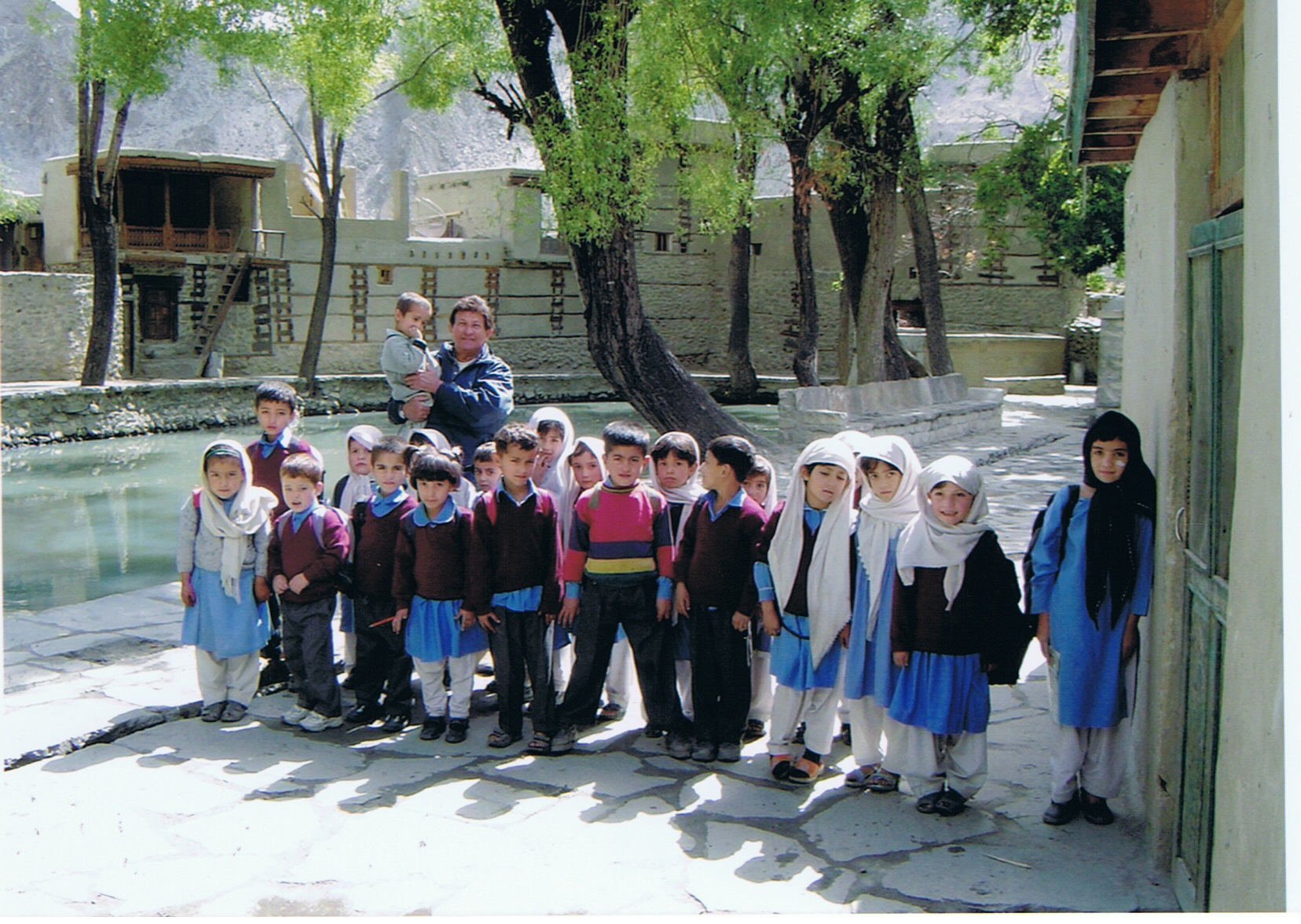 With my little friends. At the village in the valley of Hunza.