Explore the world with curiosity, expand the knowledge, DIVERSITY OF PEOPLE IN DIFFERENTS LANDS, , surrounding geography, culture, traditions, values, language, history, economy, ,direct contact with ordinary people to understand their condition, life, aspirations, dilemas.
WORLD ENOUGH OBSERVED….CONNECTING WITH PEOPLE………..Nizar Harji nizarharji.travel.blog contact: nizarharji@shaw.ca
This is about one of the journeys to over 60 countries.
KANYAKUMARI (Southern most tip of India touching the Indian Ocean) to KASHMIR and the mountains of Ladak (Northern most tip of India).
India is incredible, there is simply no other word that captures the enigma or the paradox of the country. It is Soul stirring, it will jostle your entire being like no other country on planet earth. The sheer diversity of ethnic groups an incomprehensible cultural cocktail. It has astonishing diversity of people within a diversity. No less then 15 languages are spoken. Yet people of this land with their spontaneity can instinctively inspire in expressing joy, frustration, thrills in most adverse conditions, natural disasters and poverty accepting their destiny and the divide between rich and poor and confound all at once and be able to keep their sanity alive.
It is a country of deep rooted multi cultures in language, multi-religious beliefs, customs and in all facets of life. The make up of the country is multi dimensional. Parts of the country deep down in the villages have not touched modernity in any sense and exist in antiquity. India has at the same time produced great minds, philosophers, thinkers, writers and industrialised with more billionaires then most developed countries also with Digital IT Supremos.
In my exploring different parts of India and in understanding its dynamics, it defies all logic and imagination. People in their age old religious beliefs seeking salvation of their Soul from the perpetual misery of life, in their devotion to the multiple deities made of stone statues, in the belief it will grant them salvation, are seen pouring gallons of pure milk on the statues which eventually gets into sewage. In river ganges food is mindlessly thrown to the water. All these while millions are starving. Their local faith leaders are feeding on this myth for salvation of their Soul to prevent re-birth cycle into the misery of the world. India is a land of immense contradiction.
India went through a period of enlightenment under Muslim Mougal Empire when Art, Music, poetry, Architecture flourished, their famous Monuments and Gardens have left its mark.
TAGORE.
RABINRANATH TAGORE – India’s foremost Poet-Philosopher, thinker and writer, a Bengali, his Ashram and work was preserved at “SHANTI NIKETAN” some 40 miles out of Calcutta.
Having read some of his work, including his famous “Gitanjali” and others, I set out with a driver and a car to visit the TAGORE Ashram located in the deep rural area.
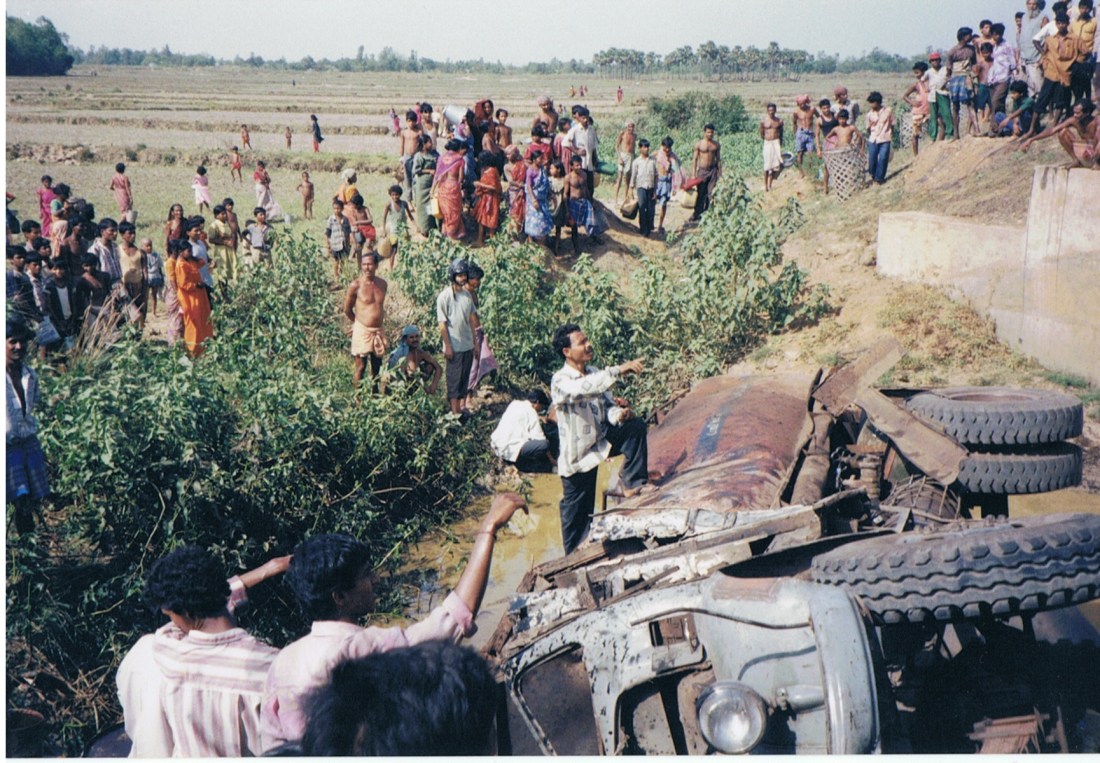
In front of our vehicle on the road was a large tanker carrying liquid refined petroleum.
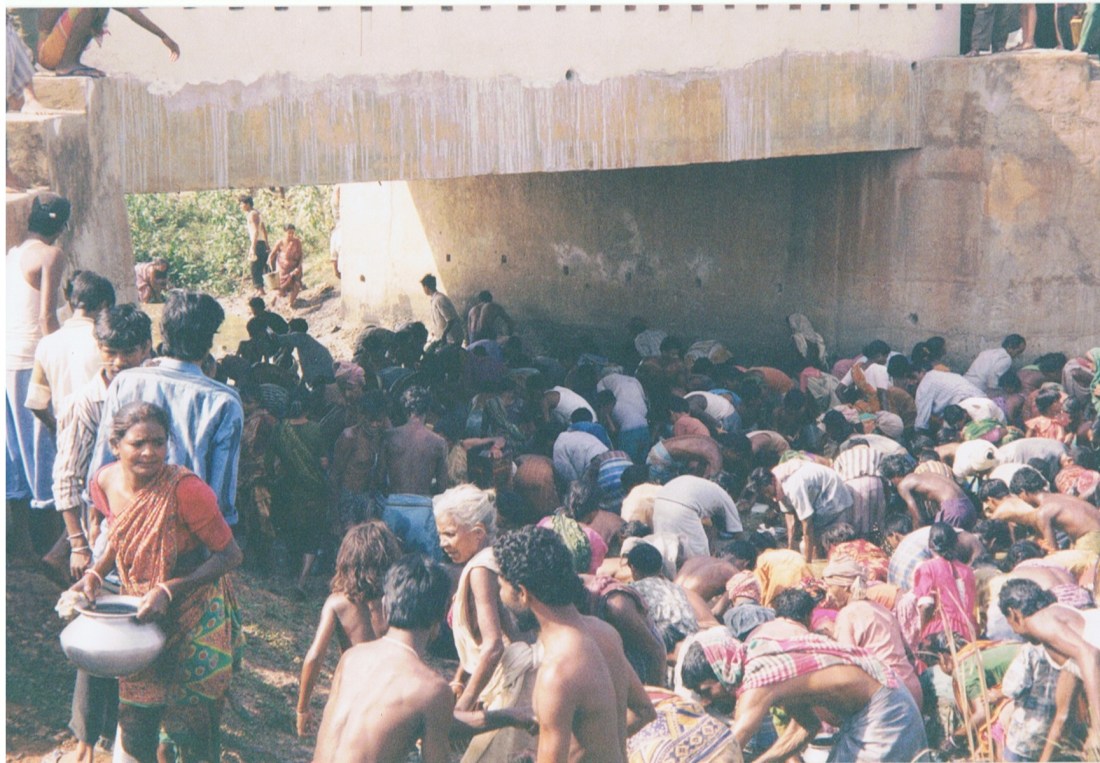
Suddenly this tanker in front lost control while crossing the bridge swerved and plunged in the river crashing down under the bridge. You could smell and see the Petrol pouring into the river. Within minutes hundreds and hundreds of people from around the village had gathered with utensils in their hand to collect the petrol that had poured into the river, completely oblivious to the danger that it needed only a small spark to ignite a huge fire and more scary I noticed some were smoking cigarettes. This could have been a tragedy in the making.
Villagers Men, Women, Children all collecting Petrol from the river. A dangerous situation a fire would have engulfed the people and a tragedy would have ensued.
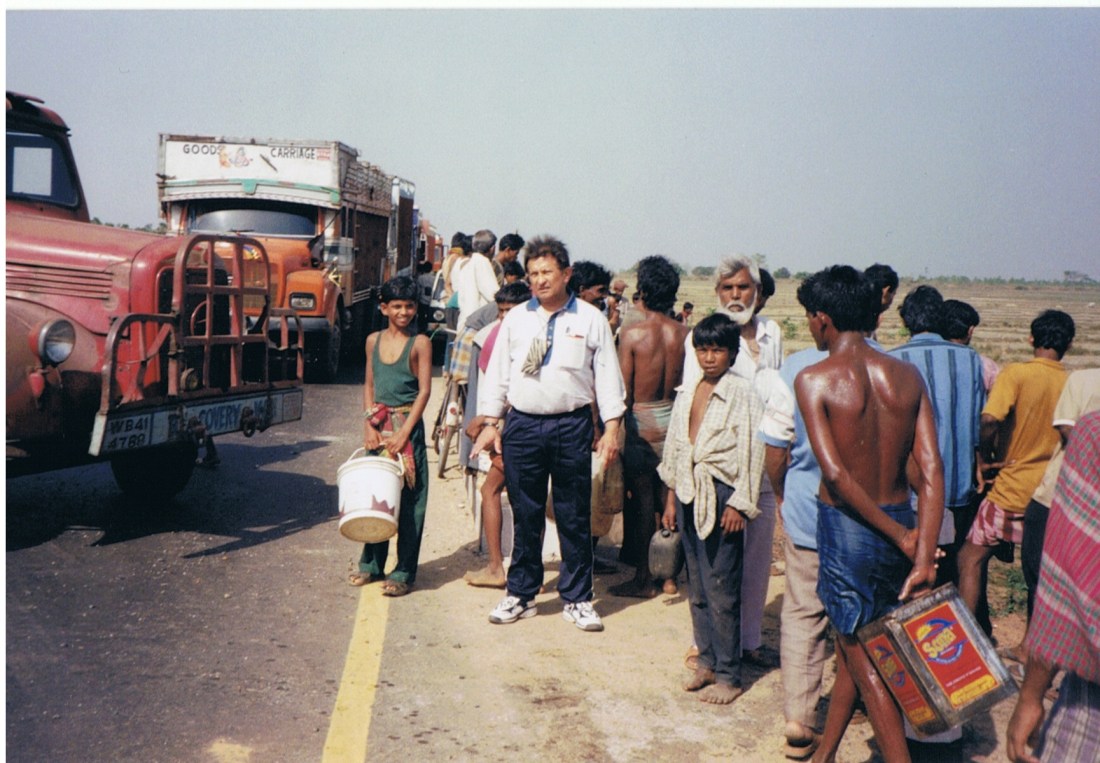
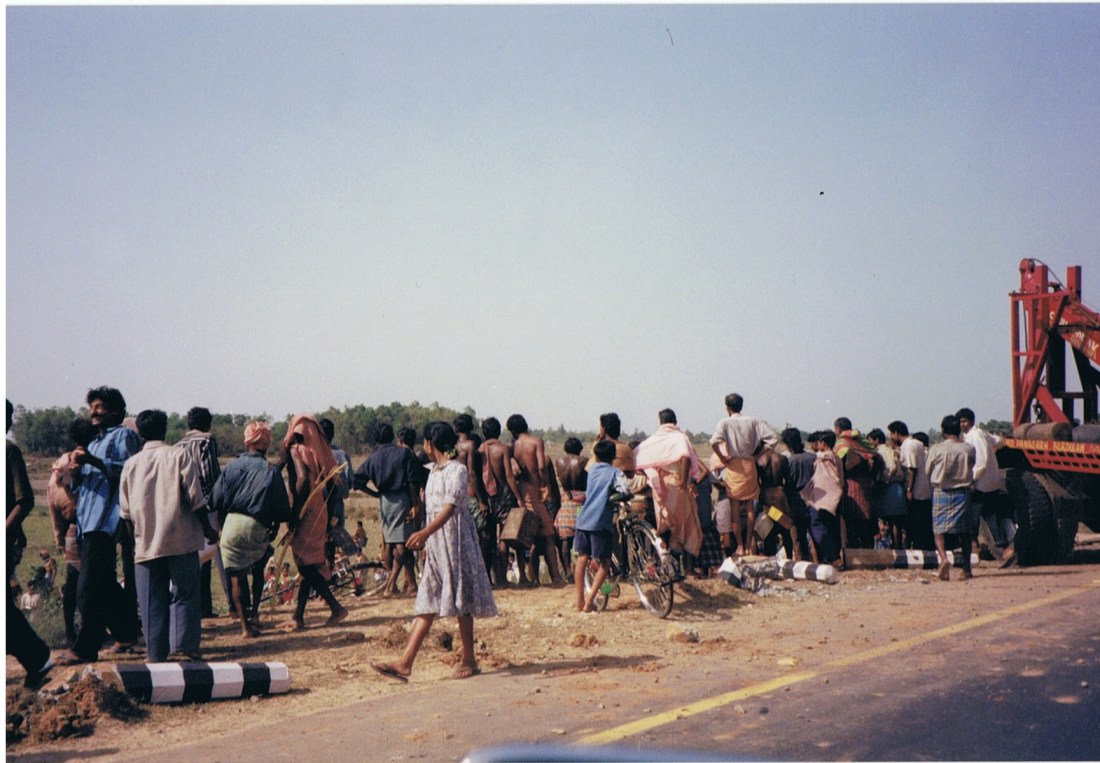
More and more people kept on coming to pick up the Petrol. A worrying situation when you cannot move forward nor can you turn back with neck to neck heavy vehicles for miles behind you.
As time went on more people around the village converged to pick up the petrol. Tragedy
waiting to happen.
Finally late in the evening reached at ‘Shanti Niketan’. The Ashram and the huge ground has now been converted into University. Most past Prime Ministers of India have spent time at this University. Above with students of the University.
Rabindranath Tagore’s famous Testament:
“Go not to the temple to put flowers upon the feet of God. First fill your own house with the fragrance of love.
Go not to the temple to light candles before the altar of God. First remove the darkness of sin from your heart.
Go not to the temple to bow down your head in prayer. First learn to bow in humility before your fellowman.
Go not to the temple to pray on bended knees. First bend down to lift someone who is down trodden.
Go not to the temple to ask for forgiveness of your sins. First forgive from your heart those who have sinned against you. “
SOUTH INDIA.
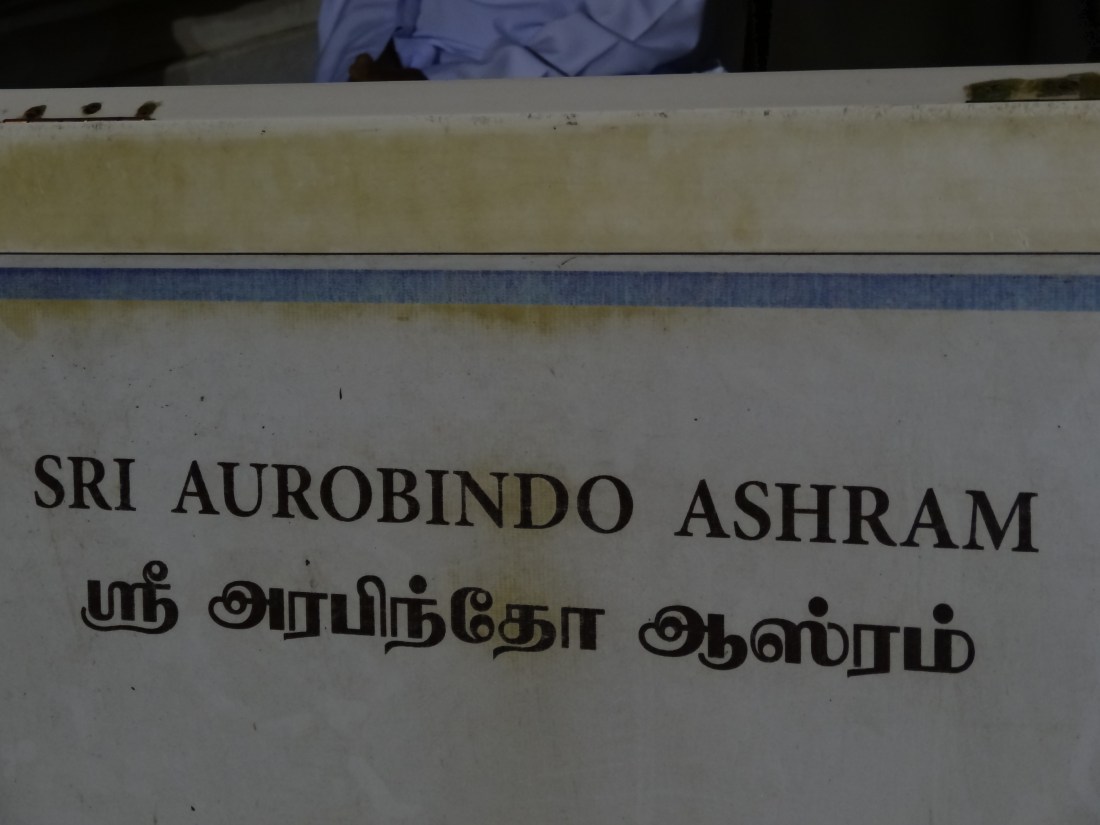
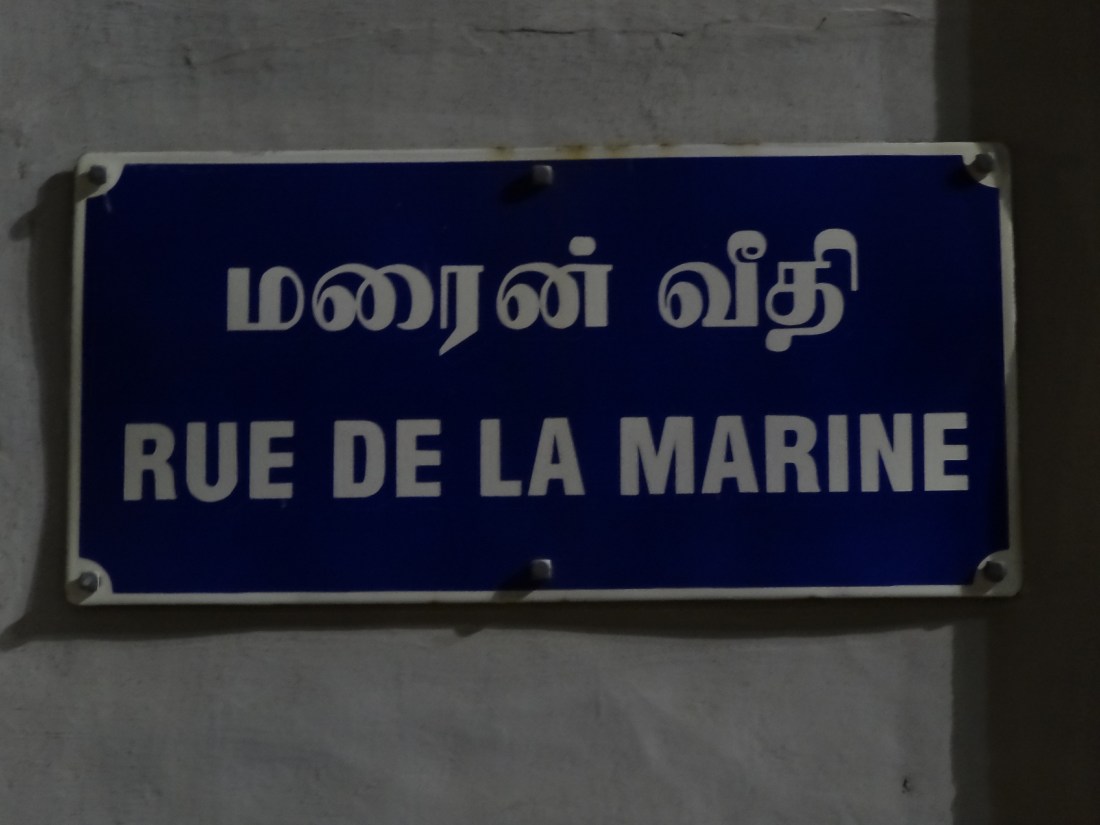
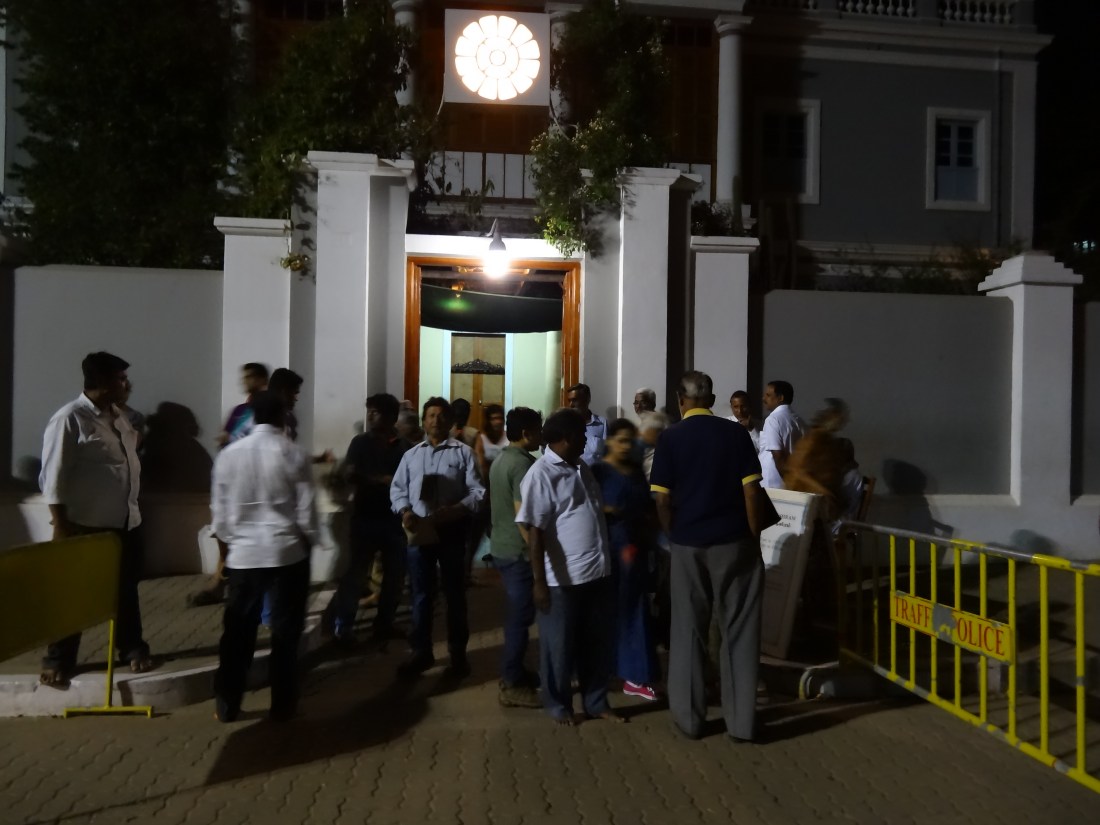
PONDICHERY – 4 hour drive from Madras (Chenai) on the coastal road, was under French jurisdiction until Independence, is a charming small town on the Coast. It has retained its French characteristics., even street names are in French. It is a neat and not crowded comfortable well laid out town. People of all Nationalities, particularly from Europe (Italy) are seen settled there for good life, and many travel here to visit the Ashram. My honest opinion , I did not find or sense any Spirituality there but it keeps the economy of the town going.
At the Ashram ,everyday local domestic tourists from other parts of India and foreiners visit the Aurobindo Ashram in search of salvation of the Soul.
Around Pondichery, husband and wife making a living. One cannot escape seeing the agony of labour on their face.
SOUTH INDIA -KERALA (TAMIL NADU).
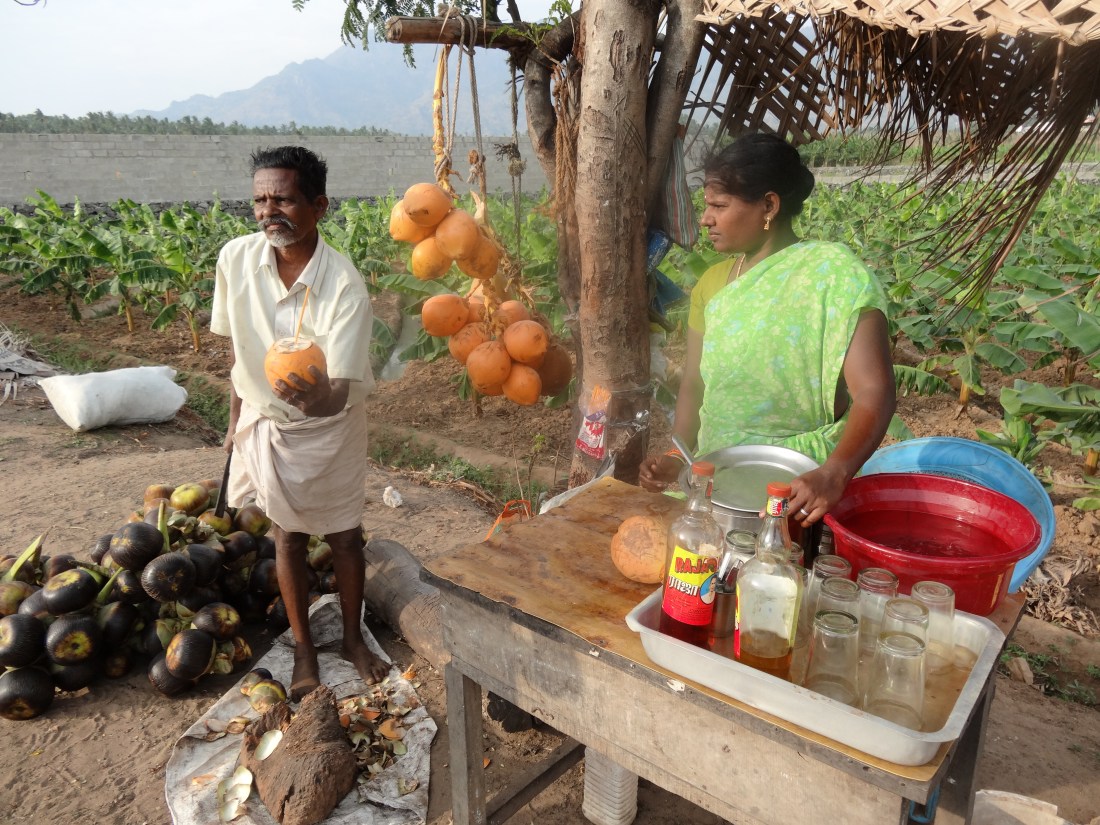
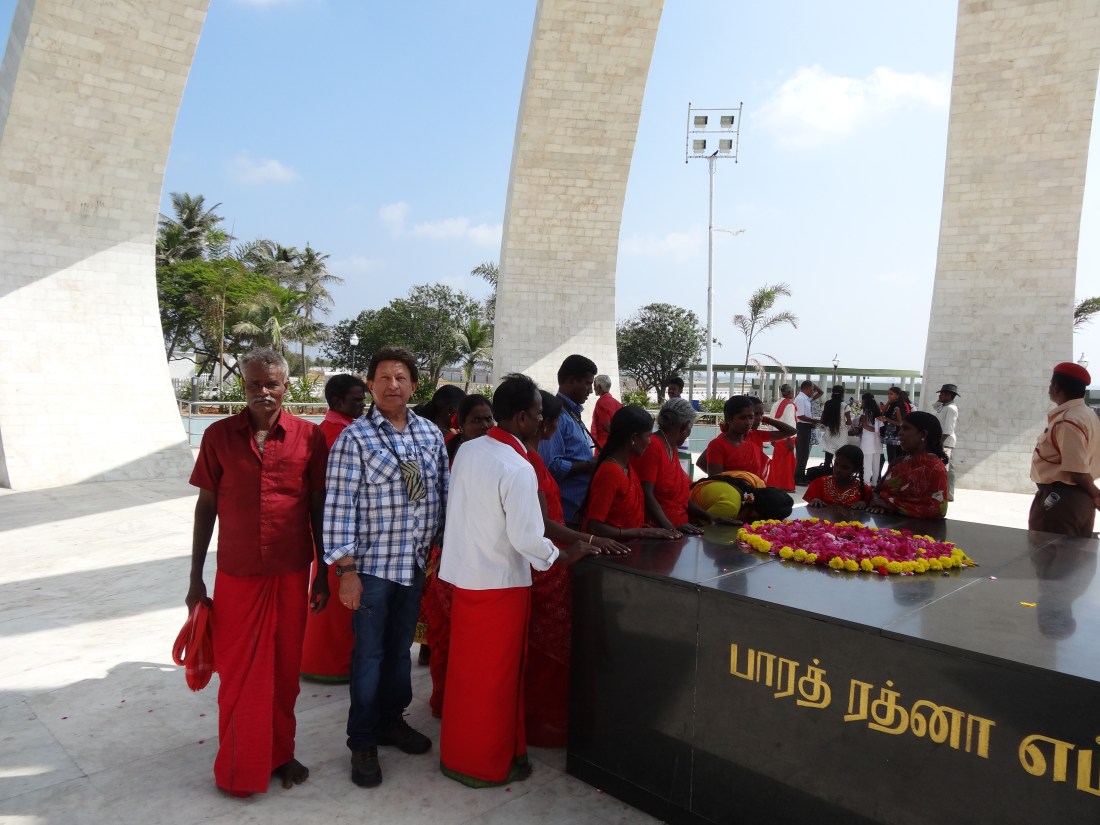
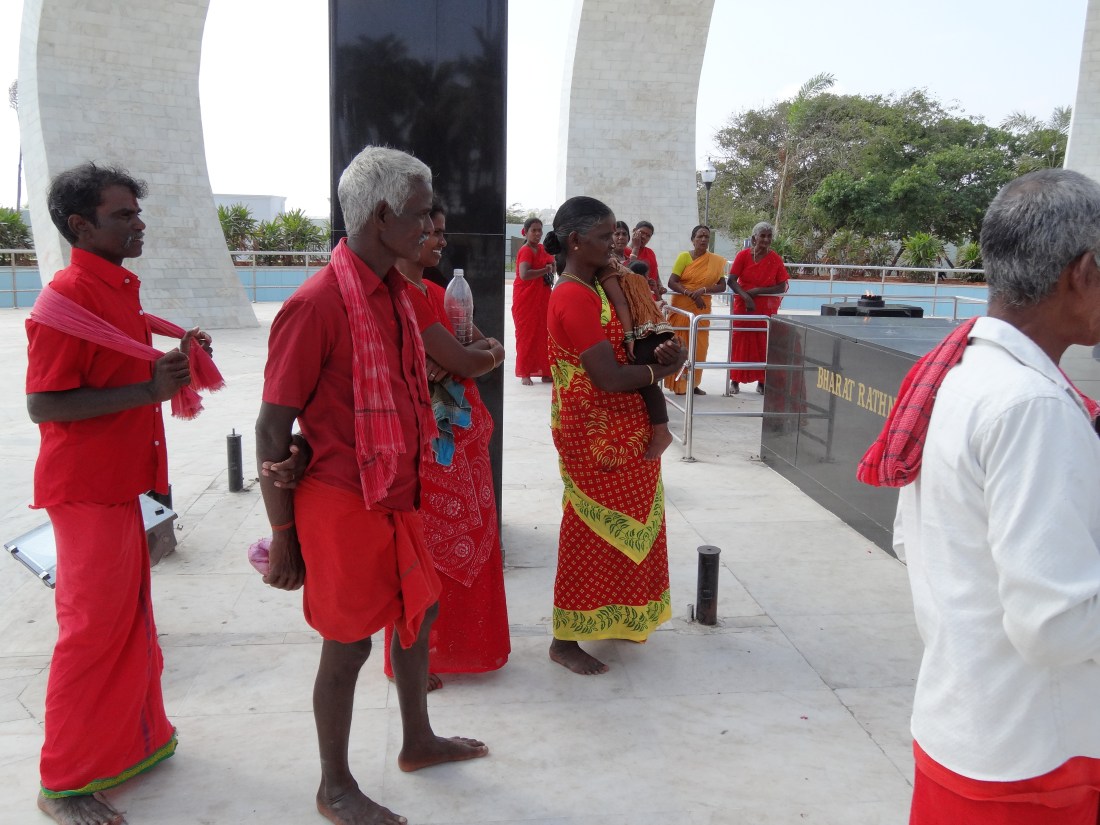
Image of people in South India Tamil Nadu at a shrine.
Many faces of India. Serious , thoughtful mode, colourful.
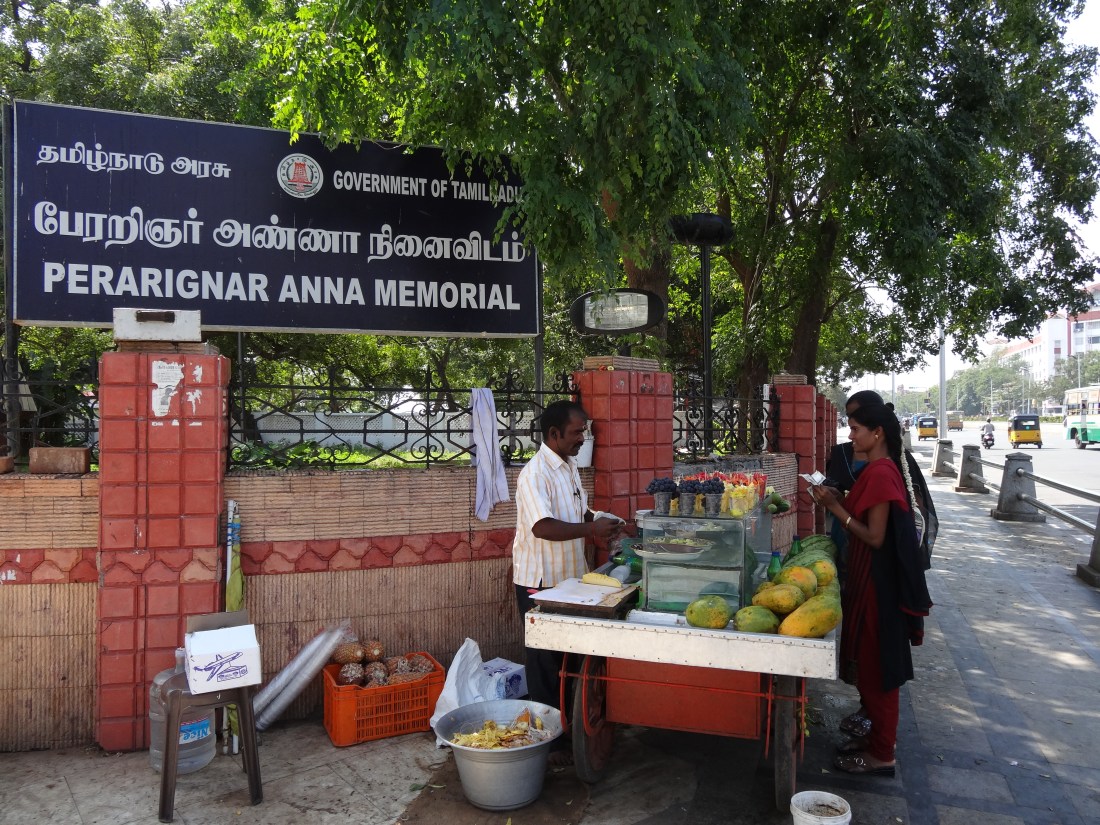
One of the numerous street fruit vendors.
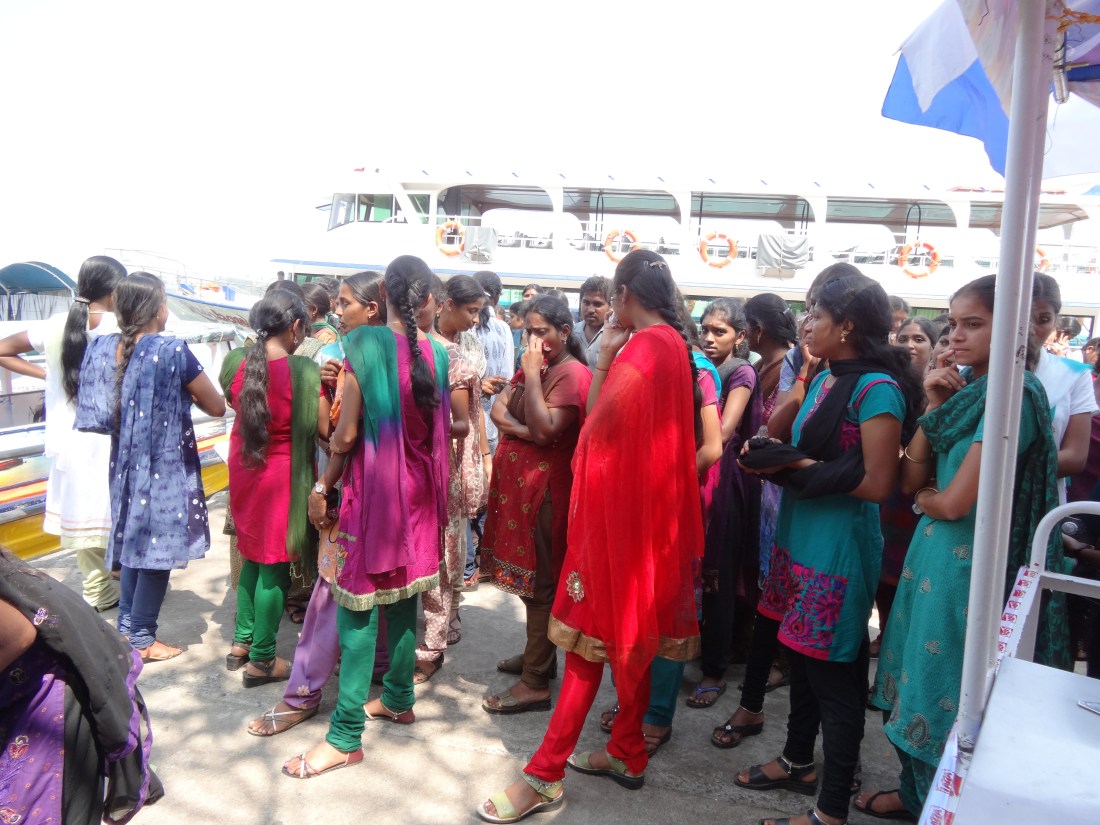
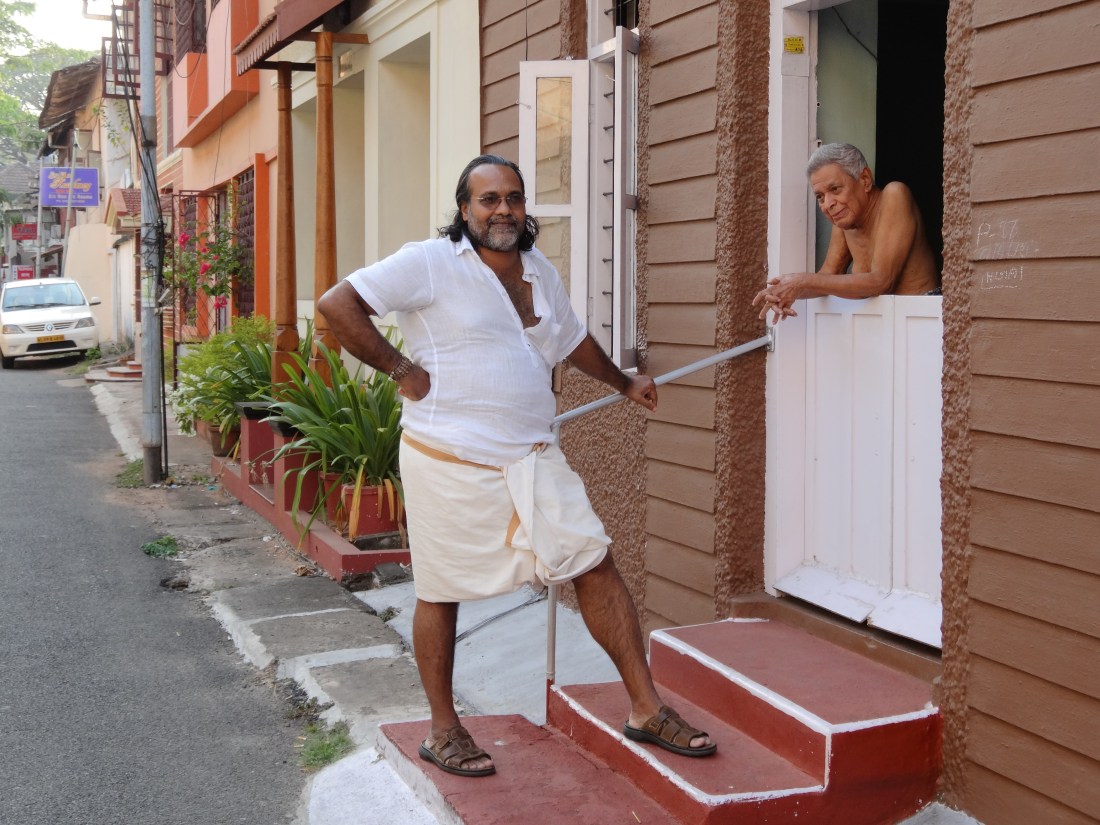
In Fort Kochi, approx. 30 minutes drive from city of Kochi, image of women waiting for the boat.
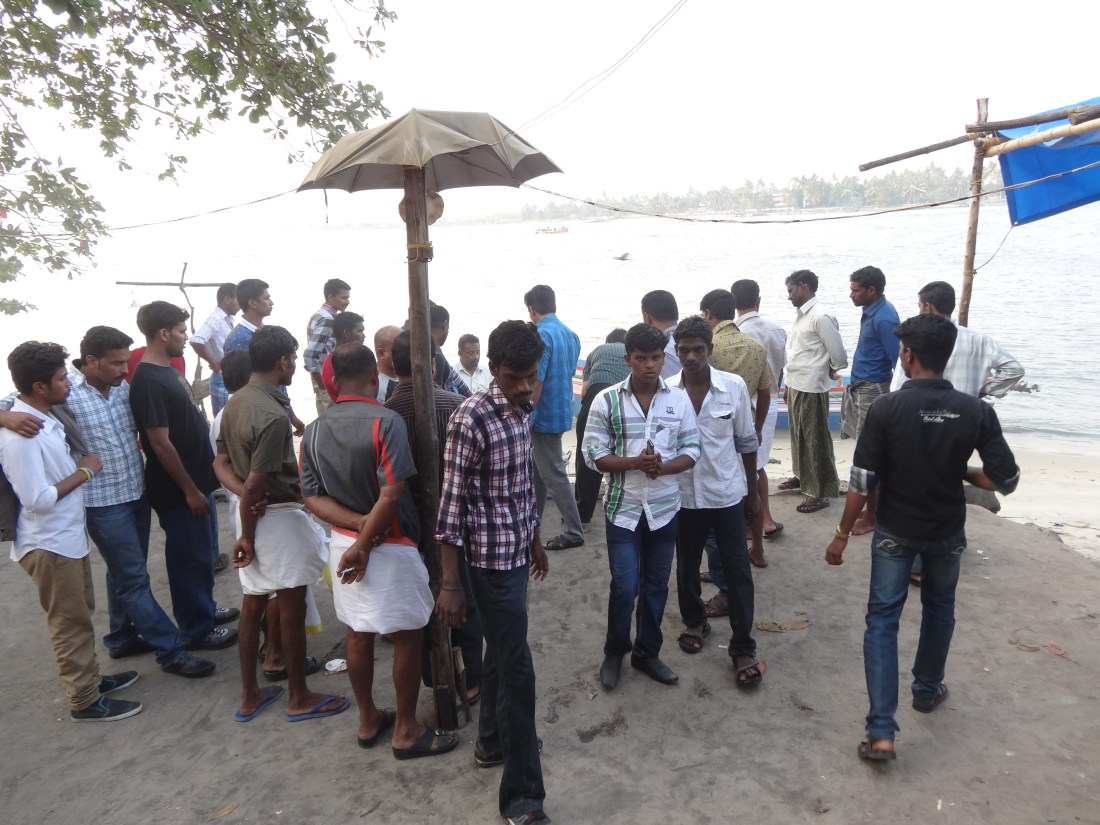
Fort Kochi…..Men waiting for Catch of the day to arrive from many fishing boats.
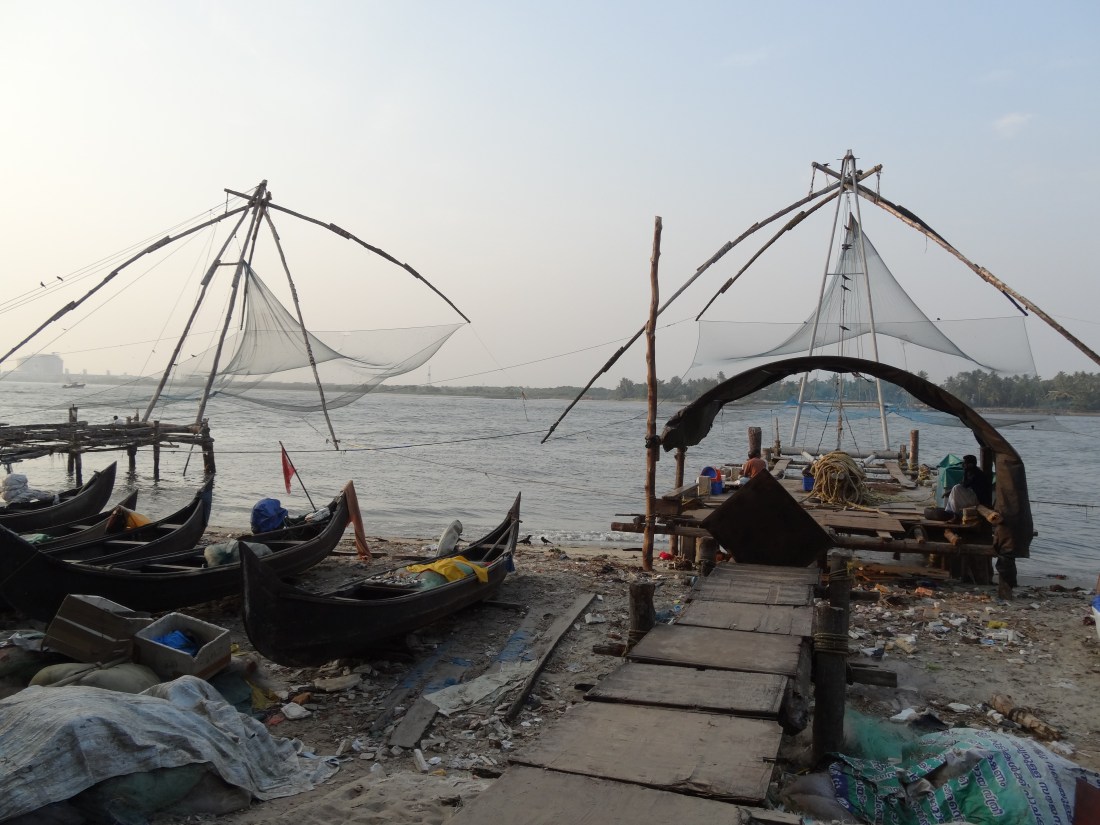
Fishing is the only activity in Fort Kochi.
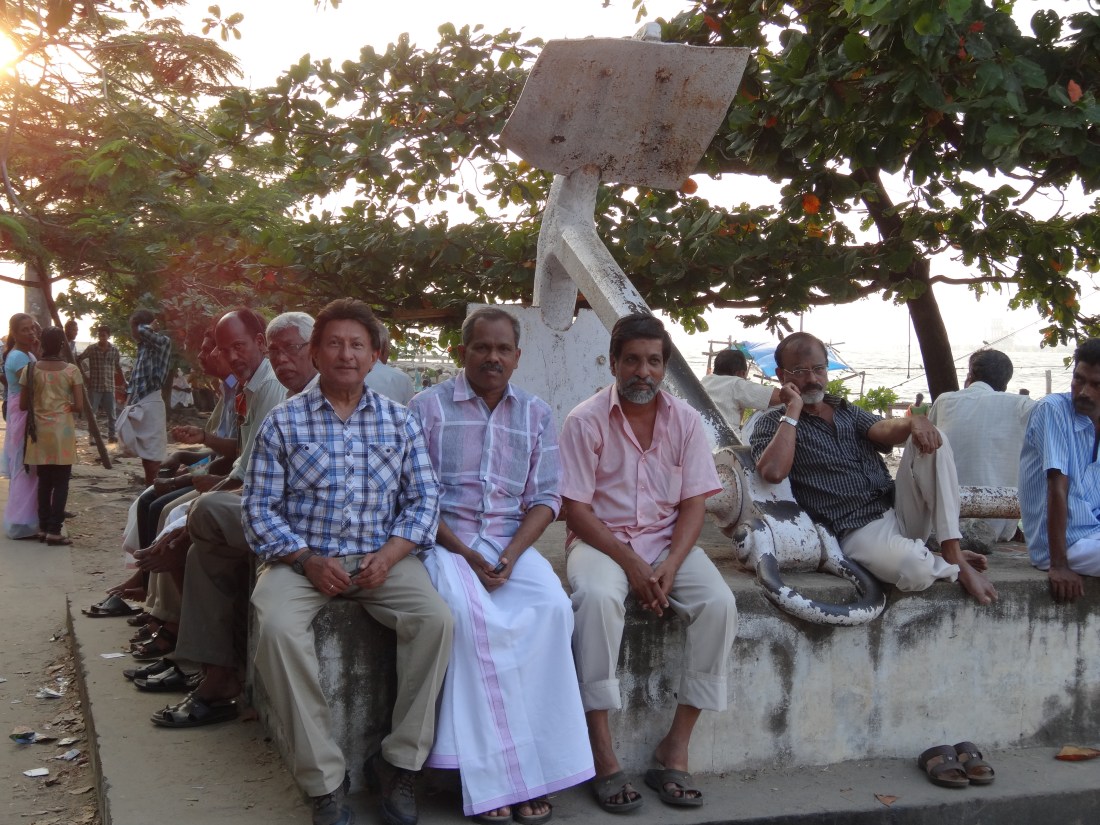
In Fort Kochi, with local people who gather up at the sea shore for evening of relax until sun set. People are happy and contented , stress and tension is not a way of life here.
Fort Kochi people are leading a care free, worry free life. They while away their time
talking philosophy, far removed from the reality of life. Modernity has not touched them.
Fort Kochi, main diet is sea food, plenty and affordable. Some dealers in fish come from
city of Kochi to procure the product.
In Allepey , a Boat ride in the famous back-water passing through swamps and lush forests. It is a tranquil contemplative place to be. There are delightful hotels on water shore.
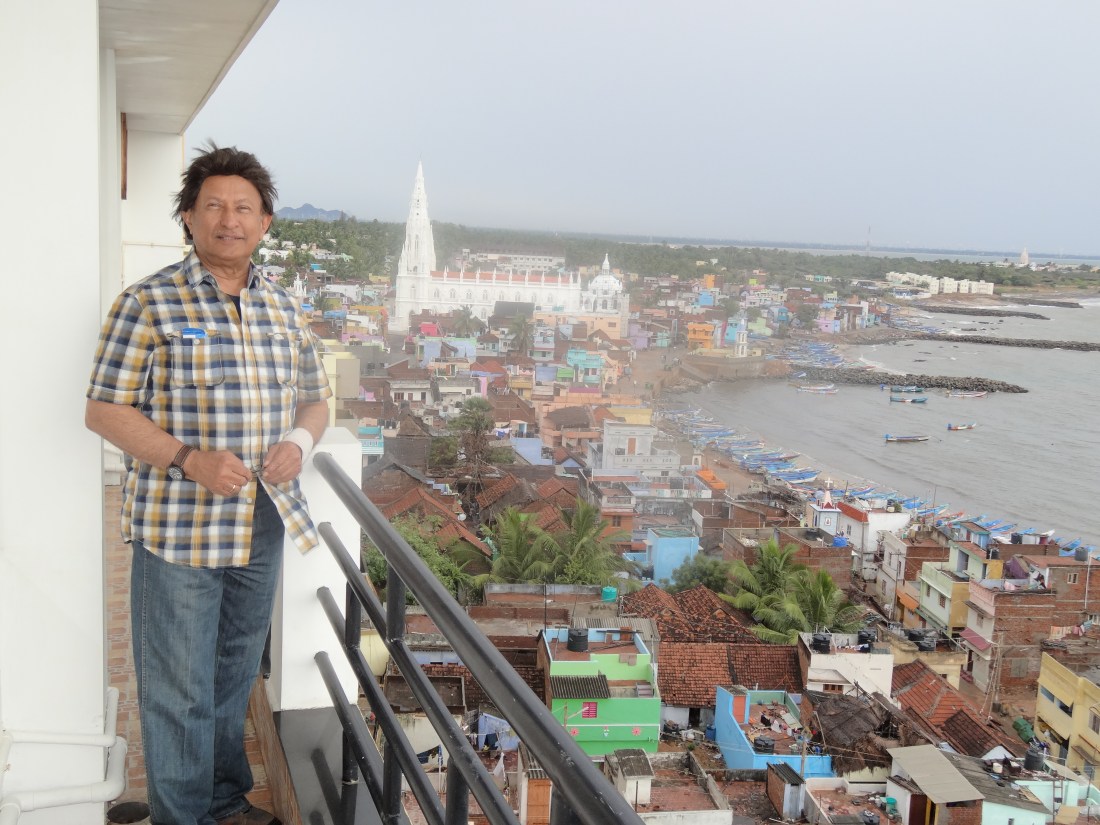
At Kania Kumari, the southern most tip of India. Older generation Elderly people from all over India come to this place for once in a life time pilgrimage in the belief of salvation of their Soul. The place where two Oceans are meeting – Indian ocean and Southern Pacific.
NORTH INDIA.
HILL STATIONS ….many of the hill stations in India were developed during British occupation for their retreat and by the many Princely states , the Maharajas had their
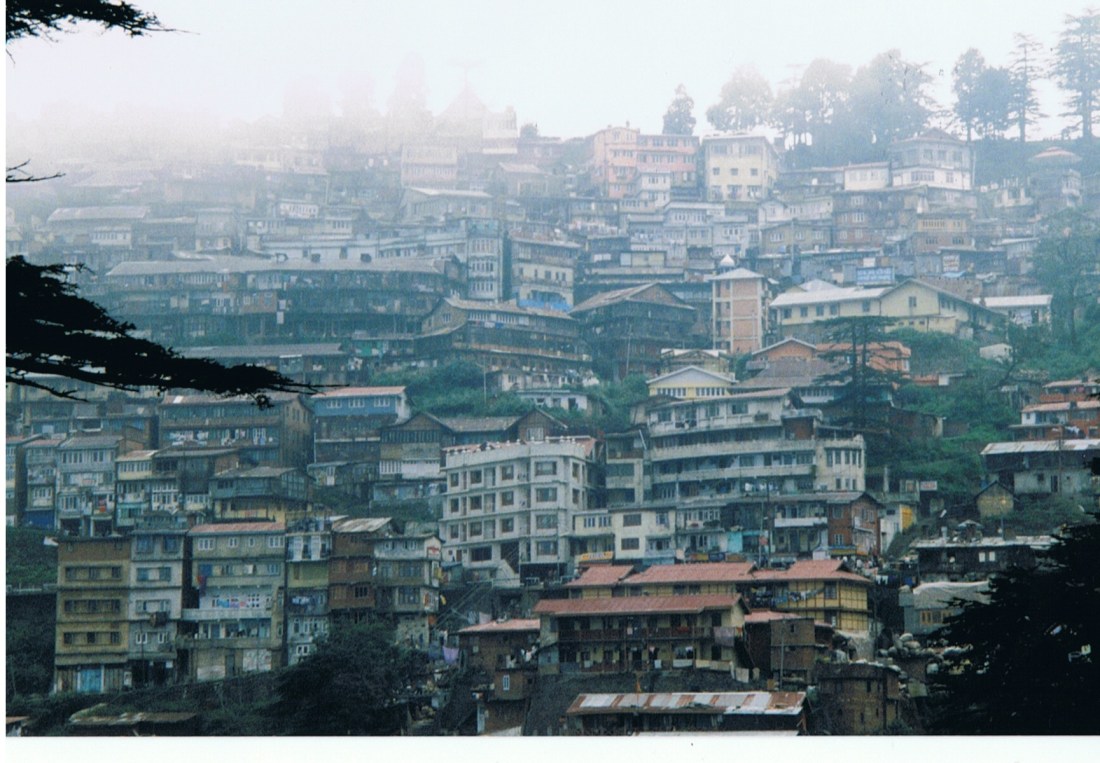
personal retreats and comfort of cool at high altitude. The hill stations of Shimla, Kulu, Manali, Dalhousie, Misoori, Naini Tal, after independence of the country all these have been settled by local people that they are now extremely over crowded and unplanned cramping of dwellings. The old time charm and romance of the place is gone for ever.
Over crowding of the once pristine hill stations of Northern India. Gone are the time when the beautiful hill stations were a retreat for British Administration and Princely Maha Rajas.
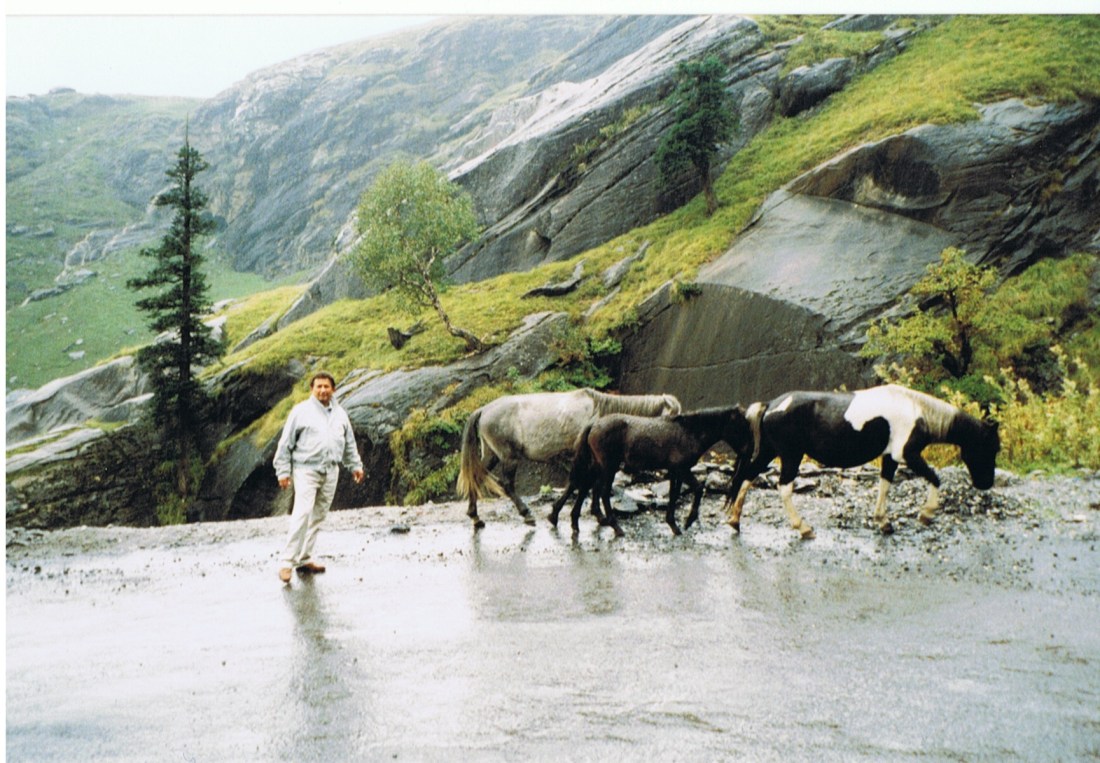
On the road at the hill station. The natural surrounding away from the crowded settlements, is fabulously beautiful.
After Independence of the country, the Princely and Maharaja states were abolished.
Above at one of their many original personal retreats of Princes, Nawabs and Maharajas now converted into hotels for income. The nostalgia of the old times remain.
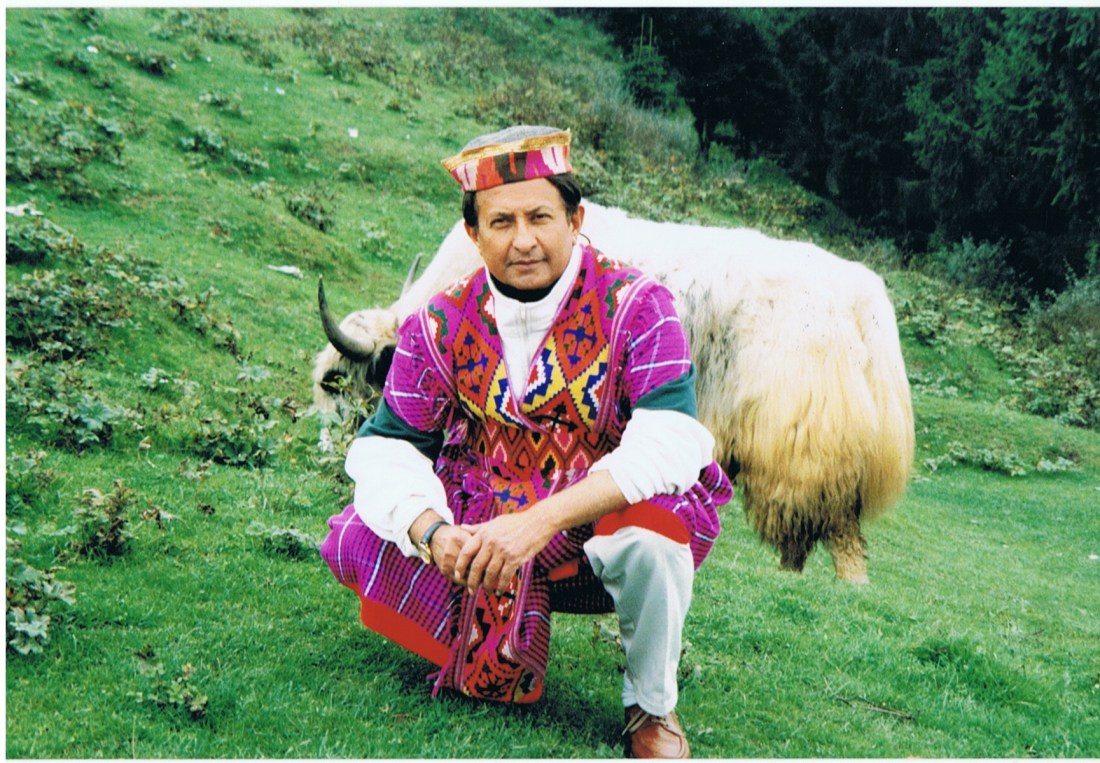
Hill Stations landscape is fabulous. Above in the original costumes of the people in bygone days.
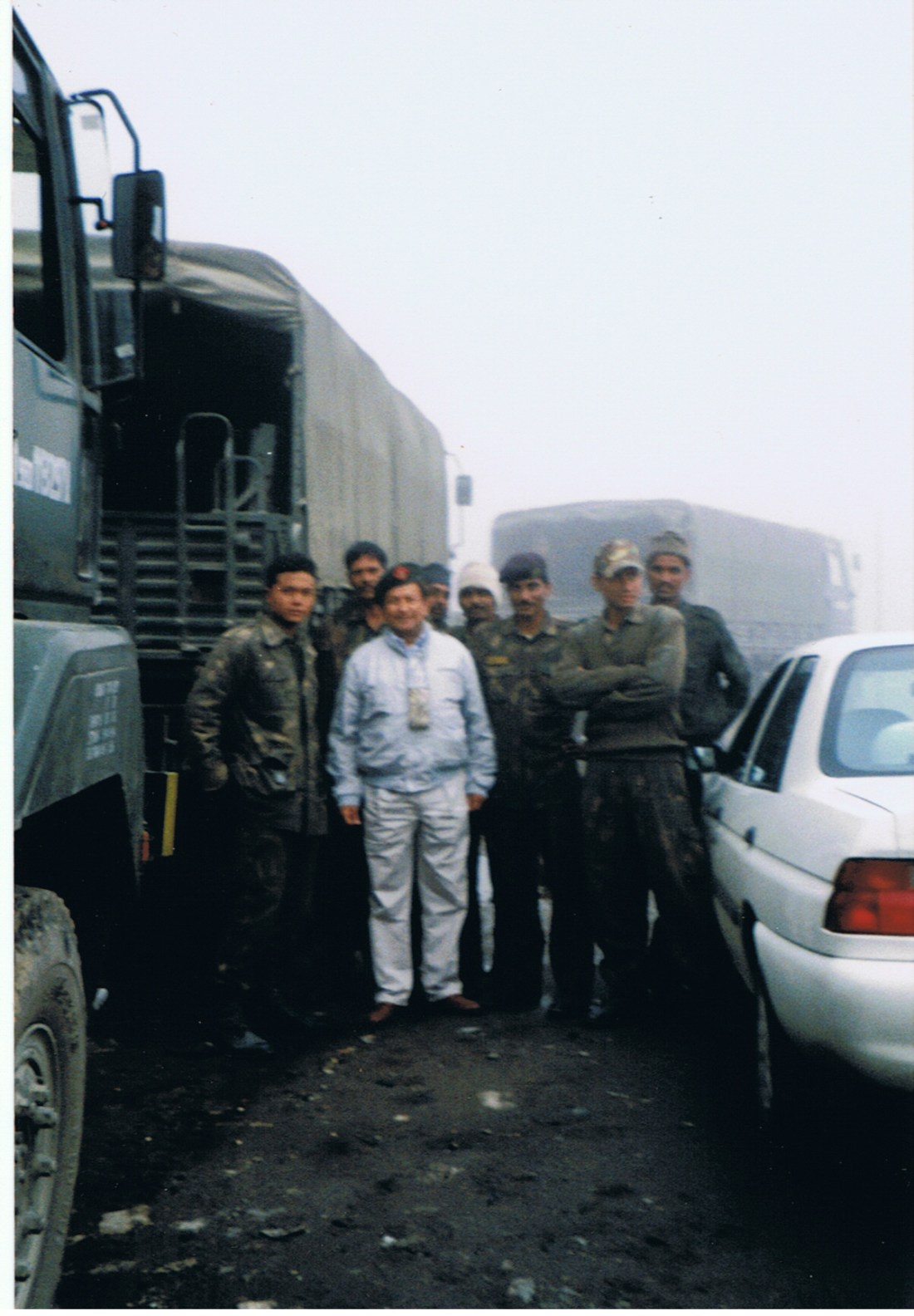
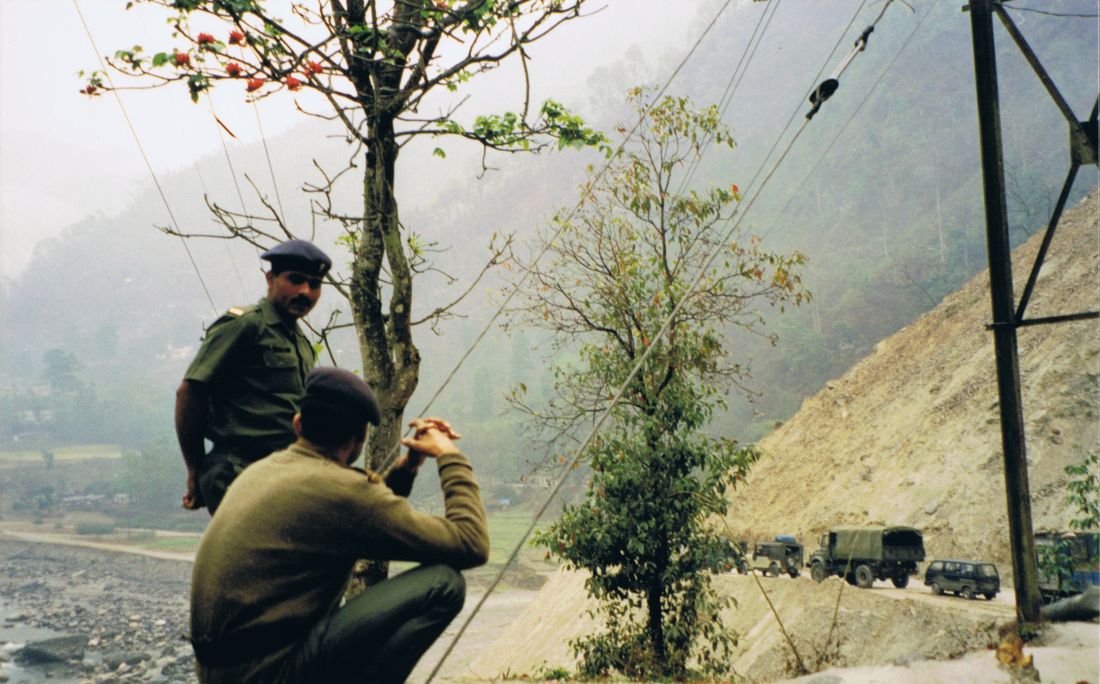
A most strange encounter, driving from the hill station Manali to Mcleod Gunj – Dharamsala – where Dalai Lama and the Tibetan refugees are settled, an Indian Army Division on the road,detained the car , myself and the driver, as the road was closed to civilian traffic. After exhaustive interrogation by the Army Captain as to the purpose of my being there in the middle of the war that might break out between India and Pakistan in their ongoing Kashmir conflict. Me and my driver were totally unaware of this situation. They were more concerned as I was a Muslim from my name on the Passport. Finally they were convinced of our innocence and the situation became relaxed. The Captain made a way for the car to proceed and made radio call ahead to let the car pass. The Captain became more interested and in talking to me divulged that the Army Division with Bofor Guns was moving in the front line for possible war with Pakistan, he mistook me for a journalist and suggested we have photo (above). His orders were, after reaching the Mcleod Gunj not to move from there until the crisis is over or in the event of war to stay put there.
At DHARAMSALA the seat of Dalai Lama in India and the Tibetan Government in Exile. Dalai Lama established infrastructure for Tibetans with Schools,
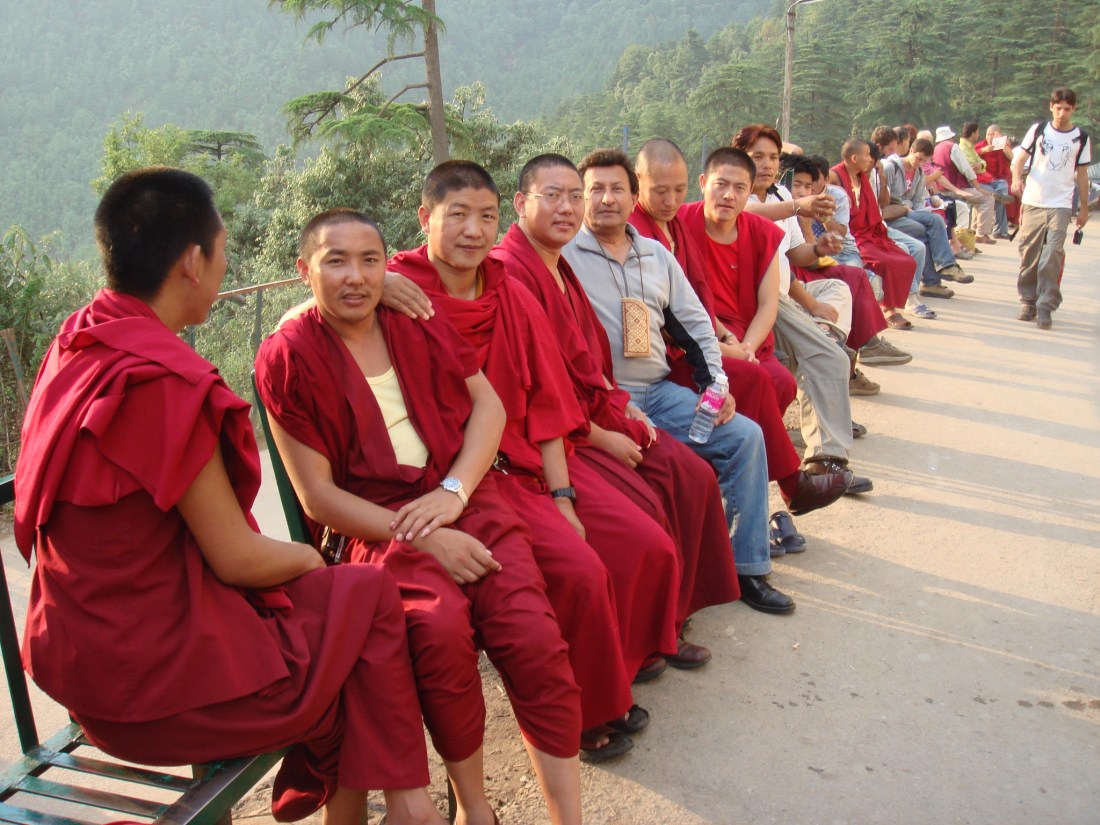
Pray House, Medical enter. Above with Monks in their traditional clothing keeping to their Budhist tradition. These Monks do no labour, they wait for food to be brought to them and some of them were seen even smoking.
With Tibetans in exile at Dharamsala, India. Seat of their leader DALAI LAMA. Many facing hardship of exile but life goes on. Under guidance from Dalai Lama, they have established prayer house, schools, medical clinics, library and they venture out to other parts of India for work and contribute to the community.
DARJEELING HILL STATION.
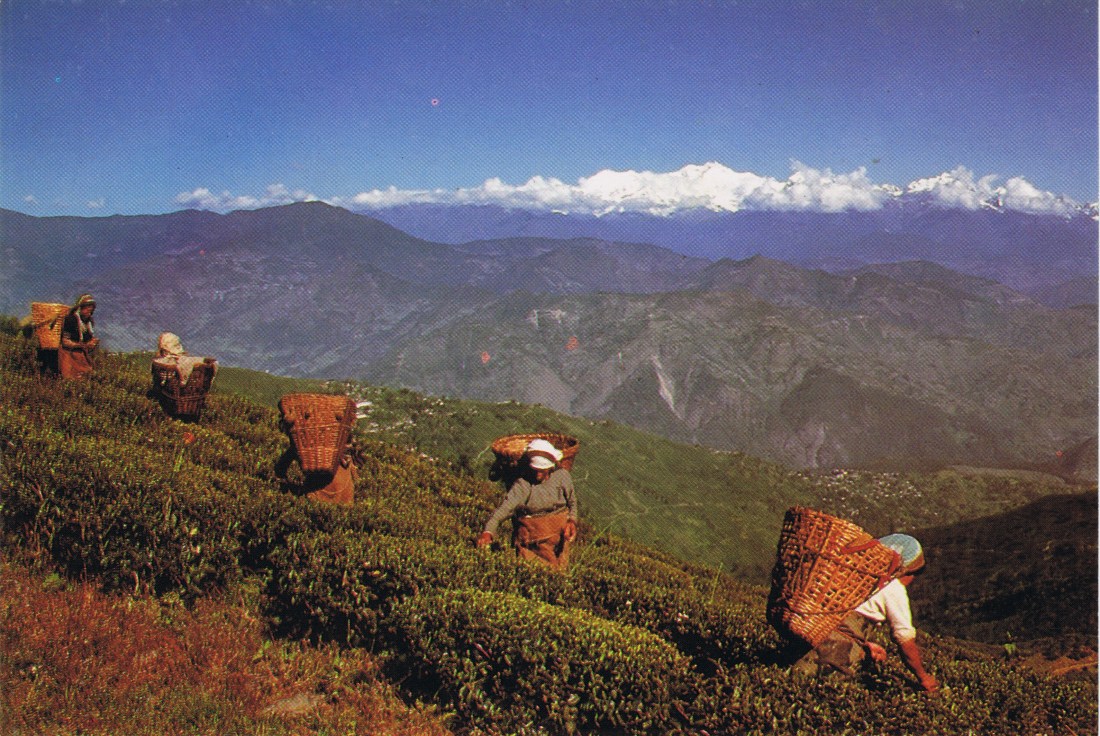
Darjeeling Hill station In Eastern India, settled majority by Nepali people from Nepal, is often site of conflict with Indians who are mostly business people and the marginalised Nepali. Darjeeling was used by British Administrators as a retreat, they build the famous “Toy Train” which on a narrow guage travels uphill. Darjeling is famous for the premium tea grown on the highlands.
Above a tired Nepali boy returns home in the evening after a hard days work on the Tea Plantation with his father.
Tea Plantation in the hills of Darjeeling. One of the finest tea is grown in the hills of Darjeeling.
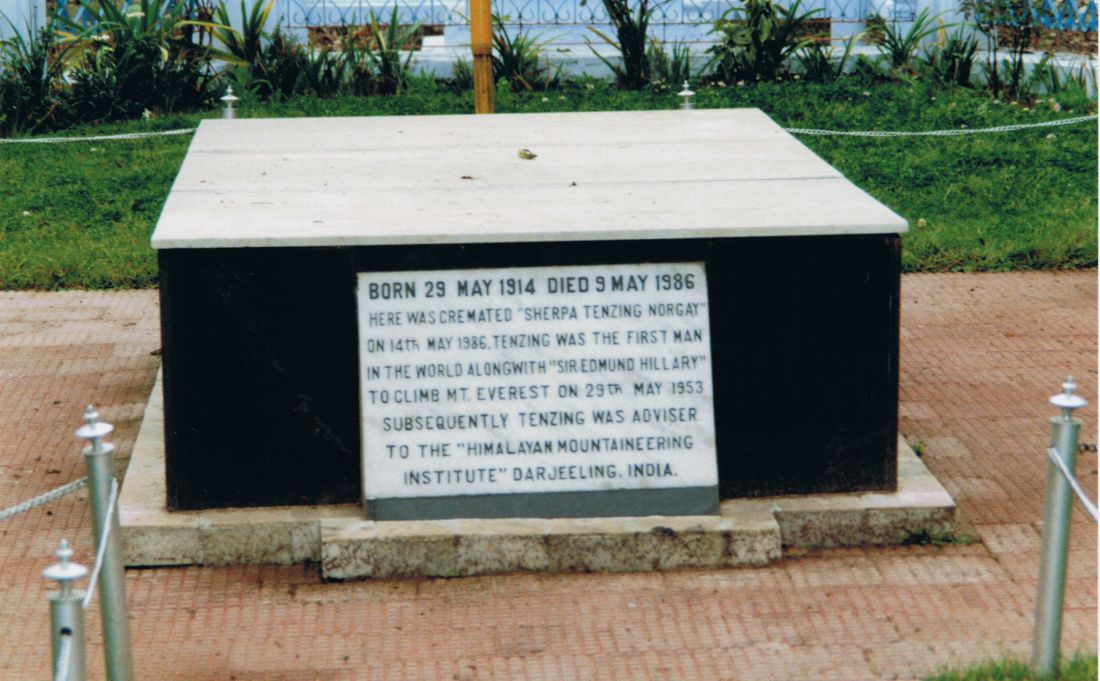
Sherpa Tenzing Norgay of Darjeeling was the first man in the world to climb Mt. Everest on 29 May,1953 along with Sir Edmund Hillary. A controversy existed when the British claimed Sir Edmund Hillary as the first man to set foot on Mt.Everest and no recognition was granted to efforts of Sherpa Tenzing Norgay. Tenzing later proved he reached Everest first and back tracked to assist Hillary to the top summit. Subsequently Sherpa Tenzing established a mountaineering school in Darjeeling which exists till to-day. Tenzing died on 3 May 1986.
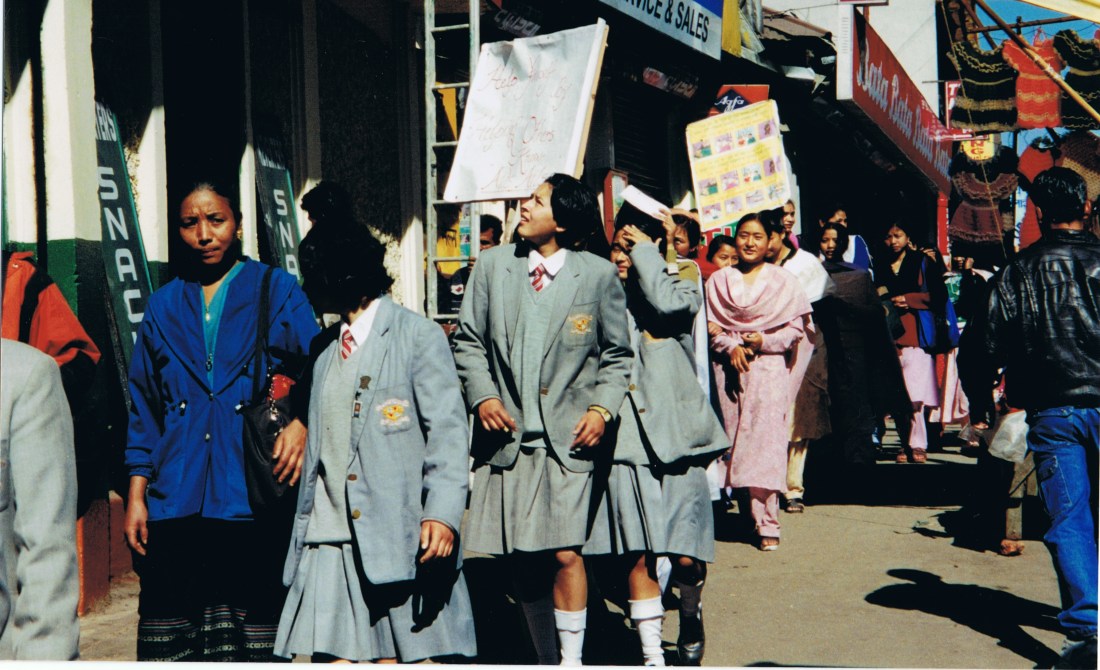
Darjeeling Street scene. The British established system of education prevails till today. Above student girls in smart school uniform.
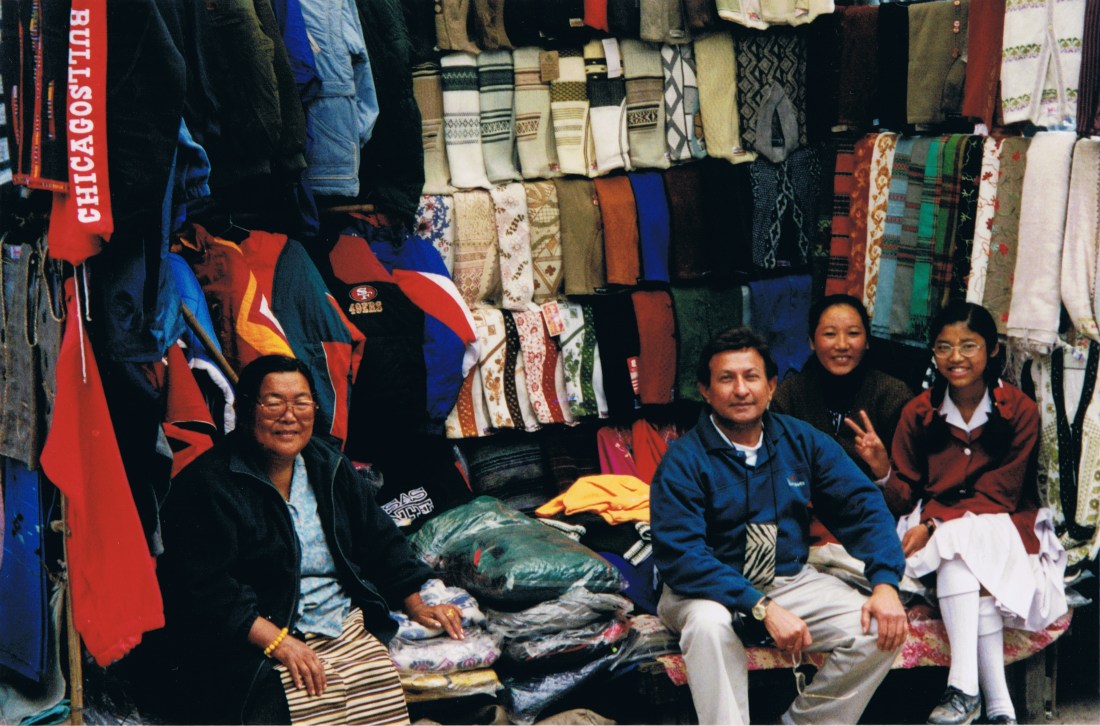
With many of the TIBETAN REFUGEES fleeing atrocities of China, settled in Darjeeling operating small retail souvenir shop for tourists.
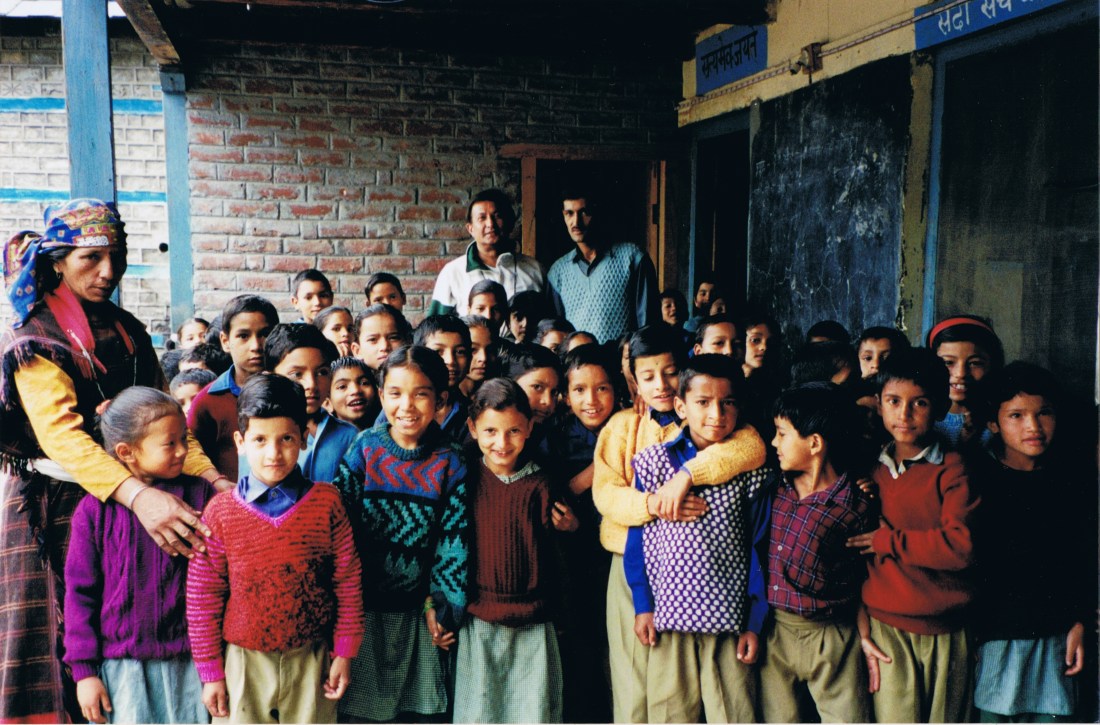
Passing through Himachal Pradesh along the Kangra valley, above with children at the village school, standing besides the Principal. A lady teacher said the students would love to have sweets gifted to them and so it was I immediately paid for it and one of the student was quickly sent away to buy the sweets, it was a great joy to see the happy faces of the children each receiving the sweets.
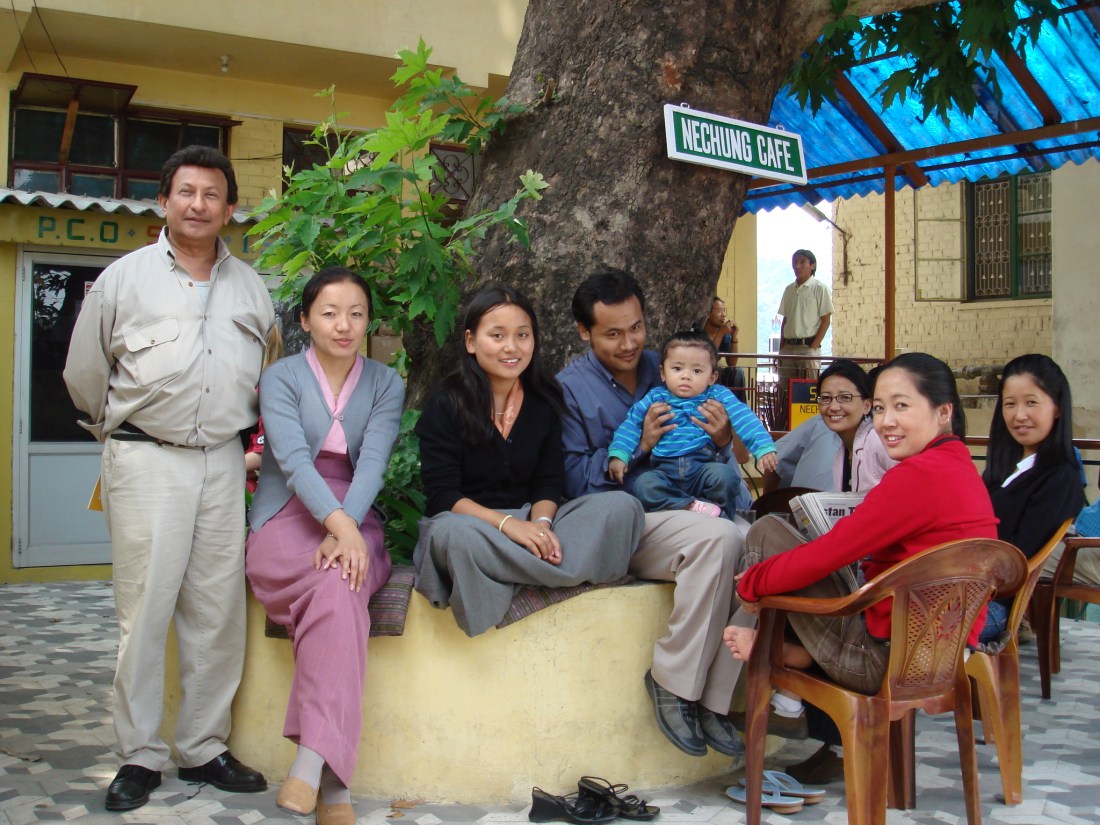
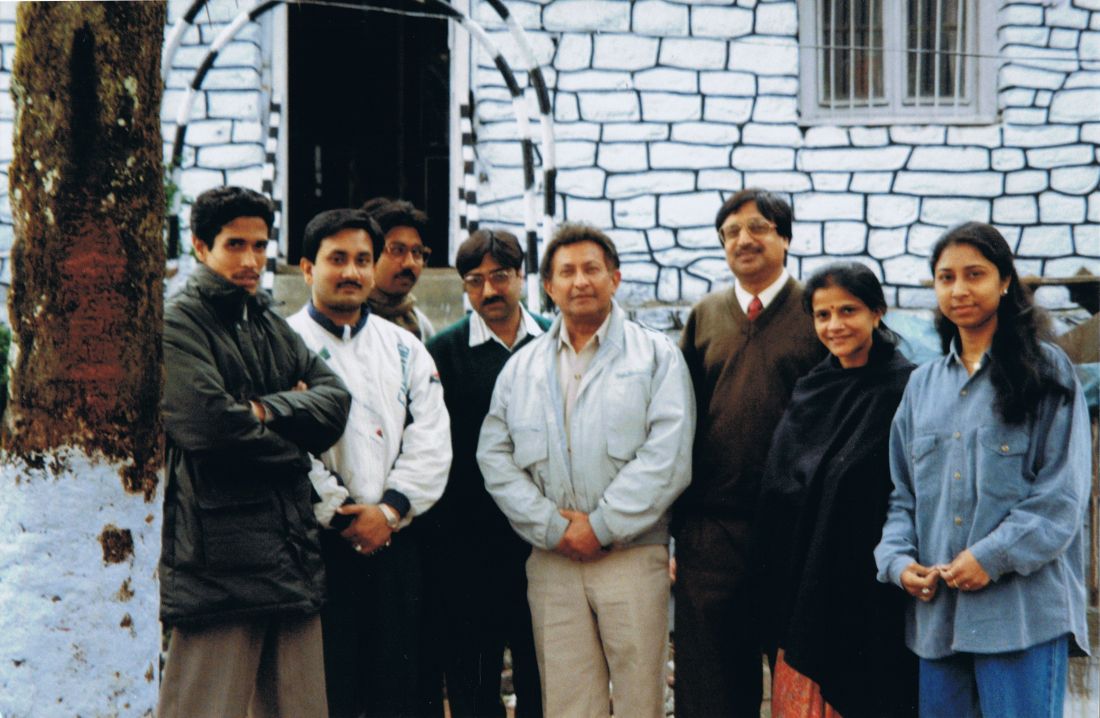
Boys boarding school at the Darjeeling hill station. With students, Principal, his wife and daughter.
At the border crossing Gangstok and Sikkim. Sikkim was annexed it as part of India. It is bordering BHUTAN which stands between China and India.
MISERY OF PEOPLE IN INDIA:
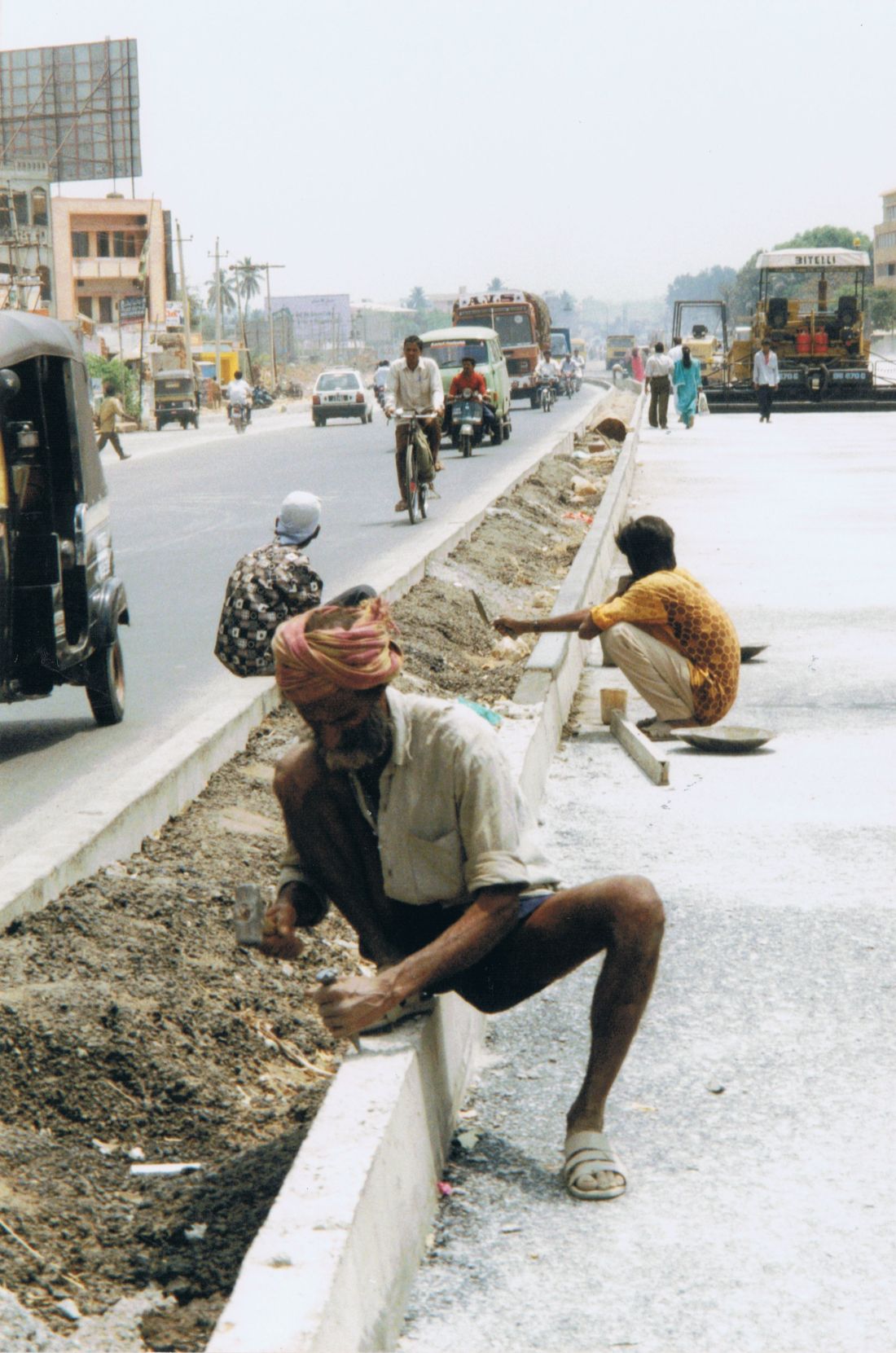
Below on the road less traveled by foreigners, on parts of India the misery of daily life of people continues not touched by all the progress, technology and modernity projected by their Government to the world. These unfortunate people are being exploited and without recourse and any hope.
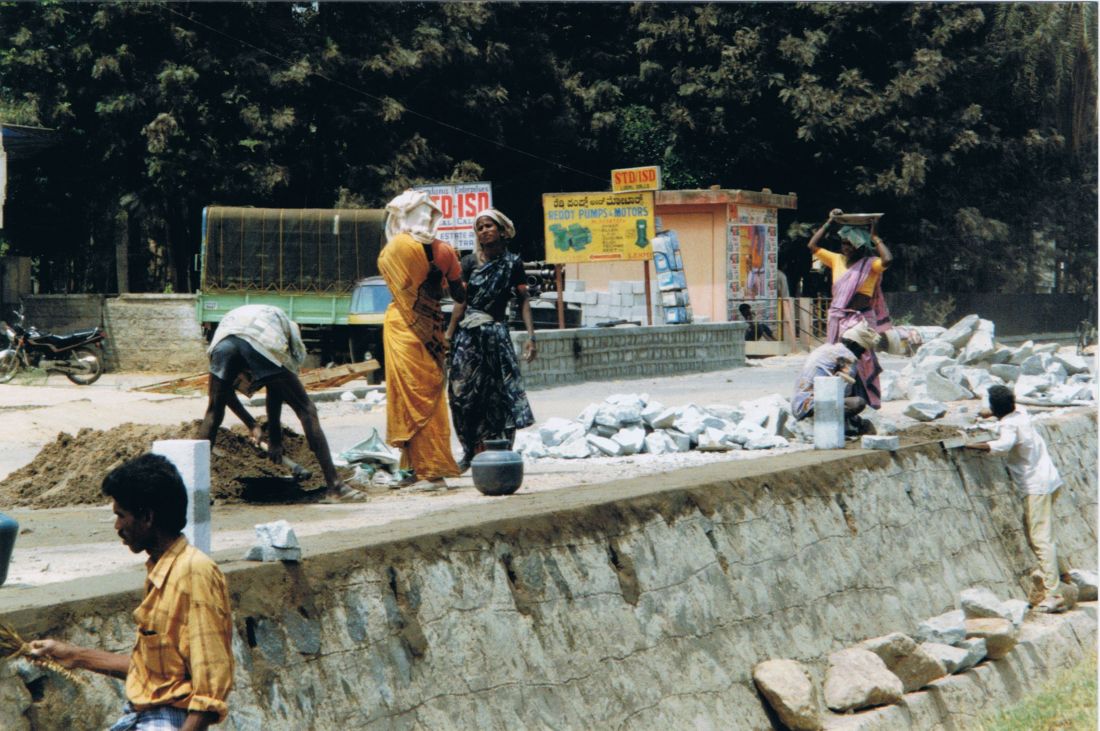
Here below on the road from Banglore (Bengaluru) to Maysour, the road construction gang of extremely poor people are being used men and women, breaking stones by bare hands from early morning . The elderly person below I talked to him why at his age he is compelled to such hard manual work….his answer was straight honest “Majburi” desperation to feed the family. Asking him how much he earned… equiv. to $1 per day whether in rain or scorched heat of the sun. The infrastructure of the country is being developed on the blood and sweat of the poor sector of the population – nothing less then human exploitation.
Women carrying heavy loads on their head and till breaking stones with bare hands for a meager earning of $1 per day.
Here in the middle of the photo myself experiencing the misery of human life
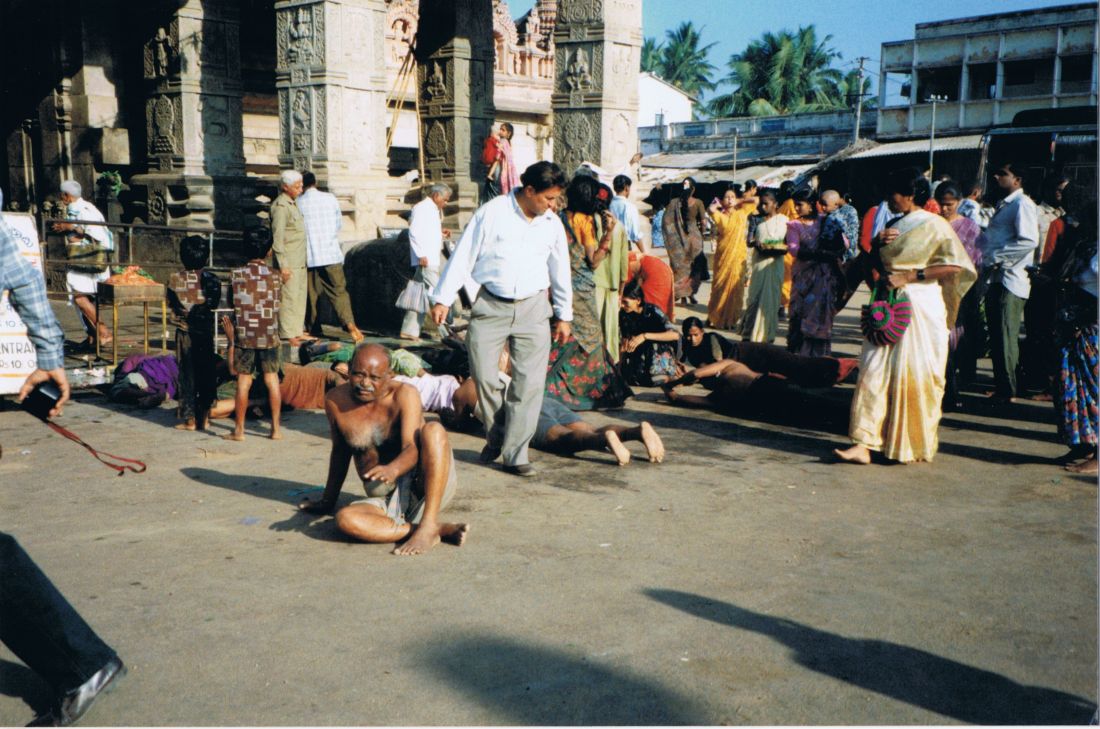
Further on the road to Mysour, this 400 year old temple, all kinds of people old , not so old, young and children, come to express their inner grief and desperation of poverty. A very heart breaking to watch them in their belief of falling to the ground men and women and roll their body around the temple, to seek divine relief from their misery. The Government does not care they are not existent and yet billions are being spent in their space programmes. There are people who are born in such condition and without hope ( “Unless Divine Light touches them…H.I.”).
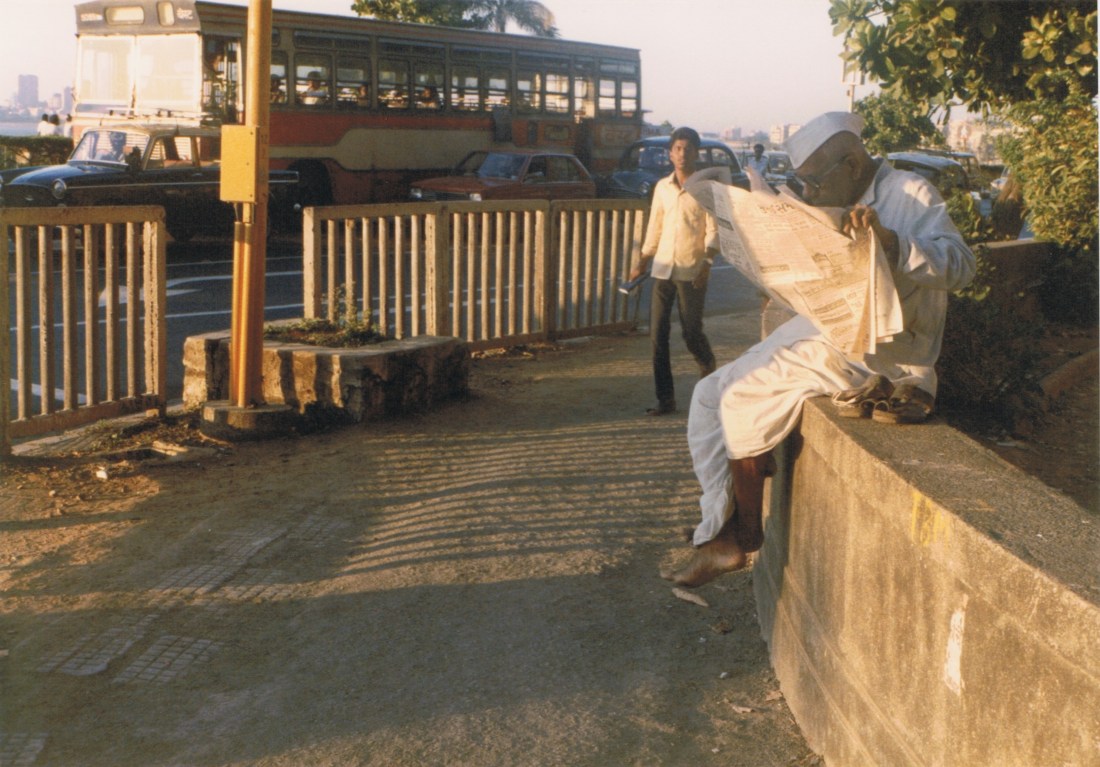
In the busy street of Calcutta (Kolkata), a classic photo of an elderly man oblivious to the hustle and bustle, calmly parks his footwear sandals next to him and catches up with the daily news. This can only happen in India, man at peace with himself and simplicity of his life.
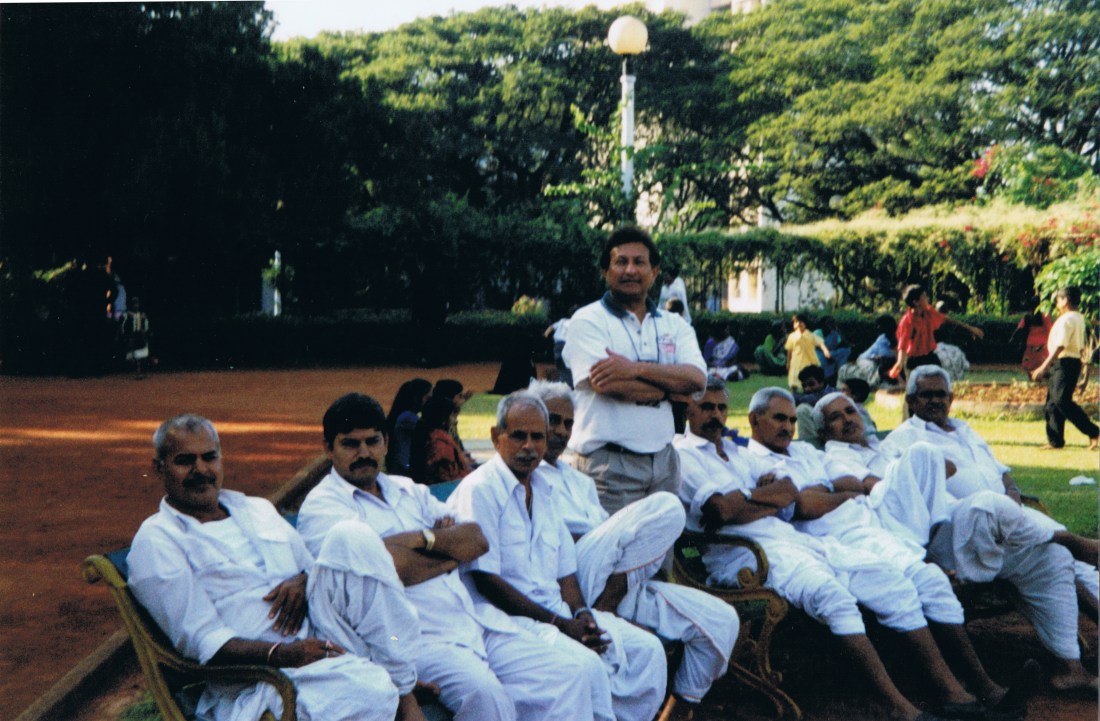
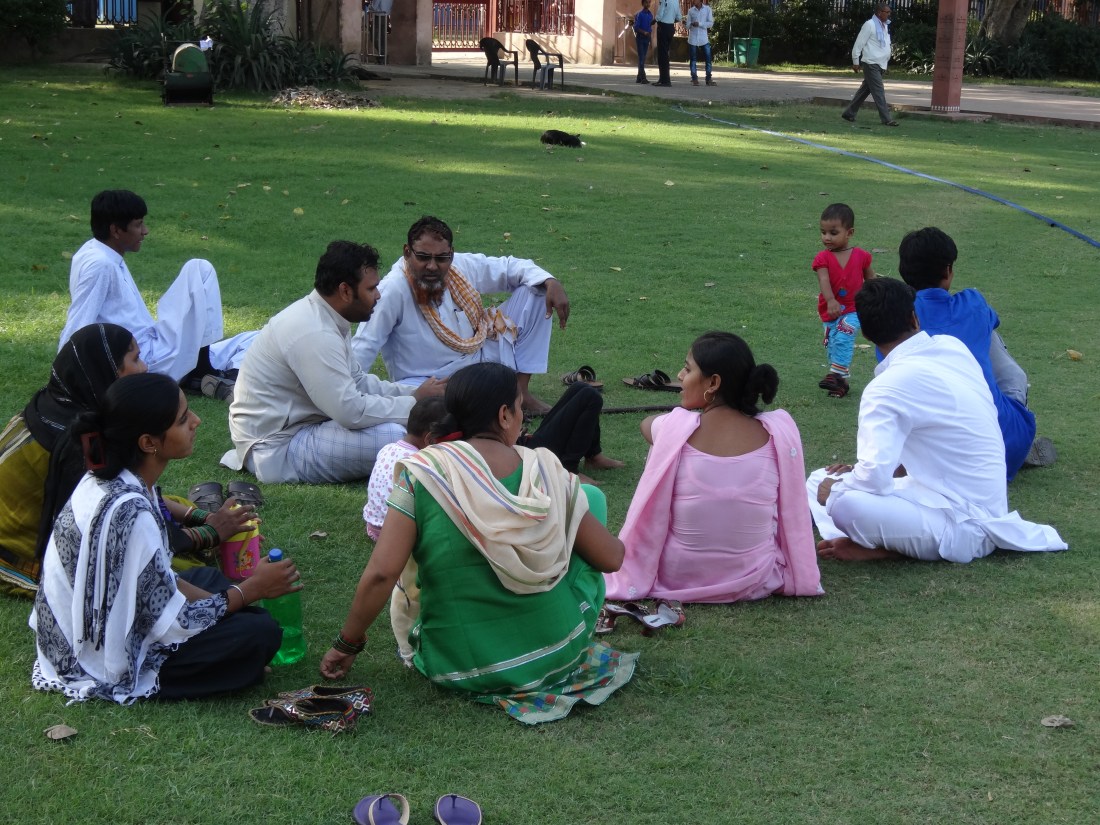
At the Bombay Hanging Garden, in the evening elders getting together for siesta in their traditional style and culture, clad in spotless white clothing, relaxed and peaceful.
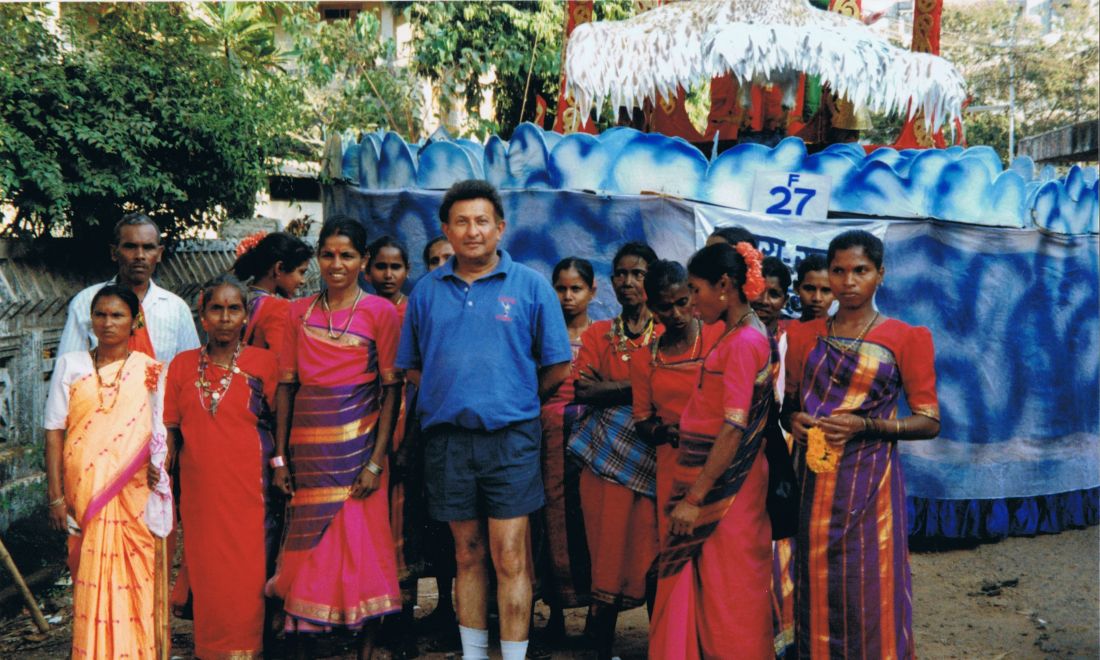
With ladies of TAMIL NADU in their colourful costumes at one of their festivals.
KASHMIR.
The fabled Kashmir Valley has a stunning natural beauty unparalleled with endless layers of alpine peaks. A vision of tranquility and heavenly beauty . Kashmiris are proudly independent minded majority of Muslim faith. Many Kashmiris have startlingly green eyes. This beautiful land of gorges, waterfalls and lakes and rivers has been scarred by violence since Independence and partition of India and Pakistan, resulting in three wars that left Kashmir Valley painfully divided with part controlled by Pakistan and Part under India military occupation. The seed of discord was laid by British during Colonial rule of India.
Islam arrived in India in the 13th and 14th centuries. Mughal Emperor Akbar (1556-1605) ruling India, his army took control of Kashmir in 1586. The Mughals encouraged all religions and culture tolerance, In Kashmir they developed a series of extravagant gardens around Srinagar that have survived till today. The British arrived in India in 1840 defeating the Mughals and colonised India until 1947 with Independence and the partition of the land between Muslim majority as Pakistan and Hindu majority as India. Kashmir a Muslim majority land , the British planted a Hindu ruler over it who opted to join India. The Pashtun tribe of Pakistan attacked Kashmir backed by the new Government in Pakistan, this eventually resulted in three wars between India and Pakistan and today Kashmir remains painfully a divided land and disputed territory along a tenuous U.N. demarcated border, known as the Line of Control.
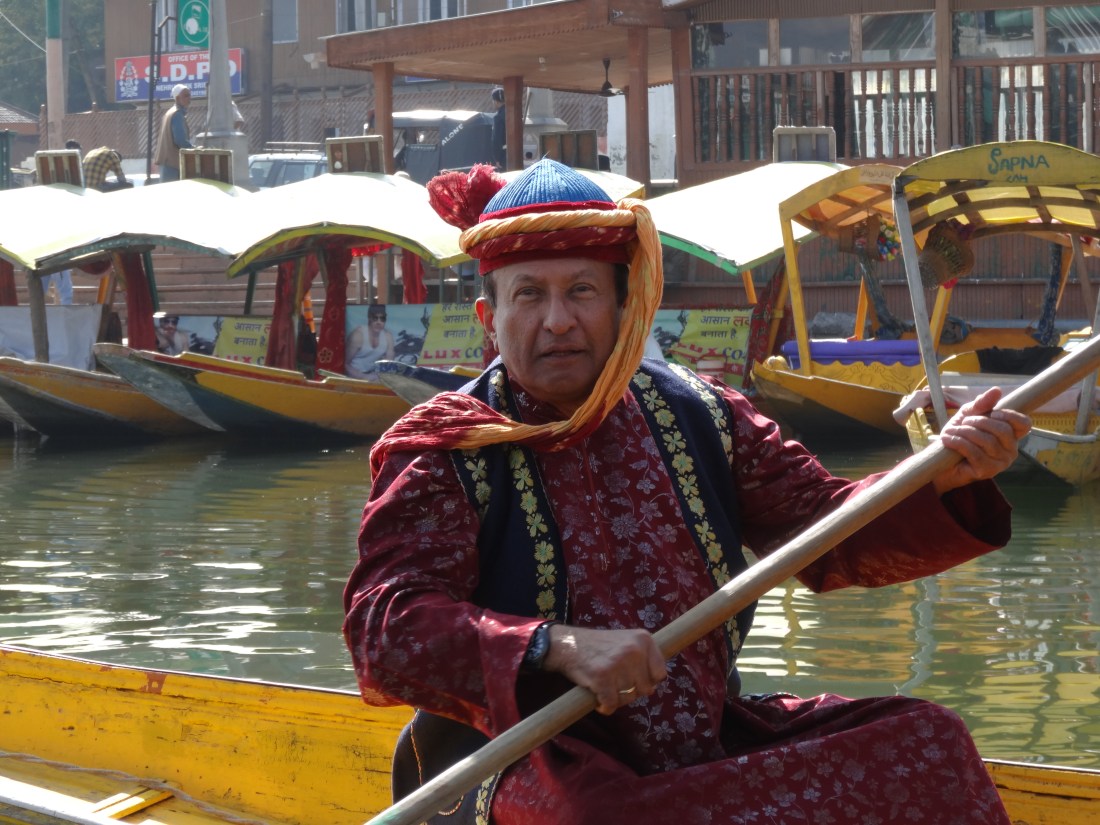
On the Dal lake in Srinagar on one of the gaily painted “Shikaras” that glide around the Dal Lake, exploring the lake’s floating communities with their houseboats. The many distinct houseboats with romantic names are used as floating hotels for visitors with full service of meals. Some are operated ethically but others are risky with harassment and extortion from the guests.
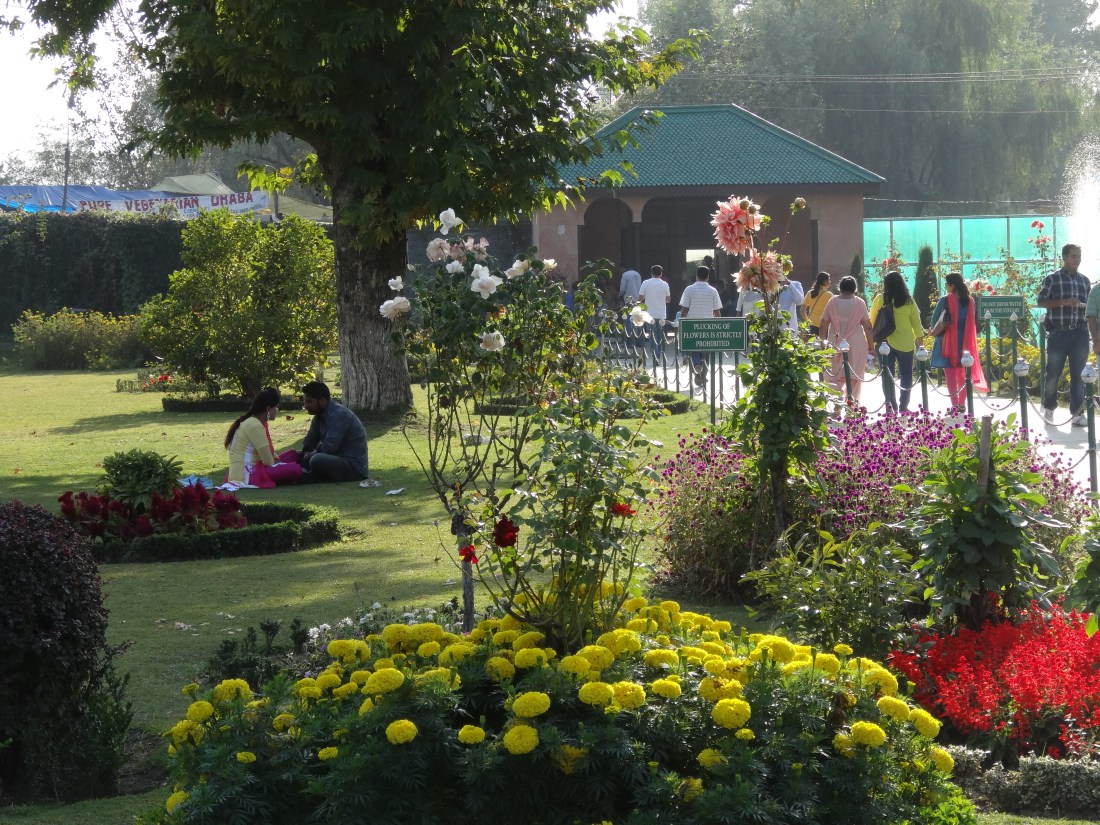
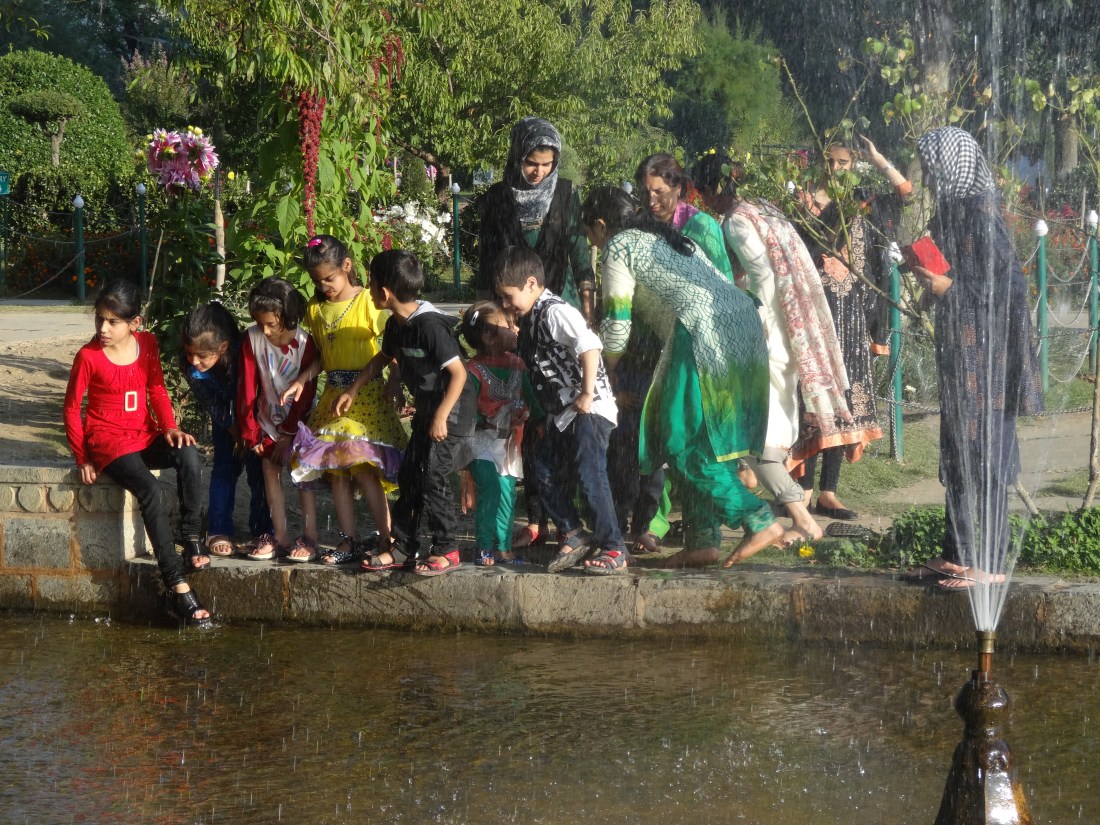
Beautiful Shalimar garden in Srinagar where locals and visitors come to enjoy.
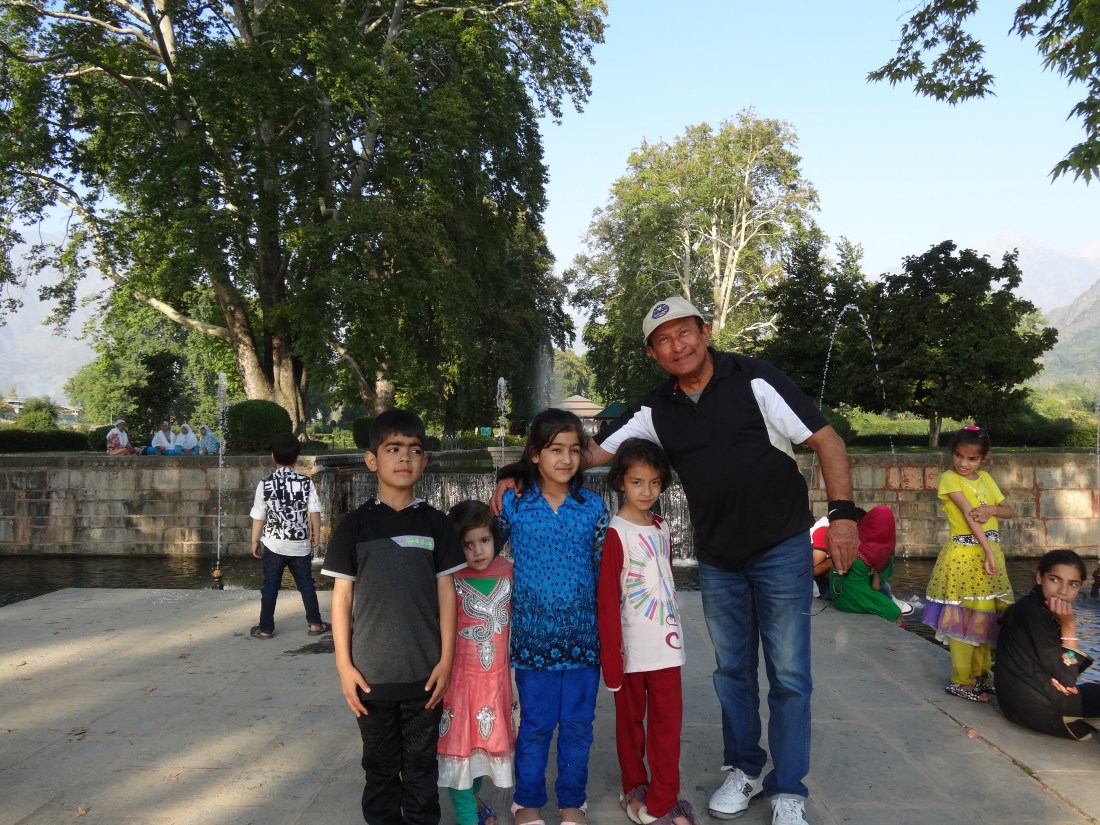
With beautiful children of Kashmir, my little friends.
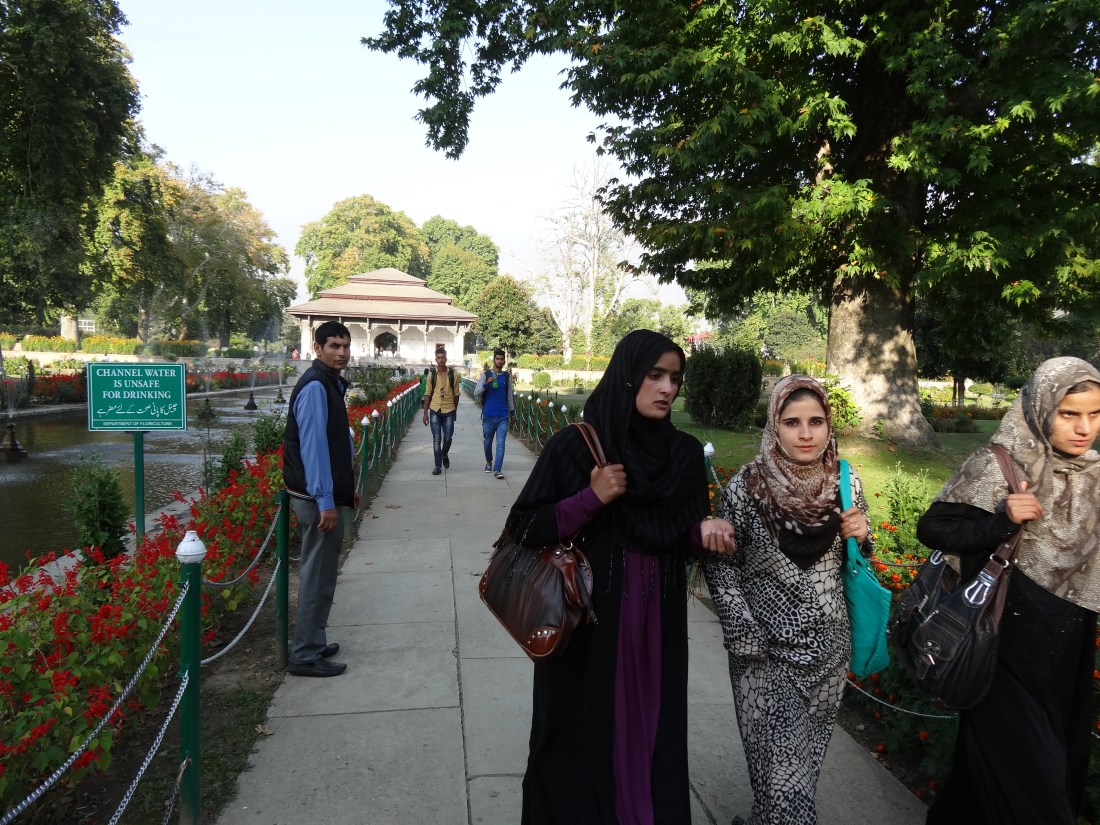
Beautiful ladies of Kashmir put on their best dress and come to Shalimar garden on week ends, brave face in difficult life condition with India military occupation.
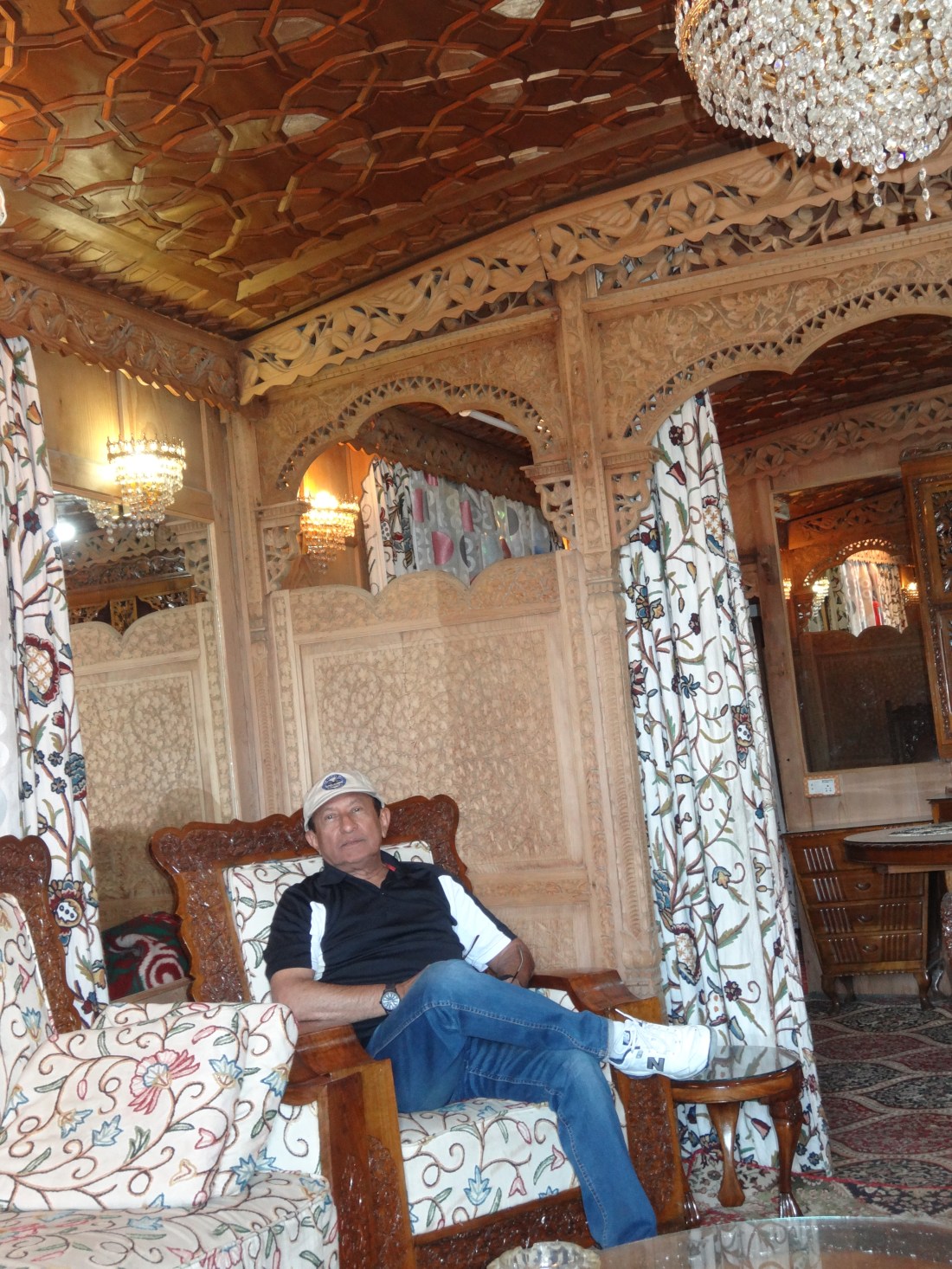
At one of the houseboats in Dal Lake, Srinagar. It can be a good experience if you end up with a decent owner but safety remains a concern.
Children and family enjoy at Shalimar garden amid harsh life condition of stress being under India military occupation.
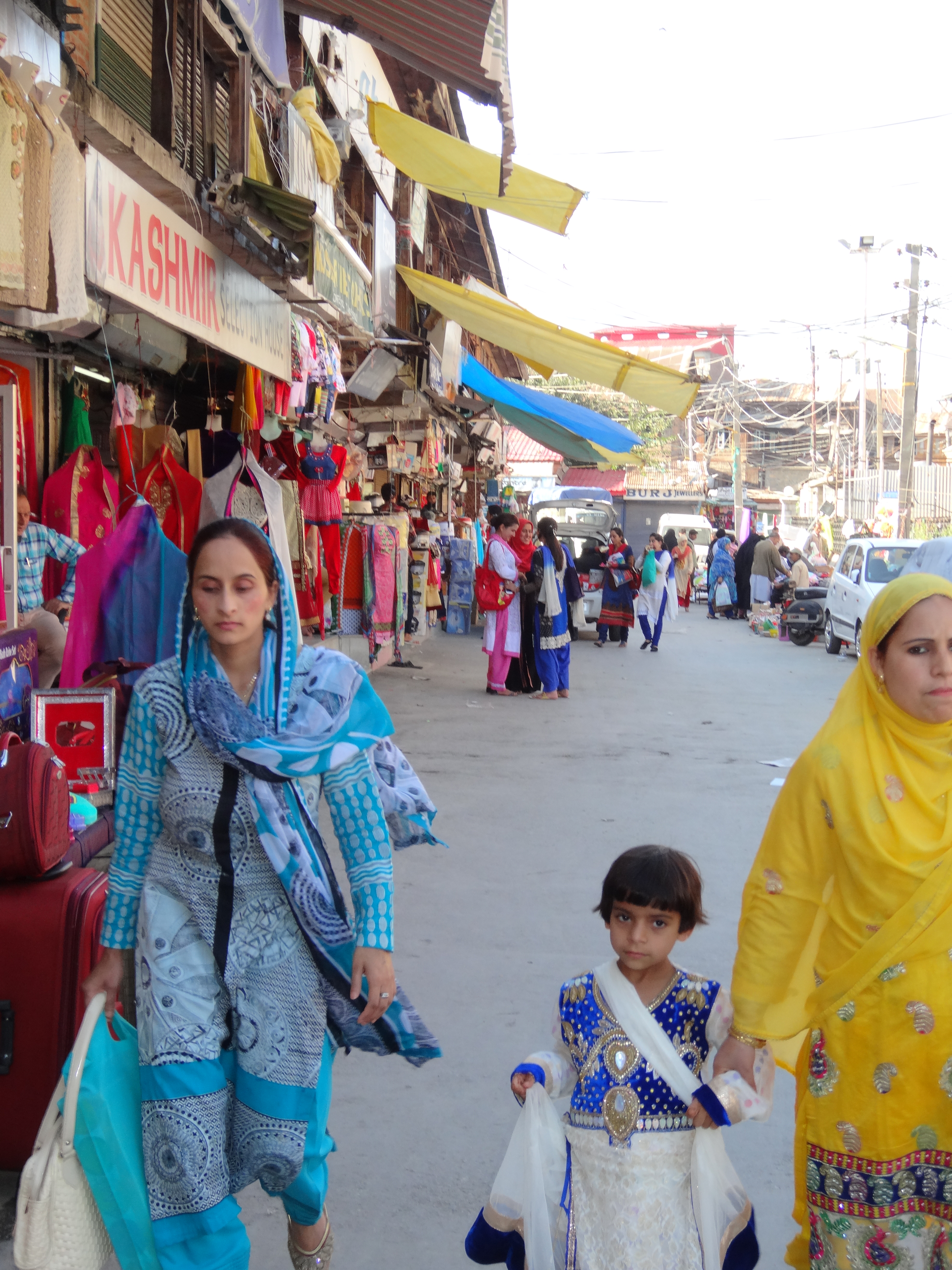
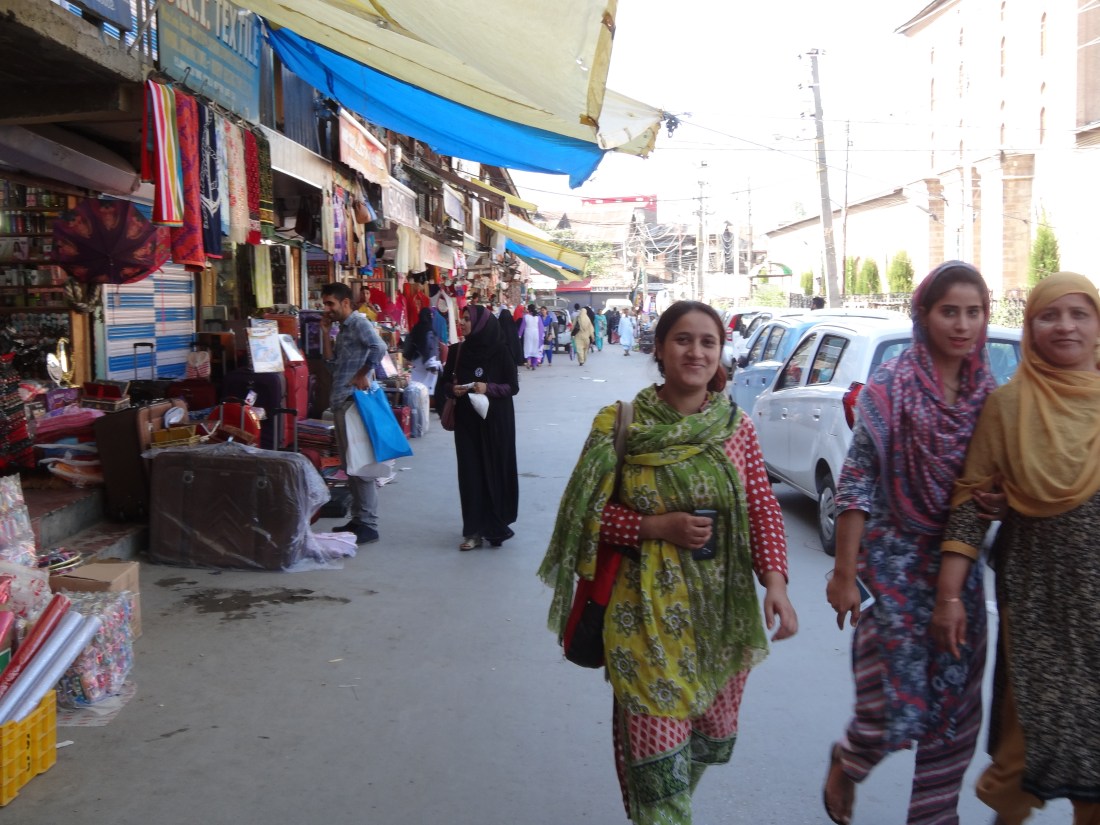
A street scene in shopping area of Srinagar, a visible Muslim majority in traditional colourful dresses.
Street scene in shopping district, Muslim ladies out shop[ping, life moves on even under most difficult conditions of military occupation by India.
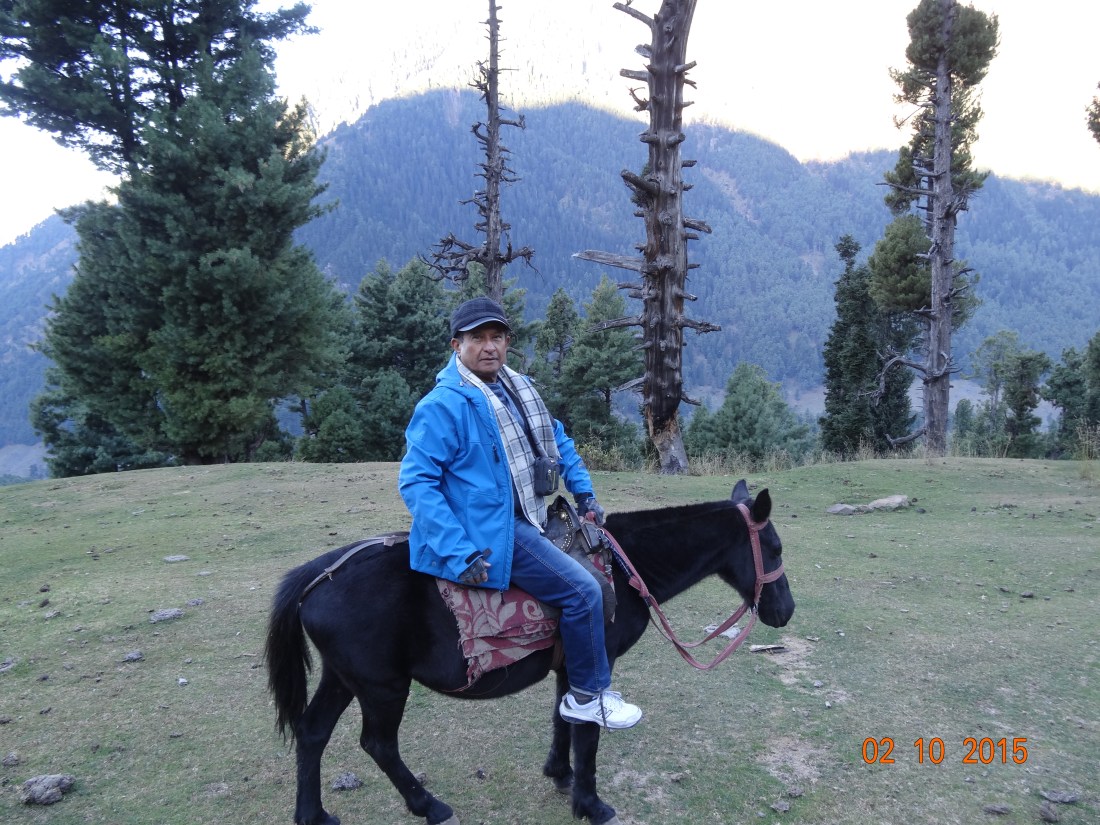
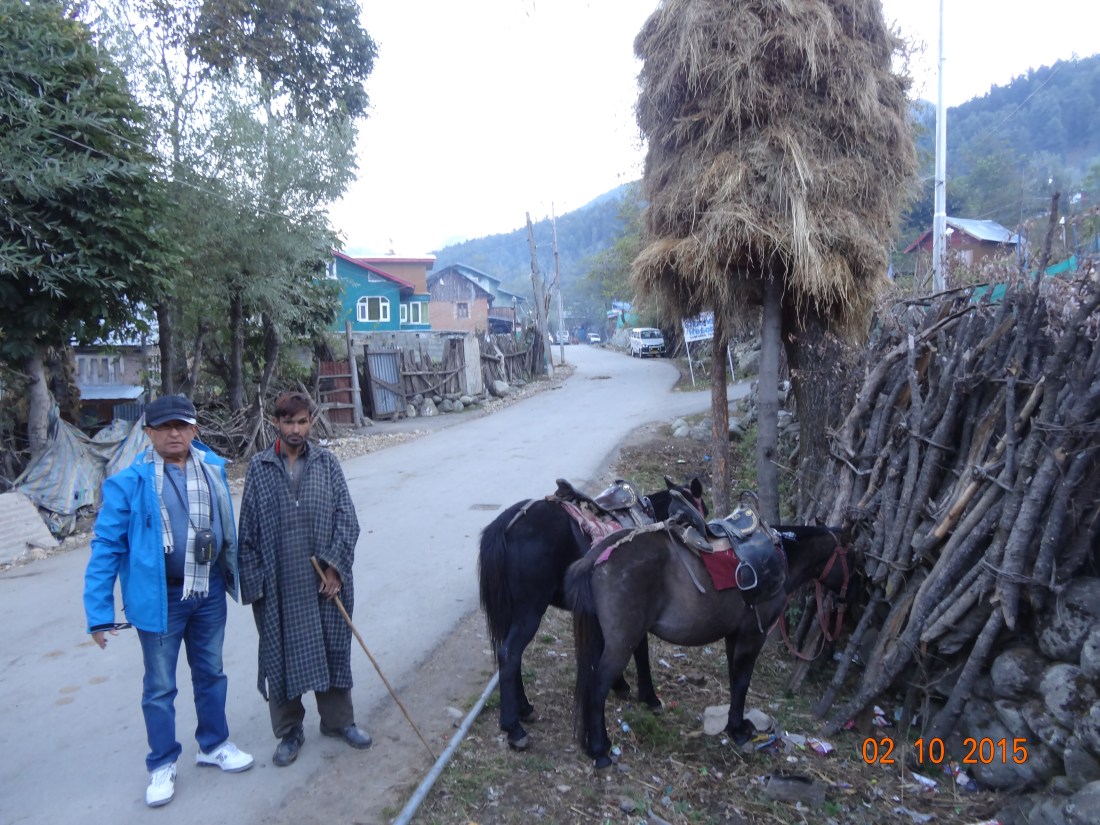
Away from Srinagar and Gulmarg and Phelgam, a horseback exploration to the high mountain point through the forest.
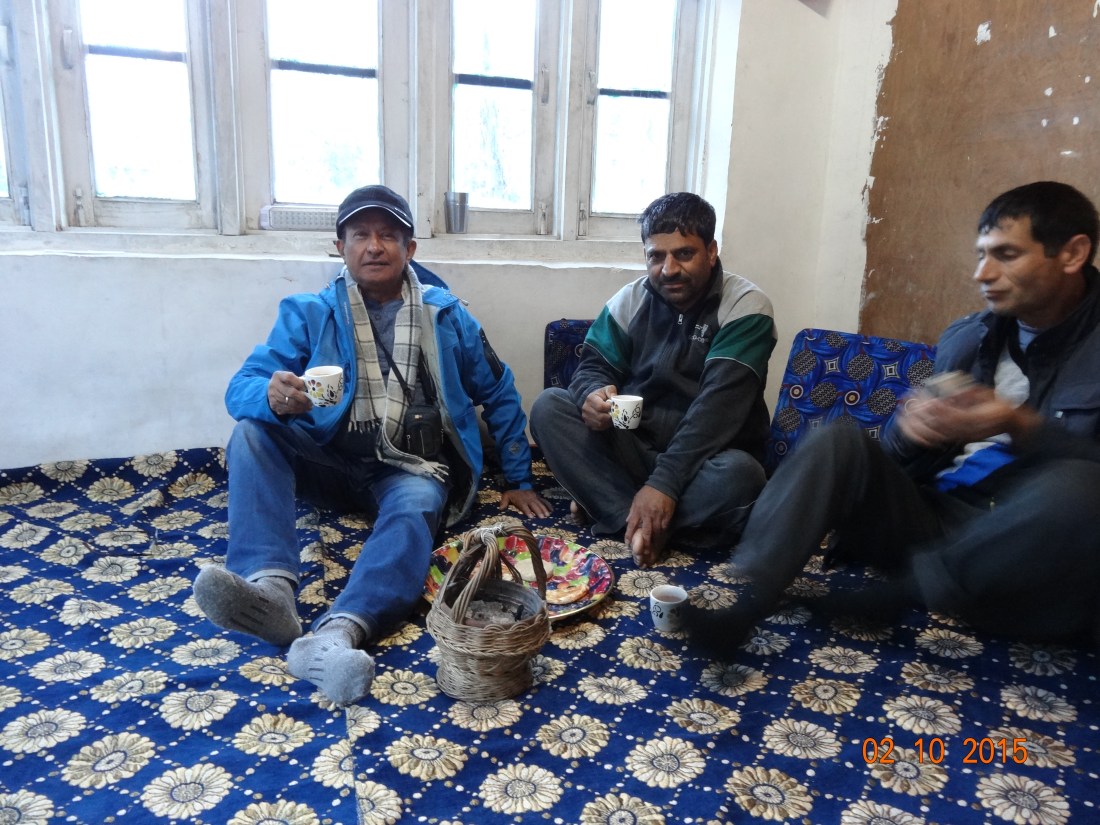
On the way to the mountain side on a horse back, a stop at the village and a wonderful hospitality of Kashmiri people, my guide on the right.
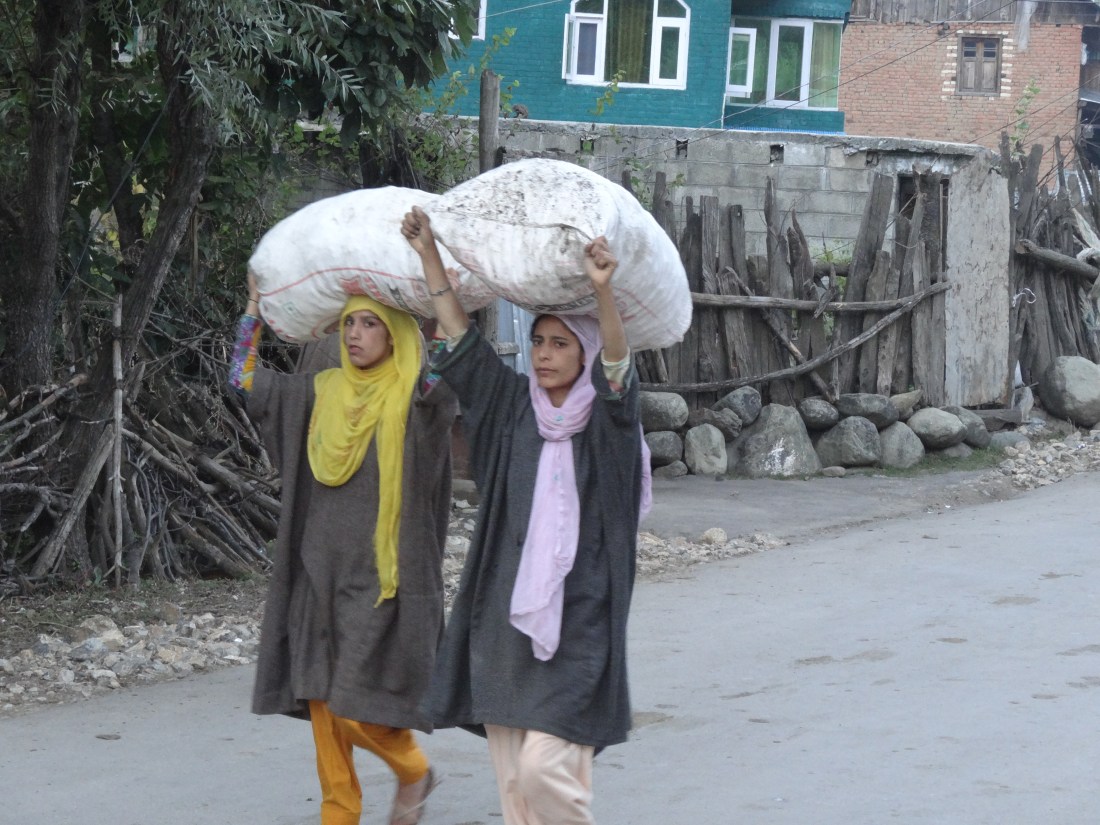
At one of the villages passing by , ordinary Kashmiris live a difficult life, with no economy or development in the Kashmir Valley under occupation.
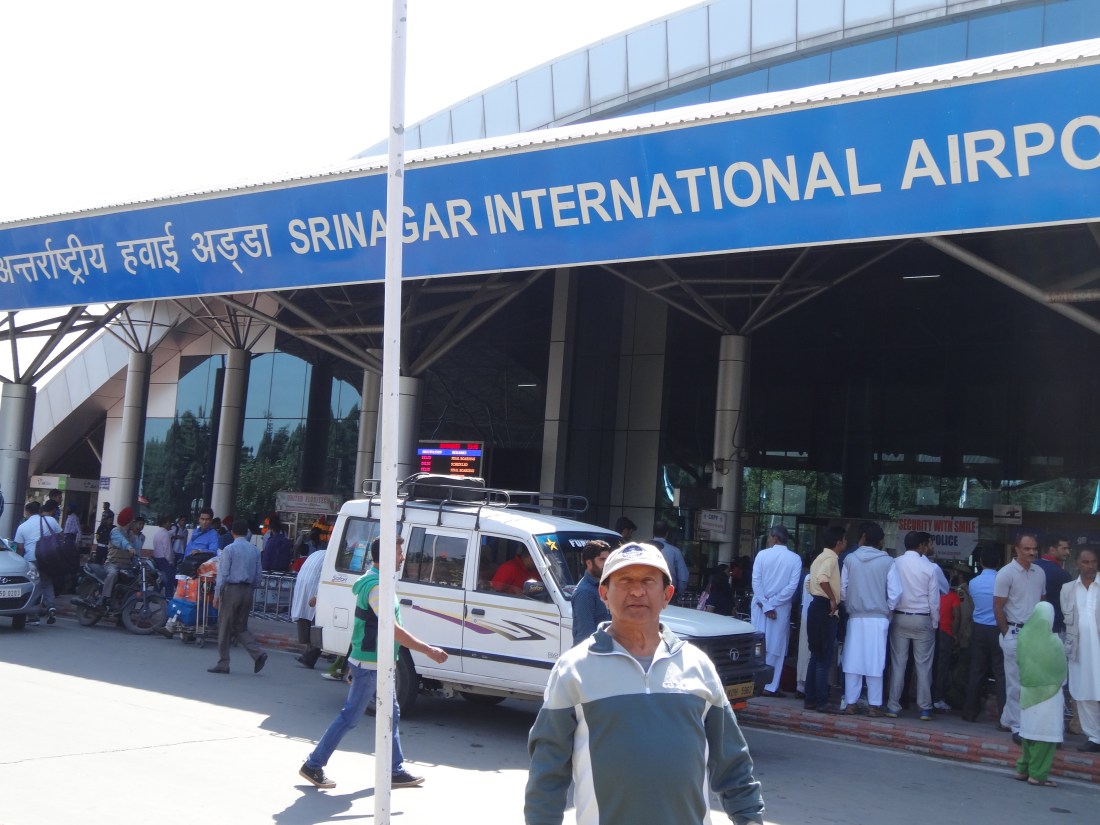
FAREWELL TO Srinagar, Kashmir but the memories stays.
NEW DELHI.
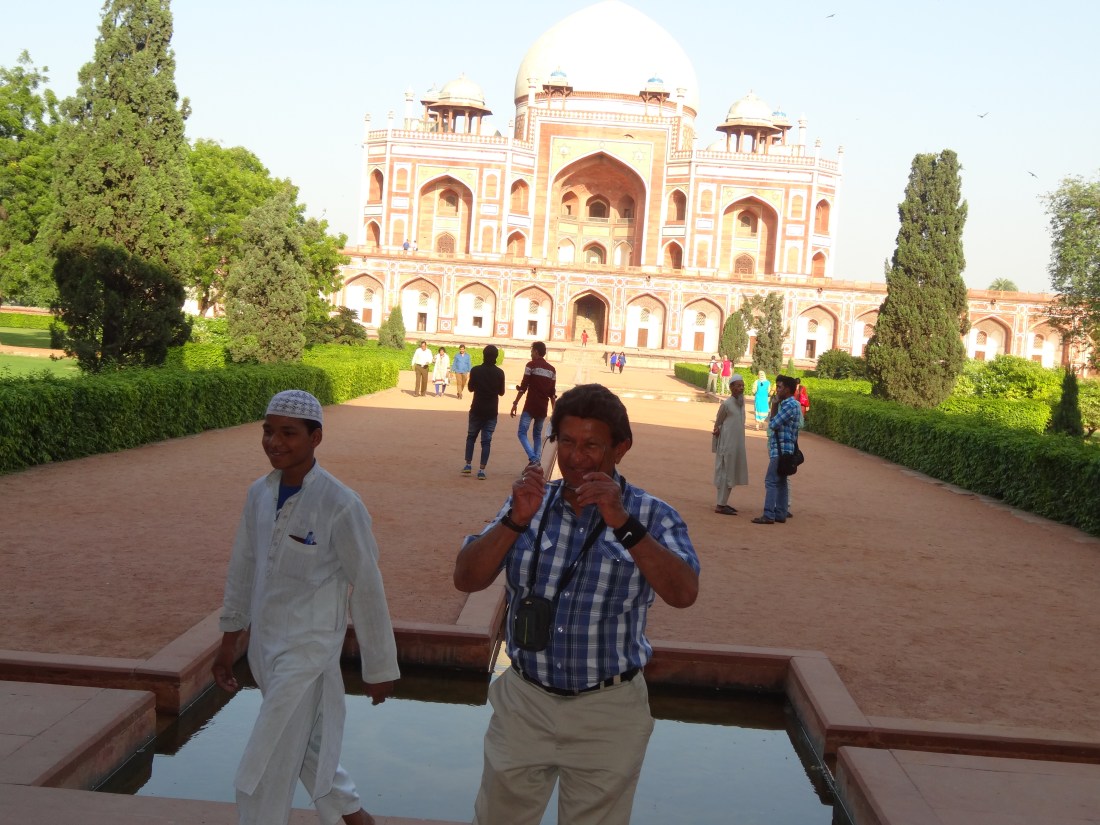
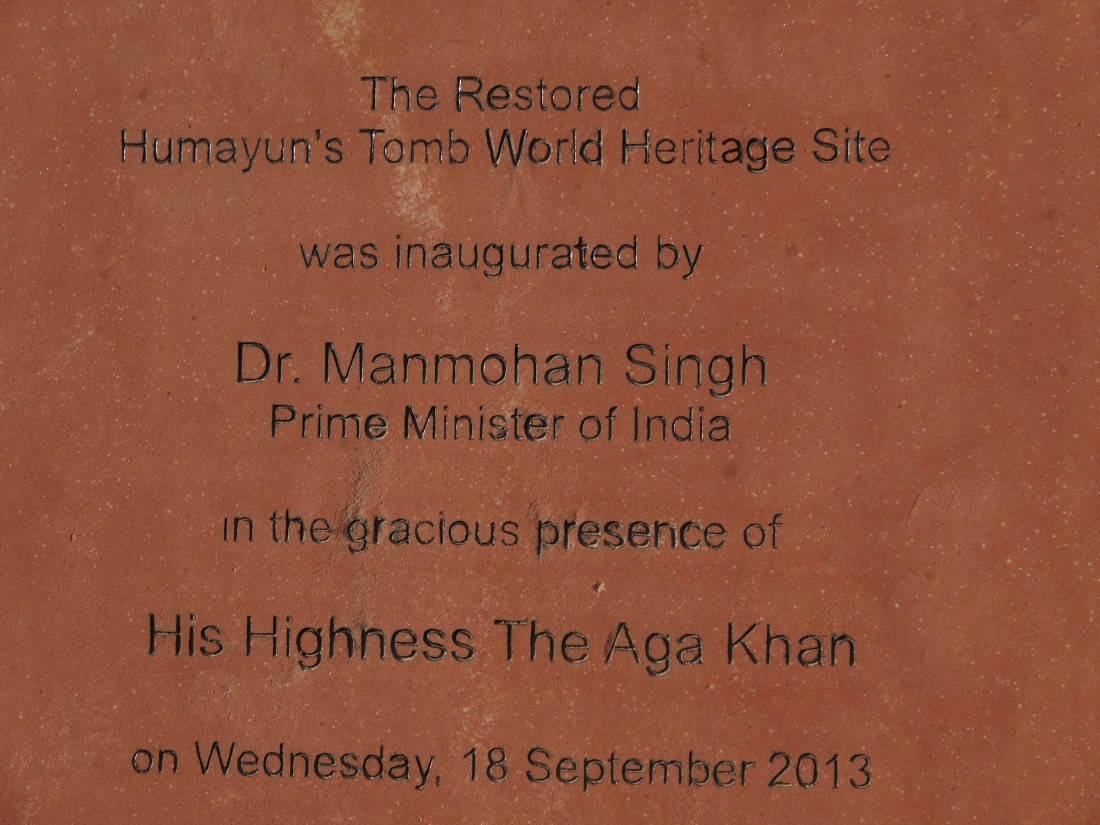
At the newly restored by Aga Khan Trust, Humayun Tomb in New Delhi.
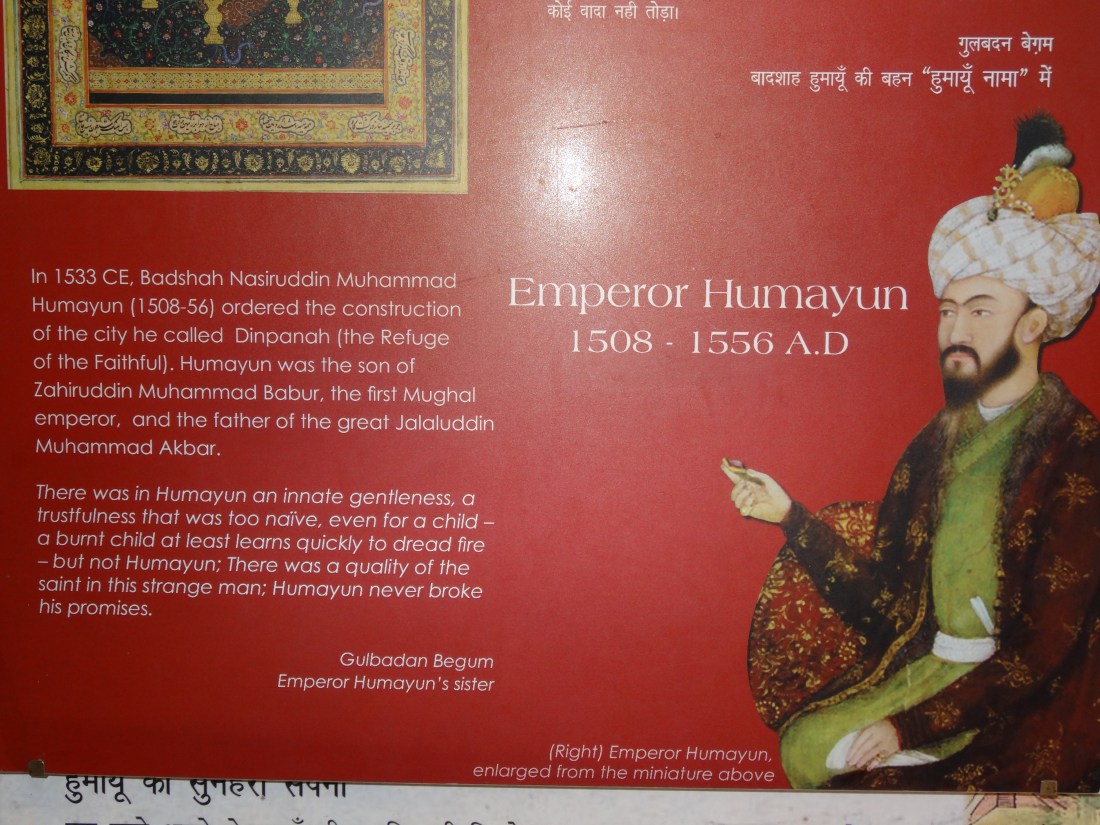
Story of Humayun , a great Mughal Emperor.
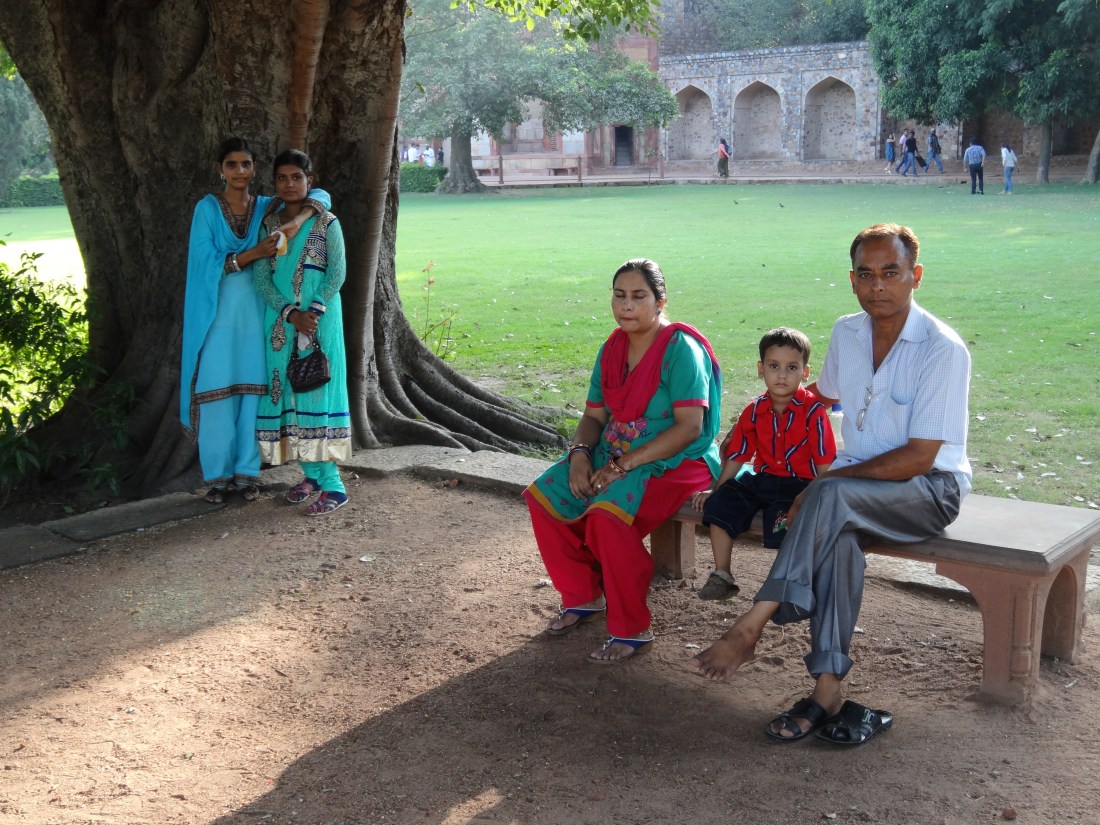
The garden surrounding Humayun tomb has been beautifully restored by the Aga Khan Trust. Families from New Delhi and visitors come to enjoy the tranquility of the garden.
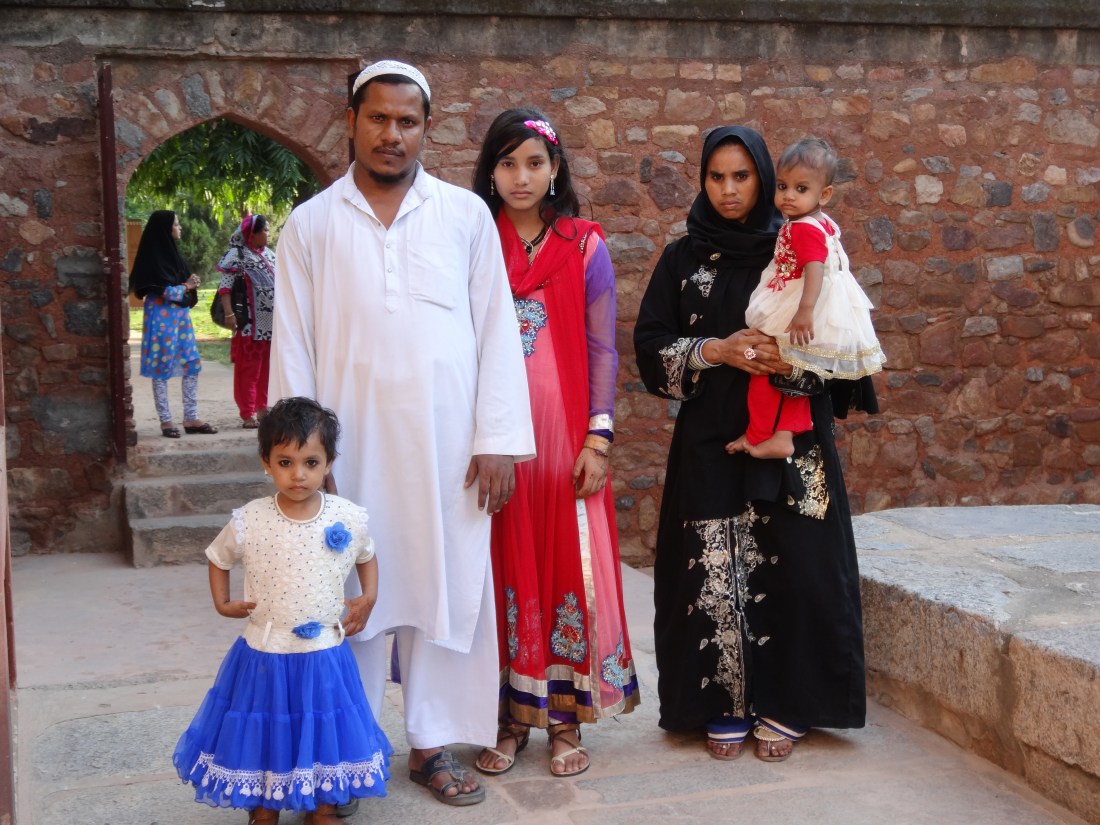
Many families in their best clothing visit the Humayun garden at the week end as an outing.
Families gather in Humayun garden for relaxation in the evening.
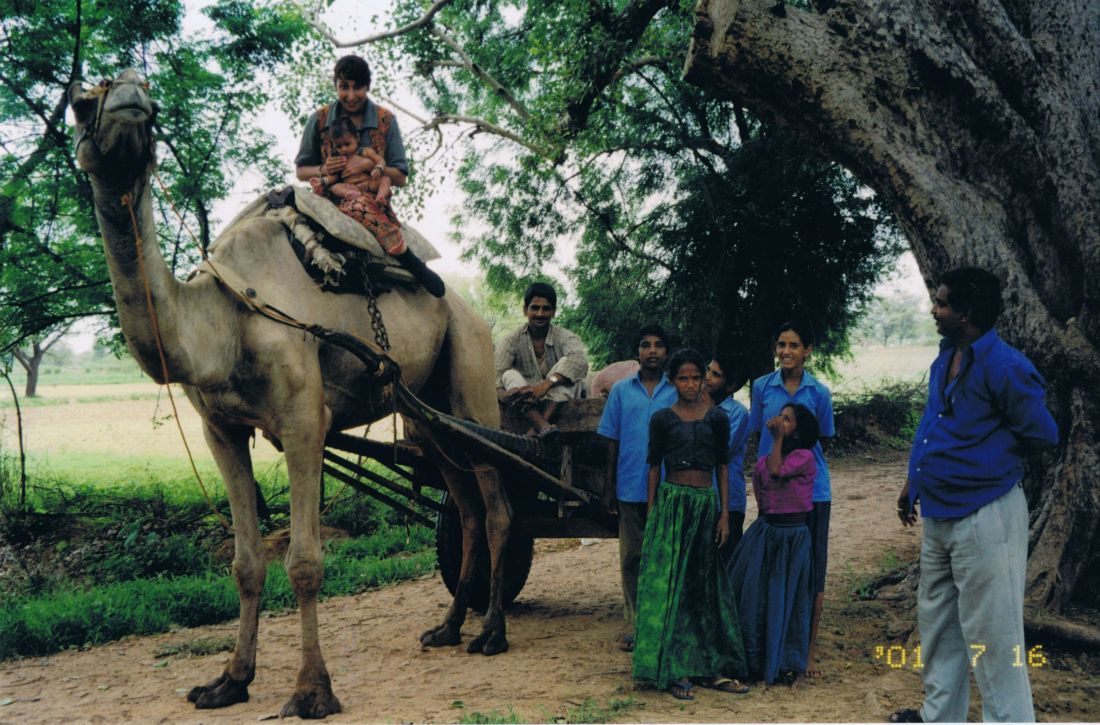
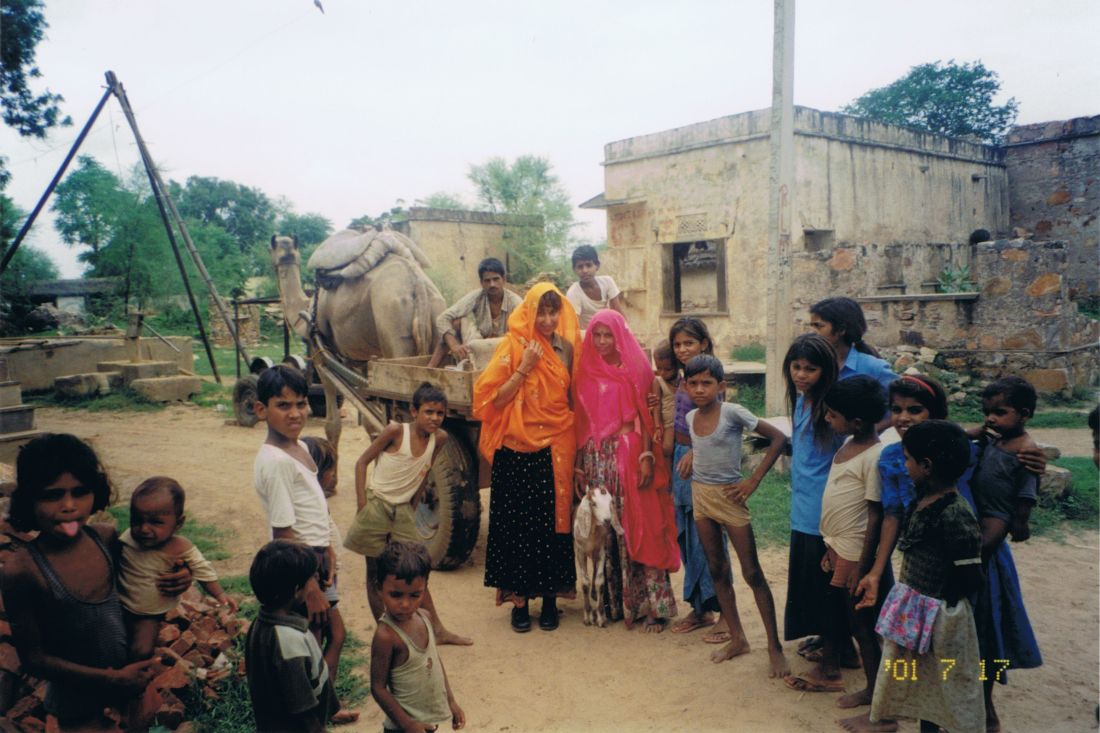
On separate journey to India, above daughter Naila on Camel cart from Jaipur arriving at the rural Village called Sundar , welcomed by some cheerful villagers.
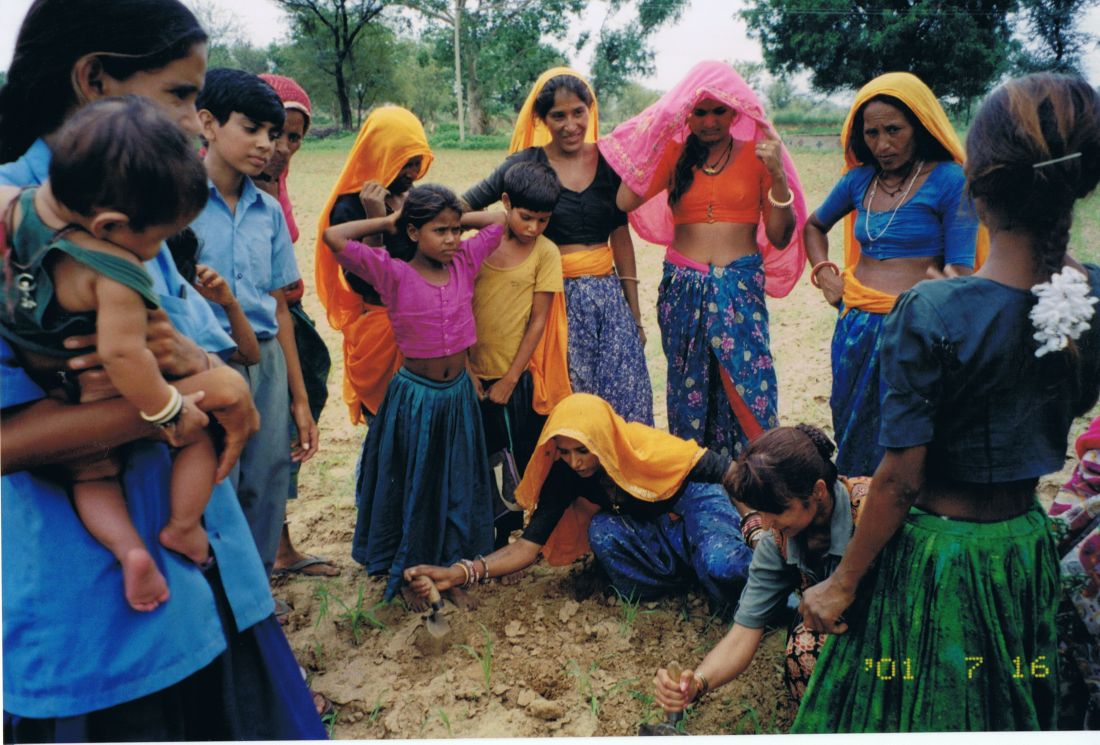
The village people with affection took daughter Naila as one of their own and acquainting her with Village life. Here above showing her how to do the planting on the field.
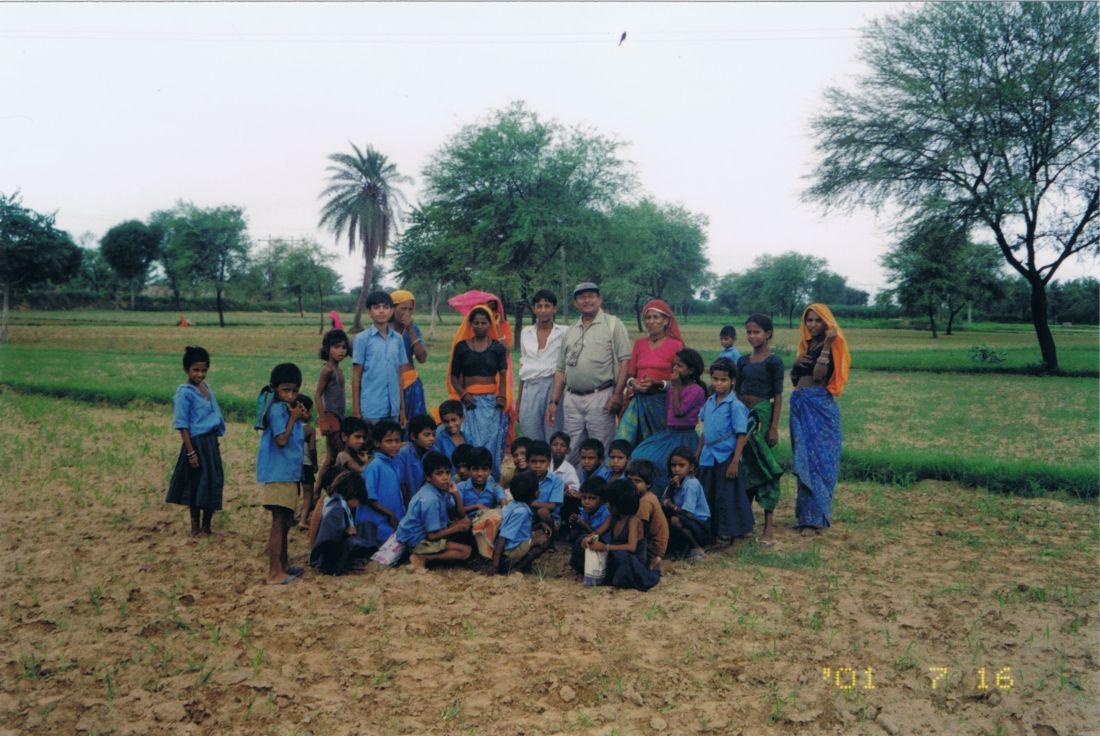
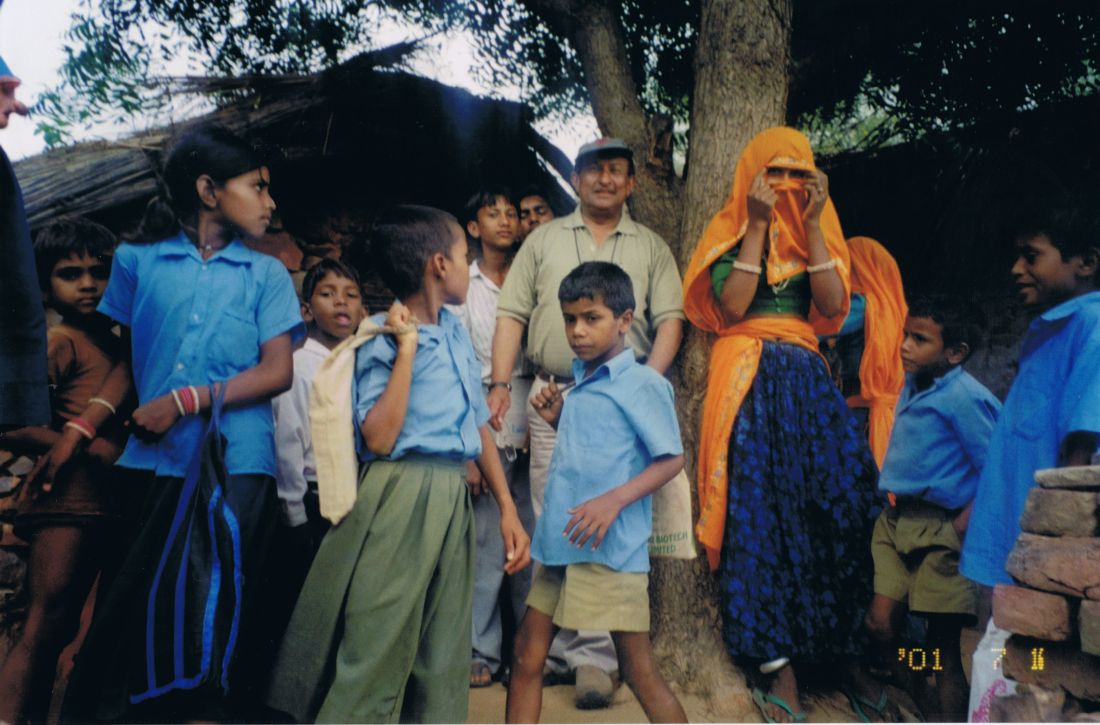
Nizar with the Village folks and children, my little friends, which were many.
Nizar with very kind people of the Village.
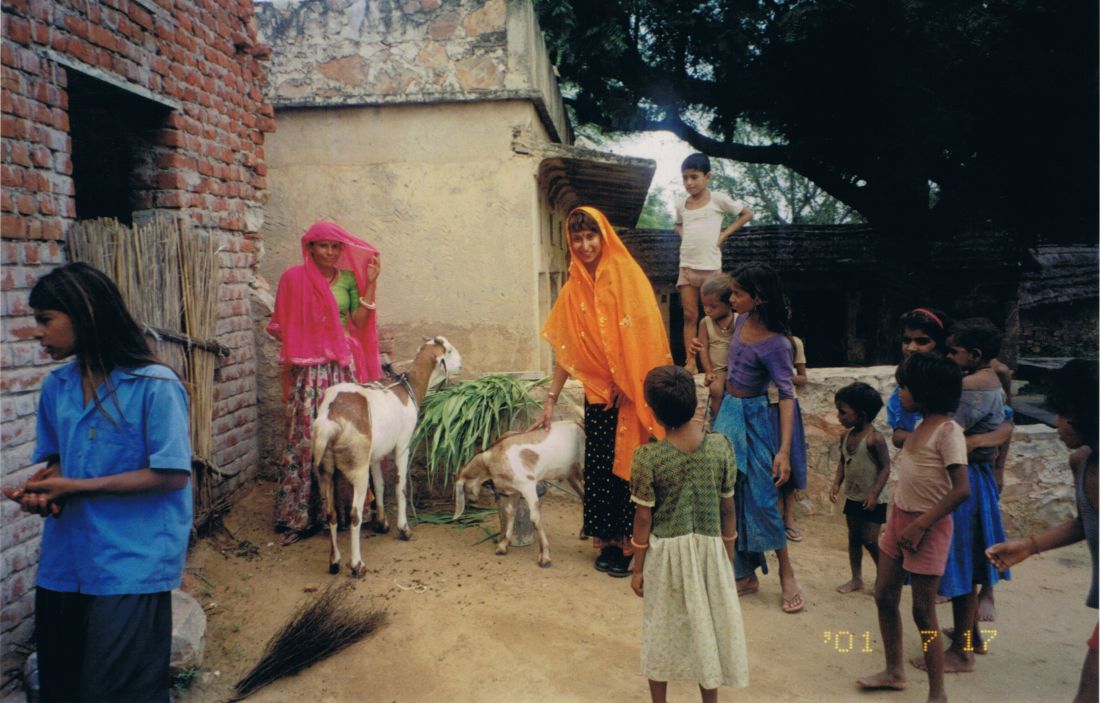
Daughter Naila in the surrounding of the Village welcomed into their homes.
The gracious and very hospitable Villagers developed a bonding with daughter Naila, and on departure from the Village all gathered to give her a gift of live goat and determined that she take the gift with her, it was the affection of the people of this Village community, a most precious gift for them to give. A dilemma of what to do now , a refusal would be offending to their custom. Finally after long persuasion an understanding it was agreed that the live goat belonged to Naila as their gift and the goat will stay here and they would look after it and remember Naila. The delicate matter was concluded. Sad , emotional and heartfelt farewell and farewell forever and forever (Shakespear ) to a new member of their village living in a far away different world.
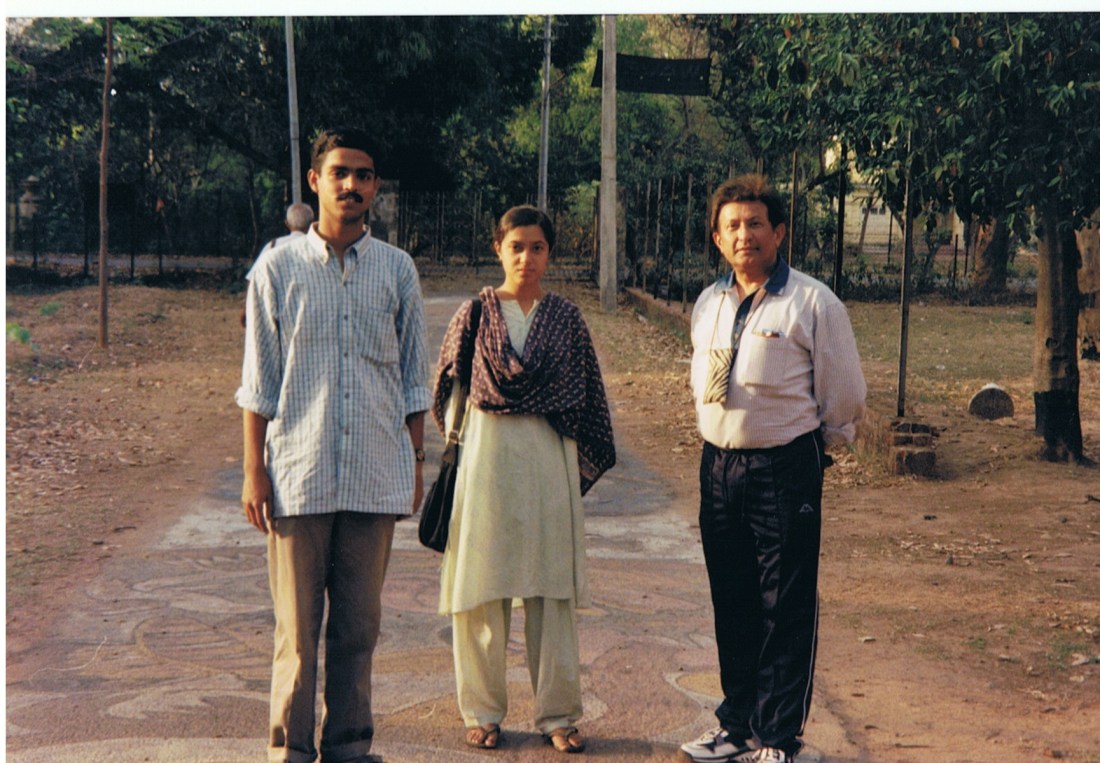

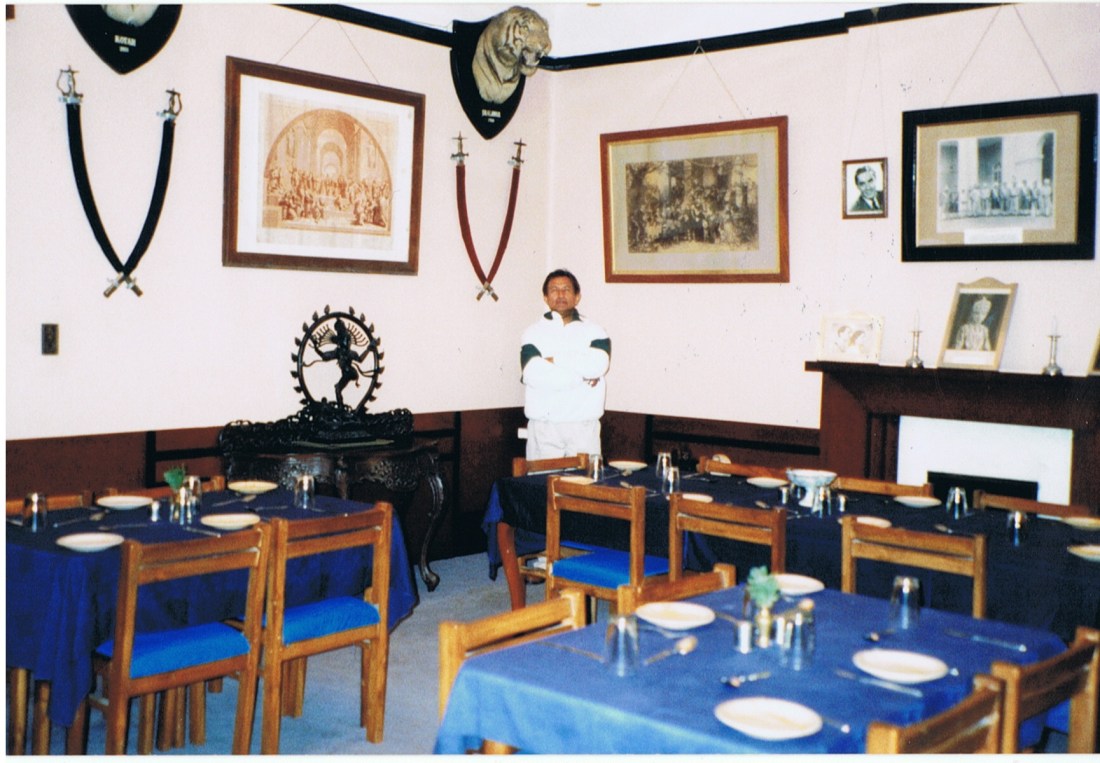

 Boys boarding school at the Darjeeling hill station. With students, Principal, his wife and daughter.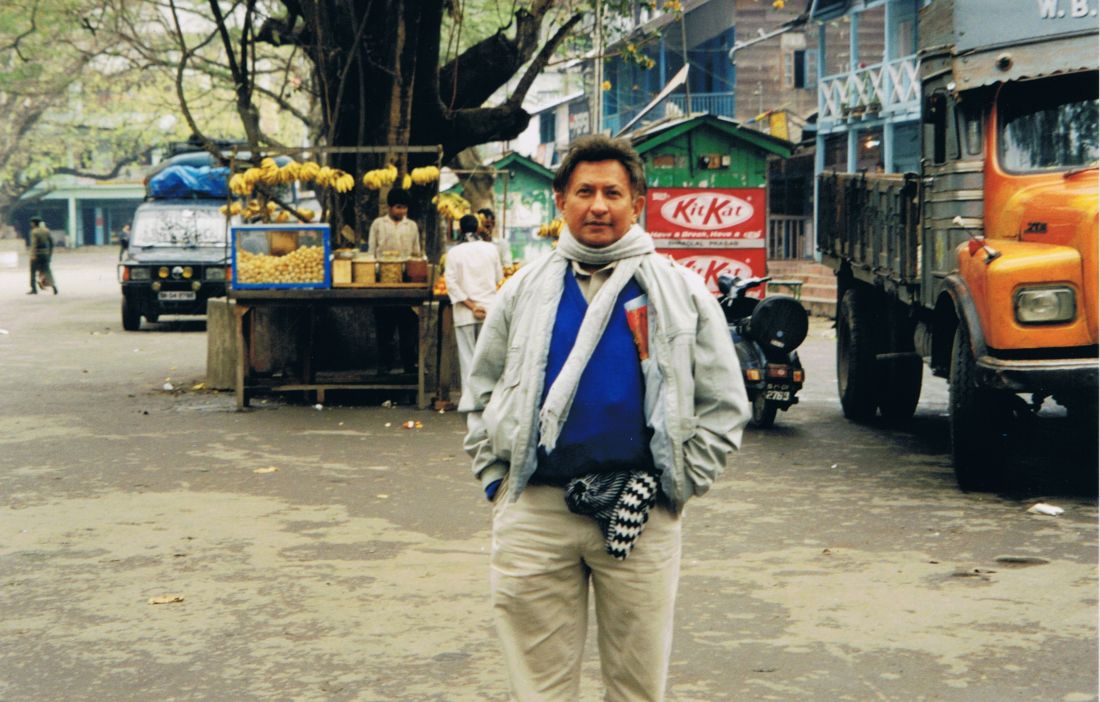

 Travels Nizar Harji